
Sherwood stories and village life
Blidworth
Pine woodland and heathland, a church rich in local tradition, and pubs that give Blidworth its sociable rhythm.
- Best for
- Woodland walks, local history and pub stops
- Give it
- A relaxed half-day
- Don't miss
- The church tower clock faces and waymarked woodland trails
The Fox verdict
A Sherwood village with stories in the landscape
Blidworth brings together pine woodland, mining heritage, Robin Hood tradition and an unusual Candlemas custom.
Start with the surviving 15th-century church tower, choose a waymarked trail through Blidworth Woods, then settle into one of the village's contrasting pubs. The village's colliery history adds an industrial chapter to a place recorded as Blideworde in Domesday Book.
Where to go
Places in Blidworth
Every place below is checked against a published source, listed with what it is and how long to give it.
Local signatures
3 placesChurch of St Mary of the Purification
A Grade II* church whose 15th-century west tower survived later rebuilds, with the Will Scarlet monument and England's only surviving Candlemas cradle-rocking ceremony.
- Visit length
- Editorial estimate: Allow around 45 minutes
- Locality
- Main Street
The Black Bull
A traditional family-owned pub with a restaurant, four B&B rooms and up to five rotating guest beers, usually including ales from Nottinghamshire breweries.
- Visit length
- Editorial estimate: Allow around 90 minutes
- Locality
- Main Street
The Bird in Hand
A traditional community local with cask ales, a dartboard, board games, live music, quiz nights and a covered, heated beer-garden area.
- Visit length
- Editorial estimate: Allow around 60 minutes
- Locality
- Main Street
Food & drink
1 placeFox & Hounds
A family-owned country pub serving home-made steak and Stilton pie and Sunday roasts, with outdoor seating in the beer garden.
- Visit length
- Editorial estimate: Allow around 90 minutes
- Locality
- Blidworth Bottoms
Walks & outdoors
1 placeBlidworth Woods
Pine woodland and heathland with waymarked trails; Longdale Lane car park gives access to three routes, including a surfaced easy-access trail.
- Visit length
- Editorial estimate: Allow around 2 hours
- Locality
- Longdale Lane car park, Ravenshead
No places match this filter. Choose All places to reset the list.
Three ways to explore Blidworth
Signature outings
Find both tower clock faces
The church tower carries east- and west-facing clock faces visible along Main Street.
Walk pine woodland and heathland
Longdale Lane car park leads to three waymarked trails in Blidworth Woods, including a surfaced easy-access trail.
Try the steak and Stilton pie
The Fox & Hounds serves a home-made steak and Stilton pie with seasonal vegetables and gravy.
The village story
Clocks, woodland and the stories Blidworth keeps
The locked Travel Fox article moves from Main Street pubs to Sherwood paths, mining history, outlaw tradition and a Candlemas ceremony unique in England.
Tower clocks and village life
St Mary of the Purification has two clock faces on its tower, one facing east and one west, so there's no excuse for being late to anything on Main Street. The tower is the oldest part of the building, a 15th-century survivor; the rest was rebuilt in 1739 and again in 1839.
The Black Bull on Main Street is family-owned, with four B&B rooms and two rooms downstairs — one still a bar, the other a former lounge turned restaurant. The pub has up to five rotating guest beers, usually including Pheasantry and Stancill, with three typically from Nottinghamshire breweries. The kitchen serves good English and more adventurous meals, including vegetarian options.
Two more village locals
The Bird in Hand is the community local — dartboard, board games, quiz nights, live sport on the screens, and an "Order & Pay" app for anyone who can't be bothered walking to the bar. The beer garden has heaters and a covered area for wetter days.
Down in Blidworth Bottoms, the Fox & Hounds serves a home-made steak and Stilton pie with seasonal vegetables and gravy, alongside Sunday roasts of beef and chicken with big Yorkshire puddings.
Provisions and paths through the woods
For provisions, BJ Bakery is on Mansfield Road near the fire station. Mansfield, the nearest town, is five miles off — the 141 bus gets you there in twenty minutes, and the village sits just off the B6020.
Blidworth stands in what used to be Sherwood Forest, and the Robin Hood Way runs through the middle of it, passing through Blidworth Woods twice — pine woodland and heathland, with waymarked trails from Longdale Lane. A linking path turns the two passes into a circular walk of about ten miles, and a shorter stage, roughly six miles, heads on to Papplewick via Newstead Abbey.
From Blideworde to the colliery
The Domesday Book records Blidworth — Blideworde — as five households with three ploughlands and a mill, held by the Archbishop of York. Blidworth’s rural character changed when Blidworth Colliery was sunk in 1925–26 and a large miners’ village was built; the colliery closed in 1989.
Robin Hood's Will Scarlet is traditionally buried in the churchyard, marked by a weathered stone fragment popularly called his monument, though historians note outlaws rarely got churchyard burials. Out in a field nearby stands the Druid Stone, a holed glacial boulder over 13 feet high with nothing to do with druids — that's a Victorian guess. Sick children were once passed through the hole in it for a cure.
Outlaws, the Druid Stone and Candlemas
Every Candlemas, St Mary's holds a ceremony that survives nowhere else in England: a baby boy born nearest to Christmas, to married, Christian parents in the village, is rocked in a flower-decorated cradle about 200 years old. It was banned around 1600, revived in 1842, lapsed again, and came back for good in 1922. Every rocked baby's name goes on a plaque at the back of the church — a small, growing list of who has passed through.
Stay around Nottinghamshire
Make a longer stay of it
Travel Fox holiday homes around Nottinghamshire, linked directly to their property pages.
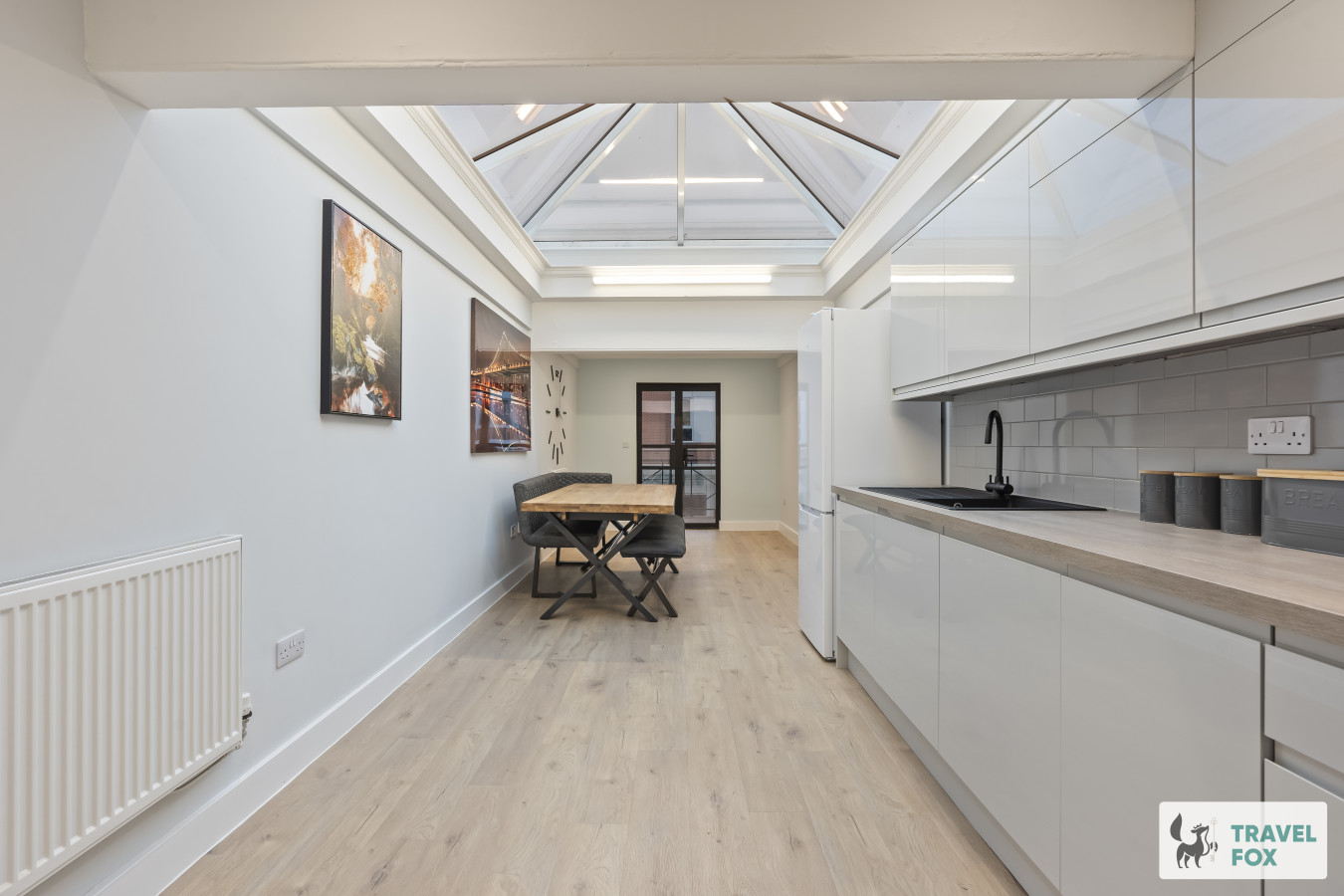
Nottingham
Camila's Penthouse Central Stay with Balcony
- Sleeps 16
- 5 bedrooms
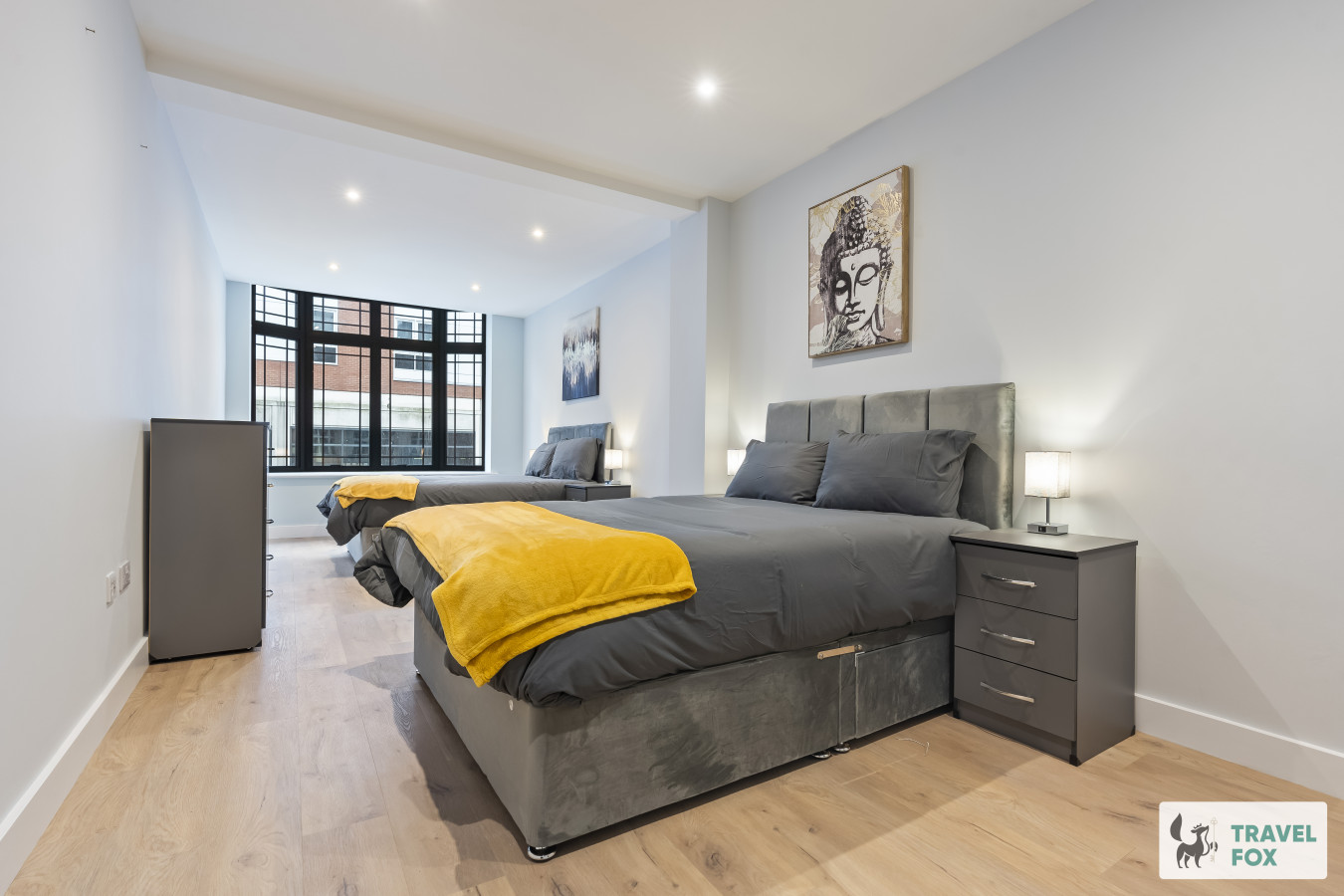
Nottingham
Blair's Central Stay
- Sleeps 16
- 5 bedrooms
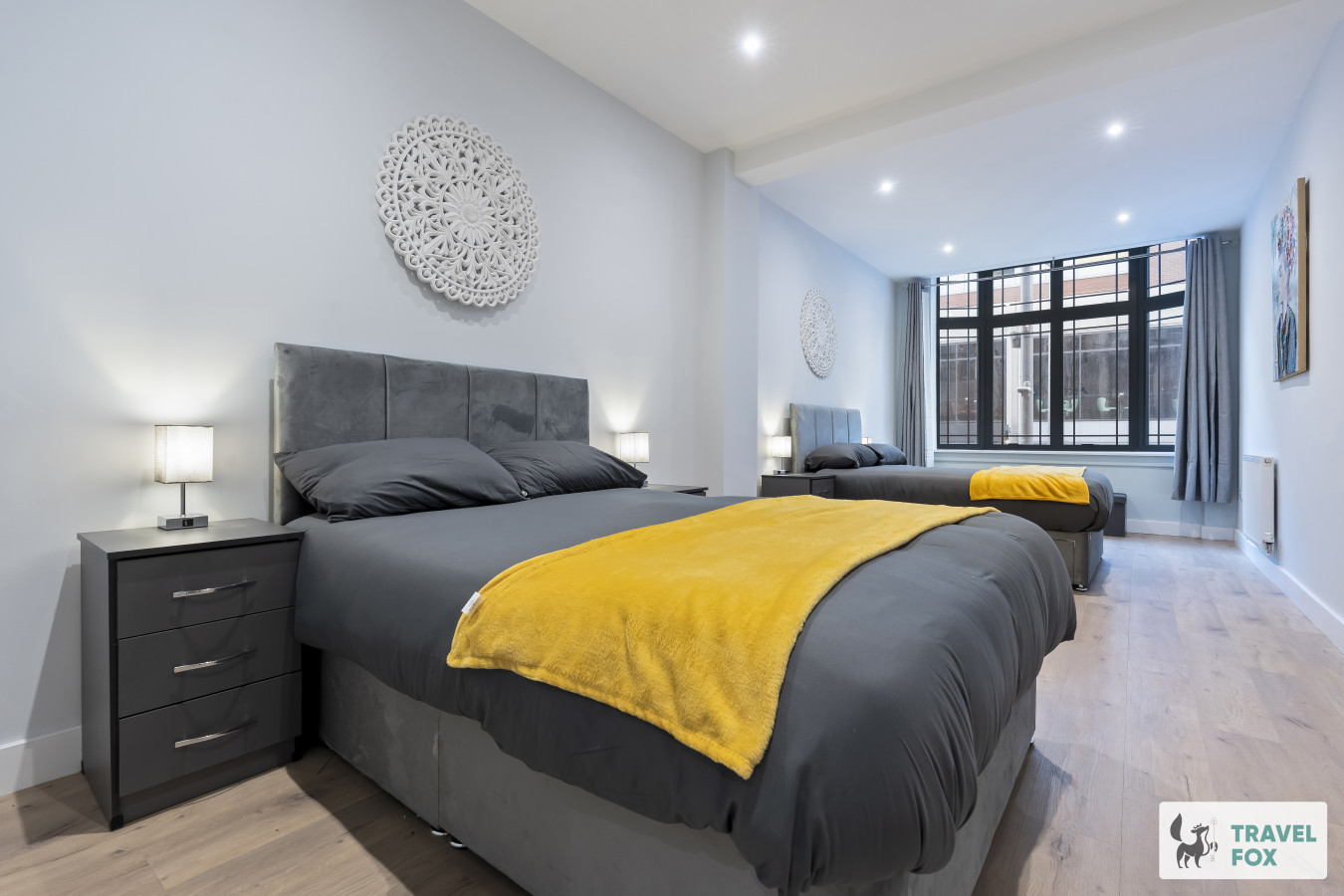
Nottingham
Anna's Central Stay
- Sleeps 16
- 5 bedrooms
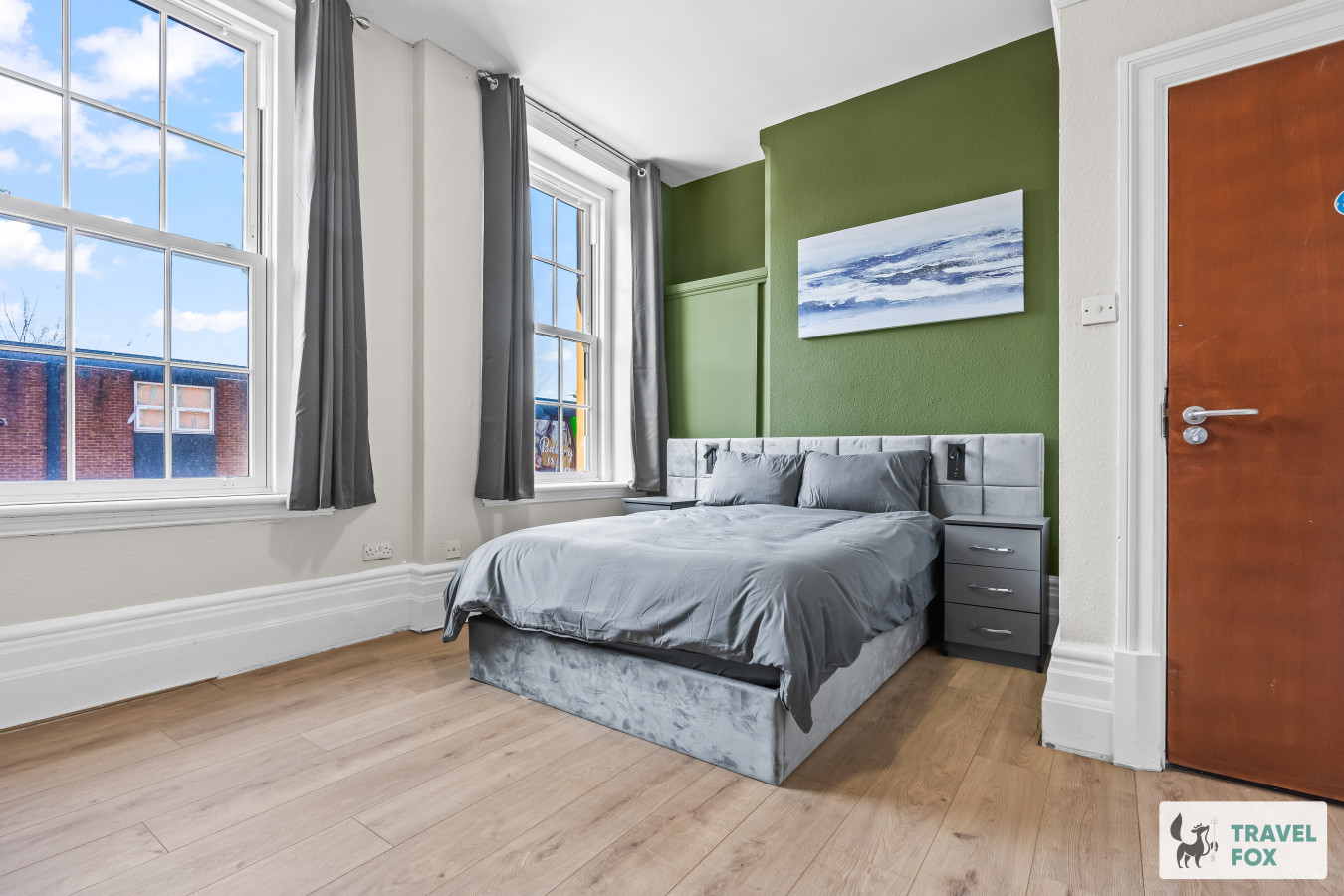
Nottingham
Melissa's Central Stay
- Sleeps 13
- 5 bedrooms
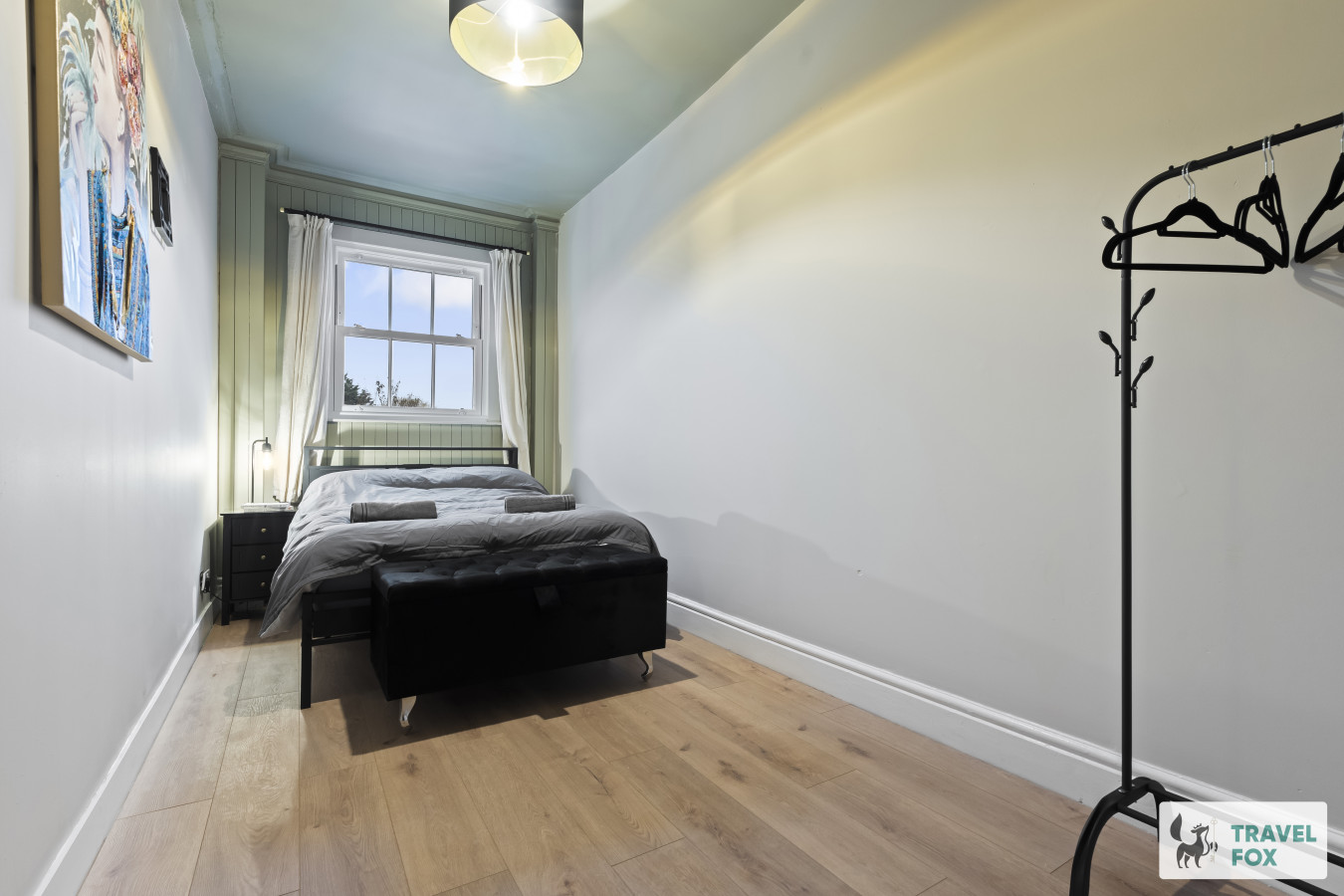
Nottingham
Callie's Central Stay
- Sleeps 9
- 3 bedrooms
For homeowners
Own a holiday home near Blidworth?
We manage holiday lets across the UK from 12% commission, charged after cleaning costs, with no lock-in. A co-founder visits before you decide.
How our holiday let management works →
A guide with a point of view
Written from research. Edited for real journeys.
Use the Official site links for live practical details, then use this guide for context, ideas and room to explore.
Sources
Every place on this page is checked against a published source. Each entry links the record we used and names who publishes it.
- Church of St Mary of the Purification — historicengland.org.uk statutory register or public authority record not machine-readable; publisher restricts automated access
- Blidworth Woods — forestryengland.uk national body or asset manager
- The Black Bull — camra.org.uk operator, sector body or destination organisation
- The Bird in Hand — birdinhandblidworth.co.uk operator, sector body or destination organisation
- Fox & Hounds — foxblidworth.co.uk other published source