
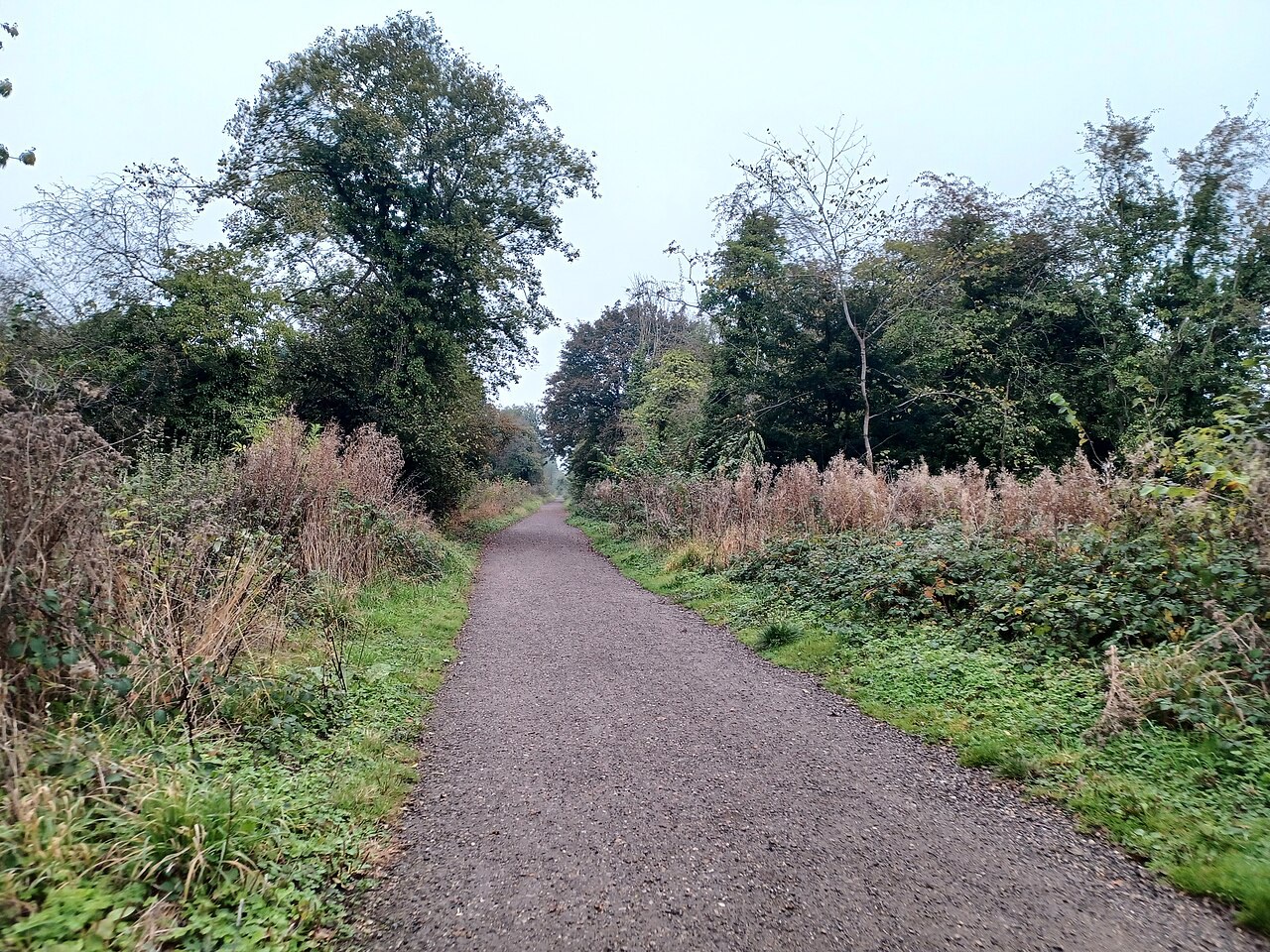
White Peak village
Tissington
Pale limestone cottages, mature trees and old wells frame a compact estate village with a traffic-free trail at its edge.
- Main draw
- The traffic-free Tissington Trail
- Village character
- Pale limestone and wide grass verges
- Don't miss
- St Mary's carved Norman doorway
Photo: Simon Burchell · CC BY-SA 4.0 · cropped
The Fox verdict
A limestone village made for a slow loop
Come for the traffic-free trail, then make time for the Norman church, Jacobean hall and small cluster of daytime businesses.
Tissington works best as a compact village visit paired with a section of the trail. St Mary's and Tissington Hall carry the history, while Herbert's and On a Wick and a Prayer provide useful stops among the estate buildings.
Your picks, your pace
Make Tissington yours
Choose a mood or build your own list. Your saved stops are an ordering aid, with a direct map route when you are ready.
Local signatures
3 places
Start here
Tissington Trail
A 13-mile traffic-free walking, cycling and bridleway route on the former Ashbourne–Buxton railway, with a firm crushed-limestone surface.
- Visit length
- Editorial estimate: allow around 2 hours for a there-and-back section
- Locality
- passes just outside Tissington village
- Access
- Mostly firm surfaced sections offer accessible walking, with inclines and dips varying by section.
Herbert's Fine English Tea Rooms
The former Old Coach House serves breakfasts, lunches, sandwiches, cakes and cream teas, making it a practical daytime stop for walkers and cyclists.
- Visit length
- Editorial estimate: allow around 60 minutes
- Locality
- in the former Old Coach House
- Access
- The former Old Coach House serves breakfasts, lunches, sandwiches, cakes and cream teas.
On a Wick and a Prayer
Founded by Annie, this family-run candle business works from the former village smithy and has a workshop shop in Tissington.
- Visit length
- Editorial estimate: allow around 45 minutes
- Locality
- in the former blacksmith's forge at Yew Tree Cottage
History & heritage
2 places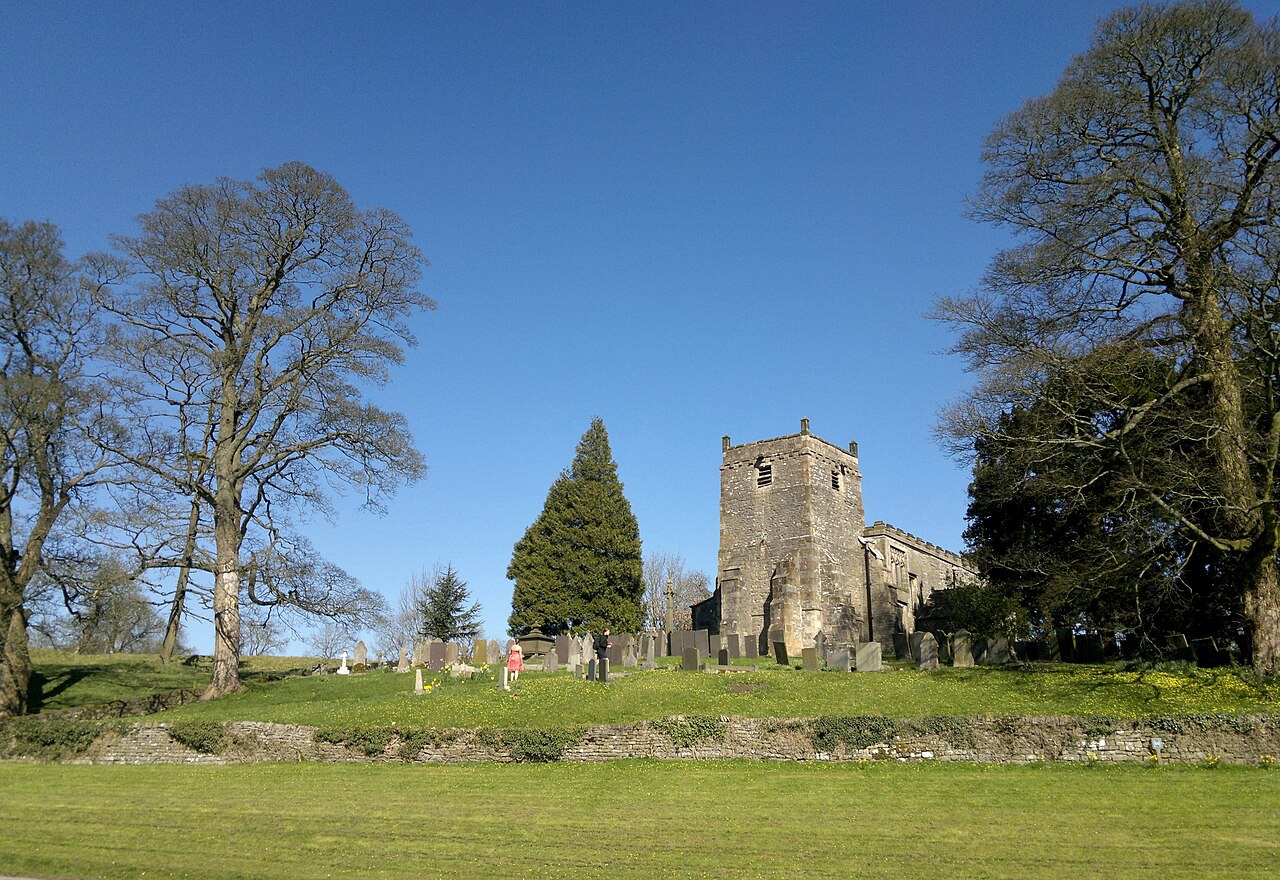
St Mary's Church
A Grade II* church with a 12th-century Norman core, FitzHerbert monuments and a carved doorway whose tympanum shows two small figures around a chequerboard pattern.
- Visit length
- Editorial estimate: allow around 40 minutes
- Locality
- at the heart of Tissington beside the Hall
Tissington Hall
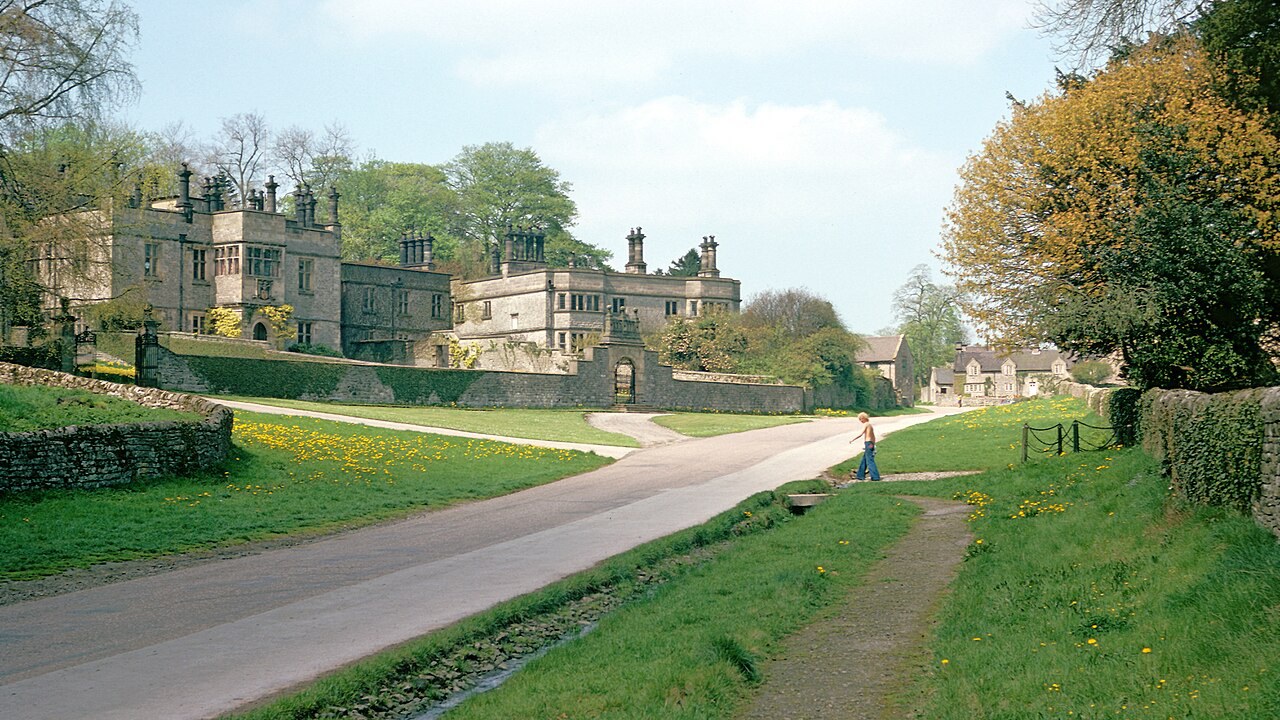
Francis FitzHerbert built Tissington Hall in 1609 to replace a moated fortification near St Mary's. Its forecourt entrance has wrought-iron gates attributed to Robert Bakewell.
- Visit length
- Editorial estimate: allow around 60 minutes when an advertised visit or event is available
- Locality
- beside St Mary's Church
- Access
- Public visits take place on advertised days or through arranged group tours.
No places match this filter. Choose All places to reset the list.
On the map
Tissington at a glance
Tap a marker to jump to its guide card.
Three ways to explore Tissington
Signature outings
Traffic-free miles
Use the old station car park beyond the village pond as a starting point; the National Park lists toilets there.
Norman carving
Look inside for the Norman tub-shaped font, with figures incised into its stone.
Four centuries at the Hall
A guided house visit offers a look at the Main Hall and two state drawing rooms.
The village story
Tissington Village Guide
Water, limestone and centuries of estate history shape this compact White Peak village.
The village and the A515 junction
An avenue of lime trees leads into Tissington, where estate buildings line a single village street. Farther south are the old school, the village pond and the road to the former railway station, now a car park beside the old railway line.
The A515 junction south of the village is the main road approach to Tissington. Inside the estate village, refreshments are found among the daytime businesses and tearooms.
Tea rooms and village makers
Herbert's Tearoom occupies the former Old Coach House and offers light bites, homemade cakes and cream teas, making it a useful stop for walkers and cyclists.
The former village smithy is now home to On a Wick and a Prayer, a family-run candlemaker founded by Annie. The workshop shop welcomes visitors.
Trails and Norman stone
The Tissington Trail runs for 13 traffic-free miles between Ashbourne and Parsley Hay on the former railway. Much of the surface is compacted and reasonably firm, with steep inclines and dips where bridges once stood. Bike hire is available at Ashbourne and Parsley Hay.
St Mary's retains Norman features, including its south doorway and tub-shaped font. The church contains FitzHerbert family monuments, including a 17th-century memorial.
Hall, family and wells
The FitzHerbert family's connection to the estate dates to the 1460s. Francis FitzHerbert built Tissington Hall in 1609 to replace an earlier moated fortification near the church; the forecourt gates are attributed to Robert Bakewell. House visits take place on advertised public days or through arranged group tours.
During Ascension Week, Tissington's wells are decorated with flower petals, leaves and seeds in designs that may take religious, historical or local themes. A church service and procession accompany the blessing of the wells.
From Domesday to the road home
The Domesday surveyors called it Tizinctun and valued it at four pounds in 1066 and two pounds in 1086. It had gone down.
The former railway station is now a car park at the village edge. From the village pond, the road leads towards it, giving walkers and cyclists a way to continue beyond Tissington.
Stay around Peak District
Make a longer stay of it
Travel Fox holiday homes around Peak District, linked directly to their property pages.
Leek
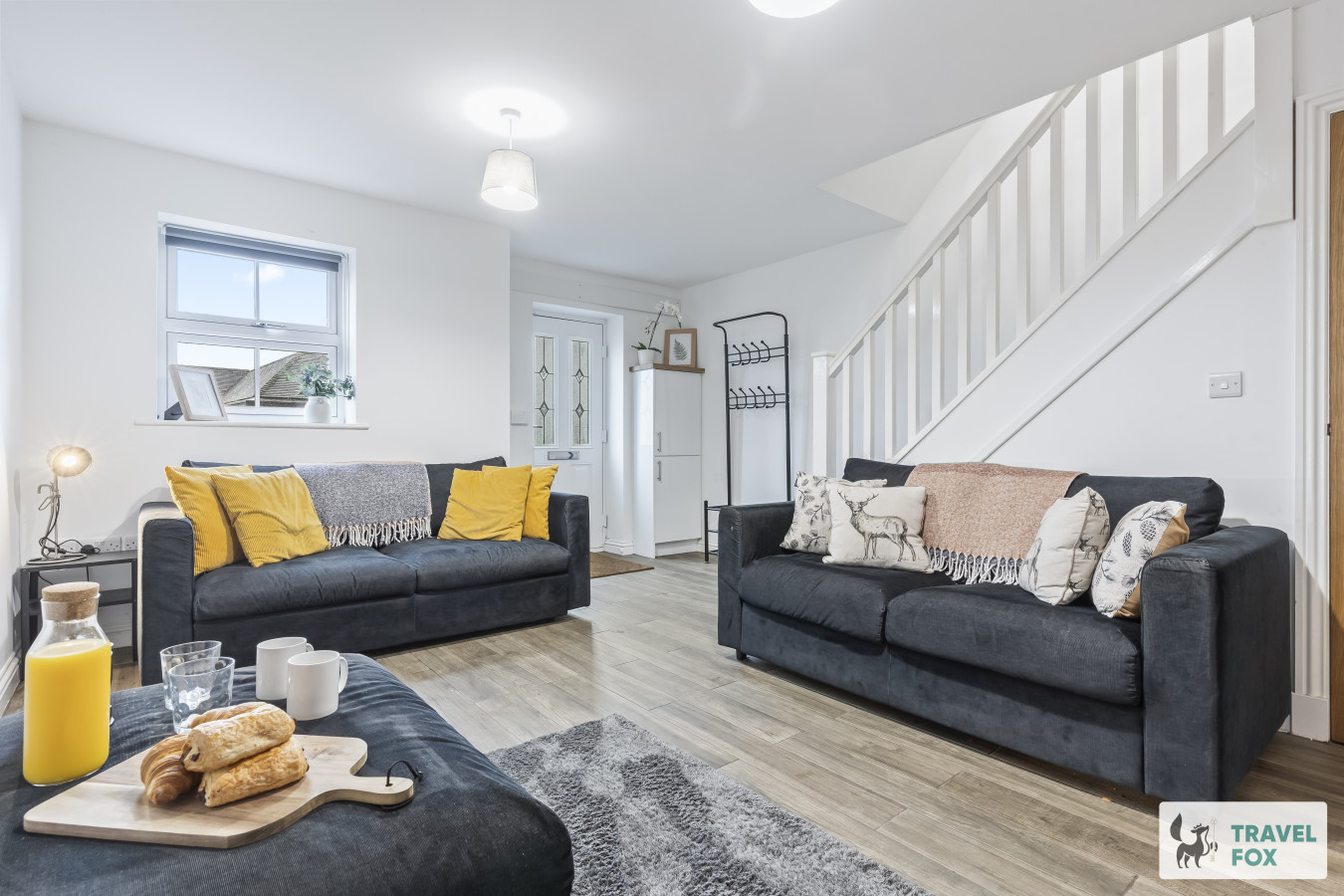
Lisa's House Leek: 20mins Alton Towers
- Sleeps 6
- 2 bedrooms
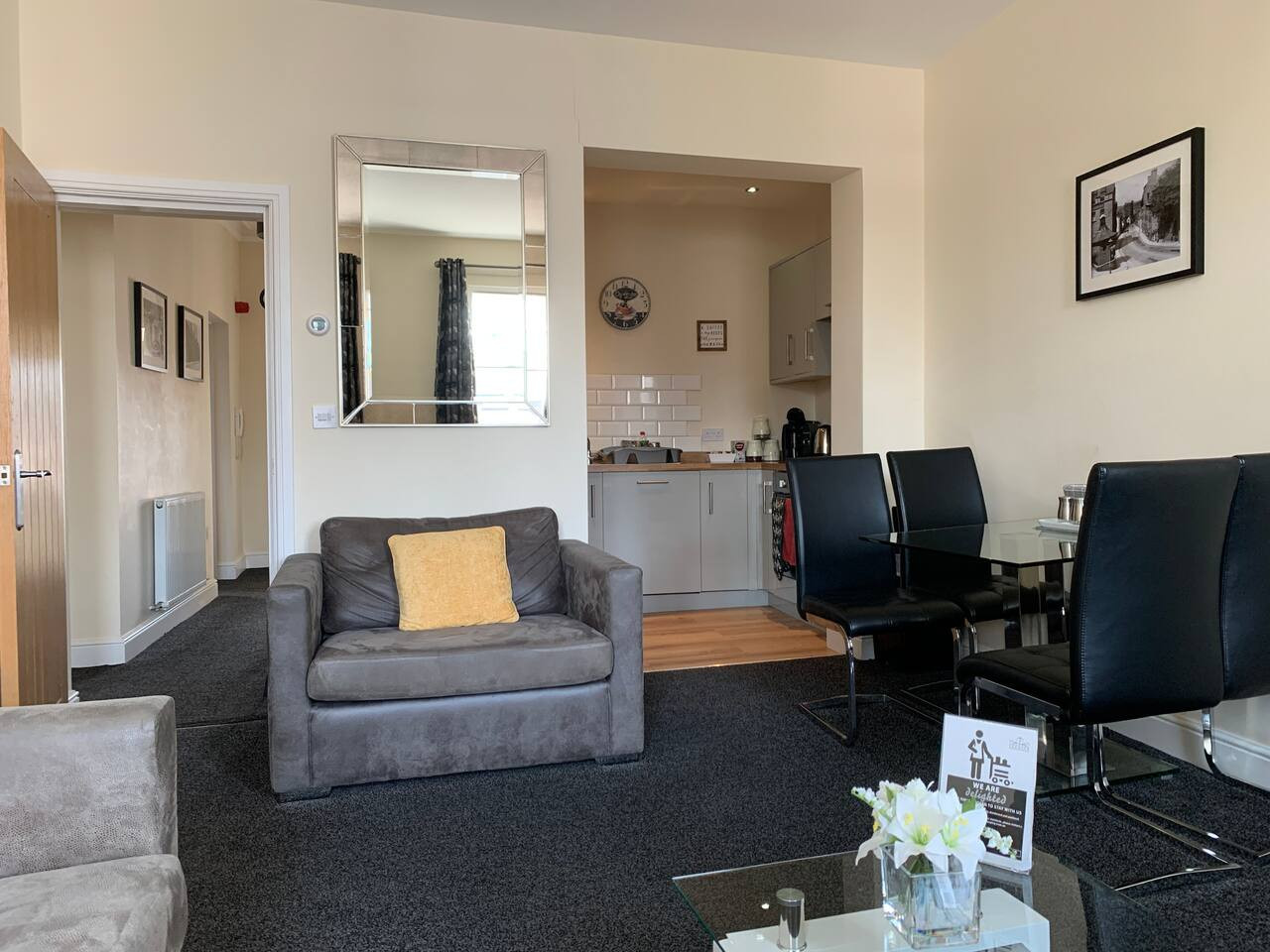
Leek
The Rudyard Suite - Large 1 Bed Apartment
- Sleeps 5
- 1 bedroom
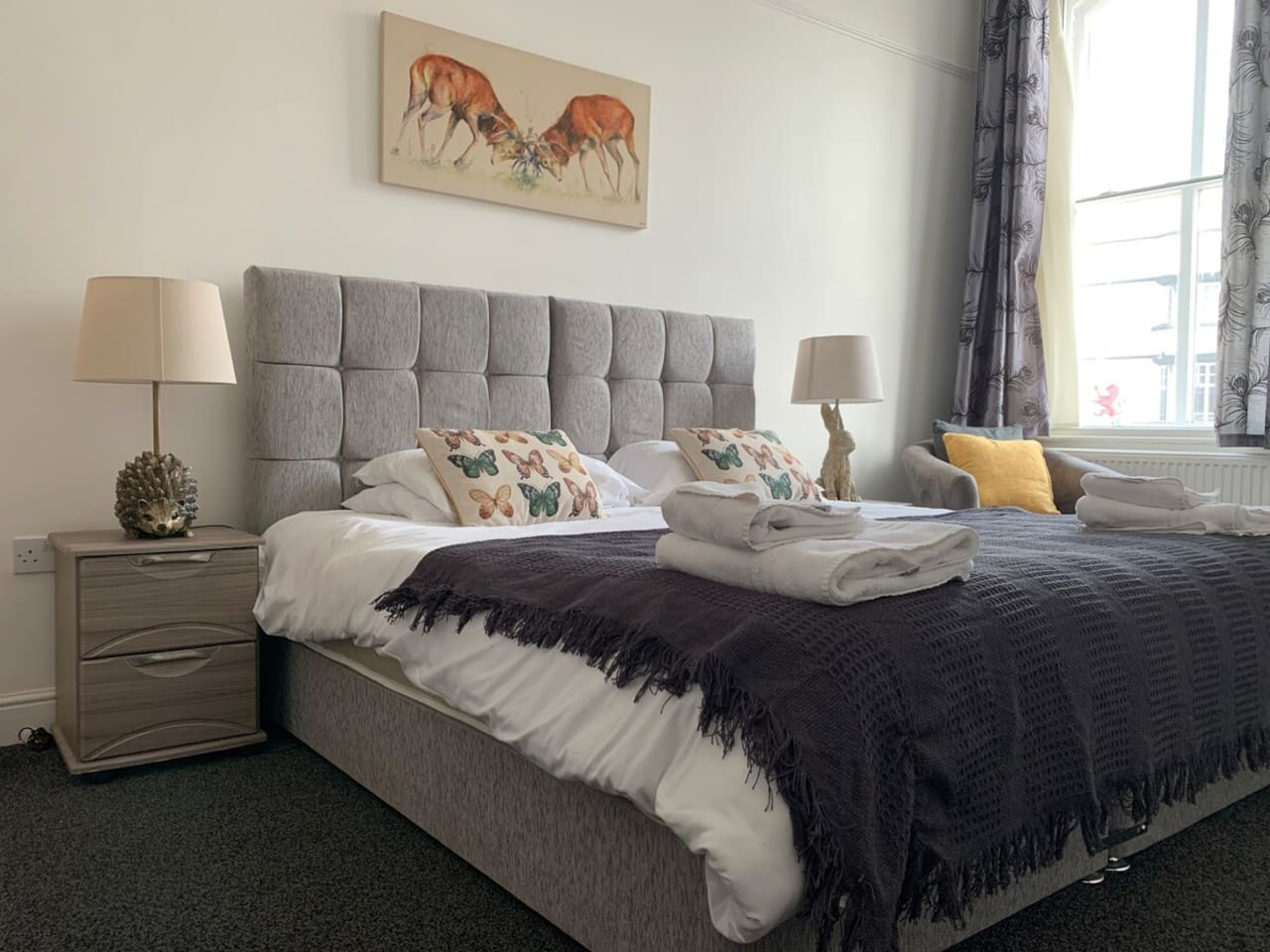
Leek
The Roaches Suite - Large 2 Bedroom Apartment
- Sleeps 7
- 2 bedrooms
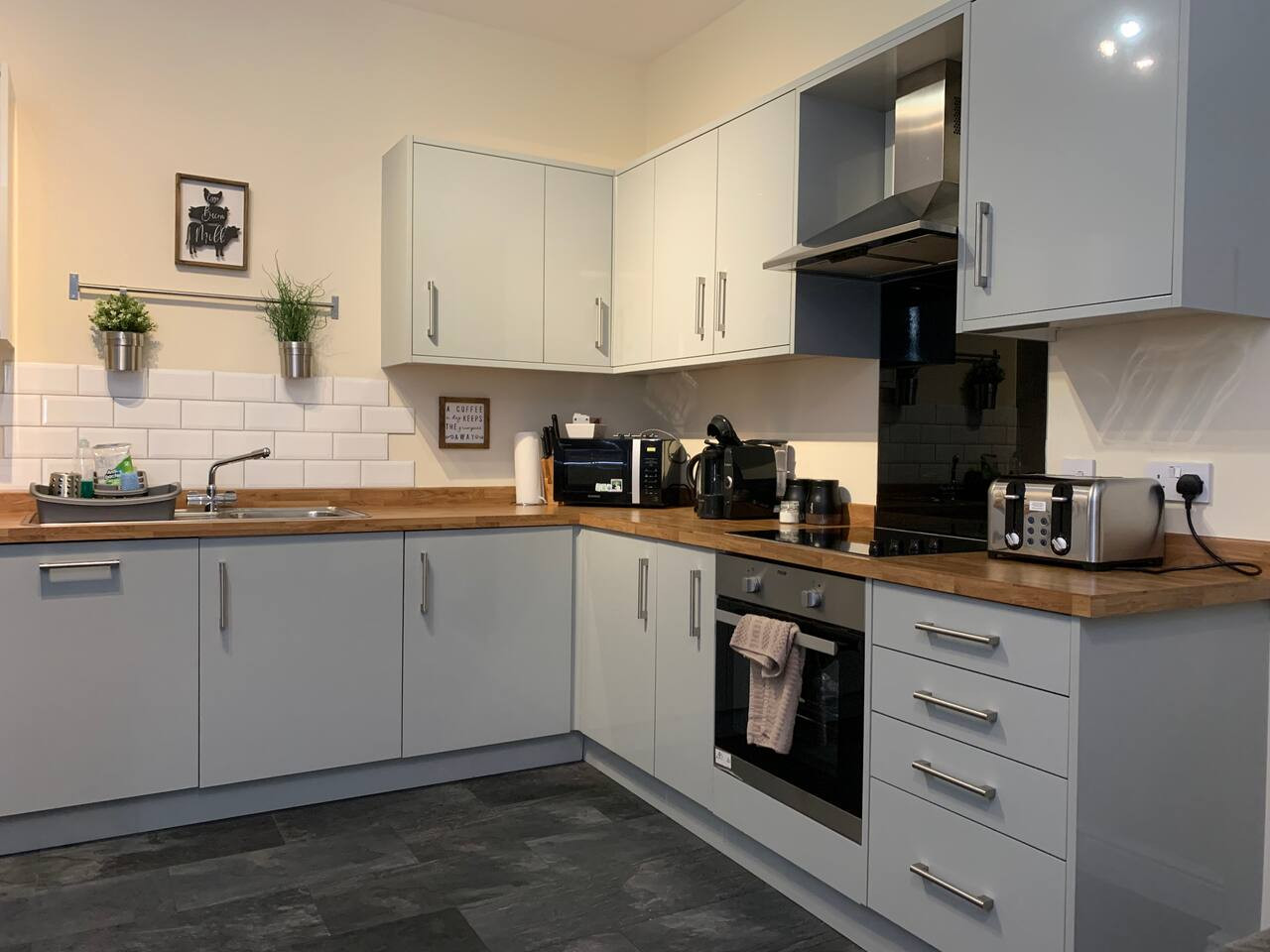
Leek
The Moorlands Suite - 1 Bed Apartment
- Sleeps 4
- 1 bedroom
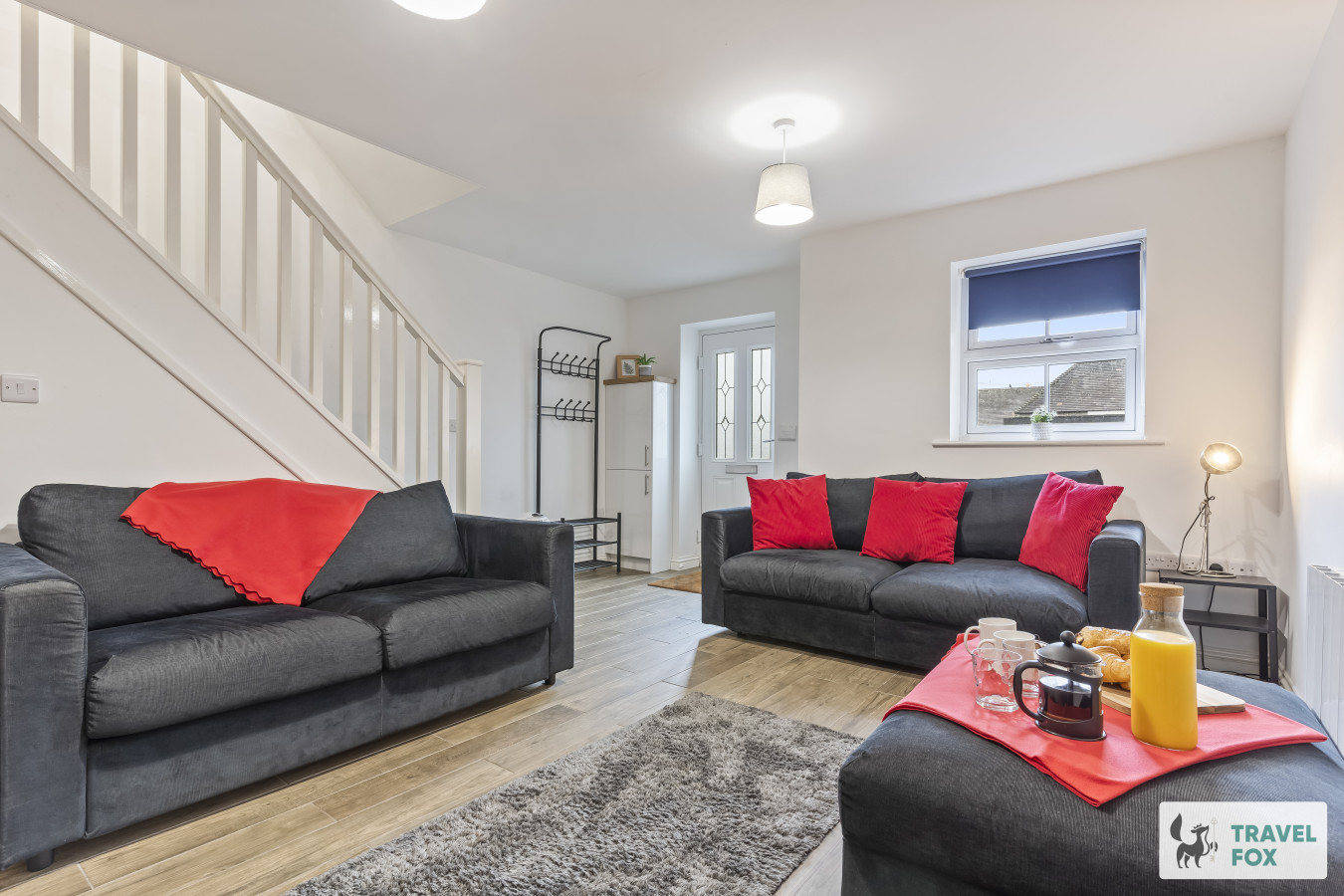
Leek
Amy's House: 20mins Alton Towers
- Sleeps 6
- 2 bedrooms
For homeowners
Own a holiday home near Tissington?
We manage holiday lets across the Peak District from 12% commission, charged after cleaning costs, with no lock-in. A co-founder visits before you decide.
Holiday let management in the Peak District →
A guide with a point of view
Written from research. Edited for real journeys.
Use the Official site links for live practical details, then use this guide for context, ideas and room to explore.
Photography credits & licences
Third-party photographs are credited to their named creators and reused under the linked Creative Commons licence or public-domain dedication. Travel Fox stores an optimised local copy; the file-specific changes and any browser-applied display crop are disclosed below. Reused photographs link both to the Wikimedia Commons source record and to the declared source image; Travel Fox's own photographs carry no such record and are marked as ours. These image licences do not cover Travel Fox text, branding or page design.
- File:Tissington Trail 02.jpg — photograph by Simon Burchell; Own work. Source record on Wikimedia Commons. Declared source image. Licence: CC BY-SA 4.0. File changes: Downloaded from Wikimedia Commons, resized to a maximum 1920px edge and encoded as an optimised JPEG. Display changes: Displayed with responsive CSS cropping.
- File:Parish Church of St Mary, Tissington - geograph.org.uk - 2869816.jpg — photograph by Chris Morgan; Parish Church of St Mary, Tissington by Chris Morgan. Source record on Wikimedia Commons. Declared source image. Licence: CC BY-SA 2.0. File changes: Downloaded from Wikimedia Commons, resized to a maximum 1920px edge and encoded as an optimised JPEG. Display changes: Displayed with responsive CSS cropping.
- File:Rakes Lane and Tissington Hall - geograph.org.uk - 2251055.jpg — photograph by Alan Walker; Rakes Lane and Tissington Hall by Alan Walker. Source record on Wikimedia Commons. Declared source image. Licence: CC BY-SA 2.0. File changes: Downloaded from Wikimedia Commons, resized to a maximum 1920px edge and encoded as an optimised JPEG. Display changes: Displayed with responsive CSS cropping.