

Castle, coast and Cofi culture
Caernarfon
A Welsh-speaking walled town where Edward I's castle rises from the waterfront and steam trains leave beneath its walls.
- Best for
- Castle history, Welsh culture and steam rail journeys
- Give it
- A full day, with the railway as a separate full-day outing
- Don't miss
- The castle's banded towers and the medieval wall circuit
Photo: Raymond Knapman · CC BY-SA 2.0 · cropped
The Fox verdict
A fortress town with a voice of its own
Caernarfon brings medieval and Roman history together with a working Welsh-language culture, a waterfront and a remarkable heritage railway.
The castle and almost complete town walls give Caernarfon its monumental outline, but the town's character also lives in Cofi Welsh, independent places such as the Black Boy Inn, the Slate Quay and the cultural life around Doc Fictoria. Segontium and the two Grade I churches extend the story beyond the best-known landmark.
Where to go
Places in Caernarfon
Every place below is checked against a published source, listed with what it is and how long to give it.
Local signatures
3 placesCaernarfon Town Walls
The 734-metre circuit has eight towers and two gatehouses; Hole in the Wall Street and the quay preserve the atmosphere of the original walled town.
- Visit length
- Editorial estimate: allow around 1 hour
- Locality
- around the old town
Segontium Roman Fort
Founded around AD 77 and occupied until about 394, Segontium was the longest-used Roman fort in Wales and later entered the Mabinogion tale of Macsen Wledig.
- Visit length
- Editorial estimate: allow around 1 hour
- Locality
- Caernarfon, east of the town walls
- Access
- The fort grounds have visitor access; the on-site museum is unavailable.
Galeri Caernarfon
An arts centre at Doc Fictoria with a cinema, theatre and gallery, opened in 2005 with Bryn Terfel as patron.
- Visit length
- Editorial estimate: allow around 1 hour
- Locality
- Doc Fictoria at Victoria Dock
Food & drink
1 place
Black Boy Inn
A family-owned historic free house with the Four & Six restaurant, traditional ales and four signs that illustrate rival theories about the inn's name.
- Visit length
- Editorial estimate: allow around 75 minutes
- Locality
- Northgate Street, inside the town walls
Walks & outdoors
1 placeSlate Quay and Aber Foreshore
A level waterside walk along Slate Quay and across the Aber Swing Bridge to Coed Helen on the far bank of the Seiont.
- Visit length
- Editorial estimate: allow around 1 hour
- Locality
- Slate Quay and the River Seiont
History & heritage
2 placesSt Mary's Church
A Grade I garrison chapel begun around 1307, incorporating the Town Wall's north-west tower as its Bell Tower.
- Visit length
- Editorial estimate: allow around 30 minutes
- Locality
- Church Street, in the north-west corner of the Town Wall
St Peblig's Church
A mainly 14th-century Grade I church named for Saint Peblig, said in legend to be the son of Saint Elen and Macsen Wledig.
- Visit length
- Editorial estimate: allow around 45 minutes
- Locality
- Caernarfon, near Llanbeblig
Things to do
1 place
Welsh Highland Railway
A steam-hauled 25-mile railway to Porthmadog, climbing from sea level before running through Beddgelert and the Aberglaslyn Pass. Onboard catering varies by service: Gold Class on named trains has at-seat waiter service, while other trains have different or no catering.
- Visit length
- Editorial estimate: Allow a full day
- Locality
- St Helen's Road, beneath the castle walls
No places match this filter. Choose All places to reset the list.
Three ways to explore Caernarfon
Signature outings
Eight Towers, Two Gatehouses
Follow 734 metres of medieval wall around the old town, passing eight towers and two gatehouses.
Steam to Porthmadog
Take the 25-mile Welsh Highland Railway through Beddgelert and the Aberglaslyn Pass; onboard catering varies by service, with at-seat waiter service in Gold Class on named trains.
Three Stories, One Name
Compare the Black Boy Inn's four signs, each showing a black buoy on one side and a black boy on the other.
The town story
Caernarfon: Castle Walls and Cofi Stories
A source-locked journey from an old inn and medieval walls to Palace Street, steam trains, Roman foundations and the Welsh-speaking town of today.
An Inn Inside the Walls
Floorboards at the Black Boy Inn yielded a child's shoe, clay-pipe fragments and gnawed animal bones. Tradition dates the inn to 1522, while the surviving load-bearing walls reach a metre and a half thick and were built in stages, probably in the 17th century. Three theories explain the name: a visiting black boy, a navigational buoy in the strait, or Charles II's Royalist nickname. Four exterior signs show a black buoy on one side and a black boy on the other.
You are inside the walls of Caernarfon, a walled town on the southern shore of the Menai Strait where the River Seiont opens into the sea. Anglesey sits across the water. To the south and east the ground climbs quickly into Eryri, and Yr Wyddfa fills the skyline inland. The thing your eye goes to first, though, is the castle: honey-and-grey banded towers rising straight out of the waterfront, with a grey wall-circuit ringing the old town behind it. Locals are called Cofis, and this is one of the most Welsh-speaking towns in Wales.
The inn is one of the few family-owned free houses left in the country, with an in-house Four & Six restaurant built around locally sourced Welsh ingredients. It is a traditional ale house, a fitting detail in a town that had around 37 pubs in the 19th century—roughly one for every 243 residents. In one year before 1909, 127 people were punished for drunkenness, and in July 1909 the magistrates stripped ten Caernarfonshire pubs of their licences in a single crackdown.
Pubs and Palace Street
Several historic pubs remain. The Anglesey Arms stands against the town walls beside the castle, at the mouth of the Seiont, with outdoor seating along the sea wall and views across to Anglesey. Tafarn y Porth occupies a converted supermarket beside the walls, with a spacious partly covered courtyard and local Welsh ales. The Four Alls, on Hole in the Wall Street, has a beer garden, a log burner and Sunday lunches.
Bar Bach calls itself Wales's smallest bar, a narrower claim than smallest pub. Its entrance is on Greengate Street. Ship & Castle, Palace Vaults, Y Twthill (formerly Twthill Vaults) and Morgan Lloyd round out the town's pub list.
Palace Street carries much of the town's food scene. Y Wal serves chargrilled steaks from Llanfair Hall, dry-aged for a month, alongside pasta, risotto and pizza. Scoops serves ice cream and sweet and savoury Dutch pancakes. Caffi Maes cooks breakfasts fresh to order across three floors, with outdoor seating looking at the castle.
Cofi Culture and the Town Circuit
Palas Print, on Palace Street, is an independent bookshop selling Welsh- and English-language books "from Wales and the World," CDs and vinyl by Welsh musicians, mostly handmade local greetings cards and good coffee. Its service is bilingual. Around 86 percent of the town could speak Welsh at the 2001 census, and Cofi names both the people and the town's distinctive urban Welsh dialect, full of words used nowhere else. The derivation of Cofi is disputed: one account links it to cof, meaning memory, while a Welsh-language dictionary derives cofi from English cove.
The obvious walk is the walls themselves. The unbroken circuit is 734 metres of medieval stone with eight towers and two gatehouses, enclosing about ten acres and ranking among Europe's best-preserved walled circuits. Hole in the Wall Street and the quay give a sense of the original town. From the Slate Quay, walk along the water and cross the Aber Swing Bridge—Pont yr Aber—to Coed Helen on the far bank of the Seiont. For a longer outing, Lôn Eifion follows the former railway corridor south towards Bryncir as a traffic-free National Cycle Network trail.
The Maes, or Castle Square, is the town's centre and market square, with Saturday markets year-round and a Tuesday midweek market; Monday markets are listed before Christmas. In 2009 it became Wales's first "shared space" scheme, mixing pedestrians and cars without kerbs; the change was locally controversial. David Lloyd George's statue, erected in 1921, stands on the Maes. He was MP for the Caernarfon Boroughs for 55 years and Prime Minister for six, and he helped bring the 1911 investiture of the Prince of Wales to the castle.
Dock, Steam and Castle
Victoria Dock was built in 1868–74 for Scandinavian timber and reopened in 1997 as a marina. It is now Doc Fictoria, with waterfront cafés and the Galeri, a major arts and enterprise centre opened in 2005 with bass-baritone Bryn Terfel as patron. Terfel was born nearby and lives just outside town at Bontnewydd. Pleasure-boat cruises are a seasonal service along the strait.
Families and steam enthusiasts can take the Welsh Highland Railway from St Helen's Road beneath the castle walls. Britain's longest heritage railway runs 25 miles to Porthmadog, hauled by the world's most powerful narrow-gauge steam locomotives, climbing from sea level to more than 650 feet on Snowdon's flanks before descending through Beddgelert and the Aberglaslyn Pass. Onboard catering varies by service: Gold Class on named trains has at-seat waiter service, while other trains have different or no catering.
The castle deserves a proper look, not only because it is enormous. Edward I began it after conquering Gwynedd in 1283 on the site of a pre-existing Norman fortification; the Roman fort of Segontium lies a short distance away. Its design was deliberate. Polygonal towers and banded masonry echo the walls of Constantinople, an English king's imperial statement in a conquered country. The western Eagle Tower is the grandest: its three turrets once carried carved stone eagles, now weathered down to lumps. Edward II was, by tradition, born here in 1284. The story that his father presented him to the Welsh as a prince who spoke no English first appears in the record three centuries later.
Roman Roots and a Cofi Ending
The Romans were here first, and for far longer. Segontium sits on a hilltop about half a mile south-east of the walls, founded around AD 77 and garrisoned for over three hundred years, making it the longest-used Roman fort in Wales. Sir Mortimer Wheeler excavated a commander's house, a bathhouse and a temple to Mithras in the 1920s. The fort appears in the Mabinogion tale "The Dream of Macsen Wledig": the emperor dreams of a maiden and finds her at the fort at the mouth of the Seiont. She was Elen. St Peblig's at Llanbeblig is named for her son, while St Mary's is built into the north-west corner of the town wall, using one of its towers as a bell tower—a garrison chapel begun around 1307 by Henry of Ellerton, who was then finishing the castle.
Jan Morris described Caernarfonshire as "the profoundly civilised society" in which she first ventured publicly as herself. That is a fair note to end on: beneath the castle's imperial grandeur, Caernarfon is quiet, self-possessed and entirely its own. On market day the square fills, boats come and go from the quay, and someone has coffee overlooking the castle, speaking Welsh, calling themselves a Cofi and making no fuss about any of it.
Stay around Snowdonia
Make a longer stay of it
Travel Fox holiday homes around Snowdonia, linked directly to their property pages.
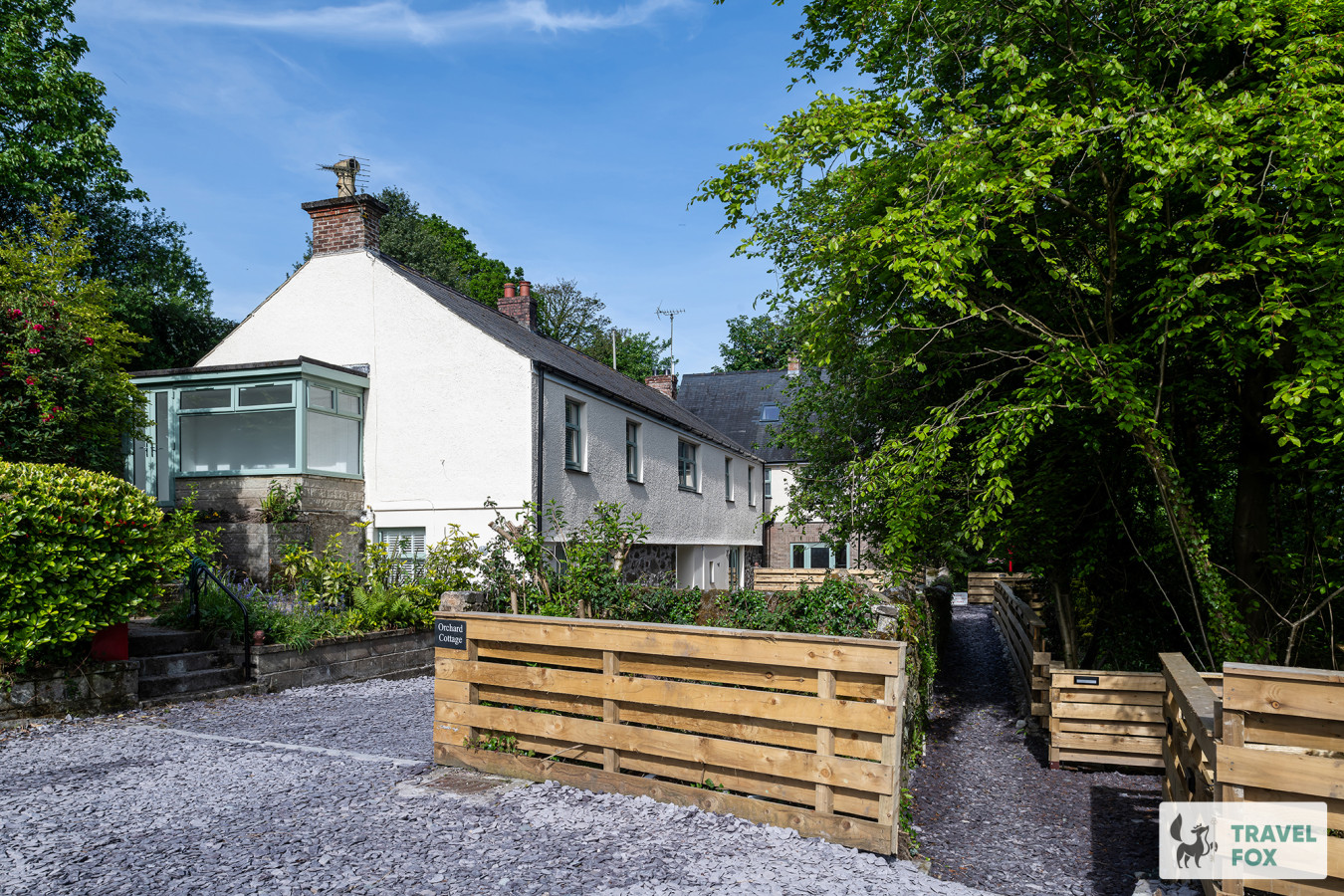
Caernarfon
Orchard Cottage and Hot Tubs
- Sleeps 25
- 8 bedrooms
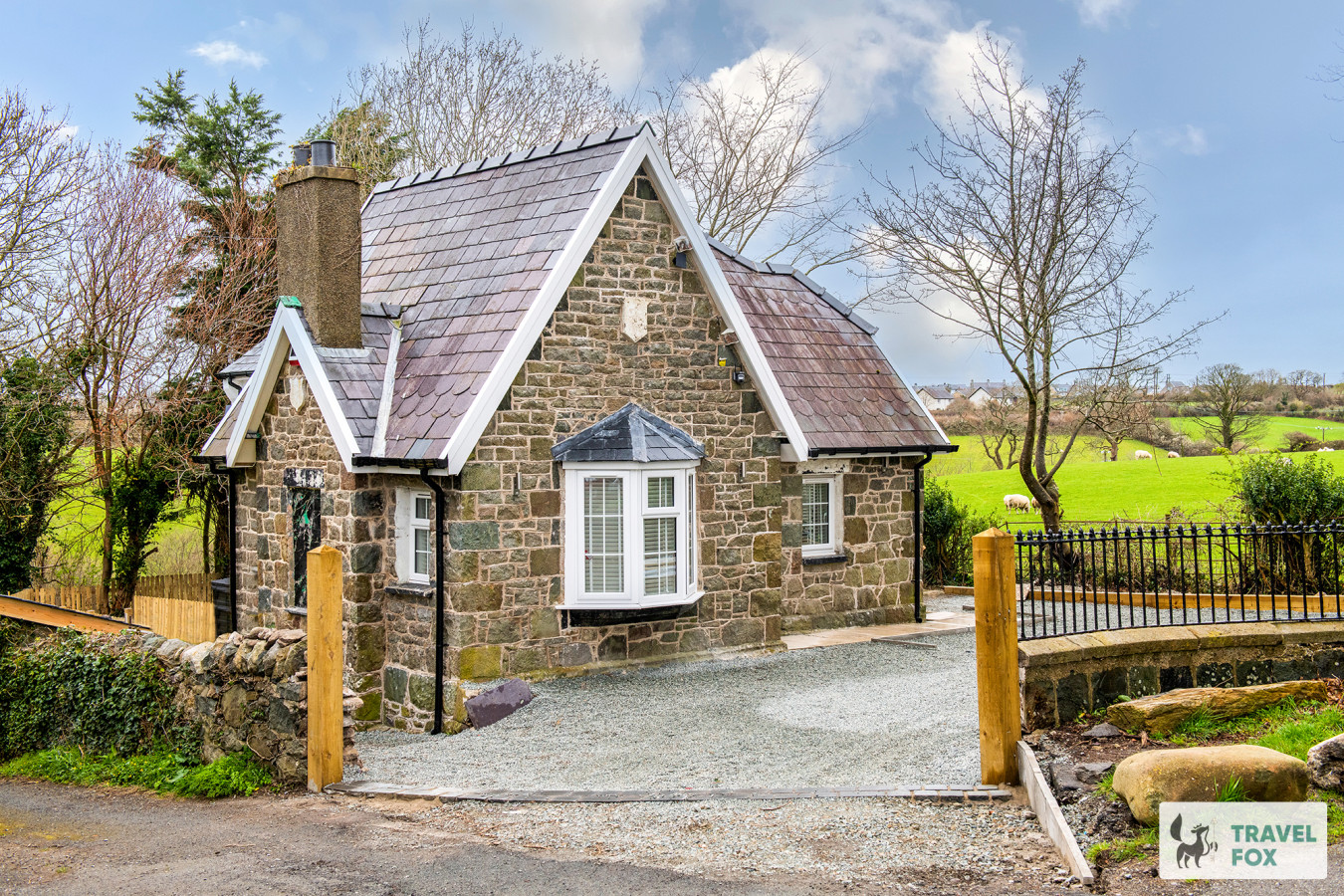
Caernarfon
Katie's Cottage & Hot Tub - Snowdon 20mins drive
- Sleeps 9
- 3 bedrooms
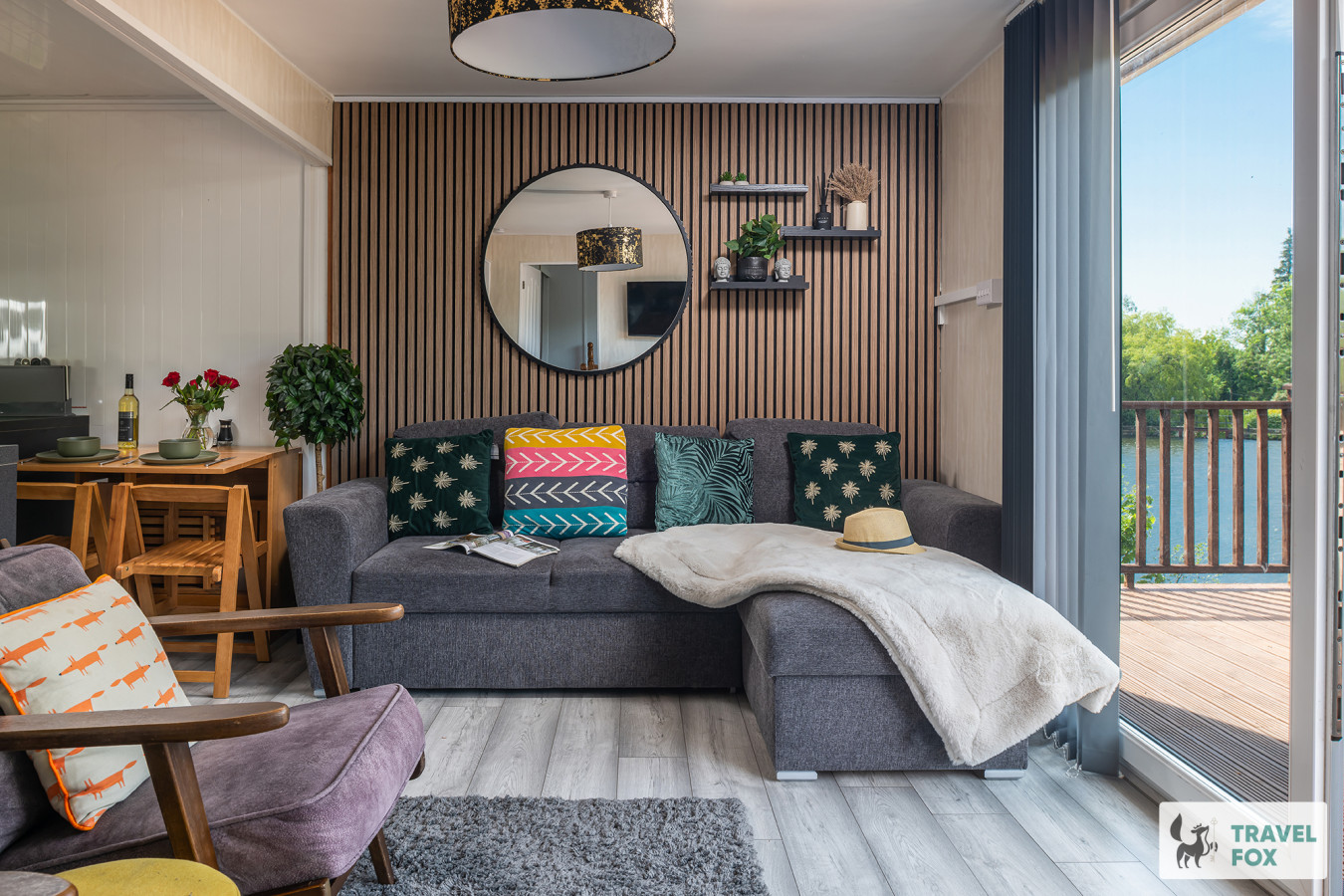
Waunfawr
Lakeside Lodge
- Sleeps 6
- 2 bedrooms
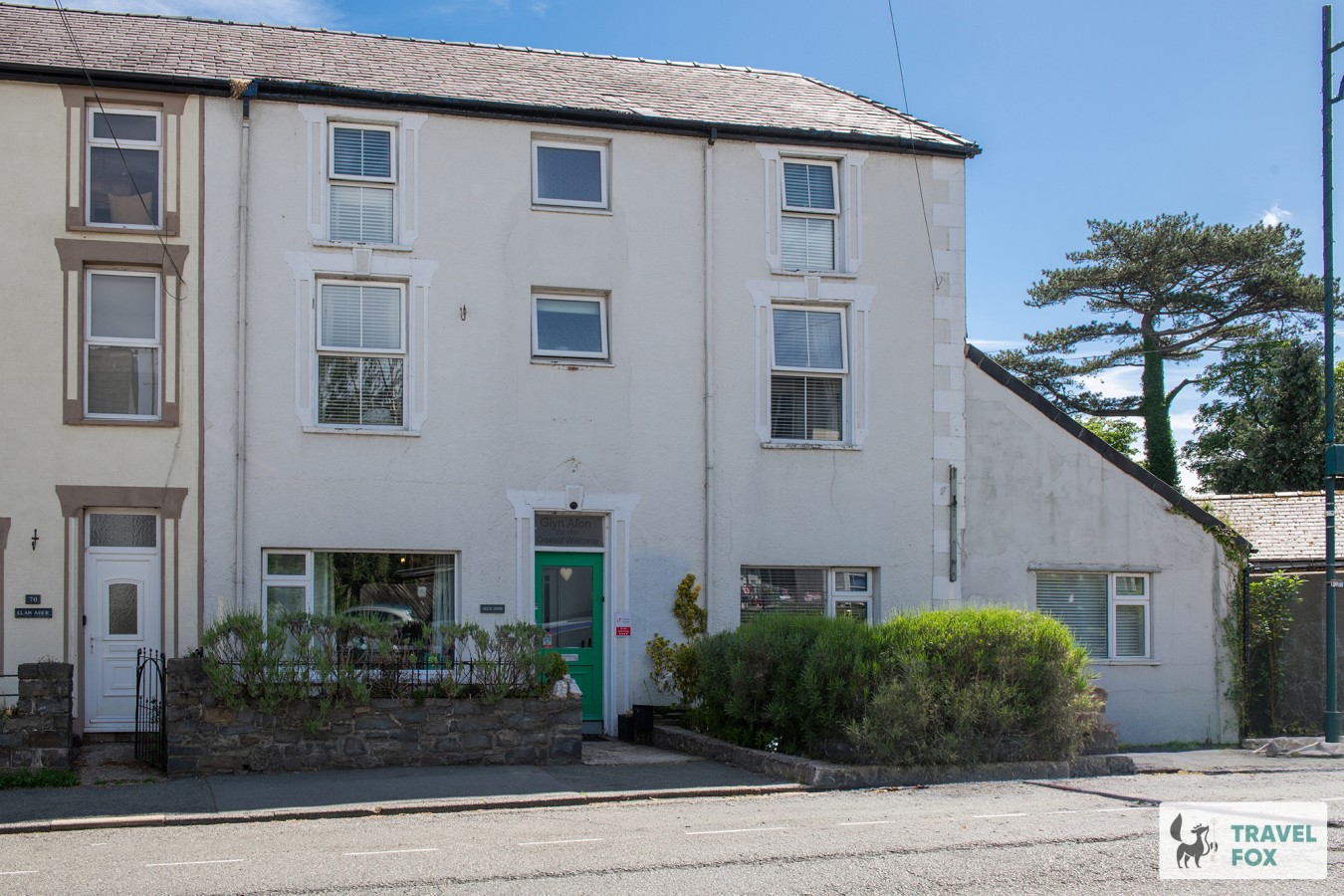
Llanberis
Glyn Afon: At the foot of Mount Snowdon!
- Sleeps 16
- 9 bedrooms
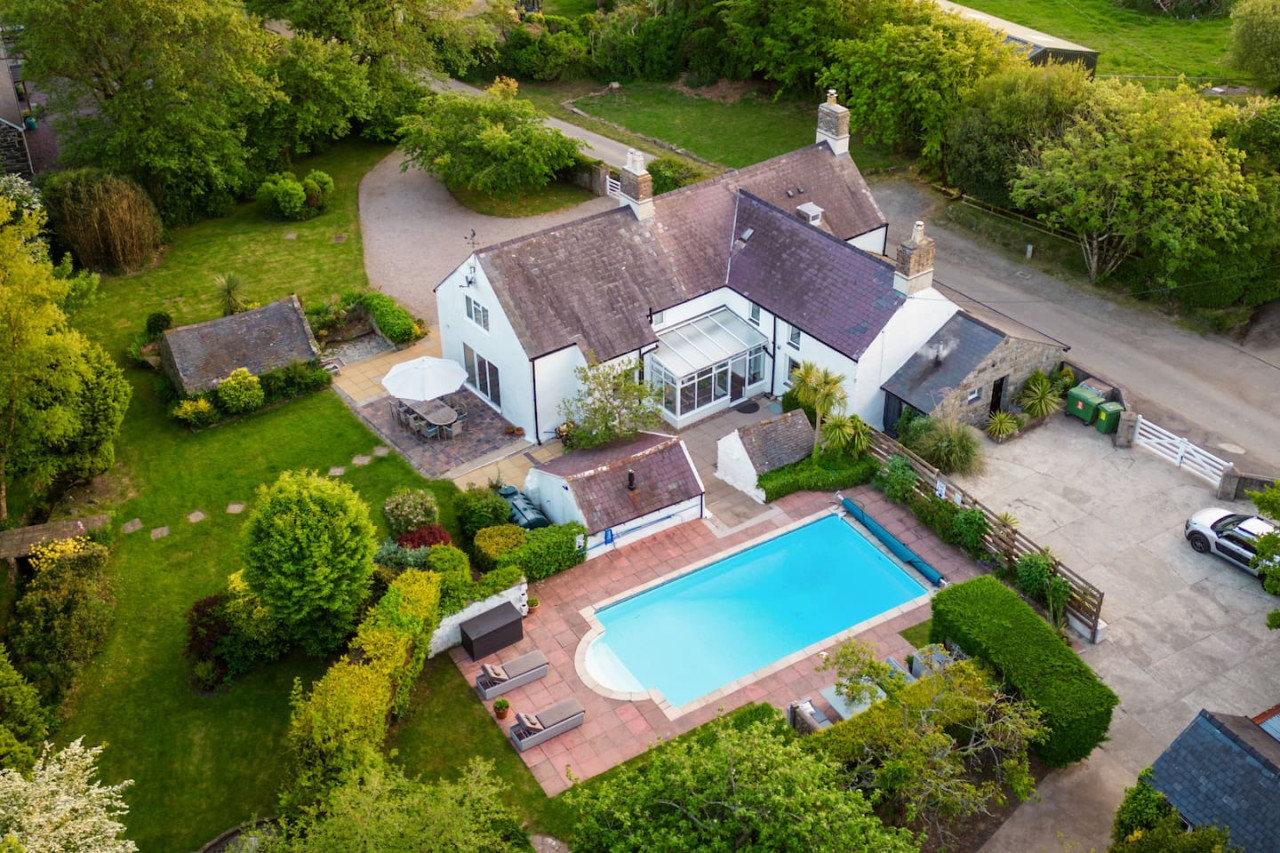
Aberdaron
Plas Newydd with Swimming Pool
- Sleeps 16
- 7 bedrooms
For homeowners
Own a holiday home near Caernarfon?
We manage holiday lets across Gwynedd from 12% commission, charged after cleaning costs, with no lock-in. A co-founder visits before you decide.
Holiday let management in Gwynedd →
A guide with a point of view
Written from research. Edited for real journeys.
Use the Official site links for live practical details, then use this guide for context, ideas and room to explore.
Photography credits & licences
Third-party photographs are credited to their named creators and reused under the linked Creative Commons licence or public-domain dedication. Travel Fox stores an optimised local copy; the file-specific changes and any browser-applied display crop are disclosed below. Reused photographs link both to the Wikimedia Commons source record and to the declared source image; Travel Fox's own photographs carry no such record and are marked as ours. These image licences do not cover Travel Fox text, branding or page design.
- File:Welsh Highland Railway steam loco at Caernarfon - geograph.org.uk - 1800867.jpg — photograph by Raymond Knapman; Raymond Knapman. Source record on Wikimedia Commons. Declared source image. Licence: CC BY-SA 2.0. File changes: Downloaded from Wikimedia Commons, resized to a maximum 1920px edge and encoded as an optimised JPEG. Display changes: Displayed with responsive CSS cropping.
- File:Black Boy Inn, Caernarfon 01.jpg — photograph by Paul the Archivist; Own work. Source record on Wikimedia Commons. Declared source image. Licence: CC BY-SA 4.0. File changes: Downloaded from Wikimedia Commons, resized to a maximum 1920px edge and encoded as an optimised JPEG. Display changes: Displayed with responsive CSS cropping.
Sources
Every place on this page is checked against a published source. Each entry links the record we used and names who publishes it.
- Caernarfon Town Walls — cadw.gov.wales statutory register or public authority
- Segontium Roman Fort — cadw.gov.wales statutory register or public authority
- Welsh Highland Railway — festrail.co.uk other published source
- Black Boy Inn — black-boy-inn.com operator, sector body or destination organisation
- Galeri Caernarfon — galericaernarfon.com operator, sector body or destination organisation
- St Mary's Church — coflein.gov.uk statutory register or public authority
- St Peblig's Church — coflein.gov.uk statutory register or public authority
- Slate Quay and Aber Foreshore — coflein.gov.uk statutory register or public authority