

Mountain, lake and slate
Llanberis
A Welsh-speaking village at the foot of Yr Wyddfa, shaped by Llyn Padarn, the Dinorwig slate industry and two heritage railways.
- Best for
- Mountain walking, slate heritage and railways
- Give it
- A day between the lake, quarry and railways
- Don't miss
- The round tower of Dolbadarn Castle
Photo: Mike Pennington · CC BY-SA 2.0 · cropped
The Fox verdict
A village built around the mountain
Llanberis brings Yr Wyddfa, Llyn Padarn and the Dinorwig slate landscape together at the foot of the mountain.
Walkers can choose the hard, nine-mile Llanberis Path or climb through Dinorwig's abandoned quarry galleries, while the lake, heritage railways, castle and slate sites give the village a strong industrial and medieval story.
Where to go
Places in Llanberis
Every place below is checked against a published source, listed with what it is and how long to give it.
Local signatures
3 placesLlyn Padarn and Padarn Country Park
Walk beside Llyn Padarn or follow the marked Lake Walk, an approximately 8 km route with uneven ground and steep sections. The lake offers swimming and paddling; its designated bathing water was rated Excellent in 2025, and cold, deep water and sudden drop-offs make care essential.
- Visit length
- Editorial estimate: allow around 1 hour 30 minutes
- Locality
- on the doorstep across the lake
Snowdon Mountain Railway
Britain's only public rack-and-pinion railway climbs 4.7 miles from Llanberis station to the summit of Snowdon and has carried visitors since 1896.
- Visit length
- Editorial estimate: allow around 2 hours 30 minutes
- Locality
- from Llanberis to the summit of Snowdon

Dolbadarn Castle
A free-to-reach Cadw ruin built by Llywelyn the Great to guard the pass, dominated by the round tower that held Owain Goch for more than twenty years.
- Visit length
- Editorial estimate: allow around 45 minutes
- Locality
- a short walk from the village
Food & drink
1 placePete's Eats
A long-standing Llanberis mountaineering café known for filling food and tea by the pint, Pete's Eats reopened in July 2025 after closing in September 2022.
- Visit length
- Editorial estimate: allow around 1 hour
- Locality
- Llanberis
History & heritage
3 placesDinorwig Quarry and Vivian Quarry Circuit
Follow the marked Vivian Top Trail through Dinorwig's quarry landscape for views of old inclines and quarry structures. Keep to the waymarks and stay out of the ruins.
- Visit length
- Editorial estimate: allow around 2 hours
- Locality
- from the lakeside country-park car park
St Padarn's Church
A Grade II* late-Victorian church of local stone, with pink sandstone dressings, a blue-slate roof and a late-medieval font from Nant Peris.
- Visit length
- Editorial estimate: allow around 30 minutes
- Locality
- Llanberis
Dinorwig Quarry Hospital
Built in 1860 to treat injured quarrymen, the hospital was among the first in Britain to own an X-ray machine, which remains an exhibit.
- Visit length
- Editorial estimate: allow around 45 minutes
- Locality
- in Parc Padarn
Things to do
1 place
Llanberis Lake Railway
This narrow-gauge steam railway links its Padarn Country Park main station with Llanberis. During 2026, National Grid's essential electricity cable replacement project limits passenger journeys to approximately half a mile, taking 15 minutes return, and suspends the full lakeshore journey.
- Visit length
- Editorial estimate: allow around 1 hour
- Locality
- the village centre and north shore of Llyn Padarn
No places match this filter. Choose All places to reset the list.
Three ways to explore Llanberis
Signature outings
Walk the quarry galleries
Start at Gilfach Ddu car park and follow the dark-blue waymarks for the Vivian Trail. The upper route reaches quarry levels and woodland; stay on the marked path around old structures.
Ride the lake railway
Use the 2026 short return ride between Llanberis and the Padarn Country Park main station, which has a café and shops.
See Dolbadarn's tower
Allow 10 to 25 minutes for the approach from the car park on tracks that can be muddy and uneven, followed by a steeper path to the castle.
The village story
Slate above the water
Tea by the pint, slate on the hillside and Yr Wyddfa filling the head of the valley: Llanberis is a mountain village with its own powerful rhythm.
Mountain appetites
Pete's Eats serves tea by the pint, in mugs made for people coming down from the mountain. Opened in August 1978, the café became a Llanberis gathering place for climbers. It closed in September 2022. Local entrepreneur Nick Pritchard stepped in during 2024, and the café reopened in July 2025 after refurbishment. For a village of around two thousand people, its return mattered.
That is Llanberis in one building: a place organised entirely around the mountain above it. Yr Wyddfa — Snowdon — rises 1,085 metres to the south, and the village sits on the lower lake's shore in a glacial valley strung between two lakes. Arrive down the A4086 and you get the whole picture at once: the water, the ruined castle tower, the grey stepped terraces of the old slate quarry, and the bulk of Snowdon closing the head of the valley.
The Heights, on the High Street, combines a bar and bunkhouse with hearty food for walkers, local beers and ales, a large garden, a terrace and a spacious lounge. The menu changes.
Into the pass and quarry
The Padarn, in the village centre, is a hotel and bar a hundred metres from the lake. The Vaynol Arms at Nant Peris, about 2.2 miles from Llanberis in a straight line and farther by road, is the older kind of Welsh long-house inn — slate floor, open fires, Robinsons ales, home-cooked food, and outdoor-pursuit equipment from throughout the ages nailed to the walls. It has been a stop for walkers and climbers at the head of the pass for a very long time.
The Llanberis Path is the longest of the six main routes up Yr Wyddfa, about nine miles there and back, and has the most gradual climb. It begins at the far end of Victoria Terrace and climbs beside the mountain-railway route toward the summit. The path is graded Hard/Strenuous, and walkers must keep clear of the tracks. The gradual ascent still demands fitness, suitable equipment and navigation skills.
The other great walk climbs into the Dinorwig quarry landscape rather than to the summit. From Gilfach Ddu car park, the marked Vivian Top Trail reaches the upper quarry levels and Coed Dinorwig woodland. Follow the waymarks and keep out of the ruined buildings and old quarry structures.
Lake and railways
Llyn Padarn invites a walk beside the water, but the marked Lake Walk is about 8 km and includes uneven ground and steep sections. The lake's designated bathing water was rated Excellent in 2025. Swimming and paddling are popular here, though cold, deep water and sudden drop-offs make care essential. Arctic char also survive in the lake.
Llanberis has two visitor railways. The Snowdon Mountain Railway has carried passengers since 1896 and its route climbs 4.7 miles from the village toward the summit of Yr Wyddfa. The Llanberis Lake Railway also runs steam trains, but throughout 2026 National Grid's essential electricity cable replacement project limits passenger journeys to an approximately half-mile, 15-minute return between Padarn Country Park and Llanberis and suspends the full lakeshore journey.
The summit railway's first day did not go to plan. On 6 April 1896, on the first public descent, locomotive No. 1 — named L.A.D.A.S. — lost the rack, ran out of control, derailed and fell down the mountain. A passenger from Llanberis, Ellis Griffith Roberts, jumped from a carriage, struck his head as he landed and died; the accident remains the line's only passenger fatality. The inquiry blamed settlement of the newly built track and excess speed. A gripper system was fitted, the trains were made lighter, and the line has run ever since.
Slate, castle and quarry
Quarry Hospital in Parc Padarn was built for injured quarry workers, and its displays include an early X-ray machine. Museum on the Move adds slate heritage activities at the hospital.
Dolbadarn Castle, a short walk from the village and free to reach, was built by Llywelyn the Great in the 1220s or 1230s to guard the pass. Its round tower held Owain Goch ap Gruffydd for more than twenty years, imprisoned by his own brother. Within a couple of years of the English conquest, Edward I had timber stripped from it, around 1284, to help build Caernarfon Castle seven miles west. In the 1790s Turner painted the tower with the captive Owain lit from a window; the resulting oil was one of his two Royal Academy Diploma works, and Richard Wilson and Paul Sandby came for the same view before him.
The quarry made the modern village. Dinorwig was the second-largest slate quarry in Wales, and therefore the world, after neighbouring Penrhyn; at its height, at the start of the twentieth century, the Welsh slate industry employed around 17,000 men. St Padarn's Church was built in 1884 and 1885 because the growing quarry town needed a church of its own, funded by the Assheton Smith family who owned Dinorwig. It is Grade II* listed, local stone with pink sandstone dressings and a blue-slate roof, and inside it stands a late-medieval font carried over from the old church at Nant Peris — the original mother church of the parish, dedicated to Saint Peris, who is said to have settled and died there. Slate production at Dinorwig ended in 1969. In July 2021 the whole slate landscape, Llanberis included, became Wales's fourth UNESCO World Heritage Site.
Legends, language and the mountain
The best-remembered person from the village is Marged ferch Ifan, baptised in 1696, known as the "Queen of the Lakes." She was a harpist, wrestler, blacksmith and carpenter, reputed to be able to shoe a horse, build a boat and make her own harp or violin, and to out-wrestle any man into her seventies. The story goes that when the bridge at Nant Peris was built, she held up one end of a giant slate slab while all the men of the village held the other. The Flintshire writer Thomas Pennant recorded her in his Tours in Wales; she and her husband ran a drinking house for the copper miners.
Llanberis is a strongly Welsh-speaking place — around seven in ten residents speak the language — and the tie between the language and slate is deep, with poets, novelists and singers coming from the quarrying community. Gutyn Peris the poet, the novelist and broadcaster Thomas Rowland Hughes, and footballer Marc Lloyd Williams all came from here. The A4086 runs through the pass to Pen-y-Pass; Sherpa'r Wyddfa buses connect Llanberis with mountain trailheads, and the nearest mainline station is Bangor.
Llanberis Mountain Rescue Team responded to 360 call-outs in 2025 — a measure of the demands around Yr Wyddfa. Every summer the Snowdon Race sends runners from the village up the mountain path to the summit and back. First held in 1976, the race retains Kenny Stuart's 1985 time of 1:02:29 as the men's record.
Stay around Snowdonia
Make a longer stay of it
Travel Fox holiday homes around Snowdonia, linked directly to their property pages.
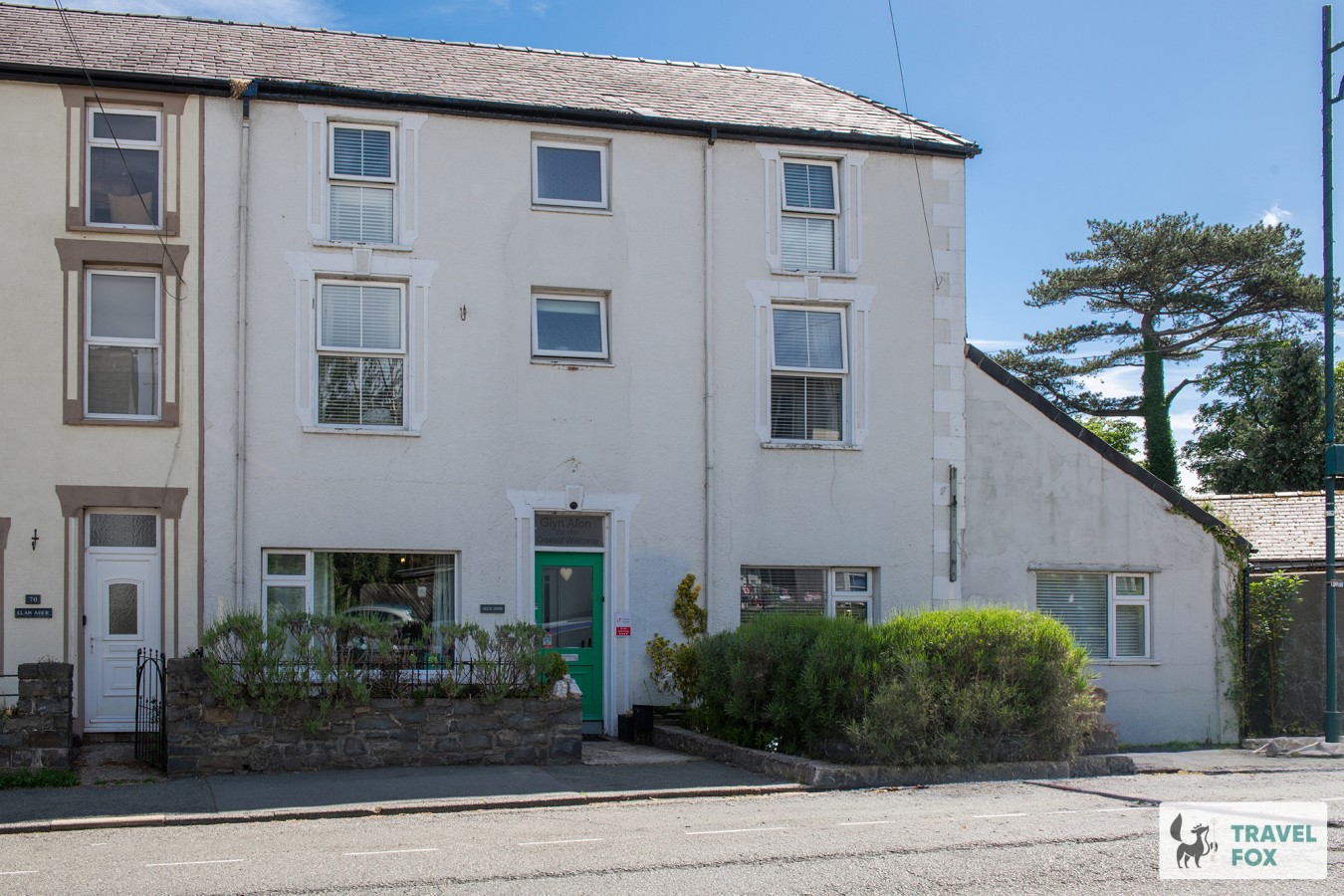
Llanberis
Glyn Afon: At the foot of Mount Snowdon!
- Sleeps 16
- 9 bedrooms
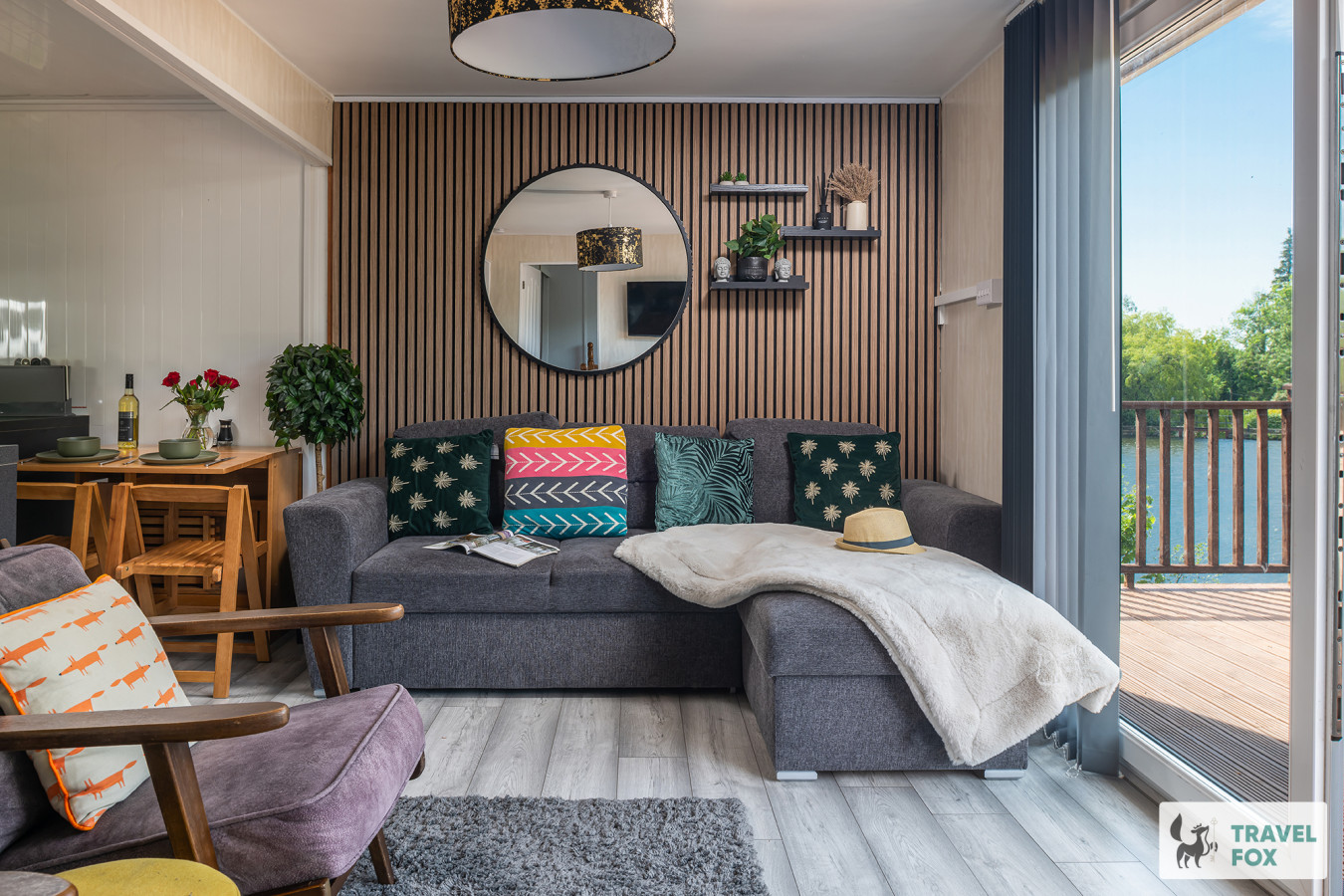
Waunfawr
Lakeside Lodge
- Sleeps 6
- 2 bedrooms
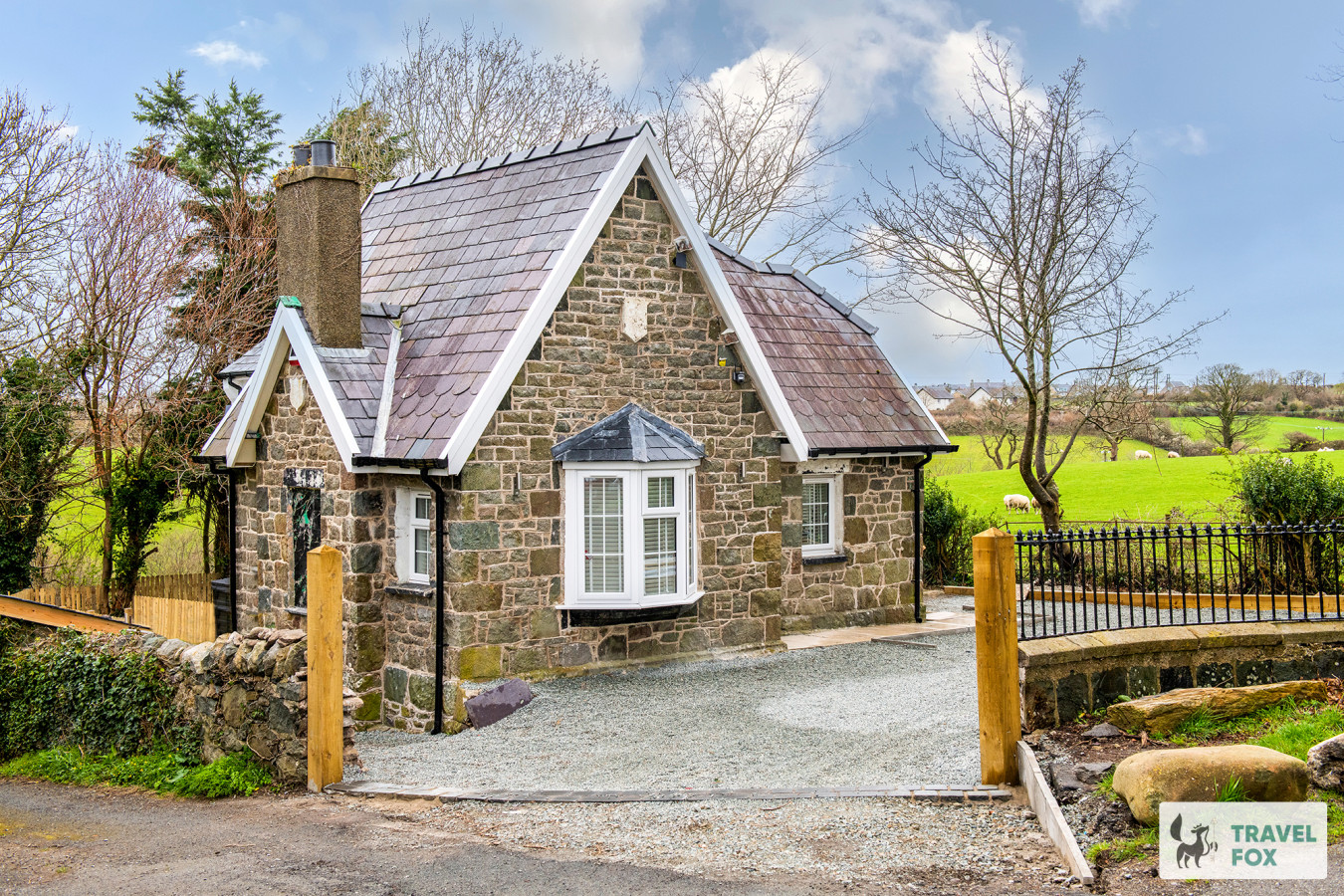
Caernarfon
Katie's Cottage & Hot Tub - Snowdon 20mins drive
- Sleeps 9
- 3 bedrooms
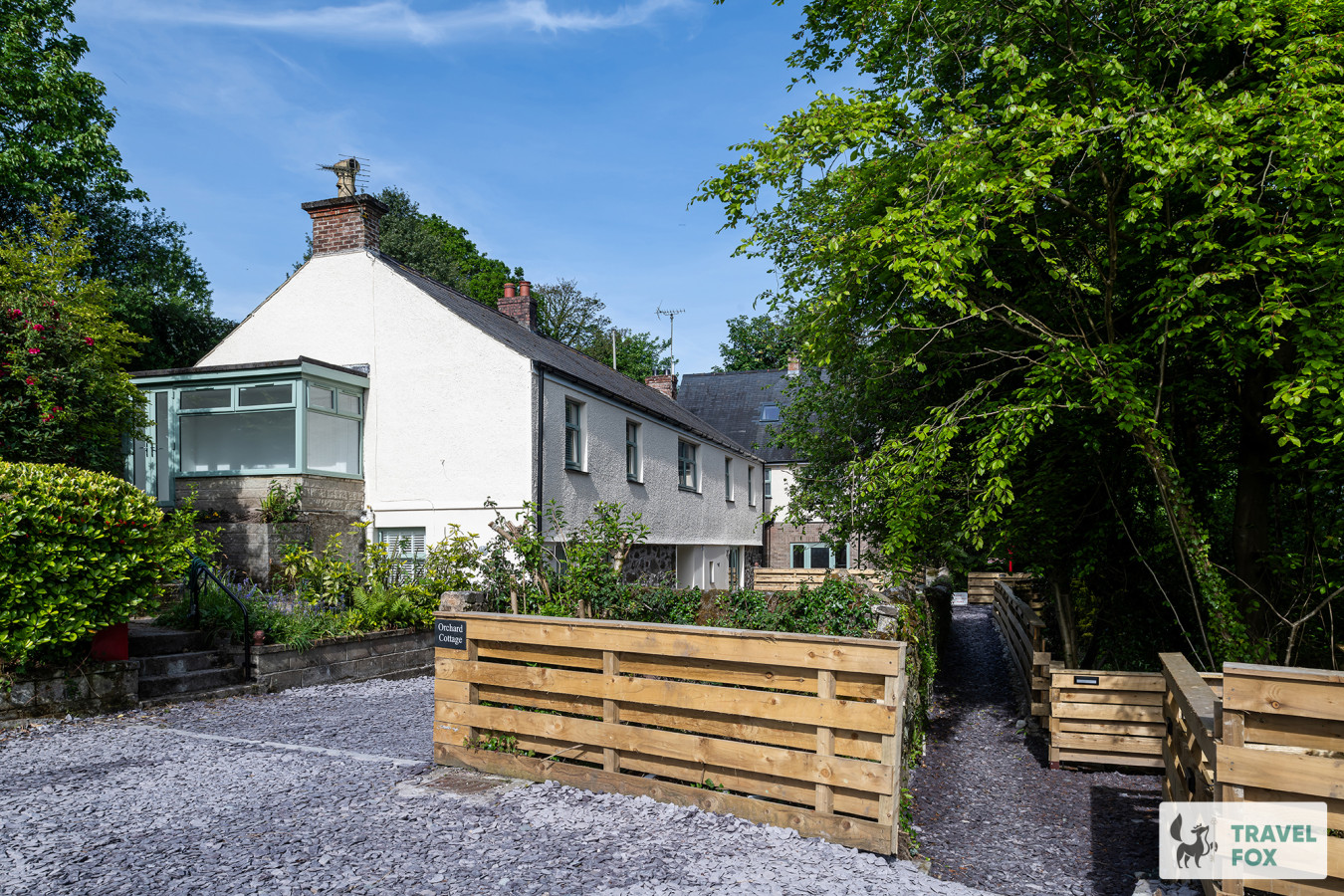
Caernarfon
Orchard Cottage and Hot Tubs
- Sleeps 25
- 8 bedrooms
Aberdaron
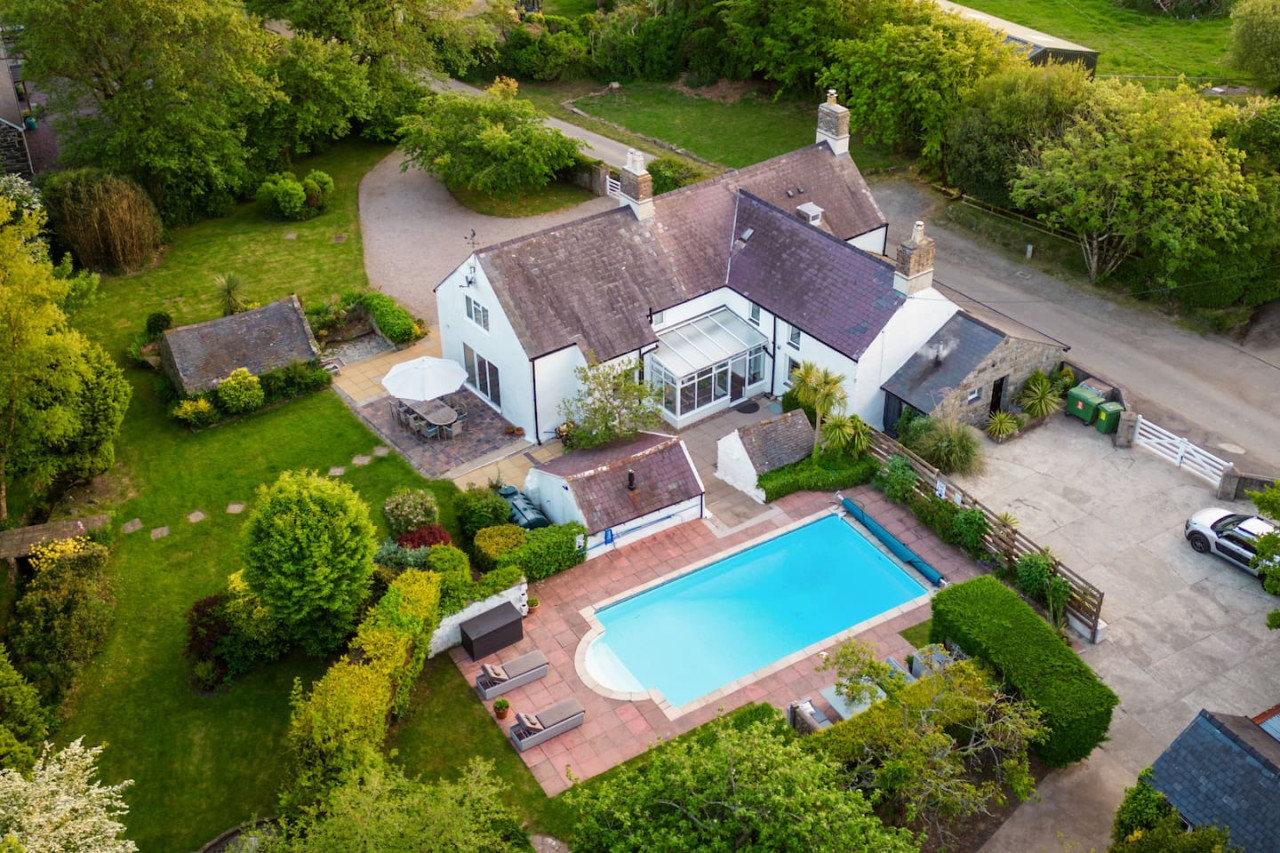
Plas Newydd with Swimming Pool
- Sleeps 16
- 7 bedrooms
For homeowners
Own a holiday home near Llanberis?
We manage holiday lets across Gwynedd from 12% commission, charged after cleaning costs, with no lock-in. A co-founder visits before you decide.
Holiday let management in Gwynedd →
A guide with a point of view
Written from research. Edited for real journeys.
Use the Official site links for live practical details, then use this guide for context, ideas and room to explore.
Photography credits & licences
Third-party photographs are credited to their named creators and reused under the linked Creative Commons licence or public-domain dedication. Travel Fox stores an optimised local copy; the file-specific changes and any browser-applied display crop are disclosed below. Reused photographs link both to the Wikimedia Commons source record and to the declared source image; Travel Fox's own photographs carry no such record and are marked as ours. These image licences do not cover Travel Fox text, branding or page design.
- File:Llanberis station on the Llanberis Lake Railway - geograph.org.uk - 6257820.jpg — photograph by Mike Pennington; Llanberis station on the Llanberis Lake Railway by Mike Pennington. Source record on Wikimedia Commons. Declared source image. Licence: CC BY-SA 2.0. File changes: Downloaded from Wikimedia Commons, resized to a maximum 1920px edge and encoded as an optimised JPEG. Display changes: Displayed with responsive CSS cropping.
- File:The Keep at Dolbadarn Castle, Llanberis - geograph.org.uk - 2888895.jpg — photograph by Meirion; The Keep at Dolbadarn Castle, Llanberis by Meirion. Source record on Wikimedia Commons. Declared source image. Licence: CC BY-SA 2.0. File changes: Downloaded from Wikimedia Commons, resized to a maximum 1920px edge and encoded as an optimised JPEG. Display changes: Displayed with responsive CSS cropping.
Sources
Every place on this page is checked against a published source. Each entry links the record we used and names who publishes it.
- Llyn Padarn and Padarn Country Park — parcpadarn.cymru operator, sector body or destination organisation
- Dinorwig Quarry and Vivian Quarry Circuit — parcpadarn.cymru operator, sector body or destination organisation
- Snowdon Mountain Railway — eryri.gov.wales statutory register or public authority
- Llanberis Lake Railway — lake-railway.co.uk operator, sector body or destination organisation
- Dolbadarn Castle — cadw.gov.wales statutory register or public authority
- St Padarn's Church — coflein.gov.uk statutory register or public authority
- Dinorwig Quarry Hospital — parcpadarn.cymru other published source
- Pete's Eats — peteseats.co.uk operator, sector body or destination organisation