
Thatch, towpaths and deep time
Alrewas
A Trent-side village where historic buildings, canal country and a nationally significant place of remembrance sit within one varied visit.
- Best for
- Canal walks, historic buildings and remembrance
- Give it
- A full day at an unhurried pace
- Don't miss
- All Saints Church and the towpath by Alrewas Lock
The Fox verdict
A village shaped by river, canal and memory
Alrewas combines a historic village visit with waterside walking and one of Staffordshire's most substantial nearby visitor attractions.
The strongest day pairs the medieval fabric of All Saints Church with the Trent & Mersey Canal, then follows the village's wider story towards Fradley Junction or the National Memorial Arboretum. Two village pubs make it easy to vary the pace.
Where to go
Places in Alrewas
Every place below is checked against a published source, listed with what it is and how long to give it.
Local signatures
3 placesAlrewas to Wychnor Loop
A circular towpath walk past Alrewas Lock, mill-stream footbridges and Wychnor Church, with the deserted medieval village earthworks nearby.
- Visit length
- Editorial estimate: Allow around 2 hours 30 minutes
- Locality
- Alrewas and Wychnor
- Access
- Sturdy boots are recommended; fields can be wet and muddy.
Barton Marina
A canal marina gathered around boats, with a choice of eateries, a farm shop, contemporary art and a cinema-café.
- Visit length
- Editorial estimate: Allow around 1 hour 30 minutes
- Locality
- Barton-under-Needwood, Staffordshire
- Access
- Check individual businesses before travel.
The Crown Inn
A village pub and restaurant in a building with roughly five centuries of history, once used as a coaching inn and post office.
- Visit length
- Editorial estimate: Allow around 1 hour 30 minutes
- Locality
- Post Office Road, Alrewas
Food & drink
1 placeGeorge & Dragon
A Grade II village pub thought to have begun as an early-eighteenth-century coaching inn, with linked rooms, a real fire and a garden.
- Visit length
- Editorial estimate: Allow around 1 hour 30 minutes
- Locality
- Main Street, Alrewas
Walks & outdoors
1 placeFradley Junction
The meeting of the Trent & Mersey and Coventry canals, with the Swan Inn, Laughing Duck Café and Fradley Pool Nature Reserve alongside.
- Visit length
- Editorial estimate: Allow around 1 hour 30 minutes
- Locality
- Fradley
History & heritage
2 placesAll Saints Church
A Grade I church with work from several centuries, including a medieval wall-painting fragment, a fifteenth-century font and a seventeenth-century pulpit.
- Visit length
- Editorial estimate: Allow around 45 minutes
- Locality
- Alrewas
- Access
- The church stands within the historic village.
National Memorial Arboretum
A 150-acre landscape with more than 25,000 trees and over 400 memorials, centred on the Armed Forces Memorial.
- Visit length
- Editorial estimate: Allow around 3 hours
- Locality
- edge of Alrewas
- Access
- Check the Official site before travel and allow time for a large outdoor site.
No places match this filter. Choose All places to reset the list.
Three ways to explore Alrewas
Signature outings
Trace centuries inside All Saints
Look from the medieval wall-painting fragment to the fifteenth-century font and the carved pulpit dated 1639.
Walk the memorial landscape
Give the National Memorial Arboretum time for its tree-filled grounds, hundreds of memorials and central Armed Forces Memorial.
See two canals meet
At Fradley Junction, watch the Trent & Mersey Canal meet the Coventry Canal beside a long-established boating stop.
The village story
Alrewas: built where routes converge
The locked Travel Fox article moves from thatched streets and village institutions to canal engineering, deep history, remembrance and community life.
Thatch, inns and provisions
The cottages on Main Street are thatched, sixteenth-century, black beams against white walls, the straw kept in repair good enough that the village is reckoned to hold more thatch than anywhere else in Staffordshire. Most of the street sits inside a conservation area, designated in 1968 when the parish covered 6,130 acres and counted just over three thousand residents. Walk the length of it and you'll pass some of the fifty-one listed buildings in the parish. Only one of those is Grade I. The rest are Grade II, which in a village this size still adds up to a lot of old buildings standing in a row.
There are three pubs, and each one does something different, which is unusual for a village of this scale. The George & Dragon, at 120 Main Street, is a Marston's house in a building thought to be a former coaching inn dating to the early 1700s, listed as a public house in an 1834 gazetteer. It's Grade II listed, three storeys, a run of linked rooms off a central bar, a real fire, and a beer garden with picnic tables that one reviewer called "a great little sun trap." Dogs are welcome in the bar but not the dining room. The menu runs to seasonal pub classics, lighter bites and Sunday roasts, with a curry night on rotation, and the ales are Wainwright Gold, Courage Directors and Marston's Pedigree alongside a rotating guest beer. There are three double letting bedrooms upstairs, and live music roughly once a month. TripAdvisor reviewers describe it as a "fantastic local village pub" with a "cosy atmosphere," and note that "staff and other locals are always friendly."
A short walk away on William IV Road is the William IV itself, which started life as three cottages and was converted into a pub around 1837 — though an 1834 gazetteer already lists a "King William" beer house in the village, so the exact date is fuzzier than the pub sign suggests. The building shows its age: a low-beamed ceiling in the older section gives way to a higher, airier extension with exposed rafters. CAMRA calls it "an attractive and lively village hostelry," and one TripAdvisor review is blunter and better: "a local pub for local people," where "everyone will be welcomed as locals and friends." The homemade pies get singled out repeatedly as some of the best reviewers have had anywhere, the food is rated 4.5 out of 5, and on Saturdays a Balti and curry van sets up outside. Breakfast runs from 9.30am. There's a ladies' darts team, live music on the last Friday of the month, and a beer garden with a lawn and picnic tables out the back.
The Crown and the church
The Crown Inn, on Post Office Road, has the longer pedigree — parts of the building are around five hundred years old, and it began as a coaching inn on the mail-coach route between Chester and London, later serving as the village post office. A 2014 renovation combined the bar and lounge into one L-shaped room but kept the low-beamed ceilings and quarry-tiled floors in the snug. The kitchen aims higher than the other two: curry with rice, venison burgundy with mash and vegetables, pork fillet Normandy with new potatoes, hot chicken and rice with kimchi, seabass with beurre noisette, and beer-battered haddock from the local fishmonger with chips, mushy peas and tartare sauce. One review noted the "food quality and choice were more representative of a good restaurant but with pub prices," though another flagged "expensive drinks and small menu." It holds a Cask Marque award for its real ales and also runs to cocktails and espresso coffee. A fourth pub, the Old Boat on Kings Bromley Road, closed in 2008 — a reminder that not every village pub survives even somewhere this well provided for.
All Saints Church stands over the village and has done, in some form, since 822 AD. The present building is Grade I listed and mostly thirteenth, fourteenth, sixteenth and nineteenth century, restored in 1997, with Norman stonework underneath where the original timber structure once stood. The chancel is Early English thirteenth-century with lancet windows; the nave, south aisle and tower are fourteenth-century, the tower clock added in 1887; the clerestory windows and carved timber roofs date to the sixteenth century. There's an octagonal fifteenth-century font resting on four carved lions, a wooden pulpit dated 1639 that's been called one of the best examples of seventeenth-century woodwork in the county, and an oak altar table from 1638. Monuments to the Turton family fill the former Turton chapel off the south aisle. The organ, by Brindley & Foster, went in in 1882 and now runs to nineteen stops; the eight bells were recast in 1922; the windows include work by Charles Eamer Kempe. On the north wall of the chancel, a fragment of medieval wall painting survives, uncovered when Victorian whitewash was stripped away.
Following the canal outwards
The Trent & Mersey Canal, cut between 1766 and 1777, runs directly through the village, and Alrewas Lock — Lock No. 12, dropping five foot eight into the river below, by Gaskells Bridge — sits close enough to the centre that you can walk to it from any of the three pubs in ten minutes. The towpath leads towards Fradley Junction in one direction and Barton Marina and Burton upon Trent in the other. A local walk heads out to Wychnor: past the lock, over a metal footbridge across the mill stream, then smaller footbridges to Wychnor Church. The field beside Wychnor Church marks the site of a deserted medieval village recorded in Domesday as Wicenore — six households, long gone, now just earthworks in a field. The towpath crosses the Trent on a quarter-mile bridge built for the horses that once towed the boats. Bring boots; the fields flood.
Fradley Junction, about two miles off, is where the Trent & Mersey meets the Coventry Canal — the Swan Inn there, Grade II-listed and dating from the 1770s, has been a fixture for the boating community for as long as anyone can remember, alongside the Laughing Duck Café and the Fradley Pool nature reserve. Barton Marina, on the canal between Alrewas and Burton, has grown into its own small food destination — a pub restaurant, a Thai restaurant, a couple of cafés, a butcher, a farm shop, a gallery and a cinema-café, all built around the boats.
Alrewas sits on the River Trent, about five miles northeast of Lichfield and seven southwest of Burton upon Trent, on the edge of the National Forest — a former mining landscape replanted with more than nine and a half million trees since 1991. The A38, a former Roman road, passes close by, and it's an eight- or nine-minute drive into Lichfield. The village's own station closed to passengers in 1965, though the line is still active; the nearest working stations are Lichfield Trent Valley and Burton upon Trent. Diamond Bus service 12 connects Alrewas to both towns and to Fradley, and a separate shuttle, the NMA1, runs seven days a week from Tamworth station through the village to the Arboretum. Low-lying parts near Coton Close and Church Road sit inside an Environment Agency flood warning area — the price of a village built where a river meets a canal.
From saltway to remembrance
That river is also why the village exists at all. Alrewas grew up on an ancient saltway, a packhorse route that carried salt down from Cheshire and forded the Trent here, at Mill End or the weir, and it's been suggested that travellers held up by floodwater at the crossing are the reason an Iron Age farm turned into a settlement. The name comes from Old English — Alor-wæsse, alluvial land growing with alder trees. In the eleventh century the manor was held by Leofric, Earl of Mercia, husband of Lady Godiva, who is said to have kept a summer residence at nearby Kings Bromley. Domesday records it as one of the larger entries in the survey: twenty-eight households, eight ploughlands, a fishery, and a value of eleven pounds to the lord, up from ten in 1066, when Earl Algar held it, before the Crown took it over after the Conquest. By the thirteenth century it was a market town in its own right, built on the salt trade; then in 1349 the Black Death is reported to have killed two-thirds of the population, and in 1643 an alehouse fire started by a customer of the landlord, George Thorniworke, discharging a gun indoors burned out several neighbouring properties before the village was rebuilt around it.
In 2002, a quarry worker named Ray Davies was digging at Whitemoor Haye, just outside the village, when his excavator bucket brought up a skull. It belonged to a woolly rhinoceros, thirty to forty thousand years old, and archaeologists from the University of Birmingham recovered close to a tonne and a half of it — described afterwards as the most significant fossil find of a large mammal in Britain in over a century. It's now with the Natural History Museum in London, and researchers led by Professor Danielle Schreve later used it, along with mammoth, reindeer and insect remains from the same quarry, to work out what Britain's climate was doing around forty-two thousand years ago.
South of the village, the National Memorial Arboretum opened in 2001 on 150 acres of former gravel workings, planting having started in 1997 with volunteers and support from the National Forest. It now holds more than 25,000 trees and over four hundred memorials, the centrepiece being the Armed Forces Memorial, dedicated in October 2007 by the Archbishop of Canterbury with the late Queen Elizabeth II present, honouring more than sixteen thousand service personnel who have died in conflict or to terrorism since the Second World War. There's a daily Act of Remembrance in the Millennium Chapel, and the Arboretum draws something like 300,000 visitors a year — one reason the NMA1 bus exists at all.
A village still in motion
Closer to ground level, Alrewas keeps its own calendar. The Alrewas Show has run on the third Saturday of July since it was registered as a charity in 1982, skipping only the First World War, the foot-and-mouth years of 2001 and 2007, and a flooded showground in 2012 — a walking carnival, falconry, miniature steam engines, livestock classes, and the usual cookery and craft competitions on the Show Field at Daisy Lane. The Arts Festival runs every other year, free, eight days building to live music and comedy. Alrewas Cricket Club has fielded teams since 1879; the tennis club, founded in 2013, has two floodlit courts and LTA accreditation; and All Saints C of E Primary sits in the middle of it all.
The eel fishery and the basket-weaving trade that once used the osiers along the riverbank are both long gone now, noted only in the parish's own memory of itself. What's still there is a man on a digger finding an Ice Age rhino in a gravel pit, three pubs within walking distance of each other all doing something worth ordering, and a church clock that's been keeping time on the same tower since 1887.
Stay around Staffordshire
Make a longer stay of it
Travel Fox holiday homes around Staffordshire, linked directly to their property pages.
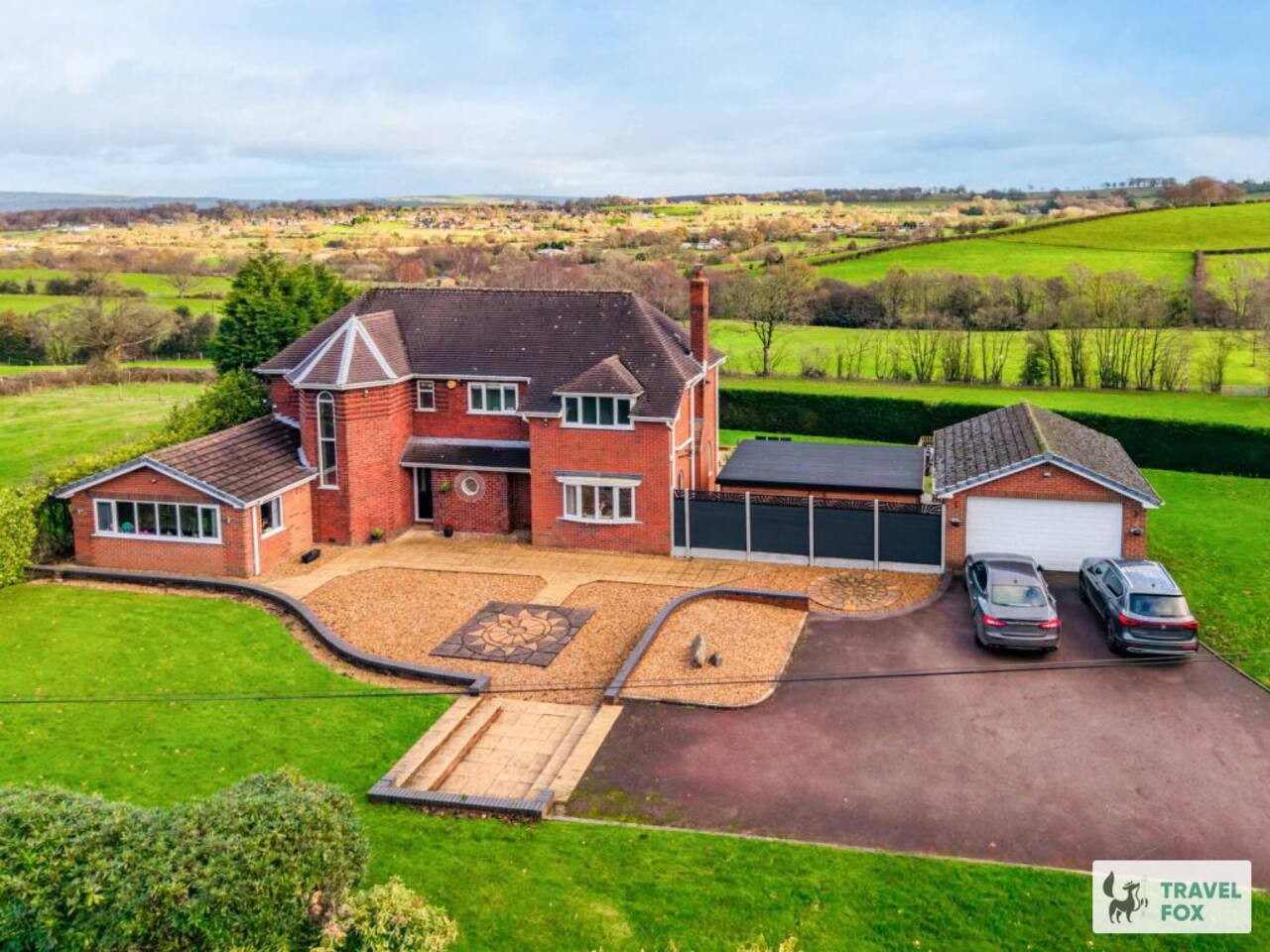
Cheddleton
Greenways House - Parking, Pool Table and Garden!
- Sleeps 10
- 4 bedrooms
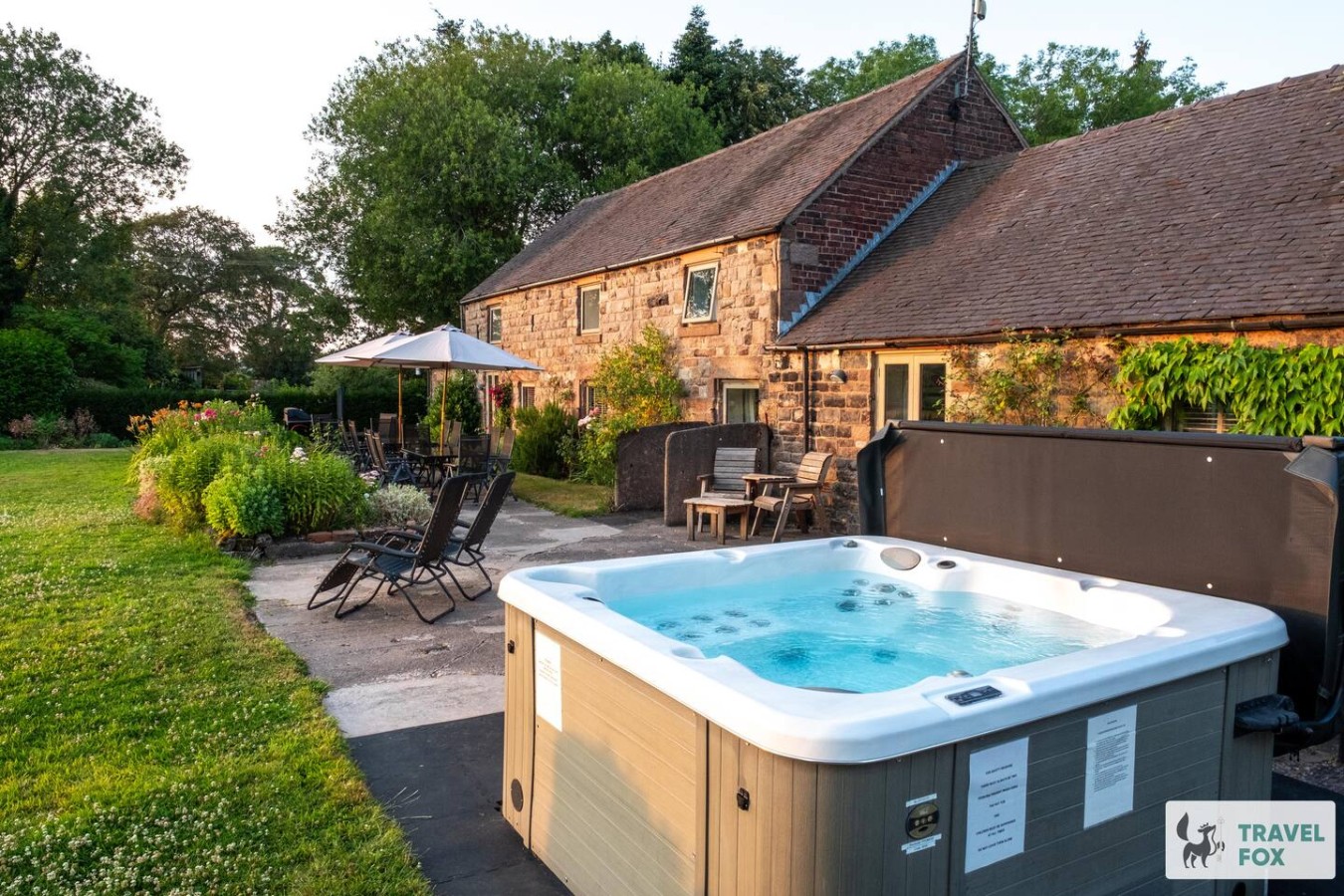
Cheddleton
Lee House Cottage + Annexe
- Sleeps 19
- 8 bedrooms
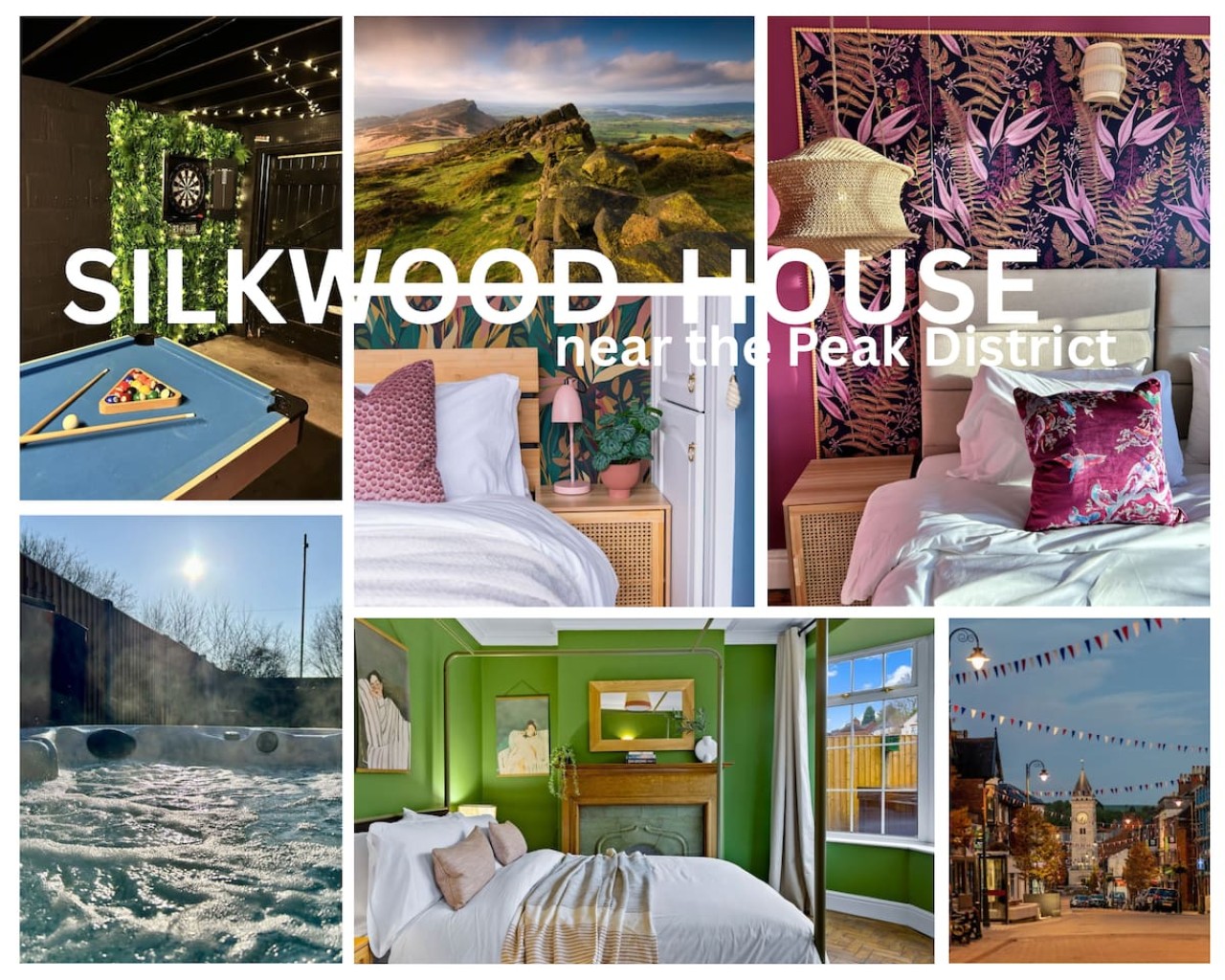
Leek
Silkwood House | Boutique 4 Bed nr. Peak District
- Sleeps 8
- 4 bedrooms
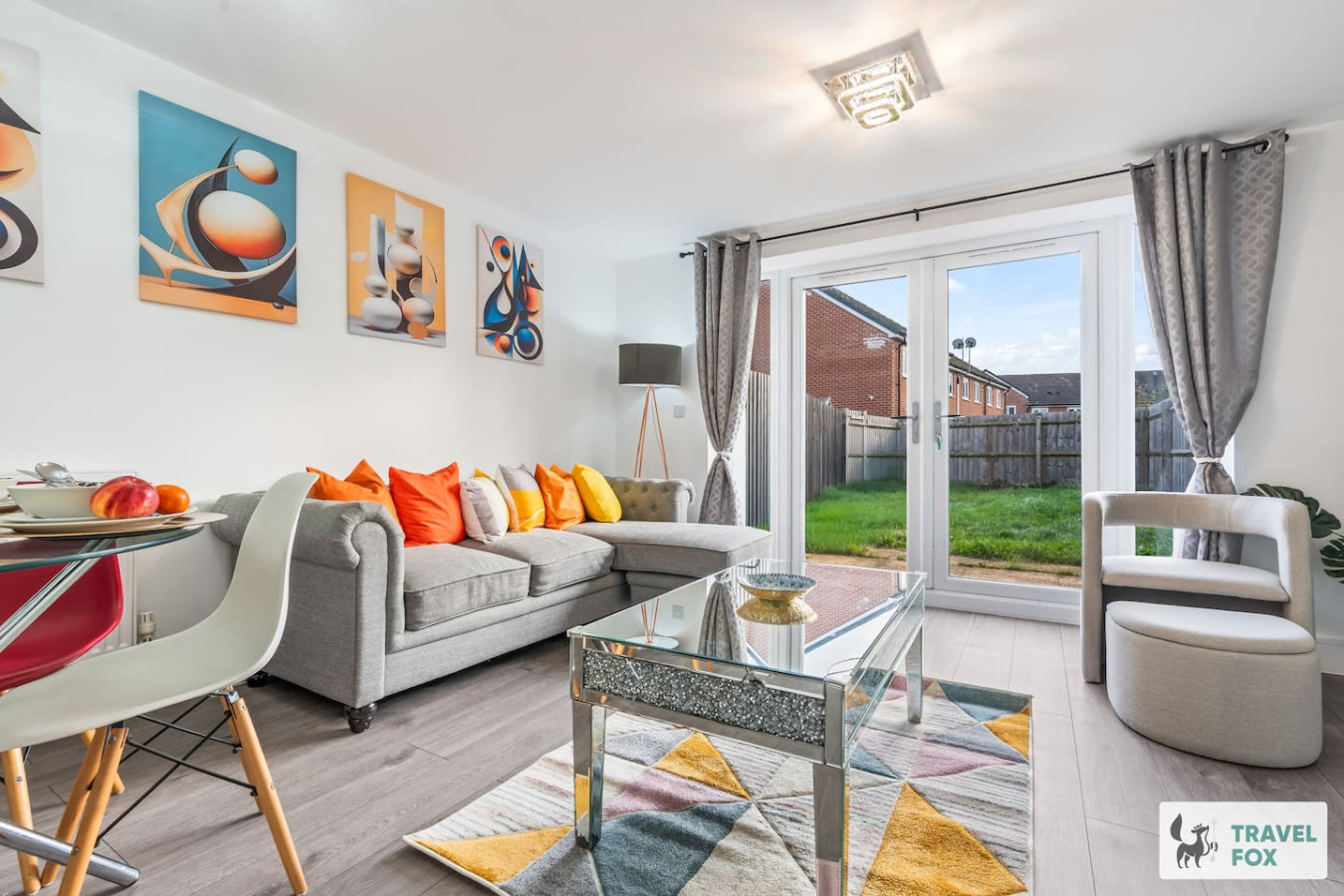
Stoke-on-Trent
Heather's House
- Sleeps 6
- 2 bedrooms
For homeowners
Own a holiday home near Alrewas?
We manage holiday lets across Staffordshire from 12% commission, charged after cleaning costs, with no lock-in. A co-founder visits before you decide.
Holiday let management in Staffordshire →
A guide with a point of view
Written from research. Edited for real journeys.
Use the Official site links for live practical details, then use this guide for context, ideas and room to explore.
Sources
Every place on this page is checked against a published source. Each entry links the record we used and names who publishes it.
- All Saints Church — alrewasallsaints.church operator, sector body or destination organisation
- Alrewas to Wychnor Loop — ramblers.org.uk operator, sector body or destination organisation record not machine-readable; publisher restricts automated access
- National Memorial Arboretum — thenma.org.uk other published source
- Fradley Junction — canalrivertrust.org.uk national body or asset manager
- Barton Marina — bartonmarina.co.uk operator, sector body or destination organisation
- The Crown Inn — thecrownalrewas.co.uk operator, sector body or destination organisation
- George & Dragon — georgeanddragonalrewas.co.uk operator, sector body or destination organisation