
Market-town character
Eccleshall
Historic coaching inns, independent food, episcopal heritage and a countryside loop converge around one compact Staffordshire town.
- Best for
- Historic pubs, local food and an easy heritage stroll
- Give it
- Editorial estimate: allow a full day, with extra time for the Cop Mere walk
- Don't miss
- Holy Trinity's medieval fabric and bishops' tombs
The Fox verdict
A small market town with a long memory
Eccleshall pairs a compact historic core with serious food, characterful pubs and a rewarding walk into the Sow valley.
Start among the Georgian and earlier buildings, visit Grade I-listed Holy Trinity, then choose between Perrys’ local produce and the town’s former coaching inns. Families have a substantial outing at Fletcher’s, while the parish walk to Copmere follows field paths through Pershall and returns by Castle Meadow.
Where to go
Places in Eccleshall
Every place below is checked against a published source, listed with what it is and how long to give it.
Local signatures
3 placesPerrys of Eccleshall
An independent master butcher and game dealer known for five-mile provenance, pork sausages, pies and an artisan butchery school.
- Visit length
- Editorial estimate: allow around 20 minutes
- Locality
- Eccleshall
The Little George
A cafe-bar in part of the old George Hotel, serving breakfasts, deli food, cakes, coffee and changing guest beers.
- Visit length
- Editorial estimate: allow around 60 minutes
- Locality
- Castle Street
- Access
- Child- and dog-friendly.
Fletcher's Garden and Leisure Centre
A family destination combining mini golf, a miniature railway, a play area and Gentleshaw Wildlife Centre.
- Visit length
- Editorial estimate: allow around 2 hours 30 minutes
- Locality
- Bridge Farm, Stone Road
Food & drink
2 placesThe Royal Oak
A Joule's coaching inn with real fires, arched stone cellars, a large garden and a heated covered courtyard.
- Visit length
- Editorial estimate: allow around 75 minutes
- Locality
- High Street
- Access
- Dogs are welcome in the bar area on leads.
The Kings Arms Hotel
A 17th-century coaching inn on Stafford Street, serving pub food made with meat from neighbouring Perrys.
- Visit length
- Editorial estimate: allow around 75 minutes
- Locality
- Stafford Street
Walks & outdoors
1 placeEccleshall–Pershall–Copmere Walk
A country walk linking Eccleshall with Pershall and Copmere.
- Visit length
- Editorial estimate: allow around 2 hours
- Locality
- Eccleshall (starts at Holy Trinity Church)
- Access
- Stiles and electric-fence crossing points feature along the walk; pair the directions with Ordnance Survey Explorer map 243.
History & heritage
1 placeHoly Trinity Church
A largely 13th-century church with a restored vaulted south porch and memorials to Bishops of Lichfield.
- Visit length
- Editorial estimate: allow around 45 minutes
- Locality
- Eccleshall
No places match this filter. Choose All places to reset the list.
Three ways to explore Eccleshall
Signature outings
A coaching inn pint
Choose a Joule's ale at the Royal Oak, then find a place by the real fire or in the covered Coachhouse courtyard.
Medieval fabric and memory
Pause at Bishop Overton’s memorial: his recumbent effigy is accompanied by kneeling figures of his two wives.
Fields on the way to Copmere
Follow Walk No. 8 from the church through countryside towards Pershall and Copmere, returning through Castle Meadow.
The town story
Eccleshall: A Market Town Shaped by Coaching
A compact Staffordshire market town shaped by bishops, coaching traffic, independent food and an enduring appetite for the pub.
Butchers, buildings and coaching inns
Perrys has traded in Eccleshall since 1927, although its original shop was in Small Lane rather than its present home at 19–21 Stafford Street. Produce is reared within five miles of the shop, and the business has won both the Countryside Alliance’s Best Butcher in Britain award and Butcher’s Shop of the Year for the Midlands and East of England. Stephen Hill and the team teach artisan skills at the on-site Field to Fork school.
Eccleshall’s High Street is part of a conservation area, with Georgian buildings and later shopfronts shaping its historic centre. Holy Trinity stands separately on Church Street. Eccleshall Castle lies north of the church, off Castle Street; the castle remains belong to the town’s history rather than a stop on a High Street walk.
The Royal Oak at 25 High Street carries much of Eccleshall’s coaching-inn history. Its old stone cellars and former stabling recall travellers passing through town. The pub serves Joule’s ales and has a real fire and covered courtyard. Local legend holds that a tunnel once ran from the cellars to Gaol Butts; it remains a story rather than a route to explore.
Beside the butcher on Stafford Street, the Kings Arms occupies a 17th-century listed building. It once served coaching travellers, and the old stables remain visible. After a 2017 refurbishment, the inn offers pub food, drinks and events, with meat supplied by the neighbouring butcher.
The High Street pub circuit
The Little George occupies part of the old George Hotel on Castle Street, a 17th-century coaching inn that was once Slater’s Brewery tap. Today it combines a café-bar serving coffee, breakfasts, deli food, real ales and guest accommodation.
The Ecclian, at 27 High Street, is Grade II listed and run by Martin and Helen, who took it over after a stretch as Merckx Bar. It has an extensive spirits selection, hosts monthly bingo, and welcomes dogs on leads but not on the seats. Down the street, the Bell Inn has four regular ales including Draught Bass and Timothy Taylor Landlord, plus two rotating guests usually from Izaak Walton, Lymestone or Titanic, a rear garden and a Thursday quiz; it also sponsors Eccleshall Rugby Club.
The Old Smithy on Castle Street combines a restaurant with a relaxed free-house bar, a secluded outdoor seating area and a kitchen that uses locally sourced produce where possible. It is a useful choice for a longer meal after exploring the town.
Eccleshall’s pub circuit has changed over time, while the town’s surviving venues keep the High Street lively.
Playgrounds, bishops and ancient beginnings
Beyond the historic centre, Fletcher’s on Stone Road brings together crazy golf, a miniature railway and a play area, with Gentleshaw Wildlife Centre on the same site. Eccleshall Tennis Club has courts on Chester Road, while Jubilee Playing Field on Hartlands Road offers green space and outdoor gym equipment.
The Grade I-listed church is one of Staffordshire’s notable medieval buildings. Much of the chancel, arcades and tower dates to the 13th century, while the aisles were rebuilt in the 15th. The south porch has a restored quadripartite vault, and the church holds memorials to Bishops of Lichfield, including Bishop Overton’s effigy.
Eccleshall’s long connection with the bishops is recorded in Domesday Book: in 1086 the Bishop of Chester held an estate here with villagers, smallholders, a priest, plough teams and two mills. The town later gained a market charter in 1153, and a bishop’s estate survey counted about 500 residents by 1298, many working in crafts or agriculture.
Castle stories and country paths
The castle’s story began when King John licensed Bishop Geoffrey de Muschamp to fortify the manor house in 1200. Bishop Langton enlarged it in the early 14th century. Parliamentarian forces besieged the castle during the Civil War, and it had been demolished by 1646. Bishop Lloyd built the house within the remains around 1695; the site continued as an episcopal residence until 1867. Today the site is a residence, with its surviving tower, bridge and moat forming part of Eccleshall’s historic setting.
Walk No. 8 starts at the church and follows field paths towards Pershall and Copmere before returning through Smithy Lane and Castle Meadow. The circuit is approximately 4.5 miles; use Ordnance Survey Explorer map 243 with the directions. Expect stiles and electric-fence crossing points along the way.
The market arches recall Eccleshall’s trading past, while civic volunteers maintain flower baskets along High Street.
Planning the visit
Eccleshall has no working railway station; Stafford and Stone are rail options for visitors, with routes 432 to Stafford and 103 to Stone. The A519 runs through town for those arriving by road.
For a longer stay, Stafford Castle offers Norman earthworks about 6.0 miles from Eccleshall in a straight line, while Shugborough has parkland and gardens about 10.8 miles away in a straight line. Road journeys are longer.
From the High Street, Eccleshall offers a simple choice: linger among the pubs and shops, or turn towards Church Street for the church and the start of the country walk.
Stay around Staffordshire
Make a longer stay of it
Travel Fox holiday homes around Staffordshire, linked directly to their property pages.
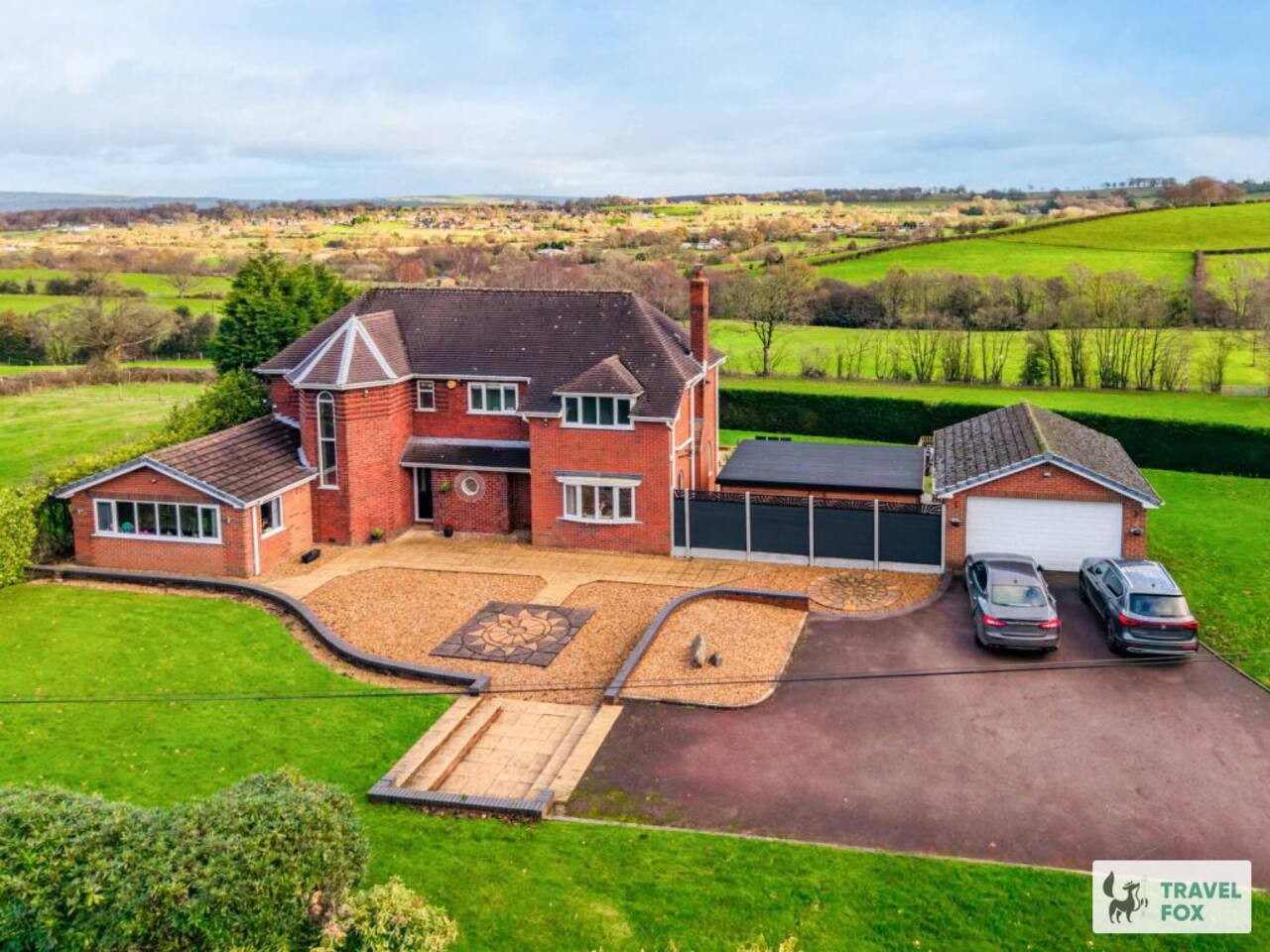
Cheddleton
Greenways House - Parking, Pool Table and Garden!
- Sleeps 10
- 4 bedrooms
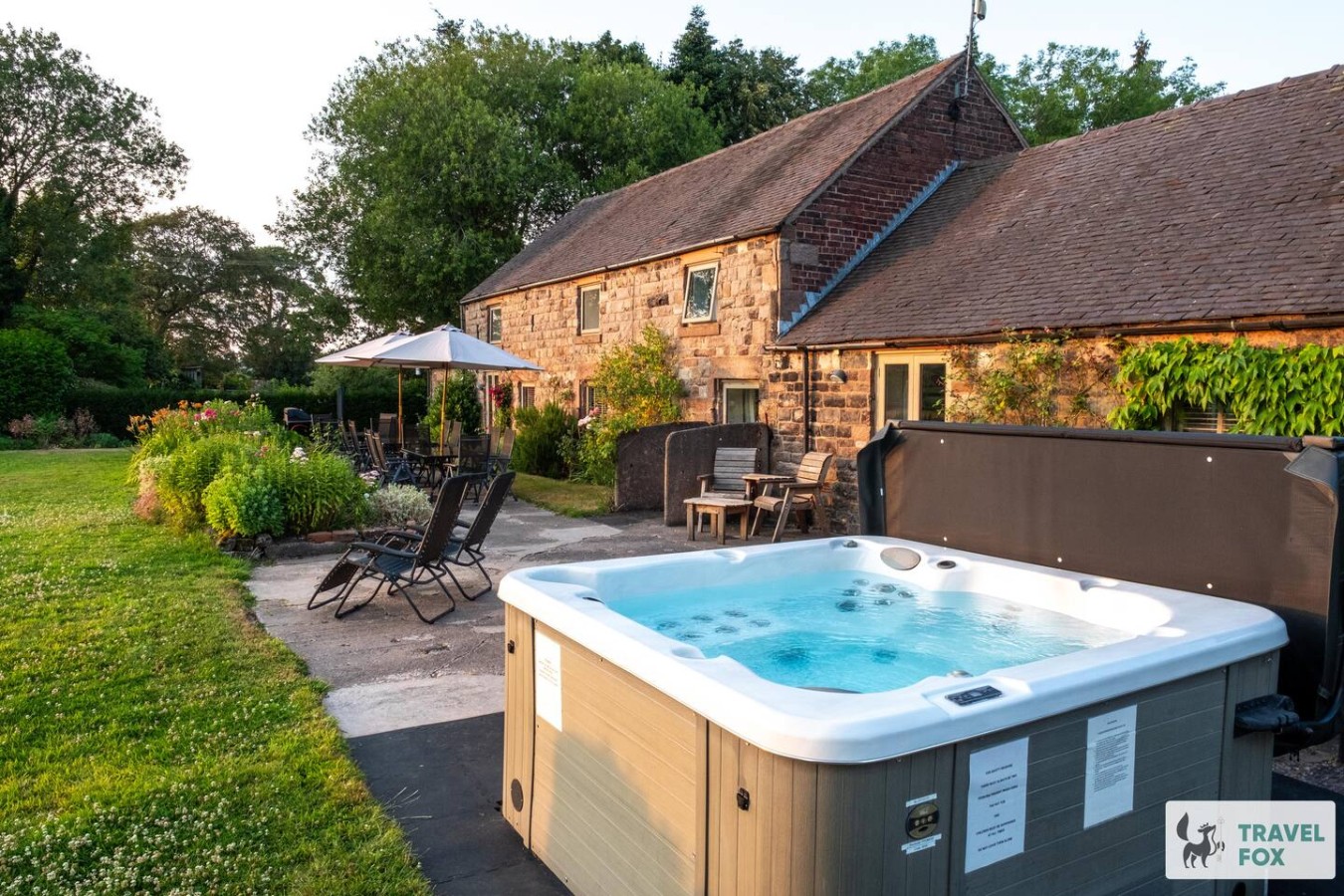
Cheddleton
Lee House Cottage + Annexe
- Sleeps 19
- 8 bedrooms
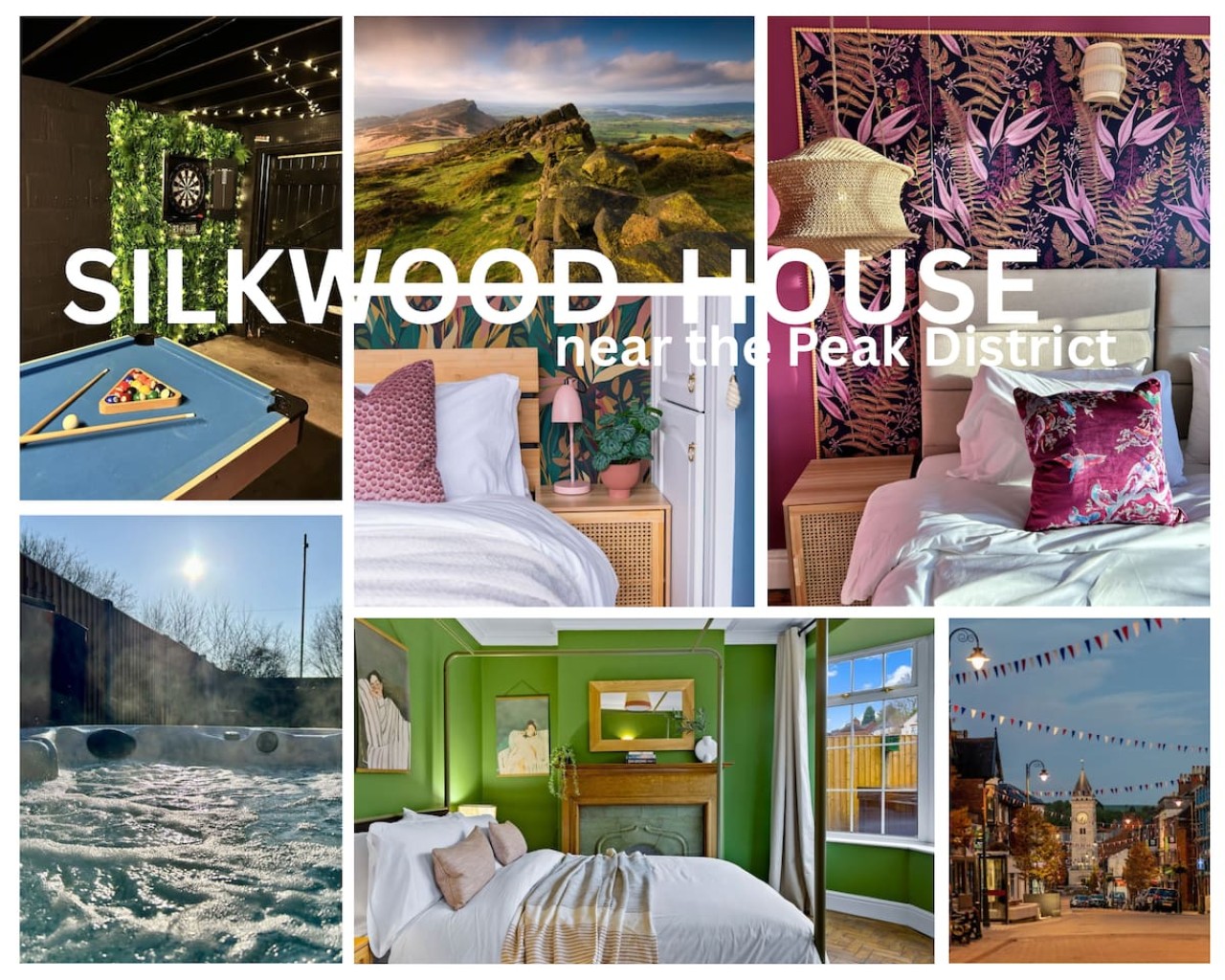
Leek
Silkwood House | Boutique 4 Bed nr. Peak District
- Sleeps 8
- 4 bedrooms
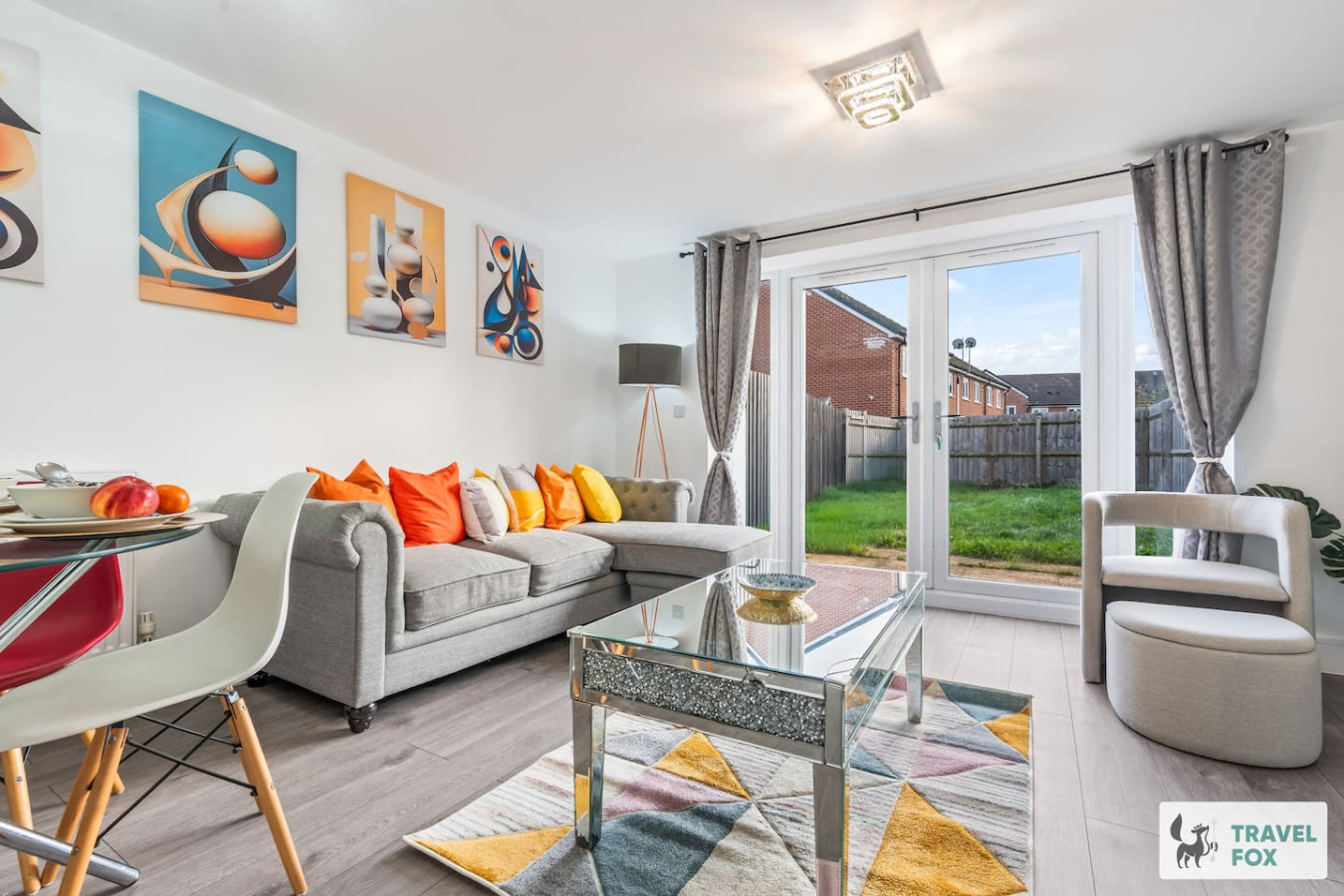
Stoke-on-Trent
Heather's House
- Sleeps 6
- 2 bedrooms
For homeowners
Own a holiday home near Eccleshall?
We manage holiday lets across Staffordshire from 12% commission, charged after cleaning costs, with no lock-in. A co-founder visits before you decide.
Holiday let management in Staffordshire →
A guide with a point of view
Written from research. Edited for real journeys.
Use the Official site links for live practical details, then use this guide for context, ideas and room to explore.
Sources
Every place on this page is checked against a published source. Each entry links the record we used and names who publishes it.
- Holy Trinity Church — historicengland.org.uk statutory register or public authority record not machine-readable; publisher restricts automated access
- Eccleshall–Pershall–Copmere Walk — eccleshallparishcouncil.gov.uk statutory register or public authority
- Perrys of Eccleshall — perrysofeccleshall.co.uk operator, sector body or destination organisation
- The Royal Oak — historicengland.org.uk statutory register or public authority record not machine-readable; publisher restricts automated access
- The Kings Arms Hotel — kingsarmseccleshall.com operator, sector body or destination organisation
- The Little George — visitstaffordshire.com operator, sector body or destination organisation
- Fletcher's Garden and Leisure Centre — fletchersgardencentre.com operator, sector body or destination organisation