
Canals, collieries and a case that changed justice
Great Wyrley
A former mining village where a quiet canal, local pub life and the Edalji case reveal a deeper Staffordshire story.
- Best for
- Canal walking, village history and unhurried pub stops
- Give it
- A day, with Chasewater as the longer nearby outing
- Don't miss
- St Mark's Church and the Edalji story
The Fox verdict
A working village with an unexpectedly national story
Great Wyrley rewards visitors who pair everyday local life with its canal, colliery legacy and remarkable connection to George Edalji and Arthur Conan Doyle.
This is not a conventional sightseeing village. Its appeal lies in contrasts: a peaceful stretch of the Curly Wyrley, a choice of individual pubs and St Mark's Church, where the Edalji family story opens onto a miscarriage of justice and the creation of a formal criminal appeal court.
Where to go
Places in Great Wyrley
Every place below is checked against a published source, listed with what it is and how long to give it.
Local signatures
3 placesSt Mark's Church
The stone Early English-style church was built in 1844–45 and is closely associated with vicar Shapurji Edalji, his son George and the case taken up by Arthur Conan Doyle.
- Visit length
- Editorial estimate: Allow around 45 minutes
- Locality
- Great Wyrley
- Access
- The church is associated with the Edalji family story.
The Wheatsheaf
A family-friendly Greene King Flaming Grill pub serving flame-grilled steaks, pub classics and mixed grills, with a dog-friendly beer garden and ample parking.
- Visit length
- Editorial estimate: Allow around 90 minutes
- Locality
- Walsall Road, Great Wyrley
The Royal Oak
A traditional local on Norton Lane with a fireplace, dartboard, car park, beer garden and cask ales. Dogs are welcome throughout the pub.
- Visit length
- Editorial estimate: Allow around 75 minutes
- Locality
- Norton Lane, Great Wyrley
Food & drink
1 placeOlde Wyrley Hall
Olde Wyrley Hall offers carvery and afternoon tea and hosts functions and events.
- Visit length
- Editorial estimate: Allow around 75 minutes
- Locality
- Great Wyrley
- Access
- The venue offers carvery and afternoon tea and hosts functions and events.
Walks & outdoors
2 placesWyrley and Essington Canal Towpath
Known locally as the Curly Wyrley, this flat, peaceful towpath follows a meandering canal used by walkers, cyclists and anglers and continues past Pelsall Common and Rough Wood Nature Reserve.
- Visit length
- Editorial estimate: Allow around 90 minutes for a short out-and-back walk
- Locality
- Great Wyrley area and the wider canal corridor
- Access
- The walk follows the wider canal corridor through the Great Wyrley area.
Chasewater Country Park
A 360-hectare country park centred on a reservoir first built as Norton Pool to feed the canal, with heathland, nature trails, birdwatching, watersports and a heritage steam railway.
- Visit length
- Editorial estimate: Allow around 2 hours 30 minutes
- Locality
- Chasewater
- Access
- Watersports and the heritage railway are separately organised activities within the park.
No places match this filter. Choose All places to reset the list.
Three ways to explore Great Wyrley
Signature outings
Meet the Edalji story
Visit St Mark's to connect Shapurji and George Edalji's village life with Arthur Conan Doyle's campaign and a case that helped expose the need for a formal criminal appeal court.
Trace the Curly Wyrley
Use the towpath to trace the area's industrial history: the canal carried coal from the Cannock pits, and mining subsidence later reshaped parts of its course.
Explore Chasewater
Give the nearby reservoir and heathland a longer stop for nature trails and birdwatching, with watersports and the heritage railway as separately planned activities.
The village story
Great Wyrley: Canal, Collieries and the Edalji Case
Pubs, canal paths, mining memory and the Edalji case reveal the character behind this South Staffordshire village.
Grills, cask ale and the village table
On Walsall Road, The Wheatsheaf is a Flaming Grill pub serving steaks, mixed grills and other pub food. It has a beer garden and welcomes dogs.
The Star Inn serves pub classics and homemade cheesecakes, with cask ales and regular live entertainment.
Locals, carvery and everyday provisions
The Royal Oak on Norton Lane has a fireplace, dartboard and cask ales, as well as a beer garden. Olde Wyrley Hall on Olde Hall Lane serves carvery and afternoon tea and hosts events.
Great Wyrley Post Office is at 98 Wardles Lane.
The Curly Wyrley and coal beneath the fields
The Wyrley and Essington Canal, nicknamed the Curly Wyrley, offers level towpath walking through parts of the wider area, including Pelsall Common. The 360-hectare Chasewater Country Park surrounds a reservoir built to feed the canal, and the heritage railway runs within the park.
The parish council traces Great Wyrley's name to the Saxon Wir Leah, meaning 'the bog myrtle glade'. Coal and ironstone mines were working in the area by 1642, and later industrial growth helped shape the village.
The Edalji case and Conan Doyle
St Mark's Church was built in 1844–45. Shapurji Edalji, a Parsi convert from Mumbai believed to have been the first South Asian vicar of an English parish, served here from 1876 until 1918.
His son George, a solicitor, was convicted in 1903 of maiming a pony and sentenced to seven years' hard labour. Arthur Conan Doyle joined the public campaign for him; a government committee later found the conviction unsatisfactory, and Edalji received a free pardon in 1907. His case was among the miscarriages of justice that led to the Criminal Appeal Act 1907 and the Court of Criminal Appeal.
Arriving by rail
Landywood station is on Landywood Lane near Great Wyrley.
Stay around Staffordshire
Make a longer stay of it
Travel Fox holiday homes around Staffordshire, linked directly to their property pages.
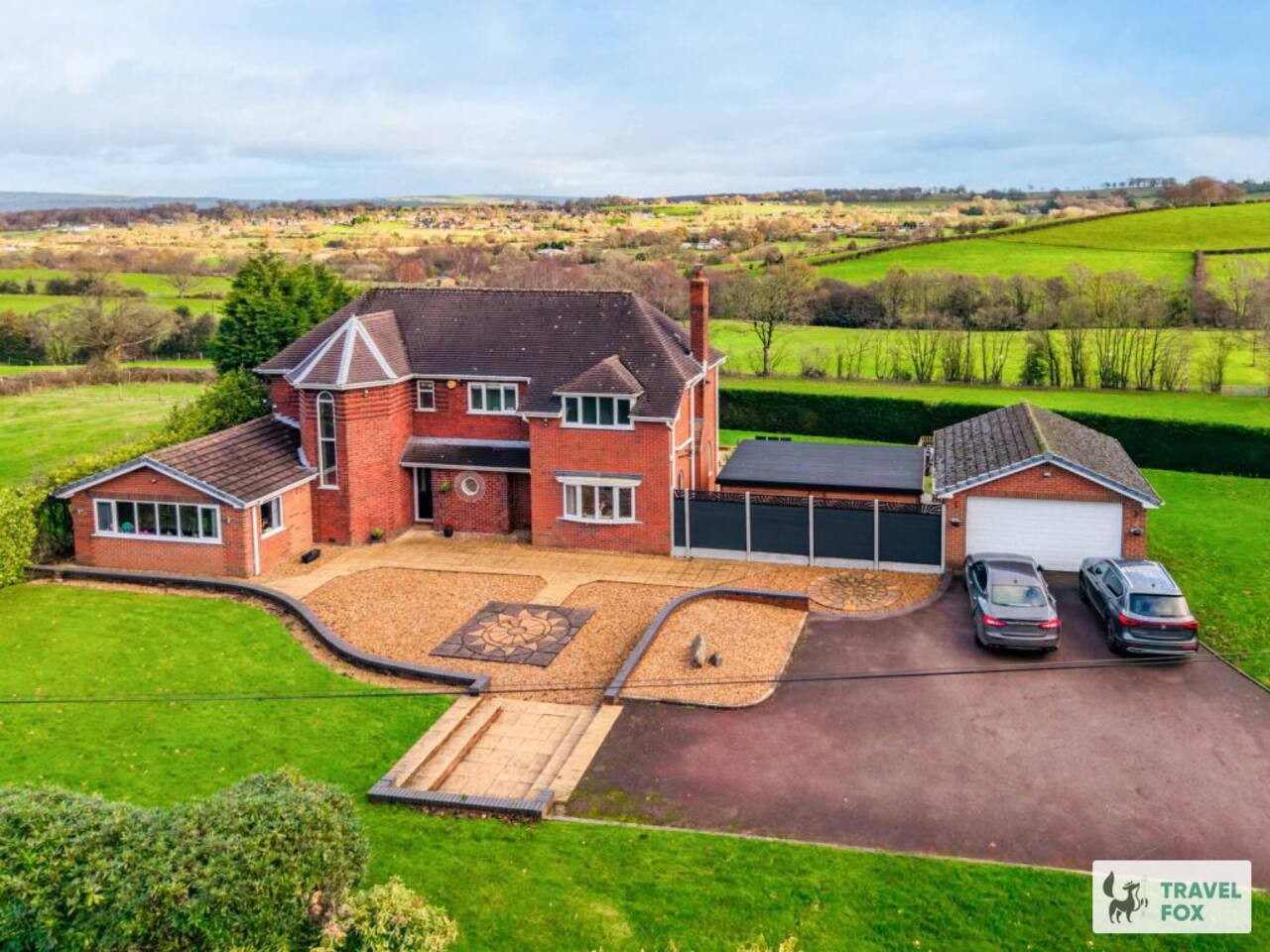
Cheddleton
Greenways House - Parking, Pool Table and Garden!
- Sleeps 10
- 4 bedrooms
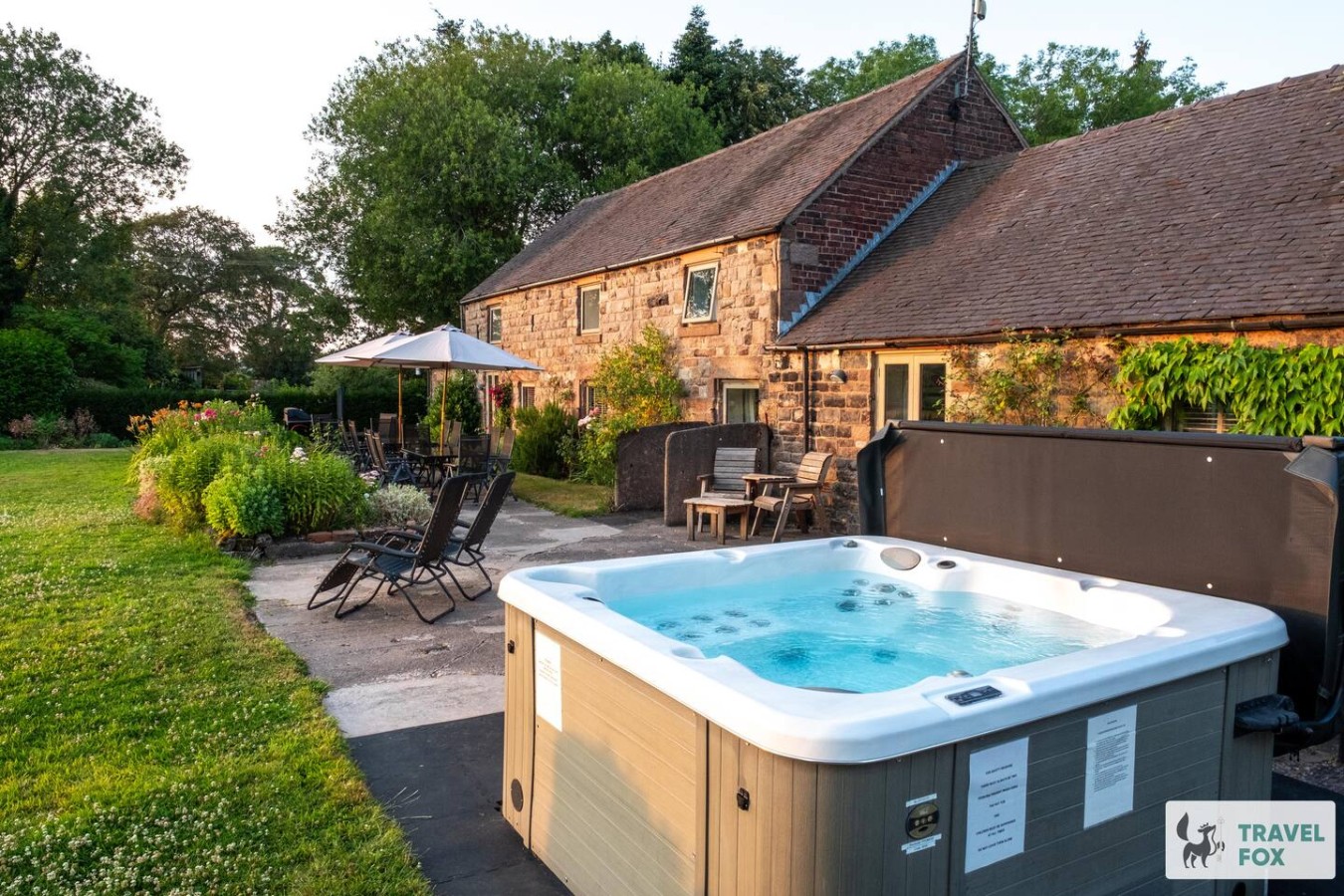
Cheddleton
Lee House Cottage + Annexe
- Sleeps 19
- 8 bedrooms

Leek
Silkwood House | Boutique 4 Bed nr. Peak District
- Sleeps 8
- 4 bedrooms
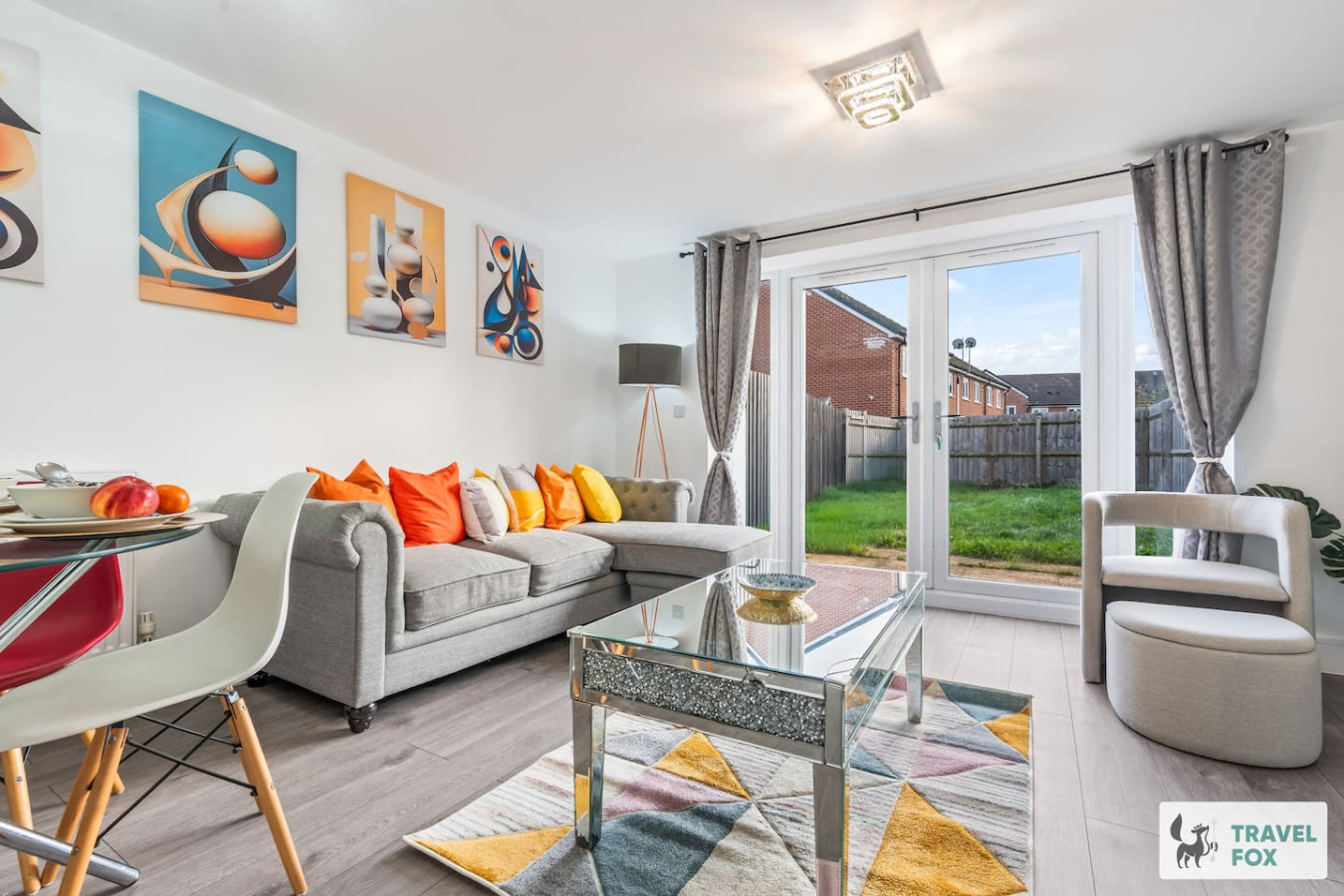
Stoke-on-Trent
Heather's House
- Sleeps 6
- 2 bedrooms
For homeowners
Own a holiday home near Great Wyrley?
We manage holiday lets across Staffordshire from 12% commission, charged after cleaning costs, with no lock-in. A co-founder visits before you decide.
Holiday let management in Staffordshire →
A guide with a point of view
Written from research. Edited for real journeys.
Use the Official site links for live practical details, then use this guide for context, ideas and room to explore.
Sources
Every place on this page is checked against a published source. Each entry links the record we used and names who publishes it.
- St Mark's Church — achurchnearyou.com national body or asset manager
- Wyrley and Essington Canal Towpath — canalrivertrust.org.uk national body or asset manager
- The Wheatsheaf — ratings.food.gov.uk statutory register or public authority
- The Royal Oak — royaloakgreatwyrleypub.co.uk operator, sector body or destination organisation
- Olde Wyrley Hall — oldewyrleyhall.co.uk operator, sector body or destination organisation
- Chasewater Country Park — staffordshire.gov.uk statutory register or public authority