

Mease Valley quiet
Harlaston
A small Staffordshire village beside the River Mease, with a timber-topped church tower and a traditional pub, plus Croxall Lakes and Tamworth for a longer day.
- Best for
- Quiet walking, village history and a pub lunch
- Give it
- A village half-day, or longer with one nearby stop
- Don't miss
- St Matthew's half-timbered upper tower
Photo: Chris' Buet · CC BY-SA 2.0 · cropped
The Fox verdict
A tiny village with a strong sense of place
Harlaston is best treated as a quiet Mease Valley base rather than a checklist destination.
The useful core is compact: see St Matthew's church, take in Harlaston's setting beside the River Mease and pause at the White Lion. Croxall Lakes adds a nature stop, while Tamworth offers larger attractions.
Where to go
Places in Harlaston
Every place below is checked against a published source, listed with what it is and how long to give it.
Local signatures
3 placesWhite Lion Inn
A black-and-white village pub on Main Road serving pub classics and Sunday lunch, close to St Matthew's Church.
- Visit length
- Editorial estimate: Allow around 75 minutes
- Locality
- Main Road, Harlaston
River Mease at Harlaston
Harlaston stands on the south bank of the River Mease, with recorded public rights of way for longer walks.
- Visit length
- Editorial estimate: Allow around 30 minutes
- Locality
- Harlaston village
- Access
- Recorded public rights of way offer longer walking options around Harlaston.
Croxall Lakes
Two former sand-and-gravel pits restored as a nature reserve, with wintering wildfowl including goosander, wigeon and smew and otter signs along the riverbanks.
- Visit length
- Editorial estimate: Allow around 90 minutes
- Locality
- Croxall, near the Trent, Tame and Mease confluence
History & heritage
2 places
St Matthew's Church
A Grade II* church largely built in 1882–83 by Ewan Christian, with an early 13th-century west tower topped by a timber-framed bell turret.
- Visit length
- Editorial estimate: Allow around 40 minutes
- Locality
- Harlaston village
Tamworth Castle
A Tamworth museum where furnished rooms trace the castle's long history from the medieval period to Victorian life.
- Visit length
- Editorial estimate: Allow around 2 hours
- Locality
- Tamworth
Things to do
1 placeSnowDome
A family recreation stop in Tamworth, about five miles from Harlaston and readily combined with the town's castle.
- Visit length
- Editorial estimate: Allow around 2 hours
- Locality
- Tamworth
No places match this filter. Choose All places to reset the list.
Three ways to explore Harlaston
Signature outings
Read the brickwork and porch
Look for the Victorian red-brick nave and the timber-framed south porch.
Scan two restored lakes
Follow the main track to the bird hides: one overlooks the large lake, while the other faces a smaller lake and wildlife scrape.
Step into Saxon Tamworth
Inside the castle, the Battle & Tribute gallery uses a replica mead hall, interactive displays and pieces of the Staffordshire Hoard to tell Tamworth's Anglo-Saxon story.
The village story
Harlaston beside the Mease
A small Mease Valley village where the pub, river and timber-topped church tower carry more of the story than the map suggests.
Inside the village pub
The White Lion stands on Main Road near the centre of Harlaston, close to the village church. The black-and-white exterior makes the pub an easy landmark in this small village.
Pub classics, seasonal dishes and Sunday lunch make the dining room a natural place to pause during a visit.
A tollhouse once adjoined the inn, and a wooden pavilion stood on the present car park. The pavilion hosted village gatherings, including dances and a youth club.
From Main Road to the river
The pub's story reaches beyond food and drink: a former tollhouse, retail trade and meeting-place role tied the pub to village life. The church and riverside setting provide the other clear landmarks.
Harlaston once had a post office and shop; the village has no shop now, so bring supplies for a visit.
Harlaston stands on the south bank of the River Mease. Elford lies to the west and Clifton Campville to the east, with recorded public rights of way linking the settlements.
Lakes, lanes and the church
Former gravel workings at Croxall Lakes are now wetland habitat near the meeting of the Trent, Tame and Mease. Bird hides overlook the lakes, and otter signs appear along the riverbanks.
Longer walks beyond Harlaston use recorded public rights of way. Mease Valley lanes connect the village with Elford and Clifton Campville.
St Matthew's is Grade II*. Most of the church dates from 1882–83, with Ewan Christian responsible for the work; the west tower retains early 13th-century fabric and carries a timber-framed bell turret.
Tower, manor and Domesday
The church has a timber-framed south porch and an east window depicting the Ascension, dated 1894.
Behind the church, archaeological evidence of a 14th-century manor house survives, with traces of the moat still visible.
The Domesday record lists Harlaston and Little Harlaston with 23 households; the settlement also had a mill and a value of six pounds.
A village kept by its people
Harlaston won the county Best Kept Small Village title in 2007 and placed third in the small-village community category in 2023.
The village hall hosts local gatherings, and residents have welcomed visitors through Harlaston Open Gardens in past years.
Past Open Gardens events paired garden visits with stalls and refreshments, with proceeds supporting the church and village hall.
Stay around Staffordshire
Make a longer stay of it
Travel Fox holiday homes around Staffordshire, linked directly to their property pages.
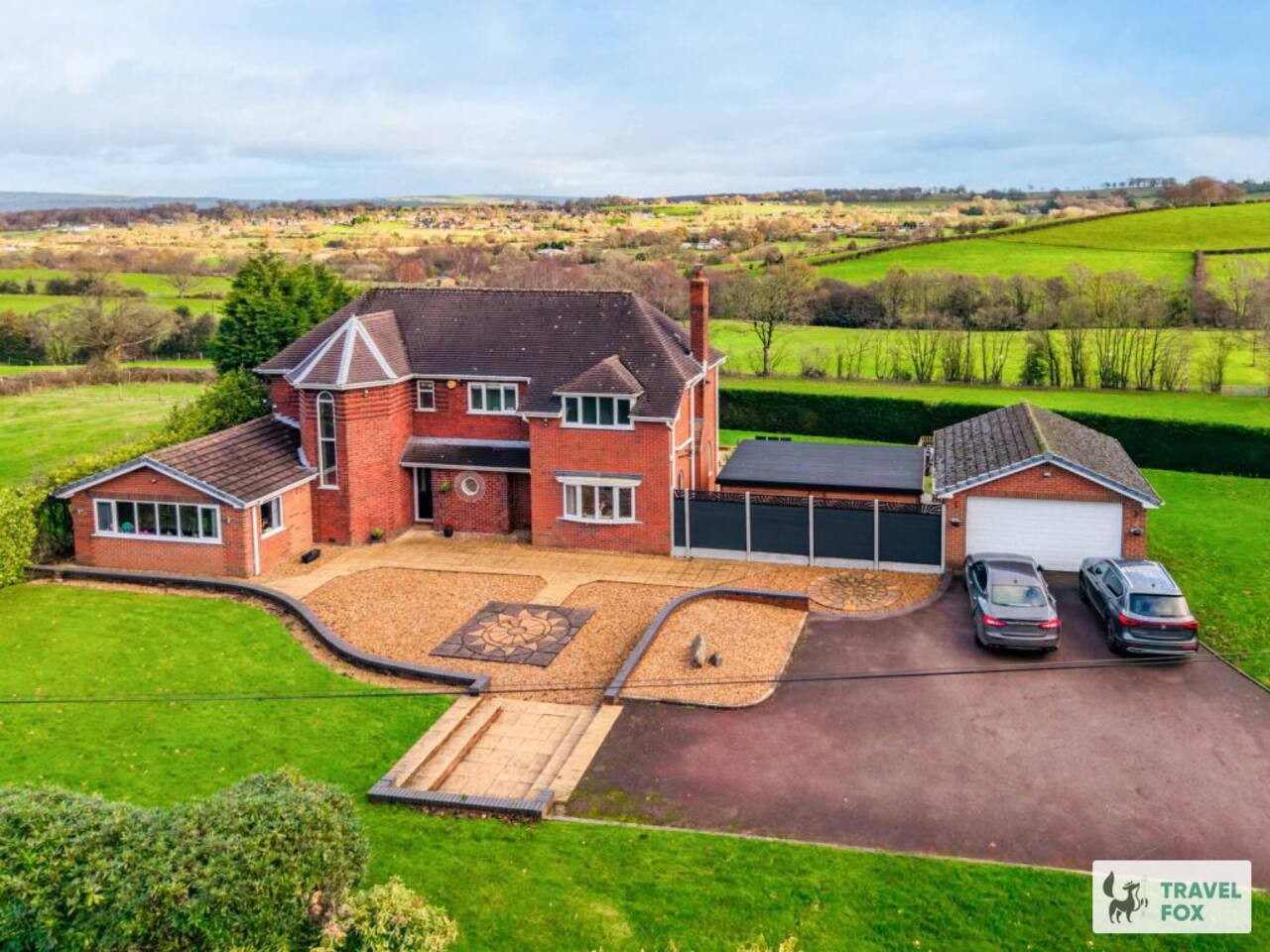
Cheddleton
Greenways House - Parking, Pool Table and Garden!
- Sleeps 10
- 4 bedrooms
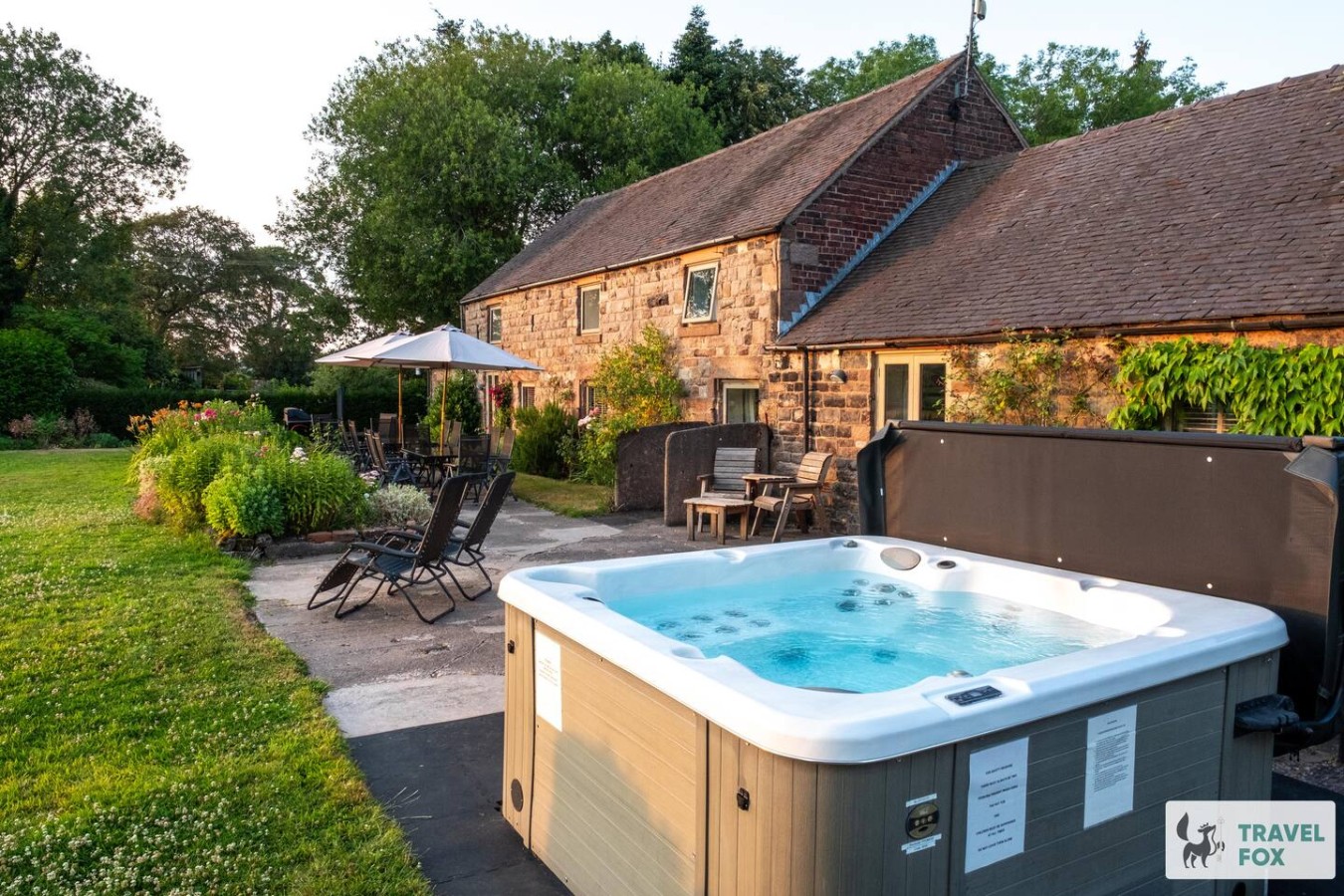
Cheddleton
Lee House Cottage + Annexe
- Sleeps 19
- 8 bedrooms

Leek
Silkwood House | Boutique 4 Bed nr. Peak District
- Sleeps 8
- 4 bedrooms
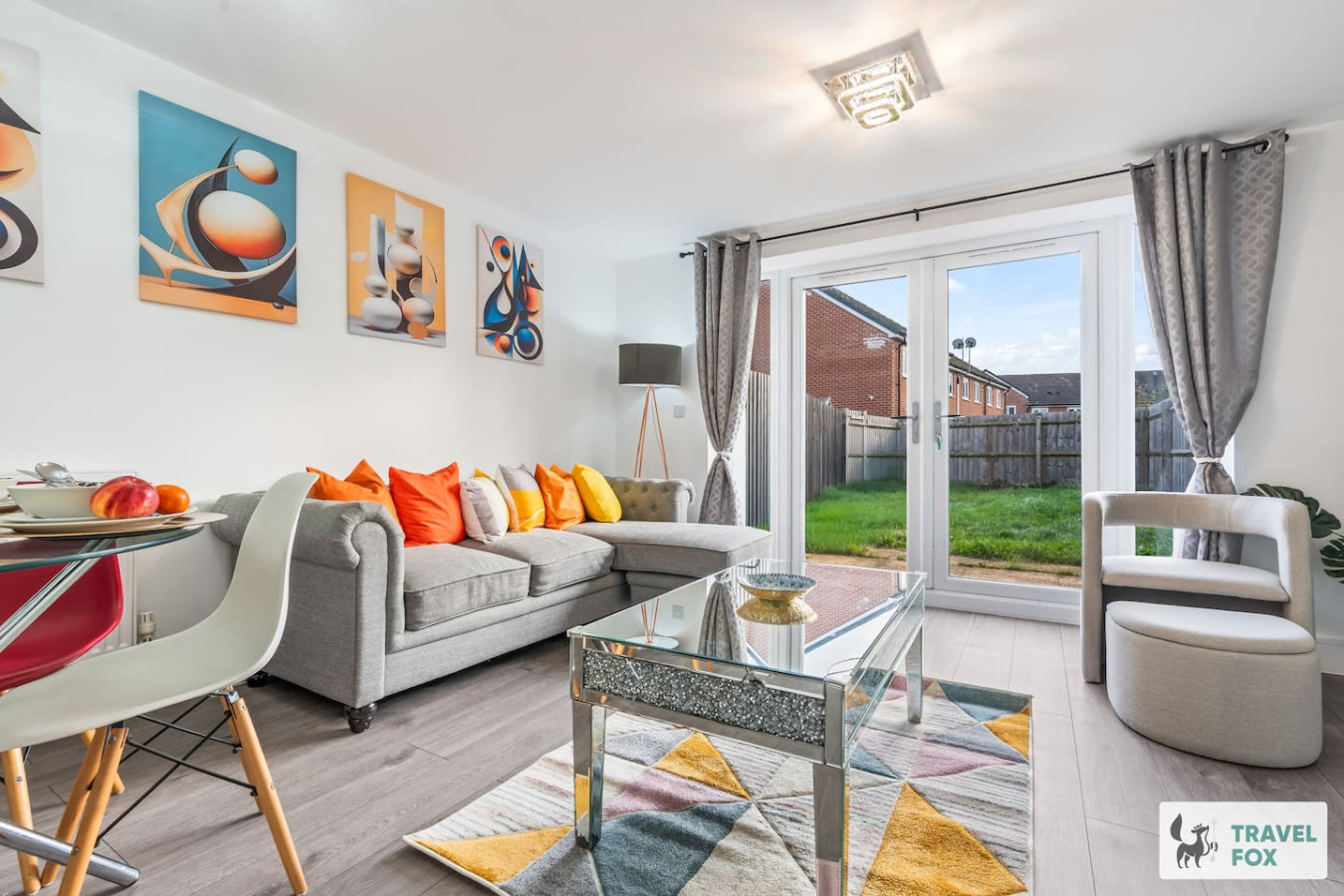
Stoke-on-Trent
Heather's House
- Sleeps 6
- 2 bedrooms
For homeowners
Own a holiday home near Harlaston?
We manage holiday lets across Staffordshire from 12% commission, charged after cleaning costs, with no lock-in. A co-founder visits before you decide.
Holiday let management in Staffordshire →
A guide with a point of view
Written from research. Edited for real journeys.
Use the Official site links for live practical details, then use this guide for context, ideas and room to explore.
Photography credits & licences
Third-party photographs are credited to their named creators and reused under the linked Creative Commons licence or public-domain dedication. Travel Fox stores an optimised local copy; the file-specific changes and any browser-applied display crop are disclosed below. Reused photographs link both to the Wikimedia Commons source record and to the declared source image; Travel Fox's own photographs carry no such record and are marked as ours. These image licences do not cover Travel Fox text, branding or page design.
- File:St Matthew Church (5) - geograph.org.uk - 2423192.jpg — photograph by Chris' Buet; St Matthew Church (5) by Chris' Buet. Source record on Wikimedia Commons. Declared source image. Licence: CC BY-SA 2.0. File changes: Downloaded from Wikimedia Commons, resized to a maximum 1920px edge and encoded as an optimised JPEG. Display changes: Displayed with responsive CSS cropping.
Sources
Every place on this page is checked against a published source. Each entry links the record we used and names who publishes it.
- White Lion Inn — whitelionharlaston.com operator, sector body or destination organisation
- St Matthew's Church — historicengland.org.uk statutory register or public authority
- River Mease at Harlaston — harlastonvillage.co.uk statutory register or public authority
- Croxall Lakes — staffs-wildlife.org.uk national body or asset manager
- Tamworth Castle — tamworthcastle.co.uk operator, sector body or destination organisation
- SnowDome — snowdome.co.uk operator, sector body or destination organisation