
Farm flavours and railway traces
Haughton
A Staffordshire village where Jersey ice cream, medieval stonework and a former railway path make an easy-going day out.
- Best for
- Farm treats, local history and gentle walking
- Give it
- Our suggestion: a relaxed half day
- Don't miss
- Jersey ice cream made on the farm
The Fox verdict
A small village with a surprisingly varied day out
Come for Red Lion Farm, then add a medieval church, the old railway path or a village pub.
Haughton works best as an unhurried village visit: farm-made ice cream and animals for families, St Giles for medieval fabric, and the Way for the Millennium for a walk along the former railway line. The Bell adds a food-and-real-ale stop to the day.
Where to go
Places in Haughton
Every place below is checked against a published source, listed with what it is and how long to give it.
Local signatures
3 placesRed Lion Farm
A working dairy farm where ice cream is made from the farm's Jersey herd, with a coffee and cake shop, an Owl Experience and small farm animals.
- Visit length
- Editorial estimate: Allow around 2 hours
- Locality
- on the edge of Haughton
The Shropshire Inn
A country pub with AA Rosettes awarded in 2015–16 and 2016–17, plus a drinks-only bar service and private-function catering.
- Visit length
- Editorial estimate: Allow around 1 hour
- Locality
- on Newport Road
Jim Jarvis Memorial Playing Field
A recreation ground with a football pitch, children's play equipment and outdoor adult exercise equipment.
- Visit length
- Editorial estimate: Allow around 1 hour
- Locality
- in Haughton village
Food & drink
1 placeThe Bell Inn
A converted-farmhouse pub with locally sourced food, a front bar, a rear restaurant, five real ales and a landscaped beer garden.
- Visit length
- Editorial estimate: Allow around 90 minutes
- Locality
- on Newport Road
History & heritage
1 placeSt Giles Church
A mainly late-15th- and 16th-century church whose medieval work includes the west tower, north chapel and north nave windows.
- Visit length
- Editorial estimate: Allow around 45 minutes
- Locality
- in Haughton village
No places match this filter. Choose All places to reset the list.
Three ways to explore Haughton
Signature outings
Jersey ice cream on the farm
Try ice cream made on site from Red Lion Farm's own Jersey herd, then see the farm's owls and small animals.
Medieval work at St Giles
See the fine west tower and other late-medieval fabric retained at Haughton's Grade II* parish church.
Real ale at the Bell
Pair locally sourced food with one of five real ales, or use the front bar with a dog and its dedicated menu.
The village story
Haughton Village Guide
Farm ice cream, village pubs, medieval fabric and an old railway route give Haughton its distinctive rhythm.
Farm-made ice cream and village dining
Red Lion Farm's ice cream travels about a hundred yards from cow to spoon. The dairy farm on the edge of Haughton makes it on site from its own herd of Jerseys, more than a hundred flavours across the year from a recipe handed down for three decades. There's a coffee and cake shop attached, an Owl Experience, pygmy goats in something called Rascal Ranch, alpacas and chickens, plus a brick-built parlour that opened in late 2017.
Newport Road is where most of the village's life happens. A small shopping centre holds a post office, general store and newsagents alongside a butcher, a fish and chip shop and a hairdresser. Further along sits the Bell Inn, a converted farmhouse with a front bar for snacks and an L-shaped restaurant behind serving locally sourced food: a fixed price lunch menu, a Thursday steak night, Sunday roasts, and reviewers mention sea bass, lamb shank, cod and chips. Dogs are welcome in the bar, with their own menu, and the beer garden is landscaped rather than just mown. Five real ales are kept, including Timothy Taylor Landlord and Wainwright Gold, and the pub holds a five-out-of-five Cask Marque rating.
A pub in transition and St Giles's medieval fabric
The Shropshire Inn, further along the A518, is a country pub with a drinks-only bar and private-function catering. The pub's awards include AA Rosettes for 2015–16 and 2016–17. St Giles Church, which gave the Bell Inn its name, is mostly late 15th and 16th century, Grade II*, with a west tower and north chapel dating to the rectorship of Nicholas Gravinor, who held the post from 1489 to 1520.
The 1887 restoration kept the Tudor-Gothic nave but rebuilt the chancel in Early English style; the finest surviving medieval fabric is in the west tower.
Domesday Haughton and Moat Farm House
The Domesday surveyors recorded the village as Halstone, in the hundred of Cuttlestone, worth thirty shillings a year to Robert of Stafford, who held it through a man named Urfer. Fourteen households are listed: six villagers, seven smallholders and one slave. Moat Farm House, still standing, carries a carved wooden panel over its door reading "Thomas Reynolds 1680," and traces of an actual moat survive along two of its boundaries.
Railway traces and the Way for the Millennium
Haughton's own railway station opened in 1849 and closed to passengers almost exactly a century later, in 1949. The old line is now part of the Way for the Millennium, a long-distance path running through on its way between Newport and Stafford, which is itself about four miles east along the A518, with buses in between.
Playing fields and village life
There's a primary school, a football pitch and play area at Jim Jarvis Memorial Playing Field, and Haughton Village Hall, with its own kitchen, stage and WiFi, hosting the Women's Institute and a Garden Guild among others. The village won Staffordshire's Best Kept Village award five years running, from 2011 to 2015, and is known locally for its Christmas lights, with a donation box out each December for charity.
Stay around Staffordshire
Make a longer stay of it
Travel Fox holiday homes around Staffordshire, linked directly to their property pages.
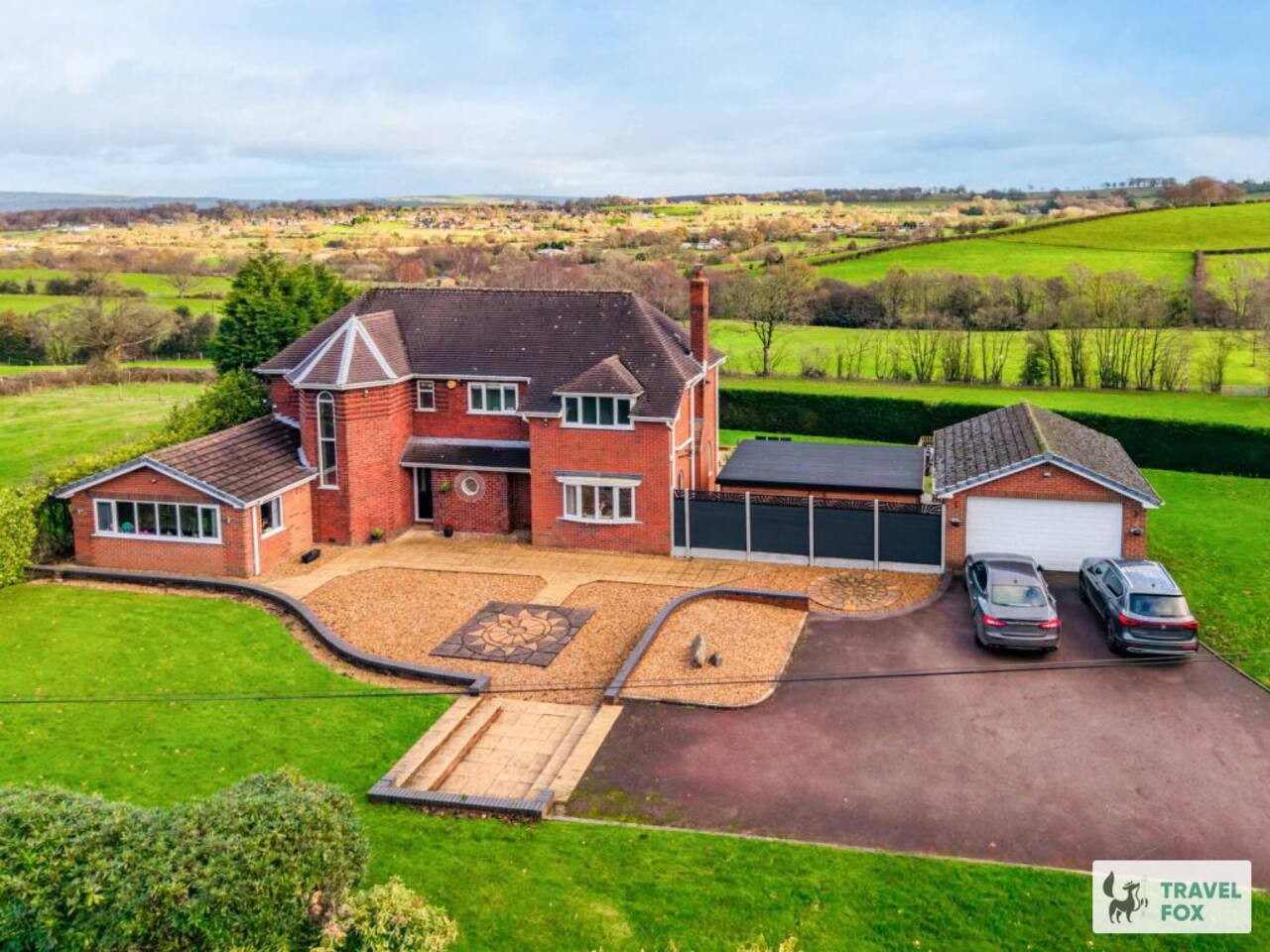
Cheddleton
Greenways House - Parking, Pool Table and Garden!
- Sleeps 10
- 4 bedrooms
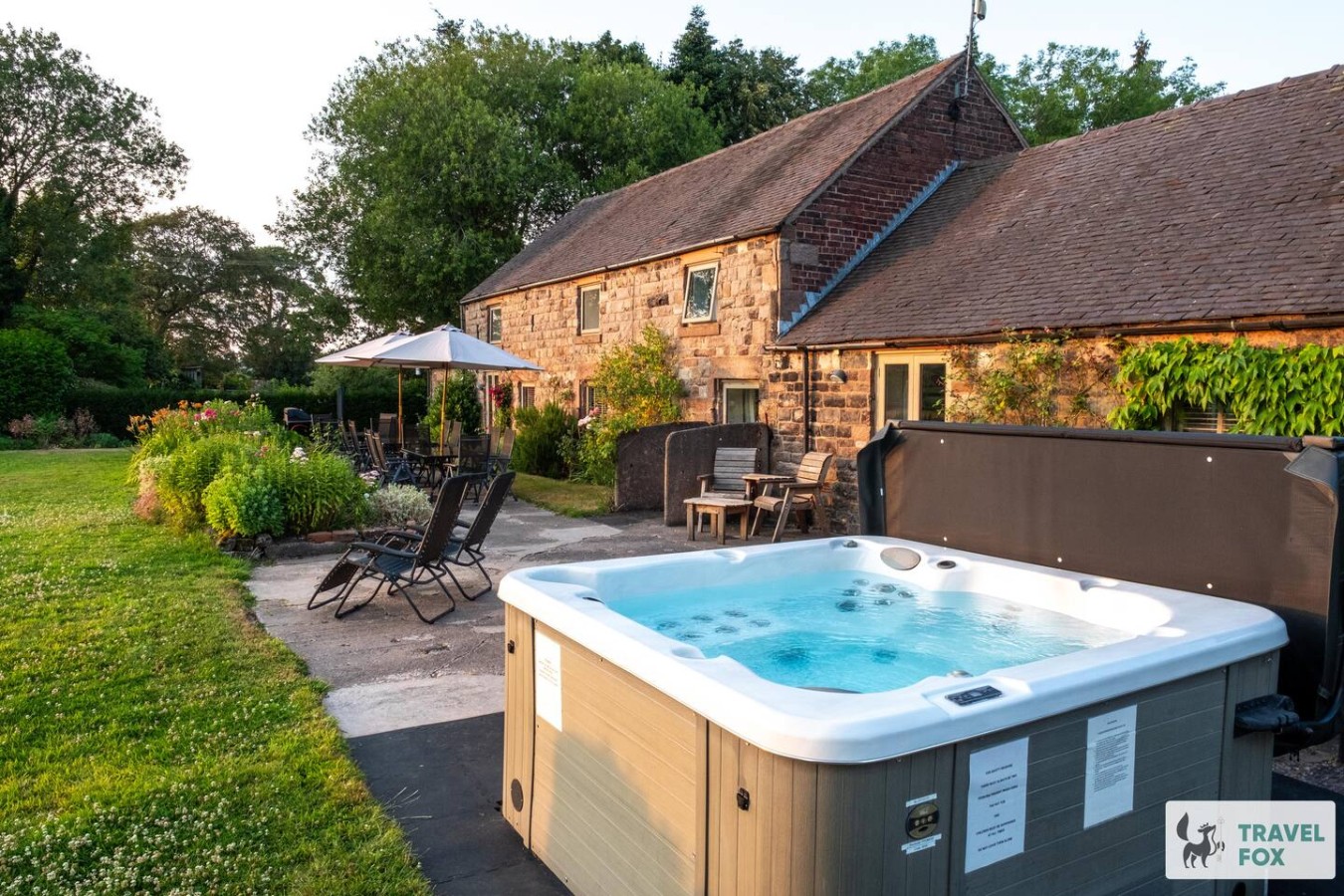
Cheddleton
Lee House Cottage + Annexe
- Sleeps 19
- 8 bedrooms
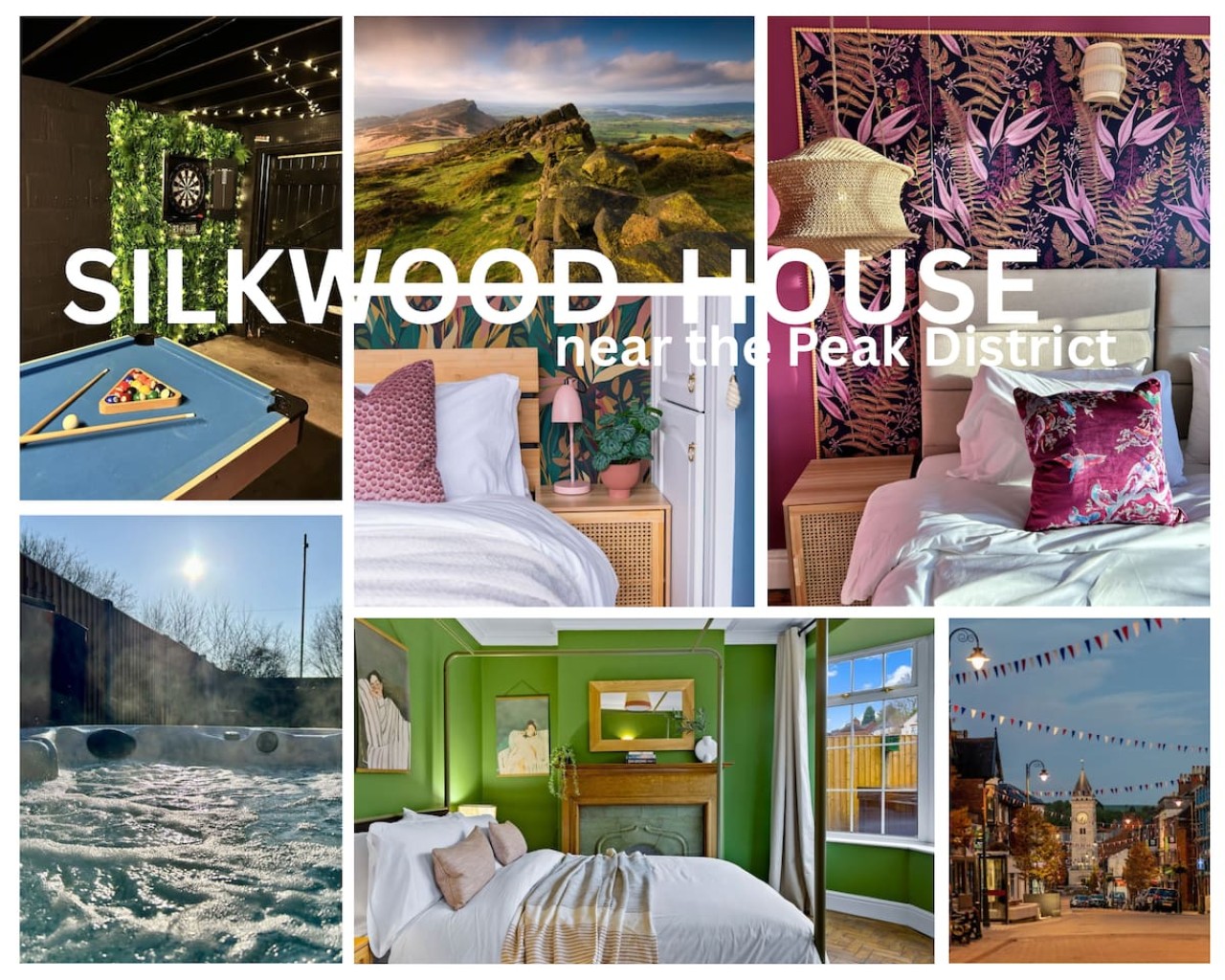
Leek
Silkwood House | Boutique 4 Bed nr. Peak District
- Sleeps 8
- 4 bedrooms
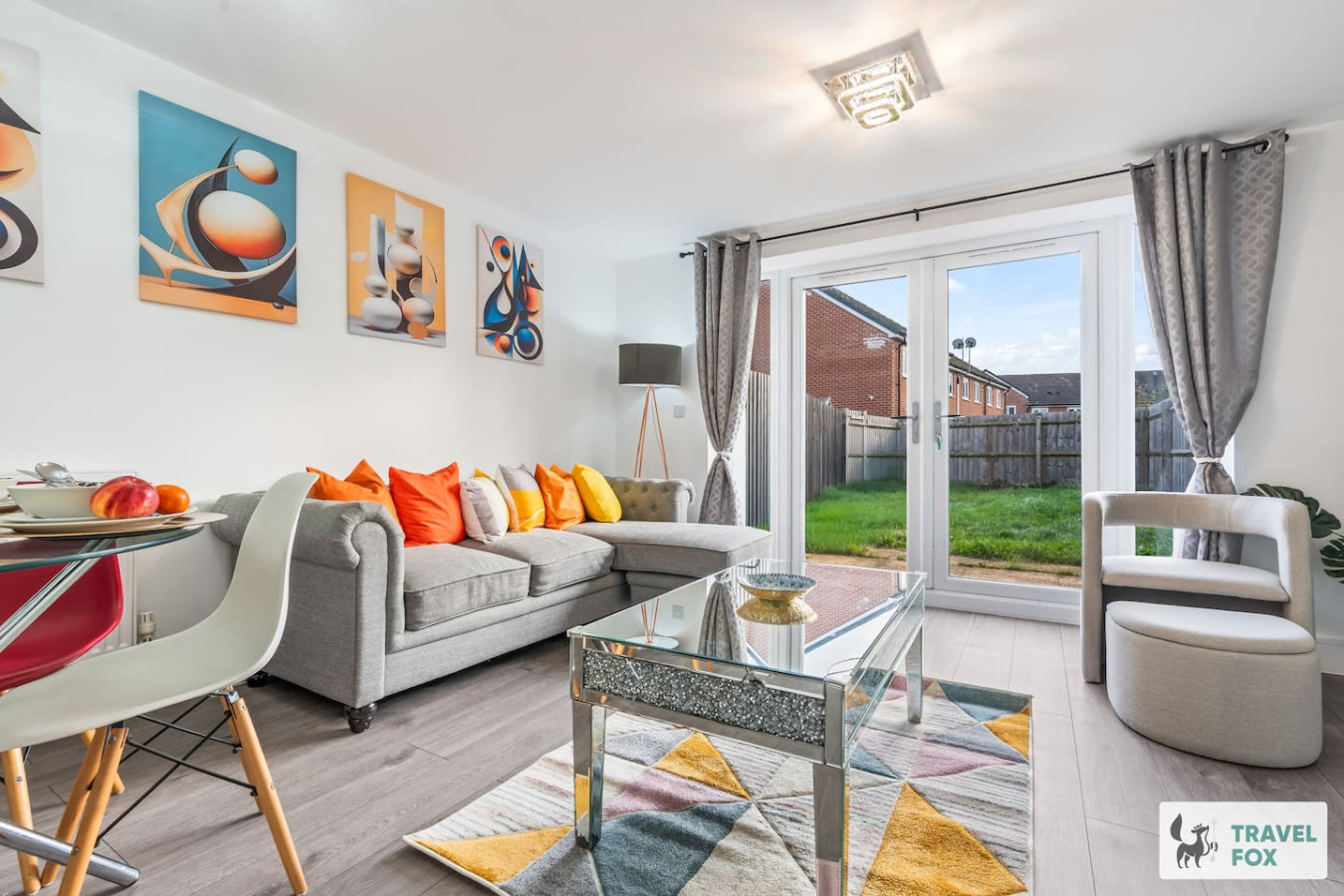
Stoke-on-Trent
Heather's House
- Sleeps 6
- 2 bedrooms
For homeowners
Own a holiday home near Haughton?
We manage holiday lets across Staffordshire from 12% commission, charged after cleaning costs, with no lock-in. A co-founder visits before you decide.
Holiday let management in Staffordshire →
A guide with a point of view
Written from research. Edited for real journeys.
Use the Official site links for live practical details, then use this guide for context, ideas and room to explore.
Sources
Every place on this page is checked against a published source. Each entry links the record we used and names who publishes it.
- Red Lion Farm — redlionfarm.co.uk operator, sector body or destination organisation
- St Giles Church — achurchnearyou.com national body or asset manager
- The Bell Inn — thebellinnhaughton.co.uk operator, sector body or destination organisation
- The Shropshire Inn — theshropshireinnhaughton.com operator, sector body or destination organisation
- Jim Jarvis Memorial Playing Field — haughtonparishcouncil.gov.uk statutory register or public authority