
Watling Street and village history
Hints
A small Staffordshire village where a Victorian church and Roman-road stories open onto wider days around Tamworth and Lichfield.
- Best for
- Village history and nearby landmarks
- Give it
- A village stop or a linked day by car
- Don't miss
- St Bartholomew's Church on School Lane
The Fox verdict
Small in scale, strong in connections
Hints works best as a focused rural stop paired with Roman, cathedral and family attractions in the surrounding area.
The village's visitor draw is concentrated rather than extensive: St Bartholomew's and the story of the Roman lead ingot give Hints historical depth. Nearby Tamworth, Lichfield and Drayton Bassett offer varied driving plans without pretending Hints has a large attraction inventory of its own.
Your picks, your pace
Make Hints yours
Choose a mood or build your own list. Your saved stops are an ordering aid, with a direct map route when you are ready.
Local signatures
3 placesTamworth Castle
Tamworth Castle stands in the town's historic centre, about 3.1 miles from Hints in a straight line.
- Visit length
- Editorial estimate: allow around 90 minutes
- Locality
- Tamworth historic centre
- Access
- Check the Official site before travel.
Drayton Manor Resort
A theme park and zoo near Drayton Bassett, about 2.5 miles from Hints in a straight line.
- Visit length
- Editorial estimate: allow around 3 hours
- Locality
- Near Drayton Bassett, east of Hints
- Access
- Check the Official site before travel.
Wall Roman Site
The Roman site of Letocetum and its baths at Wall, about 4.4 miles from Hints in a straight line.
- Visit length
- Editorial estimate: allow around 75 minutes
- Locality
- Wall, on Watling Street towards Lichfield
- Access
- Check the land-manager's Official site before travel.
Walks & outdoors
1 placeKingsbury Water Park
A water park near Kingsbury, southeast of Hints, with no specific arrival point identified in this guide.
- Visit length
- Editorial estimate: allow around 75 minutes
- Locality
- Near Kingsbury, Warwickshire
- Access
- Check the public-body Official site before travel.
History & heritage
3 placesSt Bartholomew's Church
The third church on the site, completed in 1883 to John Oldrid Scott's Early English design in yellow sandstone with red sandstone dressings.
- Visit length
- Editorial estimate: allow around 30 minutes
- Locality
- Hints village
- Access
- Check the Official site before travel.
Lichfield Cathedral
Lichfield Cathedral stands in the cathedral city about 5.0 miles from Hints in a straight line.
- Visit length
- Editorial estimate: allow around 75 minutes
- Locality
- Lichfield
- Access
- Check the Official site before travel.
Middleton Hall
A historic hall near Middleton, about 3.8 miles from Hints in a straight line.
- Visit length
- Editorial estimate: allow around 2 hours
- Locality
- Near Middleton, Warwickshire
- Access
- Check the Official site before travel.
No places match this filter. Choose All places to reset the list.
On the map
Hints at a glance
Tap a marker to jump to its guide card.
Three ways to explore Hints
Signature outings
Read the Village Church
See the yellow-and-red sandstone church completed in 1883, then look beside the lych-gate for the cropped pipe left from its gas-lit years.
Explore the Water Park
Pair Hints with Kingsbury Water Park in the nearby group of attractions along the A4091 corridor.
Visit Lichfield Cathedral
Make Lichfield Cathedral the architectural finish to a day that begins about five miles away in Hints.
The village story
Hints Village Guide
A Victorian church and the long afterlife of Watling Street in one compact Staffordshire village.
The Village Pub Question
There is no pub in the village.
Landscape and Travel
The village is laid out along a single street, School Lane, hemmed by hedges and walls that open now and then onto long views across open country. A council conservation appraisal once described the effect as a "feeling of spaciousness." Hints sits on the slope between Watling Street and the Black Brook, a tributary of the Tame. Lichfield Trent Valley and Tamworth stations serve the wider area; no station is in the village.
Watling Street
Watling Street is the reason the village has this name at all: "Hints" comes from the Welsh hynt, a road, suggesting British speech survived here into the late sixth century. The same road explains why, in 1792, labourers digging on Hints Common turned up a Roman lead ingot weighing about 150lb, stamped with the mark of lead mines in north-east Wales and inscribed with a precise date. Cast, the Latin reads, "while the Emperor Vespasian was consul for the seventh time, and Titus, imperator, consul for the fifth time" — AD 76, imperial property that came off a wagon on this same road.
The Church
St Bartholomew's is the third church on its site, built in 1883 to a design by John Oldrid Scott and paid for by James Chadwick of Hints Hall, a cotton merchant who also funded the vicarage and endowed Hints as its own parish. It ran on gas until 1948; the cropped supply pipe still surfaces beside the lych-gate. Nearby stands a tumulus Robert Plot, writing in 1686, already guessed was Roman.
Vanished Hints
Hints Hall itself is gone, sold at auction in 1949 and demolished soon after, replaced by a house one account calls "singularly unimpressive." Its best-known resident was Sir John Floyer, who championed cold-water bathing and invented an early watch for timing a pulse. Briefer still was Hints Zoo, a bungalow on Hints Lane that operated from 1954 to 1962 before simply closing.
Stay around Staffordshire
Make a longer stay of it
Travel Fox holiday homes around Staffordshire, linked directly to their property pages.
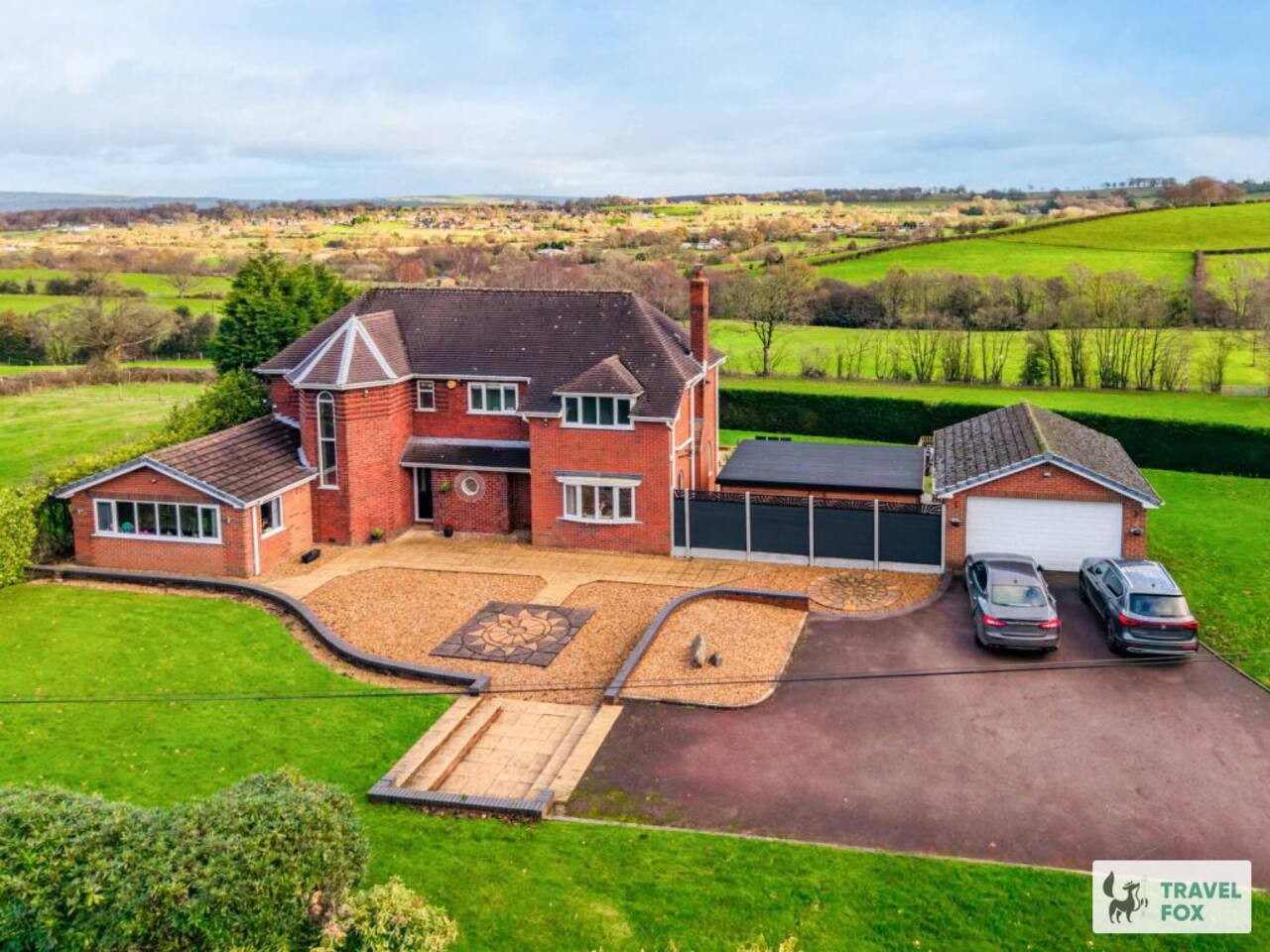
Cheddleton
Greenways House - Parking, Pool Table and Garden!
- Sleeps 10
- 4 bedrooms
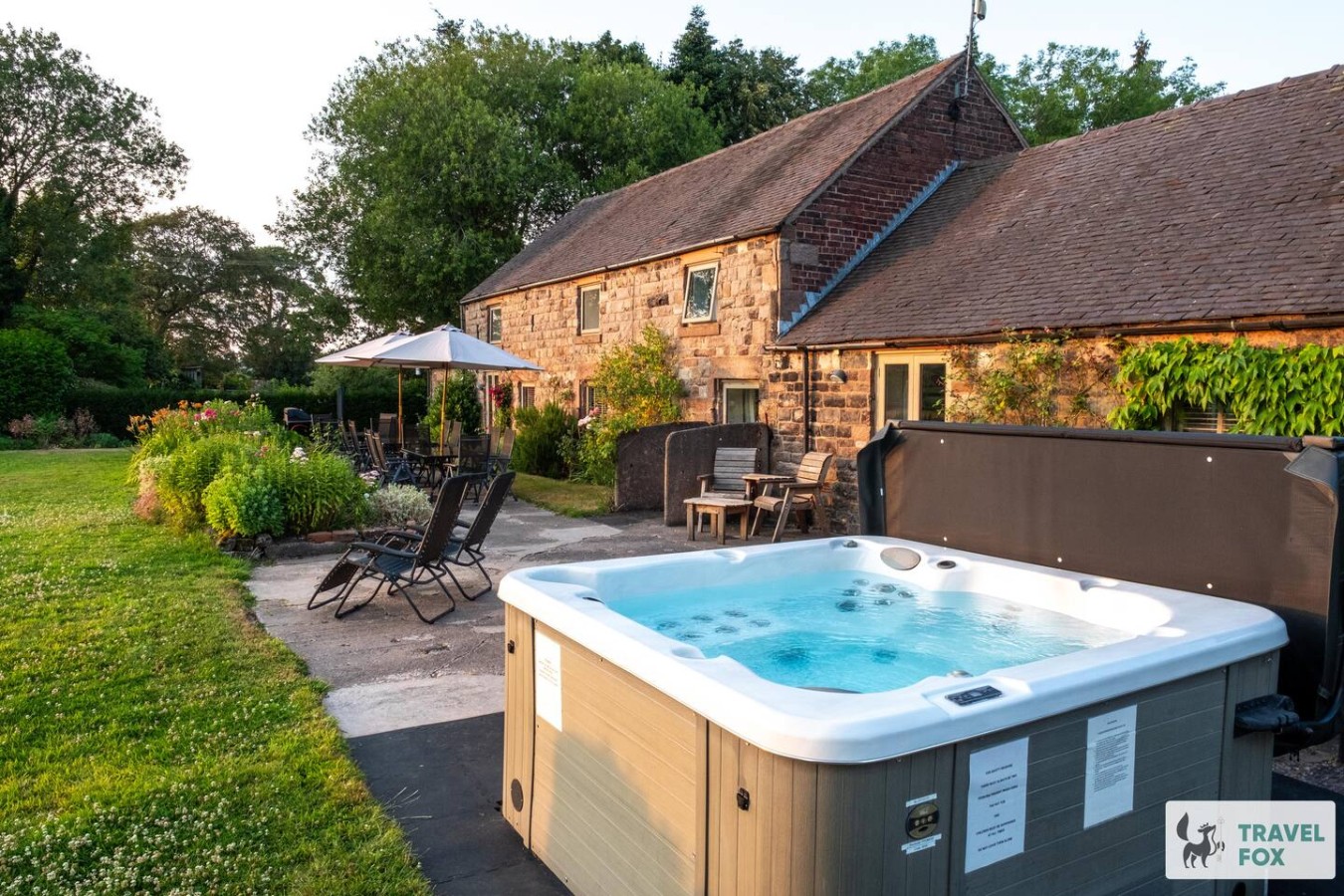
Cheddleton
Lee House Cottage + Annexe
- Sleeps 19
- 8 bedrooms

Leek
Silkwood House | Boutique 4 Bed nr. Peak District
- Sleeps 8
- 4 bedrooms
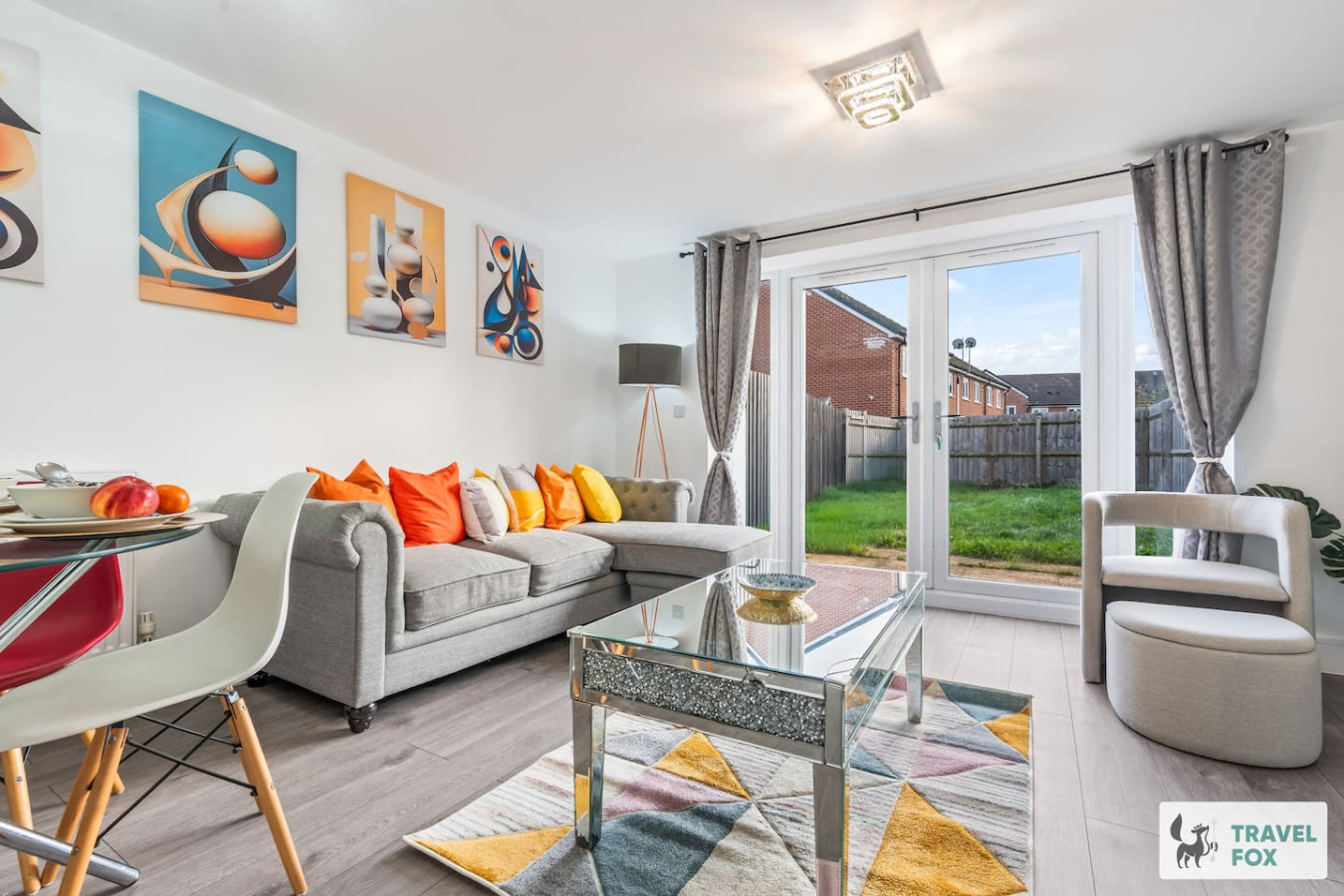
Stoke-on-Trent
Heather's House
- Sleeps 6
- 2 bedrooms
For homeowners
Own a holiday home near Hints?
We manage holiday lets across Staffordshire from 12% commission, charged after cleaning costs, with no lock-in. A co-founder visits before you decide.
Holiday let management in Staffordshire →
A guide with a point of view
Written from research. Edited for real journeys.
Use the Official site links for live practical details, then use this guide for context, ideas and room to explore.
Sources
Every place on this page is checked against a published source. Each entry links the record we used and names who publishes it.
- St Bartholomew's Church — achurchnearyou.com national body or asset manager
- Tamworth Castle — tamworthcastle.co.uk operator, sector body or destination organisation
- Lichfield Cathedral — lichfield-cathedral.org operator, sector body or destination organisation
- Drayton Manor Resort — draytonmanor.co.uk operator, sector body or destination organisation
- Kingsbury Water Park — countryparks.warwickshire.gov.uk statutory register or public authority
- Middleton Hall — apps.warwickshire.gov.uk statutory register or public authority
- Wall Roman Site — english-heritage.org.uk national body or asset manager