

Needwood Forest character
Hoar Cross
A small Staffordshire parish where a cost-no-object Victorian church, country food and a historic hall reward a deliberate visit.
- Best for
- Late-Victorian architecture and rural walking
- Give it
- Time for Holy Angels, a rural walk or the spa
- Don't miss
- The contrast between Holy Angels' plain nave and gilded chancel
Photo: Philip Jeffrey · CC BY-SA 2.0 · cropped
The Fox verdict
A small parish with an astonishing church
Hoar Cross is a rural Staffordshire parish shaped by the former Needwood Forest, with a Grade I church and historic hall among its landmarks.
Begin with the Church of the Holy Angels, then choose a meal at the Meynell Ingram Arms or time at Hoar Cross Hall's spa. The National Forest Way offers a longer walk through nearby Needwood Forest. For a September visit, the Horn Dance starts at St Nicholas' Church in Abbots Bromley, about 3.0 miles from Hoar Cross measured in a straight line; the road journey is longer.
Where to go
Places in Hoar Cross
Every place below is checked against a published source, listed with what it is and how long to give it.
Local signatures
3 placesChurch of the Holy Angels
A Grade I church commissioned by Emily Meynell Ingram as a memorial to her husband Hugo, with richly furnished interiors, Stations of the Cross in gilded frames and organ pipework from Bangor Cathedral.
- Visit length
- Editorial estimate: Allow around 45 minutes
- Locality
- Hoar Cross village
The Meynell Ingram Arms
A restored country inn in a former 17th-century farmhouse, serving stone-baked pizza, pies and steaks, with local ales, courtyard seating and a welcome for dogs.
- Visit length
- Editorial estimate: Allow around 75 minutes
- Locality
- Hoar Cross village
National Forest Way: Stage 11
A 7.25-mile stage of the National Forest Way between Rangemore and Yoxall, following roads, woodland trails and farmland through Needwood Forest.
- Visit length
- Editorial estimate: Allow around 3 hours for the full stage
- Locality
- Needwood Forest near Hoar Cross
- Access
- Check the National Forest's current trail and access update before setting out.
History & heritage
2 places
Hoar Cross Hall
An Elizabethan-style Grade II hall completed in 1871, with turret weathervanes shaped as M and I; its spa hotel opened in 1991.
- Visit length
- Editorial estimate: Allow around 2½ hours
- Locality
- Hoar Cross village
- Access
- A spa hotel occupies the Grade II-listed hall.
Abbots Bromley Horn Dance
An annual September folk tradition in Abbots Bromley, performed with antlers that include at least one carbon-dated to the 11th century.
- Visit length
- Editorial estimate: Allow around 2 hours for a planned viewing
- Locality
- Abbots Bromley
- Access
- The antlers are collected from and returned to St Nicholas' Church.
No places match this filter. Choose All places to reset the list.
Three ways to explore Hoar Cross
Signature outings
Sandstone and Gold
Move from Holy Angels' deliberately plain nave into a carved and gilded chancel crowded with angels and archangels.
The Initialled Hall
Spend time at the spa within an Elizabethan-style hall whose twin turret weathervanes form an M and an I for the family that built it.
Antlers in Abbots Bromley
The dancers collect the antlers at St Nicholas' Church, then move through the village and surrounding area before returning them there.
The village story
Hoar Cross Village Guide
Food, faith and field paths in a Staffordshire parish shaped by the Meynell Ingram family.
Farmhouse Food and a Second Life
Mia's Bar at the Meynell Ingram Arms serves stone-baked pizza; the pub also serves homemade pies, steaks and a junior menu. The building began as a 17th-century farmhouse and was later known as the Shoulder of Mutton before taking the Meynell Ingram name.
Punch Pubs acquired the pub from RedCat in 2026, with Queensway Advisory providing management services during the transfer. The pub serves local ales, offers outdoor tables and pods, and welcomes dogs.
A Small Parish
Census 2021 counted 210 usual residents in Hoar Cross civil parish. The church, inn and hall give visitors distinct stops across the area.
Angels in Sandstone and Gold
The Church of the Holy Angels stands on a wooded ridge beside the historic hall. Emily Meynell Ingram commissioned it as a memorial to Hugo, who died after a riding accident in 1871. Designed by G. F. Bodley, its generous budget prompted his remark: "Oh, that one had more opportunities as was granted at Hoar Cross."
Inside are carved Stations of the Cross in gilded frames, stained glass and an organ based on an instrument from Bangor Cathedral. The Stations have a counterpart at Saint Paul's Church in Antwerp.
The Hall and Forest Paths
Beside the church, Hoar Cross Hall was completed in 1871 in an Elizabethan style. The hall's two turret weathervanes carry the initials M and I for the Meynell Ingram family. The last Meynell couple left in 1952, and the hall opened as a spa hotel in 1991.
The National Forest Way's Rangemore-to-Yoxall stage crosses Needwood Forest and Jackson's Bank near Hoar Cross. Woodland paths may be muddy; check the National Forest's current access update before setting out.
Antlers in Abbots Bromley
Abbots Bromley holds its Horn Dance each September. The performers collect the antlers from St Nicholas' Church, dance through the village and surrounding area, then return them to the church.
Stay around Staffordshire
Make a longer stay of it
Travel Fox holiday homes around Staffordshire, linked directly to their property pages.
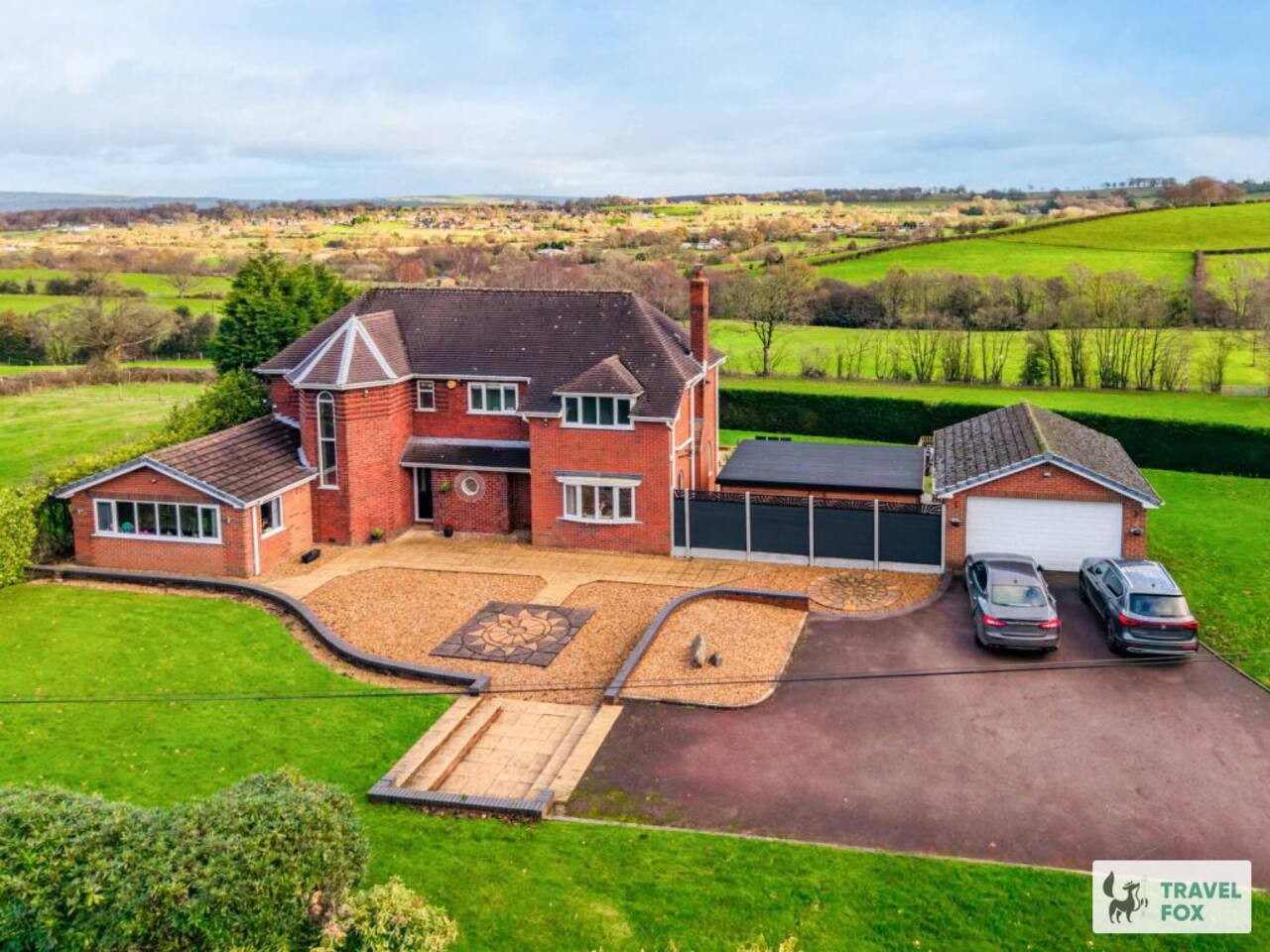
Cheddleton
Greenways House - Parking, Pool Table and Garden!
- Sleeps 10
- 4 bedrooms
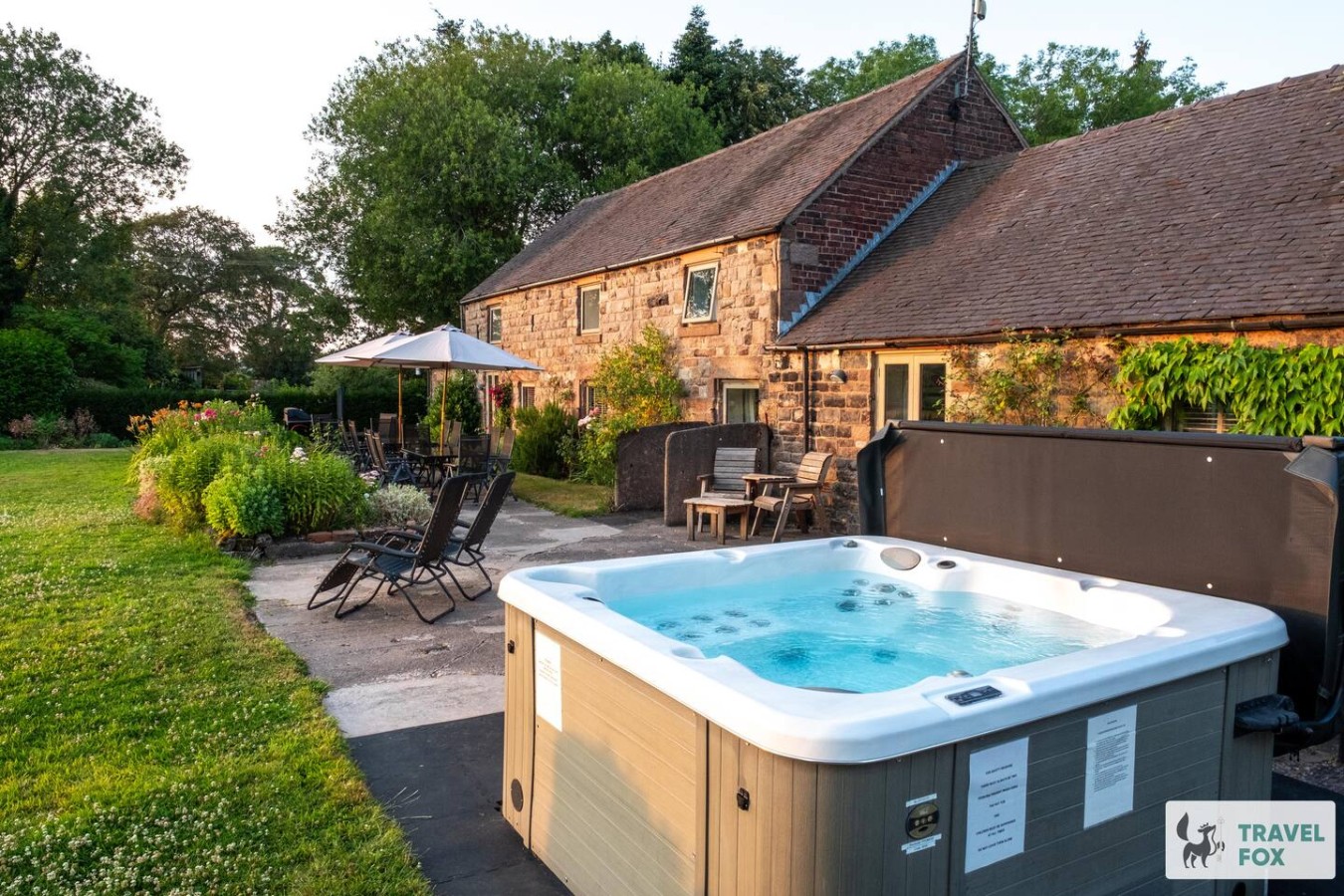
Cheddleton
Lee House Cottage + Annexe
- Sleeps 19
- 8 bedrooms
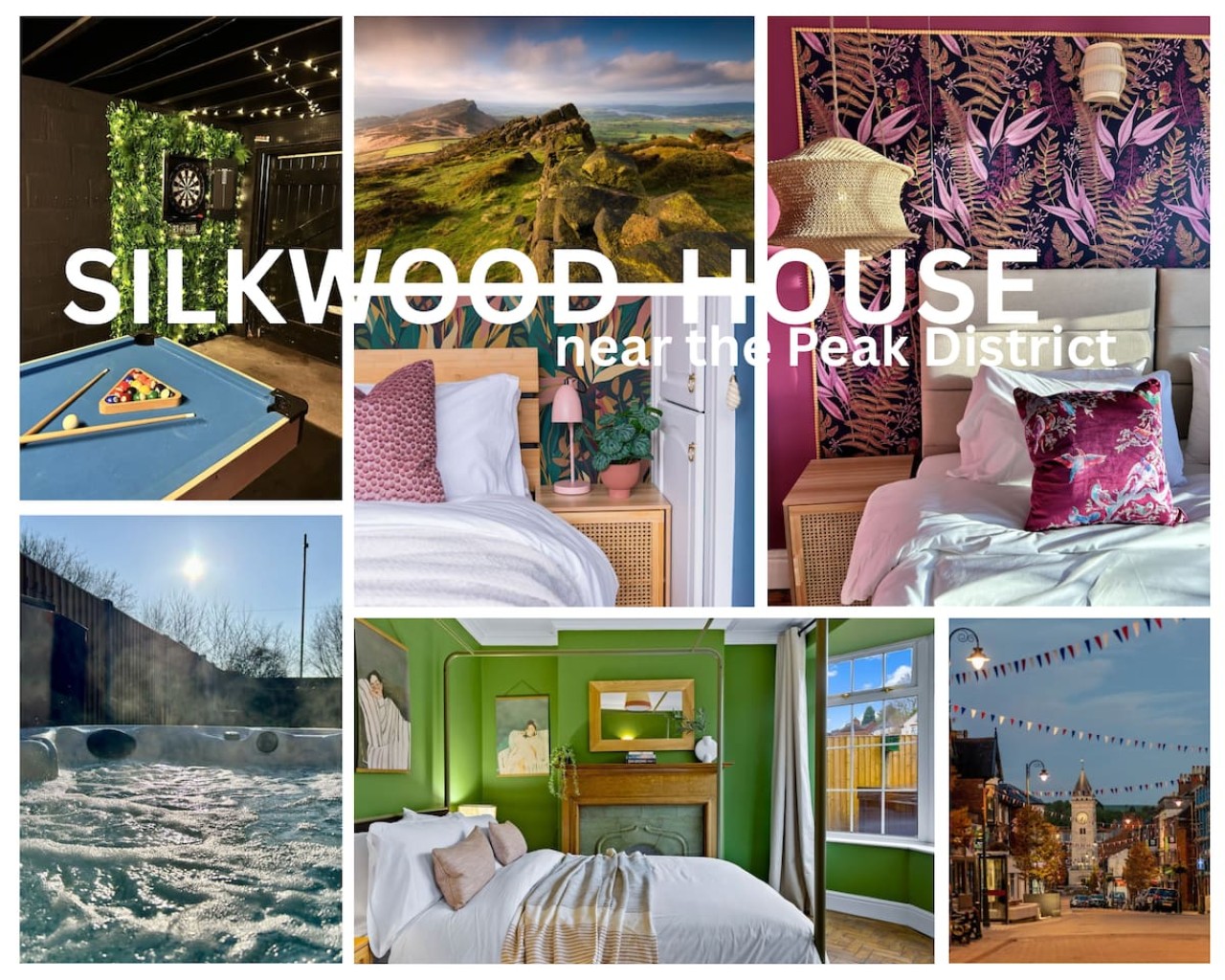
Leek
Silkwood House | Boutique 4 Bed nr. Peak District
- Sleeps 8
- 4 bedrooms
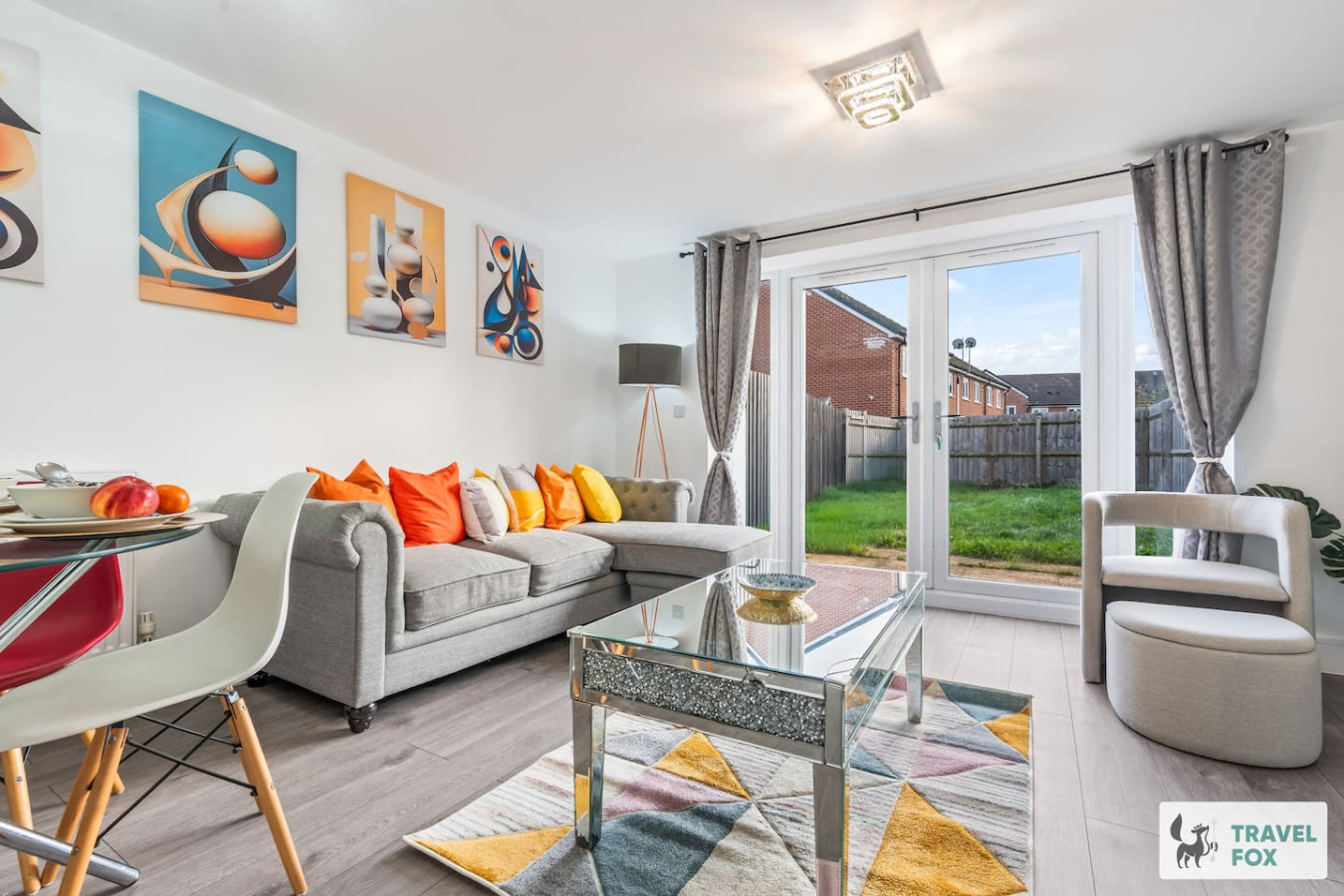
Stoke-on-Trent
Heather's House
- Sleeps 6
- 2 bedrooms
For homeowners
Own a holiday home near Hoar Cross?
We manage holiday lets across Staffordshire from 12% commission, charged after cleaning costs, with no lock-in. A co-founder visits before you decide.
Holiday let management in Staffordshire →
A guide with a point of view
Written from research. Edited for real journeys.
Use the Official site links for live practical details, then use this guide for context, ideas and room to explore.
Photography credits & licences
Third-party photographs are credited to their named creators and reused under the linked Creative Commons licence or public-domain dedication. Travel Fox stores an optimised local copy; the file-specific changes and any browser-applied display crop are disclosed below. Reused photographs link both to the Wikimedia Commons source record and to the declared source image; Travel Fox's own photographs carry no such record and are marked as ours. These image licences do not cover Travel Fox text, branding or page design.
- File:Gateway and Lodge, Hoar Cross Hall.jpg — photograph by Philip Jeffrey; Philip Jeffrey. Source record on Wikimedia Commons. Declared source image. Licence: CC BY-SA 2.0. File changes: Downloaded from Wikimedia Commons, resized to a maximum 1920px edge and encoded as an optimised JPEG. Display changes: Displayed with responsive CSS cropping.
Sources
Every place on this page is checked against a published source. Each entry links the record we used and names who publishes it.
- Church of the Holy Angels — holyangelshx.co.uk operator, sector body or destination organisation
- The Meynell Ingram Arms — meynellingram.com operator, sector body or destination organisation
- Hoar Cross Hall — hiddenwell.com other published source
- Abbots Bromley Horn Dance — abbotsbromley.com operator, sector body or destination organisation
- National Forest Way: Stage 11 — nationalforest.org operator, sector body or destination organisation