

Ridge, trees and village history
Keele
A small Staffordshire village with a Victorian church and woodland on the university estate.
- Best for
- Woodland walks and layered estate history
- Give it
- A relaxed half-day on foot (editorial estimate)
- Don't miss
- The National Collection of flowering cherries
Photo: © Copyright Brian Deegan and licensed for reuse under this Creative Commons Licence. · CC BY-SA 2.0 · cropped
The Fox verdict
A village visit shaped by one remarkable estate
Keele pairs a compact historic village with woodland, lakes and an arboretum spread through the university grounds.
Keele's Grade II* church and university estate make a compact visit, with marked woodland walks around Keele Hall extending the day.
Where to go
Places in Keele
Every place below is checked against a published source, listed with what it is and how long to give it.
Local signatures
3 placesKeele University Woodland Walks
Three colour-coded trails start by Keele Hall and pass lakes and woodland. The red circuit has an all-weather surface; the blue trail and orange extension have softer or rougher sections.
- Visit length
- Editorial estimate: Allow around 70 minutes
- Locality
- woodland bordering Keele University
- Access
- The blue trail can be soft underfoot. The orange extension has rough terrain, can be muddy in wet weather and involves some climbing.
Keele Sports Centre
The university sports centre offers a gym, bookable sports halls and squash courts, a bouldering wall, beach volleyball courts and outdoor football pitches.
- Visit length
- Editorial estimate: Allow around 90 minutes
- Locality
- Keele University campus
- Access
- Community access is available through activities and hire arrangements.
Trentham Gardens
Italianate gardens, a lake walk, woodland and adventure play make Trentham Gardens a substantial nearby outing.
- Visit length
- Editorial estimate: Allow around 150 minutes
- Locality
- Trentham, Stoke-on-Trent
Walks & outdoors
1 placeKeele University Arboretum
The campus-wide arboretum includes trails, lakes and a National Collection of more than 240 species and cultivars of ornamental flowering cherry.
- Visit length
- Editorial estimate: Allow around 75 minutes
- Locality
- through Keele University campus
- Access
- The grounds have year-round public access; weekday parking charges apply.
History & heritage
1 place
Church of St John the Baptist
A Grade II* church rebuilt in 1868–1870, valued for its complete Victorian interior, Clayton & Bell glass and Sneyd monuments.
- Visit length
- Editorial estimate: Allow around 40 minutes
- Locality
- Keele village
- Access
- Interior visits can be arranged with the parish outside worship times.
No places match this filter. Choose All places to reset the list.
Three ways to explore Keele
Signature outings
Follow the flowering collection
Download the university's Cherry Collection Leaflet to locate trees scattered across campus; the flowering guide helps you plan around varieties that bloom at different times.
Spot the redwood on the red trail
Look for a giant redwood and swamp cypress beside Lake 1 on the leaflet's red circuit from Keele Hall.
Find glass and alabaster
Arrange an interior visit outside worship to see Clayton & Bell glass and the alabaster Sneyd effigies.
The village story
Keele: an estate transformed by university life
Keele folds a compact village setting, historic estate and wooded university trails into a rewarding day out.
A village beside the university estate
Keele's compact village setting sits beside the former Sneyd estate, whose lawns, lakes and woodland now form the setting for the university.
On Church Bank, the Church of St John the Baptist stands in a well-maintained churchyard beneath a pink sandstone tower and spire. Visitors can arrange access outside worship times; the building was rebuilt in 1868–1870 with Ralph Sneyd's support and is Grade II* for its complete Victorian interior, including Clayton & Bell glass, a 1703 Radulph Sneyd monument, alabaster effigies of William Sneyd and his wife, and a ring of six bells.
The landscape behind the village
Keele's university grounds combine woodland, lakes and historic estate buildings, with marked trails extending the village visit.
The estate's history reaches from the Knights Templar and Knights Hospitaller to the Sneyd family, whose stewardship shaped the landscape and the later university.
Woodland walks and the way in
Keele University's leaflet maps three colour-coded woodland trails from Keele Hall. The red circuit has an all-weather surface and takes about an hour; the blue trail can be soft underfoot, while the orange extension has rough ground, mud and some climbing. The arboretum's flowering cherries are spread across the campus.
For travel by public transport, Keele University lists service 25 from Stoke-on-Trent station and service 85 via Keele village. Drivers can use the university's ST5 5BJ postcode for its main visitor car parks.
Templars, Sneyds and a university
Henry II granted Keele to the Knights Templar; the estate later passed to the Knights Hospitaller. The Sneyd family acquired it in the 16th century and held it until the sale to Stoke-on-Trent Corporation in 1948. Ralph Sneyd rebuilt Keele Hall to Anthony Salvin's design in the 19th century.
The University College of North Staffordshire opened on the estate in 1950 and received its Royal Charter in 1962, becoming Keele University. Keele Hall's eastern façade overlooks lawns, an ornamental lake and woodland.
A Russian grand duke at Keele Hall
Grand Duke Michael Mikhailovich of Russia rented Keele Hall with his wife, Countess Sophie von Merenberg, from 1901 to 1910. Sophie was a granddaughter of the poet Alexander Pushkin, and their marriage without the Tsar's permission led to Michael's exile from Russia.
Stay around Staffordshire
Make a longer stay of it
Travel Fox holiday homes around Staffordshire, linked directly to their property pages.
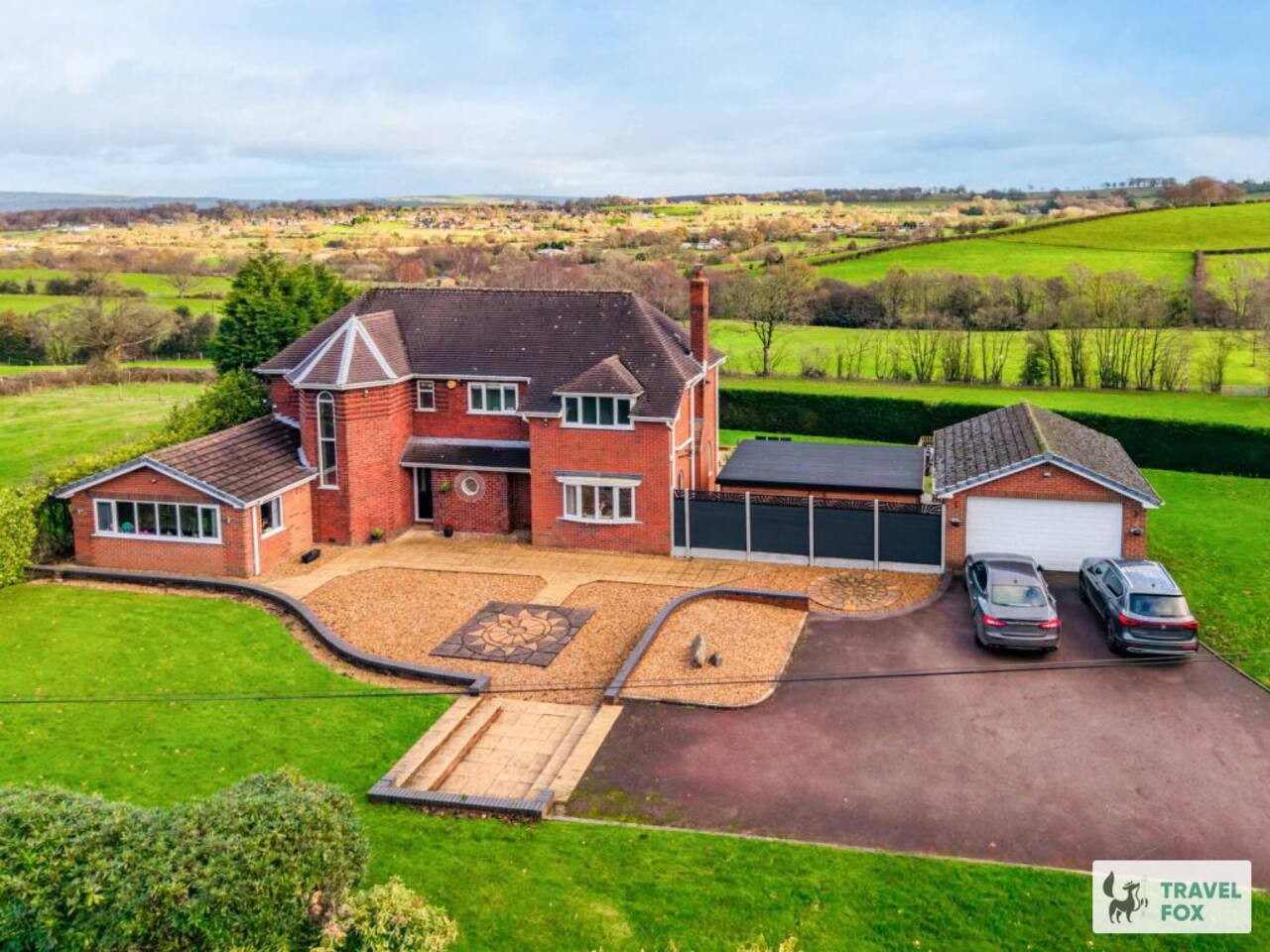
Cheddleton
Greenways House - Parking, Pool Table and Garden!
- Sleeps 10
- 4 bedrooms
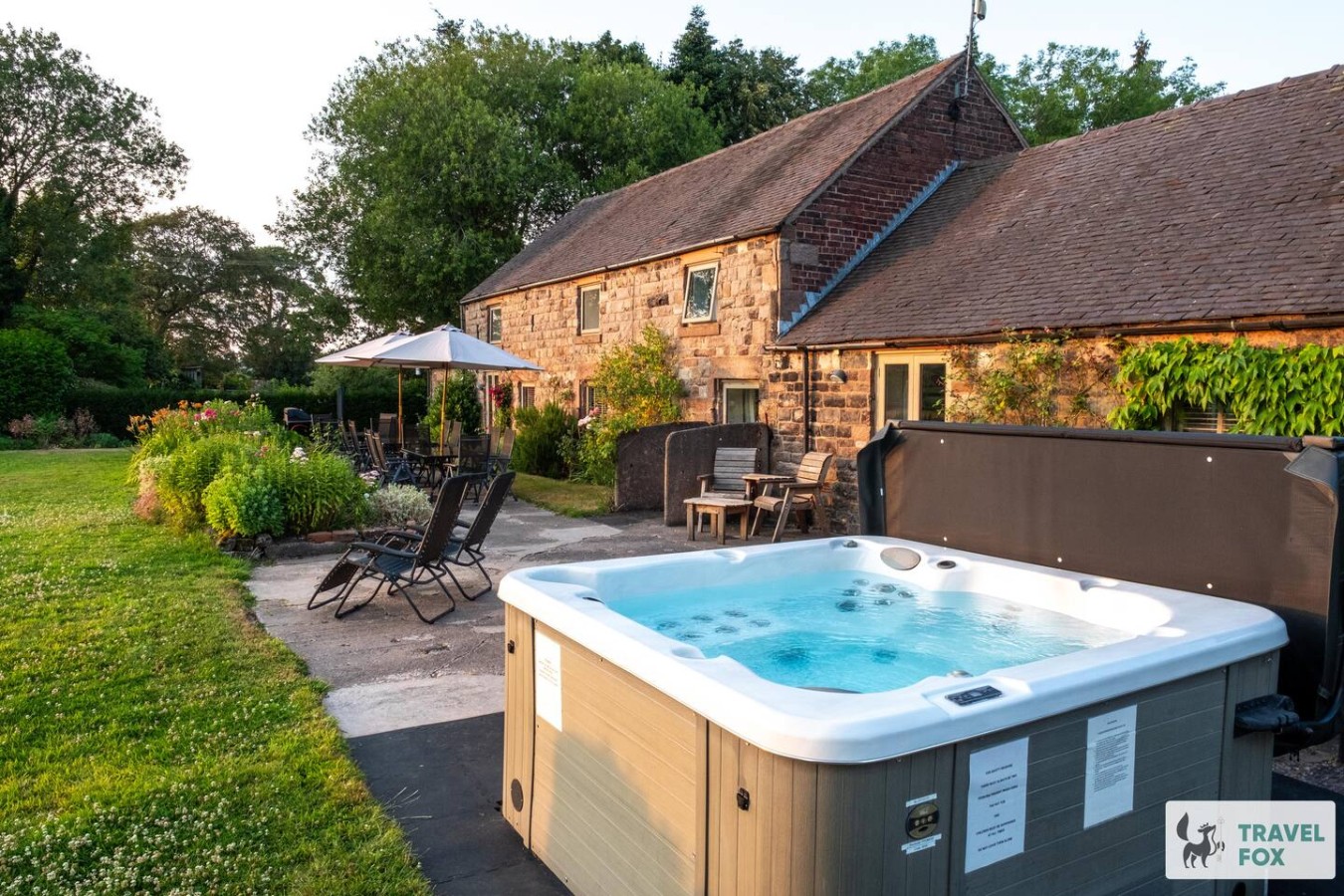
Cheddleton
Lee House Cottage + Annexe
- Sleeps 19
- 8 bedrooms
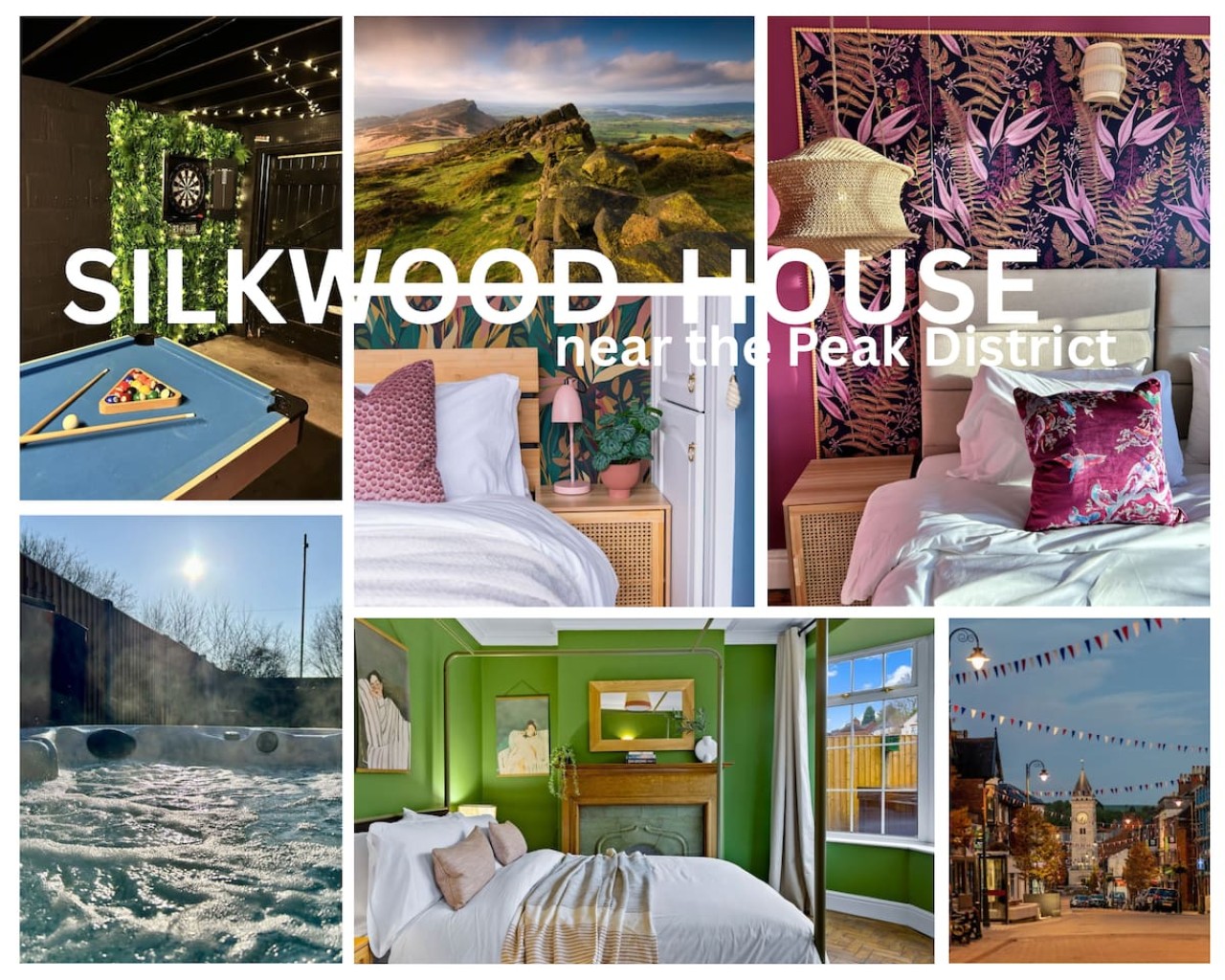
Leek
Silkwood House | Boutique 4 Bed nr. Peak District
- Sleeps 8
- 4 bedrooms
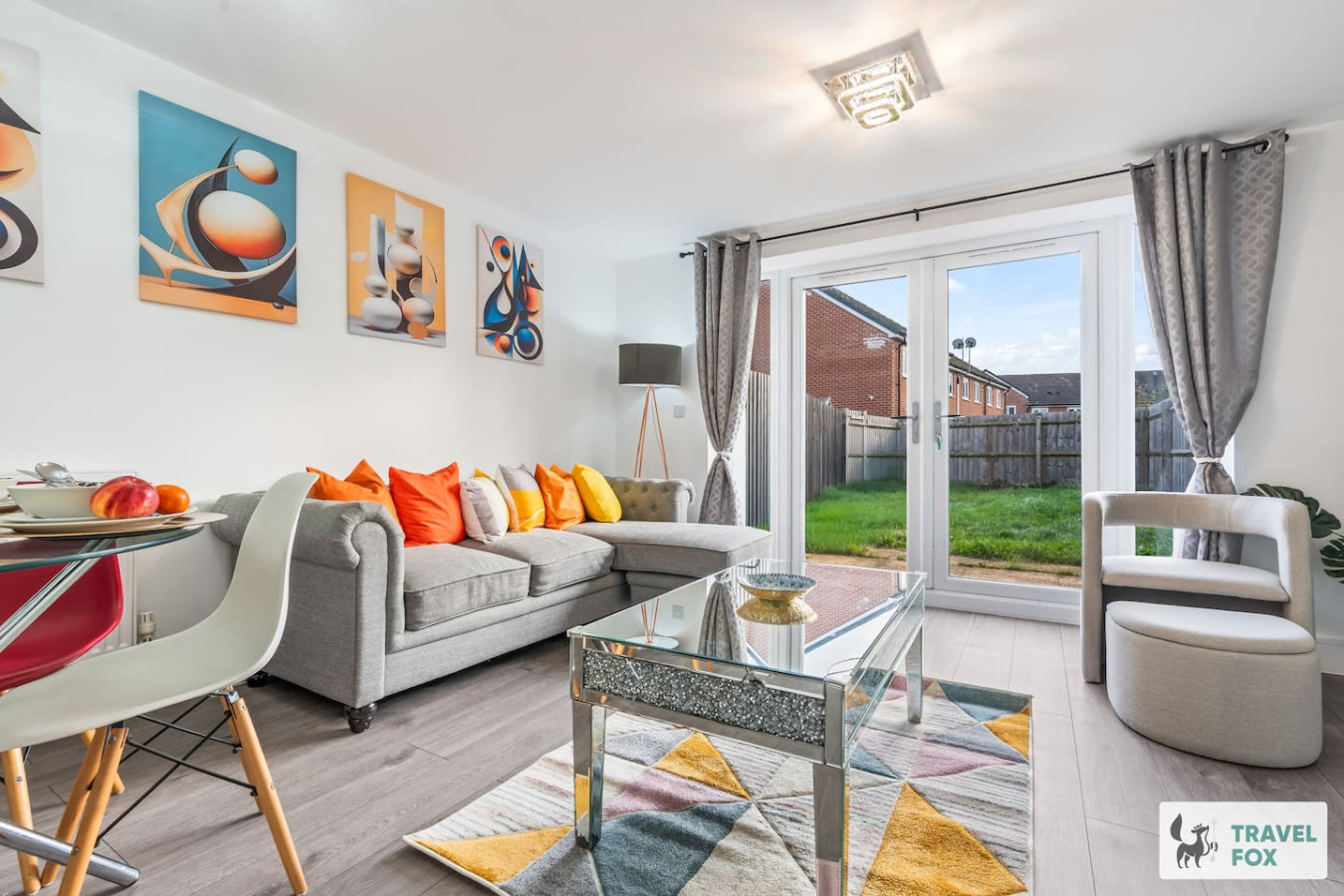
Stoke-on-Trent
Heather's House
- Sleeps 6
- 2 bedrooms
For homeowners
Own a holiday home near Keele?
We manage holiday lets across Staffordshire from 12% commission, charged after cleaning costs, with no lock-in. A co-founder visits before you decide.
Holiday let management in Staffordshire →
A guide with a point of view
Written from research. Edited for real journeys.
Use the Official site links for live practical details, then use this guide for context, ideas and room to explore.
Photography credits & licences
Third-party photographs are credited to their named creators and reused under the linked Creative Commons licence or public-domain dedication. Travel Fox stores an optimised local copy; the file-specific changes and any browser-applied display crop are disclosed below. Reused photographs link both to the Wikimedia Commons source record and to the declared source image; Travel Fox's own photographs carry no such record and are marked as ours. These image licences do not cover Travel Fox text, branding or page design.
- File:St John the Baptist Church, Keele.jpg — photograph by © Copyright Brian Deegan and licensed for reuse under this Creative Commons Licence.; Brian Deegan. Source record on Wikimedia Commons. Declared source image. Licence: CC BY-SA 2.0. File changes: Downloaded from Wikimedia Commons, resized to a maximum 1920px edge and encoded as an optimised JPEG. Display changes: Displayed with responsive CSS cropping.
Sources
Every place on this page is checked against a published source. Each entry links the record we used and names who publishes it.
- Church of St John the Baptist — historicengland.org.uk statutory register or public authority record not machine-readable; publisher restricts automated access
- Keele University Woodland Walks — keele.ac.uk operator, sector body or destination organisation
- Keele University Arboretum — keele.ac.uk operator, sector body or destination organisation
- Keele Sports Centre — keele.ac.uk operator, sector body or destination organisation
- Trentham Gardens — trentham.co.uk operator, sector body or destination organisation