

Church, parkland and canal country
Ingestre
A small Staffordshire estate village with an extraordinary church and walking links into the Trent valley.
- Best for
- Church architecture and waterside walking
- Give it
- A focused visit, with an optional nearby stop
- Don't miss
- St Mary's flat-topped tower and carved interior
Photo: Liz Taylor · CC BY-SA 2.0 · cropped
The Fox verdict
A small village with an exceptional church
Ingestre rewards a focused visit, especially when its church is paired with the canal landscape and nearby Shugborough.
The draw is not a busy village centre but a remarkable concentration of history: St Mary's, the remains of the landscaped estate and paths leading towards Tixall Wide and Shugborough. Golf adds a separate reason to come, while Cannock Chase broadens the options for an outdoor day.
Where to go
Places in Ingestre
Every place below is checked against a published source, listed with what it is and how long to give it.
Local signatures
3 places
Start here
St Mary's Church, Ingestre
A Grade I church attributed to Sir Christopher Wren, with a flat-topped western tower, decorative plaster ceilings and a richly carved pulpit and tester.
- Visit length
- Editorial estimate: Allow around 45 minutes
- Locality
- beside Ingestre Hall
- Access
- Opening is seasonal; check current access before travelling.
Ingestre Park Golf Club
An 18-hole parkland course rebuilt in 2022, with a driving range, clubhouse and pro shop.
- Visit length
- Editorial estimate: Allow around 4 hours for a round
- Locality
- within the grounds of Ingestre Hall
- Access
- Visitors and societies are welcome; check access with the club before travelling.
Shugborough Estate
A National Trust Georgian house with 900 acres of parkland, connected to Ingestre and Tixall by walking and canal routes.
- Visit length
- Editorial estimate: Allow around 2 hours 30 minutes
- Locality
- at Shugborough, near Great Haywood
Walks & outdoors
1 placeTixall Wide
A broad-water stretch of the Staffordshire & Worcestershire Canal encountered on the local circular walking route.
- Visit length
- Editorial estimate: Allow around 45 minutes
- Locality
- on the Staffordshire & Worcestershire Canal at Tixall
Things to do
1 placeCannock Chase Forest at Birches Valley
Start at Forestry England's Birches Valley visitor centre for cycling, mountain biking, Go Ape and a children's adventure playground in Cannock Chase Forest.
- Visit length
- Editorial estimate: Allow around 2 hours
- Locality
- at Birches Valley, near Rugeley
No places match this filter. Choose All places to reset the list.
Three ways to explore Ingestre
Signature outings
Wren in Staffordshire
Read the flat-topped tower, carved pulpit and decorative ceiling of the only church outside London attributed to Sir Christopher Wren.
Water at Tixall Wide
Pause where the Staffordshire & Worcestershire Canal broadens at Tixall Wide on the circular walking route.
Active Cannock Chase
Use Birches Valley as the base for cycling, mountain biking and family outdoor recreation on Cannock Chase.
The village story
Ingestre Village Guide
A Wren-attributed church, a Capability Brown landscape and paths into Staffordshire's canal country give this small village an unusually rich story.
Wren's Staffordshire Church
St Mary's Church has no spire. Where you'd expect one, the western tower stops flat, topped with a stone balustrade and four urns, and that's it — which is odd enough on its own before you learn the rest. It stands right next to Ingestre Hall, and it is the only church outside London attributed to Sir Christopher Wren, an attribution that rests on a single drawing found among Wren's papers, labelled "Mr Chetwynd's tower".
The Chetwynd in question was Sir Walter Chetwynd, an antiquary and Royal Society Fellow who knew Wren through the Society and had him rebuild the parish church after the old one fell into decay from "rough usage" during the Civil War. Work started in 1673 and the church was consecrated in August 1677.
Carvings and Village Practicalities
Inside, the pulpit and tester are carved by Grinling Gibbons, peapod motif and all, and the plaster ceiling — inscribed with the names "Gilbert and S Hand" — is good enough that Pevsner simply called it "gorgeous". Harry Mount, writing in The Spectator, put it more extravagantly: "This fine church of the 1670s was indeed the work of the architect of St Paul's Cathedral... the City of London in Staffordshire – and it's heaven on earth!"
Ingestre itself is a small village with no pub or shop. The nearest hospitality on the estate is The Orangery, which does weddings rather than lunches, so anyone staying nearby should plan to travel into Stafford for a proper meal or a food shop. Ingestre Park Golf Club is an 18-hole parkland course rebuilt in 2022 within the grounds of the Hall, with a driving range, clubhouse and pro shop. In neighbouring Tixall, about 1.2 miles away in a straight line, the shared Tixall & Ingestre Village Hall runs coffee mornings and children's parties.
Canals, Woodland and the Estate
Walking is the other draw. A circular route through nearby woodland joins the Staffordshire Way across the Shugborough Estate, crosses the Essex Bridge, and picks up the Trent & Mersey Canal towpath before looping back along the Staffordshire & Worcestershire Canal to Tixall Wide, passing the sixteenth-century Tixall Gatehouse. In Ingestre Wood, on a vista cut by Capability Brown down to the River Trent, sits Ingestre Pavilion — a 1752 picnic folly rescued by the Landmark Trust in 1988, which now lets as a holiday cottage.
The Hall next door was built in red brick in 1613, rebuilt after a fire in 1882, and is now a council-run arts centre, closed to the public, hosting residential arts courses for children and young people. Brown landscaped the park from 1756 — one of his first commissions, six years into his career, with seventy men working the grounds within a year.
Origins, Access and a Working Church
The Domesday Book records the place as "In Gestreon": eleven households, four ploughlands, and an annual value to the lord of fifteen shillings. Stafford station is four or five miles off, the A51 and A518 pass nearby, and there's no confirmed local bus route, so a car is the practical way in and out.
On the day St Mary's was consecrated in 1677, the Bishop performed a baptism, a churching, a wedding and a burial, all in the one afternoon — which is a lot to ask of a new building, and about as good a proof as any that it was built to be a working parish church, not a private chapel for the Hall next door.
Stay around Staffordshire
Make a longer stay of it
Travel Fox holiday homes around Staffordshire, linked directly to their property pages.
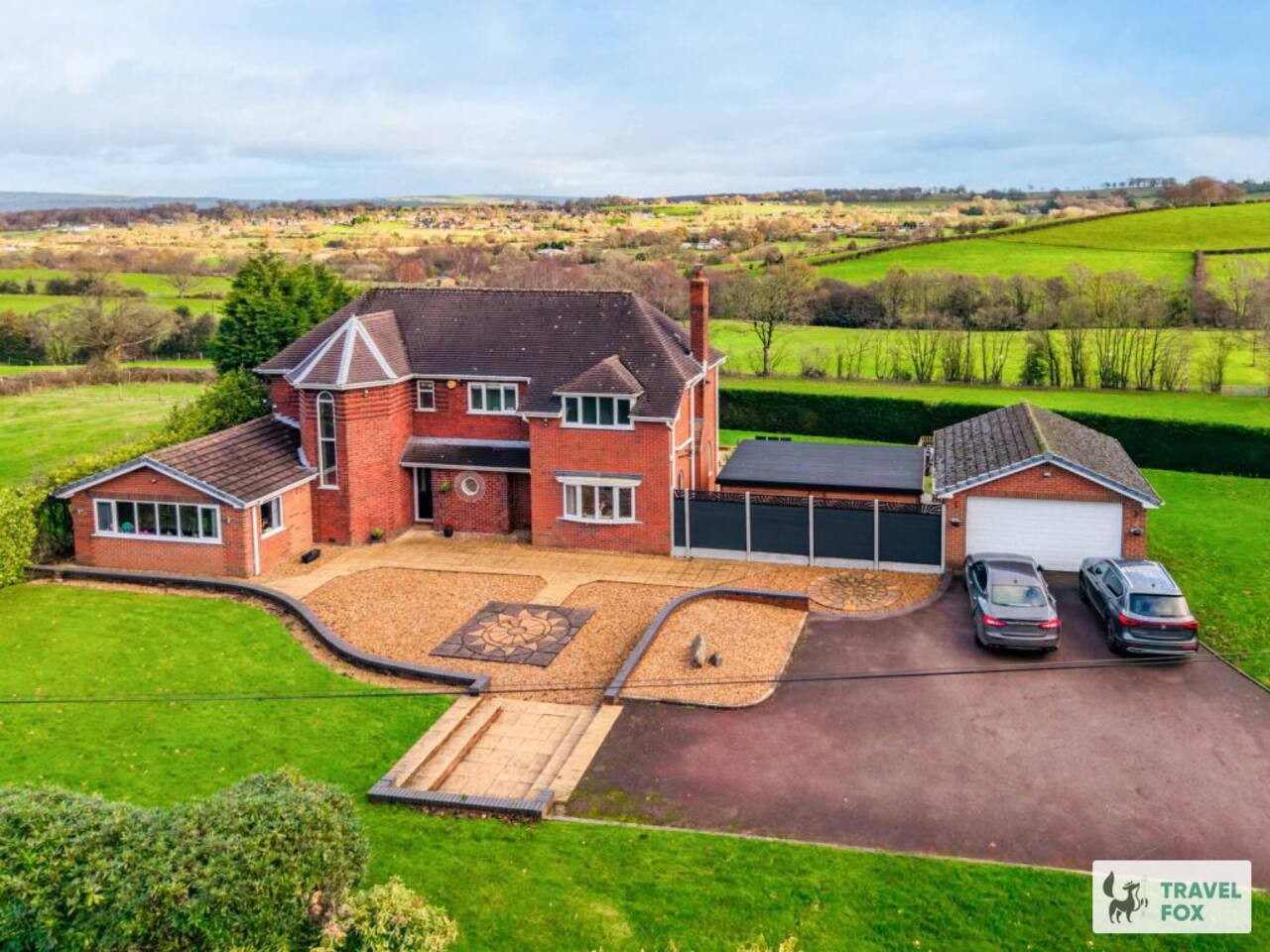
Cheddleton
Greenways House - Parking, Pool Table and Garden!
- Sleeps 10
- 4 bedrooms
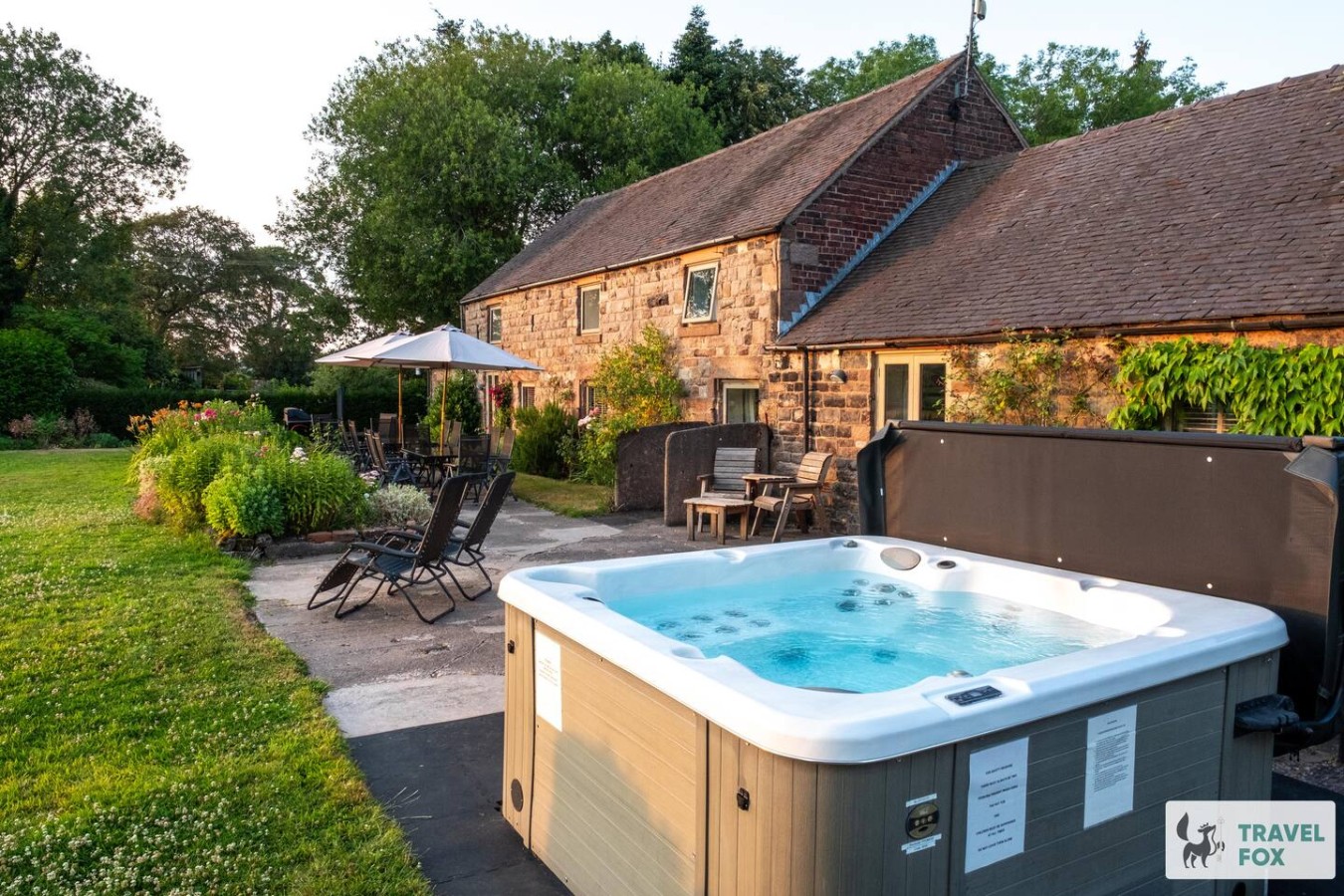
Cheddleton
Lee House Cottage + Annexe
- Sleeps 19
- 8 bedrooms

Leek
Silkwood House | Boutique 4 Bed nr. Peak District
- Sleeps 8
- 4 bedrooms
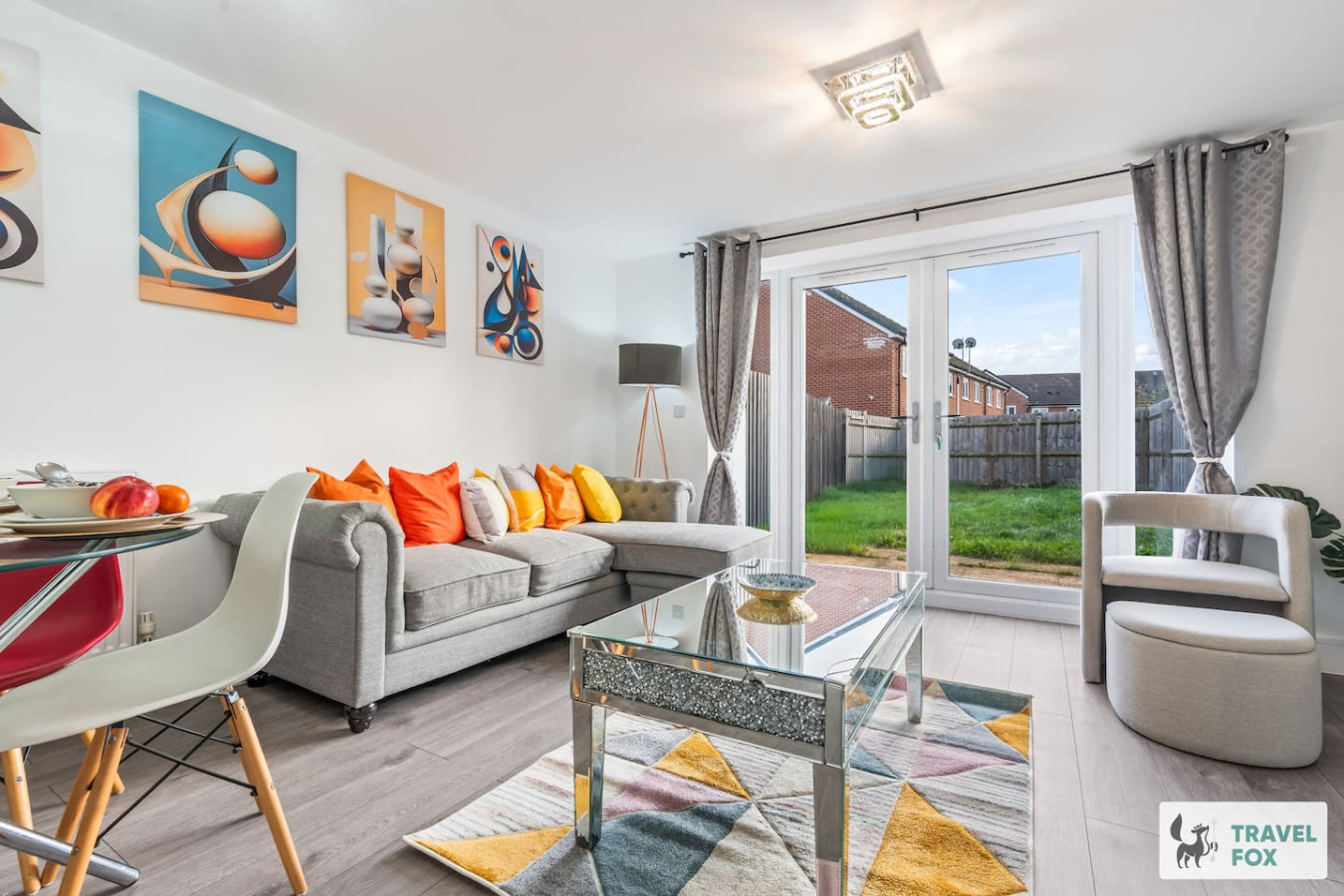
Stoke-on-Trent
Heather's House
- Sleeps 6
- 2 bedrooms
For homeowners
Own a holiday home near Ingestre?
We manage holiday lets across Staffordshire from 12% commission, charged after cleaning costs, with no lock-in. A co-founder visits before you decide.
Holiday let management in Staffordshire →
A guide with a point of view
Written from research. Edited for real journeys.
Use the Official site links for live practical details, then use this guide for context, ideas and room to explore.
Photography credits & licences
Third-party photographs are credited to their named creators and reused under the linked Creative Commons licence or public-domain dedication. Travel Fox stores an optimised local copy; the file-specific changes and any browser-applied display crop are disclosed below. Reused photographs link both to the Wikimedia Commons source record and to the declared source image; Travel Fox's own photographs carry no such record and are marked as ours. These image licences do not cover Travel Fox text, branding or page design.
- File:St. Mary's Church, Ingestre tower, Staffordshire - geograph.org.uk - 2003171.jpg — photograph by Liz Taylor; St. Mary's Church, Ingestre tower, Staffordshire by Liz Taylor. Source record on Wikimedia Commons. Declared source image. Licence: CC BY-SA 2.0. File changes: Downloaded from Wikimedia Commons, resized to a maximum 1920px edge and encoded as an optimised JPEG. Display changes: Displayed with responsive CSS cropping.
Sources
Every place on this page is checked against a published source. Each entry links the record we used and names who publishes it.
- St Mary's Church, Ingestre — historicengland.org.uk statutory register or public authority record not machine-readable; publisher restricts automated access
- Ingestre Park Golf Club — ingestrepark.intelligentgolf.co.uk operator, sector body or destination organisation
- Tixall Wide — canalrivertrust.org.uk national body or asset manager
- Shugborough Estate — nationaltrust.org.uk national body or asset manager
- Cannock Chase Forest at Birches Valley — forestryengland.uk national body or asset manager