
A small place with long connections
Hilton
Hilton rewards a wider look: Georgian estate history at its centre, with village character, community landscapes and a remarkable royal story close by.
- Best for
- Local history and unhurried detours
- Give it
- Editorial estimate: a relaxed half day
- Don't miss
- The Swynnerton effigies in Shareshill
The Fox verdict
Come for the connections, not a conventional village centre
Hilton is a dispersed South Staffordshire stop whose story makes most sense alongside neighbouring Essington, Shareshill and Featherstone.
Pair the local church, community landscape or pubs with Moseley Old Hall for a day that moves from family histories to orchards, real ale and the escape of Charles II.
Your picks, your pace
Make Hilton yours
Choose a mood or build your own list. Your saved stops are an ordering aid, with a direct map route when you are ready.
Local signatures
3 placesThe Minerva
A three-part village pub with a central bar, games room, lounge, patio and two changing hand-pulls.
- Visit length
- Editorial estimate: Allow around 1 hour
- Locality
- Essington
The Elms
A Shareshill pub with an L-shaped bar, separate lounge, real fire and a large garden with covered and open seating.
- Visit length
- Editorial estimate: Allow around 1 hour
- Locality
- Shareshill
Hilton Green
A reclaimed sewage-works site with an orchard of more than sixty fruit varieties, wildflower meadow, pollarded willow beds, craft facilities and a yurt.
- Visit length
- Editorial estimate: Allow around 1 hour 15 minutes
- Locality
- Hilton Lane near Essington
- Access
- The site includes a large wheelchair-accessible polytunnel used for craft courses.
History & heritage
2 placesChurch of St Mary and St Luke, Shareshill
A Grade II* parish church combining an eighteenth-century red-brick body with an older west tower, and containing the alabaster effigies of Sir Humphrey Swynnerton and Cassandra Giffard.
- Visit length
- Editorial estimate: Allow around 45 minutes
- Locality
- Shareshill
- Access
- The church serves Shareshill, Featherstone, Brinsford, Laney Green, Saredon and Hilton.
Moseley Old Hall
An Elizabethan house where Charles II hid after the Battle of Worcester, with a walled garden, heritage orchard, knot garden and woodland family activities.
- Visit length
- Editorial estimate: Allow around 2 hours
- Locality
- Featherstone
- Access
- The site includes a walled garden, heritage orchard, knot garden and King's Walk Woods.
No places match this filter. Choose All places to reset the list.
On the map
Hilton at a glance
Tap a marker to jump to its guide card.
Three ways to explore Hilton
Signature outings
Meet Hilton's earlier household
See the alabaster effigies of Humphrey Swynnerton and Cassandra Giffard, whose family built Hilton's original manor house.
Step into the king's hiding place
Explore the house where Charles II hid after Worcester before continuing his flight towards France.
Explore Hilton Green
See the orchard and willow beds at the Forest of Mercia outdoor education site on Hilton Lane.
The village story
Hilton beyond the motorway name
The original Travel Fox article follows a place whose small footprint opens into Georgian ambition, neighbouring pub life, old parish ties and a landscape made useful again.
The house behind the name
Hilton Park services, on the M6 between junctions 10a and 11, borrowed their name from a village most of the people who stop there have never seen. What the name actually belongs to is a red-brick Georgian house behind gates on Hilton Lane, Essington, set in twenty-five acres of gardens and parkland with a moat that's been half filled in since the 1830s. Henry Vernon rebuilt it in the early 1720s, possibly to a design by Richard Trubshaw, and a third storey went on around 1830 without disturbing the original pediment. These days it's an office and events centre, weddings included.
Hilton itself doesn't run to a pub, so for one you head into Essington, to the Minerva on Wolverhampton Road. It's a three-part house — a plain, sparsely furnished bar in the middle, a smaller games room to one side, a lounge with more comfortable seating to the other — with a patio out back and two hand-pulls that rotate through beers like Holden's Golden Glow and Robinsons Trooper. A reviewer signed only "Soup Dragon" called it "a deceptively large detached pub, with cream render and a small patio... always worth a visit." Live music on Saturdays, darts, dogs on leads welcome, children too until eight.
Two neighbouring locals
Shareshill, the other direction, has the Elms — an L-shaped bar, a separate lounge, a five-star Cask Marque rating, and Davenports on both handpulls, the Original Bitter at 4.2% and the Gold a shade lighter at 3.9%. Real fire, pool table, a garden big enough to matter, part of it covered.
Shareshill also has the shop. The village bought it outright in 2009 to stop it closing — the first community shop in Staffordshire, run entirely by volunteers, open every day of the week from seven in the morning. It shares the street with the parish church, St Mary and St Luke, a Grade II* building with a red-brick nave from 1742 and a tower two centuries older, and a double dedication that's rare enough to be worth mentioning. Inside are two alabaster effigies of Sir Humphrey Swynnerton and his wife Cassandra Giffard, the family who built the original manor house at Hilton before the Vernons got hold of it.
Seven households in Domesday
Domesday recorded Hilton as seven households — three villagers, a freeman, two smallholders and a slave — among the smaller entries in the whole survey, worth a shilling a year to its lord in 1066 and ten by 1086. The lord was the canons of St Mary's, Wolverhampton, and Hilton was a township of that parish rather than a place in its own right, which is roughly how it still reads on a map.
Hilton Green's reclaimed orchard
Hilton Green on Hilton Lane near Essington is a reclaimed sewage works with an orchard of more than sixty fruit varieties, a wildflower meadow, and willow beds pollarded for basket-weaving. There's a yurt for when the weather turns.
Orchards, connections and nearby escapes
Landywood station is about 2.7 miles away in a straight line, on the Chase Line; the 71 bus runs Wolverhampton to Cannock through Essington. Moseley Old Hall, where Charles II hid after Worcester before slipping off to France, is nearby. Locally it's said a Derby-winning racehorse was bred at Hilton Hall, and that John Wesley once stayed there. Nobody seems to have the paperwork, and nobody seems especially bothered.
Stay around Staffordshire
Make a longer stay of it
Travel Fox holiday homes around Staffordshire, linked directly to their property pages.
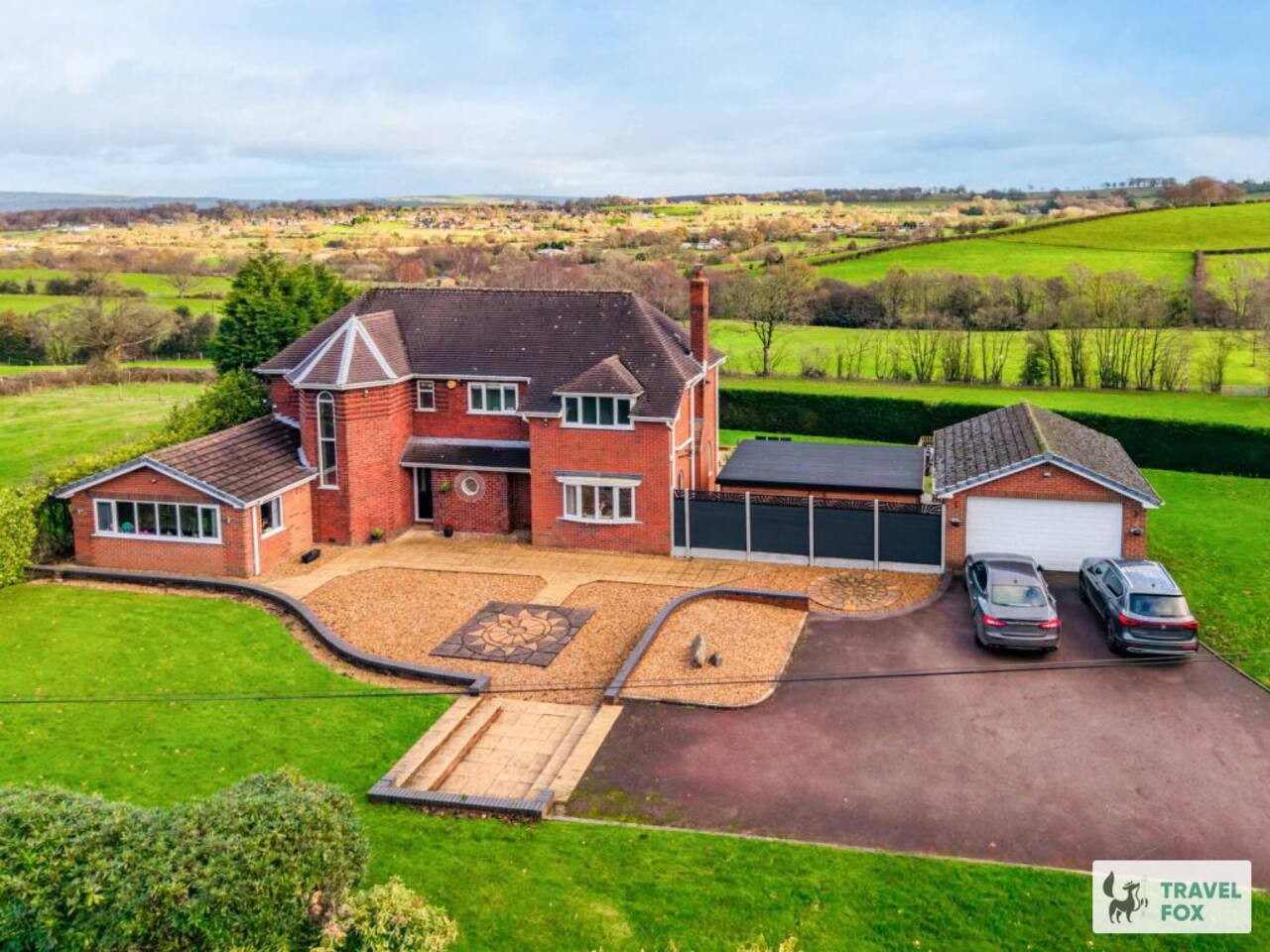
Cheddleton
Greenways House - Parking, Pool Table and Garden!
- Sleeps 10
- 4 bedrooms
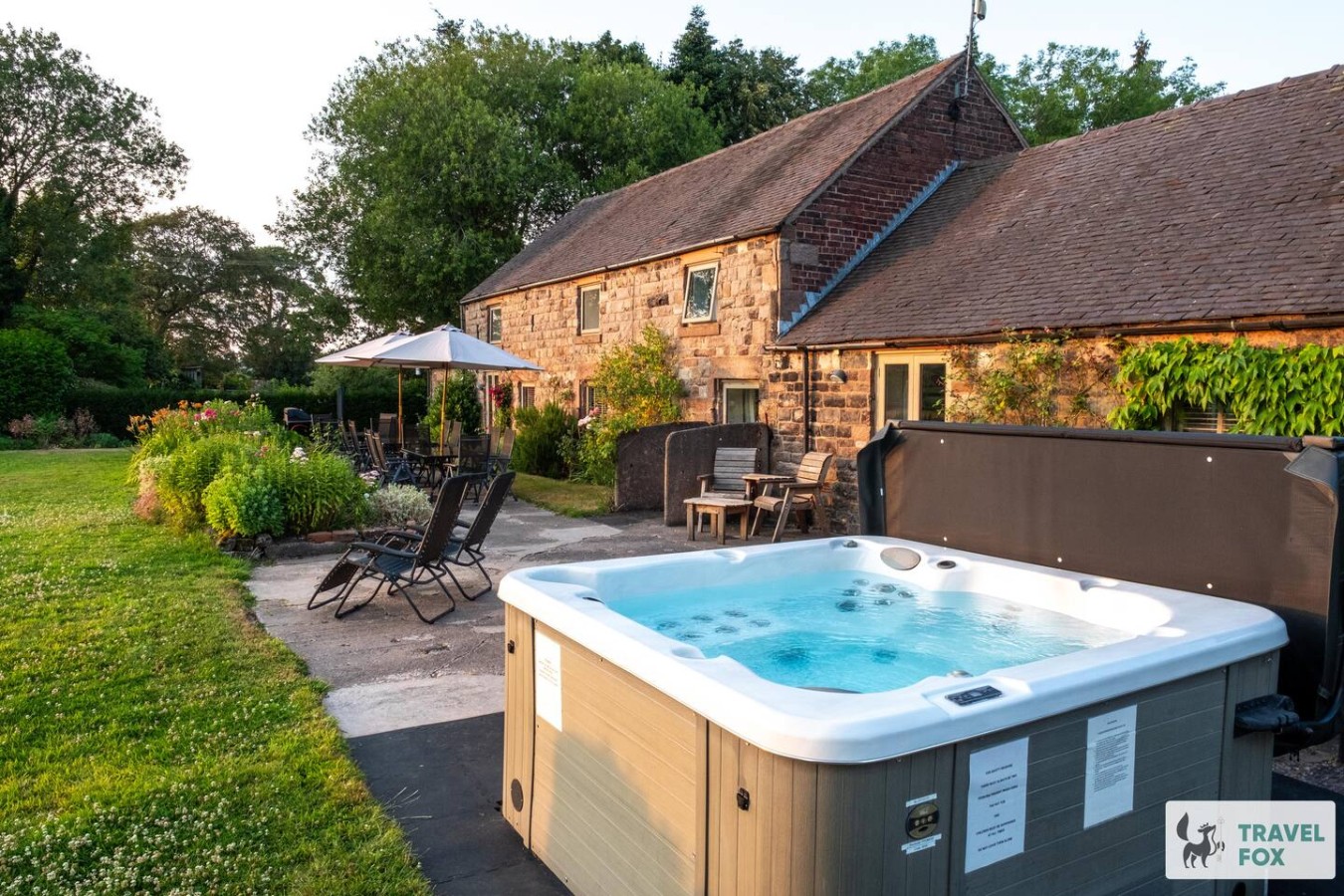
Cheddleton
Lee House Cottage + Annexe
- Sleeps 19
- 8 bedrooms

Leek
Silkwood House | Boutique 4 Bed nr. Peak District
- Sleeps 8
- 4 bedrooms
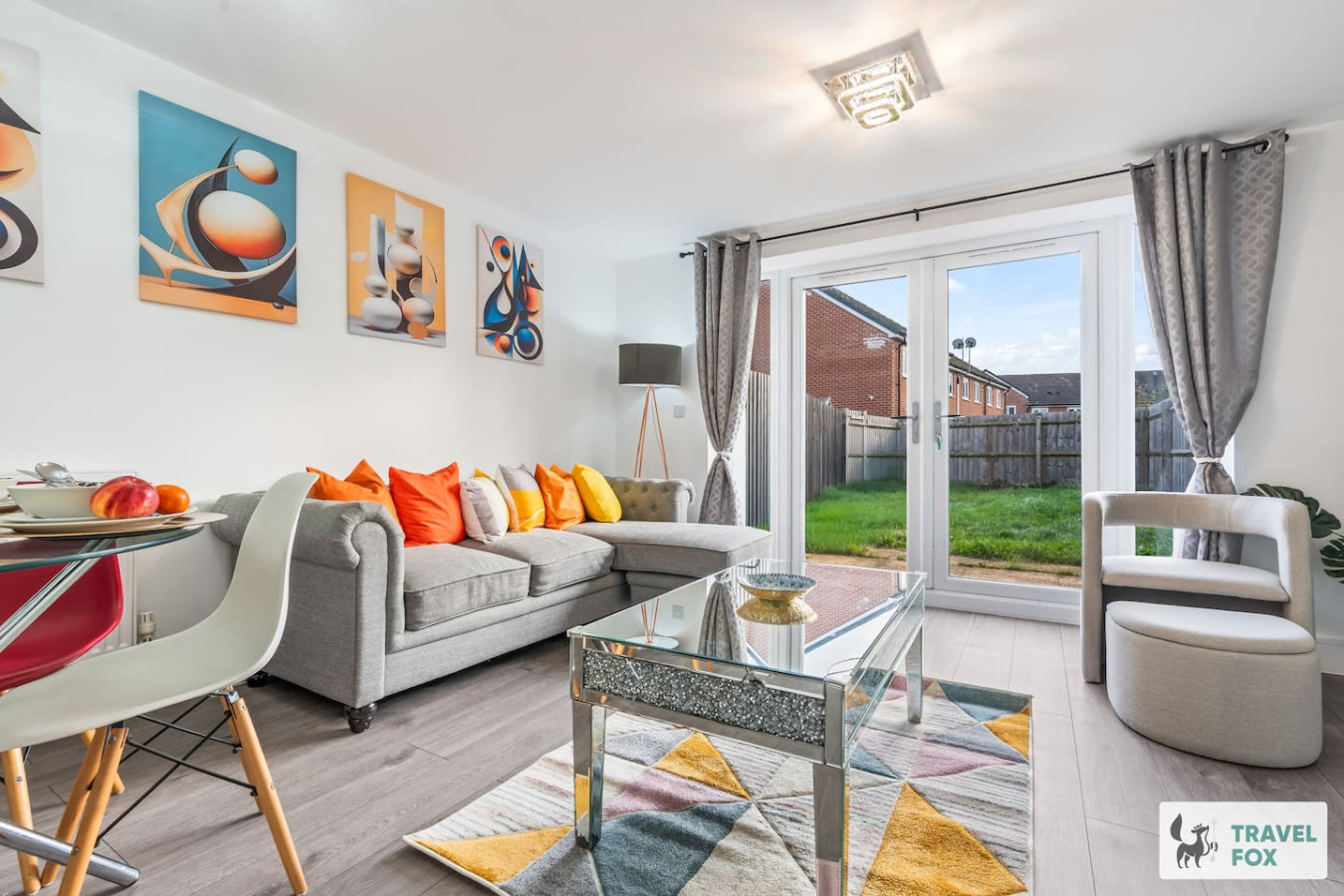
Stoke-on-Trent
Heather's House
- Sleeps 6
- 2 bedrooms
For homeowners
Own a holiday home near Hilton?
We manage holiday lets across Staffordshire from 12% commission, charged after cleaning costs, with no lock-in. A co-founder visits before you decide.
Holiday let management in Staffordshire →
A guide with a point of view
Written from research. Edited for real journeys.
Use the Official site links for live practical details, then use this guide for context, ideas and room to explore.
Sources
Every place on this page is checked against a published source. Each entry links the record we used and names who publishes it.
- The Minerva — theminerva.co.uk operator, sector body or destination organisation
- The Elms — theelmspub.co.uk operator, sector body or destination organisation
- Church of St Mary and St Luke, Shareshill — sstaffs.gov.uk statutory register or public authority
- Hilton Green — sstaffs.gov.uk statutory register or public authority
- Moseley Old Hall — nationaltrust.org.uk national body or asset manager