

Needwood village life
Newborough
A small Staffordshire village where forest paths, local food and a remarkable annual tradition meet.
- Best for
- Forest walking and village history
- Give it
- Editorial estimate: half a day, or longer for the nine-mile walk
- Don't miss
- All Saints' octagonal tower and crocketed spire
Photo: Anthony Parkes · CC BY-SA 2.0 · cropped
The Fox verdict
A quiet doorway into Needwood Forest
Newborough rewards an unhurried visit built around a woodland walk, a distinctive church and village places to eat.
Newborough sits on the western edge of historic Needwood Forest. The Red Lion is its only pub, All Saints stands on a medieval church site, and well dressing has been part of village life since 1978.
Where to go
Places in Newborough
Every place below is checked against a published source, listed with what it is and how long to give it.
Local signatures
3 placesThe Old Bakers Cottage Tearooms
A cosy tearoom attached to an eighteenth-century bed and breakfast, known for homemade treats including apple pie.
- Visit length
- Editorial estimate: Allow around 60 minutes for tea and homemade cake
- Locality
- Duffield Lane, Newborough
- Access
- Popular with walkers and cyclists, with homemade treats including apple pie.
All Saints Church
John Oldrid Scott's Grade II church, built in 1899–1901 with an octagonal tower and crocketed spire on a medieval chapelry site.
- Visit length
- Editorial estimate: Allow around 30 minutes for the church and churchyard
- Locality
- Newborough village
- Access
- Grade II listed church built in 1899–1901 on a medieval chapelry site.
Hoar Cross Hall Spa Hotel
A Grade II listed nineteenth-century hall in Hoar Cross, now an adults-only spa hotel.
- Visit length
- Editorial estimate: Allow around 150 minutes for a short spa visit
- Locality
- Hoar Cross parish
- Access
- The hotel, spa and restaurants are for guests over 16; spa treatments require guests to be at least 18.
Food & drink
1 place
The Red Lion
Newborough's only pub, with a lounge bar refurbished in 2025, changing cask beers, a real fire and a garden.
- Visit length
- Editorial estimate: Allow around 75 minutes for food or a relaxed drink
- Locality
- Duffield Lane, Newborough
- Access
- Dogs are welcome; the garden has picnic tables.
Walks & outdoors
2 placesNeedwood Circular Walk
A nine-mile circuit through the rural and historic Needwood Forest landscape of ancient woodland, old parkland, farmland and estate forestry.
- Visit length
- Editorial estimate: Allow around 240 minutes for the full nine-mile circuit
- Locality
- Needwood Forest around Newborough
- Access
- The published start is Jacksons Bank car park near Hoar Cross, currently closed due to forestry works; expect unsurfaced paths, tracks, farmland and tarmacked sections.
The National Forest Way
A 75-mile long-distance route split into twelve stages, linking the National Forest Memorial Arboretum in Staffordshire with Beacon Hill Country Park in Leicestershire.
- Visit length
- Editorial estimate: Allow around 150 minutes for a selected local section
- Locality
- The wider National Forest area
- Access
- Western stages include Rangemore to Yoxall and Yoxall to the National Memorial Arboretum.
No places match this filter. Choose All places to reset the list.
Three ways to explore Newborough
Signature outings
Needwood on Foot
The nine-mile walk's published start is Jacksons Bank car park near Hoar Cross, currently closed due to forestry works; expect unsurfaced paths that can become muddy, with stiles to negotiate.
Scott's Stone Church
At the north porch, look for circular tracery above the pointed doorway, a detail easy to miss when viewing the spire.
Newborough's Last Pub
The nineteenth-century Red Lion keeper also worked as a butcher, while the White Hart's keeper was a saddler.
The village story
Newborough Village Guide
A Staffordshire village of fireside food, forest paths and traditions made from petals and clay.
The Last Village Pub
At the junction of Duffield Lane and Yoxall Road, the Red Lion is Newborough's only pub. In the mid-nineteenth century its keeper also worked as a butcher; the White Hart stood on Duffield Lane, its keeper was a saddler, and the pub was demolished later that century.
The refurbished lounge bar offers a changing range of cask beers, and the pub remains a village stop after a walk or a look around Newborough.
The garden beyond the car park has picnic tables; the pub also has a real fire and welcomes dogs.
Tea, Stone and Spire
For something quieter, the Old Bakers Cottage Tearooms sits attached to an eighteenth-century bed and breakfast on Duffield Lane, and does a homemade apple pie that walkers and cyclists make a point of stopping for.
All Saints is a Grade II listed church built in 1899–1901 on a medieval site to J. Oldrid Scott's design. Its tower rises from a square base to an octagon and ends in a crocketed spire.
The church's early twentieth-century fittings include an octagonal stone font dated 1916, a wooden eagle lectern and a rood screen.
Traditions, Charters and Village Trades
Newborough's well dressing began in 1978, introduced by village school headmistress Bernice Brown. Parish volunteers fill boards with clay and use petals to make the designs for the May celebrations.
The Domesday entry for Marchington also records a virgate of land at Agardsley, the earlier settlement associated with Newborough. A market and borough charter followed in 1263, but the place remained a small village.
Nineteenth-century Newborough supported more than farming: records describe linen weaving, blacksmiths, wheelwrights and a carrier serving nearby towns.
Forest Walks and Hoar Cross
The nine-mile Needwood Circular Walk has its published start at Jacksons Bank car park near Hoar Cross, currently closed due to forestry works. It follows unsurfaced paths, tracks, farmland and tarmacked sections; mud and stiles can affect access.
The 75-mile National Forest Way can be walked in twelve stages. Its western sections include Rangemore to Yoxall and Yoxall to the National Memorial Arboretum.
Nearby Hoar Cross Hall is in Hoar Cross parish. Its hotel, spa and restaurants are designed for guests over 16, while spa treatments require guests to be at least 18.
Stay around Staffordshire
Make a longer stay of it
Travel Fox holiday homes around Staffordshire, linked directly to their property pages.
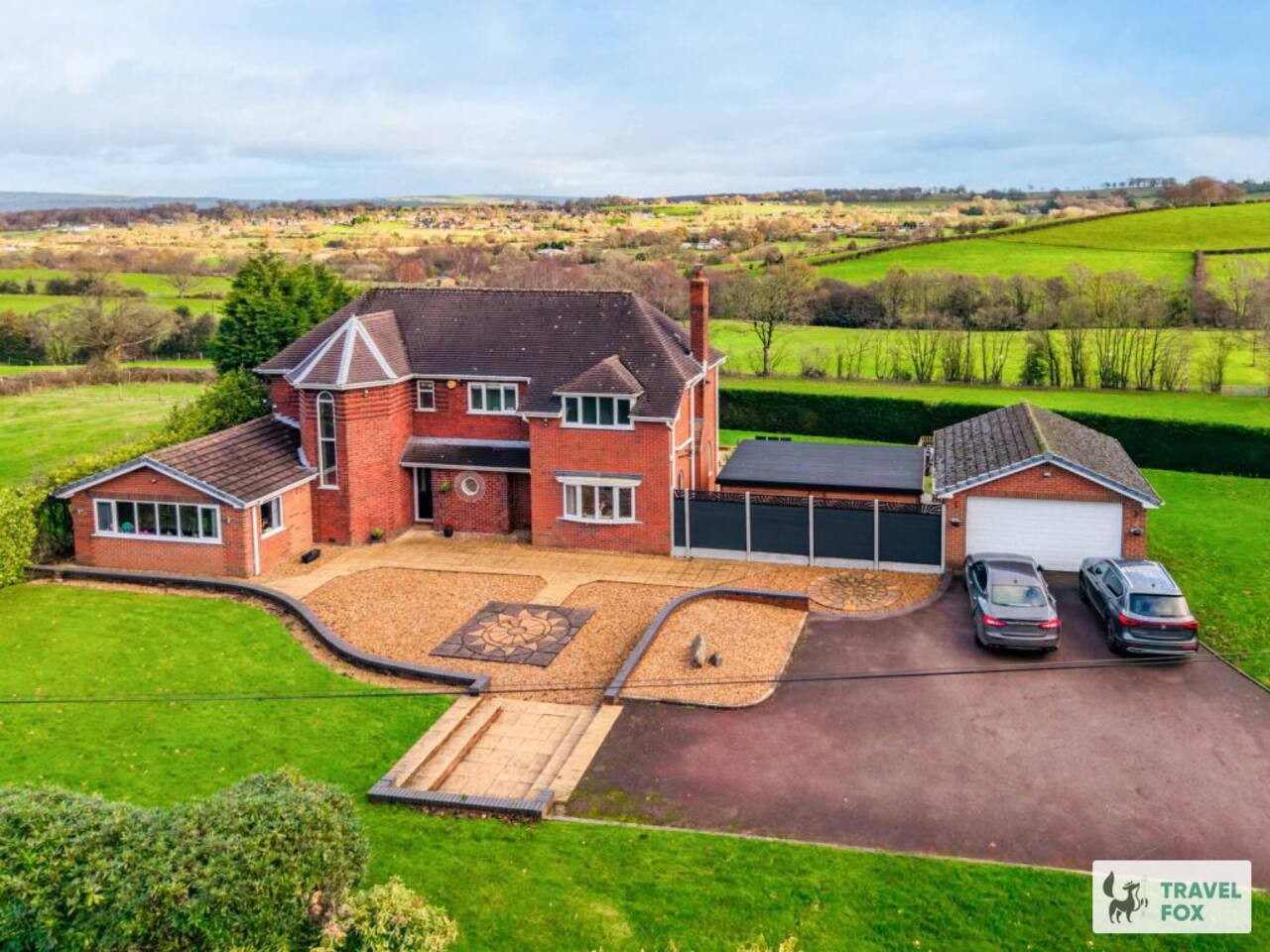
Cheddleton
Greenways House - Parking, Pool Table and Garden!
- Sleeps 10
- 4 bedrooms
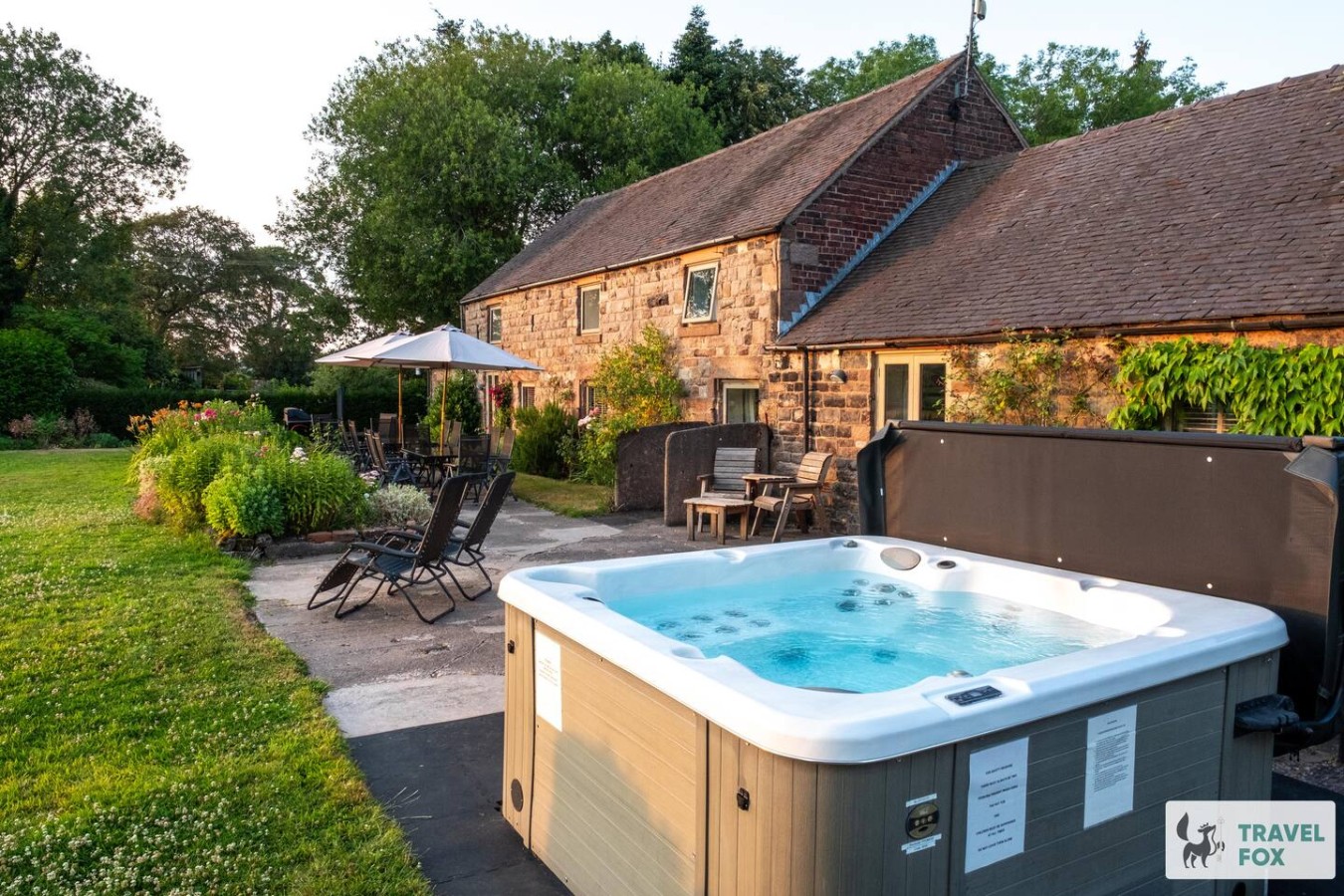
Cheddleton
Lee House Cottage + Annexe
- Sleeps 19
- 8 bedrooms
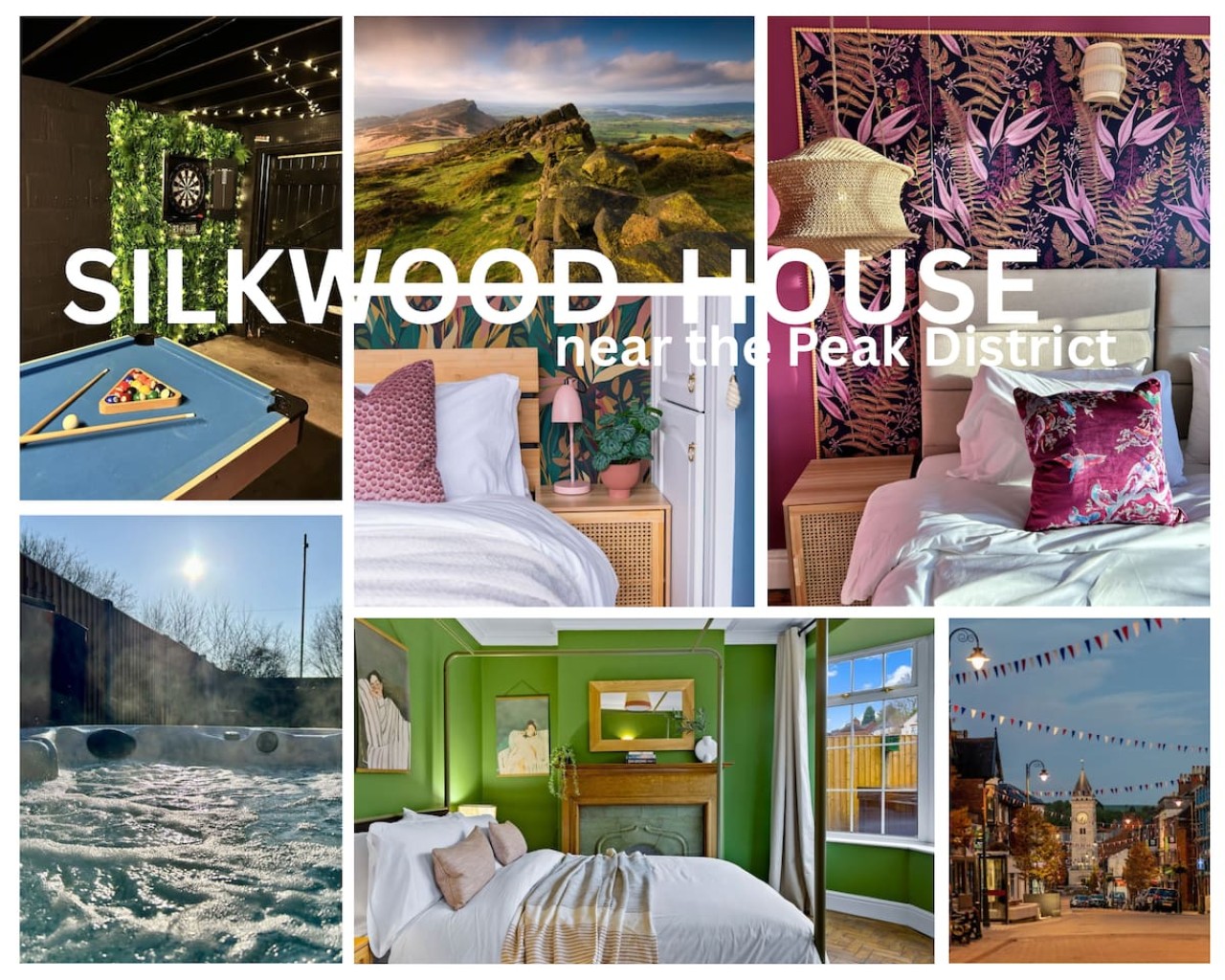
Leek
Silkwood House | Boutique 4 Bed nr. Peak District
- Sleeps 8
- 4 bedrooms
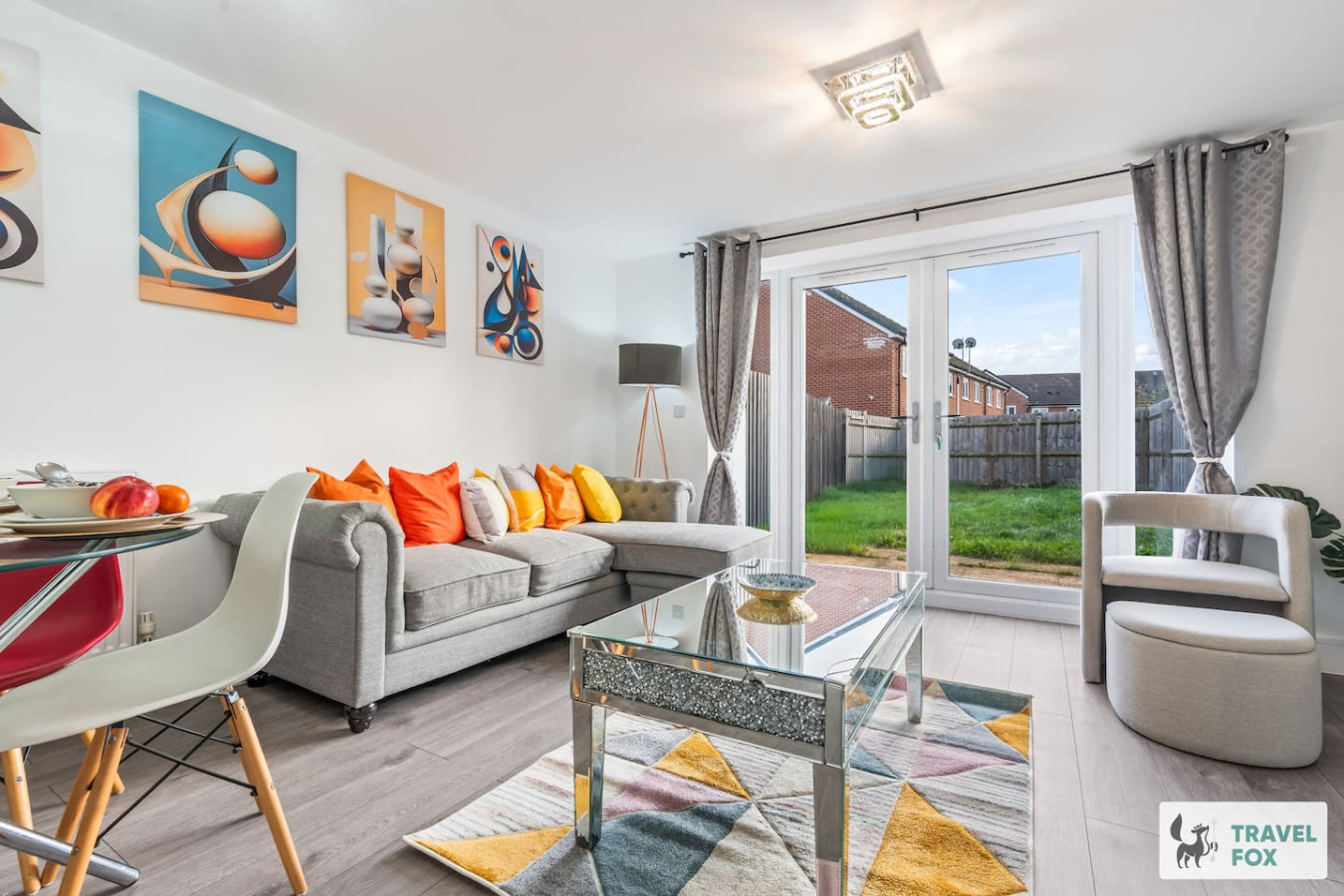
Stoke-on-Trent
Heather's House
- Sleeps 6
- 2 bedrooms
For homeowners
Own a holiday home near Newborough?
We manage holiday lets across Staffordshire from 12% commission, charged after cleaning costs, with no lock-in. A co-founder visits before you decide.
Holiday let management in Staffordshire →
A guide with a point of view
Written from research. Edited for real journeys.
Use the Official site links for live practical details, then use this guide for context, ideas and room to explore.
Photography credits & licences
Third-party photographs are credited to their named creators and reused under the linked Creative Commons licence or public-domain dedication. Travel Fox stores an optimised local copy; the file-specific changes and any browser-applied display crop are disclosed below. Reused photographs link both to the Wikimedia Commons source record and to the declared source image; Travel Fox's own photographs carry no such record and are marked as ours. These image licences do not cover Travel Fox text, branding or page design.
- File:The Red Lion at Newborough - geograph.org.uk - 3325304.jpg — photograph by Anthony Parkes; The Red Lion at Newborough by Anthony Parkes. Source record on Wikimedia Commons. Declared source image. Licence: CC BY-SA 2.0. File changes: Downloaded from Wikimedia Commons, resized to a maximum 1920px edge and encoded as an optimised JPEG. Display changes: Displayed with responsive CSS cropping.
Sources
Every place on this page is checked against a published source. Each entry links the record we used and names who publishes it.
- The Red Lion — visitstaffordshire.com operator, sector body or destination organisation
- The Old Bakers Cottage Tearooms — discovereaststaffordshire.com operator, sector body or destination organisation
- All Saints Church — historicengland.org.uk statutory register or public authority record not machine-readable; publisher restricts automated access
- Needwood Circular Walk — nationalforest.org other published source
- The National Forest Way — nationalforest.org operator, sector body or destination organisation
- Hoar Cross Hall Spa Hotel — hiddenwell.com operator, sector body or destination organisation