

Staffordshire canal country
Norbury
A quiet farmland village where a Grade I church, a working wharf and towpath wetlands shape a relaxed rural visit.
- Setting
- Quiet farmland and canal country
- Canal anchor
- Norbury Junction
- Nearest rail
- Stafford, roughly 12 miles away
Photo: Michael Garlick · CC BY-SA 2.0 · cropped
The Fox verdict
Come for the canal; make time for the church and wetlands
Norbury suits a slow visit built around the wharf, towpath and a small group of worthwhile nearby stops.
Norbury Wharf is the natural visitor hub, combining food, boating activity and towpath access. About a mile away, the village adds a Grade I church, while two wetland reserves broaden the day for walkers and wildlife watchers.
Where to go
Places in Norbury
Every place below is checked against a published source, listed with what it is and how long to give it.
Local signatures
3 placesJunction Inn
A traditional canalside pub for a meal beside the basin, with a large garden, a children's play area and dogs welcomed on leads.
- Visit length
- Editorial estimate: About 1 hour 15 minutes
- Locality
- Norbury Junction
Norbury Junction Circular
A roughly 2.5-mile loop from Norbury Wharf through Shelmore Wood, using a bridleway, a short road tunnel and the Shropshire Union towpath; expect uneven or muddy sections.
- Visit length
- Editorial estimate: About 1 hour 45 minutes
- Locality
- Norbury Junction and Shelmore Wood
- Access
- The bridleway can be uneven or muddy in places.
Loynton Moss
A 13-hectare wetland reserve of reedbed and wet woodland with walking trails and chances to look for resident reed bunting.
- Visit length
- Editorial estimate: About 1 hour 30 minutes
- Locality
- Between Norbury and High Offley
Walks & outdoors
1 placeAqualate Mere National Nature Reserve
A wetland reserve near Newport centred on a natural lake, with a public hide at the eastern end and wintering wildfowl.
- Visit length
- Editorial estimate: About 1 hour 15 minutes
- Locality
- Near Newport
History & heritage
1 place
St Peter's Church
A Grade I-listed church largely completed around 1340, with medieval windows and sedilia, Ralph de Botiller's chancel effigy and a nave roof believed to be original.
- Visit length
- Editorial estimate: About 45 minutes
- Locality
- Norbury
Things to do
1 placeNorbury Wharf and Old Wharf Tearoom
A working boating stop with the Old Wharf Tearoom, a chandlery-style shop, narrowboat hire and boat trips.
- Visit length
- Editorial estimate: About 1 hour
- Locality
- Norbury Junction
No places match this filter. Choose All places to reset the list.
Three ways to explore Norbury
Signature outings
Take to the canal
Norbury Wharf pairs the Old Wharf Tearoom with narrowboat hire and boat trips, so the basin can be a stop or the start of time on the water.
Read the church
St Peter's medieval windows, sedilia, chancel effigy and believed-original nave roof reward a slower visit.
Settle into the hide
Use the public hide at Aqualate Mere and give its wintering wildfowl time to come into view.
The village story
Norbury, from medieval manor to canal country
The locked Travel Fox article moves from the junction's food and boating life to medieval Norbury, Telford's troublesome embankment and the wetlands along the towpath.
The pub beside the basin
The Junction Inn stands on the basin at Norbury Junction, looking out over what used to be the British Waterways boatyard by Bridge 38. It is the reason most people who know Norbury know it at all.
Food is served all week — lunch daily from noon to 3pm, evening meals Wednesday to Sunday — and reviewers keep coming back to the homemade steak pie, praised for "real pieces of steak, beautifully cooked," and the carvery, with its roast meats and wide veg choice. Thursdays bring a deal: any dish from the specials board, a burger, or fish, plus a bottle of house wine, for twenty pounds.
It's rated 4.2 out of 5 on Tripadvisor, 41st out of 219 restaurants in Stafford, with one review calling the service, food and atmosphere "perfect" and the canalside garden "wonderful." That garden has a play area with swings and a sandpit; inside there's darts and pool, and dogs are welcome on a lead throughout. The beer runs to Marston's Pedigree, Courage Directors and Eagle Bombardier, plus a house bitter, Junction Inn Bitter, brewed specially by Coach House Brewery.
Wharf life and the road into Norbury
Thomas Jones held the licence and did the brewing here in 1896 and 1900. The pub was listed in the 1901 Royal Commission Report on Arsenic in Beer.
Along the wharf, the Old Wharf Tearoom serves breakfasts and home cooking from 8.30am, alongside a chandlery shop, narrowboat hire and boat trips — built for the boating trade, but open to anyone passing.
No bus runs through the village itself, though the Stafford–Newport route passes nearby. Stafford station is about twelve miles off, and by road you're just south of the A519, with Newport and Eccleshall each four miles away.
Medieval Norbury and Telford's embankment
St Peter's, the parish church, is Grade I listed and was largely built around 1340, said to have been raised by Ralph de Botiller, Lord of the Manor, whose tomb effigy is in the chancel. Nearby is what's recorded as the oldest brass memorial plate in Staffordshire. The nave roof is thought to be original, and Pevsner gave the building three pages of his Staffordshire volume.
A short distance away, Botiller also built Norbury Manor, a moated house fed by eight interlinked fishponds. It passed to the Skrymsher family in 1521 and was demolished in the early nineteenth century, leaving only the earthworks and the ponds. Domesday, in 1086, valued the whole settlement at three pounds.
The canal a mile away gave Thomas Telford one of his worst headaches. A local landowner wouldn't let it cross his pheasant wood, forcing a diversion onto an embankment over a mile long and sixty feet high; the marl kept slipping, and it wasn't declared sound until January 1835, six months after Telford had died.
Towpaths, wetlands and festival boats
Walks run off the canal in most directions: a 2.5-mile circular from Norbury Wharf through Shelmore Wood and back along the towpath, a trail on to Aqualate Mere, and Loynton Moss, a reedbed and wet-woodland reserve right off the towpath, where reed bunting are resident and curlew and snipe turn up if you're patient.
Every May Bank Holiday since 2004, the Shrewsbury & Newport Canals Trust has run a canal festival at the junction, with boats gathering on the basin and stalls along the wharf — a couple of days a year when a lot more people than usual find their way to Norbury.
Stay around Staffordshire
Make a longer stay of it
Travel Fox holiday homes around Staffordshire, linked directly to their property pages.
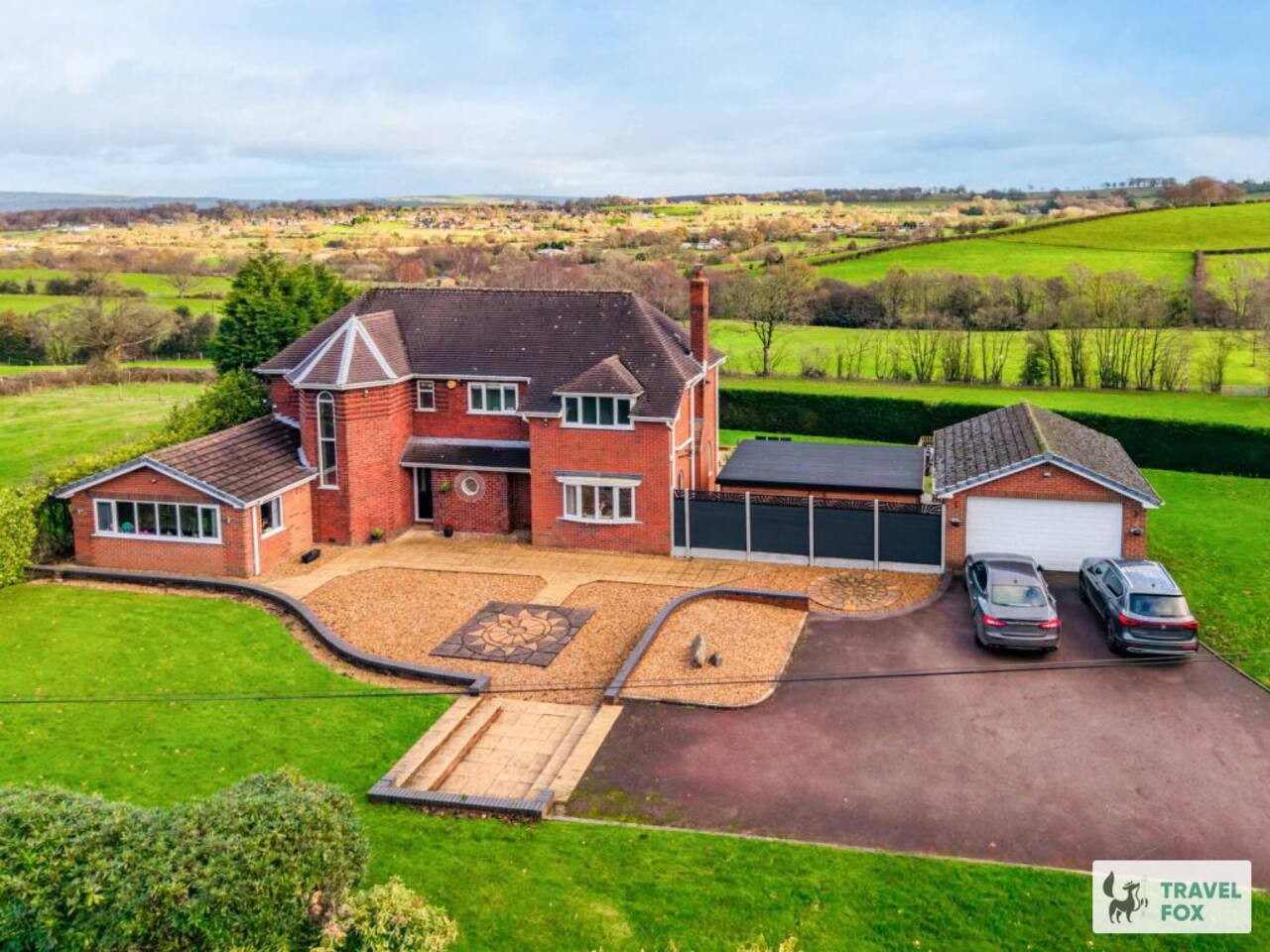
Cheddleton
Greenways House - Parking, Pool Table and Garden!
- Sleeps 10
- 4 bedrooms
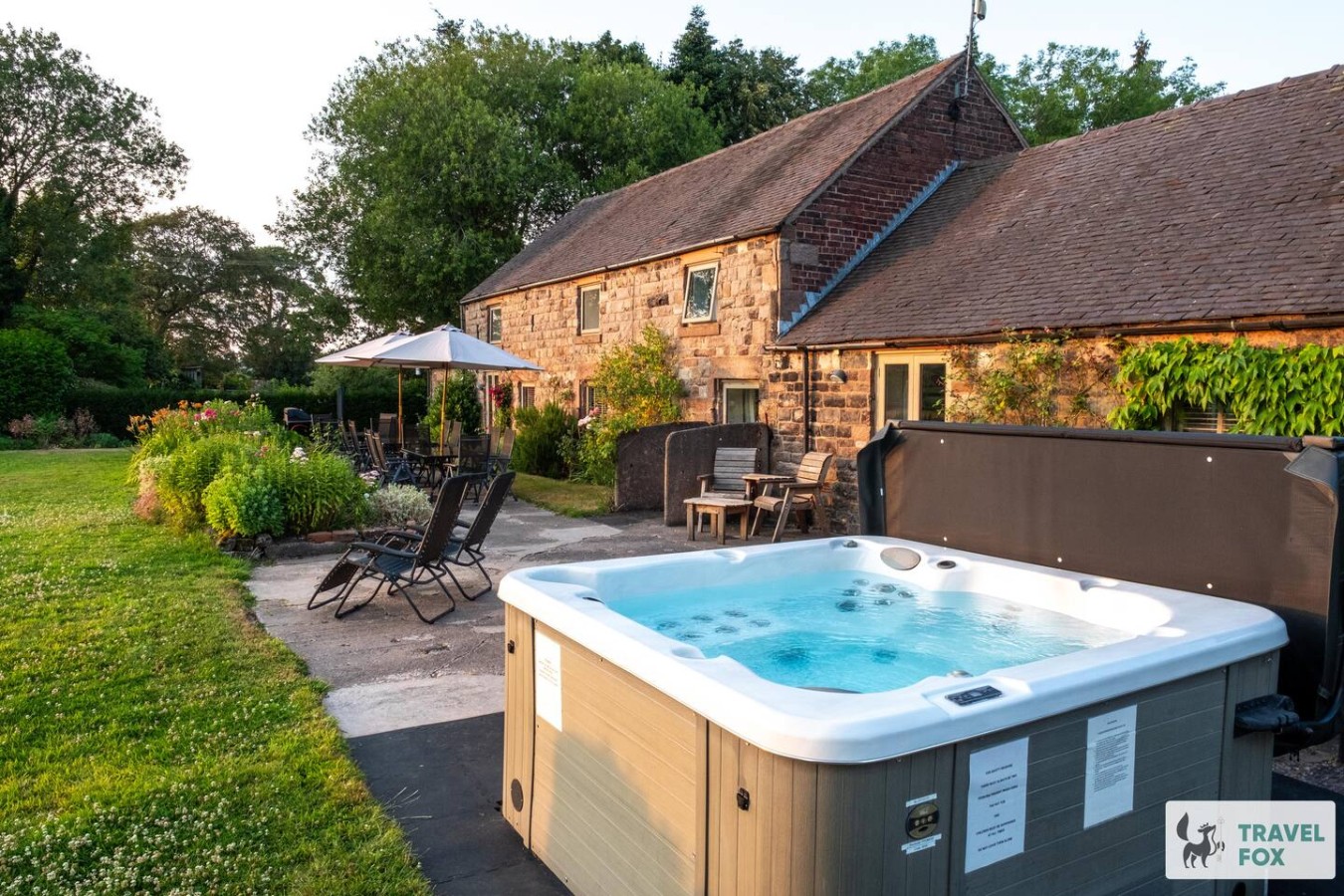
Cheddleton
Lee House Cottage + Annexe
- Sleeps 19
- 8 bedrooms

Leek
Silkwood House | Boutique 4 Bed nr. Peak District
- Sleeps 8
- 4 bedrooms
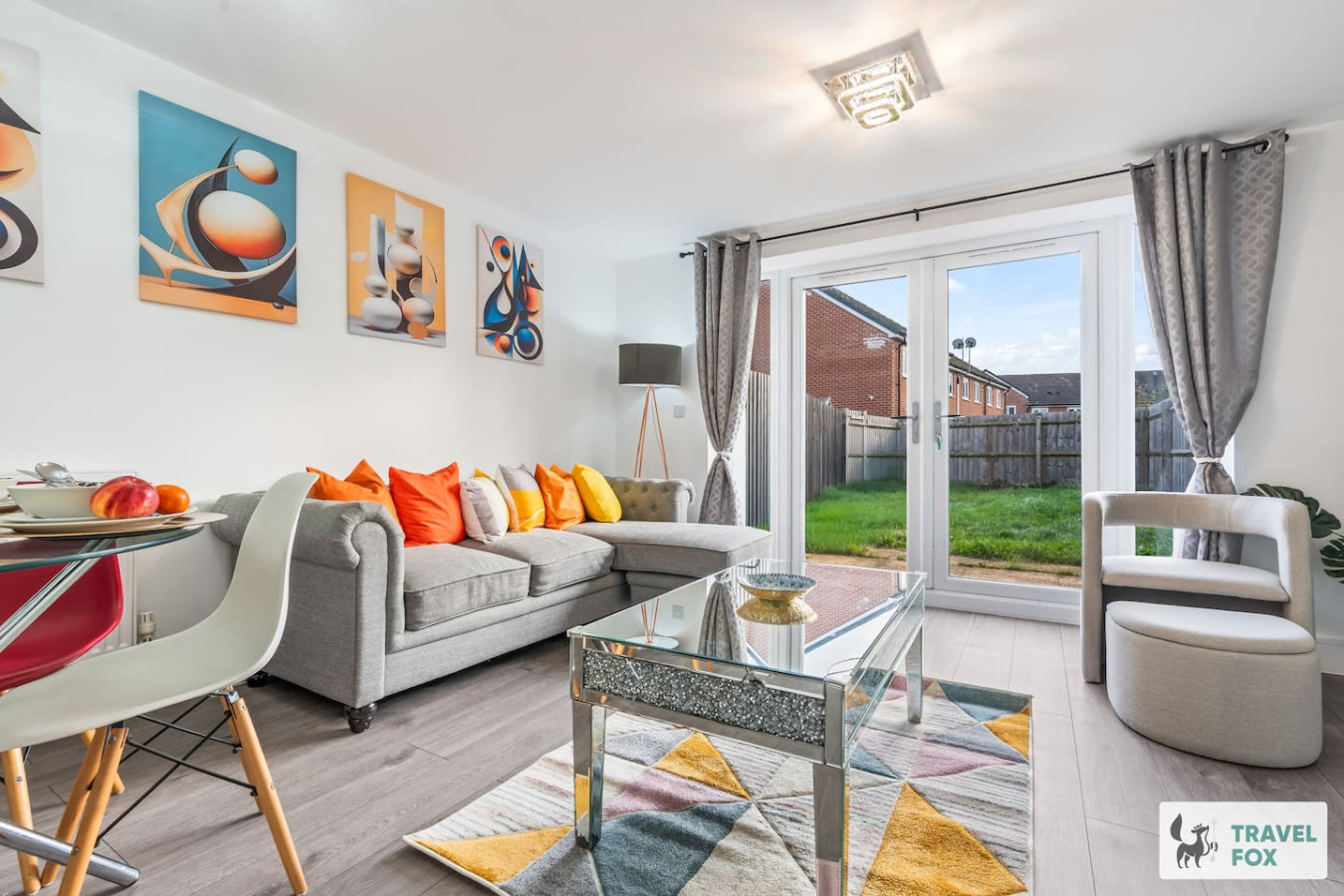
Stoke-on-Trent
Heather's House
- Sleeps 6
- 2 bedrooms
For homeowners
Own a holiday home near Norbury?
We manage holiday lets across Staffordshire from 12% commission, charged after cleaning costs, with no lock-in. A co-founder visits before you decide.
Holiday let management in Staffordshire →
A guide with a point of view
Written from research. Edited for real journeys.
Use the Official site links for live practical details, then use this guide for context, ideas and room to explore.
Photography credits & licences
Third-party photographs are credited to their named creators and reused under the linked Creative Commons licence or public-domain dedication. Travel Fox stores an optimised local copy; the file-specific changes and any browser-applied display crop are disclosed below. Reused photographs link both to the Wikimedia Commons source record and to the declared source image; Travel Fox's own photographs carry no such record and are marked as ours. These image licences do not cover Travel Fox text, branding or page design.
- File:Norbury, St. Peter's Church - geograph.org.uk - 6145461.jpg — photograph by Michael Garlick; Norbury, St. Peter's Church by Michael Garlick. Source record on Wikimedia Commons. Declared source image. Licence: CC BY-SA 2.0. File changes: Downloaded from Wikimedia Commons, resized to a maximum 1920px edge and encoded as an optimised JPEG. Display changes: Displayed with responsive CSS cropping.
Sources
Every place on this page is checked against a published source. Each entry links the record we used and names who publishes it.
- Junction Inn — thejunctioninnnorbury.co.uk operator, sector body or destination organisation record not machine-readable; publisher restricts automated access
- Norbury Wharf and Old Wharf Tearoom — norburywharfltd.co.uk operator, sector body or destination organisation
- St Peter's Church — historicengland.org.uk statutory register or public authority record not machine-readable; publisher restricts automated access
- Norbury Junction Circular — ramblers.org.uk operator, sector body or destination organisation record not machine-readable; publisher restricts automated access
- Loynton Moss — staffs-wildlife.org.uk national body or asset manager
- Aqualate Mere National Nature Reserve — gov.uk statutory register or public authority