

Small parish, long memory
Ranton
A quiet Staffordshire hamlet where a medieval church, a former pub and the nearby canal open onto a longer outing.
- Best for
- Rural history with a nearby estate or canal walk
- Give it
- A short Ranton stop plus one chosen extension
- Don't miss
- All Saints' thirteenth-century font bowl
Photo: Roger Kidd · CC BY-SA 2.0 · cropped
The Fox verdict
A tiny heritage stop with stronger extensions nearby
Ranton is rewarding for its concentrated history, but it works best as the quiet opening chapter to time in Gnosall or at Shugborough.
Start with All Saints' Church and the parish's unusually deep historical thread, then choose between Gnosall's canal and former railway path or the Anson family's main seat at Shugborough. The result is a rural outing with contrast rather than an overstated village attraction list.
Where to go
Places in Ranton
Every place below is checked against a published source, listed with what it is and how long to give it.
Local signatures
3 placesSt Lawrence's Church, Gnosall
Gnosall's Norman church stands on the site of an earlier Saxon church and adds a second, distinct layer of local church history.
- Visit length
- Editorial estimate: Suggested visit: around 30 minutes
- Locality
- Gnosall, about 2.6 miles from Ranton in a straight line
Way for the Millennium at Gnosall
At Gnosall, this long-distance route follows the flat former railway Greenway towards Newport.
- Visit length
- Editorial estimate: Suggested visit: around 90 minutes
- Locality
- Gnosall village; its centre is about 2.7 miles from Ranton in a straight line
Shugborough Estate
The Anson family's main estate combines a Georgian mansion, formal gardens, working Park Farm and Patrick Lichfield's former apartments.
- Visit length
- Editorial estimate: Suggested visit: around 2 hours 30 minutes
- Locality
- Shugborough Estate near Great Haywood
Walks & outdoors
1 place
Shropshire Union Canal at Gnosall
Follow the Shropshire Union Canal towpath through Gnosall for a waterside extension to a Ranton visit.
- Visit length
- Editorial estimate: Suggested visit: around 75 minutes
- Locality
- Gnosall village; its centre is about 2.7 miles from Ranton in a straight line
History & heritage
1 placeAll Saints' Church, Ranton
A Grade II-listed church with fifteenth-century fabric, a chancel encased in brick and a thirteenth-century font bowl.
- Visit length
- Editorial estimate: Suggested visit: around 30 minutes
- Locality
- Ranton parish
No places match this filter. Choose All places to reset the list.
Three ways to explore Ranton
Signature outings
Medieval details at All Saints
Look beyond the font bowl to the three west-wall lancets, which retain fragments of fourteenth-century painted glass.
Inside Shugborough's Anson story
Inside the house, explore how George Anson's voyage and Thomas Anson's travels shaped the estate's collections, including Patrick Lichfield's apartments.
The canal at Gnosall
Use Boat Inn Bridge 34 to get your bearings, with views along this stretch from the bridge and beneath bridge 35.
The village story
Ranton: Church, Priory and Nearby Walks
A small Staffordshire parish shaped by vanished amenities, medieval foundations and an unexpected link to one of rock's loudest chapters.
The Pub That Became a House
The Hand & Cleaver on Butt Lane became housing after its pub trade ended in 2013, preserving a memory of Ranton's social life.
That building had an unlikely rock footnote: it was once Ozzy Osbourne's local, and Black Sabbath played an impromptu support set there.
Plan food and other supplies before setting out.
A Church, Domesday and an Abbey
All Saints' has fifteenth-century fabric, a thirteenth-century font bowl and fragments of fourteenth-century painted glass in the west wall. The bell turret was rebuilt in the 1940s in memory of Frank Russell and John Owen Timms, two local men killed in the Second World War.
Ranton appears in the Domesday Book: eleven households, worth one pound a year to its lord, Godric.
Ranton Abbey was founded around 1150 as an Augustinian priory dedicated to St Mary des Essarz — St Mary of the clearings — and dissolved in the 1530s. What survives is a fifteenth-century west tower and a stretch of nave wall carrying a Norman doorway three centuries older than the tower itself.
Abbey Ambitions and Quiet Farmland
The roofless house beside the priory tower has a longer story than its Georgian appearance suggests. The brick structure began with Sir Jonathan Cope's commission in 1748 and saw later building campaigns across about a century; earlier monastic and Tudor fabric may also survive within its walls.
A moat once defined the former monastic precinct, much of it now filled in. Buried remains extend beyond the standing tower and nave wall.
Ranton lies in farmland between Stafford and Gnosall. For a longer walk, Gnosall offers a Shropshire Union Canal towpath and the Way for the Millennium route along a former railway.
Getting Here and Going Further
For a rail-based visit, plan the onward leg from Stafford station before setting off for Ranton.
Shugborough Estate, about 8.5 miles from Ranton in a straight line, offers a substantial extension with the Anson family's Georgian mansion, servants' quarters and Patrick Lichfield's apartments.
On the Stafford–Newport road, a listed nineteenth-century cast-iron milepost records distances to Stafford, Newport and London. It is a small reminder of the older road network around Ranton.
Stay around Staffordshire
Make a longer stay of it
Travel Fox holiday homes around Staffordshire, linked directly to their property pages.
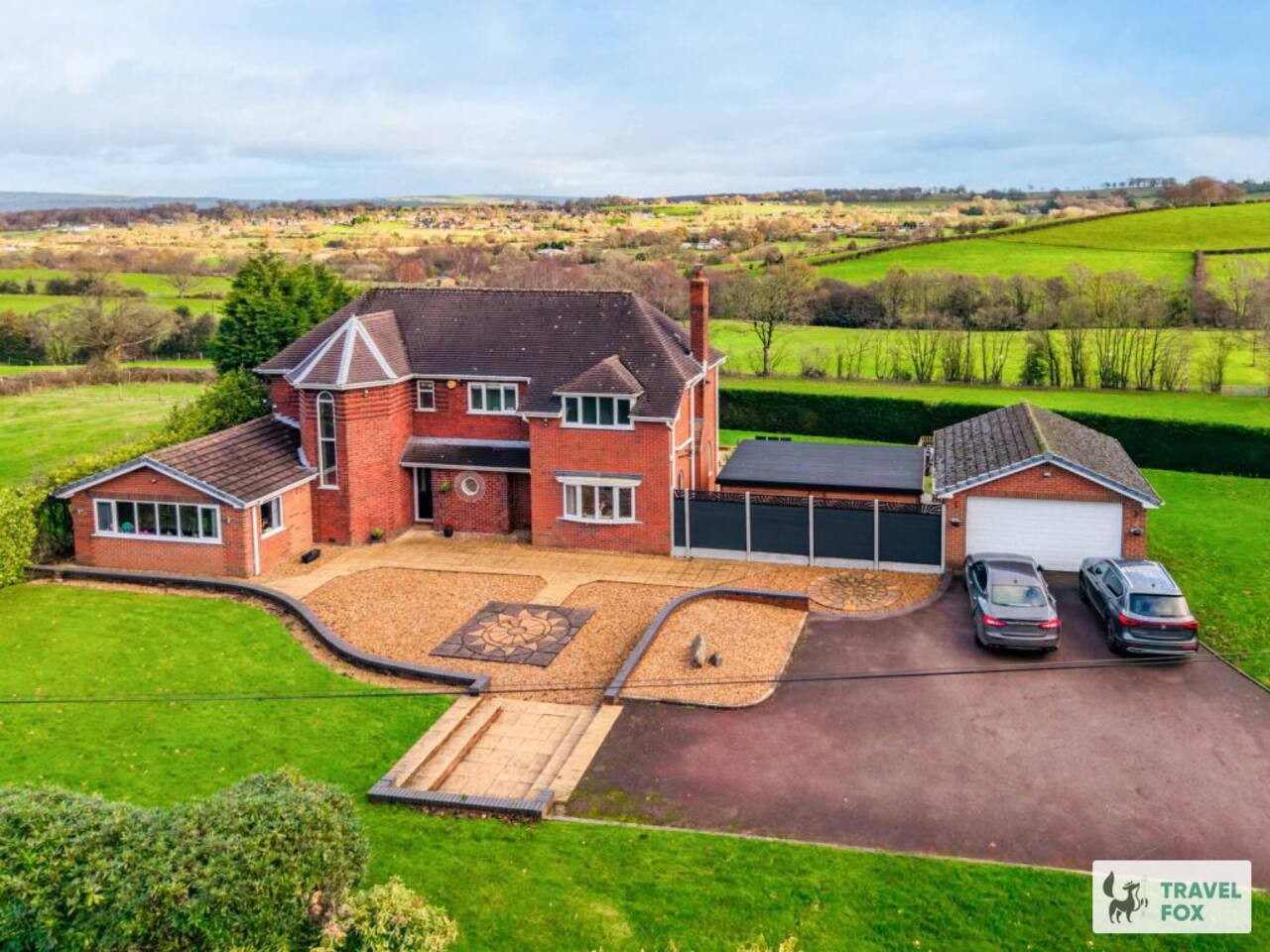
Cheddleton
Greenways House - Parking, Pool Table and Garden!
- Sleeps 10
- 4 bedrooms
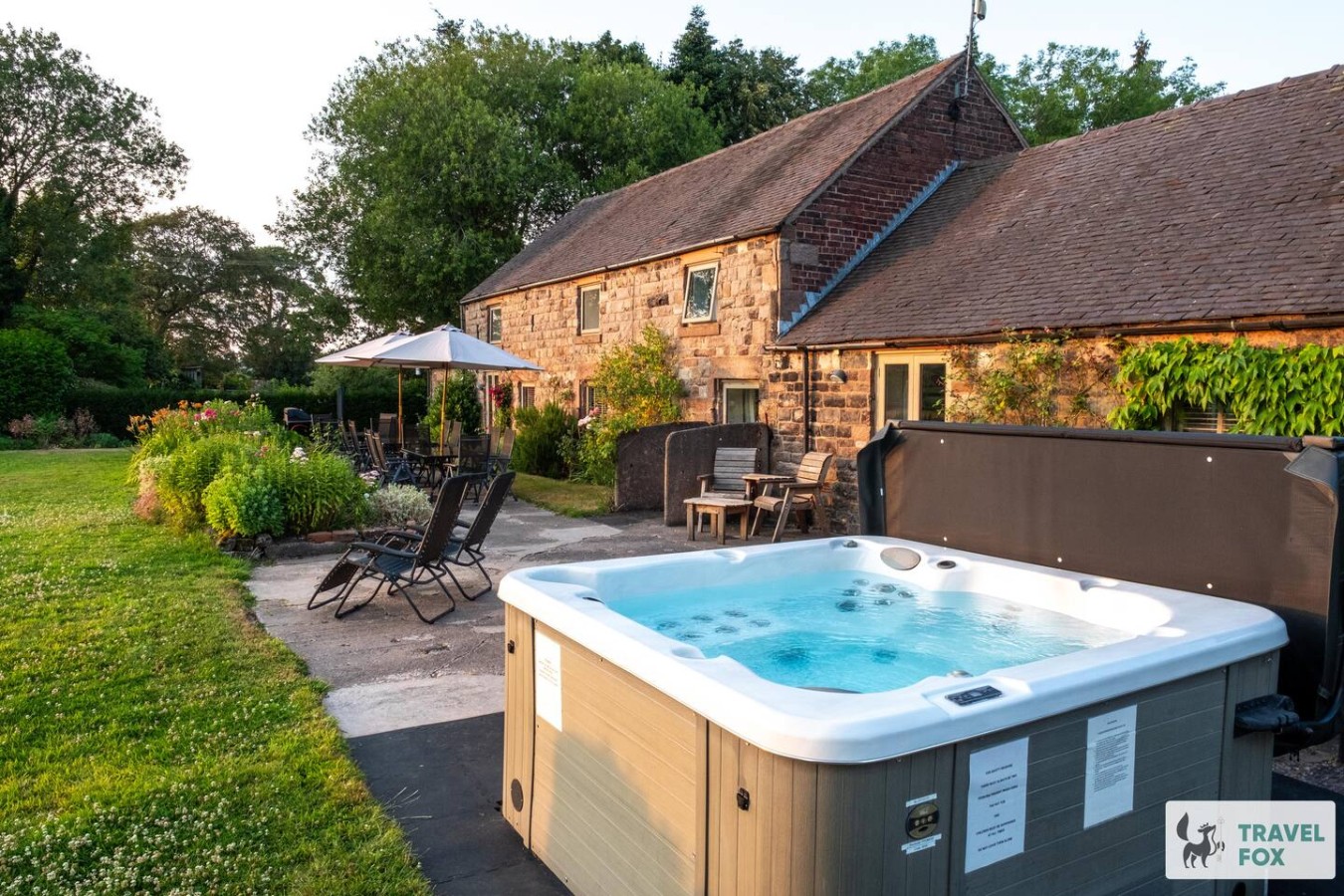
Cheddleton
Lee House Cottage + Annexe
- Sleeps 19
- 8 bedrooms

Leek
Silkwood House | Boutique 4 Bed nr. Peak District
- Sleeps 8
- 4 bedrooms
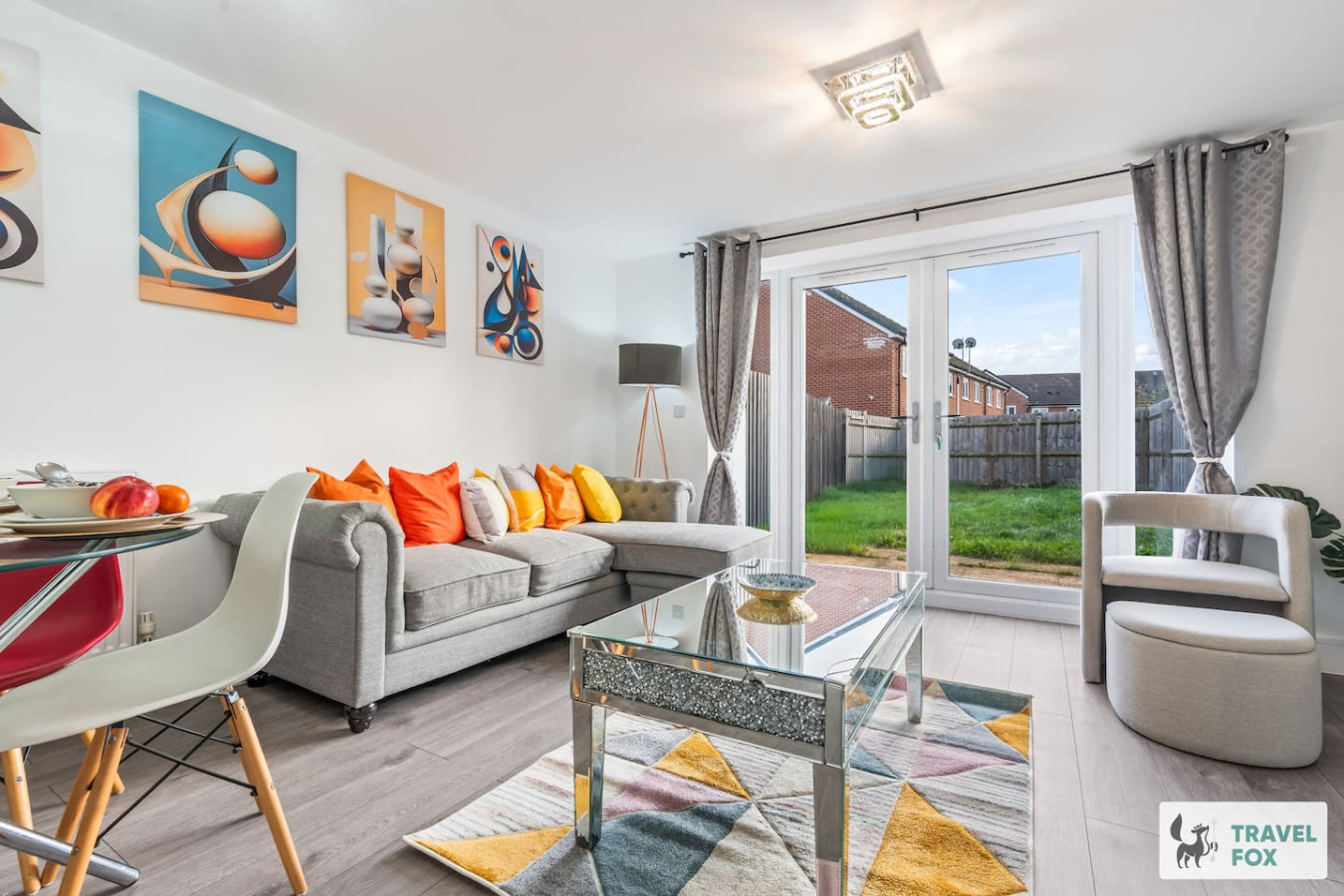
Stoke-on-Trent
Heather's House
- Sleeps 6
- 2 bedrooms
For homeowners
Own a holiday home near Ranton?
We manage holiday lets across Staffordshire from 12% commission, charged after cleaning costs, with no lock-in. A co-founder visits before you decide.
Holiday let management in Staffordshire →
A guide with a point of view
Written from research. Edited for real journeys.
Use the Official site links for live practical details, then use this guide for context, ideas and room to explore.
Photography credits & licences
Third-party photographs are credited to their named creators and reused under the linked Creative Commons licence or public-domain dedication. Travel Fox stores an optimised local copy; the file-specific changes and any browser-applied display crop are disclosed below. Reused photographs link both to the Wikimedia Commons source record and to the declared source image; Travel Fox's own photographs carry no such record and are marked as ours. These image licences do not cover Travel Fox text, branding or page design.
- File:Shropshire Union Canal south of Gnosall Heath, Staffordshire - geograph.org.uk - 5811729.jpg — photograph by Roger Kidd; Shropshire Union Canal south of Gnosall Heath, Staffordshire by Roger Kidd. Source record on Wikimedia Commons. Declared source image. Licence: CC BY-SA 2.0. File changes: Downloaded from Wikimedia Commons, resized to a maximum 1920px edge and encoded as an optimised JPEG. Display changes: Displayed with responsive CSS cropping.
Sources
Every place on this page is checked against a published source. Each entry links the record we used and names who publishes it.
- All Saints' Church, Ranton — achurchnearyou.com national body or asset manager
- St Lawrence's Church, Gnosall — achurchnearyou.com national body or asset manager
- Shropshire Union Canal at Gnosall — collections.canalrivertrust.org.uk operator, sector body or destination organisation
- Way for the Millennium at Gnosall — staffordshire.gov.uk statutory register or public authority
- Shugborough Estate — nationaltrust.org.uk national body or asset manager