

Staffordshire village life
Pattingham
Norman church arches, characterful pubs and gentle paths into woodland and historic parkland near the Shropshire border.
- Best for
- Church history, pub meals and gentle country walks
- Give it
- A relaxed half-day, or longer with a circular walk
- Don't miss
- The Norman nave arches inside St Chad's
Photo: Roger Kidd · CC BY-SA 2.0 · cropped
The Fox verdict
A lived-in village with history at its heart
Pattingham pairs a richly layered parish church with village pubs, family recreation and footpaths into the Patshull landscape.
Come for the late-12th-century stonework and unusual internal tower at St Chad's, then choose between a pub meal, time at the playing fields or a longer walk through woodland, meadow and historic parkland. The village's strongest appeal is the way these modest experiences fit together without needing a packed itinerary.
Where to go
Places in Pattingham
Every place below is checked against a published source, listed with what it is and how long to give it.
Local signatures
3 places
Start here
St Chad's Church
A Grade II* parish church with Norman nave arches, an unusual 14th-century tower wholly inside the church and two medieval Mass clocks.
- Visit length
- Editorial estimate: Allow around 45 minutes
- Locality
- Pattingham
The Crown Bar & Kitchen
A village gastropub serving Sunday roasts, steak and kidney pie, and scampi and chips, with dogs welcome in the bar and garden.
- Visit length
- Editorial estimate: Allow around 90 minutes for a meal
- Locality
- 15 High Street
Pattingham Playing Fields
A recreation ground with two tennis courts, a league-size netball court, a football pitch with changing rooms and a free children's play area.
- Visit length
- Editorial estimate: Allow around 45 minutes
- Locality
- Pattingham
Food & drink
1 placeThe Pigot Arms
A restored Grade II-listed village pub with an oak-beamed interior and Timothy Taylor Landlord.
- Visit length
- Editorial estimate: Allow around 90 minutes for a meal
- Locality
- 11 High Street
Walks & outdoors
1 placePattingham–Patshull Footpaths
Footpaths lead from Pattingham towards woodland, meadow and Capability Brown parkland at Patshull, with longer circular options via Badger Dingle, Ackleton and Chesterton.
- Visit length
- Editorial estimate: Allow around 2½ hours for a shorter circular outing
- Locality
- between Pattingham and Patshull Park
Things to do
1 placePattingham Village Hall
A community-owned, volunteer-run hall hosting village clubs for all ages in the current building dating from 1966.
- Visit length
- Editorial estimate: Allow around 30 minutes for a scheduled activity
- Locality
- opposite St Chad's Church
- Access
- Visit for a scheduled club or event.
No places match this filter. Choose All places to reset the list.
Three ways to explore Pattingham
Signature outings
Find the Norman arches
Look for the late-12th-century round arches in the nave, then the medieval Mass clocks scratched into the south wall.
Follow the Patshull paths
Trace gentle footpaths through woodland and parkland, with longer options continuing by Snowdon Brook towards Badger Dingle and Ackleton.
Take a table at the Pigot
Pause in the oak-beamed Pigot Arms for Timothy Taylor Landlord and a village-pub meal.
The village story
Pattingham Village Guide
Pubs, medieval stonework, remarkable village history and paths into the Patshull landscape.
High Street Pubs
Eleven High Street is the Pigot Arms, a restored oak-beamed village pub. A six-figure restoration ended with locals cutting the ribbon. The name honours the 1st Baron Pigot, who bought neighbouring Patshull Hall in 1765; the family also owned a diamond valued at £30,000. The bar serves Timothy Taylor Landlord, with a garden for outdoor seating.
Fifteen High Street, a few doors along, is the Crown Bar & Kitchen. Sunday roasts, steak and kidney pie, and scampi and chips are among its pub dishes. Dogs are welcome in the bar and garden.
The Fox is on Bridgnorth Road in Shipley, about 1.8 miles from Pattingham in a straight line; the road journey is longer. Pattingham itself has two High Street pubs.
Norman Stone and Domesday
St Chad's Church stands on a site dedicated to a Saxon bishop; its oldest visible fabric is late twelfth century, including the Norman nave arches. The fourteenth-century tower sits wholly inside the building, an unusual arrangement. Sir George Gilbert Scott remodelled the church between 1856 and 1871 and added the spire. The two medieval Mass clocks are scratched into the outside of the south wall around 1350; inside are a paten inscribed simply "PATYNGHAM," and parish registers dating to 1559.
Domesday Book records fourteen households here — three villagers, ten smallholders, one priest — worth £3 to the lord, the same figure in 1086 as in 1066, when the lord was Earl Algar.
Gold and the Great Fire
In 1700, a labourer ploughing a field west of the church turned up a Bronze Age gold torc weighing three pounds two ounces, with a four-foot circumference, among the heaviest ever recorded in Britain. It was later melted down, so it survives only on paper.
The Great Fire of Pattingham struck on 10 September 1677, eleven years after London's, destroying a locksmith's workshop, two houses, and the church entirely bar its steeple and outer walls. The damage came to £3,309 13s 4d, and the King contributed to the rebuild.
Paths and Playing Fields
Footpaths lead out to Patshull Park, the Capability Brown estate with its 75-acre lake, well stocked for fishing, and on to Badger Dingle and Ackleton, following Snowdon Brook through woodland and parkland most of the way. The estate has extended its Millennium footpaths with the local council to provide a route away from Westbeech Road.
The Playing Fields have two tennis courts, a football pitch, a league-size netball court and a free play area. The Village Hall opposite the parish church has hosted clubs for all ages since the current hall was built in 1966.
Connections and the Carillon
Wolverhampton is to the east and Bridgnorth to the west; the 10A bus connects Pattingham to Wolverhampton via Compton and Tettenhall Wood. There is no station in the village itself.
The carillon, a mechanical chime box with its own timer, is distinct from the church clock and rings three times a day over a village that spent most of its history farming and has spent the last sixty years commuting instead.
Stay around Staffordshire
Make a longer stay of it
Travel Fox holiday homes around Staffordshire, linked directly to their property pages.
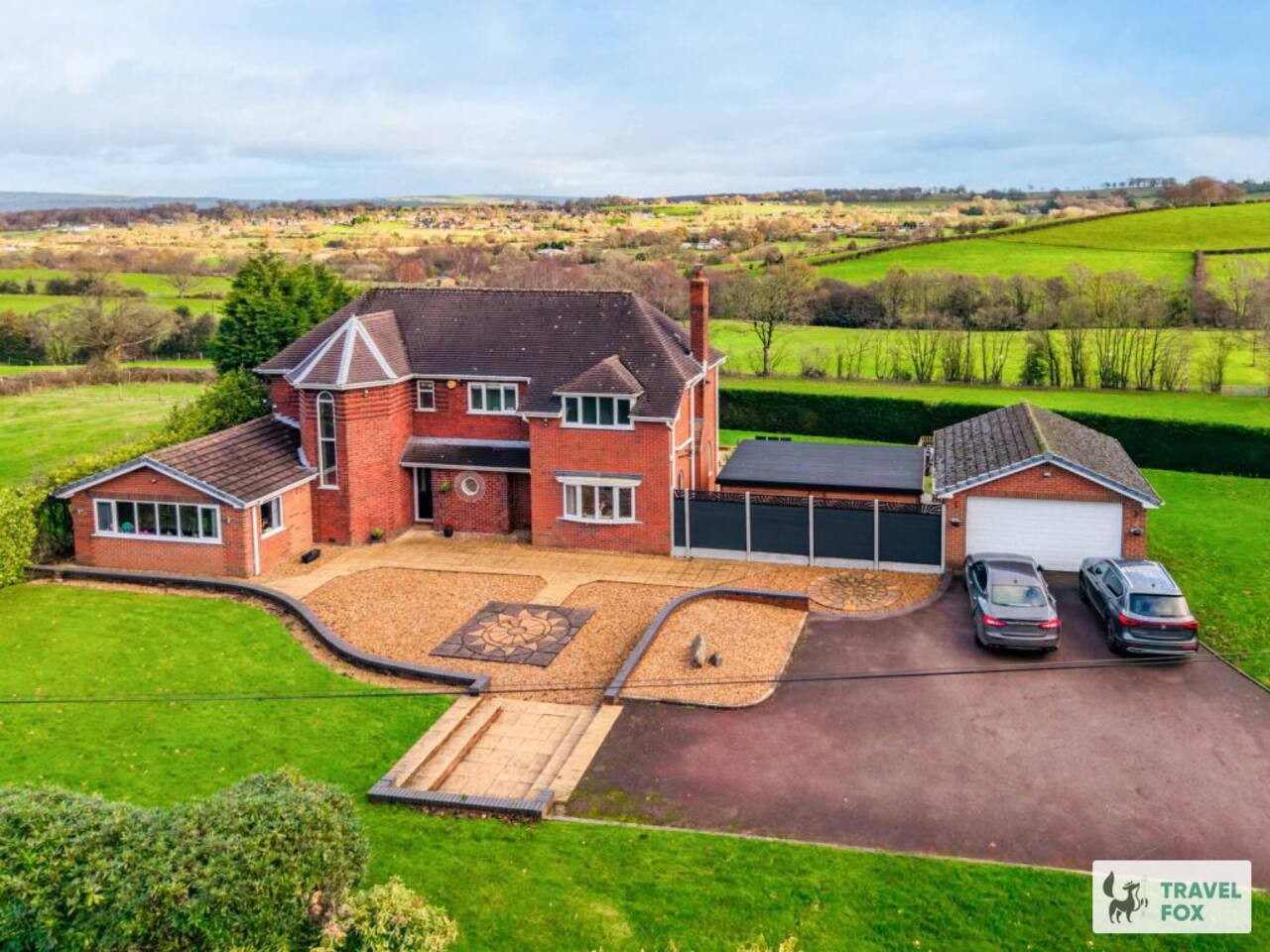
Cheddleton
Greenways House - Parking, Pool Table and Garden!
- Sleeps 10
- 4 bedrooms
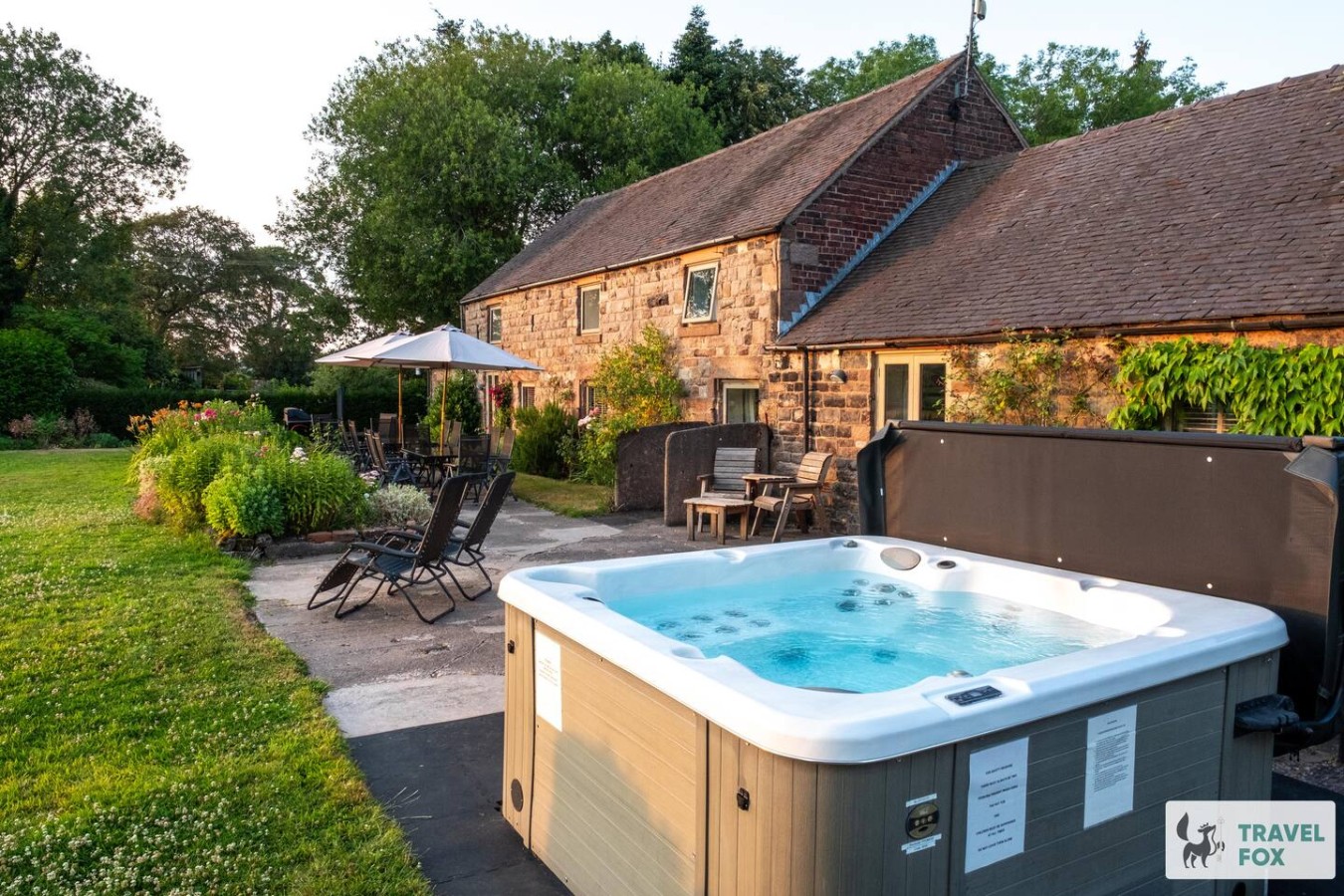
Cheddleton
Lee House Cottage + Annexe
- Sleeps 19
- 8 bedrooms
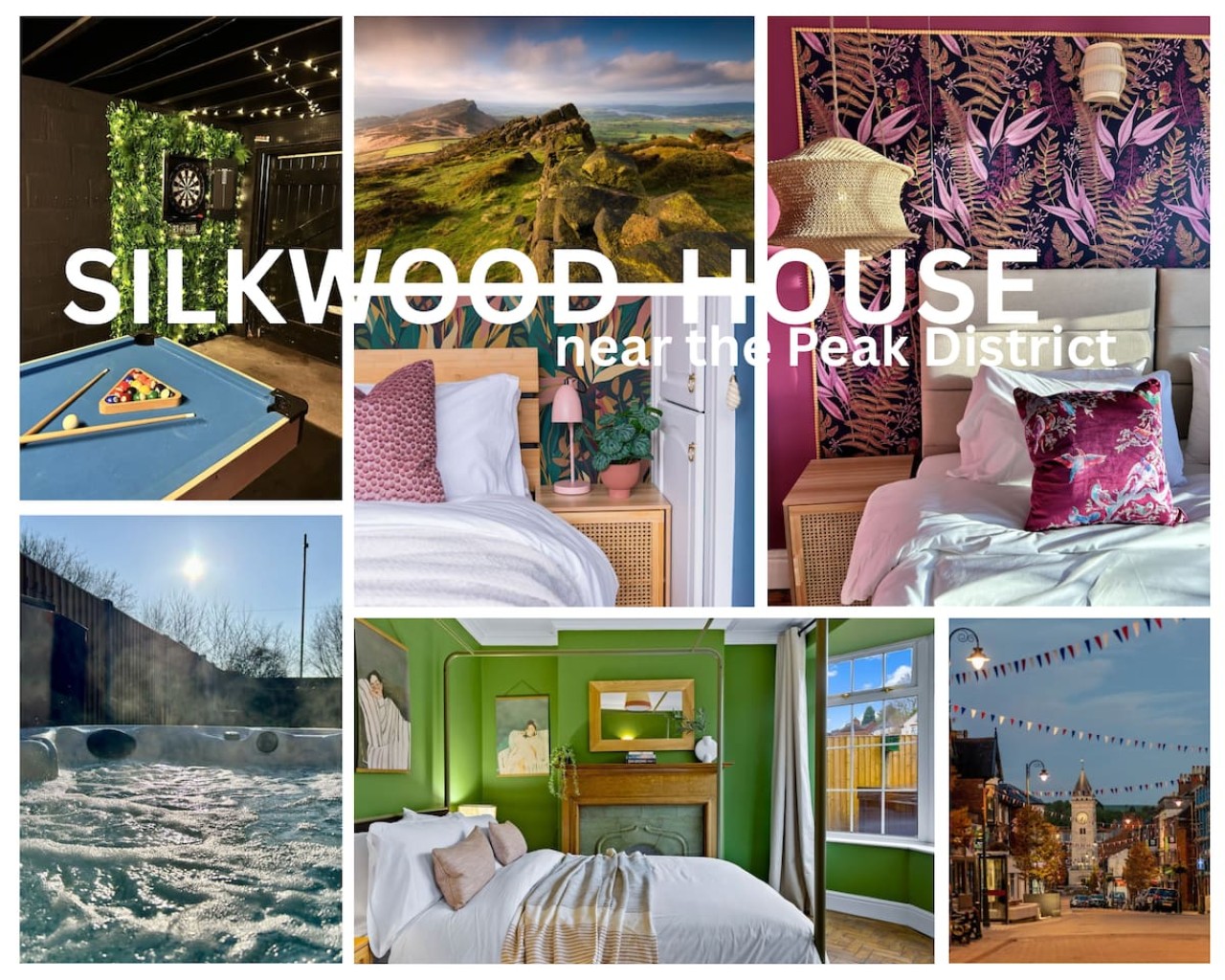
Leek
Silkwood House | Boutique 4 Bed nr. Peak District
- Sleeps 8
- 4 bedrooms
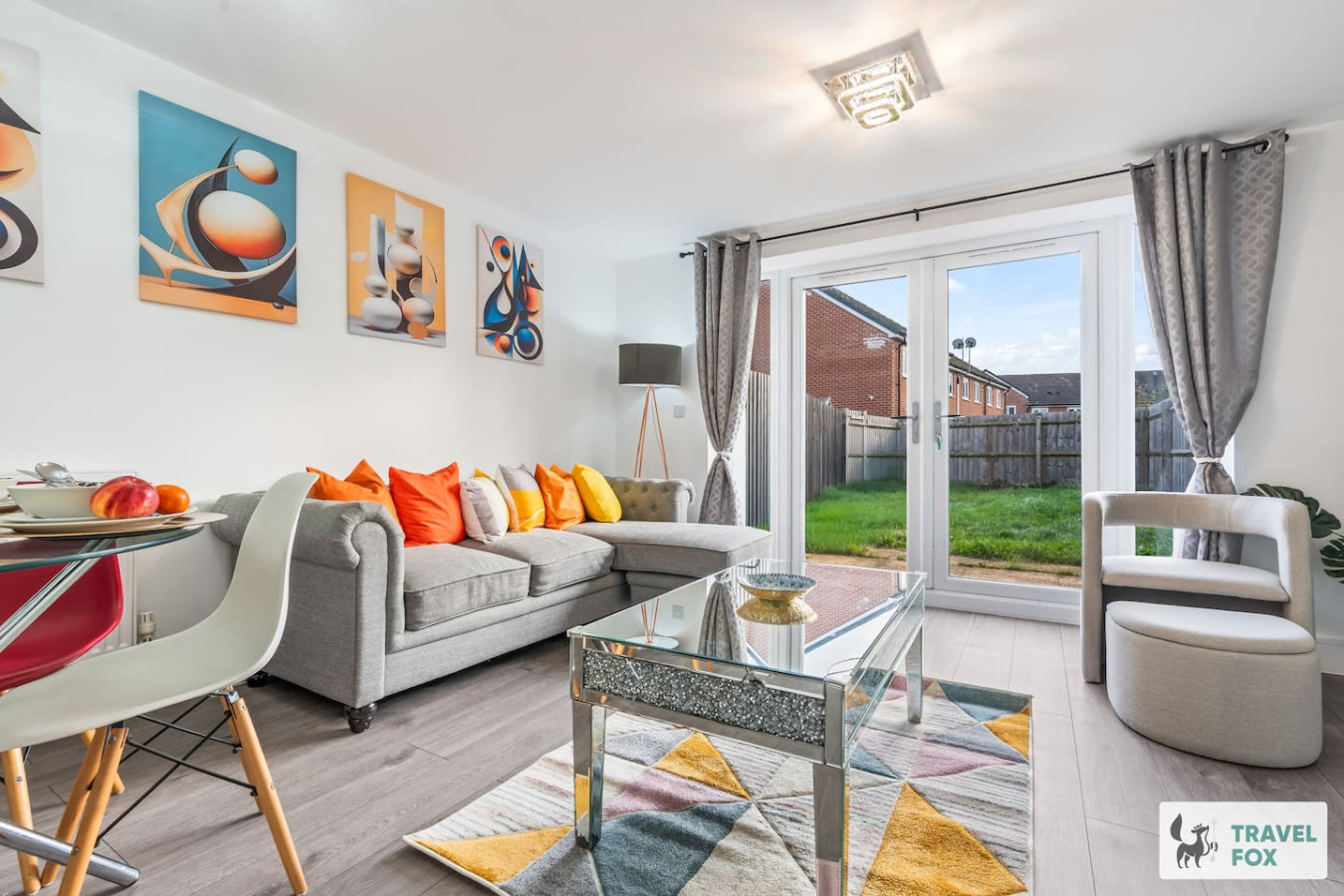
Stoke-on-Trent
Heather's House
- Sleeps 6
- 2 bedrooms
For homeowners
Own a holiday home near Pattingham?
We manage holiday lets across Staffordshire from 12% commission, charged after cleaning costs, with no lock-in. A co-founder visits before you decide.
Holiday let management in Staffordshire →
A guide with a point of view
Written from research. Edited for real journeys.
Use the Official site links for live practical details, then use this guide for context, ideas and room to explore.
Photography credits & licences
Third-party photographs are credited to their named creators and reused under the linked Creative Commons licence or public-domain dedication. Travel Fox stores an optimised local copy; the file-specific changes and any browser-applied display crop are disclosed below. Reused photographs link both to the Wikimedia Commons source record and to the declared source image; Travel Fox's own photographs carry no such record and are marked as ours. These image licences do not cover Travel Fox text, branding or page design.
- File:St Chad's Church, Pattingham.jpg — photograph by Roger Kidd; Roger Kidd. Source record on Wikimedia Commons. Declared source image. Licence: CC BY-SA 2.0. File changes: Downloaded from Wikimedia Commons, resized to a maximum 1920px edge and encoded as an optimised JPEG. Display changes: Displayed with responsive CSS cropping.
Sources
Every place on this page is checked against a published source. Each entry links the record we used and names who publishes it.
- St Chad's Church — historicengland.org.uk statutory register or public authority record not machine-readable; publisher restricts automated access
- The Pigot Arms — thepigotarms.co.uk operator, sector body or destination organisation
- The Crown Bar & Kitchen — ratings.food.gov.uk statutory register or public authority
- Pattingham Playing Fields — pattingham-pc.gov.uk statutory register or public authority
- Pattingham Village Hall — pattinghamvillagehall.org operator, sector body or destination organisation record not machine-readable; publisher restricts automated access
- Pattingham–Patshull Footpaths — patshullparkestate.com operator, sector body or destination organisation