
Village paths and deep history
Wigginton
A small Staffordshire village with church detail, waymarked countryside and Tamworth's attractions close by.
- Best for
- Church detail, country walks and a pub stop
- Give it
- A half day in the village, or longer with Tamworth
- Don't miss
- St Leonard's porch and Kempe glass
The Fox verdict
A village break with several layers
Wigginton combines a characterful church and parish paths with two useful pub stops and easy links to Tamworth.
Come for St Leonard's architectural detail, the Samuel Parkes memorial and a choice of waymarked circular walks. The Old Crown makes a natural village stop, while Hopwas Hays Wood and Tamworth's castle, park and indoor snow centre broaden a longer day.
Where to go
Places in Wigginton
Every place below is checked against a published source, listed with what it is and how long to give it.
Local signatures
3 placesThe Old Crown
A traditional country pub with an all-day menu, real ale, a dog-friendly bar, rear beer garden and a large adjoining field.
- Visit length
- Editorial estimate: allow around 90 minutes
- Locality
- Main Road, Wigginton
Samuel Parkes VC War Memorial
The village memorial to Wigginton-born Samuel Parkes, who received the Victoria Cross for his actions during the Charge of the Light Brigade.
- Visit length
- Editorial estimate: allow around 20 minutes
- Locality
- Wigginton
SnowDome
An indoor real-snow centre for skiing, snowboarding and tobogganing, with an ice rink and swimming pool.
- Visit length
- Editorial estimate: allow around 2 hours
- Locality
- Tamworth
Walks & outdoors
1 placeHopwas Hays Wood
About 385 acres of ancient mixed broadleaf woodland beside the Coventry Canal, with public-route access subject to the firing-range warning.
- Visit length
- Editorial estimate: allow around 1 hour 45 minutes
- Locality
- Hopwas
- Access
- Part of the wood overlaps an MOD firing range; check firing times and follow signed public routes.
History & heritage
2 placesSt Leonard's Church
A Grade II listed church distinguished by an oculus-flanked west porch, a Tuscan-column bell turret and two Charles Eamer Kempe windows.
- Visit length
- Editorial estimate: allow around 45 minutes
- Locality
- Wigginton
- Access
- Interior opening arrangements were not confirmed in the research; check before relying on interior access.
Tamworth Castle
A well-preserved Norman motte-and-bailey castle whose visitor route includes battlements to climb.
- Visit length
- Editorial estimate: allow around 90 minutes
- Locality
- Tamworth town centre
Things to do
1 placeWigginton Park
A 45-acre Tamworth park with children's play equipment, sports pitches, a covered football area and an outdoor gym.
- Visit length
- Editorial estimate: allow around 75 minutes
- Locality
- Tamworth town
- Access
- Despite its name, this park is in Tamworth and not in Wigginton village.
No places match this filter. Choose All places to reset the list.
Three ways to explore Wigginton
Signature outings
Porch, turret and Kempe glass
St Leonard's pairs its oculus-flanked porch and column-borne bell turret with two memorial windows by Charles Eamer Kempe.
A castle above the town
Tamworth Castle adds a nearby Norman motte-and-bailey stronghold with battlements open to the visitor route.
Ancient broadleaf by the canal
Hopwas Hays Wood brings oak, birch and hazel beside the Coventry Canal, with firing times to check before setting out.
The village story
Wigginton Village Guide
Pubs, church architecture, parish paths and deep local history on Tamworth's northern edge.
The Old Crown and its summer field
The Old Crown, on Main Road, has an Amazon Locker by the door and real ale knocked down to half price every Monday. It's a Marston's tenancy doing the traditional things well: sirloins, roast beef, fish and chips, an all-day menu with regular deals, a gluten-free menu for anyone who needs one. Dogs are welcome throughout the bar. There's a pool table, darts, dominoes, a real fire, and a quiz on Tuesdays. Live music plays the last Saturday of most months.
Round the back is a proper beer garden, plus a large adjoining field with goal posts for the kids and an outside bar that opens through the summer. CAMRA describes it as "a delightful, dog friendly country pub" with "a huge field & outside bar with fantastic views; open in the summer months." The pub also does weddings, which the field presumably helps with.
A boundary pub and a family farm
About 0.6 miles south, measured in a straight line, in Tamworth you'll find The Wigginton, a gastropub with pizza and pub classics, its own enclosed beer garden, and Sky Sports on the big screens. It's named after the village and closely tied to it, though the address technically sits just over the parish boundary in Tamworth.
There's no village shop, butcher or post office in Wigginton itself. What there is instead is a turkey farm. Richard Calcott started at sixteen with fifty birds; the farm now rears around two thousand turkeys a year, supplying local butchers and farm shops, run with his wife Deborah and sons Edward, William and George. It won Taste of Staffordshire in 2018.
Church fabric, parish paths and old ground
St Leonard's Church sits with a west porch flanked by circular oculus windows and a square bell turret carried on two Tuscan columns. Inside, cast-iron columns divide the nave from the aisle, and two stained-glass windows by Charles Eamer Kempe, installed in 1897, commemorate a vicar who served the parish for thirty-two years. The lychgate was put up in memory of Charles Edward Mercer, organist and choirmaster here for fifty years. Medieval Wigginton's chapel was attached to St Editha's Collegiate Church in Tamworth, with a Prebendary of Wigginton and Comberford recorded continuously from 1290 until the post was dissolved at the Reformation in 1548.
Six waymarked circular walks, colour-coded by the parish council, fan out from the village, including routes to Syerscote and along the Anker Valley. Hopwas Hays Wood, reached via the neighbouring village of Hopwas, is 385 acres of ancient broadleaf woodland running alongside the Coventry Canal — part of it overlaps an MOD firing range, so it's worth checking firing times before you set off. Closer to home, ridge-and-furrow earthworks still ripple through the fields, and at the north end of the village the outline of a shrunken medieval settlement survives in the ground. A Bronze Age barrow known as Robin Hood's Butt once stood nearby; it's been ploughed flat, but people still know roughly where it was.
From Wigetone to village lives
Domesday recorded the place as Wigetone: eight villans, a bordar and a serf, worth thirty shillings before the Conquest and four pounds by 1086. Samuel Parkes, born here, won the Victoria Cross at the Charge of the Light Brigade for fighting off two Cossacks after his own horse was shot from under him. Gene Kemp, who wrote The Turbulent Term of Tyke Tiler and won the Carnegie Medal for it, was born in the village too, and started her Tamworth Pig books not far from here.
Tamworth connections and a fifty-year tribute
Tamworth station, on the West Coast Main Line, is about 1.4 miles south; the A513 runs past the village, and Tamworth's own castle and SnowDome are about 1.7 and 1.9 miles away, all measured in a straight line. Fifty years is a long time to play the organ in one church. Someone in the village clearly thought so too.
Stay around Staffordshire
Make a longer stay of it
Travel Fox holiday homes around Staffordshire, linked directly to their property pages.
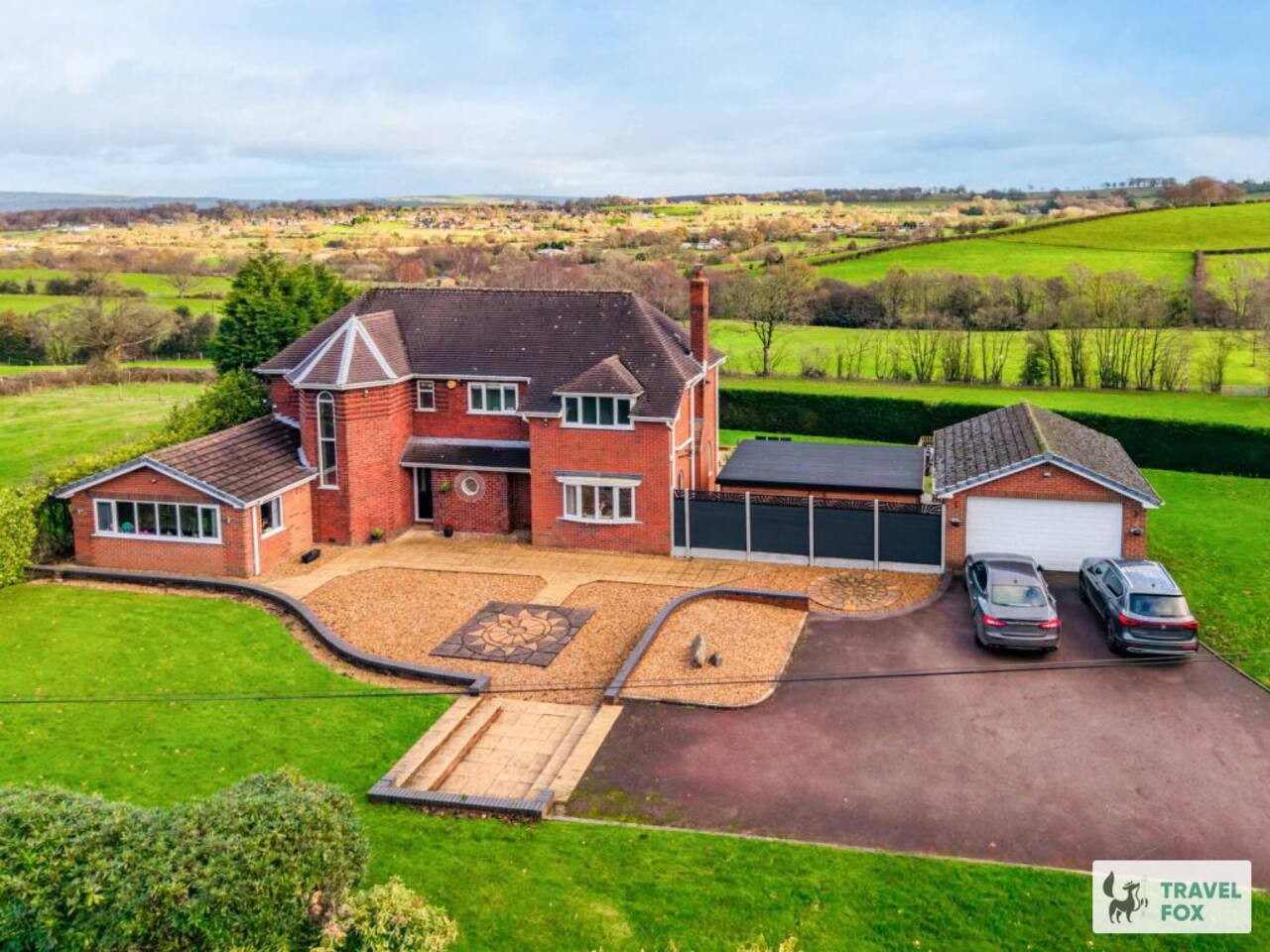
Cheddleton
Greenways House - Parking, Pool Table and Garden!
- Sleeps 10
- 4 bedrooms
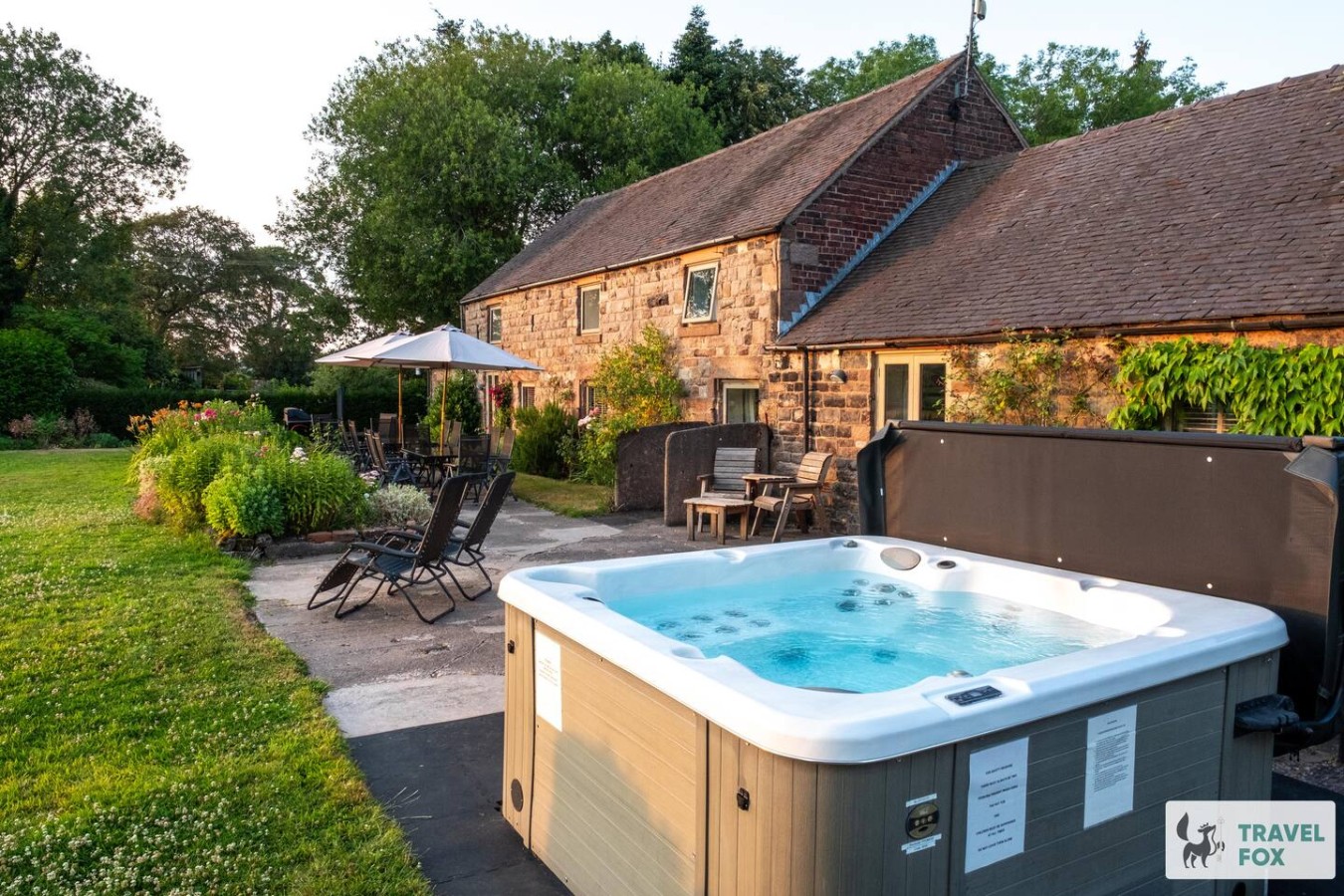
Cheddleton
Lee House Cottage + Annexe
- Sleeps 19
- 8 bedrooms
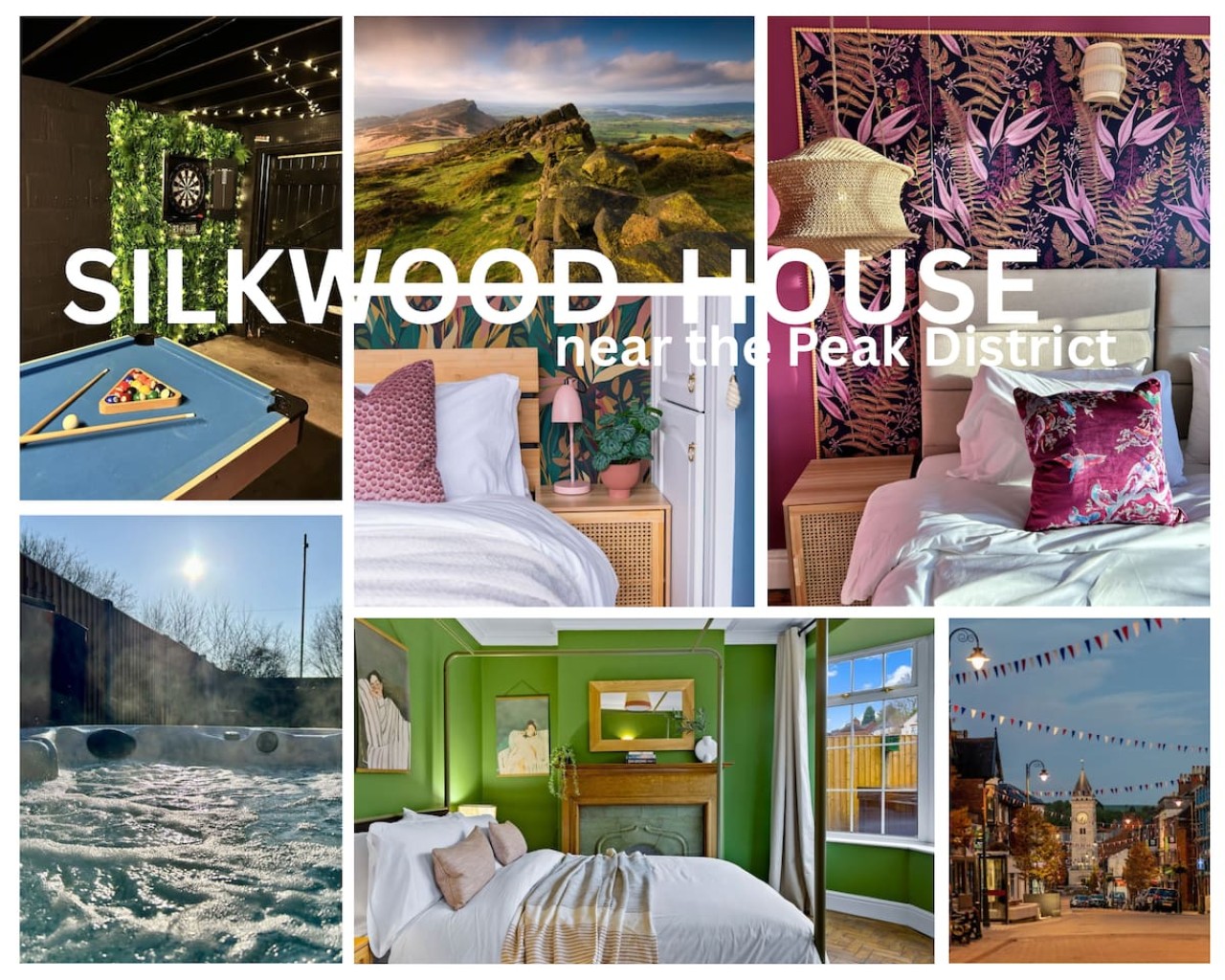
Leek
Silkwood House | Boutique 4 Bed nr. Peak District
- Sleeps 8
- 4 bedrooms
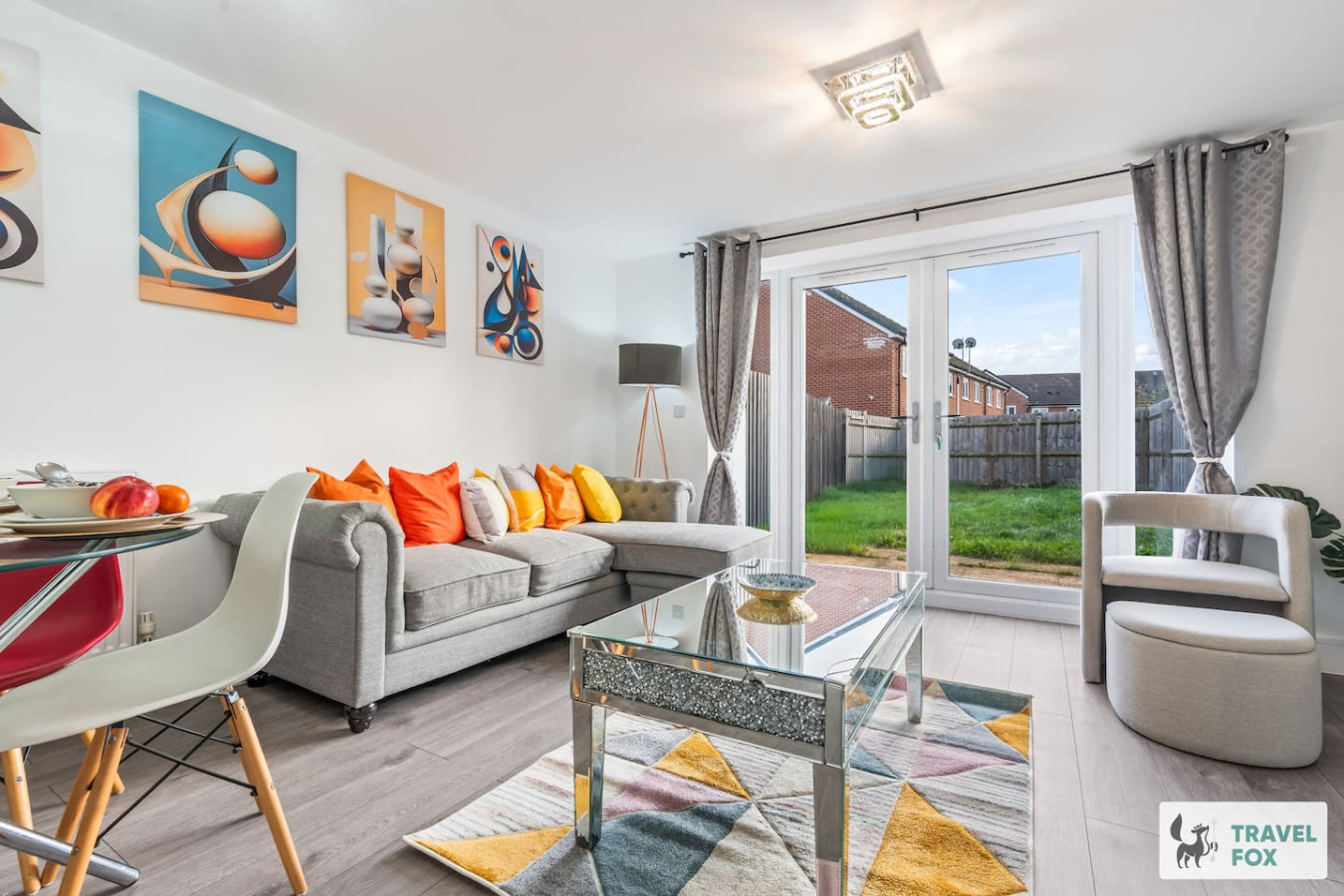
Stoke-on-Trent
Heather's House
- Sleeps 6
- 2 bedrooms
For homeowners
Own a holiday home near Wigginton?
We manage holiday lets across Staffordshire from 12% commission, charged after cleaning costs, with no lock-in. A co-founder visits before you decide.
Holiday let management in Staffordshire →
A guide with a point of view
Written from research. Edited for real journeys.
Use the Official site links for live practical details, then use this guide for context, ideas and room to explore.
Sources
Every place on this page is checked against a published source. Each entry links the record we used and names who publishes it.
- The Old Crown — oldcrownwiggintontamworth.co.uk operator, sector body or destination organisation
- St Leonard's Church — historicengland.org.uk statutory register or public authority record not machine-readable; publisher restricts automated access
- Hopwas Hays Wood — wiggintonandhopwas-pc.gov.uk statutory register or public authority
- Samuel Parkes VC War Memorial — wiggintonandhopwas-pc.gov.uk statutory register or public authority
- Wigginton Park — tamworth.gov.uk statutory register or public authority
- Tamworth Castle — tamworthcastle.co.uk operator, sector body or destination organisation
- SnowDome — snowdome.co.uk operator, sector body or destination organisation