

Canals, cricket and village paths
Wombourne
Follow the brook, former railway and canal before returning to a historic green, a singular parish church and characterful pubs.
- Best for
- Level walks, canal heritage and village pubs
- Give it
- Editorial estimate: allow a relaxed half day on foot
- Don't miss
- The Bratch Locks and St Benedict Biscop Church
Photo: Roger Kidd · CC BY-SA 2.0 · cropped
The Fox verdict
A village shaped by water, work and recreation
Wombourne combines practical walking routes with canal engineering, a historic church, a long-established sporting green and traditional pubs.
The Wom Brook, former branch railway and Staffordshire & Worcestershire Canal give a visit three distinct threads, while the church, cricket green and High Street pubs keep the historic core rewarding at a slower pace.
Where to go
Places in Wombourne
Every place below is checked against a published source, listed with what it is and how long to give it.
Local signatures
3 placesWom Brook Walk
A Local Nature Reserve route following the brook through meadow and woodland in four linkable sections.
- Visit length
- Editorial estimate: allow around 75 minutes for the linked route
- Locality
- along the Wom Brook through the village
South Staffordshire Railway Walk
A walking route on the former Wombourne branch-line trackbed, linking toward Wolverhampton and Himley through the Smestow Valley.
- Visit length
- Editorial estimate: allow around 90 minutes for a Wombourne section
- Locality
- on the former branch line through Wombourne
Wombourne Cricket, Tennis & Bowls Club
A long-established club on recreation land gifted to the village in 1875, with cricket, tennis courts, bowling greens and practice nets.
- Visit length
- Editorial estimate: allow around 45 minutes
- Locality
- Church Road at the village green
Food & drink
3 placesRound Oak Inn
Wombourne's oldest pub, built in the 1700s, with six changing real ales, a canal-side garden, boat moorings and dog-friendly areas.
- Visit length
- Editorial estimate: allow around 75 minutes
- Locality
- Ounsdale Road beside the canal
- Access
- Check the official site for current food service and opening details.
The Vine
An early-1700s dwelling that became an inn in 1851, retaining beams and an inglenook fireplace and serving familiar pub classics.
- Visit length
- Editorial estimate: allow around 75 minutes
- Locality
- High Street
- Access
- Check the official site for current food service and opening details.
Old Bush
One of Wombourne's historic pubs, with Black Country Ales, traditional cobs and pork pies, a log fire and pub games.
- Visit length
- Editorial estimate: allow around 60 minutes
- Locality
- High Street
- Access
- Check the official site for current opening details.
History & heritage
2 places
Bratch Locks
A noted group of three canal locks, first planned as a staircase by James Brindley, with an octagonal toll house nearby.
- Visit length
- Editorial estimate: allow around 45 minutes
- Locality
- at the Bratch beside Wombourne
St Benedict Biscop Church
England's only parish church dedicated to Benedict Biscop, with a 14th-century west tower and a church body largely rebuilt by George Edmund Street.
- Visit length
- Editorial estimate: allow around 45 minutes
- Locality
- Beside the village green
Things to do
1 placeWombourne Leisure Centre
A South Staffordshire District Council facility in Wombourne.
- Visit length
- Editorial estimate: allow around 90 minutes for an activity session
- Locality
- in Wombourne
- Access
- Check the council page for current sessions, booking requirements and access.
No places match this filter. Choose All places to reset the list.
Three ways to explore Wombourne
Signature outings
Canal-side pub stop
The Round Oak Inn pairs Wombourne's oldest pub with a canal-side garden, boat moorings and changing real ales.
A unique dedication
St Benedict Biscop's is the only English parish church with its dedication, and its 14th-century west tower is the oldest surviving part.
Brindley's lock legacy
The Bratch presents three historic locks and an octagonal toll house about 1.3 km north of the village centre.
The village story
Wombourne Village Guide
Pubs, paths, parish history and the afterlife of a village railway.
Canal-side and High Street Pubs
The Round Oak Inn sits directly on the Staffordshire & Worcestershire Canal, its beer garden running down to the water, with moorings for boats. It's the oldest pub in the village, built in the 1700s on Ounsdale Road, and dog walkers off the towpath treat it as a natural stopping point, though a couple of areas are kept dog-free. Six real ales rotate through, and the early-bird deal, two main courses for £14 or two desserts for £7, is what gets people talking about the chocolate bread and butter pudding.
Up on High Street, The Vine started out as a private house in the early 1700s before becoming an inn in 1851, and still has its beams and inglenook fireplace; Sunday roasts, fish and chips and burgers are the regular order. Further along, the Old Bush runs twelve pumps of Black Country Ales — three regulars, seven that change — under licensees Debbie and Richard Goode, with cobs and pork pies made fresh daily and a log fire behind the games. It's one of Wombourne's three original pubs, along with the Green Man and the Greyhound; the Greyhound is flats now, houses built over its old beer garden.
Local Food and Linear Walks
For food to take home rather than eat out, Boxley's of Wombourne has been a butcher and deli since 1985. Their pork pie won National Meat Product Champion at the Bakers and Butchers Fair, and the sausages have their own awards too.
Three walks run through or near it. The Wom Brook Walk follows the brook for a mile and a half through meadow and woodland, in four linkable sections; a Little Egret turned up there in 2010, the first one recorded on the reserve. The canal towpath runs the length of the village's western edge, south to Kidderminster and Stourport-on-Severn, north past the Bratch Locks and their octagonal toll house towards Wolverhampton and Stafford. The old railway line north is a walking path too.
The Green and Parish Church
The green next to the church still hosts cricket. The club formed around 1860 on land the Shaw-Hellier family gave the village in 1875 "for the sole purpose of recreation," and tennis courts and bowling greens followed. A southern bypass has carried the Dudley–Bridgnorth–Telford traffic around the edge of the village since 1988.
St Benedict Biscop's is the only parish church in England dedicated to Benedict Biscop, the 7th-century founder of Monkwearmouth-Jarrow Abbey who taught the Venerable Bede. The 14th-century west tower is the oldest part standing; the rest was rebuilt twice, most recently in 1866–67 by George Edmund Street. Inside there's a memorial to Richard Bailey Marsh by the sculptor Francis Chantrey, a kneeling woman mourning beside an urn.
Domesday and Nailmaking
Domesday valued the whole manor at three pounds and recorded a priest among its thirteen villagers, so there was already a church here in 1086. Nailmaking came later and peaked at eighteen nailshops in the early 1800s; William White, writing in 1851, described a village "occupied chiefly by nailors, who work for the neighbouring manufacturers." By 1889 there wasn't one left.
The Station After the Trains
The old station closed to passengers in 1932, and nobody has run a train through Wombourne since. The platform building is still there, though, doing business now as a café — so you can sit and have your tea exactly where the trains used to stop.
Stay around Staffordshire
Make a longer stay of it
Travel Fox holiday homes around Staffordshire, linked directly to their property pages.
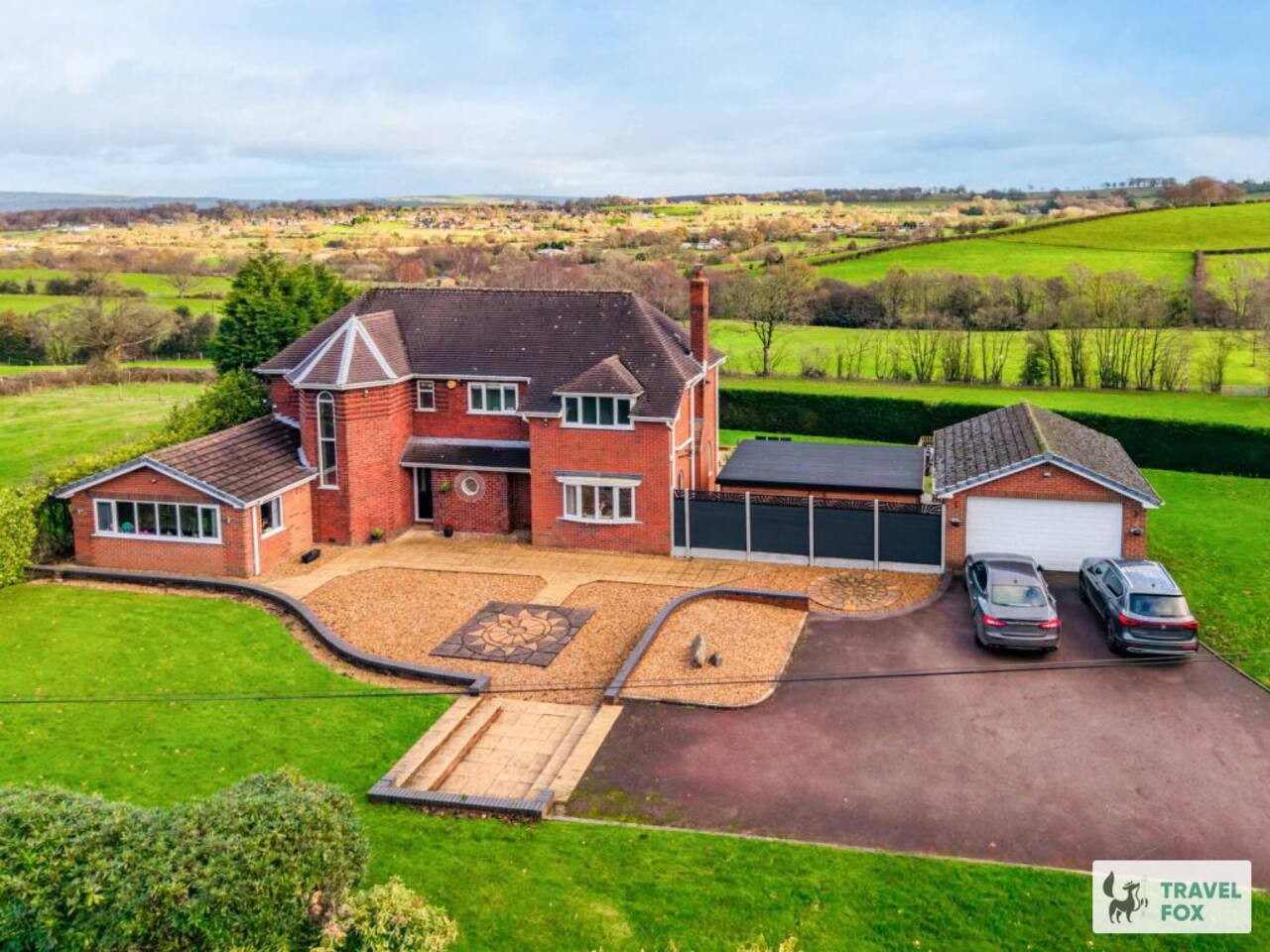
Cheddleton
Greenways House - Parking, Pool Table and Garden!
- Sleeps 10
- 4 bedrooms
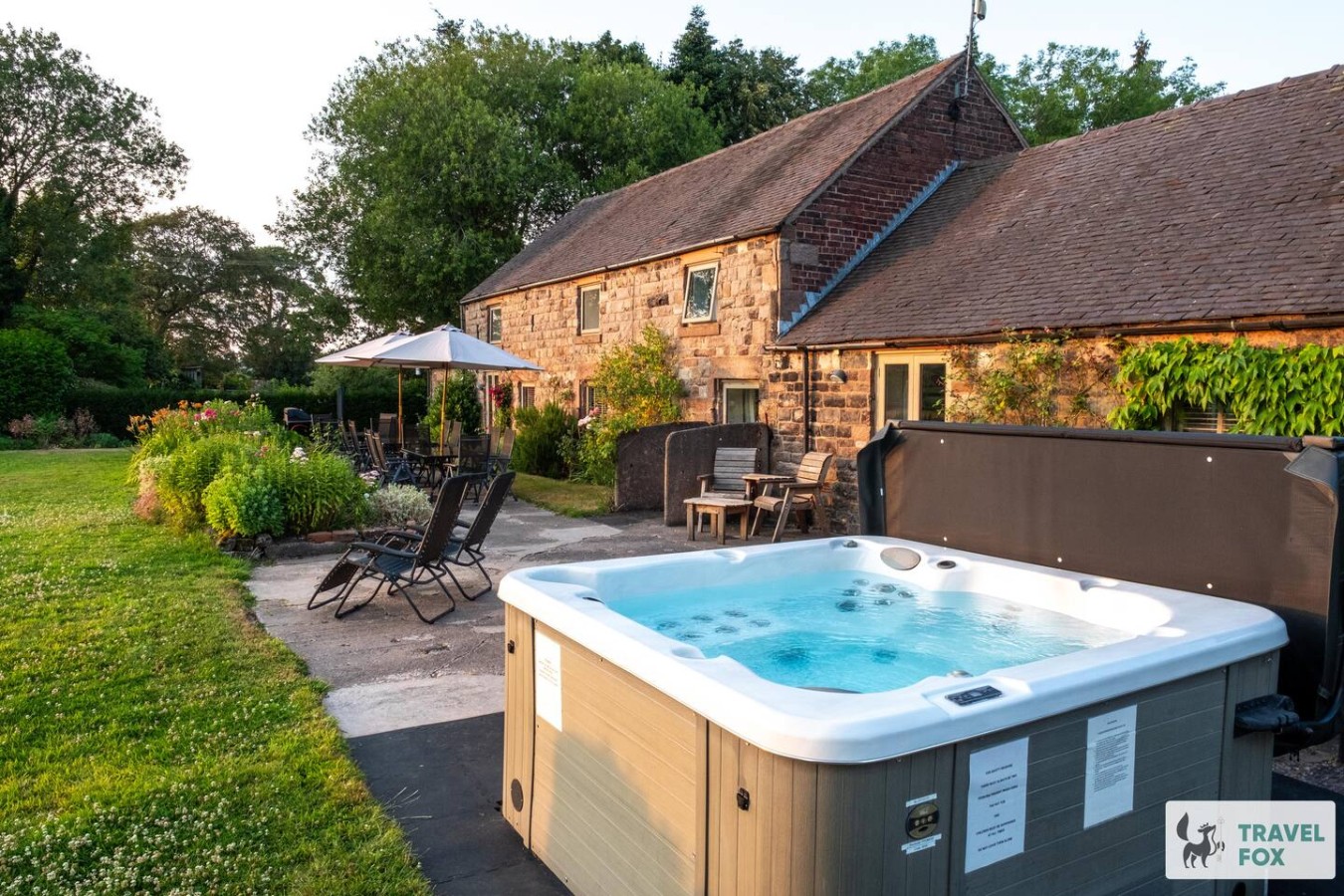
Cheddleton
Lee House Cottage + Annexe
- Sleeps 19
- 8 bedrooms
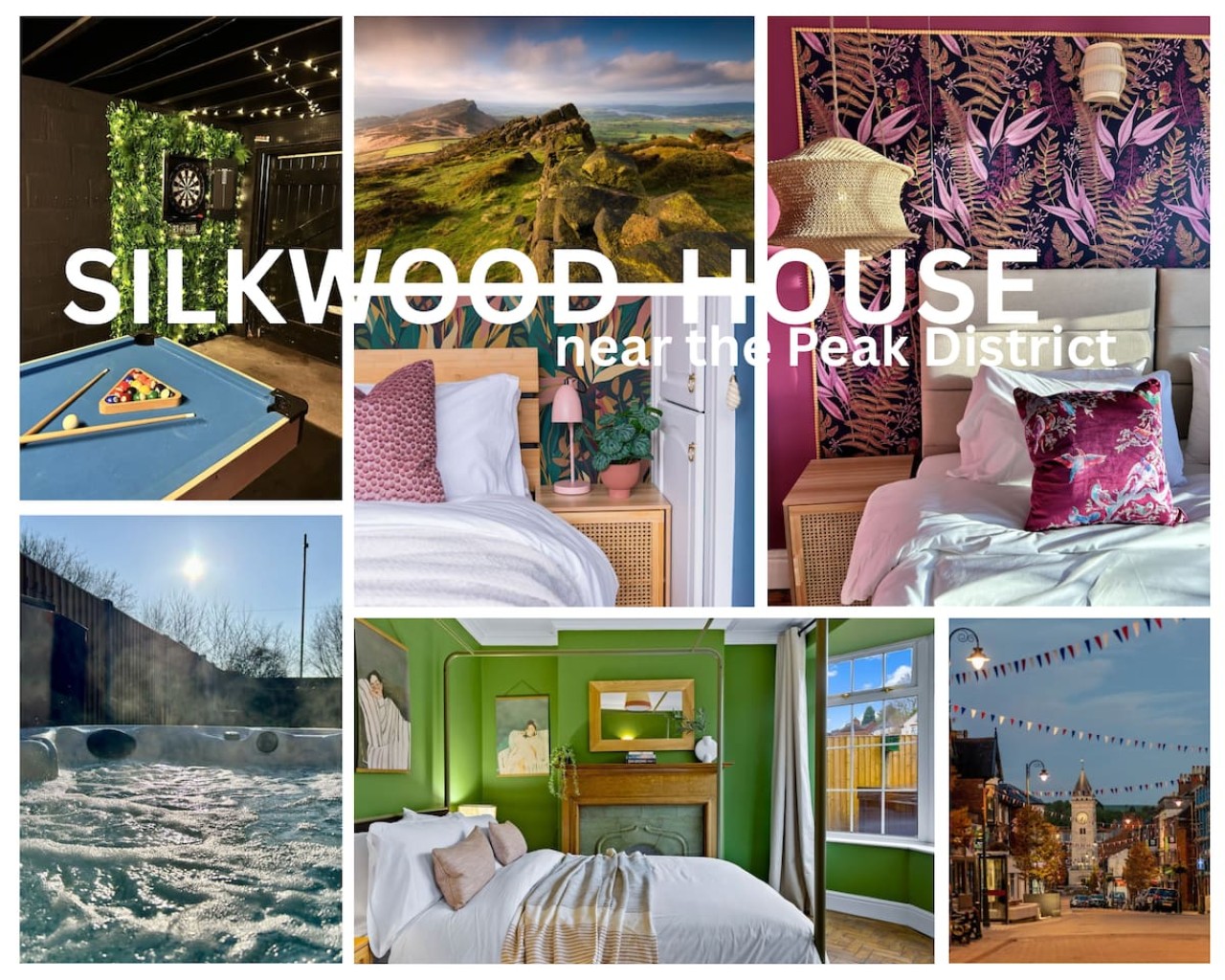
Leek
Silkwood House | Boutique 4 Bed nr. Peak District
- Sleeps 8
- 4 bedrooms
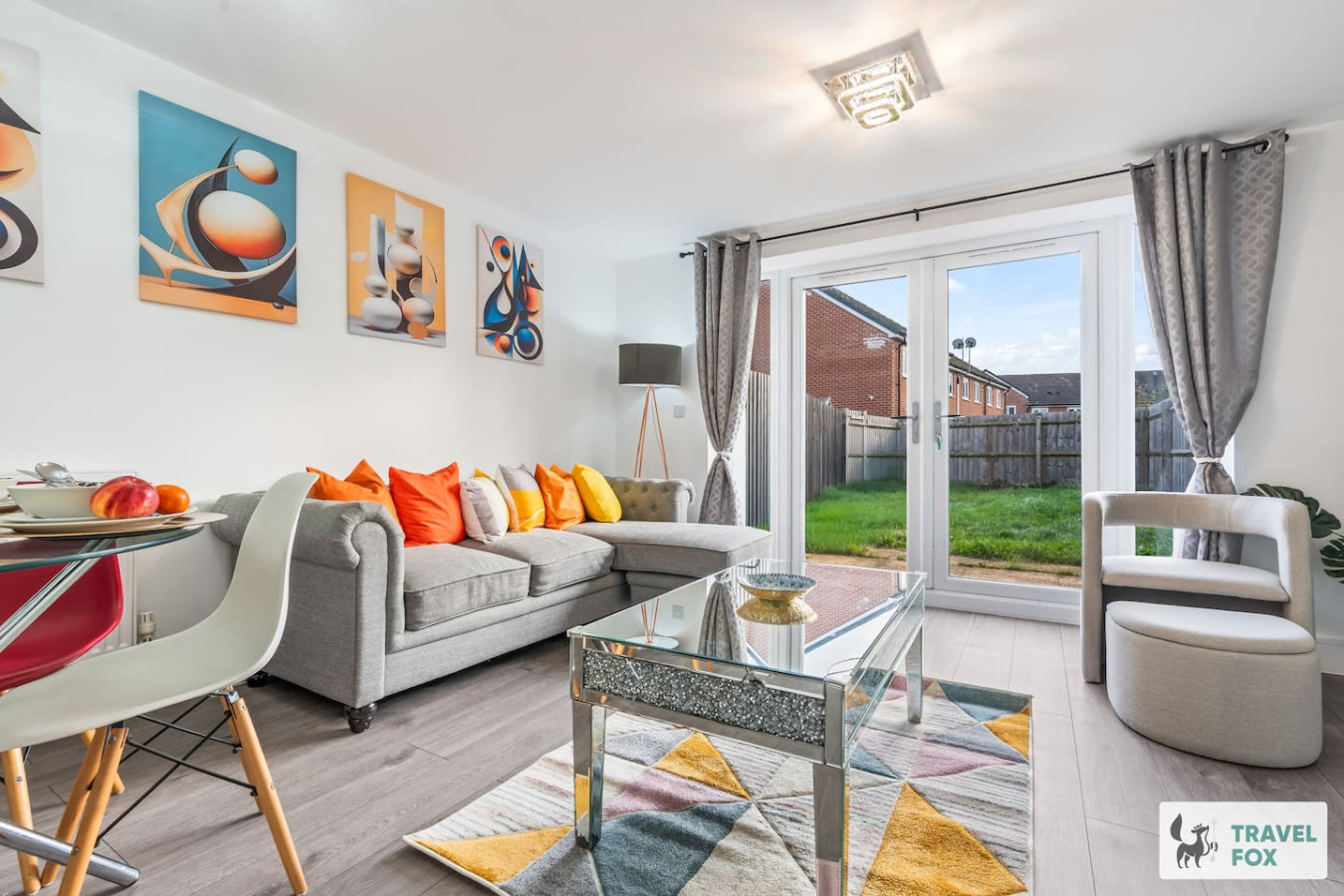
Stoke-on-Trent
Heather's House
- Sleeps 6
- 2 bedrooms
For homeowners
Own a holiday home near Wombourne?
We manage holiday lets across Staffordshire from 12% commission, charged after cleaning costs, with no lock-in. A co-founder visits before you decide.
Holiday let management in Staffordshire →
A guide with a point of view
Written from research. Edited for real journeys.
Use the Official site links for live practical details, then use this guide for context, ideas and room to explore.
Photography credits & licences
Third-party photographs are credited to their named creators and reused under the linked Creative Commons licence or public-domain dedication. Travel Fox stores an optimised local copy; the file-specific changes and any browser-applied display crop are disclosed below. Reused photographs link both to the Wikimedia Commons source record and to the declared source image; Travel Fox's own photographs carry no such record and are marked as ours. These image licences do not cover Travel Fox text, branding or page design.
- File:Bratch Locks north of Wombourne, Staffordshire - geograph.org.uk - 3998029.jpg — photograph by Roger Kidd; Bratch Locks north of Wombourne, Staffordshire by Roger Kidd. Source record on Wikimedia Commons. Declared source image. Licence: CC BY-SA 2.0. File changes: Downloaded from Wikimedia Commons, resized to a maximum 1920px edge and encoded as an optimised JPEG. Display changes: Displayed with responsive CSS cropping.
Sources
Every place on this page is checked against a published source. Each entry links the record we used and names who publishes it.
- Round Oak Inn — roundoakinn.com operator, sector body or destination organisation record not machine-readable; publisher restricts automated access
- The Vine — vintageinn.co.uk other published source record not machine-readable; publisher restricts automated access
- Old Bush — blackcountryales.co.uk other published source
- Wom Brook Walk — sstaffs.gov.uk statutory register or public authority
- South Staffordshire Railway Walk — sstaffs.gov.uk statutory register or public authority
- Bratch Locks — canalrivertrust.org.uk national body or asset manager
- St Benedict Biscop Church — historicengland.org.uk statutory register or public authority record not machine-readable; publisher restricts automated access
- Wombourne Cricket, Tennis & Bowls Club — wombournectb.club operator, sector body or destination organisation
- Wombourne Leisure Centre — sstaffs.gov.uk statutory register or public authority