
Staffordshire Moorlands
Cauldon
A small limestone village where an extraordinary pub, a quarry-built altar and the slopes of Cauldon Low hold the story together.
- Best for
- Pub curios and limestone history
- Give it
- A half day, or longer with a nearby stop
- Don't miss
- The quarry-stone church altar
The Fox verdict
Come for the pub; stay for the landscape that made it
Cauldon is a compact base for curios, quarry history and easy links into the Manifold and Hamps valleys.
The Yew Tree Inn and the Church of St Mary and St Lawrence give the village a strong sense of place, while nearby trails, valleys and heritage attractions make a fuller day straightforward.
Your picks, your pace
Make Cauldon yours
Choose a mood or build your own list. Your saved stops are an ordering aid, with a direct map route when you are ready.
Local signatures
3 placesYew Tree Inn
A traditional freehouse filled with antiques, working music machines and pub games, with Burton Bridge beer and traditional food booked in advance.
- Visit length
- Editorial estimate: Allow around 1 hour
- Locality
- Church Lane, Cauldon
- Access
- Book food ahead and check the Official site before travel.
Church of St Mary and St Lawrence
A Grade II church built largely in the late 18th century, with an altar assembled from the parish's different quarry stones and a 72-name war memorial.
- Visit length
- Editorial estimate: Allow around 30 minutes
- Locality
- Cauldon village
Alton Towers
A nearby theme park and gardens within easy reach of Cauldon, suited to the major-attraction portion of a longer local day.
- Visit length
- Editorial estimate: Allow around 3 hours
- Locality
- Alton
- Access
- Check the Official site before travel.
Walks & outdoors
3 placesManifold Way
From the Manifold Trail car park in Waterhouses, a largely flat, surfaced former railway trackbed through the Manifold and Hamps valleys, shared by walkers, cyclists and horse-riders and suitable for family outings.
- Visit length
- Editorial estimate: Allow around 1 hour 30 minutes
- Locality
- Waterhouses
Dovedale Stepping Stones
A Dovedale outing centred on the stepping stones, with Thorpe Cloud and the wider valley forming part of the same trail landscape.
- Visit length
- Editorial estimate: Allow around 1 hour 30 minutes
- Locality
- Dovedale
Ilam Park
Start at Ilam Hall Car Park for National Trust parkland around Ilam Hall, with Ilam Church also identified as part of the nearby visit.
- Visit length
- Editorial estimate: Allow around 1 hour 15 minutes
- Locality
- Ilam
History & heritage
1 placeChurnet Valley Railway
Begin at Kingsley & Froghall Station for a heritage steam railway visit in the Churnet Valley, linked to the wider local story of mineral lines and quarry transport.
- Visit length
- Editorial estimate: Allow around 2 hours
- Locality
- Kingsley & Froghall Station, Froghall
- Access
- Check the Official site before travel.
No places match this filter. Choose All places to reset the list.
On the map
Cauldon at a glance
Tap a marker to jump to its guide card.
Three ways to explore Cauldon
Signature outings
Meet Cauldon's cabinet of curiosities
Settle among antique benches while the player piano, Victorian jukebox and an improbable collection turn a pub stop into the village's defining experience.
Roll out along the Manifold
Walk or cycle the surfaced former railway trackbed from Waterhouses into the Manifold and Hamps valleys.
Cross the River Dove
Make the Dovedale stepping stones the focus of an outing in the same trail landscape as Thorpe Cloud.
The village story
Cauldon: Curios, Quarries and a Tortoise
An eccentric pub opens the door to a village shaped by limestone, lost railways and the moorland beyond.
A Pub That Refuses the Ordinary
Colin the tortoise has his own Royal Mail bicycle, and it lives parked somewhere near the door of the Yew Tree Inn, which tells you most of what you need to know about the place before you have even ordered a drink.
The Yew Tree is the only pub in Cauldon and effectively the only amenity, but it does the work of several. Behind the bar sit two pairs of Queen Victoria's stockings in a glass case, a 3,000-year-old Grecian urn, a penny farthing, a boneshaker bicycle, something labelled the Acme Dog Carrier, and an ancient serpent — the musical instrument, not the animal. A player piano and a Victorian jukebox still work; the jukebox takes 10p a go.
Landlord Alan East, who ran the pub for nearly fifty years after taking it over from his mother, once described it to the Morning Advertiser as "a museum with a licence." Dan and Maisy have run it day-to-day since 2013.
Games, Oatcakes and Old Curios
You eat among church pews and antique settles, some reportedly salvaged from old Alton Towers rides, while Maude the resident dog — barky, by all accounts — lets you know you have arrived. There is no Sky Sports and no television at all. Instead there is darts, dominoes, cribbage, shove ha'penny and table skittles.
Food runs to pork pies and pickled eggs, always available, Staffordshire oatcakes, pie and mash, stews and filled rolls, with vegan options, served until 8pm in winter and 9pm in summer — worth booking ahead. Beer comes from Burton Bridge Brewery, with guest ales occasionally, alongside German lagers.
Quarries Written into the Village
It sits on Church Lane, tucked behind a large yew tree, between a cement works and a quarry, roughly halfway between Leek and Ashbourne — and that cement works is not incidental scenery. The Aggregate Industries plant opened in 1957, commissioned by Hugh Molson after post-war steel shortages, and still produces around 960,000 tonnes of cement a year, close to a tenth of everything used in the UK. The limestone that feeds it comes from Cauldon Low, the hill above the village, whose name comes from the Old English "hlaw," a burial mound.
The church, St Mary and St Lawrence, is Grade II listed and mostly late 18th century. Its altar is built from stone blocks taken from every quarry that has worked the parish — a literal record in masonry. The 1926 war memorial carries 72 names, a lot for a parish this size.
From Caldone to the Manifold
Cauldon barely troubles the Domesday Book. In 1086 it was recorded as "Caldone," under Robert of Stafford, and described simply as waste: no population, no value, one ploughland. It has had more use since.
The Manifold Way, an old railway trackbed now flat and surfaced, runs north from its car park in Waterhouses, about 0.7 miles from Cauldon in a straight line, good for pushchairs and bikes as much as boots. Alton Towers is about 3.6 miles from Cauldon in a straight line; Dovedale and Thor's Cave make separate nearby outings.
Rails, Roads and Colin's Bicycle
There is no working station; the former Caldon Low Halt closed to passengers in 1935, though its mineral line kept hauling quarry stone into the late 1980s. The nearest stations now are Blythe Bridge and Uttoxeter, ten to twelve miles off. The 108 bus, running between Leek and Ashbourne, stops at Cauldon Lowe on the Main Road.
Colin's bicycle, for what it's worth, is real, and so is Colin.
Stay around Alton Towers
Make a longer stay of it
Travel Fox holiday homes around Alton Towers, linked directly to their property pages.
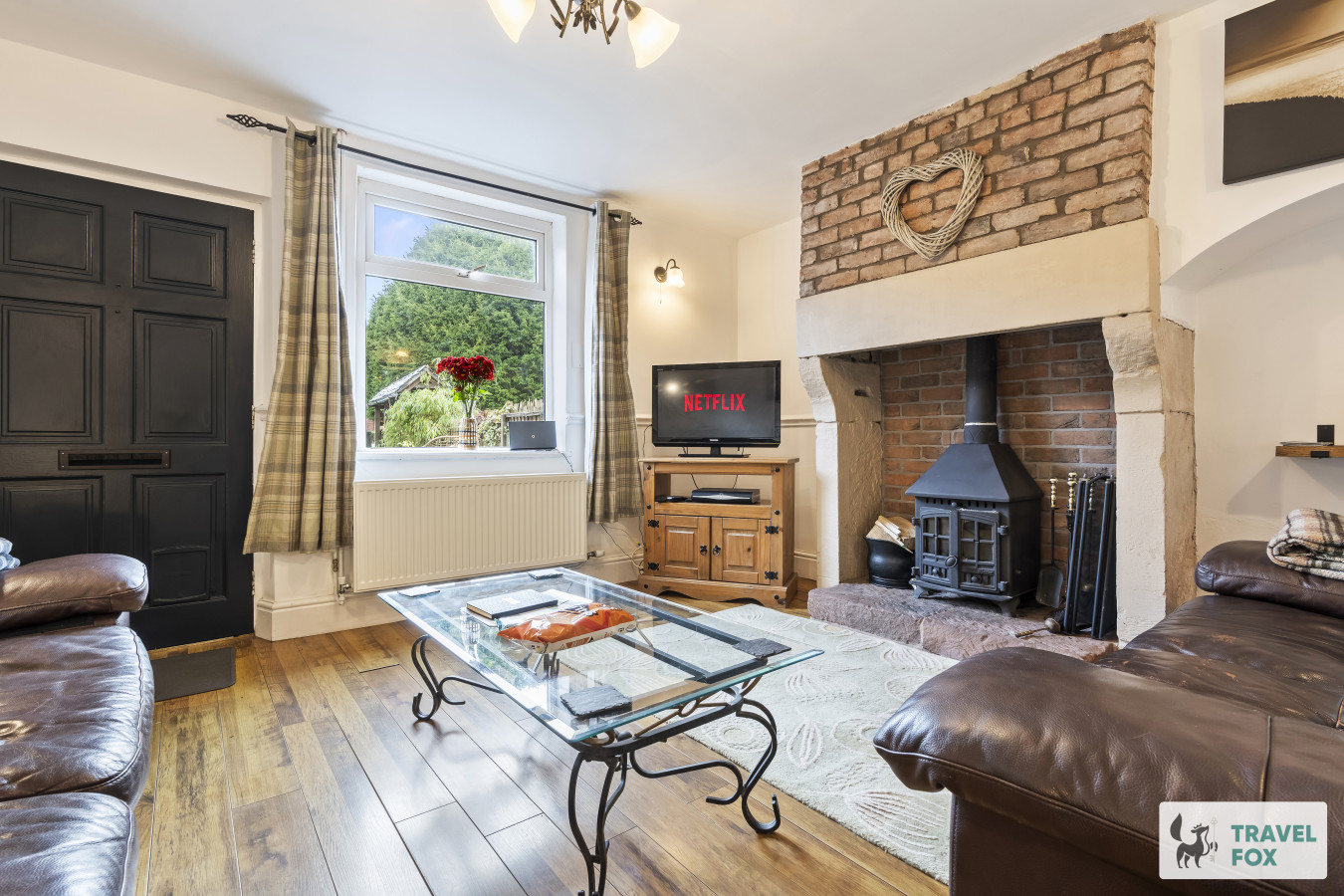
Oakamoor
Christina's House
- Sleeps 4
- 2 bedrooms
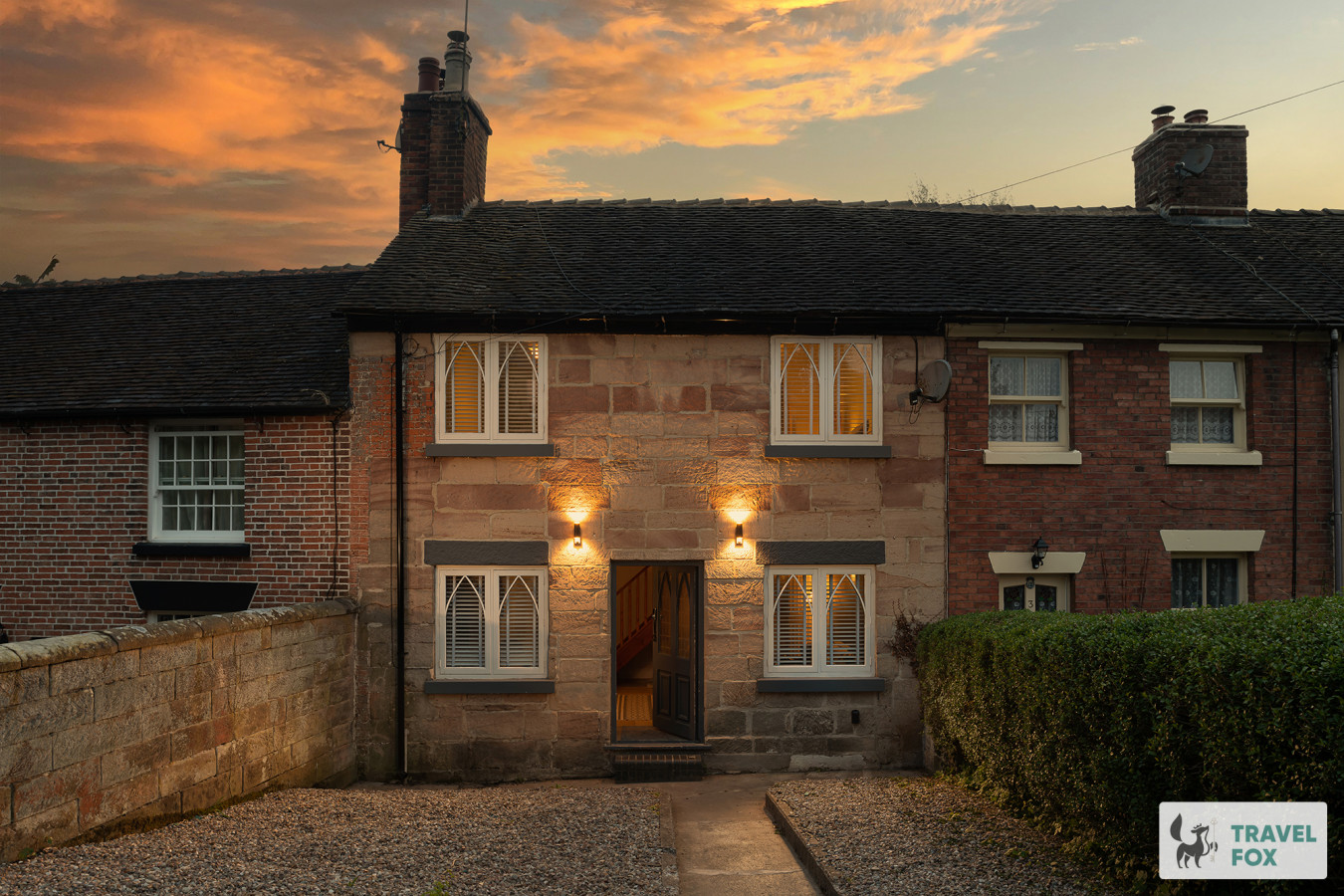
Alton
Angel Cottage - 5 mins drive to Alton Towers!
- Sleeps 10
- 4 bedrooms
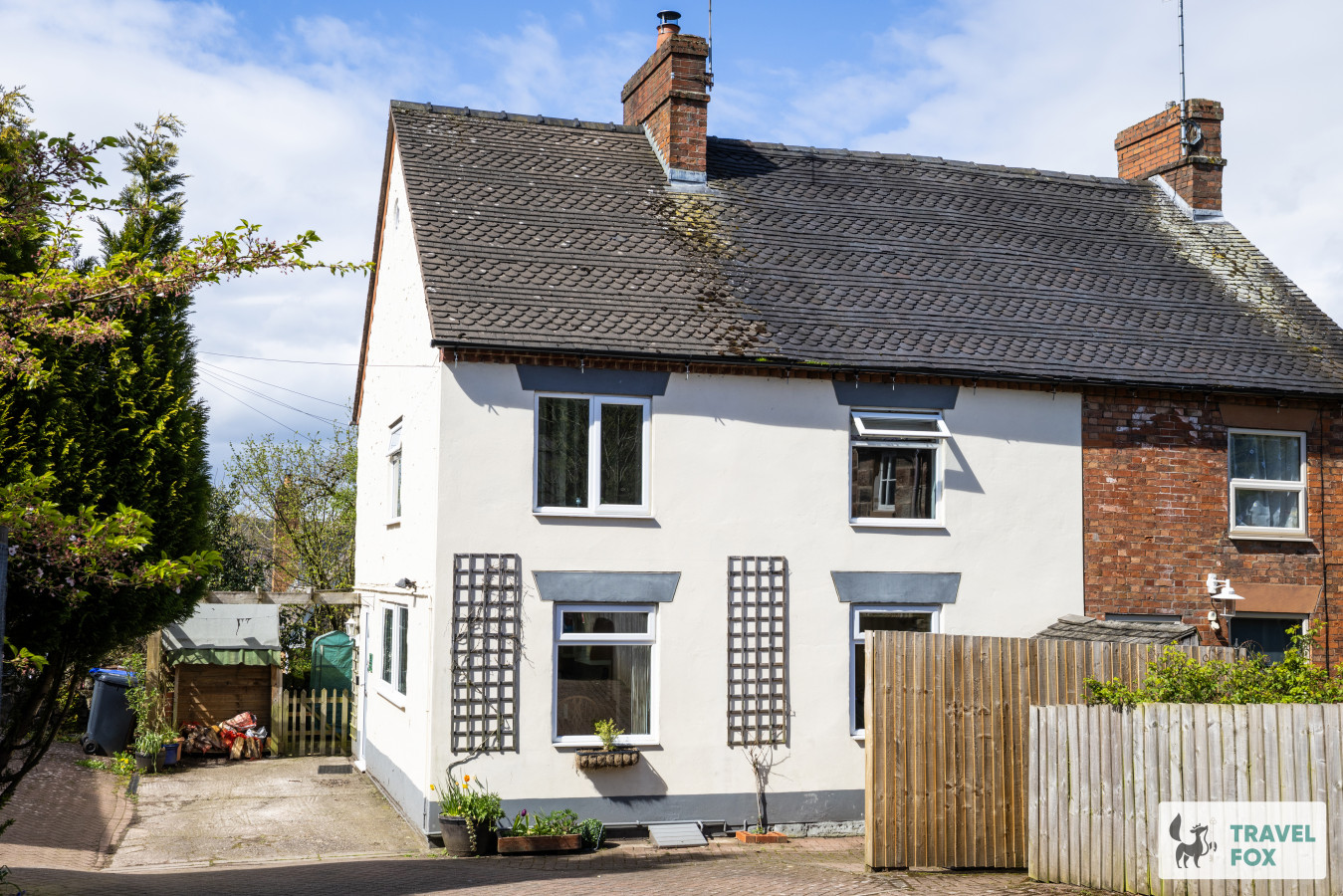
Alton
Smithy Bank Cottage - with free parking!
- Sleeps 8
- 3 bedrooms

Alton
The Old Post Office: Alton Towers
- Sleeps 8
- 3 bedrooms
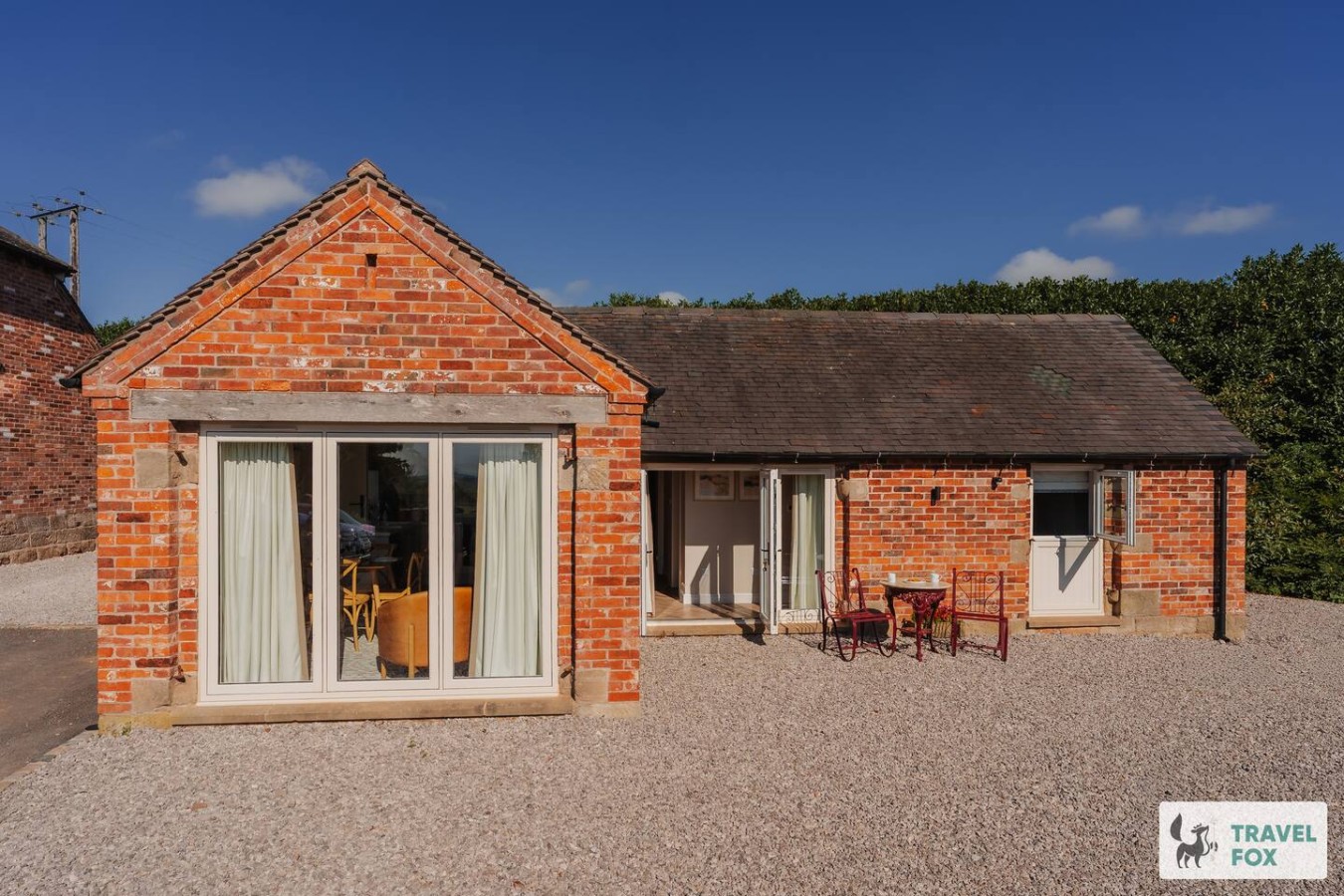
Checkley
The Old Stables
- Sleeps 4
- 2 bedrooms
For homeowners
Own a holiday home near Cauldon?
We manage holiday lets across Staffordshire from 12% commission, charged after cleaning costs, with no lock-in. A co-founder visits before you decide.
Holiday let management in Staffordshire →
A guide with a point of view
Written from research. Edited for real journeys.
Use the Official site links for live practical details, then use this guide for context, ideas and room to explore.
Sources
Every place on this page is checked against a published source. Each entry links the record we used and names who publishes it.
- Yew Tree Inn — yewtreeantiquepub.co.uk operator, sector body or destination organisation
- Church of St Mary and St Lawrence — achurchnearyou.com national body or asset manager
- Manifold Way — peakdistrict.gov.uk statutory register or public authority record not machine-readable; publisher restricts automated access
- Alton Towers — altontowers.com operator, sector body or destination organisation record not machine-readable; publisher restricts automated access
- Dovedale Stepping Stones — nationaltrust.org.uk national body or asset manager
- Ilam Park — nationaltrust.org.uk national body or asset manager
- Churnet Valley Railway — churnetvalleyrailway.co.uk operator, sector body or destination organisation record not machine-readable; publisher restricts automated access