
Moorland town, singular character
Cheadle
A working market town where Pugin's soaring spire, unshowy pubs and wooded valley walks reward a closer look.
- Best for
- Pugin architecture, real ale and woodland walks
- Give it
- A full day across town and valley
- Don't miss
- The painted interior of Pugin's Gem
The Fox verdict
A working town with a masterpiece at its heart
Cheadle is less polished than a conventional beauty spot, but its pubs, market history and valley setting make that part of the appeal.
Come for the extraordinary colour and detail of St Giles' Catholic Church, then stay for a town whose character is carried by its market, traditional pubs and paths into the Churnet Valley. Cecilly Brook offers nature close to the centre, while Hawksmoor and Croxden Abbey turn a short drive into a contrasting woodland-and-ruins day.
Where to go
Places in Cheadle
Every place below is checked against a published source, listed with what it is and how long to give it.
Local signatures
3 placesCheadle Market
Greyhound Walk hosts Cheadle's Friday outdoor market, close to Tape Street car park and the town's independent shops and cafés. The town's market tradition dates to a charter granted in 1250.
- Visit length
- Editorial estimate: Allow around 45 minutes
- Locality
- Greyhound Walk
Bird in Hand
A small, multi-roomed Tape Street pub with cask ale, darts, pool and a real fire. It won Staffordshire Moorlands Pub of the Year in 2025.
- Visit length
- Editorial estimate: Allow around 60 minutes
- Locality
- Tape Street
Cecilly Brook Local Nature Reserve
A brookside walk through wildflower meadows at one of Staffordshire's most important sites for water voles, with several access points around the town.
- Visit length
- Editorial estimate: Allow around 60 minutes
- Locality
- through central Cheadle
Food & drink
1 placeThe Wheatsheaf
A Wetherspoon pub in a Grade II listed Georgian building, first recorded in a 1784 trade directory and once a stop for the Birmingham-to-Manchester coach.
- Visit length
- Editorial estimate: Allow around 75 minutes
- Locality
- High Street
Walks & outdoors
1 placeHawksmoor and Dimmingsdale
An ancient woodland walk through a steep-sided valley, with the Staffordshire Way passing among habitat used by green woodpeckers and spotted flycatchers.
- Visit length
- Editorial estimate: Allow around 120 minutes
- Locality
- Cheadle–Oakamoor road
- Access
- Expect steep slopes, steps and narrow uneven paths.
History & heritage
2 placesSt Giles' Catholic Church
Designed by Pugin, this Grade I red sandstone church has a richly painted interior, chevron-patterned columns and stained glass by William Wailes.
- Visit length
- Editorial estimate: Allow around 60 minutes
- Locality
- Cheadle
Croxden Abbey
These Cistercian abbey ruins include parts of the church, infirmary and abbot's lodging. Bertram de Verdun granted land to the monks in 1176; building at Croxden began in 1179.
- Visit length
- Editorial estimate: Allow around 60 minutes
- Locality
- Croxden
Things to do
2 placesCheadle Memorial Recreation Ground
The town's main park has a skate park, bowling green, tennis courts and children's play areas.
- Visit length
- Editorial estimate: Allow around 75 minutes
- Locality
- Tean Road
MyActive Cheadle
The leisure centre has a 33-metre pool, gym and sports hall for activities including badminton, netball and five-a-side football.
- Visit length
- Editorial estimate: Allow around 90 minutes
- Locality
- Cheadle
No places match this filter. Choose All places to reset the list.
Three ways to explore Cheadle
Signature outings
Colour from floor to spire
Step inside St Giles' to see gold, blue and red decoration wrap around chevron-painted columns, painted plaques and fittings designed by Pugin.
A valley walk with texture
Start at the National Trust car park on Oakamoor Road, or walk in from Dimmingsdale or Oakamoor village.
Cistercian stonework nearby
Look for the abbey church's surviving west front, then use the interpretation panels to make sense of the infirmary and abbot's lodging.
The town story
Cheadle: Pugin's Gem and Paths to the Churnet Valley
Pugin's masterpiece rises above a market town shaped by pubs, mines, mills and the wooded Churnet Valley.
Cheadle's streets and pubs
Cheadle is a Staffordshire Moorlands market town near the wooded Churnet Valley, about four miles from Alton Towers. Its High Street, traditional pubs and church spire give visitors reasons to spend time in town.
The Bird in Hand at 117 Tape Street is a small, multi-roomed pub with cask ale, darts, pool and a real fire. It has two regular and two changing beers, welcomes dogs in every room and won Staffordshire Moorlands Pub of the Year in 2025, after earlier Urban Pub of the Year commendations.
At 21 High Street, the Bakers Arms occupies a former bakery that became a pub in 2017. It has a real fire and rear outdoor seating and has earned several Staffordshire Moorlands Urban Pub of the Year commendations. The Wheatsheaf at number 53 occupies a Grade II listed Georgian building, appears in a 1784 trade directory and served the Birmingham-to-Manchester coach in the 1790s. Near Alton Towers, the Huntsman is a three-room country pub with a central bar and changing guest ales; it won Staffordshire Moorlands Pub of the Year in 2013 and has darts and crib.
Market and Pugin's Gem
Cheadle's market history reaches back to 1250, when Henry III granted Ralph Basset a market charter. The Friday outdoor market now runs along Greyhound Walk, beside Tape Street car park and close to the town's independent shops and cafés.
The older Market Hall and its outdoor space lie off High Street, separate from the Greyhound Walk stalls. At the High Street and Cross Street junction, the Market Cross marks the original market place. The cross dates from the seventeenth century; a gas lamp was fitted to it in the Victorian era and later removed.
St Giles' Catholic Church is Cheadle's great architectural landmark. Pugin designed the Grade I church for the Earl of Shrewsbury, and it was built between 1841 and 1846 in red Hollington sandstone. Inside, gold, blue and red patterns cover the walls and chevron-painted columns. The aisles carry sixteen plaques showing the Life of Christ, and William Wailes made the stained glass. Pugin designed the building and its fittings, while Thomas Kearns supervised the interior decoration. The Anglican St Giles' on Church Street is a separate parish church, rebuilt in 1837–39.
From Domesday to industry
Domesday Book lists Cheadle under three owners in 1086. The entry held by King William is recorded as waste; the other entries belong to Robert of Stafford and Otto of Cheadle. Together the entries record eleven households.
Old maps and heritage records trace Cheadle's industrial life through textile mills and coal workings. During the Battle of Britain, RAF Cheadle intercepted lower-grade Luftwaffe radio traffic and helped build the intelligence picture of German sorties.
Cheadle-born astronomer Mary Adela Blagg was among the first women elected Fellows of the Royal Astronomical Society in January 1916.
Woodland, play and valley days
Hawksmoor's ancient woodland has steep slopes, steps and rough paths, with green woodpeckers and spotted flycatchers among its wildlife. Closer to town, Cecilly Brook follows a 1.25km stretch through wildflower meadows and is an important Staffordshire site for water voles. Access points include Ullswater Drive and Oakamoor Road. Farther into the Churnet Valley, a former railway line links Oakamoor and Denstone as a greenway.
The Memorial Recreation Ground on Tean Road has play areas, a skate park, tennis courts and a bowling green. In 2022 the district council announced plans to improve its changing facilities, bowling pavilion, toilets and parking and to add a youth shelter, following earlier play and sports upgrades. MyActive Cheadle has a 33-metre pool, gym and sports hall, with badminton, netball and five-a-side among its activities.
Beyond Cheadle, Croxden Abbey preserves parts of its Cistercian church, infirmary and abbot's lodging. Bertram de Verdun granted land to the monks in 1176, and building at Croxden began in 1179. Elsewhere in the valley, the Caldon Canal, River Churnet and heritage railway meet at Consall Forge.
Getting here and exploring town
Blythe Bridge is the nearest railway station to Cheadle, with an onward journey into town. For drivers, the A521 runs along High Street and the A522 runs along Tape Street through the centre.
A visit can move from the market streets and historic buildings to brookside paths, with the deeper valley making a separate outing.
Stay around Alton Towers
Make a longer stay of it
Travel Fox holiday homes around Alton Towers, linked directly to their property pages.
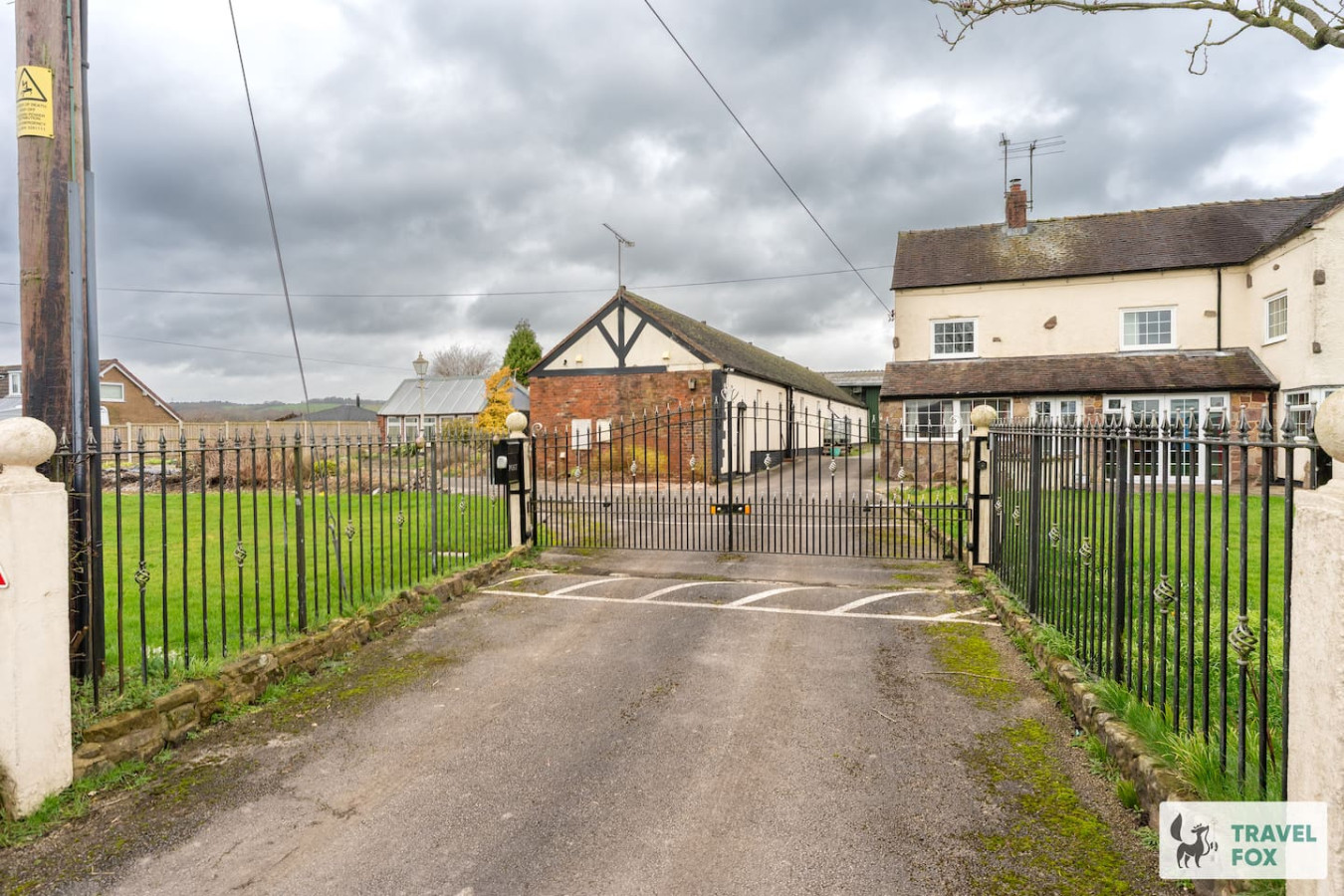
Cheadle
The Cornstore - with pool table, play barn & more!
- Sleeps 5
- 2 bedrooms
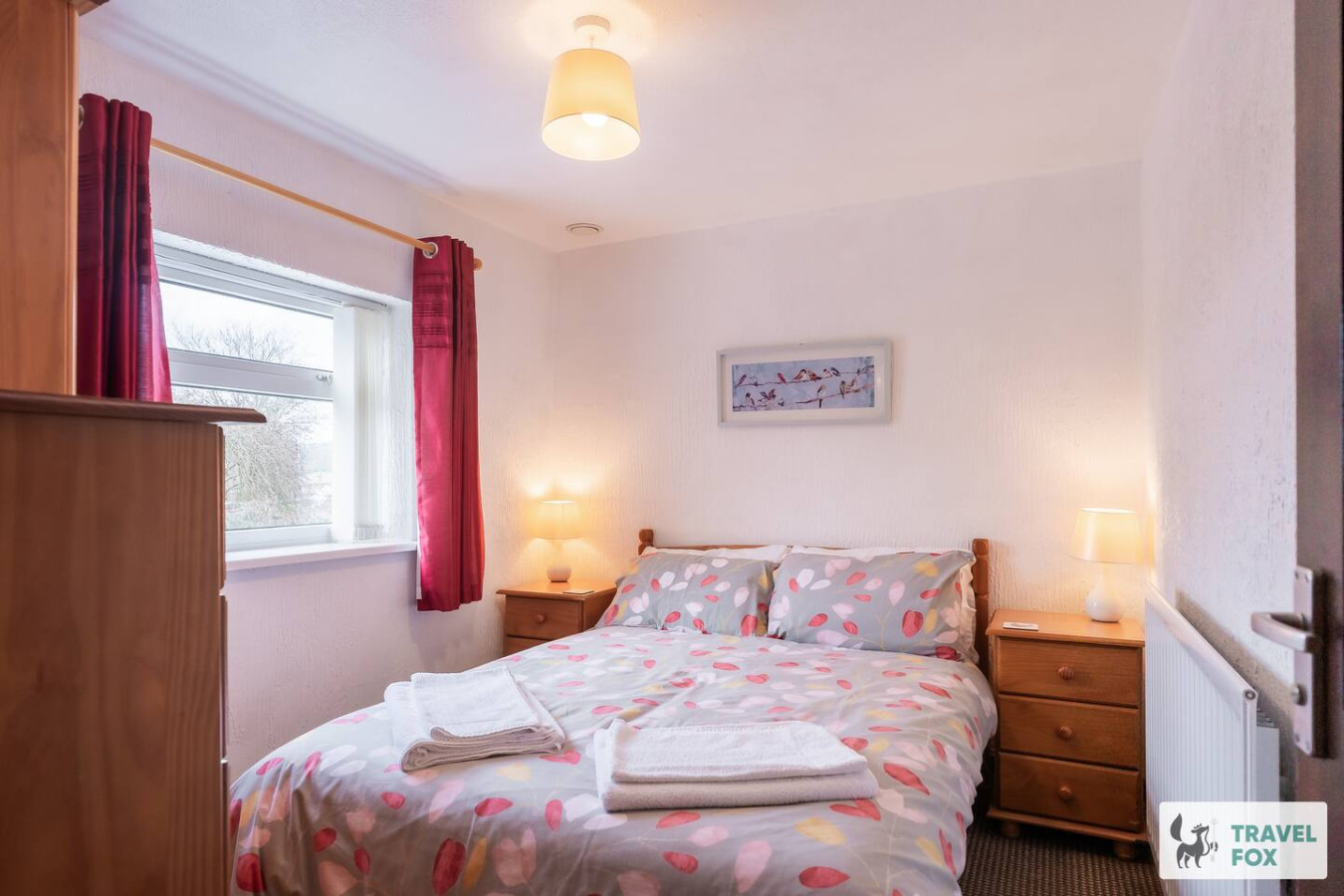
Cheadle
The Hereford - with pool table, play barn & more!
- Sleeps 4
- 2 bedrooms
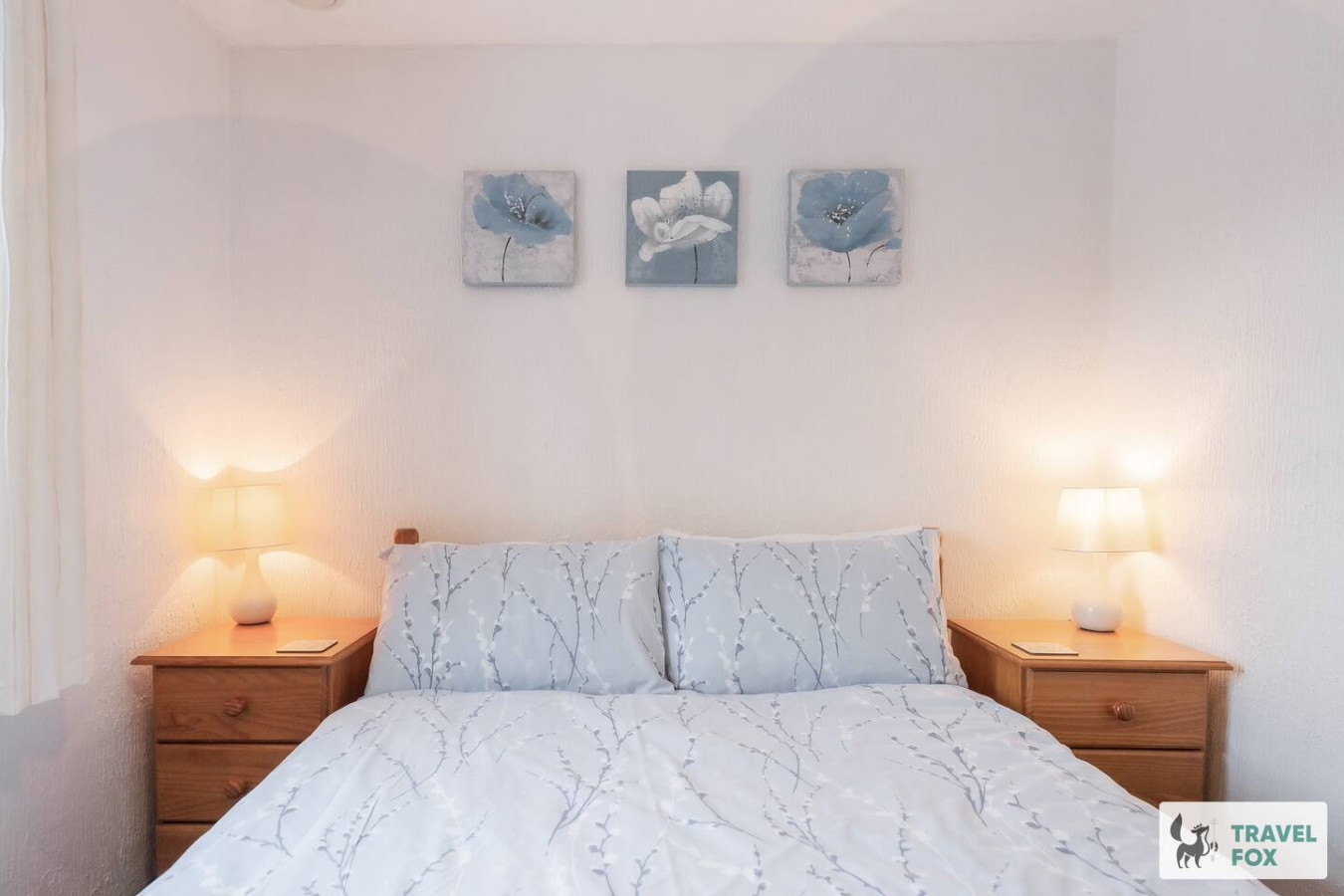
Cheadle
The Dairy - with pool table, play barn & more!
- Sleeps 4
- 2 bedrooms
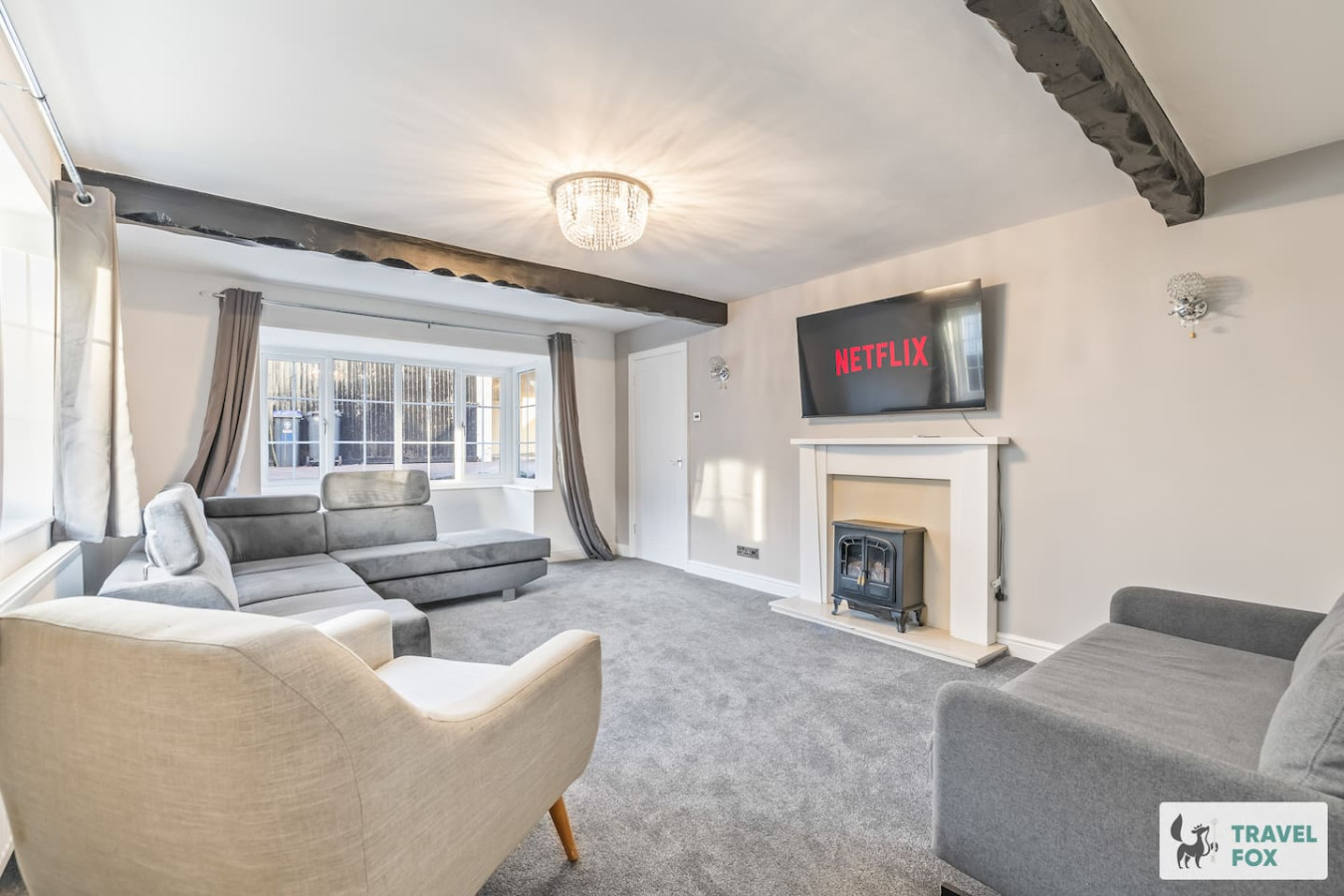
Cheadle
Cheadle Cottage - Hot Tub and Pool Table!
- Sleeps 12
- 4 bedrooms
Cheadle
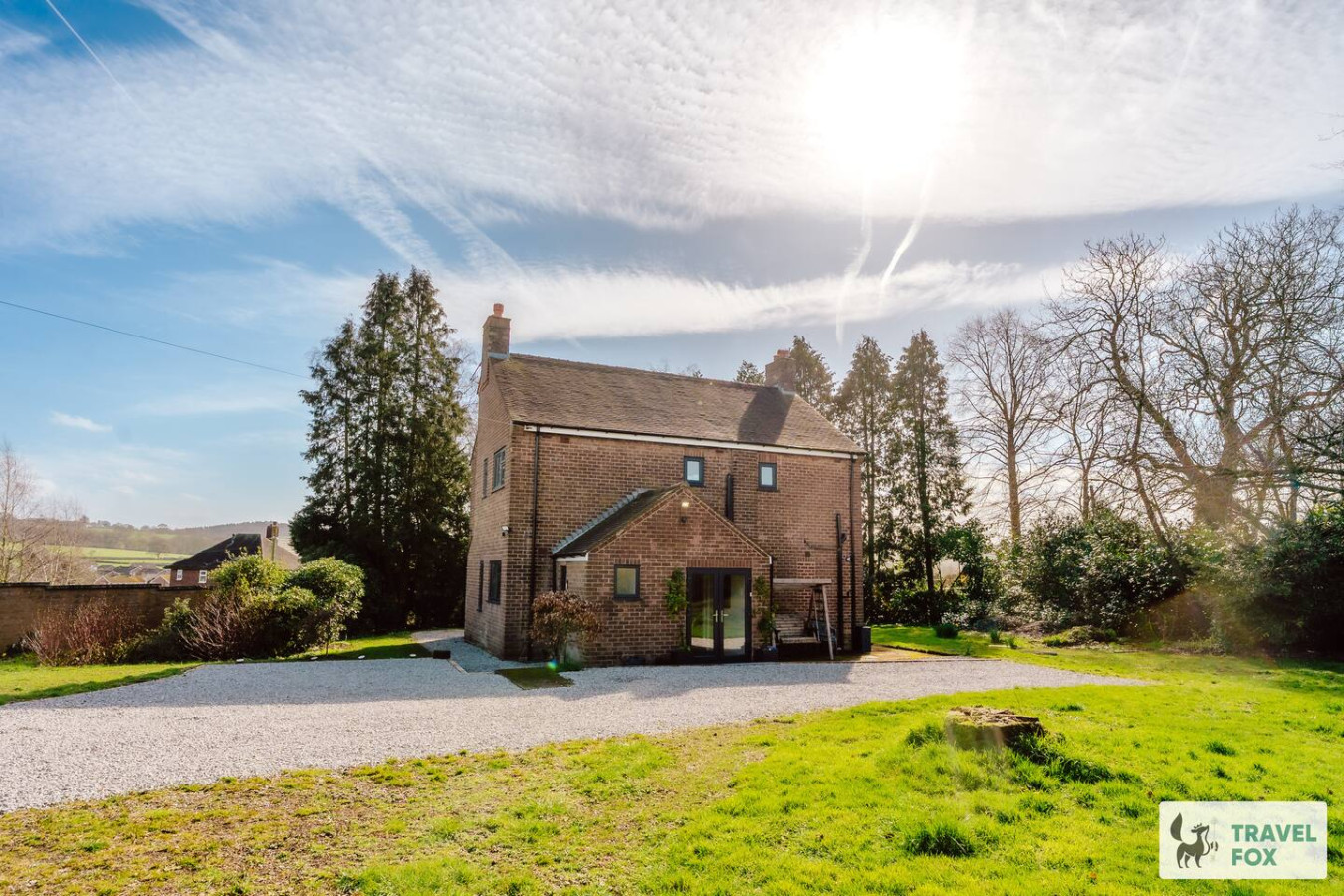
Springfield House
- Sleeps 8
- 3 bedrooms
For homeowners
Own a holiday home near Cheadle?
We manage holiday lets across Staffordshire from 12% commission, charged after cleaning costs, with no lock-in. A co-founder visits before you decide.
Holiday let management in Staffordshire →
A guide with a point of view
Written from research. Edited for real journeys.
Use the Official site links for live practical details, then use this guide for context, ideas and room to explore.
Sources
Every place on this page is checked against a published source. Each entry links the record we used and names who publishes it.
- St Giles' Catholic Church — historicengland.org.uk statutory register or public authority record not machine-readable; publisher restricts automated access
- Cheadle Market — staffsmoorlands.gov.uk statutory register or public authority
- Bird in Hand — camra.org.uk operator, sector body or destination organisation
- The Wheatsheaf — jdwetherspoon.com other published source
- Cecilly Brook Local Nature Reserve — staffsmoorlands.gov.uk statutory register or public authority
- Cheadle Memorial Recreation Ground — visitstaffordshire.com operator, sector body or destination organisation
- MyActive Cheadle — myactive.uk operator, sector body or destination organisation
- Hawksmoor and Dimmingsdale — nationaltrust.org.uk national body or asset manager
- Croxden Abbey — english-heritage.org.uk national body or asset manager