
Canal, rail and woodland
Consall
Consall hamlet sits west of a Churnet Valley stretch where walkers, narrowboats and heritage trains converge beside the canal.
- Best for
- Waterside walking and industrial heritage
- Give it
- A relaxed half day in the valley
- Don't miss
- The foot approach to the Black Lion
The Fox verdict
A small hamlet with an unusually rich valley
Consall rewards visitors who are happy to arrive slowly and explore on foot.
About 1.4 miles east of Consall hamlet in a straight line, Consall Forge brings the River Churnet, Caldon Canal and heritage railway together. A nature park, restored station, early industrial remains and a pub with no direct road access give the valley variety.
Where to go
Places in Consall
Every place below is checked against a published source, listed with what it is and how long to give it.
Local signatures
3 placesConsall Lime Kilns
The remains of four early-19th-century lime kilns recall the limestone trade that brought canal barges into the valley.
- Visit length
- Editorial estimate: around 30 minutes
- Locality
- at Consall Forge, east of Consall hamlet
Staffordshire Way
A local stretch of the 92-mile waymarked path from Mow Cop to Kinver Edge, following the canal towpath directly through Consall Forge.
- Visit length
- Editorial estimate: around 90 minutes for a local sampler
- Locality
- on the Caldon Canal towpath at Consall Forge, east of Consall hamlet
Cheddleton Flint Mill
Two working water mills, a small museum and a period cottage extend the valley's industrial story beyond Consall.
- Visit length
- Editorial estimate: around 75 minutes
- Locality
- along the Caldon Canal towpath at Cheddleton
- Access
- The outdoor grounds are accessible independently; volunteers host visits to the mill buildings.
Food & drink
1 placeBlack Lion, Consall Forge
A traditional pub with red quarry tiles, wooden benches, real ales and ciders, Staffordshire oatcakes and a beer garden where free-range chickens roam.
- Visit length
- Editorial estimate: around 90 minutes
- Locality
- at Consall Forge, east of Consall hamlet
- Access
- There is no direct road access to the pub.
Walks & outdoors
1 placeConsall Nature Park
A largely SSSI nature park with waymarked trails, ponds, streams, benches and routes climbing towards views over the Churnet Valley.
- Visit length
- Editorial estimate: around 90 minutes
- Locality
- in the Churnet Valley by Consall Forge, east of Consall hamlet
- Access
- Most routes other than the red route and towpath involve multiple steps up the valley sides.
History & heritage
1 placeConsall Railway Station
A near-exact replica station building stands on the original brick base after volunteers cleared and restored the derelict site.
- Visit length
- Editorial estimate: around 45 minutes
- Locality
- at Consall Forge, east of Consall hamlet
- Access
- Consall is a station on the Churnet Valley heritage railway.
No places match this filter. Choose All places to reset the list.
Three ways to explore Consall
Signature outings
Cross to the Black Lion
Reach the pub across the canal bridge and railway level crossing, then settle among quarry tiles, wooden benches and a serious choice of ale and cider.
Pause at Consall Station
See the replica station building raised on the original brick base after volunteers brought passenger trains back to Consall.
Take the trail to Kingsley Banks
Follow a waymarked route from the valley floor, using the benches along the climb towards views over the Churnet Valley.
The village story
Consall Village Guide
Consall hamlet lies west of canal-side Consall Forge, where industrial remains meet woodland, wildlife and slow arrivals.
A Pub Beyond the Road
Free-range chickens have the run of the beer garden at the Black Lion, and nobody seems bothered enough to fence them in. That's Consall Forge in miniature: a hamlet so small it doesn't so much have infrastructure as work around not having any.
There's no road to the pub. You park above the valley and walk down, crossing a bridge over the Caldon Canal and then a level crossing over the Churnet Valley Railway line — or, if you'd rather, you arrive by narrowboat and tie up outside. The Staffordshire Way passes directly in front of the door, so plenty of the regulars turn up mid-walk rather than mid-drive. The Black Lion is about 1.4 miles east of the centre of Consall hamlet in a straight line; the route on foot is longer.
Ale, Food and a Field Nearby
Inside it's red quarry tiles and wooden benches, and the beer is taken seriously. Peakstones Rock Brewery in Alton supplies the house ale, Black Hole, a 4.8% old ale, with guest beers rotating in from Consall Forge and Falstaff breweries and a long list of real ciders alongside. The pub has won Staffordshire Moorlands Cider Pub of the Year two years running, 2024 and 2025, and was Village Pub of the Year in 2017.
The kitchen serves hearty pub food, including Staffordshire oatcakes, meat baps, gammon and chips, and Sunday roasts; hog roasts are another regular feature. A camping field sits about ten metres from the door.
Kilns, Forge and Railway
Cross the canal bridge and you're walking into a valley that used to be industrial and no longer looks it. A bank of four lime kilns was built into the canalised River Churnet in the early 1800s by the Leigh family of Consall Hall, burning limestone barged in from Caldon Low; they were rebuilt once, in 1820, and the company running them failed in 1840. Ironworking here goes back further, to 1290, and a forge powered by the Churnet gave Consall Forge its name by the mid-17th century.
The railway followed the industry and then outlived it. Consall station closed to passengers in 1965 and its building was pulled down in the early 1980s. Volunteers cleared the derelict site through the 1990s, and a near-exact replica opened on the old brick base in March 2002 — a hundred years to the day after the first one. Pete Waterman did the honours.
Gardens, Trails and Returning Wildlife
William Podmore spent fifty years reshaping 70 acres at Consall Hall Landscape Gardens, clearing industrial spoil heaps to create six lakes, follies and packhorse bridges. He wrote a book about the project. At Consall Nature Park, waymarked trails climb towards Kingsley Banks, with benches along the way.
Otters, kingfishers and herons are among the Churnet Valley's returning wildlife. A fish pass completed at Crumpwood Weir in 2019 opened another seven kilometres of river habitat to Atlantic salmon and brown trout.
A Hamlet After Domesday
The Domesday Book recorded Consall as "waste" in 1086 — no plough teams, no villagers, no value entered at all — one of a small cluster of estates left that way after the Conquest. The survey offers no explanation for how the hamlet reached that state; the valley's later industry has left much clearer traces.
Stay around Alton Towers
Make a longer stay of it
Travel Fox holiday homes around Alton Towers, linked directly to their property pages.
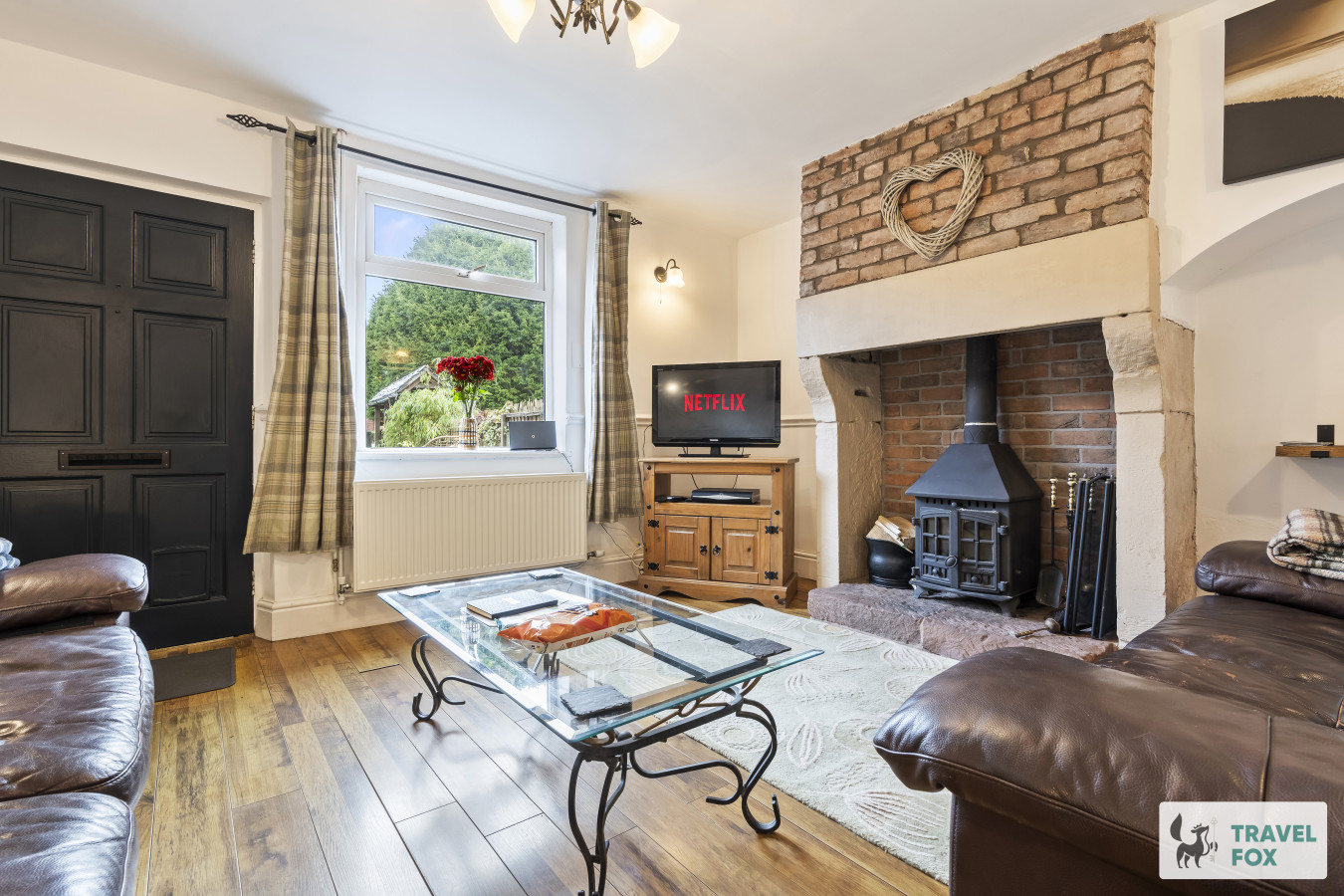
Oakamoor
Christina's House
- Sleeps 4
- 2 bedrooms
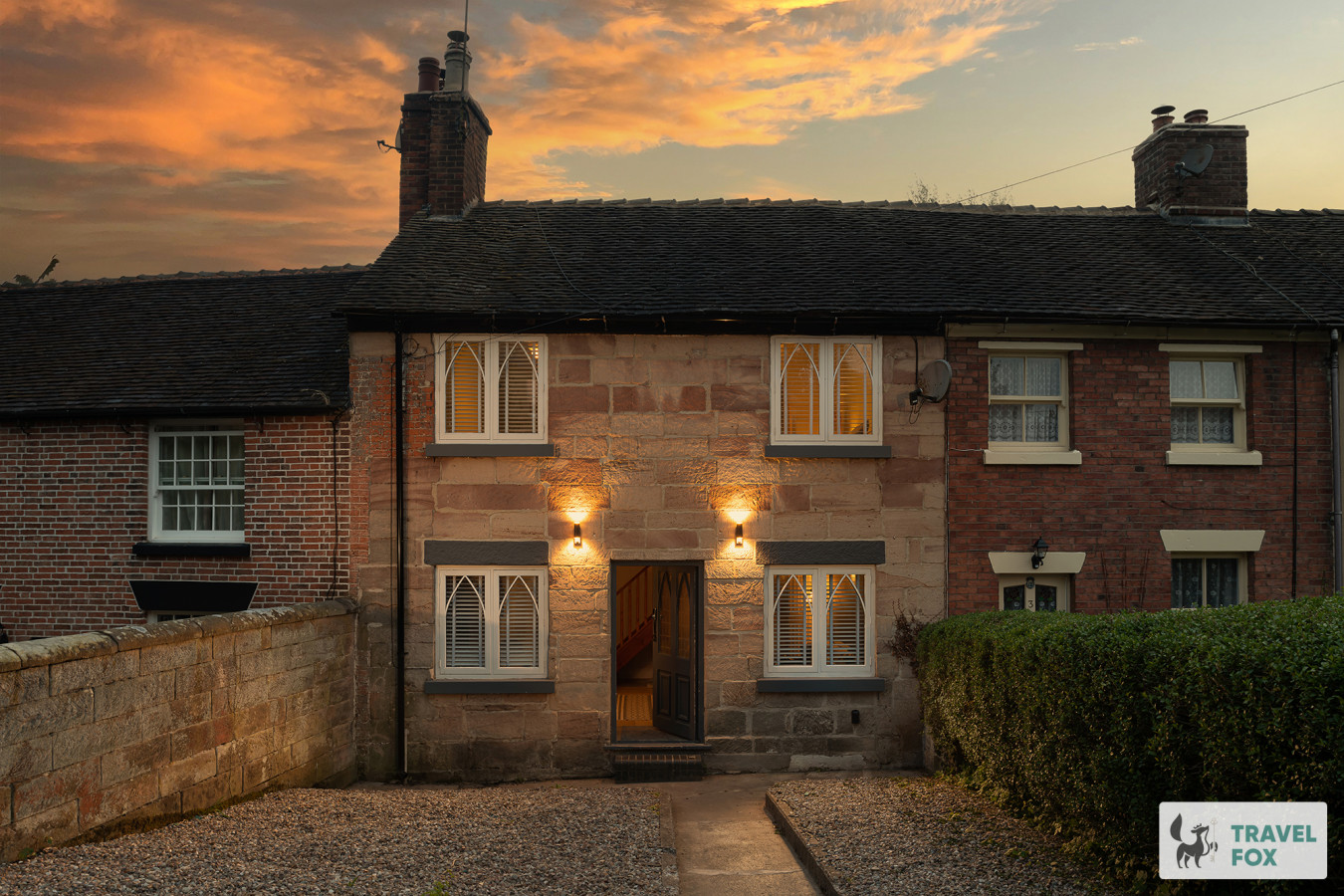
Alton
Angel Cottage - 5 mins drive to Alton Towers!
- Sleeps 10
- 4 bedrooms
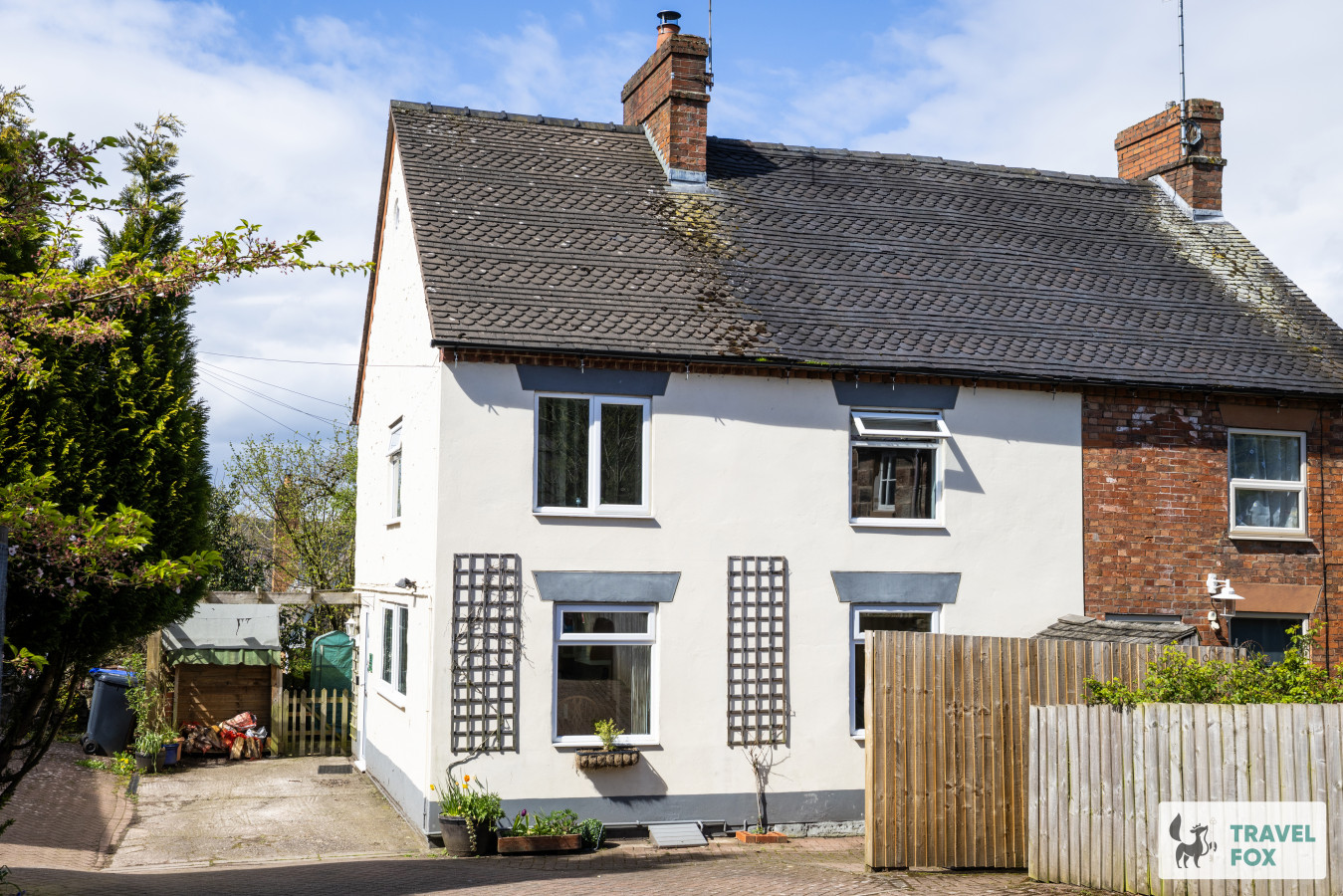
Alton
Smithy Bank Cottage - with free parking!
- Sleeps 8
- 3 bedrooms

Alton
The Old Post Office: Alton Towers
- Sleeps 8
- 3 bedrooms
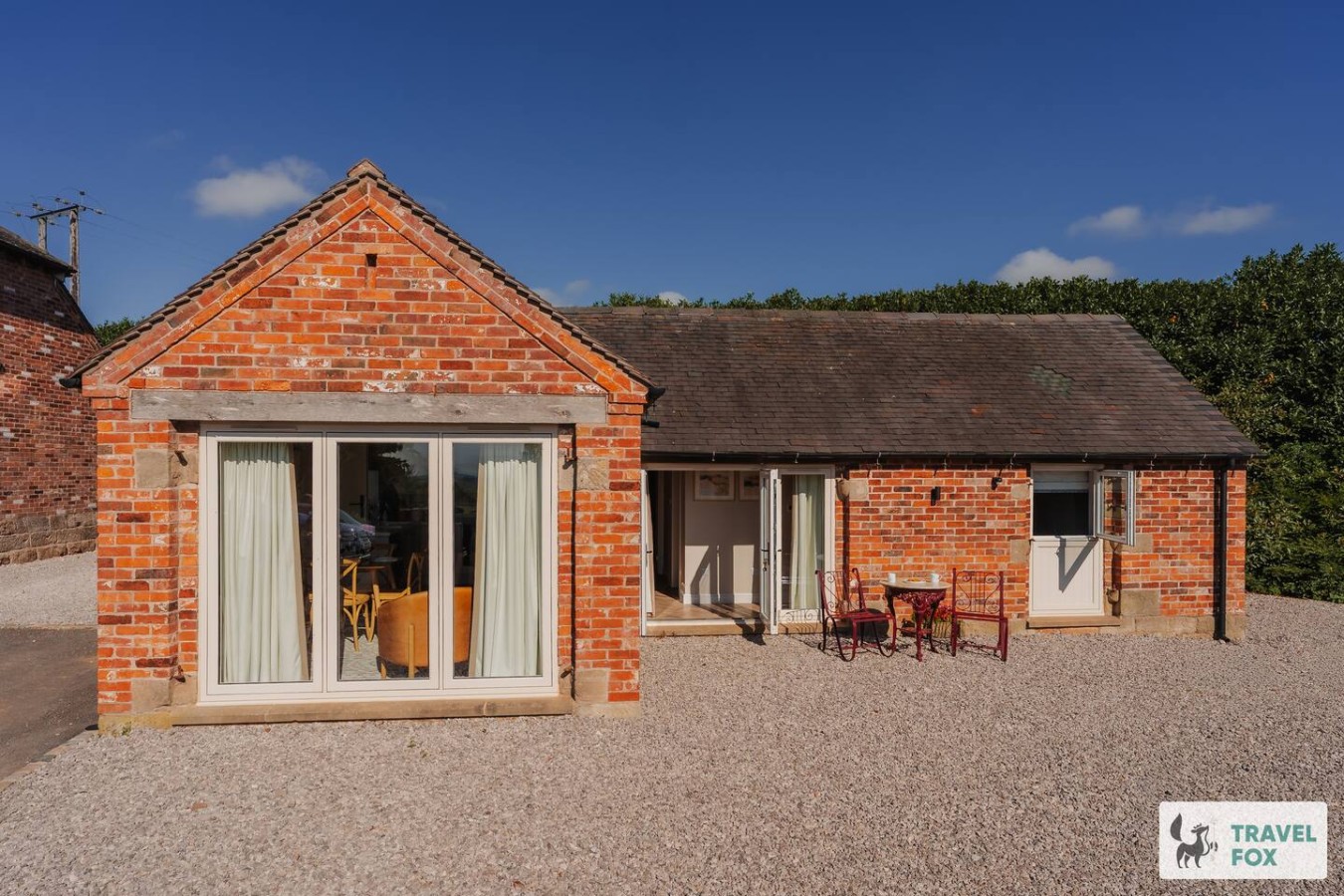
Checkley
The Old Stables
- Sleeps 4
- 2 bedrooms
For homeowners
Own a holiday home near Consall?
We manage holiday lets across Staffordshire from 12% commission, charged after cleaning costs, with no lock-in. A co-founder visits before you decide.
Holiday let management in Staffordshire →
A guide with a point of view
Written from research. Edited for real journeys.
Use the Official site links for live practical details, then use this guide for context, ideas and room to explore.
Sources
Every place on this page is checked against a published source. Each entry links the record we used and names who publishes it.
- Black Lion, Consall Forge — canalrivertrust.org.uk national body or asset manager
- Consall Nature Park — staffordshire.gov.uk statutory register or public authority
- Consall Railway Station — churnetvalleyrailway.co.uk operator, sector body or destination organisation record not machine-readable; publisher restricts automated access
- Consall Lime Kilns — canalrivertrust.org.uk national body or asset manager
- Staffordshire Way — staffordshire.gov.uk statutory register or public authority
- Cheddleton Flint Mill — cheddletonflintmill.com operator, sector body or destination organisation