
Woodland and warm fires
Cotton
A Staffordshire Moorlands village with a Pugin church and fireside pub, close to Cotton Dell's ancient woodland and Alton Towers.
- Best for
- Woodland walks and a relaxed pub meal
- Give it
- A half-day around the village and Dell
- Don't miss
- Cotton Dell's 18th-century dry-stone bridge
The Fox verdict
Woodland, pub warmth and Oratorian history
Cotton pairs its village pub and church history with nearby ancient woodland and varied days out.
Come for Cotton Dell's brookside paths and long-established woodland, then settle into The Star for seasonal British food and log burners. The village's two listed churches and the story of Newman, Faber and Cotton College add a historical thread, while Alton Towers and the Churnet Valley Railway broaden the choice nearby.
Where to go
Places in Cotton
Every place below is checked against a published source, listed with what it is and how long to give it.
Local signatures
3 placesThe Star at Cotton
A gastropub on Star Bank serving seasonal British food, with a snug, log burners and dog-friendly bar areas.
- Visit length
- Editorial estimate: Allow around 75 minutes
- Locality
- Star Bank, Cotton
- Access
- Dogs are welcome in selected bar areas and the garden.
Cotton Dell
An 86-hectare ancient woodland reserve where paths follow Cotton Brook through woodland and grassland, past ponds, boggy ground and an 18th-century dry-stone bridge.
- Visit length
- Editorial estimate: Allow around 2 hours
- Locality
- Oakamoor picnic area, south-west of Cotton
- Access
- Paths can be steep, and the reserve includes ponds and boggy ground.
Denstone Hall Farm Shop & Café
An award-winning farm shop and café near Uttoxeter with a butchery, deli and bakery.
- Visit length
- Editorial estimate: Allow around 45 minutes
- Locality
- Denstone, south-east of Cotton
- Access
- Dogs are welcome in the café garden and garden room; the main shop and café building excludes dogs.
History & heritage
1 placeSt John the Baptist's Church
A Grade II-listed red-brick Anglican church built for Thomas Gilbert in 1795, with a two-bay nave, single-bay chancel and Gilbert family wall plaques.
- Visit length
- Editorial estimate: Allow around 30 minutes
- Locality
- Cotton
- Access
- The Gilbert family wall plaques are inside the church.
Things to do
2 placesAlton Towers Resort
A nearby resort with a theme park, Waterpark, CBeebies Land and Extraordinary Golf.
- Visit length
- Editorial estimate: Allow around 3 hours
- Locality
- Alton, south of Cotton
- Access
- Signed walking routes and the resort monorail connect the car parks to the theme park entrance.
Churnet Valley Railway
A heritage railway running roughly ten miles through the Churnet Valley beside the Caldon Canal.
- Visit length
- Editorial estimate: Allow around 2 hours
- Locality
- Kingsley and Froghall Station, west of Cotton
- Access
- Froghall Station is the departure point for dining trains.
No places match this filter. Choose All places to reset the list.
Three ways to explore Cotton
Signature outings
Seasonal food at The Star
After a walk, dogs can join you in selected bar areas or the garden; The Star provides water, treats and towels for muddy paws.
Theme park to water park
For a theme park visit, follow the resort signs to the car parks, then use the monorail or walking route to reach the entrance.
Heritage rails at Froghall
Dining journeys from Froghall use restored carriages for a meal through the Churnet Valley.
The village story
Woodland, Fireside Food and Cotton's Past
A pub on Star Bank, a walk beside Cotton Brook and a village shaped by Pugin, Newman and Faber.
A Fireside Stop on Star Bank
The Star sits at the top of Star Bank, with a snug and log burners for a drink or a meal. Head Chef Jake Corbishley leads a seasonal British menu, while the bar offers cask ales, wine and cocktails. The pub won The Staff Canteen's 2021 Front of House award.
Dogs are welcome in selected bar areas and the garden, with water, treats and towels for muddy paws after a walk.
From Village to Valley
Cotton's red-brick St John the Baptist's Church dates to 1795; the interior has Gilbert family wall plaques.
The woodland walk begins at Staffordshire County Council's Oakamoor picnic area, about one mile from Cotton in a straight line; the road journey is longer. Cross the River Churnet footbridge and the B5417, then take the track opposite the old lime kilns to the reserve entrance.
Along Cotton Brook
Cotton Dell spans 86 hectares, including woodland continuously wooded for more than 400 years. Cotton Brook runs through the valley past grassland, ponds and boggy ground; near the entrance stands an eighteenth-century dry-stone bridge. Fallen and standing dead wood support fungi and woodpeckers.
Cotton Brook is home to crayfish and caddisflies, and walkers may spot dippers along the water. Fallen branches in the stream provide habitat for wildlife, including the logjammer hoverfly.
Pugin, Newman and the College
St Wilfrid's was built in 1846–48 to Pugin's design. Its present two-bay chancel belongs to George Drysdale's 1936–37 additions. Cotton Hall also housed an early Oratorian community under John Henry Newman.
Frederick Faber led the Cotton community before going to London to lead the Oratory there. His hymn "Faith of Our Fathers" was published in 1849.
The College and the Resort
The building that housed the Oratorians later became Cotton College, a Catholic boys' boarding school. The college buildings include an eighteenth-century core and additions by Pugin; its war memorial now stands at Faber Catholic Primary School.
Blythe Bridge has a National Rail station on the Crewe–Derby line. Road signs lead drivers to Alton Towers, where the monorail links the car parks with the theme park entrance.
Stay around Alton Towers
Make a longer stay of it
Travel Fox holiday homes around Alton Towers, linked directly to their property pages.
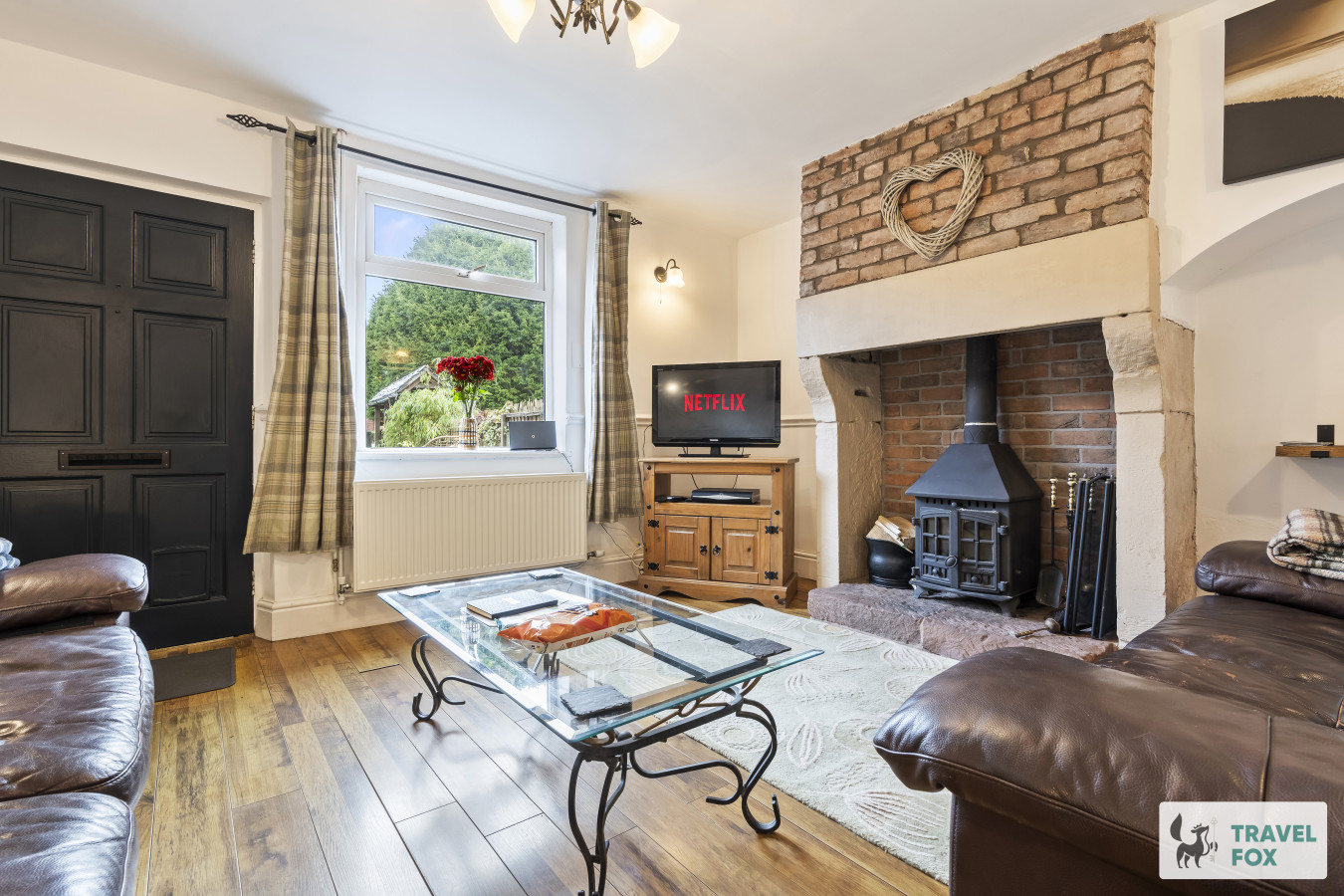
Oakamoor
Christina's House
- Sleeps 4
- 2 bedrooms
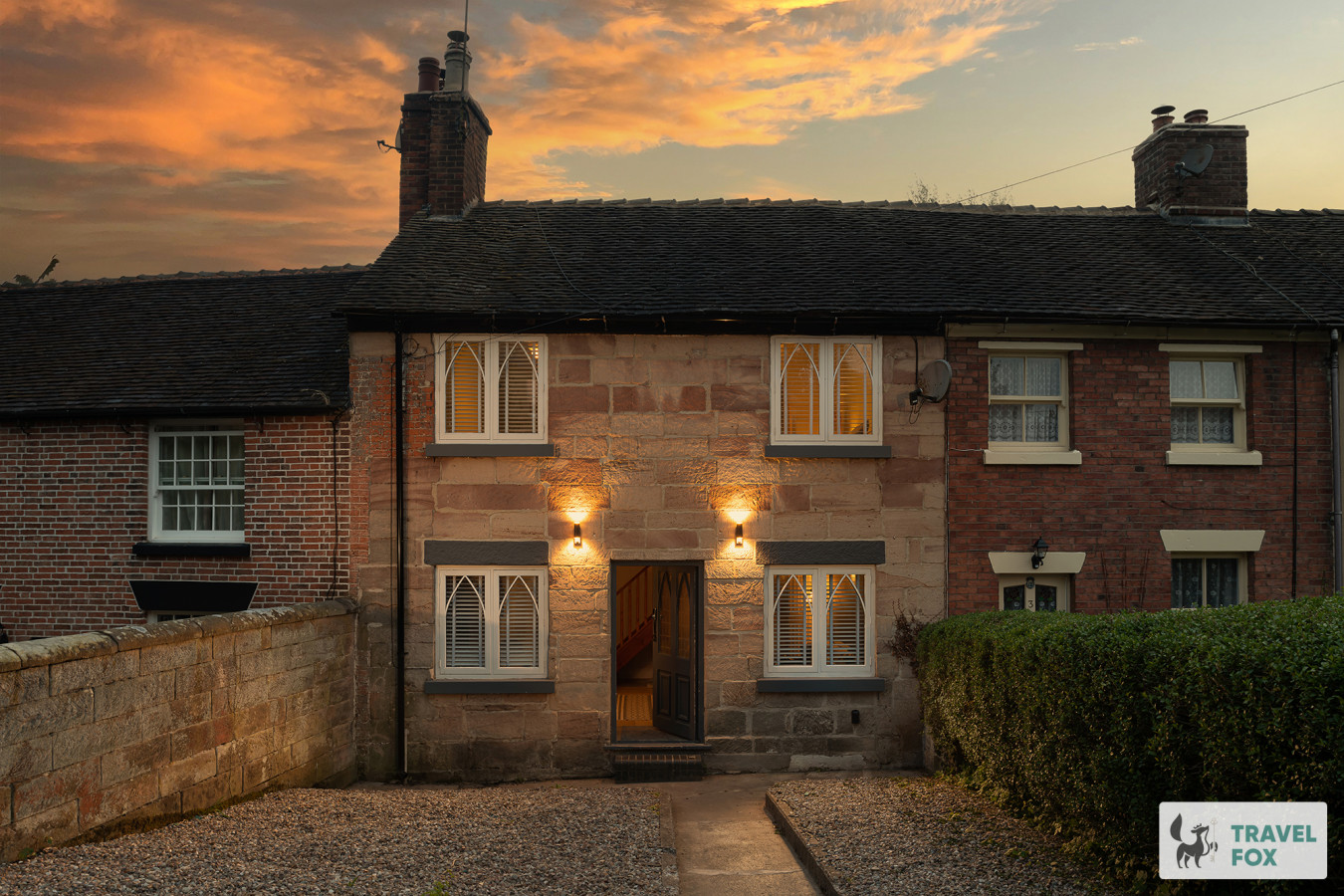
Alton
Angel Cottage - 5 mins drive to Alton Towers!
- Sleeps 10
- 4 bedrooms
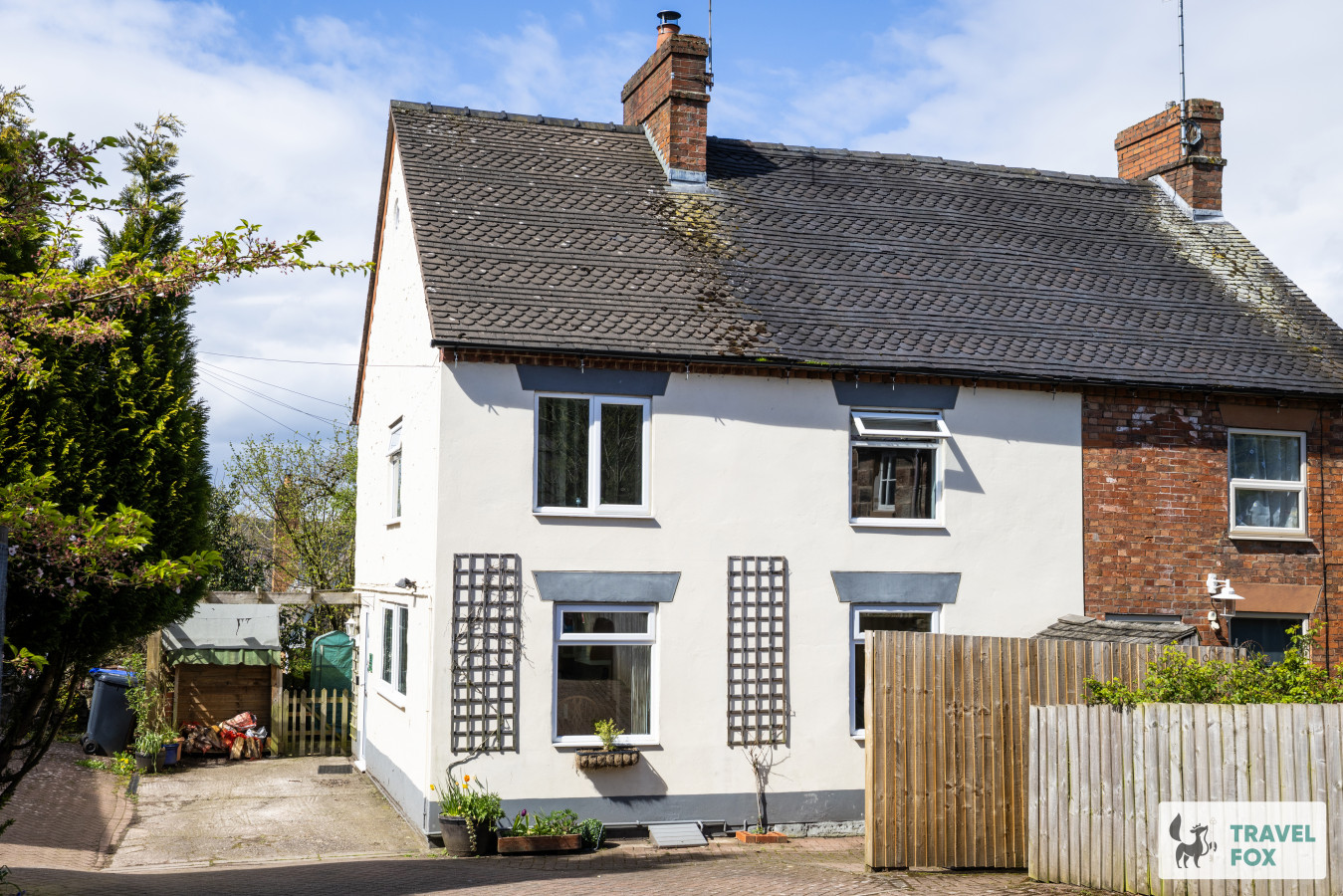
Alton
Smithy Bank Cottage - with free parking!
- Sleeps 8
- 3 bedrooms

Alton
The Old Post Office: Alton Towers
- Sleeps 8
- 3 bedrooms
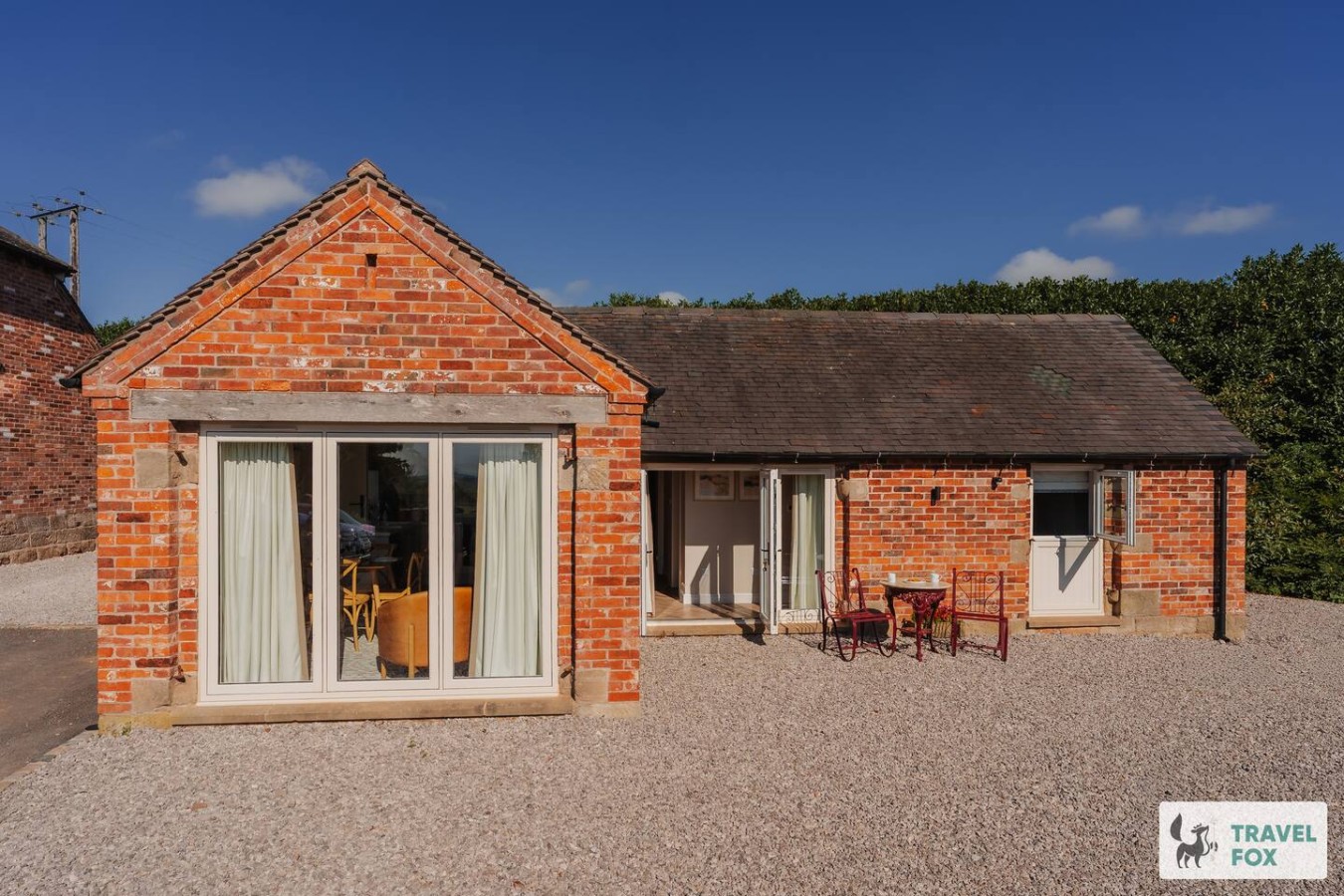
Checkley
The Old Stables
- Sleeps 4
- 2 bedrooms
For homeowners
Own a holiday home near Cotton?
We manage holiday lets across Staffordshire from 12% commission, charged after cleaning costs, with no lock-in. A co-founder visits before you decide.
Holiday let management in Staffordshire →
A guide with a point of view
Written from research. Edited for real journeys.
Use the Official site links for live practical details, then use this guide for context, ideas and room to explore.
Sources
Every place on this page is checked against a published source. Each entry links the record we used and names who publishes it.
- The Star at Cotton — thestaratcotton.co.uk operator, sector body or destination organisation
- Cotton Dell — staffs-wildlife.org.uk national body or asset manager
- St John the Baptist's Church — historicengland.org.uk statutory register or public authority record not machine-readable; publisher restricts automated access
- Alton Towers Resort — altontowers.com operator, sector body or destination organisation record not machine-readable; publisher restricts automated access
- Churnet Valley Railway — churnetvalleyrailway.co.uk operator, sector body or destination organisation record not machine-readable; publisher restricts automated access
- Denstone Hall Farm Shop & Café — denstonehall.co.uk operator, sector body or destination organisation