
Cistercian ruins in a quiet valley
Croxden
A small Staffordshire parish where abbey walls, a later church and narrow lanes carry most of the story.
- Best for
- Abbey history and quiet country lanes
- Give it
- Two hours for the ruins; longer with nearby stops
- Don't miss
- The road splitting the former church site
The Fox verdict
Come for the abbey, stay for the stillness
Croxden is a compact heritage stop rather than a conventional village day out.
The abbey ruins anchor the visit and St Giles' Church adds the later parish story. Uttoxeter's market square and Alton Towers offer ways to extend the day.
Where to go
Places in Croxden
Every place below is checked against a published source, listed with what it is and how long to give it.
Local signatures
3 placesCroxden Abbey
Open grassy ruins of the Cistercian house founded by Bertram de Verdun, with remains of the church and monastic buildings divided by a public road.
- Visit length
- Editorial estimate: around 2 hours
- Locality
- Croxden, Staffordshire
Alton Towers Resort
The region's marquee family attraction combines a theme park, waterpark and short-break accommodation near Alton.
- Visit length
- Editorial estimate: around 3 hours 30 minutes
- Locality
- Alton Towers, near Alton
Uttoxeter Market Place
Uttoxeter's historic market square hosts the town's outdoor market and provides a practical contrast to quiet Croxden.
- Visit length
- Editorial estimate: around 1 hour
- Locality
- Market Place, Uttoxeter
History & heritage
3 placesSt Giles' Church, Croxden
A Grade II parish church built in 1884–85 to replace the medieval chapel that had served Croxden after the Dissolution; its rear Abbey Room is used for meetings and events.
- Visit length
- Editorial estimate: around 30 minutes
- Locality
- Croxden, near the abbey
- Access
- Respect services and events.
Greatgate Whipping Post
Great Gate's whipping post is a Scheduled Monument: a stone pillar associated with punishment in the local community.
- Visit length
- Editorial estimate: around 15 minutes
- Locality
- Great Gate, within Croxden parish
Redfern's Cottage
A museum of Uttoxeter life housed in a 17th-century timber-framed cottage, adding a focused indoor history stop to a Croxden-area day.
- Visit length
- Editorial estimate: around 1 hour
- Locality
- Carter Street, Uttoxeter
No places match this filter. Choose All places to reset the list.
Three ways to explore Croxden
Signature outings
Read an abbey through its road
Follow the surviving church and monastic walls on both sides of the public road, then use the open grassy setting to reconstruct the scale of Croxden's Cistercian peak.
Find the successor to the gate chapel
See the 1884–85 St Giles' Church beside the abbey and connect it with the medieval chapel that served the parish after the Dissolution.
Seek out Great Gate's surviving punishment post
Look for the remnants of iron manacles on the pillar beside Sandy Lane in Great Gate.
The town story
Croxden Abbey and Its Parish
Croxden Abbey's ruined church, infirmary and abbot's lodging reveal a Cistercian house begun in 1179.
A Road Through the Ruins
A public road cuts diagonally through Croxden Abbey's ruined church. After the abbey was suppressed in 1538, the site became a farm and a track was cut across the church. Parking is very limited in the entrance layby; keep the grass verges and residents' access clear.
Croxden is a small East Staffordshire parish that also includes Great Gate, Fole and Beamhurst. Farmhouses, cottages and narrow lanes lead through its rural landscape. The abbey's field paths offer a way to explore beyond the ruins.
The Walk to Hollington
Two walks begin outside the ruins. A 2.5-mile circuit crosses fields; the hillier 7.25-mile option passes through open farmland and a small golf course, where walkers should watch for stray balls.
The shorter circuit reaches Hollington and returns across open countryside, adding a field walk to a visit to the ruins.
Parish and Abbey
Back in Croxden, St Giles' Church was built in 1884–85 beside the abbey, replacing the medieval gate chapel that had served as the parish church. A former cheese factory, now a house, recalls a later part of the parish's working life.
In 1176 Bertram de Verdun granted land to Cistercian monks from Aunay-sur-Odon in Normandy; they moved to Croxden in 1179. At its height, the community housed about 70 monks. The British Library preserves the abbey's chronicle, which continues to 1374. Henry VIII ordered the church roof removed to prevent the monks from using it again.
Connections and Crusade
Uttoxeter, with its market square and railway station, lies south of Croxden; Alton Towers lies to the north. The abbey is reached from the A522 along minor lanes.
Bertram de Verdun accompanied Richard I on the Third Crusade. He was initially left in charge of the king's household at Acre, later rejoined Richard's forces and died at the battle of Jaffa in 1192. The abbey he founded at Croxden was still being built decades later.
A Living Parish
The parish church's Abbey Room hosts meetings, and Croxden Parish Council maintains a small village green at Great Gate. Both remain part of everyday life in a parish known for its ruins.
Stay around Alton Towers
Make a longer stay of it
Travel Fox holiday homes around Alton Towers, linked directly to their property pages.
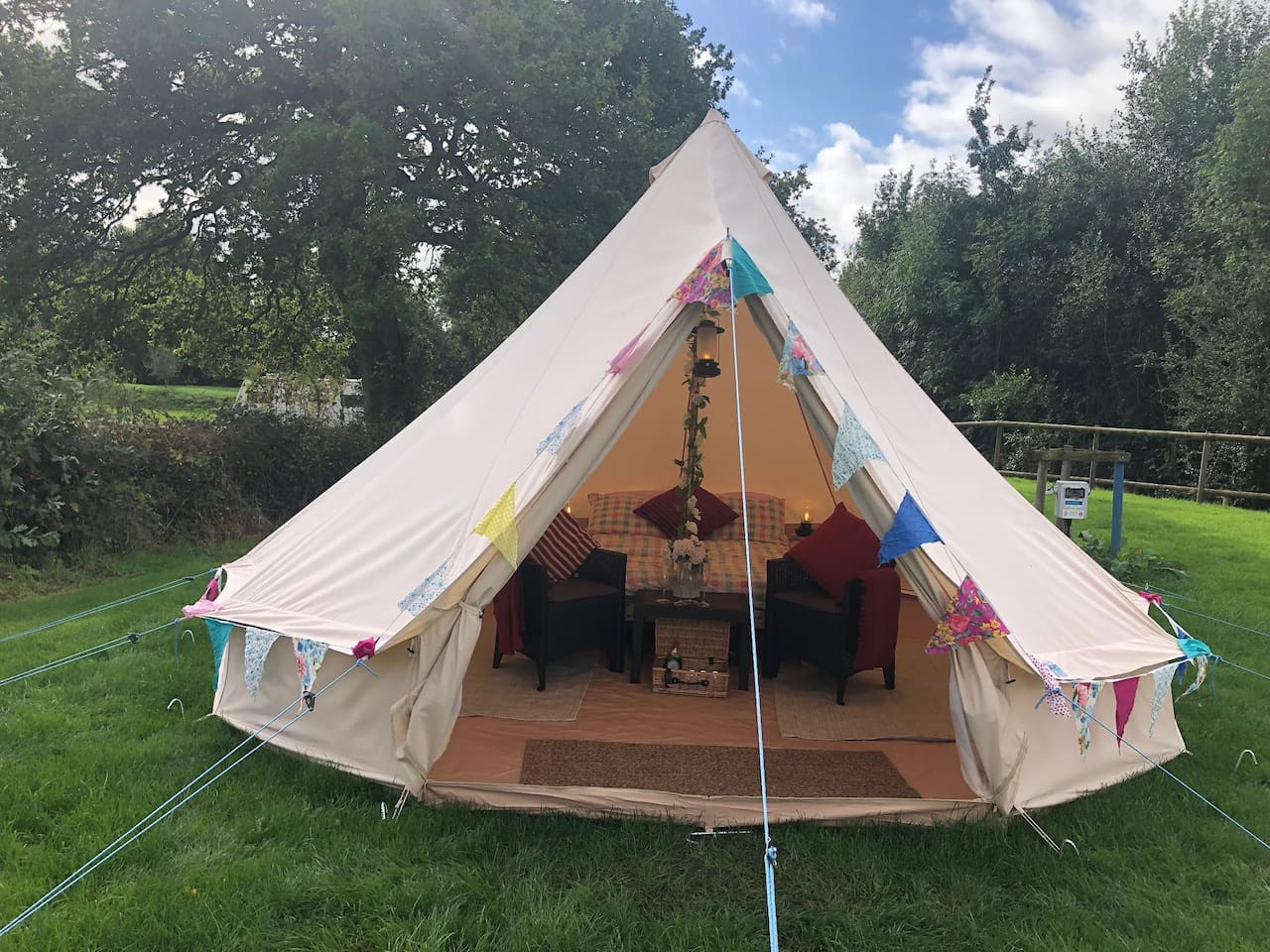
Croxden
Glamping with Alpacas!
- Sleeps 2
- 1 bedroom
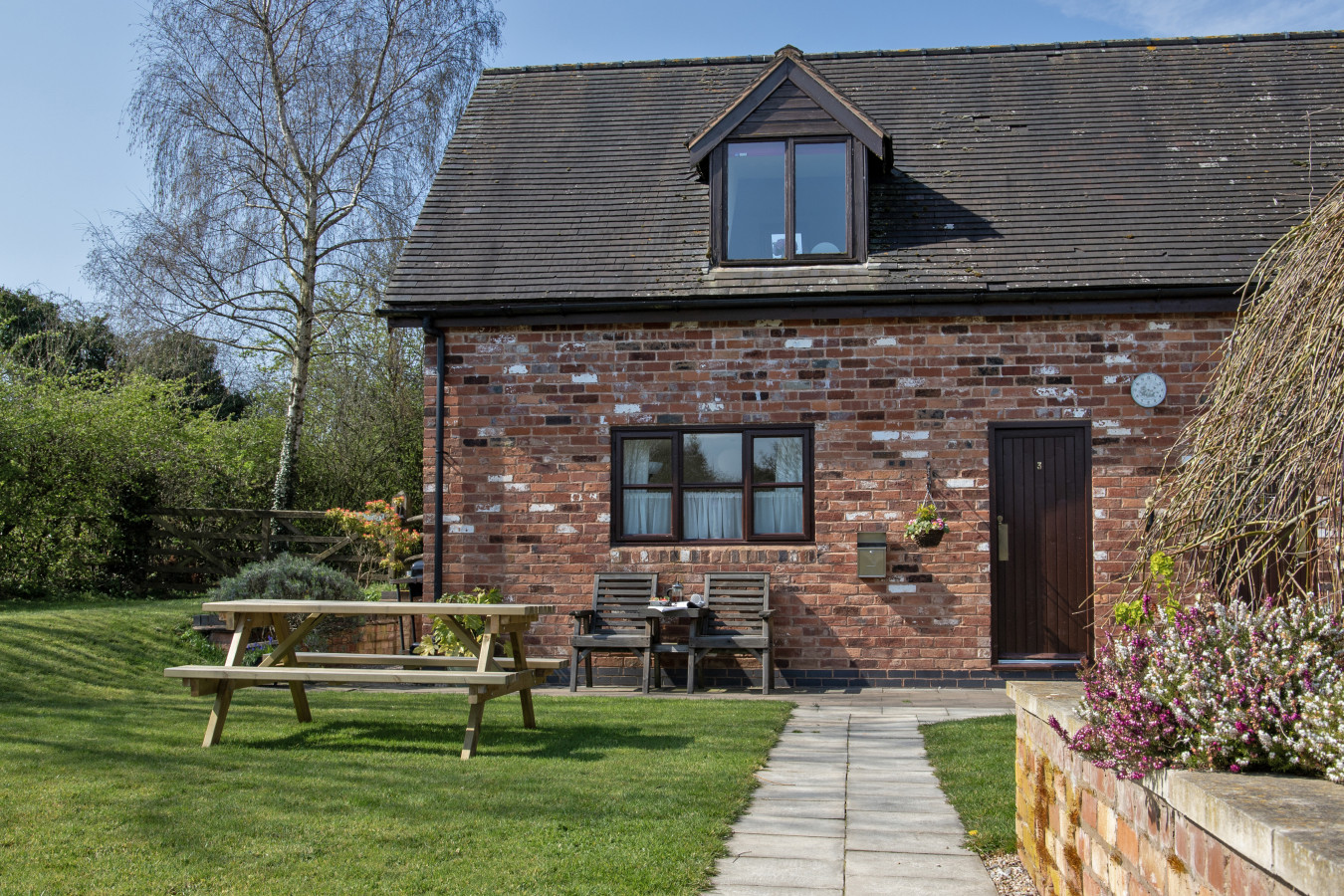
Croxden
Charlie's Cottage - 7mins to Alton Towers + Alpacas!
- Sleeps 5
- 1 bedroom
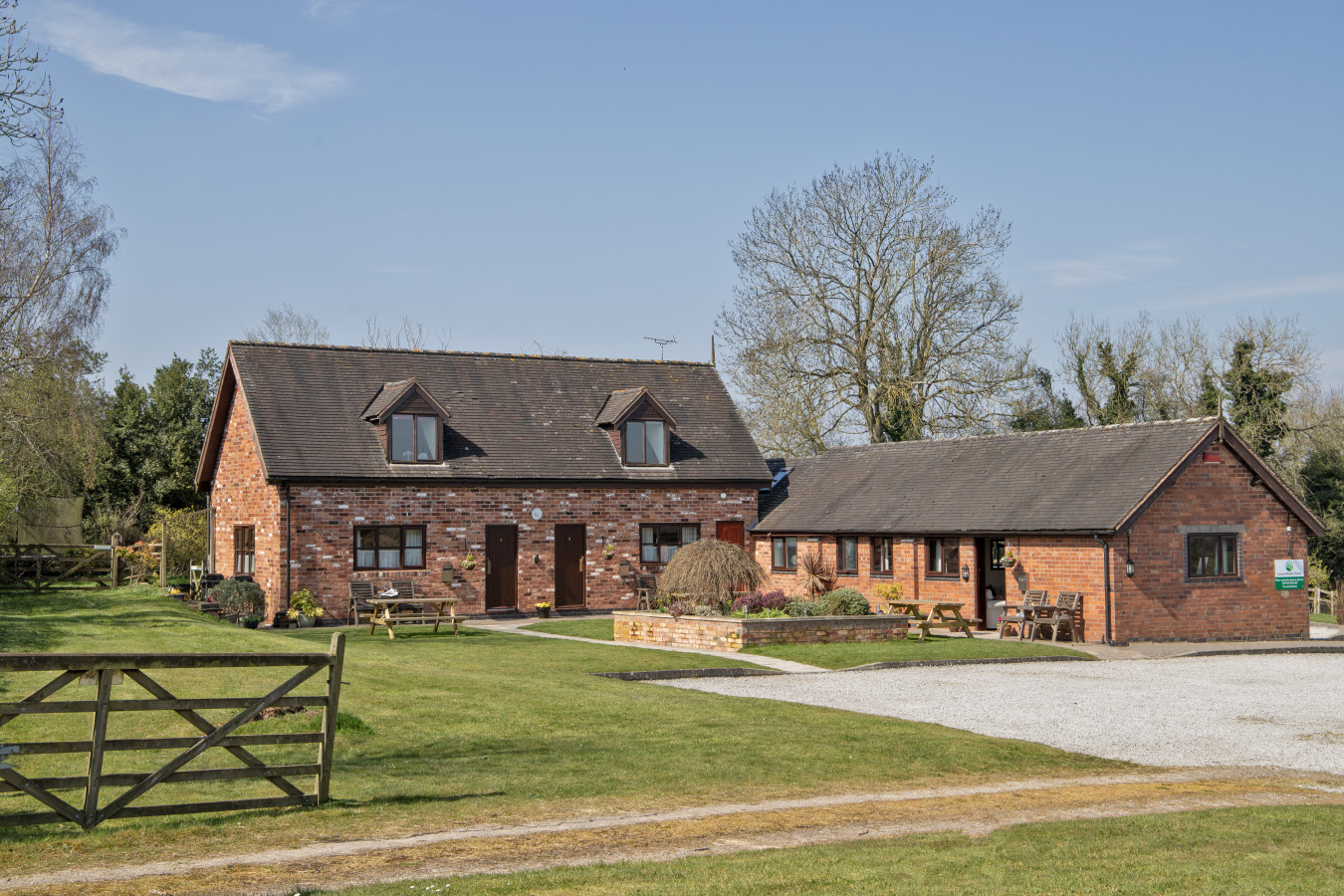
Croxden
Zoe's Cottage - 7 mins drive to Alton + Alpacas!
- Sleeps 6
- 2 bedrooms
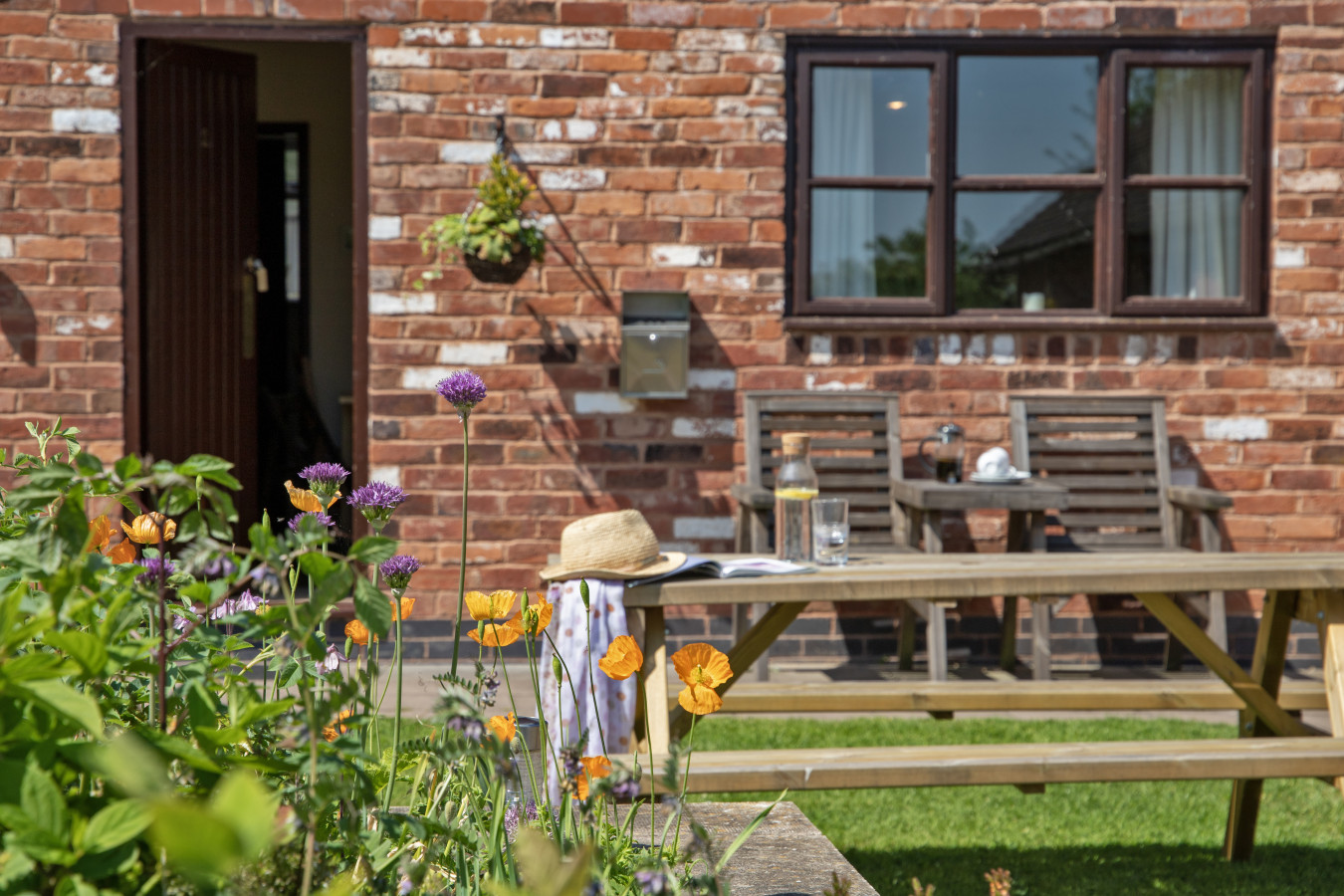
Croxden
Alpaca Cottage - 7mins to Alton Towers!
- Sleeps 5
- 2 bedrooms
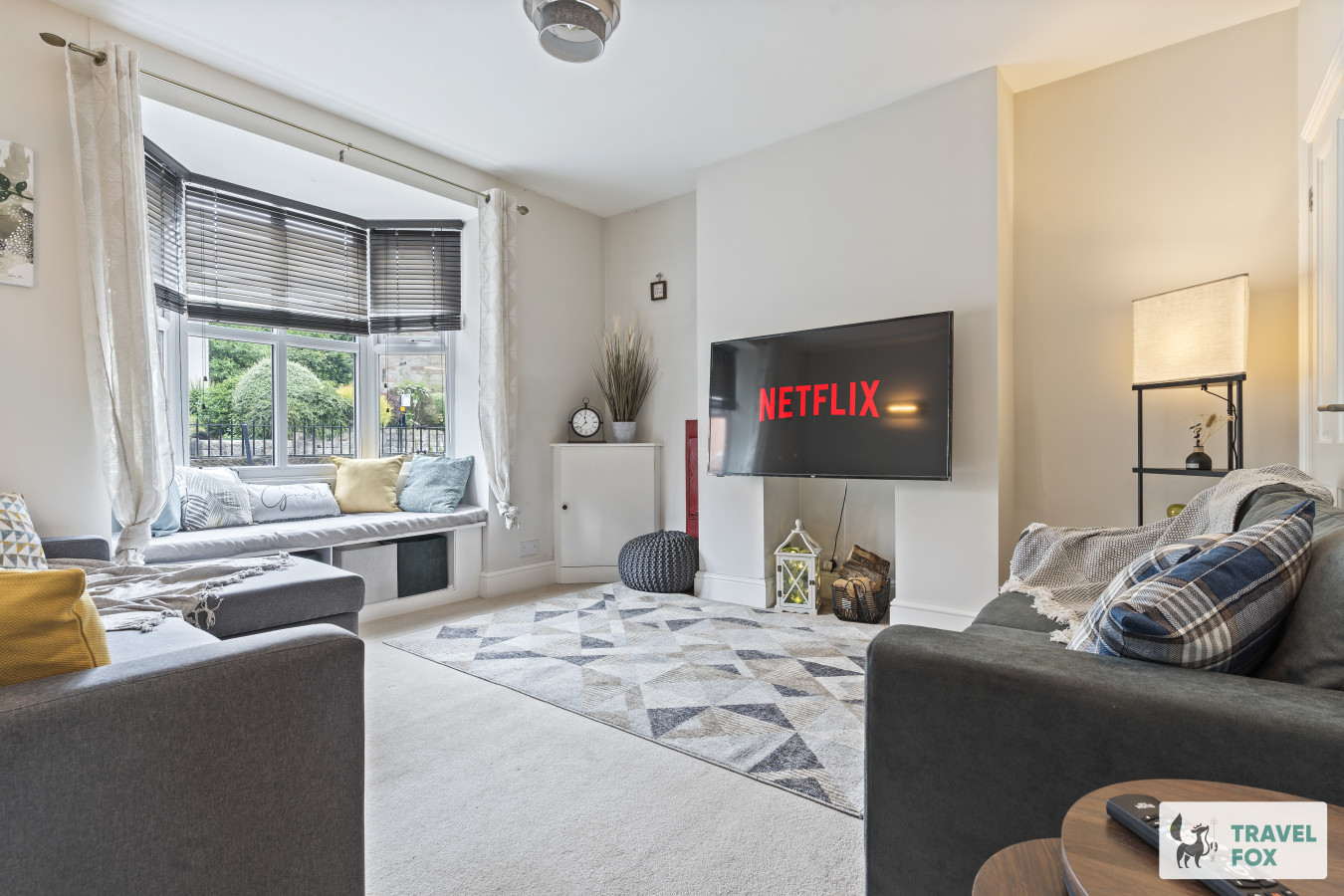
Alton
The Old Post Office: Alton Towers
- Sleeps 8
- 3 bedrooms
For homeowners
Own a holiday home near Croxden?
We manage holiday lets across Staffordshire from 12% commission, charged after cleaning costs, with no lock-in. A co-founder visits before you decide.
Holiday let management in Staffordshire →
A guide with a point of view
Written from research. Edited for real journeys.
Use the Official site links for live practical details, then use this guide for context, ideas and room to explore.
Sources
Every place on this page is checked against a published source. Each entry links the record we used and names who publishes it.
- Croxden Abbey — english-heritage.org.uk national body or asset manager
- St Giles' Church, Croxden — achurchnearyou.com national body or asset manager
- Greatgate Whipping Post — historicengland.org.uk statutory register or public authority record not machine-readable; publisher restricts automated access
- Alton Towers Resort — altontowers.com operator, sector body or destination organisation record not machine-readable; publisher restricts automated access
- Uttoxeter Market Place — uttoxetertowncouncil.gov.uk statutory register or public authority
- Redfern's Cottage — redfernscottage.org operator, sector body or destination organisation