
Moorland mining country
Dilhorne
A Staffordshire Moorlands village where an octagonal church tower, a preserved railway and an old colliery landscape meet the Royal Oak and village footpaths.
- Best for
- Industrial heritage, village walks and lunch at the Royal Oak
- Give it
- A relaxed half-day
- Don't miss
- All Saints' wholly octagonal tower
The Fox verdict
A small village with an unusually deep seam of history
Dilhorne combines an exceptional medieval church tower with the preserved railway and wooded landscape of its coalfield past.
Come for All Saints' rare octagonal tower, follow the footpath from Dilhorne Park towards Foxfield, then visit the volunteer-run recreation ground or stop at the Royal Oak. The result is a compact visit that links living village life with the coal workings that shaped the place.
Where to go
Places in Dilhorne
Every place below is checked against a published source, listed with what it is and how long to give it.
Local signatures
3 placesAll Saints Church
A Grade II* church with a late 13th-century core, a 15th-century chancel and a rare tower that remains octagonal from its base to its summit.
- Visit length
- Editorial estimate: Allow around 45 minutes
- Locality
- Dilhorne parish
Foxfield Railway
A preserved standard-gauge railway built in 1893 to carry coal from Foxfield Colliery. Visits start at Caverswall Road station in Blythe Bridge; the line includes the 1-in-19 Foxfield Bank gradient.
- Visit length
- Editorial estimate: Allow around 120 minutes
- Locality
- Caverswall Road station, Blythe Bridge
Dilhorne Recreation Centre
A volunteer-run recreation ground of just under three acres, with a refurbished playground, bowling green, gardens, tennis court, small café and zip-wire park.
- Visit length
- Editorial estimate: Allow around 60 minutes
- Locality
- former Dilhorne Hall grounds
Food & drink
1 placeThe Royal Oak
A family-owned freehouse with a dog-friendly bar, a log burner and a dining room overlooking the moorland countryside; all-day sandwiches, daily specials and homemade cheesecake are among the draws.
- Visit length
- Editorial estimate: Allow around 90 minutes
- Locality
- High Street
Walks & outdoors
1 placeDilhorne Park Station
A footpath through the railway landscape connecting wooded Dilhorne Park station with Foxfield station and offering a walking approach to the preserved line.
- Visit length
- Editorial estimate: Allow around 90 minutes
- Locality
- Dilhorne Park station and the route toward Foxfield
No places match this filter. Choose All places to reset the list.
Three ways to explore Dilhorne
Signature outings
A Moorland Pub Lunch
Choose an all-day sandwich with homemade chips or one of the chalkboard specials at the Royal Oak, where the bar is dog-friendly and the dining room looks across moorland countryside.
Dilhorne Park Station
Follow the railway landscape toward Dilhorne Park station, linked to Foxfield station by footpath.
Steam on Foxfield Bank
Start at Caverswall Road station in Blythe Bridge for the preserved railway built for Foxfield Colliery and the sharply graded route that reaches 1 in 19.
The town story
Dilhorne Town Guide
The Royal Oak, an octagonal medieval tower and a preserved colliery railway reveal how village life and mining history still sit side by side.
A Country Inn
The Royal Oak keeps a dog behind the bar called Sam, in a room built around a log-burner with the dining room windows looking out over moorland. The sandwiches come with fresh salad and homemade chips, served all day; there's a two-course option at lunch and in the evening, a Sunday roast, and a chalkboard of daily specials alongside a separate vegan and vegetarian menu. Reviewers keep mentioning the homemade cheesecake.
Getting Here and the Octagonal Tower
The GO2 bus runs between Newcastle, Longton, Blythe Bridge and Cheadle, stopping opposite the Royal Oak. Blythe Bridge station, the nearest railway stop, is about three miles off; Cheadle is two or three miles the other way, and Stoke-on-Trent is six.
All Saints church has a tower that is octagonal from the ground to the top, one of only a handful in the country built that way. Pevsner called it "stocky, octagonal and of 3 stepped-in stages with a parapet." The core dates to the late 13th century, with a 15th-century chancel and a Jacobean communion rail — one of nineteen listed buildings in and around the village.
A Place of Digging
The Domesday Book records the place as Delverne, a name that means "place of digging" — Dilhorne sits on the Cheadle Coalfield, where good coal seams reach the surface. In 1086 it had ten households and was valued at one pound a year to the lord.
That digging carried on for the best part of a millennium. Foxfield Colliery started in 1880 as Manns Pit, sunk on land whose owner had refused prospectors for years before relenting. It grew into the biggest mine on the coalfield and, eventually, the last one still working, closing in 1965 after a branch line up a 1-in-19 gradient — one of the steepest stretches of adhesion-worked standard-gauge track in Britain — had carried its coal out since 1893. The Foxfield Light Railway Society took over the line that same year; volunteers began restoring the colliery site itself in April 2024.
Railway Walks and Village Recreation
You can walk to it: a footpath runs from Dilhorne Park station, set in woodland 760 feet up with moorland views, straight to Foxfield station. A longer circular route goes from Cheadle church over the JCB test track to Dilhorne Wood, with a lunch stop at a Foxfield Railway platform on the way back.
The recreation ground occupies part of the former Dilhorne Hall estate, just under three acres, run by volunteers. It has a refurbished playground, a bowling green, a tennis court, a small café and a zip-wire park, and hosts weddings.
Between Rides and Working Fields
Cheadle is the nearest market town; Alton Towers is about 6.3 miles from Dilhorne in a straight line, with a longer road journey.
Dairy farming still goes on around Dilhorne, fewer farms than there used to be but still working the same land the Domesday clerks counted, not far from where volunteers are, right now, digging the old colliery back out of the ground.
Stay around Alton Towers
Make a longer stay of it
Travel Fox holiday homes around Alton Towers, linked directly to their property pages.
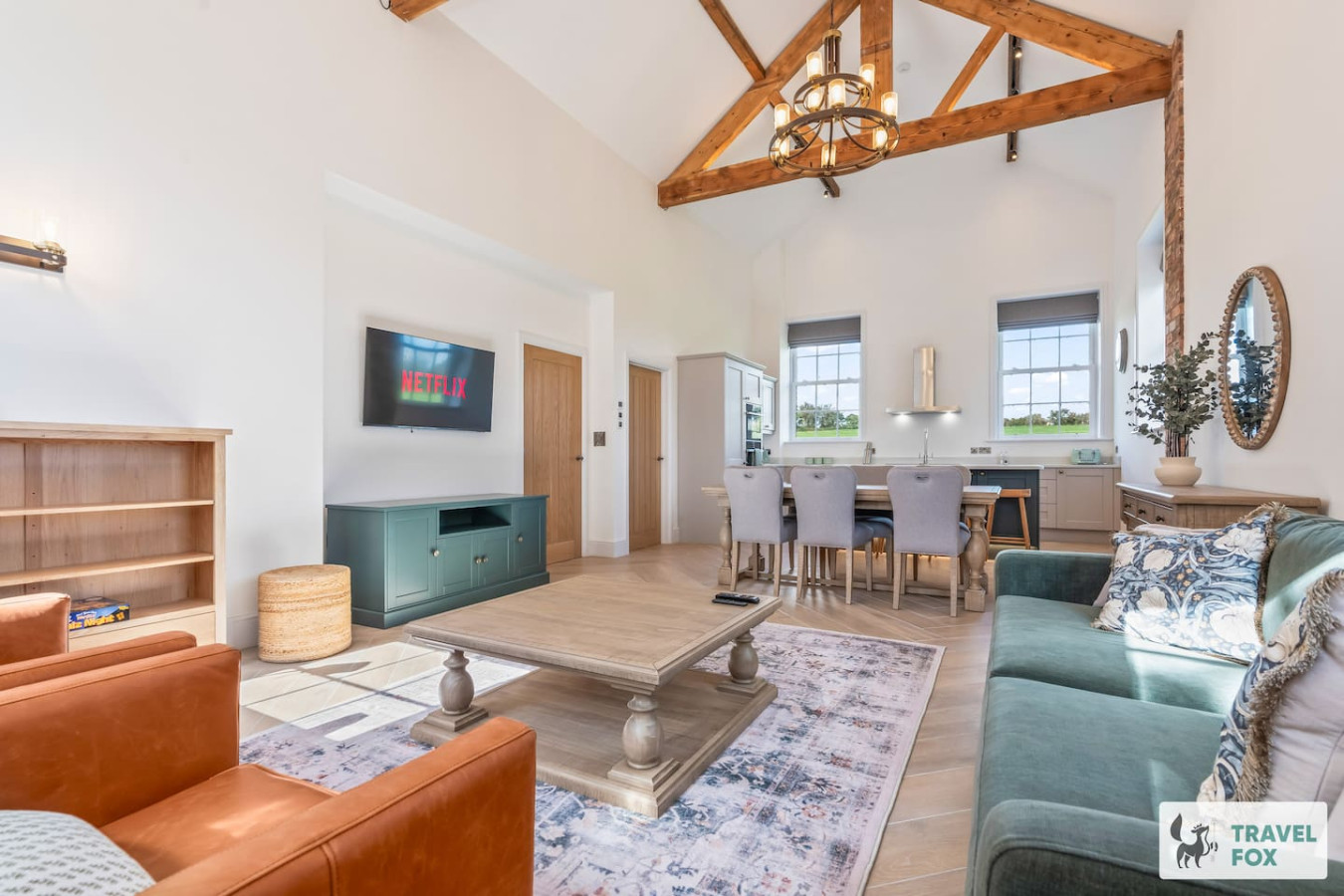
Dilhorne
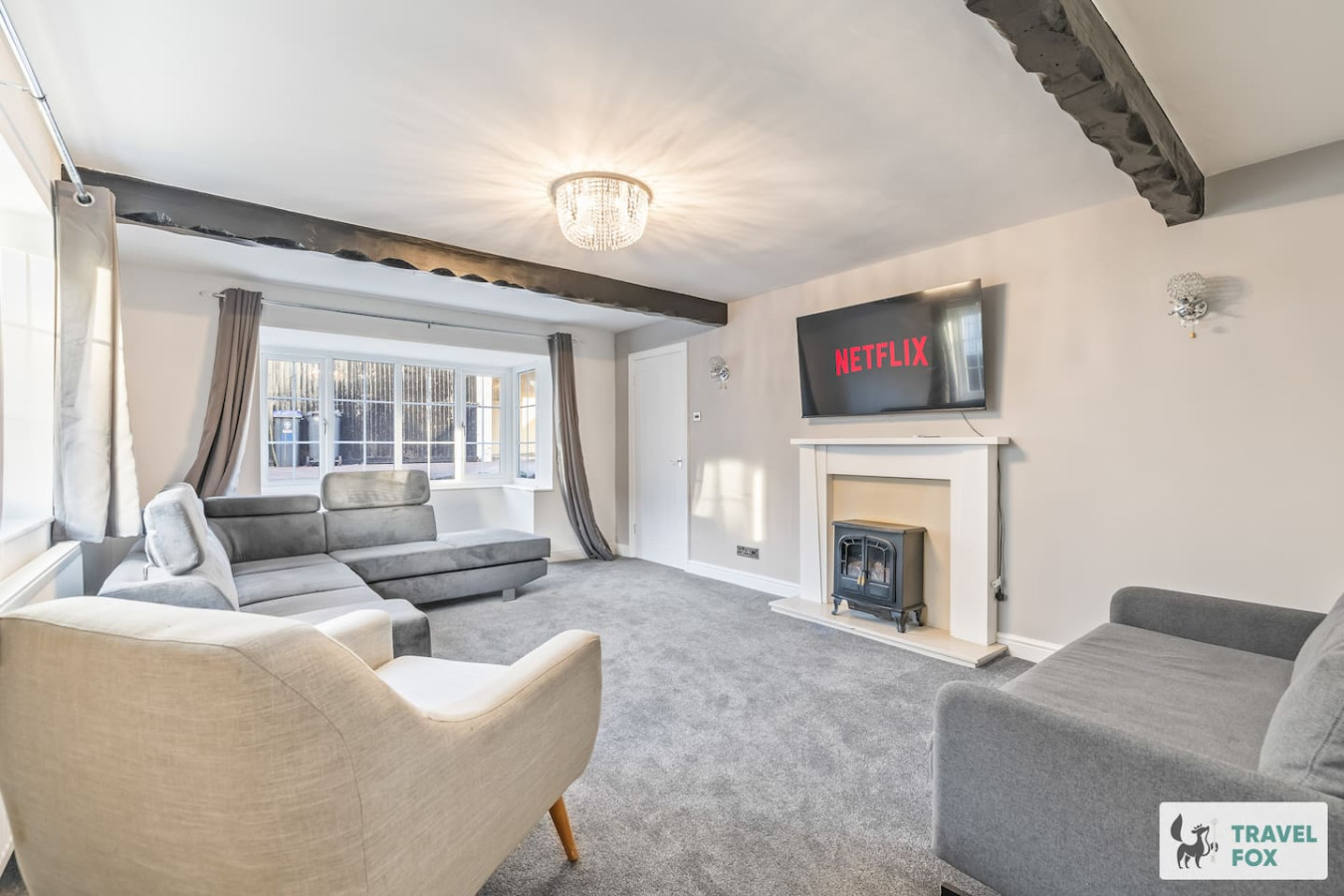
The Old Chapel
- Sleeps 6
- 3 bedrooms
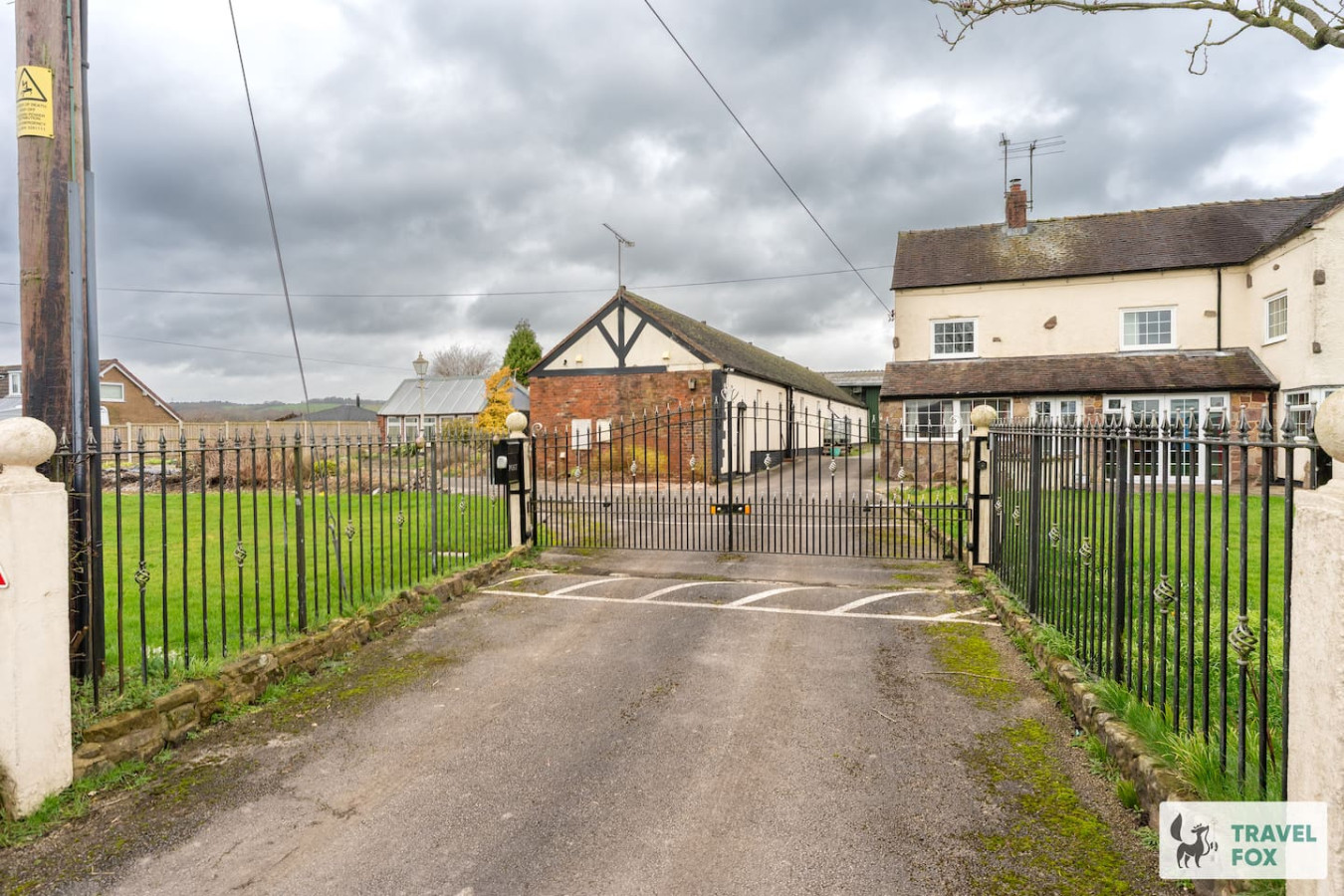
Cheadle
The Cornstore - with pool table, play barn & more!
- Sleeps 5
- 2 bedrooms
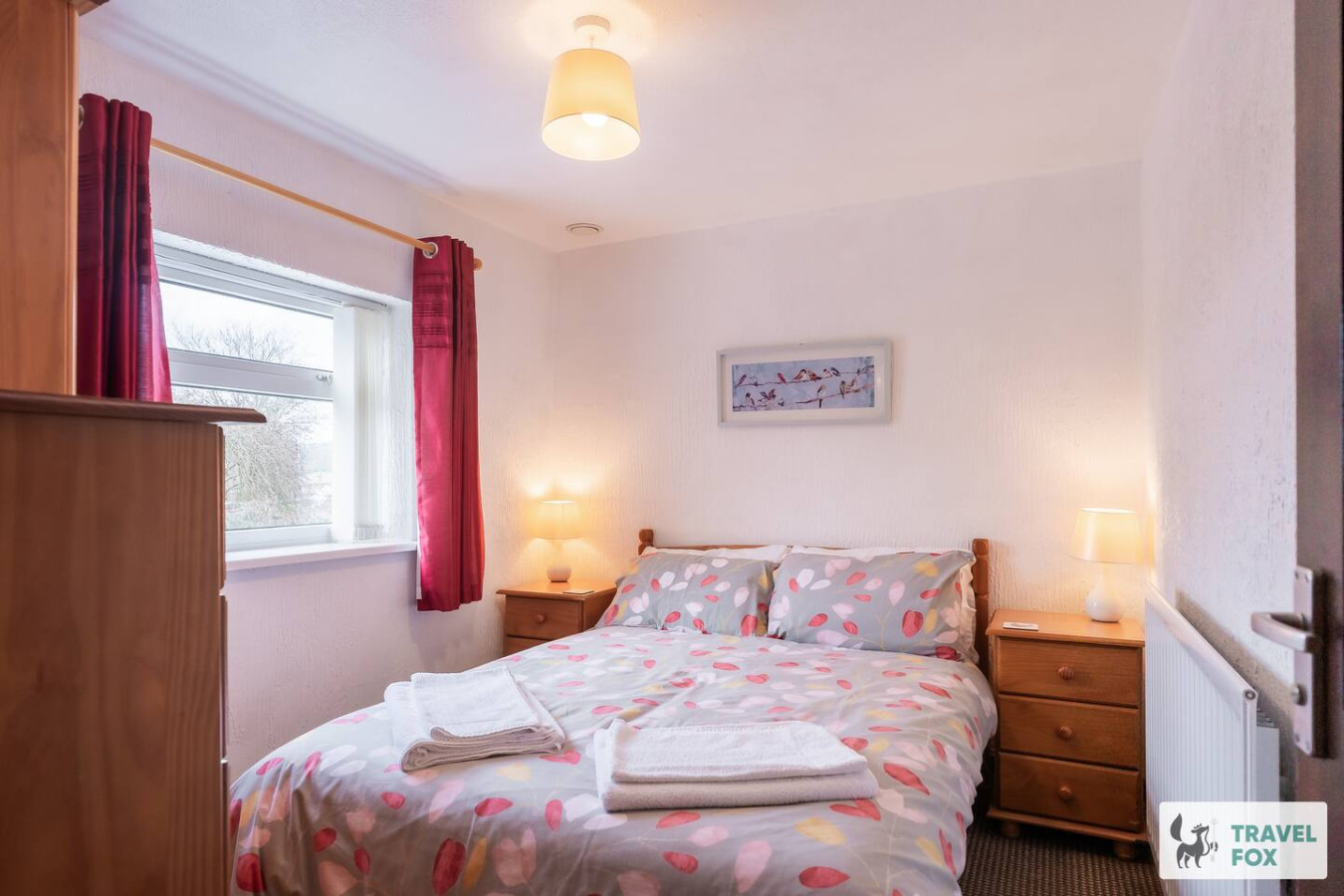
Cheadle
The Hereford - with pool table, play barn & more!
- Sleeps 4
- 2 bedrooms
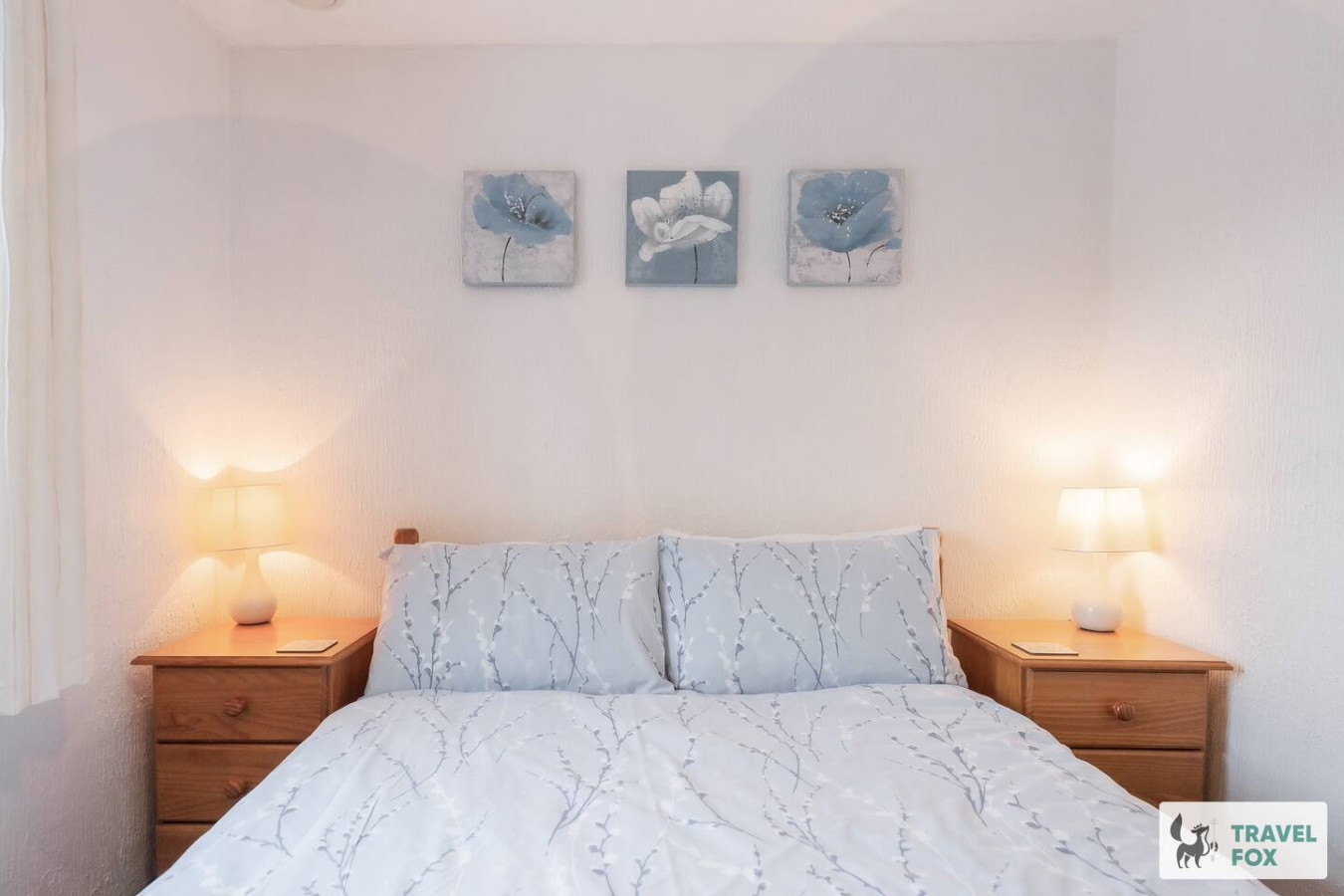
Cheadle
The Dairy - with pool table, play barn & more!
- Sleeps 4
- 2 bedrooms
Cheadle
Cheadle Cottage - Hot Tub and Pool Table!
- Sleeps 12
- 4 bedrooms
For homeowners
Own a holiday home near Dilhorne?
We manage holiday lets across Staffordshire from 12% commission, charged after cleaning costs, with no lock-in. A co-founder visits before you decide.
Holiday let management in Staffordshire →
A guide with a point of view
Written from research. Edited for real journeys.
Use the Official site links for live practical details, then use this guide for context, ideas and room to explore.
Sources
Every place on this page is checked against a published source. Each entry links the record we used and names who publishes it.
- The Royal Oak — royaloakdilhorne.co.uk operator, sector body or destination organisation
- All Saints Church — historicengland.org.uk statutory register or public authority record not machine-readable; publisher restricts automated access
- Foxfield Railway — foxfieldrailway.co.uk operator, sector body or destination organisation
- Dilhorne Park Station — foxfieldrailway.co.uk other published source
- Dilhorne Recreation Centre — dilhorne-recreation-centre.com operator, sector body or destination organisation