
Blithe valley stories
Cresswell
A small hamlet beside the Blithe, with parish walks, Catholic history and community cricket linking Cresswell to the wider Draycott landscape.
- Best for
- Field walks and layered local history
- Give it
- Two to five hours, depending on the chosen walk
- Don't miss
- St Mary's Pugin window and the Blithe valley
The Fox verdict
A quiet base for walks with a deep historical undertow
Cresswell rewards visitors who arrive with a route in mind and time for the parish's churches and community landscape.
The hamlet is small and has no present-day shop or pub, but its three named walking circuits, cricket ground and Catholic story give a visit a clear shape. St Mary's connects post-Relief Act worship with Pugin and Paynsley Hall, while nearby St Margaret's reaches back to the late thirteenth century.
Where to go
Places in Cresswell
Every place below is checked against a published source, listed with what it is and how long to give it.
Local signatures
3 placesRoman Catholic Church of St Mary
Built in 1815–16 as north Staffordshire's first Catholic church after the 1791 Relief Act, with a Pugin window and items rescued from Paynsley Hall's chapel.
- Visit length
- Editorial estimate: around 30 minutes
- Locality
- Cresswell
- Access
- Confirm current opening arrangements before relying on an interior visit.
Church of St Margaret
A Grade II* church with a late-thirteenth-century core, refaced around 1848 in work possibly associated with Pugin.
- Visit length
- Editorial estimate: around 30 minutes
- Locality
- Draycott in the Moors
- Access
- Confirm current opening arrangements before relying on an interior visit.
Blythe Cricket Club
Cresswell's cricket ground at Walton House, with junior cricket space and a football pitch used for Lads & Dads sessions on a former pottery waste tip.
- Visit length
- Editorial estimate: around 1 hour
- Locality
- Cresswell Lane
- Access
- Plan this stop around a club fixture or public activity and check club information before setting out.
Walks & outdoors
3 placesCresswell Walk
The longest of the parish booklet's named circuits, covering 7.5 miles through fields and past local historical sites.
- Visit length
- Editorial estimate: around 3 hours
- Locality
- Cresswell and the wider Draycott parish
- Access
- Use the route booklet and check current rights-of-way notices before setting out.
Blythe Marsh Walk
A 4.5-mile option among the three named routes in the Draycott in the Moors parish walking booklet.
- Visit length
- Editorial estimate: around 2 hours
- Locality
- Draycott parish
- Access
- Use the route booklet and check current rights-of-way notices before setting out.
Totmonslow & Newton Walk
A 4-mile circuit through Totmonslow and Newton, including the hamlet that gave its name to the Domesday administrative hundred.
- Visit length
- Editorial estimate: around 1 hour 45 minutes
- Locality
- Totmonslow and Newton
- Access
- Use the route booklet and check current rights-of-way notices before setting out.
No places match this filter. Choose All places to reset the list.
Three ways to explore Cresswell
Signature outings
Glass and recusant memory
At St Mary's, a Pugin window and objects saved from Paynsley Hall's private chapel carry Cresswell's Catholic story indoors.
Cross Blythe Marsh
The 4.5-mile Blythe Marsh Walk is one of three routes in the parish walking booklet.
Fields and local history
The 7.5-mile Cresswell Walk is the parish booklet's longest option, threading fields and local historical sites into one outing.
The village story
Cresswell Village Guide
A source-locked account of a small hamlet shaped by a lost inn, parish walks, Catholic survival, cricket and folklore.
The inn and the hamlet
The Izaak Walton Inn on Cresswell Lane reopened in March 2014 after a sympathetic restoration, then closed for good within six years and is now a private house. It's named after the seventeenth-century angler who wrote The Compleat Angler and is said to have fished the River Blithe nearby — CAMRA described it as a large open-plan pub with a beer garden and countryside views.
Cresswell itself is a hamlet, not much more than a scatter of houses southeast of Blythe Bridge, on the edge of the Staffordshire Moorlands. The Blithe runs close by, down through the Draycott valley on its way to the Trent, and you get a good look at it on the walk between Cresswell and Newton.
Cricket and three parish walks
There's no shop here now, no butcher, no post office. What there is instead is cricket: Blythe Cricket Club plays at Walton House, on ground that was once a pottery waste tip near where the pub used to stand — NSSCCL Division One champions in 2017, with a pitch for the under-11s and Lads & Dads football sessions.
A parish council booklet sets out three walking routes in the wider area; copies have been kept behind the bar at the Draycott Arms in the next village: the Cresswell Walk (7.5 miles), the Blythe Marsh Walk (4.5 miles) and the Totmonslow & Newton Walk (4 miles), past the old hamlet that gave its name to the Domesday "hundred" covering this stretch of Staffordshire.
Railways, relief and St Mary's
Cresswell had its own railway station once, with a branch to Cheadle opened in 1901 — both long gone, the tracks lifted in 2012. Blythe Bridge station is the nearest one running today.
The Roman Catholic church of St Mary's was built in 1815–16, paid for by Lady Mary Stourton of the Draycott estate — the first Catholic church raised in north Staffordshire after the Relief Act of 1791 made it possible again. Inside is a stained-glass window by Pugin dedicated to Lady Stourton, and vestments rescued from Paynsley Hall's private chapel.
Paynsley Hall and pub folklore
Paynsley Hall, between Cresswell and Newton, was the Draycot family seat from the Conquest to the end of the eighteenth century, changing hands more than once in the Civil War before being largely demolished; what's left is a scheduled ruin. Anthony Babington was raised partly under Philip Draycot's guardianship there, married his daughter Margery in 1579, and later plotted the assassination of Elizabeth I.
The old pub carries its own folklore. Izaak Walton is said to haunt the bar in the small hours of 2 September, unhappy about the newer extension and prone to moving or breaking clocks and lights. A second ghost, the Woman Who Laughs, was reportedly heard by the landlord's daughter, Sky, laughing in the empty restaurant. In 2012 three teenagers — Luke Emery, Will Jones and Will Wright — sat up overnight to see for themselves and found nothing, though a stopped grandfather clock nearby started chiming again days later.
One last warning after closing time
"The locals, particularly Billy, who has been coming here for thirty years, cite midnight-to-dawn on September 2nd as a time to avoid being in one particular part of the pub" — even though, these days, there's no pub left to avoid it in.
Stay around Alton Towers
Make a longer stay of it
Travel Fox holiday homes around Alton Towers, linked directly to their property pages.
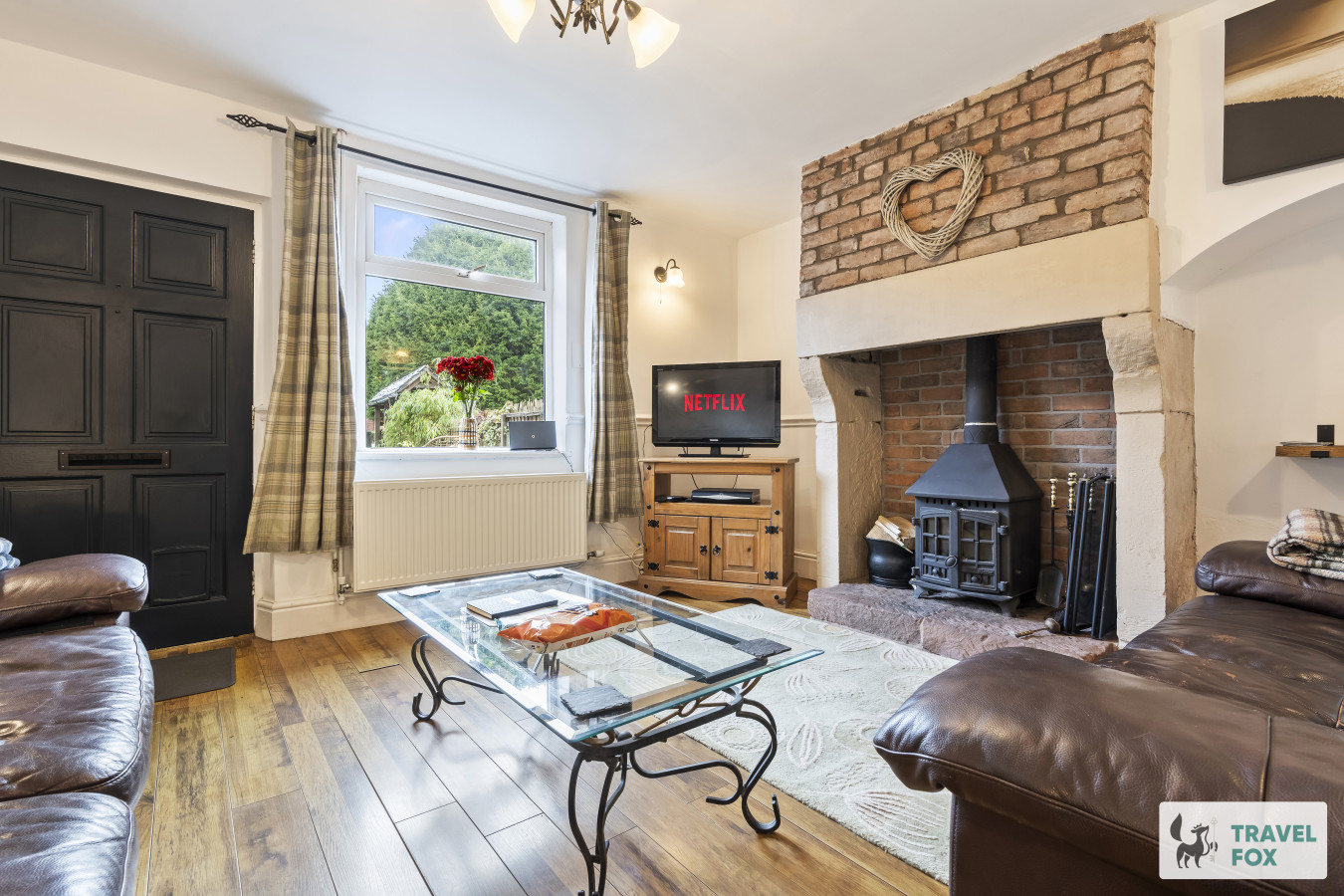
Oakamoor
Christina's House
- Sleeps 4
- 2 bedrooms
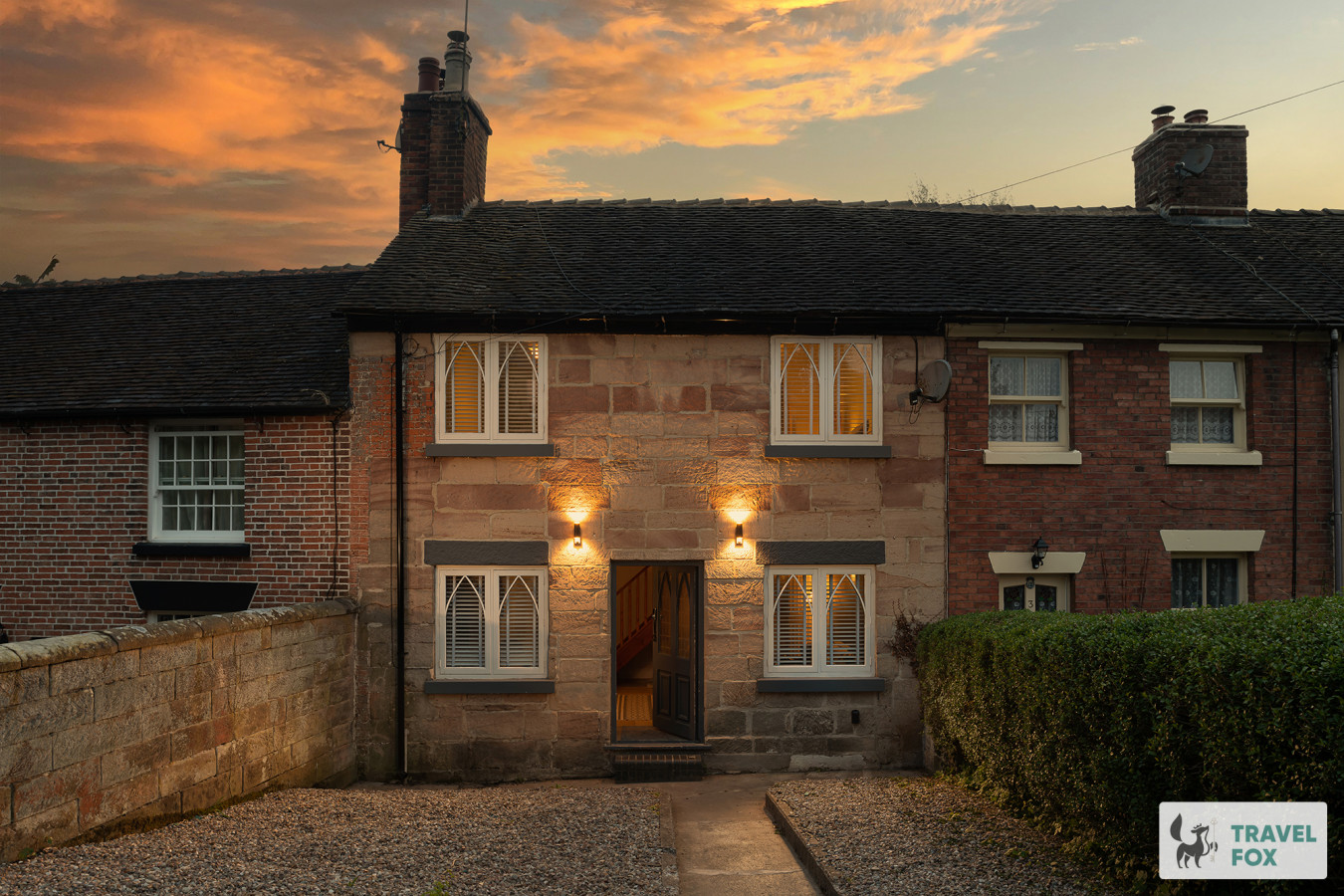
Alton
Angel Cottage - 5 mins drive to Alton Towers!
- Sleeps 10
- 4 bedrooms
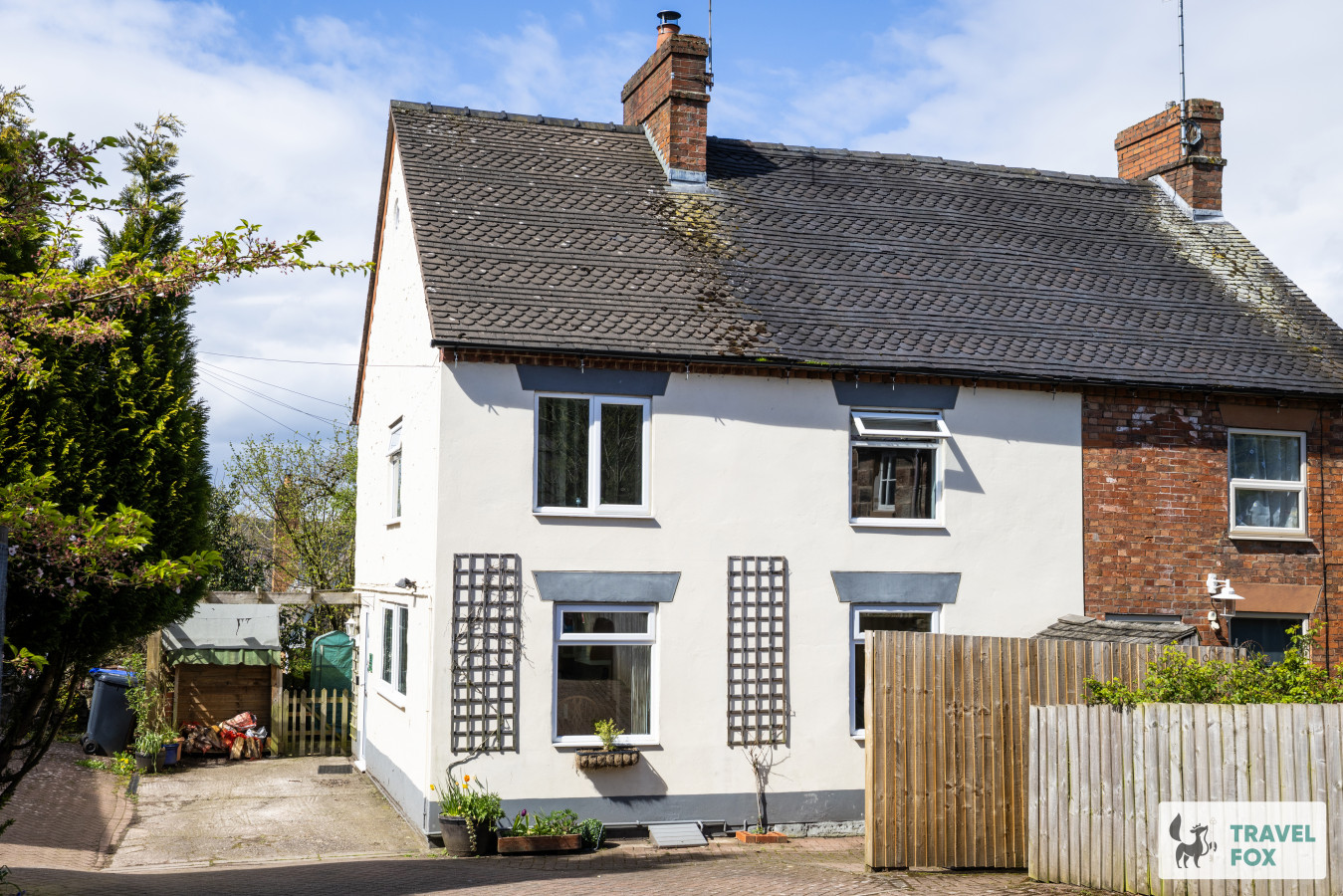
Alton
Smithy Bank Cottage - with free parking!
- Sleeps 8
- 3 bedrooms
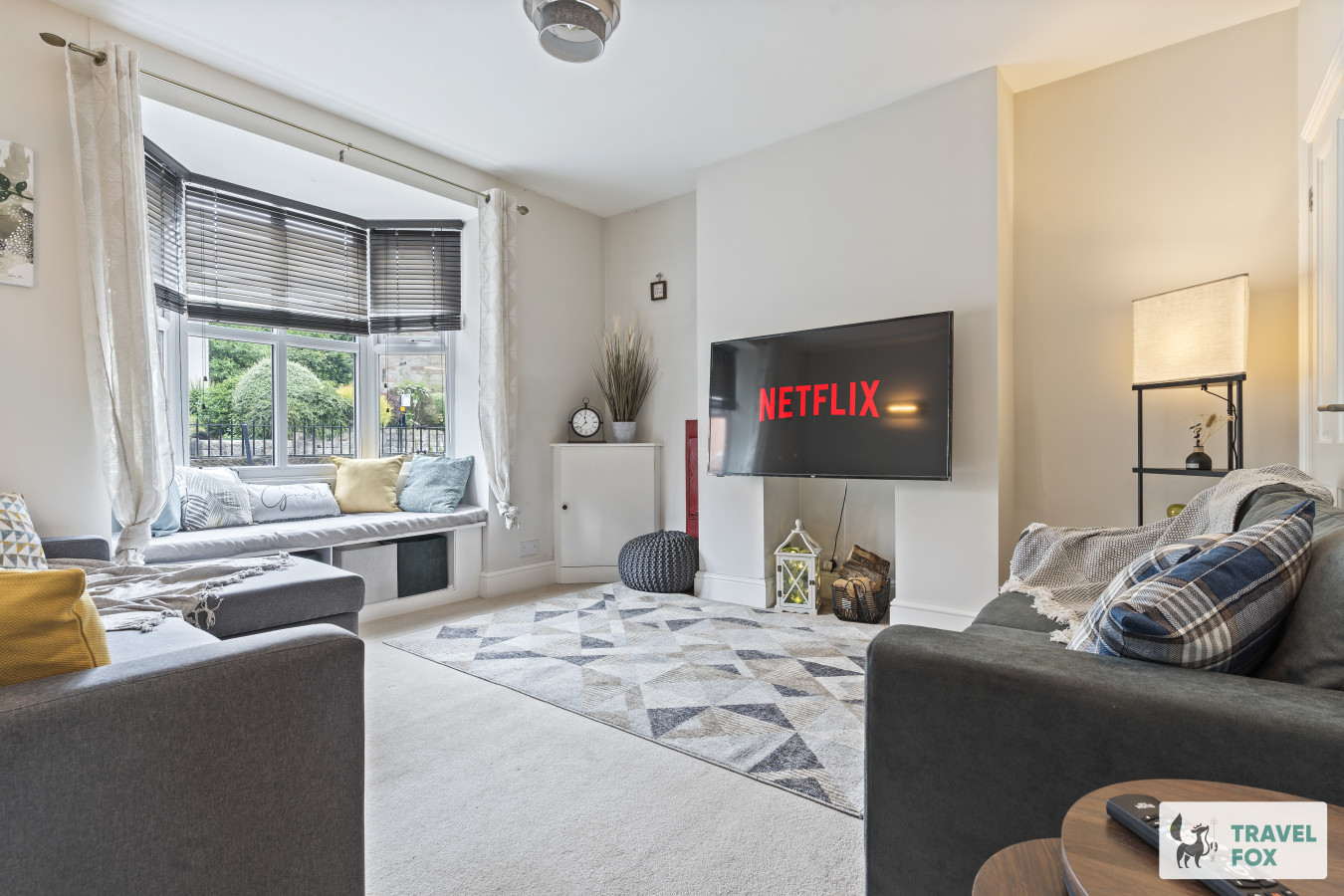
Alton
The Old Post Office: Alton Towers
- Sleeps 8
- 3 bedrooms
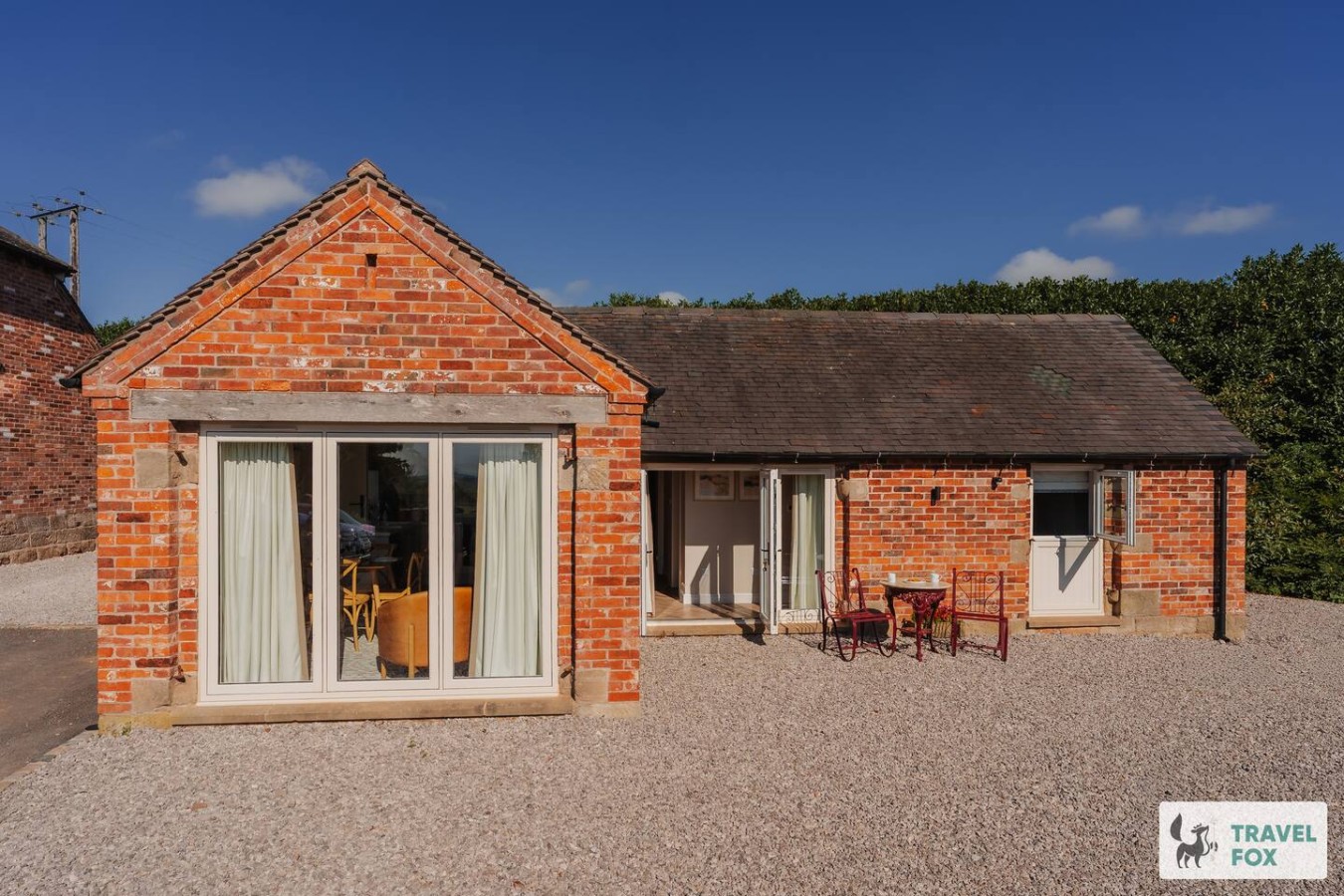
Checkley
The Old Stables
- Sleeps 4
- 2 bedrooms
For homeowners
Own a holiday home near Cresswell?
We manage holiday lets across Staffordshire from 12% commission, charged after cleaning costs, with no lock-in. A co-founder visits before you decide.
Holiday let management in Staffordshire →
A guide with a point of view
Written from research. Edited for real journeys.
Use the Official site links for live practical details, then use this guide for context, ideas and room to explore.
Sources
Every place on this page is checked against a published source. Each entry links the record we used and names who publishes it.
- Roman Catholic Church of St Mary — historicengland.org.uk statutory register or public authority record not machine-readable; publisher restricts automated access
- Church of St Margaret — historicengland.org.uk statutory register or public authority record not machine-readable; publisher restricts automated access
- Cresswell Walk — draycottinmoors.wordpress.com other published source
- Blythe Marsh Walk — draycottinmoors.wordpress.com other published source
- Totmonslow & Newton Walk — draycottinmoors.wordpress.com other published source
- Blythe Cricket Club — blythecricket.club operator, sector body or destination organisation