
Canal end, valley beginning
Froghall
Where the Caldon Canal meets old lime kilns, a heritage railway and the steep woods of the Churnet Valley.
- Best for
- Canal history and wooded valley walks
- Give it
- A relaxed half-day, or longer with the railway
- Don't miss
- The lime kilns beside Froghall Wharf
The Fox verdict
A quiet terminus with an industrial past
Froghall works best for visitors who like their history embedded in a living landscape rather than arranged behind museum glass.
Start at the canal basin, where the warehouse and lime kilns explain why the village grew, then choose between a heritage train and the towpath into the Churnet Valley. Hetty's gives the wharf a useful food stop, while Consall adds woodland trails and a canalside pub to a longer visit.
Where to go
Places in Froghall
Every place below is checked against a published source, listed with what it is and how long to give it.
Local signatures
3 placesHetty's Tea Shop
Hetty's Tea Shop occupies a Grade II listed former canal warehouse at Froghall Wharf and serves scones alongside tea and coffee.
- Visit length
- Editorial estimate: Allow around 60 minutes
- Locality
- Froghall Wharf
Churnet Valley Railway
Heritage steam and diesel trains use Froghall's restored southern terminus for journeys through the Churnet Valley towards Consall and Cheddleton.
- Visit length
- Editorial estimate: Allow around 2 hours 30 minutes
- Locality
- Kingsley & Froghall station
The Black Lion
A rural free house at the meeting of canal, river and railway, known for pub food, a canalside garden and an extensive range of ciders and microbrewery beers.
- Visit length
- Editorial estimate: Allow around 75 minutes
- Locality
- Consall Forge
Walks & outdoors
2 placesConsall Nature Park
Consall Nature Park has waymarked walks through woodland and past ponds and streams, with fishing and picnic facilities. Much of the park is a Site of Special Scientific Interest.
- Visit length
- Editorial estimate: Allow around 2 hours
- Locality
- Consall Forge
- Access
- Some routes include steep, muddy and uneven ground; choose a waymarked trail suitable for the conditions.
Caldon Canal Towpath
Follow the Caldon Canal towpath from Froghall towards the Churnet Valley and Consall, choosing an out-and-back distance that suits the day.
- Visit length
- Editorial estimate: Allow around 3 hours
- Locality
- Froghall Wharf to Consall Forge
- Access
- Paths away from the towpath can be steep and muddy.
History & heritage
1 placeFroghall Wharf and Lime Kilns
The canal's restored terminal basin is framed by its old warehouse and Grade II-listed lime kilns, where limestone arriving from Cauldon Low was once crushed and burnt.
- Visit length
- Editorial estimate: Allow around 45 minutes
- Locality
- Froghall Wharf
No places match this filter. Choose All places to reset the list.
Three ways to explore Froghall
Signature outings
Follow the limestone story
Look beyond the kilns for remains of the tramways that brought limestone down from the quarries above the valley.
Take the heritage train
Froghall station has free customer parking, making it a useful starting point for a trip on the railway.
Choose a Consall trail
Choose the short green circuit around the ponds or the steeper purple route for views over the Churnet Valley.
The village story
At the End of the Caldon Canal
Lime kilns at Froghall Wharf recall the canal's working years; from Froghall station, heritage trains head into the wooded Churnet Valley.
Where the Caldon Canal Ends
The canal simply stops at Froghall Wharf. Eighteen miles after leaving the Trent & Mersey at Etruria, it runs out of valley and out of canal, ending in a basin ringed by lime kilns and old warehouses, the wooded sides of the Churnet Valley rising steeply behind.
Hetty's Tea Shop serves scones from a Grade II listed former canal warehouse by the basin. The visitor centre occupies the old horse stables nearby. The wharf and surviving kilns show how canal trade shaped Froghall's industrial landscape.
Rails and Trails Through the Valley
Kingsley & Froghall station is the southern terminus of the Churnet Valley Railway. Heritage trains follow the wooded valley towards Consall and Cheddleton.
From the basin, the Caldon Canal towpath leads towards Consall Forge. Consall Nature Park has marked trails past ponds and streams, with longer climbs to views over the Churnet Valley. Barges once carried locally mined ironstone along the canal to Froghall.
Consall Forge and Working Limestone
At Consall Forge, the Black Lion stands beside the canal, river and heritage railway. The pub has an extensive range of microbrewery beer and cider and won Staffordshire Moorlands Cider Pub of the Year in 2024.
The wharf's real business was limestone, brought down from the quarries at Cauldon Low by four successive tramroads, the last built in 1847–49 by James Trubshaw — a self-acting system in which loaded wagons descending on a cable hauled the empty ones back up. It ran until about 1920, the stone crushed and burnt in the kilns still standing at the basin.
Copper Works and Oakamoor Church
Bolton's works at Oakamoor drew wire for early transatlantic telegraph cables before the company built its Froghall factory in 1890. Froghall became the company headquarters in 1940, and the works there closed in 2014.
Oakamoor, where Bolton's earlier copper works stood, is also home to the Grade II listed Holy Trinity Church. Built in 1832, it has a crenellated west tower.
Arriving Without Fanfare
The A52 runs through Froghall, and bus routes 29, 30 and 32X serve the village. The basin lies north of Cheadle.
At the basin, the lime kilns and wooded valley fit into one view. Froghall's working past still shapes the landscape.
Stay around Alton Towers
Make a longer stay of it
Travel Fox holiday homes around Alton Towers, linked directly to their property pages.
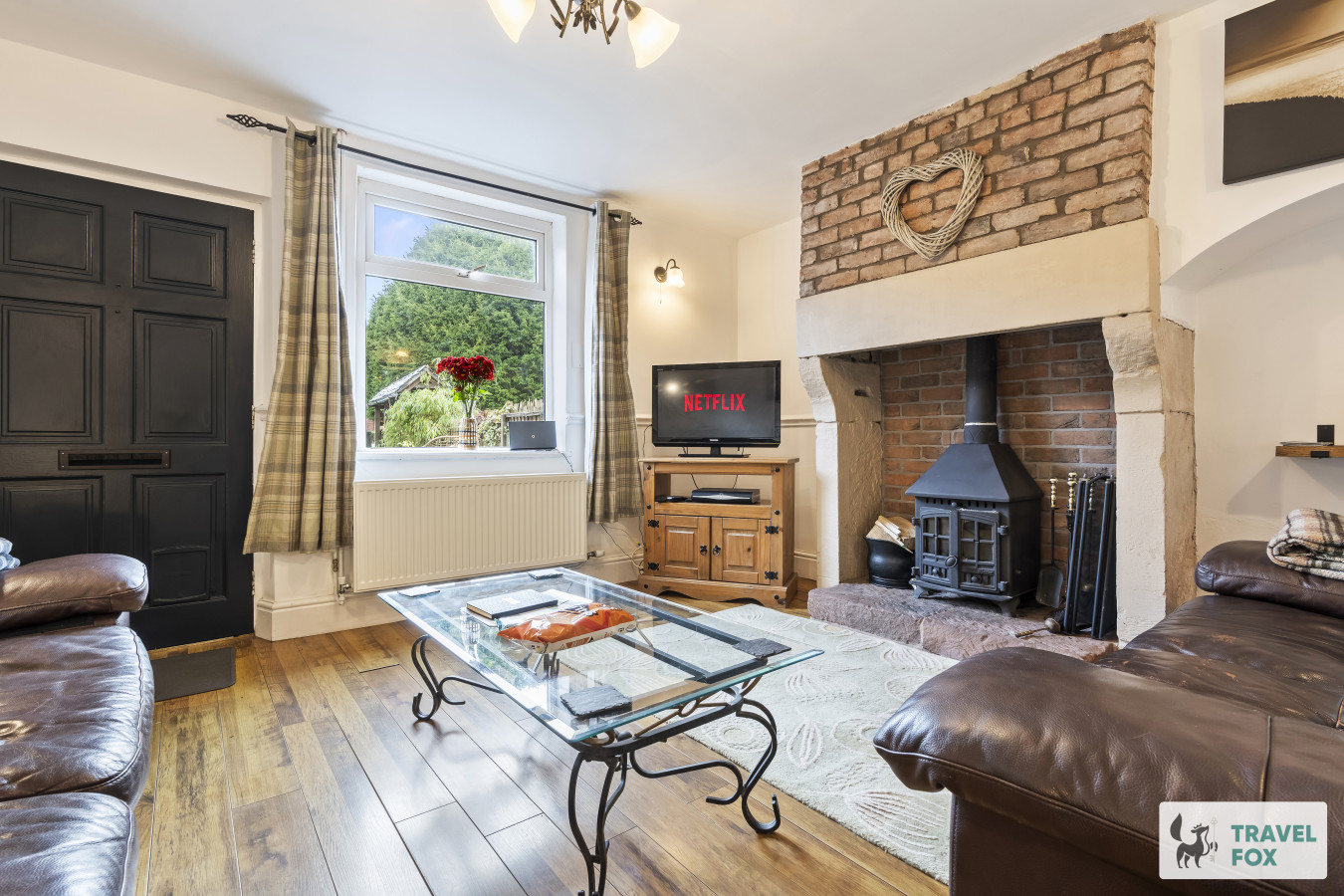
Oakamoor
Christina's House
- Sleeps 4
- 2 bedrooms
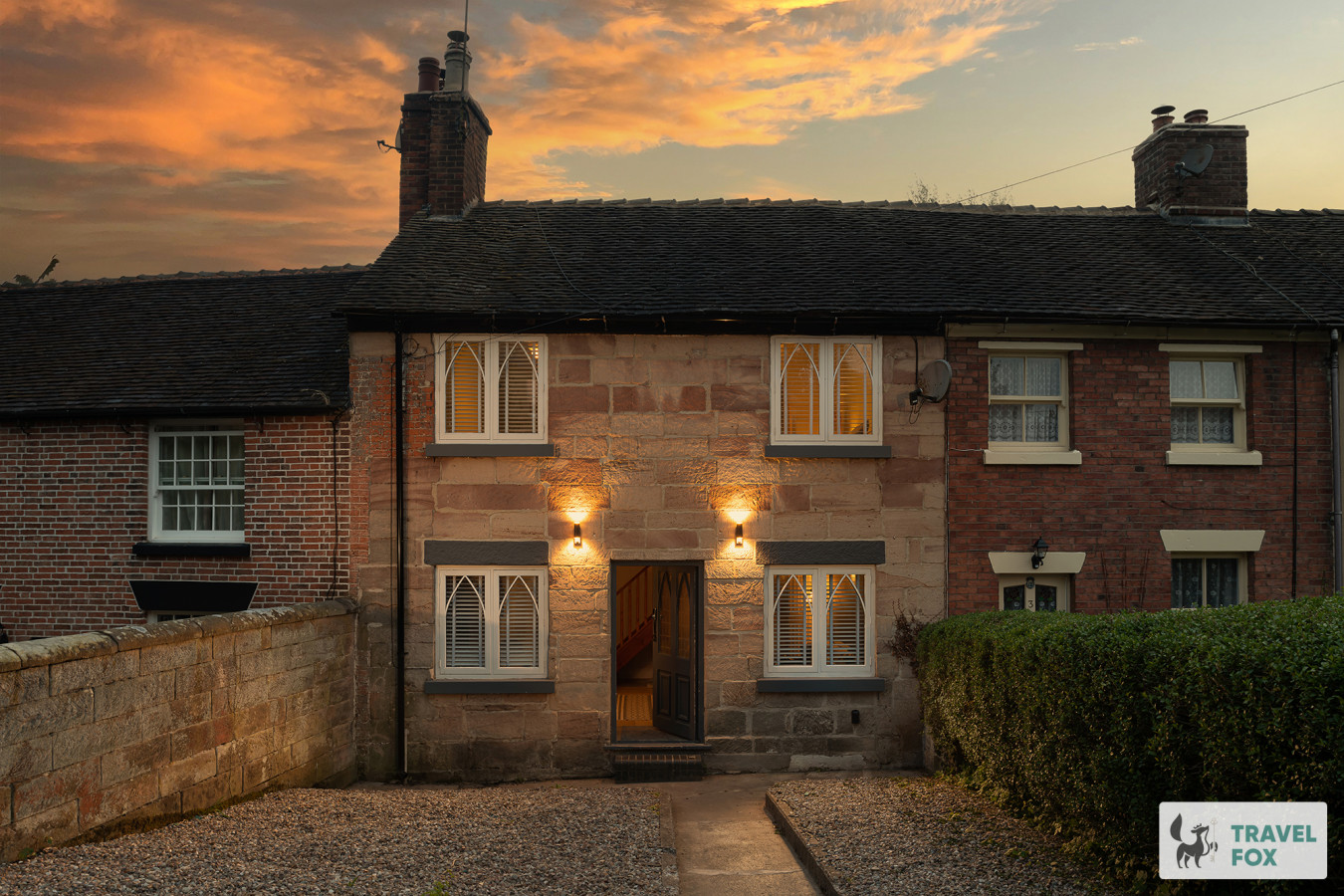
Alton
Angel Cottage - 5 mins drive to Alton Towers!
- Sleeps 10
- 4 bedrooms
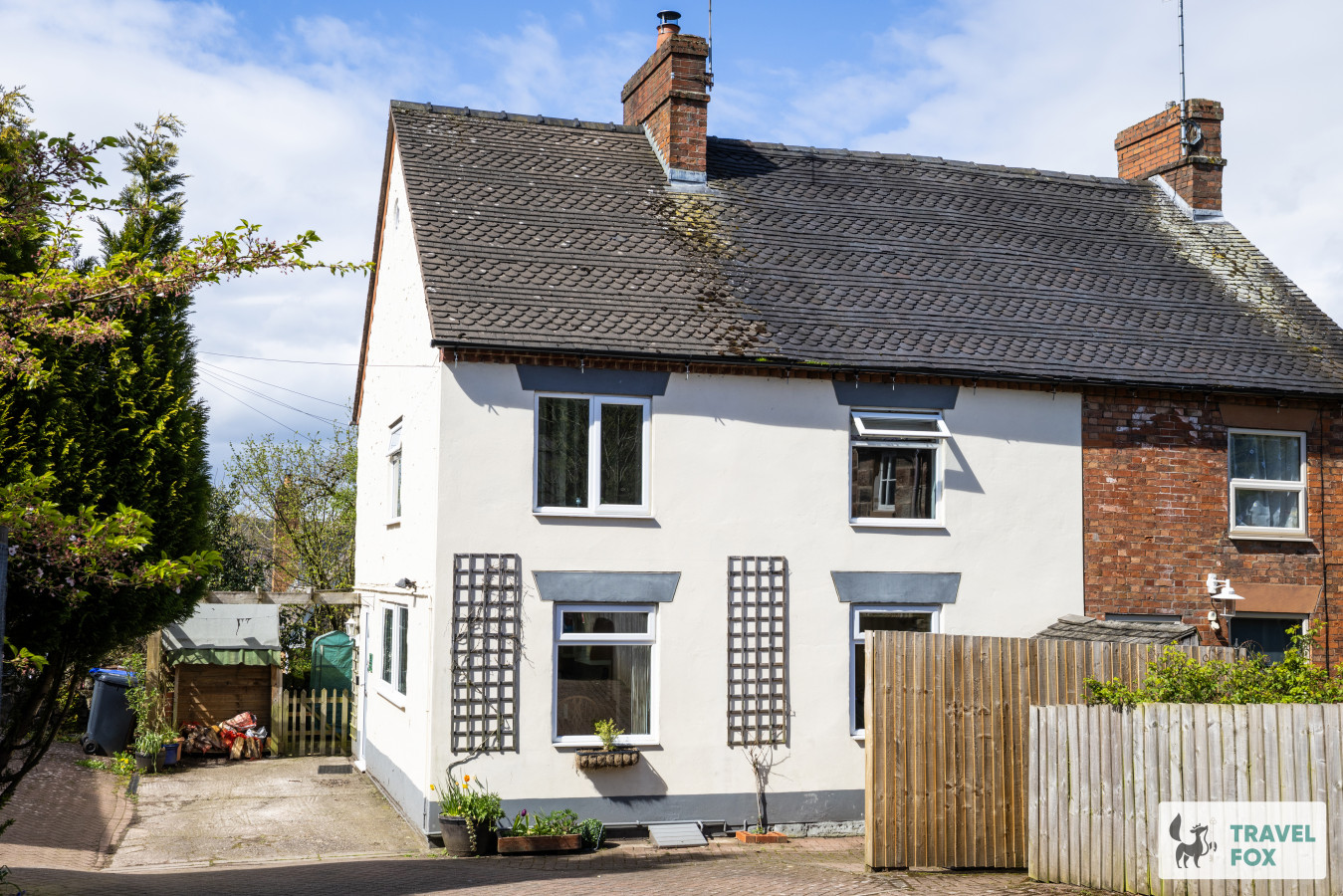
Alton
Smithy Bank Cottage - with free parking!
- Sleeps 8
- 3 bedrooms
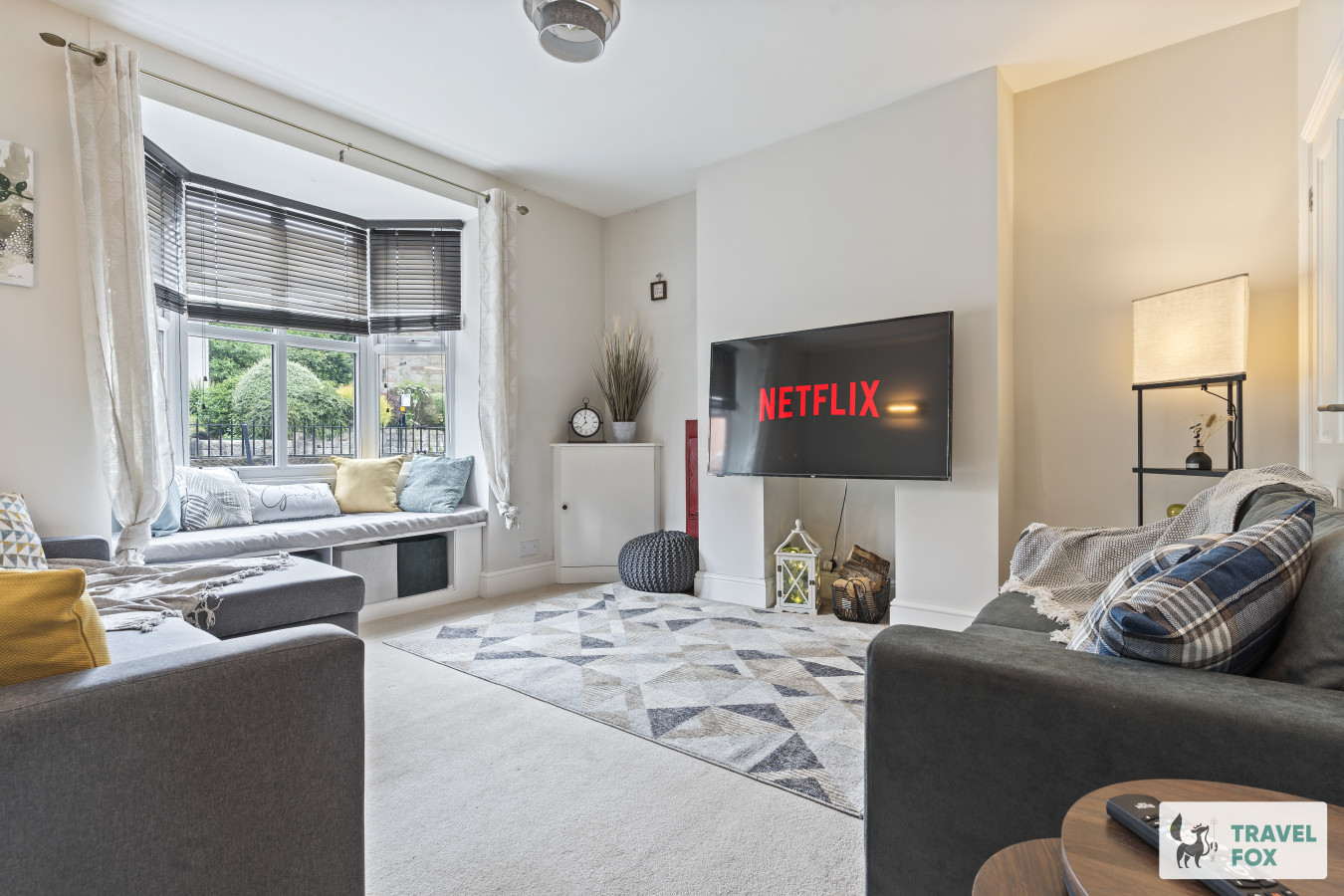
Alton
The Old Post Office: Alton Towers
- Sleeps 8
- 3 bedrooms
Checkley
The Old Stables
- Sleeps 4
- 2 bedrooms
For homeowners
Own a holiday home near Froghall?
We manage holiday lets across Staffordshire from 12% commission, charged after cleaning costs, with no lock-in. A co-founder visits before you decide.
Holiday let management in Staffordshire →
A guide with a point of view
Written from research. Edited for real journeys.
Use the Official site links for live practical details, then use this guide for context, ideas and room to explore.
Sources
Every place on this page is checked against a published source. Each entry links the record we used and names who publishes it.
- Froghall Wharf and Lime Kilns — staffordshire.gov.uk statutory register or public authority
- Hetty's Tea Shop — visitstoke.co.uk operator, sector body or destination organisation
- Churnet Valley Railway — churnetvalleyrailway.co.uk operator, sector body or destination organisation
- Consall Nature Park — staffordshire.gov.uk statutory register or public authority
- The Black Lion — canalrivertrust.org.uk national body or asset manager
- Caldon Canal Towpath — canalrivertrust.org.uk national body or asset manager