
Limestone above, damsons below
Brigsteer
A small village poised on the Lyth Valley scarp, with a classic inn, wide limestone views and orchard country nearby.
- Best for
- Limestone walking and Lyth Valley views
- Give it
- A relaxed half day
- Don't miss
- Scout Scar and its limestone views
The Fox verdict
A village balanced between scar and orchard
Brigsteer makes a quiet base for one memorable limestone walk, a historic estate and an unhurried circuit through the Lyth Valley.
The appeal is the contrast: Scout Scar rises above the village while damson orchards spread across the valley floor below. The Wheatsheaf gives Brigsteer a natural beginning or end, and nearby Sizergh adds a substantial historic visit without losing the area's rural scale.
Where to go
Places in Brigsteer
Every place below is checked against a published source, listed with what it is and how long to give it.
Local signatures
3 placesThe Wheatsheaf Inn
A traditional Lakeland inn with log fires, cosy corners and seasonal modern British cooking served across its bar, conservatory and dining room.
- Visit length
- Editorial estimate: Allow around 75 minutes for a meal or drink.
- Locality
- Brigsteer
Scout Scar
A classic short limestone walk with views across the Lyth Valley, Morecambe Bay and the Lakeland fells.
- Visit length
- Editorial estimate: Allow around 90 minutes for the walk and views.
- Locality
- limestone escarpment above Brigsteer
Sizergh Castle
A National Trust estate with a 14th-century pele tower, Elizabethan oak panelling, formal gardens and a limestone rock garden.
- Visit length
- Editorial estimate: Allow around 2 hours 30 minutes for the house and gardens.
- Locality
- Sizergh, southeast of Brigsteer
Food & drink
1 placeThe Punch Bowl Inn
A Crosthwaite pub that makes a useful food-and-drink stop on a wider circuit through the Lyth Valley.
- Visit length
- Editorial estimate: Allow around 75 minutes for a meal or drink.
- Locality
- Crosthwaite in the Lyth Valley
Walks & outdoors
1 placeLyth Valley Damson Orchards
Damson orchard country spread across the valley floor, turning white with blossom in April and celebrated by Damson Day.
- Visit length
- Editorial estimate: Allow around 60 minutes for a slow look at the valley landscape.
- Locality
- Lyth Valley floor below Brigsteer
No places match this filter. Choose All places to reset the list.
Three ways to explore Brigsteer
Signature outings
Tower, panelling and gardens
Move from Sizergh's 14th-century pele tower and Elizabethan oak panelling into its formal and rock gardens.
Damson-white April
See the Lyth Valley's damson orchards turn white with blossom in April.
A Crosthwaite pause
Make the Punch Bowl Inn the food-and-drink finish to a circuit through the Lyth Valley.
The village story
Brigsteer Village Guide
A village of sloping lanes, limestone horizons, damson country and one enduring Lakeland inn.
On the Lyth Valley ledge
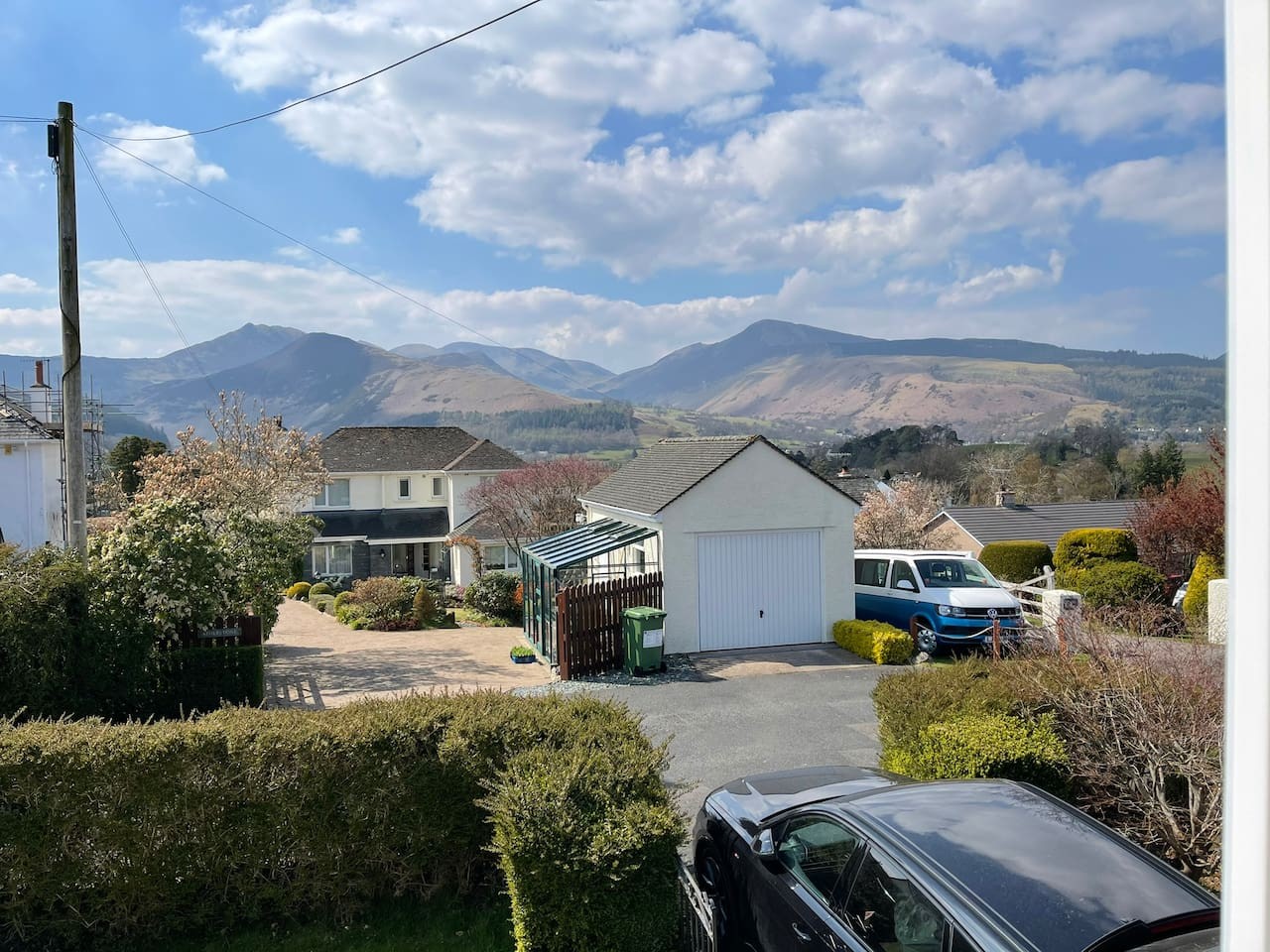
Brigsteer clings to the limestone cliff below Burnbarrow Scar, which means the village is built at an angle. The houses step down the scarp, and below them the ground drops away into the Lyth Valley, a flat green floor covered in damson orchards. You are looking down on it from a ledge.
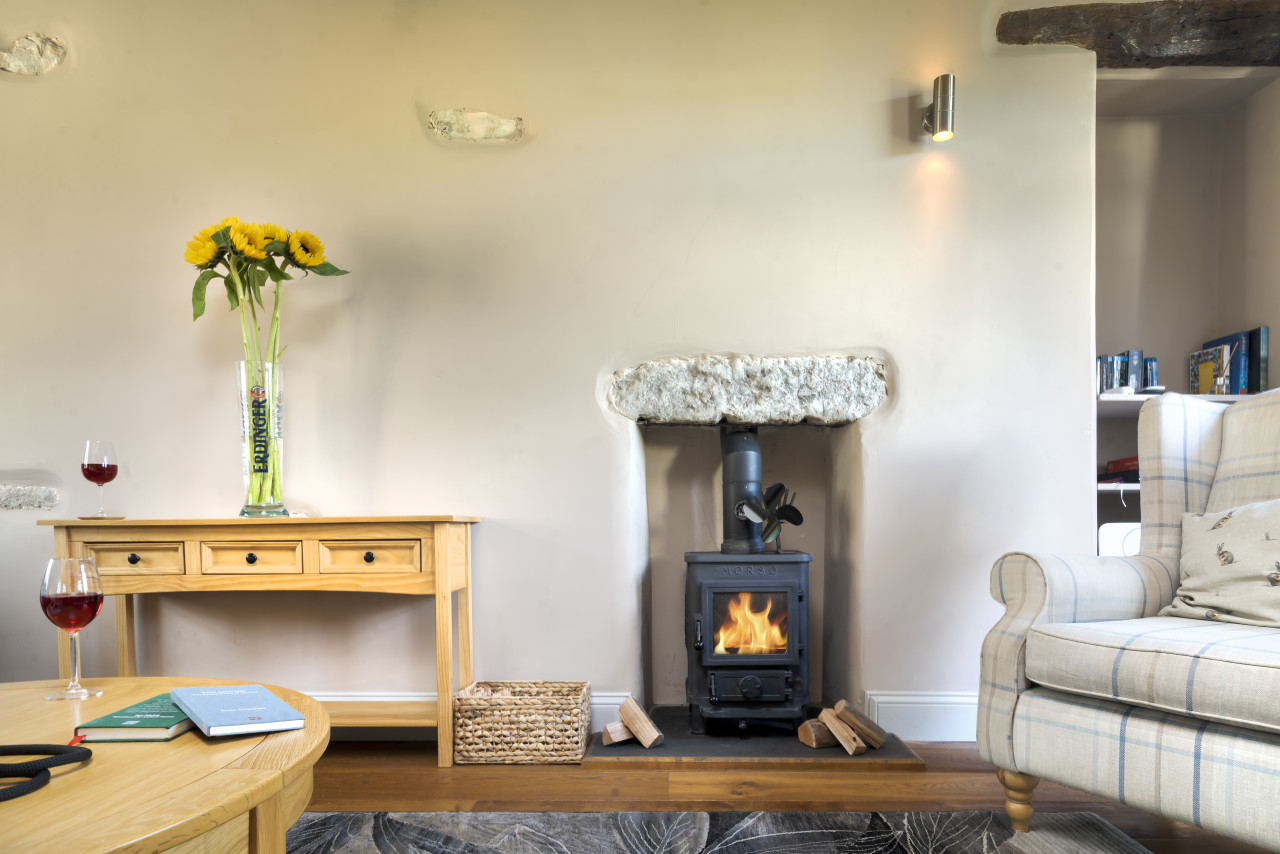
The pub is the Wheatsheaf Inn, and parts of it date to 1762. It's a traditional Lakeland inn, CAMRA listed, now run under Robinson's Individual Inns Group, and it keeps its log fires and cosy corners. There's a conservatory extension for when the corners fill up. The kitchen does modern British cooking with the seasons — beef brisket, fish and chips, fish pie, sticky toffee pudding, and a bread pudding served with biscuits. Food comes out in the bar, the conservatory, and the main dining room, so wherever you sit you can eat.
Inn honours and limestone views
It was named Cumbria Life Pub of the Year in 2015 and a finalist several years after, and it pours three changing beers alongside one regular. Walkers coming off Scout Scar and the Lyth Valley tend to end up here, which is the natural order of things.
Scout Scar is the walk. The limestone escarpment above the village is one of the classic short outings in the area and it opens out onto the Lyth Valley, Morecambe Bay and the Lakeland fells all at once.
Sizergh and the damson valley
About 1.6 miles southeast of Brigsteer in a straight line is Sizergh Castle, and it is worth the journey. The Strickland family have held it for more than seven hundred years, staying Catholic straight through the Reformation, before it passed to the National Trust in 1950. The pele tower is 14th-century and one of the largest in England; inside there's Elizabethan oak panelling and formal gardens with a rock garden. The estate makes a substantial outing from the village.
Down on the valley floor are the damson orchards. In April the whole of the Lyth Valley turns white with blossom, marked by a Damson Day festival. The Punch Bowl Inn at Crosthwaite is a valley pub stop if you want to make a circuit of it.
A village without shortcuts
There is no church in Brigsteer and no shop. Kendal has the nearest broader range of services. There's no railway and no regular bus either, so you arrive by car — the minor road from Kendal via Helsington, or up from the A590 past Sizergh.
The village is first recorded between 1227 and 1237. The name comes from the Old English brycg, a bridge, and steor, a young bullock — a bridge where the young cattle crossed. Eight centuries on, the cattle are gone and the bridge is still doing the same job it was named for.
Stay around Lake District
Make a longer stay of it
Travel Fox holiday homes around Lake District, linked directly to their property pages.
For homeowners
Own a holiday home near Brigsteer?
We manage holiday lets across the Lake District from 12% commission, charged after cleaning costs, with no lock-in. A co-founder visits before you decide.
Holiday let management in the Lake District →
A guide with a point of view
Written from research. Edited for real journeys.
Use the Official site links for live practical details, then use this guide for context, ideas and room to explore.
Sources
Every place on this page is checked against a published source. Each entry links the record we used and names who publishes it.
- The Wheatsheaf Inn — ratings.food.gov.uk statutory register or public authority
- Scout Scar — lakedistrict.gov.uk statutory register or public authority
- Sizergh Castle — historicengland.org.uk statutory register or public authority record not machine-readable; publisher restricts automated access
- Lyth Valley Damson Orchards — lythdamsons.org.uk operator, sector body or destination organisation
- The Punch Bowl Inn — the-punchbowl.co.uk operator, sector body or destination organisation