Clapham Beck runs straight through the middle of the village, and most of Clapham arranges itself along it. St James's Church stands above the water, the cottages face it, and Ingleborough rises directly behind the whole scene — a 723-metre summit with a broad flat top, one of the more recognisable outlines in England. You are in the Yorkshire Dales, seven miles from Settle, and the limestone country all around is full of scars, dry valleys and potholes.
The pub is the New Inn, an 18th-century coaching inn built in 1745 and Grade II listed. It has served the village for close to three hundred years, which is long enough to have changed its name and changed it back. It was once the Bull Inn, then briefly the Bull and Cave when Ingleborough Cave opened to Victorian tourists in the 1830s and the village found itself with a reason to expand.
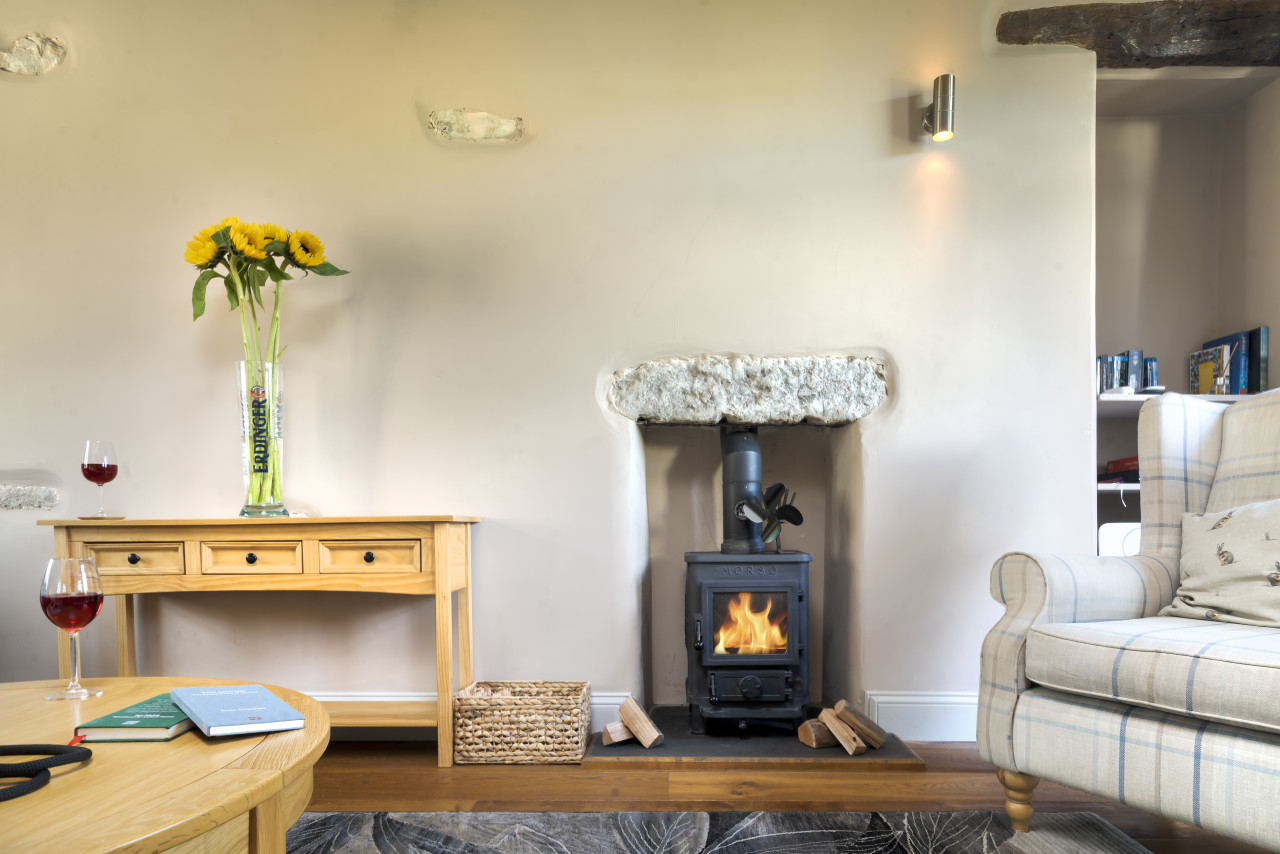
Inside there are two lounge bars, a smaller one panelled in wood with a wood-burning stove, and the sort of wooden beams you would expect. The kitchen cooks everything to order — hearty homemade dishes using local ingredients, lamb shanks, the usual pub favourites alongside more refined plates, run out of what it calls an award-winning bistro. There are 19 en-suite bedrooms upstairs, which tells you how many walkers pass through.
They pass through because Clapham is one of the classic starting points for Ingleborough, and for the full Yorkshire Three Peaks circuit — 24 miles and 5,200 feet of ascent taking in Pen-y-ghent and Whernside as well. The Ingleborough route climbs from the village through Trow Gill, a limestone gorge, and past Gaping Gill.
Gaping Gill is a 105-metre vertical pothole, the largest in Britain. On a few bank holiday weekends a local caving club rigs a winch and lowers members of the public into it, one at a time, which is either a good day out or not, depending on the person.
Gentler is the Clapham Nature Trail, which follows the beck through the Ingleborough Estate up to an ornamental lake. The trail is planted with trees and shrubs that Reginald Farrer brought back from China, Japan and Tibet in the early twentieth century.
Farrer is the village's most famous son. A plant hunter and botanist born here in 1880, he collected across China, Japan, Tibet and Burma, introduced hundreds of alpine and Asian plants to British gardens, and became known as the father of rock gardening. He died in Burma in 1920. His plants are still growing along the estate trail, which is a longer memorial than most people get.
The estate itself was built up by the Farrer family from the 18th century — the lake, the woodland, the cave shown to Victorians. There is a community-run village shop, and Ingleborough Hall now works as an outdoor education centre.
Getting here is easier than the map suggests. Clapham has its own station on the Settle–Carlisle line, one of very few Dales villages with a direct train, and the B6480 comes in from Settle or Ingleton. The beck keeps running through it all, under the church, the same way it has for centuries.