
Rivers, brewing and Wordsworth
Cockermouth
A historic market town where the Cocker meets the Derwent, with literary heritage, Jennings Brewery and walks towards the western fells.
- Best for
- Literary history, local beer and riverside walks
- Give it
- A full day, or longer with a valley walk
- Don't miss
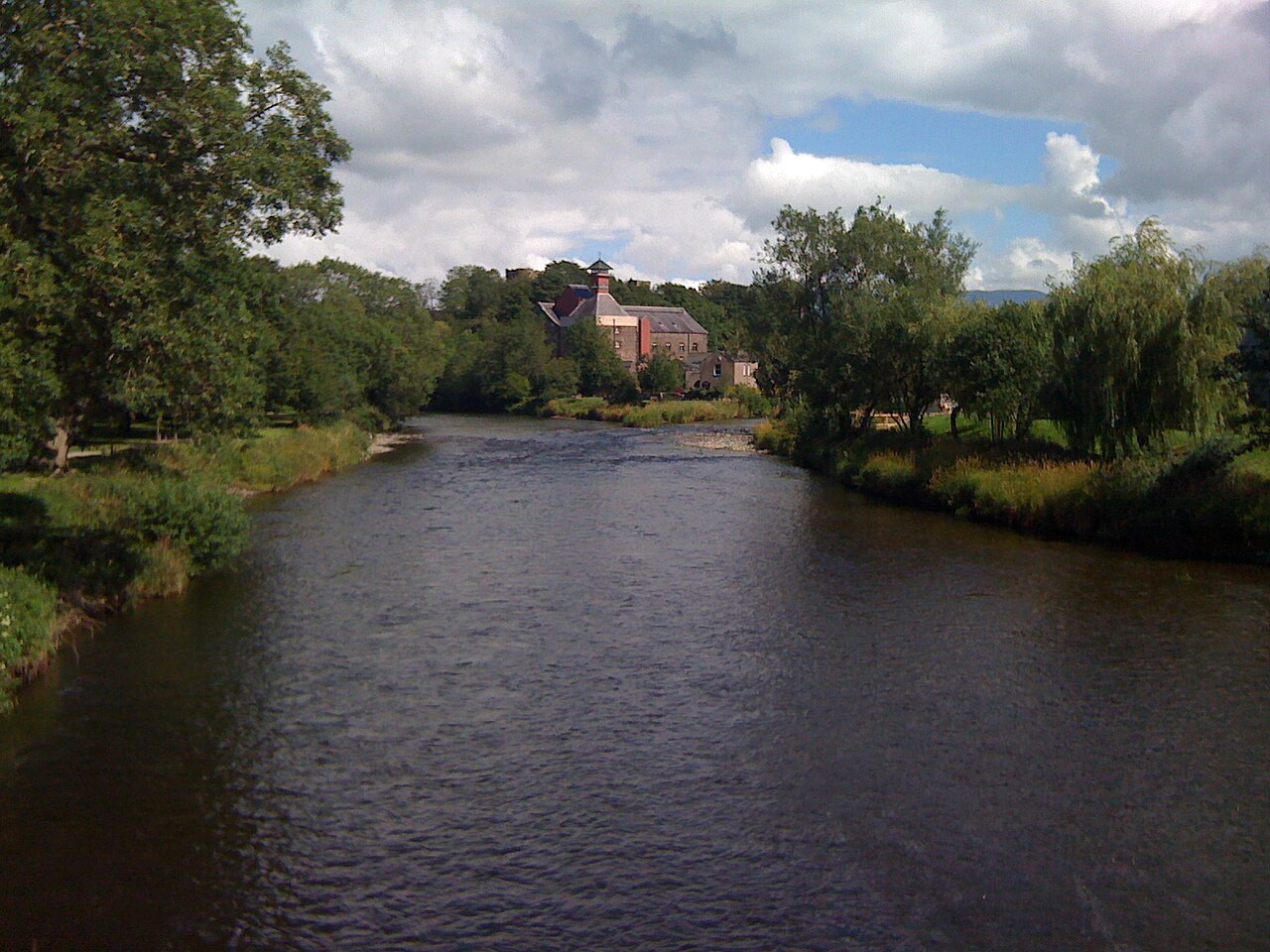
- The riverside where the Cocker meets the Derwent
Photo: Darrin Antrobus · CC BY-SA 2.0 · cropped
The Fox verdict
A market town with several good reasons to linger
Cockermouth pairs Wordsworth heritage with reopened brewing, riverside walking and a strong pub tradition.
The Cocker and Derwent meet beneath Cockermouth Castle. Wordsworth House, brewery tours, pubs and riverside routes give visitors several ways to explore the town, while the Vale of Lorton offers a longer outing.
Where to go
Places in Cockermouth
Every place below is checked against a published source, listed with what it is and how long to give it.
Local signatures
3 placesThe Trout Hotel
A four-star riverside hotel bar and restaurant with contemporary meals, wines, premium beers and garden seating.
- Visit length
- Editorial estimate: Allow around 75 minutes
- Locality
- Crown Street, Cockermouth
All Saints' Church
The parish site dates back to at least the 13th century; the present All Saints' Church was built in 1854.
- Visit length
- Editorial estimate: Allow around 40 minutes
- Locality
- Cockermouth
Lorton Vale: Loweswater Walk
From Maggie's Bridge Car Park, a stone track leads through Holme Wood to the Loweswater shore; a steeper viewpoint extension is optional.
- Visit length
- Editorial estimate: Allow around 90 minutes
- Locality
- Maggie's Bridge, Loweswater, Vale of Lorton
Food & drink
3 places
Jennings Brewery
Guided tours pass through the working Victorian brewery and finish with a tasting in the ground-floor taproom.
- Visit length
- Editorial estimate: Allow around 90 minutes
- Locality
- Castle Brewery, Cockermouth
The Bush Inn
A Main Street pub offering cask ales, a beer garden and a fireplace.
- Visit length
- Editorial estimate: Allow around 75 minutes
- Locality
- Cockermouth town centre
- Access
- Dogs are welcome.
The Fletcher Christian Inn
A traditional community pub named after Fletcher Christian, who was born near Cockermouth.
- Visit length
- Editorial estimate: Allow around 60 minutes
- Locality
- Cockermouth
Walks & outdoors
2 placesCockermouth Green Circuit: River Cocker to Memorial Gardens
The Green Circuit follows the River Cocker through Harris Park and the Greenway, then crosses the Derwent to enter the Memorial Gardens.
- Visit length
- Editorial estimate: Allow around 90 minutes
- Locality
- River Cocker, Harris Park and Greenway, Cockermouth
Memorial Gardens, River Derwent
Riverside paths run through this public garden beside the Derwent, with a children's play area nearby.
- Visit length
- Editorial estimate: Allow around 30 minutes
- Locality
- North bank of the River Derwent, Cockermouth
No places match this filter. Choose All places to reset the list.
Three ways to explore Cockermouth
Signature outings
Brewing back in town
The tour crosses several floors on open staircases, with no step-free alternative, and ends with a taproom tasting.
A classic town pub
Look for a fireside corner or use the beer garden for a pause on Main Street.
A riverside town walk
The Green Circuit links riverside paths with Harris Park and the Memorial Gardens. Expect rough ground, climbs and steps on the full circuit.
The town story
Cockermouth: rivers, makers and remarkable lives
From an old ironmonger's workshop to a working brewery, Cockermouth's streets lead towards rivers, historic buildings and the western fells.
Ironmongery, stone and beer
Start in Market Place at J.B. Banks & Son. Its hardware shop began in 1836, beside the earlier tinsmith's workshop. Walk through the shop to the free heritage museum, where the old workshop, tools, locks and business records trace the trade that shaped this corner of Cockermouth.
Cockermouth stands where the Rivers Cocker and Derwent meet, below the ridge occupied by its medieval castle. On Main Street, the listed Mayo Statue commemorates the sixth Earl of Mayo, who represented Cockermouth in Parliament from 1857 to 1867.
Jennings Brewery's guided tours cross several floors of its working Victorian brewery at Castle Brewery. The open staircases have no step-free alternative. Visitors aged 12 and over receive tokens to use in the ground-floor taproom, which serves Jennings beers and food from visiting local vendors.
Pubs, plates and local kitchens
At 41 Market Place, a small dining room serves a menu shaped by seasonal ingredients.
On Main Street, The Bush Inn has cask ales, a beer garden and a fireplace, and welcomes dogs. The Fletcher Christian Inn is a community pub with live sport and entertainment.
The Trout Hotel serves contemporary meals beside the River Derwent, with stone-walled lounges and outdoor seating.
Coffee, paths and famous childhoods
Fika on Station Street serves coffee, pastries and brunch with a focus on seasonal ingredients. In Market Place, The Coffee Kitchen Bakery makes bread with flour, yeast, water and salt. Together they make an easy daytime pause between the town's shops and riverside paths.
Cockermouth's Green Circuit follows the Cocker through Harris Park and the Greenway, then crosses the Derwent into the Memorial Gardens, where riverside paths offer a shorter stroll. The full circuit includes rough ground, climbs and steps. About 6.1 miles from Cockermouth in a straight line (with a longer road journey), the Loweswater route starts at Maggie's Bridge Car Park and follows a stone track through Holme Wood to the shore. Whinlatter Forest has walking and mountain-bike trails; its visitor centre is about 6.7 miles from Cockermouth in a straight line, with a longer road journey.
Wordsworth House on Main Street was William Wordsworth's childhood home. Guided tours show the Georgian house as it was during his family's time there. The riverside garden includes the terrace walk beside the Derwent.
Castle stories, floods and the high street
Cockermouth Castle began as a motte-and-bailey stronghold in the mid-12th century and was later rebuilt in stone. Its remains still overlook the meeting of the rivers. Elsewhere in town, All Saints' occupies a parish site dating back to at least the 13th century, although the church standing today was built in 1854.
The rivers have also shaped Cockermouth's more recent history. Major floods struck in November 2009 and December 2015, followed by improvements to defences in the south of town. Cockermouth has no passenger railway station; X4 and X5 buses link it with Penrith, Keswick and Workington.
The New Bookshop on Main Street combines books and coffee, with book groups and author events.
Stay around Lake District
Make a longer stay of it
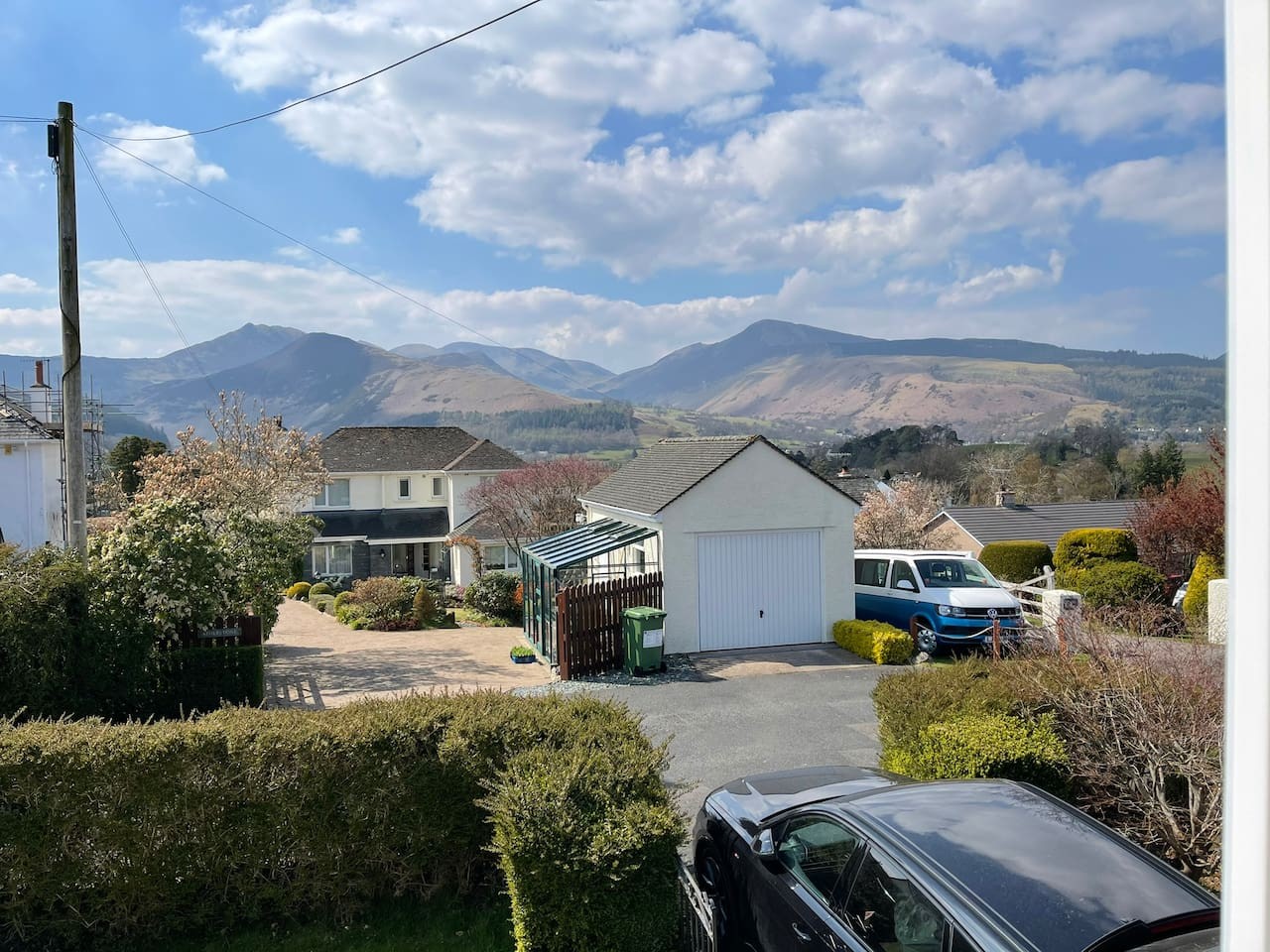
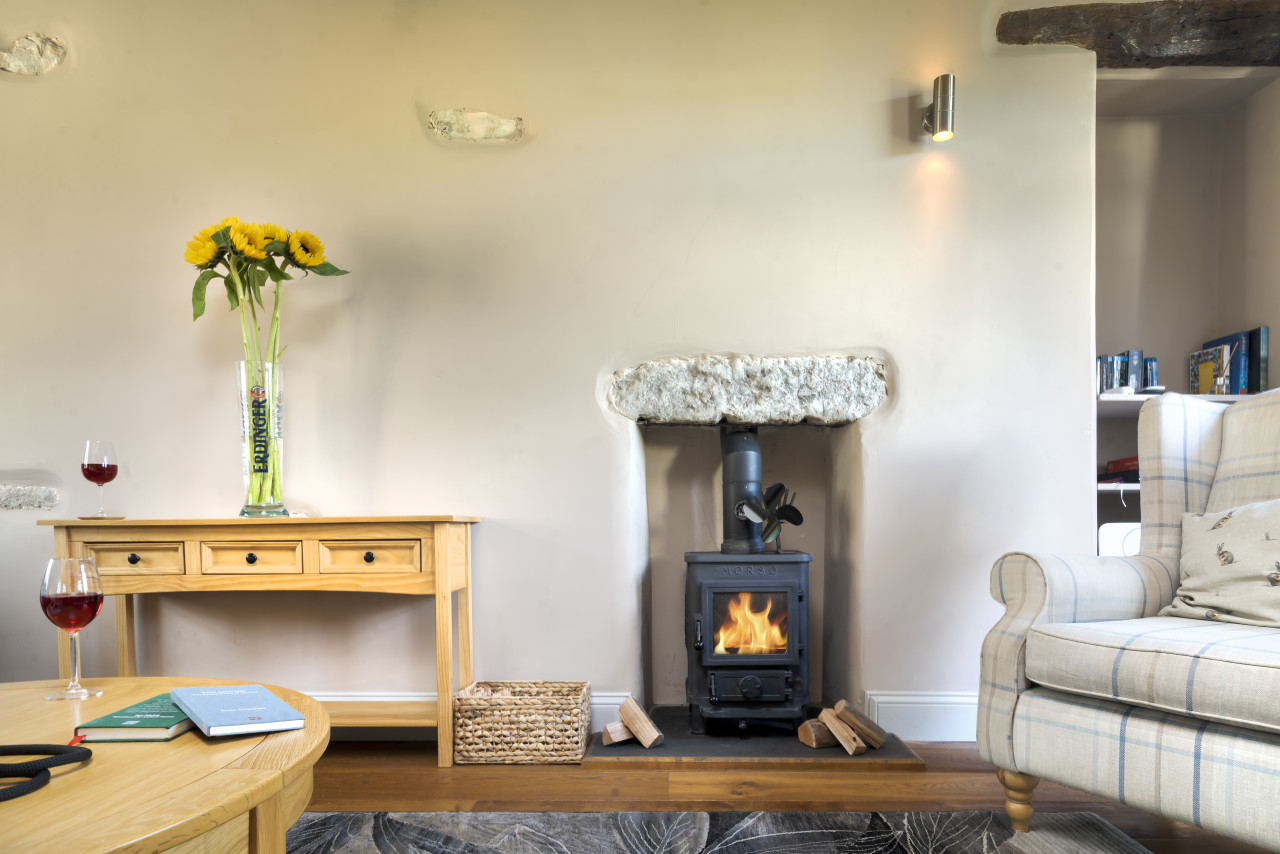
Travel Fox holiday homes around Lake District, linked directly to their property pages.
For homeowners
Own a holiday home near Cockermouth?
We manage holiday lets across the Lake District from 12% commission, charged after cleaning costs, with no lock-in. A co-founder visits before you decide.
Holiday let management in the Lake District →
A guide with a point of view
Written from research. Edited for real journeys.
Use the Official site links for live practical details, then use this guide for context, ideas and room to explore.
Photography credits & licences
Third-party photographs are credited to their named creators and reused under the linked Creative Commons licence or public-domain dedication. Travel Fox stores an optimised local copy; the file-specific changes and any browser-applied display crop are disclosed below. Reused photographs link both to the Wikimedia Commons source record and to the declared source image; Travel Fox's own photographs carry no such record and are marked as ours. These image licences do not cover Travel Fox text, branding or page design.
- File:Jennings Brewery, Cockermouth, seen from the footbridge - geograph.org.uk - 2020441.jpg — photograph by Darrin Antrobus; Jennings Brewery, Cockermouth, seen from the footbridge by Darrin Antrobus. Source record on Wikimedia Commons. Declared source image. Licence: CC BY-SA 2.0. File changes: Downloaded from Wikimedia Commons, resized to a maximum 1920px edge and encoded as an optimised JPEG. Display changes: Displayed with responsive CSS cropping.
Sources
Every place on this page is checked against a published source. Each entry links the record we used and names who publishes it.
- Jennings Brewery — jenningsbrewery.co.uk operator, sector body or destination organisation
- Cockermouth Green Circuit: River Cocker to Memorial Gardens — cockermouth.org.uk other published source
- The Bush Inn — bushinncockermouth.co.uk operator, sector body or destination organisation
- The Trout Hotel — trouthotel.co.uk operator, sector body or destination organisation
- The Fletcher Christian Inn — craftunionpubs.com other published source
- All Saints' Church — carlislediocese.org.uk national body or asset manager
- Lorton Vale: Loweswater Walk — lakedistrict.gov.uk operator, sector body or destination organisation
- Memorial Gardens, River Derwent — parksandgardens.org operator, sector body or destination organisation