
From coast to fell
Cleator
A purposeful West Cumbrian pause where the Coast to Coast leaves the mining country and meets the first open fells.
- Best for
- Coast to Coast walkers and quiet history
- Give it
- Two hours in the village or longer with a fell walk
- Don't miss
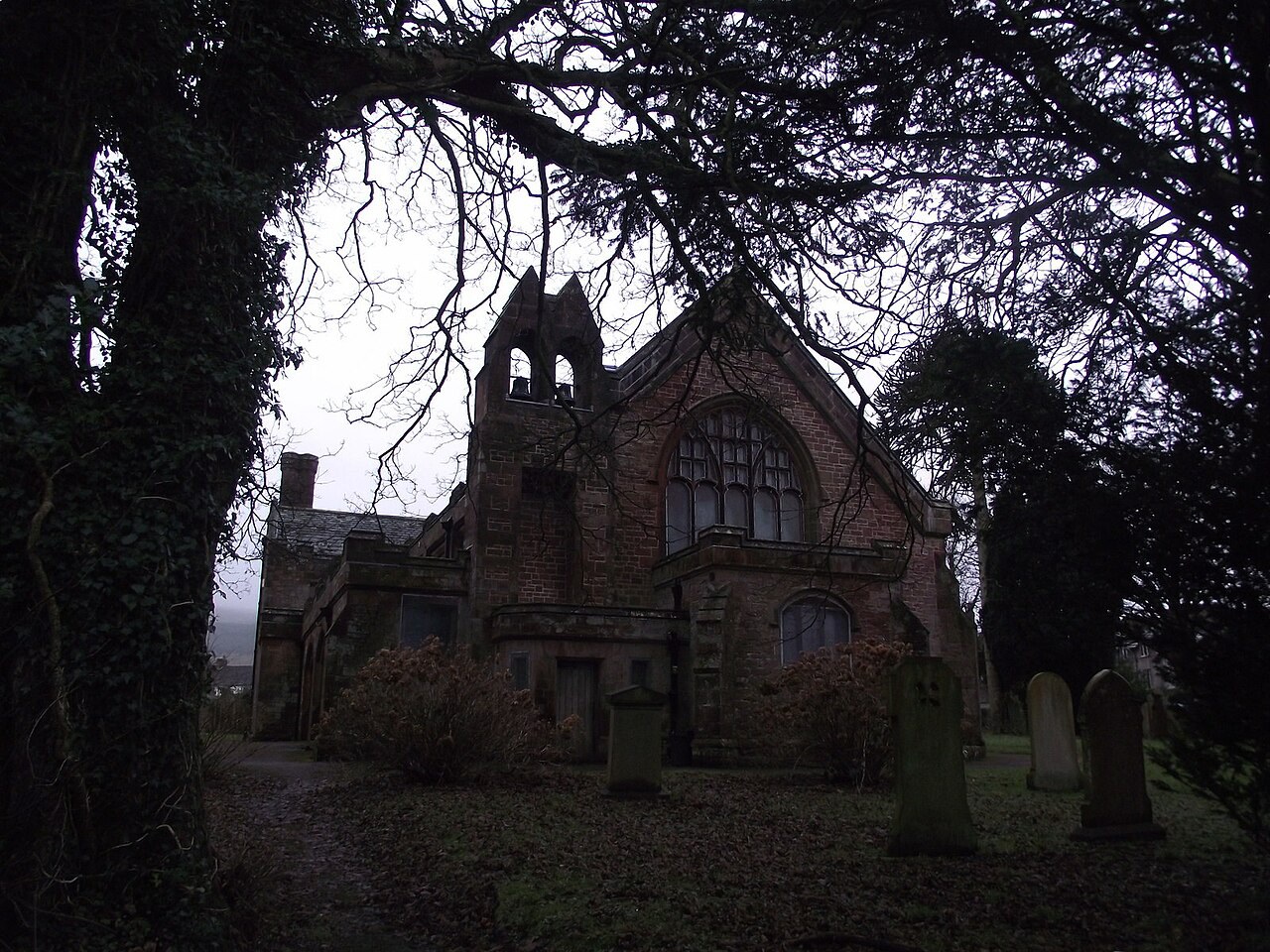
- St Leonard's early Norman chancel
Photo: Tim Glover · CC BY-SA 2.0 · cropped
The Fox verdict
A purposeful pause between coast and fell
Cleator makes most sense on foot: a practical first-day halt with an ancient church, deep ironworking history and Dent waiting beyond.
Come for the transition. The Coast to Coast reaches Cleator seven miles after St Bees, the River Ehen recalls the village's ironmaking past, and the western fells begin immediately to the east. St Leonard's gives the short stop a focus before the route rises towards Dent and Ennerdale.
Where to go
Places in Cleator
Every place below is checked against a published source, listed with what it is and how long to give it.
Local signatures
3 placesCoast to Coast Walk
Wainwright's 192-mile route passes through Cleator on its way from St Bees to Robin Hood's Bay, making the village an early day-one stop.
- Visit length
- Editorial estimate: Allow around 90 minutes for a local section
- Locality
- passing through Cleator
- Access
- This is a long-distance walking route rather than a single enclosed attraction; use current route information.
Fox and Hounds
One of the two named pub options in Ennerdale Bridge when Cleator itself has no confirmed operating pub.
- Visit length
- Editorial estimate: Allow around 60 minutes
- Locality
- Ennerdale Bridge
Shepherds Arms
The other named pub option in Ennerdale Bridge, useful because Cleator has no confirmed operating pub of its own.
- Visit length
- Editorial estimate: Allow around 60 minutes
- Locality
- Ennerdale Bridge
Walks & outdoors
2 placesDent
A fell east of Cleator, where the Coast to Coast climbs towards Ennerdale.
- Visit length
- Editorial estimate: Allow around 90 minutes
- Locality
- Dent fell, east of Cleator
- Access
- This is a fell walk beyond the village; allow for the ascent.
Ennerdale Water
A remote and peaceful western Lake District lake reached beyond Ennerdale Bridge.
- Visit length
- Editorial estimate: Allow around 75 minutes
- Locality
- beyond Ennerdale Bridge
- Access
- This is a nearby lake rather than a Cleator village stop; approach through Ennerdale Bridge.
History & heritage
1 place
St Leonard's Church
One of West Cumbria's oldest churches, with an early 12th-century chancel and a nave rebuilt in 1841-42 by George Webster.
- Visit length
- Editorial estimate: Allow around 30 minutes
- Locality
- Cleator village
- Access
- This is a place of continuing worship; check the official church page before planning an interior visit.
No places match this filter. Choose All places to reset the list.
Three ways to explore Cleator
Signature outings
Ennerdale Water
Continue beyond Ennerdale Bridge to one of the National Park's most remote and peaceful lakes.
St Leonard's Chancel
Look for the early Norman chancel within a church that has supported around nine centuries of continuous worship.
The Rise to Dent
Climb Dent east of Cleator as the Coast to Coast turns from mining country towards Ennerdale.
The village story
Cleator Village Guide
An unchanged account of a village defined by purposeful passage, ironworking memory and the first lift of the western fells.
From the Coast to Dent
Most people arrive in Cleator on foot, seven miles into a day that started at St Bees. This is the Coast to Coast Walk — Wainwright's 192-mile line from the Irish Sea to Robin Hood's Bay — and Cleator is one of the first villages you reach after the coast lets go of you. By the time you get here the sea is behind and the western fells have started, which is the whole point of the place.
There is a small shop, and for walkers on day one it is a considerable event. You stock up here because the next few miles climb Dent, a fell east of the village, and after that the country opens out toward Ennerdale. The shop is the village's main practical fact.
Where the Evening Lies Elsewhere
There is no confirmed pub in Cleator itself. The Fox and Hounds and the Shepherds Arms are in Ennerdale Bridge, about 3.7 to 3.8 miles from Cleator in a straight line; Cleator Moor is about 1.1 miles away. Journeys are longer than these straight-line distances. It's the kind of arrangement that tells you Cleator is a place you pass through with intent rather than one you settle into for the evening.
Water, Iron and the Mining Names
The River Ehen runs below the village, and it is worth knowing that this quiet water once did heavy work. Iron smelting began beside the Ehen in the late seventeenth century, and in 1694 the first blast furnace in Cumbria was built here. A steel and bar-iron works and a spade forge followed, closing in 1799. Then the nineteenth century arrived and the ground itself turned out to be full of haematite — mines opened at Todholes, Crossfield, Crowgarth, Jacktrees and Montreal, and Cleator sat at the centre of the iron industry that remade this whole corner of the county. Most of the mines closed in the early twentieth century. The names are still on the map.
Nine Centuries at St Leonard's
St Leonard's Church has outlasted all of it. It was first mentioned in the reign of Henry I, sometime between 1100 and 1135, and the chancel dates from the early twelfth century — around nine hundred years of unbroken worship on one site, which makes it one of the oldest churches in West Cumbria. It was restored in the fifteenth century, then again in 1792, 1841 and 1900, and the nave was rebuilt in 1841–42 by the architect George Webster. The early Norman chancel is still there under the later work.
Onward to Ennerdale
There is no railway; the nearest station is at Whitehaven on the Cumbrian Coast Line, and you reach the village by the B5295 from Whitehaven or Egremont, with buses running only as far as Cleator Moor. Beyond Ennerdale Bridge lies Ennerdale Water, one of the most remote and quiet lakes in the National Park — the reward, really, for having walked out of the mining towns and into the hills. Its mapped centre is about 5.9 miles from Cleator in a straight line.
Stay around Lake District
Make a longer stay of it
Travel Fox holiday homes around Lake District, linked directly to their property pages.
For homeowners
Own a holiday home near Cleator?
We manage holiday lets across the Lake District from 12% commission, charged after cleaning costs, with no lock-in. A co-founder visits before you decide.
Holiday let management in the Lake District →
A guide with a point of view
Written from research. Edited for real journeys.
Use the Official site links for live practical details, then use this guide for context, ideas and room to explore.
Photography credits & licences
Third-party photographs are credited to their named creators and reused under the linked Creative Commons licence or public-domain dedication. Travel Fox stores an optimised local copy; the file-specific changes and any browser-applied display crop are disclosed below. Reused photographs link both to the Wikimedia Commons source record and to the declared source image; Travel Fox's own photographs carry no such record and are marked as ours. These image licences do not cover Travel Fox text, branding or page design.
- File:St Leonard's Church, Cleator.jpg — photograph by Tim Glover; Tim Glover. Source record on Wikimedia Commons. Declared source image. Licence: CC BY-SA 2.0. File changes: Downloaded from Wikimedia Commons, resized to a maximum 1920px edge and encoded as an optimised JPEG. Display changes: Displayed with responsive CSS cropping.
Sources
Every place on this page is checked against a published source. Each entry links the record we used and names who publishes it.
- St Leonard's Church — crosslacon.net other published source
- Coast to Coast Walk — gov.uk statutory register or public authority
- Dent — nationaltrail.co.uk other published source
- Ennerdale Water — environment.data.gov.uk statutory register or public authority
- Fox and Hounds — foxandhoundsinn.org operator, sector body or destination organisation
- Shepherds Arms — shepherdsarms.com operator, sector body or destination organisation