
Quietly Back o' Skiddaw
Ireby
A former market town at the Lake District's northern edge, where a historic cross, Norman stonework and remote fell country meet.
- Best for
- Quiet heritage and remote fell walking
- Give it
- A flexible half-day
- Don't miss
- The Old Church's stone tunnel vault
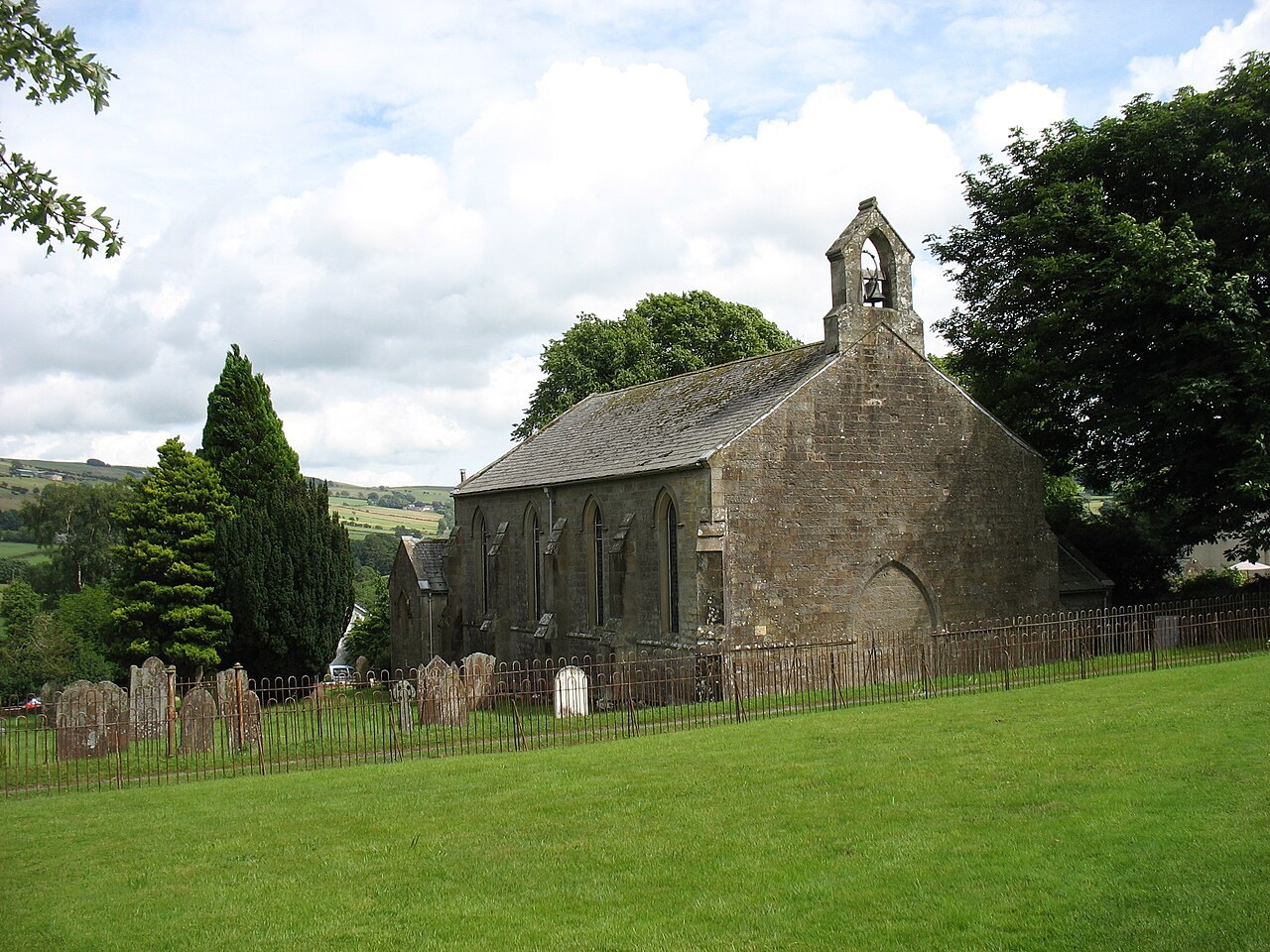
Photo: David Purchase · CC BY-SA 2.0 · cropped
The Fox verdict
A small place with a long memory
Choose Ireby for medieval traces, a remarkable Norman survivor and the quiet country behind Skiddaw.
The village's market charter and Butter Cross hold the story of Ireby's early market. Beyond the historic churches, the Uldale Fells offer the remote, trackless character that makes this northern edge of the Lake District feel apart.
Where to go
Places in Ireby
Every place below is checked against a published source, listed with what it is and how long to give it.
Local signatures
3 placesIreby Old Church
The surviving chancel of a church built around 1150, preserving a steep 12th-century stone tunnel vault and a remarkable Norman interior.
- Visit length
- Editorial estimate: allow around 30 minutes
- Locality
- at the Old Chancel, west of Ireby village
Ireby Market Cross
The Butter Cross in Ireby's former market area; Historic England dates the surviving cross to probably the 17th century, while the village received its market charter in 1236.
- Visit length
- Editorial estimate: allow around 15 minutes
- Locality
- in Ireby village
Caldbeck Village
A village beside the Caldbeck Fells with a green, river setting and historic milling landscape.
- Visit length
- Editorial estimate: allow around 45 minutes
- Locality
- in Caldbeck village, east of Ireby
Walks & outdoors
1 placeBack o' Skiddaw
Remote northern fells behind Skiddaw, with Great Calva, Knott and Great Sca Fell among the quiet, trackless high ground.
- Visit length
- Editorial estimate: allow around 150 minutes
- Locality
- in the Back o' Skiddaw fells
- Access
- The fell country is remote, quiet and trackless; plan and equip for an upland walk.
History & heritage
1 place
St James's Church, Ireby
Ireby's 1847 church, built to replace the Old Church, of which only the chancel remains.
- Visit length
- Editorial estimate: allow around 20 minutes
- Locality
- in Ireby village
No places match this filter. Choose All places to reset the list.
Three ways to explore Ireby
Signature outings
Ireby Old Church
See the surviving Norman chancel about 0.9 miles west of Ireby in a straight line; the walking route is longer.
St James's Church
Built in 1847, St James's replaced Ireby Old Church; only the earlier church's chancel survives.
Back o' Skiddaw
Explore routes toward the quiet Uldale Fells behind Skiddaw; choose a mapped start before setting out.
The village story
Ireby Village Guide
A market charter, a surviving Butter Cross and the quiet fells beyond Skiddaw frame this compact northern Lake District story.
A Charter and a Butter Cross
Ireby received a market charter in 1236. The surviving Butter Cross is probably 17th-century, according to Historic England, a later reminder of the village's market history. Ireby is now a small village at the quiet northern edge of the Lake District, and the market has been gone a very long time.
Practical Village Stops
There are no shops. For those you drive to Wigton or Keswick.
The Northern Fells
Routes south of Ireby lead toward the Uldale Fells, the ground behind Skiddaw that people call the Back o' Skiddaw. Great Calva, Knott and Great Sca Fell are up there, quiet and largely trackless. This is the least-visited part of the Lake District, and it feels it. The Solway Plain opens out flat to the north; the fells rise behind you to the south. Caldbeck is another village near the northern fells, about 5.3 miles from Ireby in a straight line; the road journey is longer.
The Old Chancel West of Ireby
About 0.9 miles west of Ireby in a straight line stands the Old Church, or what remains of it. Ireby Old Church was built around 1150. When the new St James's went up in 1847, the nave, porch and north aisle of the old one were demolished and only the chancel was left standing. What survives is a steeply arched 12th-century stone tunnel vault. Pevsner called it one of the architectural sensations of Cumbria, and the interior "like nothing else in England." It is now looked after by the Churches Conservation Trust, which lists daily opening from 10am to 4pm.
Arriving and Looking Back
Getting here takes some doing. There is no railway and no regular bus. You come on minor roads, either off the A596 from Wigton or over from Keswick by way of Caldbeck.
John Keats passed through in 1818, on foot, in the middle of a walking tour of the Lakes and Scotland. He did not stay. Most people don't. That is much of the appeal.
Stay around Lake District
Make a longer stay of it
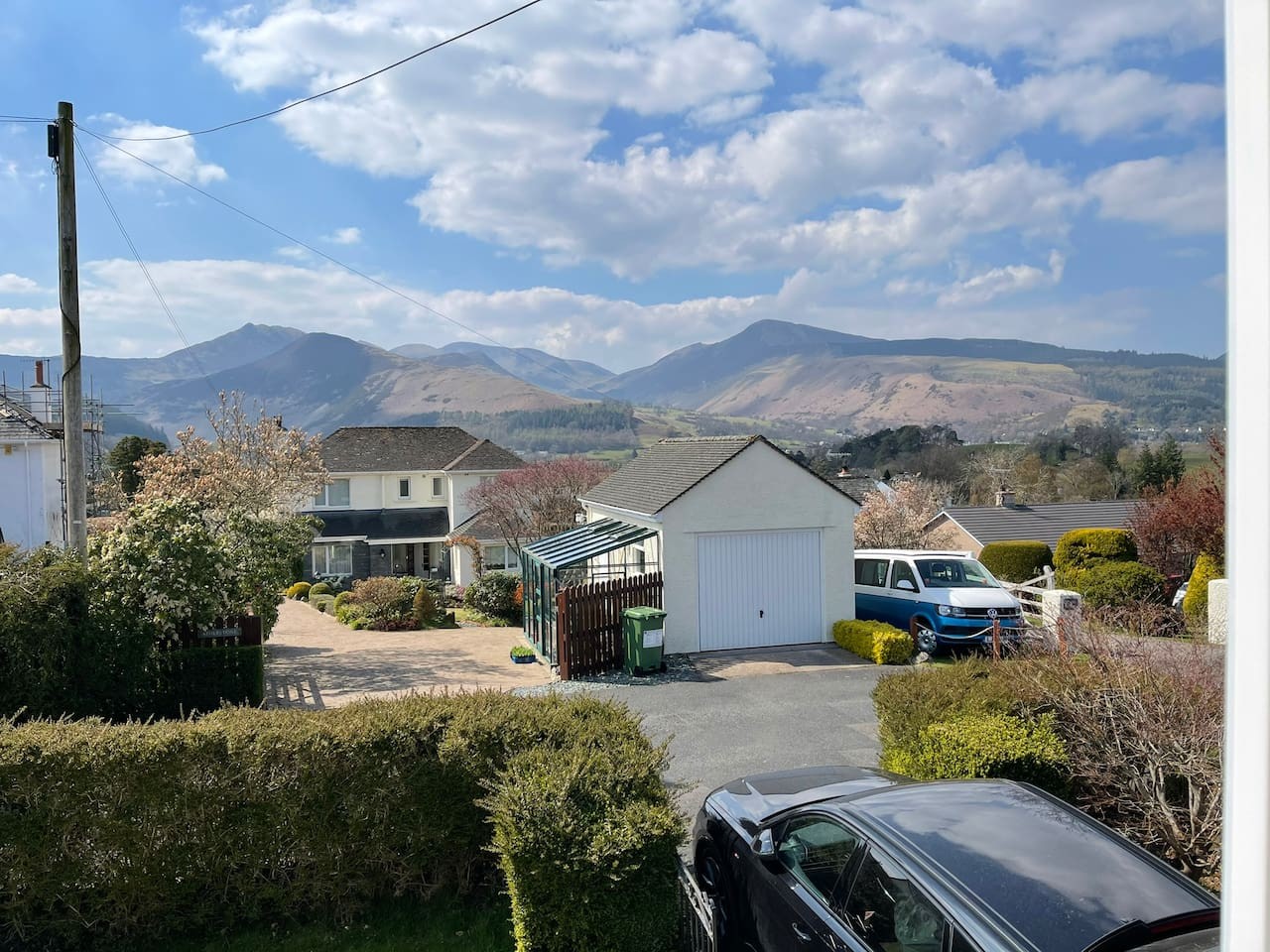
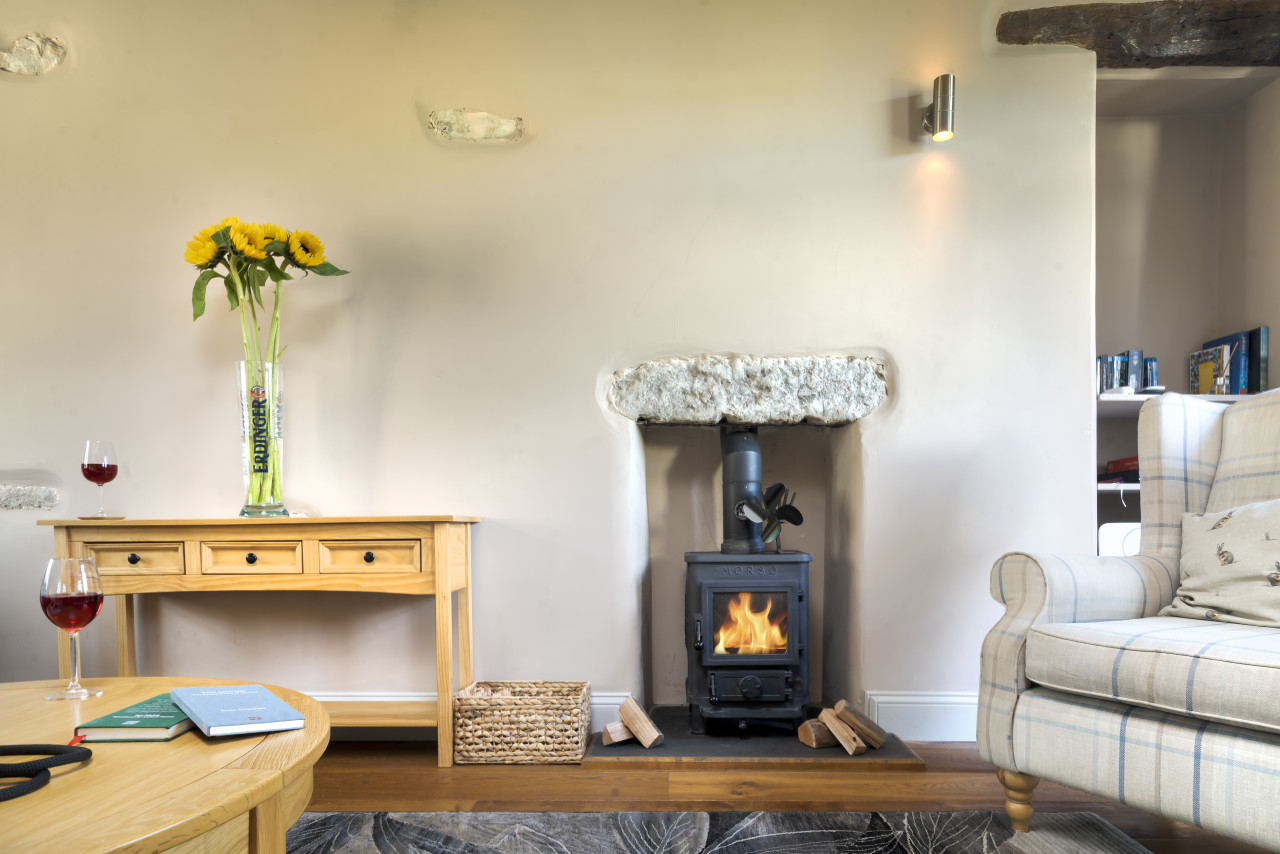
Travel Fox holiday homes around Lake District, linked directly to their property pages.
For homeowners
Own a holiday home near Ireby?
We manage holiday lets across the Lake District from 12% commission, charged after cleaning costs, with no lock-in. A co-founder visits before you decide.
Holiday let management in the Lake District →
A guide with a point of view
Written from research. Edited for real journeys.
Use the Official site links for live practical details, then use this guide for context, ideas and room to explore.
Photography credits & licences
Third-party photographs are credited to their named creators and reused under the linked Creative Commons licence or public-domain dedication. Travel Fox stores an optimised local copy; the file-specific changes and any browser-applied display crop are disclosed below. Reused photographs link both to the Wikimedia Commons source record and to the declared source image; Travel Fox's own photographs carry no such record and are marked as ours. These image licences do not cover Travel Fox text, branding or page design.
- File:St James' church, Ireby - geograph.org.uk - 3592147.jpg — photograph by David Purchase; St James' church, Ireby by David Purchase. Source record on Wikimedia Commons. Declared source image. Licence: CC BY-SA 2.0. File changes: Downloaded from Wikimedia Commons, resized to a maximum 1920px edge and encoded as an optimised JPEG. Display changes: Displayed with responsive CSS cropping.
Sources
Every place on this page is checked against a published source. Each entry links the record we used and names who publishes it.
- Ireby Old Church — visitchurches.org.uk operator, sector body or destination organisation
- Ireby Market Cross — historicengland.org.uk statutory register or public authority record not machine-readable; publisher restricts automated access
- Back o' Skiddaw — visitlakedistrict.com operator, sector body or destination organisation
- St James's Church, Ireby — carlislediocese.org.uk national body or asset manager
- Caldbeck Village — lakedistrict.gov.uk statutory register or public authority