
Windermere's southern gateway
Lakeside
Pair Windermere boats with a heritage train at Lakeside, then add freshwater wildlife, a lakeshore walk or a Victorian bobbin mill.
- Best for
- Boat-and-train connections
- Give it
- A flexible half day
- Don't miss
- The steam-train-to-boat connection
Photo: flipflopnick · CC BY-SA 3.0 · cropped
The Fox verdict
A small place built around big connections
Lakeside is a waterfront hub where Windermere cruises, a heritage railway and visitor attractions meet.
The lake, pier and railway give Lakeside its character. The aquarium and hotel dining provide places to linger. Walk towards Newby Bridge or through woodland above Lakeside, or make the detour to Stott Park Bobbin Mill.
Where to go
Places in Lakeside
Every place below is checked against a published source, listed with what it is and how long to give it.
Local signatures
3 placesLakes Aquarium
Explore a large collection of UK freshwater fish including pike, sturgeon, perch and carp, alongside Morecambe Bay species and Asian short-clawed otters.
- Visit length
- Editorial estimate: allow around 90 minutes
- Locality
- Lakeside waterfront
Lakeside Hotel bar and restaurant
Choose waterfront dining at Lakeside Hotel, which publishes its current restaurant and bar options.
- Visit length
- Editorial estimate: allow around 75 minutes
- Locality
- Lakeside waterfront
Lakeside to Newby Bridge walk
Follow the National Park’s 1.72 km West Windermere Way section from Lakeside ferry and train terminal, beside the railway and lake edge to the marina towards Newby Bridge; expect short steep slopes.
- Visit length
- Editorial estimate: allow around 60 minutes
- Locality
- between Lakeside and Newby Bridge
Walks & outdoors
2 placesWindermere Lake Cruises at Lakeside Pier
Board at Windermere's southern cruise terminus for the route towards Bowness and Waterhead at Ambleside, using the Victorian pier opened to connect with the railway.
- Visit length
- Editorial estimate: allow around 90 minutes
- Locality
- Lakeside Pier
Finsthwaite Heights woodland walk
Take a woodland walk on Finsthwaite Heights above Lakeside.
- Visit length
- Editorial estimate: allow around 75 minutes
- Locality
- woodland above Lakeside
History & heritage
2 placesLakeside & Haverthwaite Railway
Ride the preserved Lakeside–Haverthwaite section of the Victorian branch line. Passenger service on the original line ended in 1965, and heritage trains returned in 1973.
- Visit length
- Editorial estimate: allow around 90 minutes
- Locality
- Lakeside Station
- Access
- Seasonal train service.
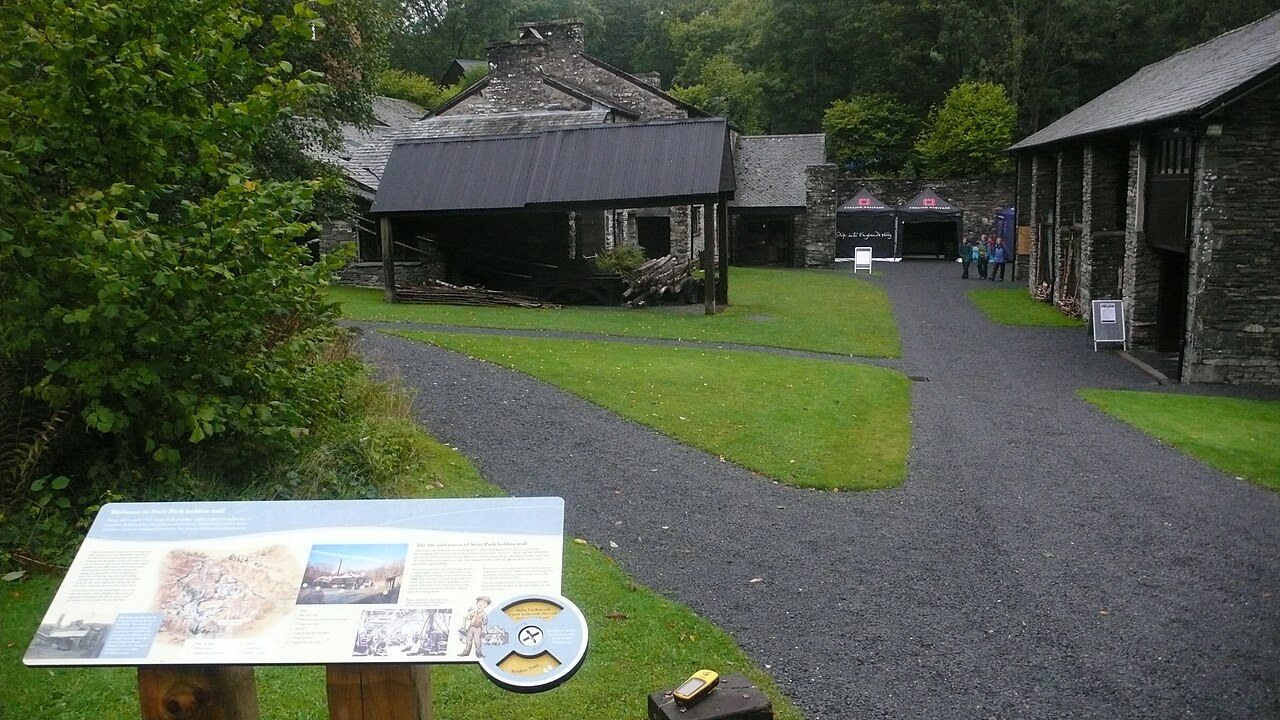
Stott Park Bobbin Mill
Visit England's best-preserved Victorian bobbin mill on a guided tour and watch working machinery turn timber into bobbins.
- Visit length
- Editorial estimate: allow around 60 minutes
- Locality
- near Finsthwaite
- Access
- Guided tours on selected dates.
No places match this filter. Choose All places to reset the list.
Three ways to explore Lakeside
Signature outings
Sail north from Lakeside
Step onto a Windermere cruise at Lakeside Pier for the route towards Bowness and Waterhead at Ambleside.
Ride the heritage line
Ride between Lakeside and Haverthwaite, then connect with a Windermere cruise at the pier.
See Victorian machinery
See Victorian bobbin-making machinery at work on a guided tour.
The village story
Lakeside: water, rails and working heritage
At Windermere's southern tip, Lakeside makes its case through the journeys that meet at the water and the machinery that still gives those journeys character.
The pier and the Victorian interchange
At the southern tip of Windermere, where the lake narrows and drains into the River Leven, a Victorian pier still sends boats north to Bowness and Ambleside. Lakeside is less a village than a place things arrive at and leave from. There is no church here; water, boats and railway connections shape the waterfront.
The pier opened in 1869 to meet trains from Plumpton Junction, letting passengers step off a steam engine and onto a lake steamer. Passenger service on the branch ended in 1965; the Haverthwaite-to-Lakeside stretch reopened as a heritage railway in 1973. The train-to-boat connection still shapes a visit to Lakeside.
Waterfront wildlife, food and walks
The Lakes Aquarium sits at the waterfront with one of the largest collections of UK freshwater fish: pike, sturgeon, perch and carp, alongside Morecambe Bay species and Asian short-clawed otters. Lakeside Hotel adds waterfront dining.
The walk towards Newby Bridge starts near Lakeside Ferry Terminal. The 1.72 km West Windermere Way section follows the railway, lake edge and marina, with short steep slopes along the way. Finsthwaite Heights offers a separate woodland walk above Lakeside.
The bobbin mill detour
Stott Park Bobbin Mill stands near Finsthwaite, about 0.7 miles from Lakeside in a straight line; the walking route is longer. It is England's best-preserved Victorian bobbin mill. On selected tour dates, its belt-driven machinery shows how local timber became bobbins, amid a site preserved much as it was in the 1870s.
The quiet end of Windermere
Windermere is ten and a half miles long, England's largest lake, and Lakeside sits at its quiet southern end. Drivers reach it from the A590 at Newby Bridge by following the road signed towards Hawkshead, while boats and heritage trains meet at the pier.
Stay around Lake District
Make a longer stay of it
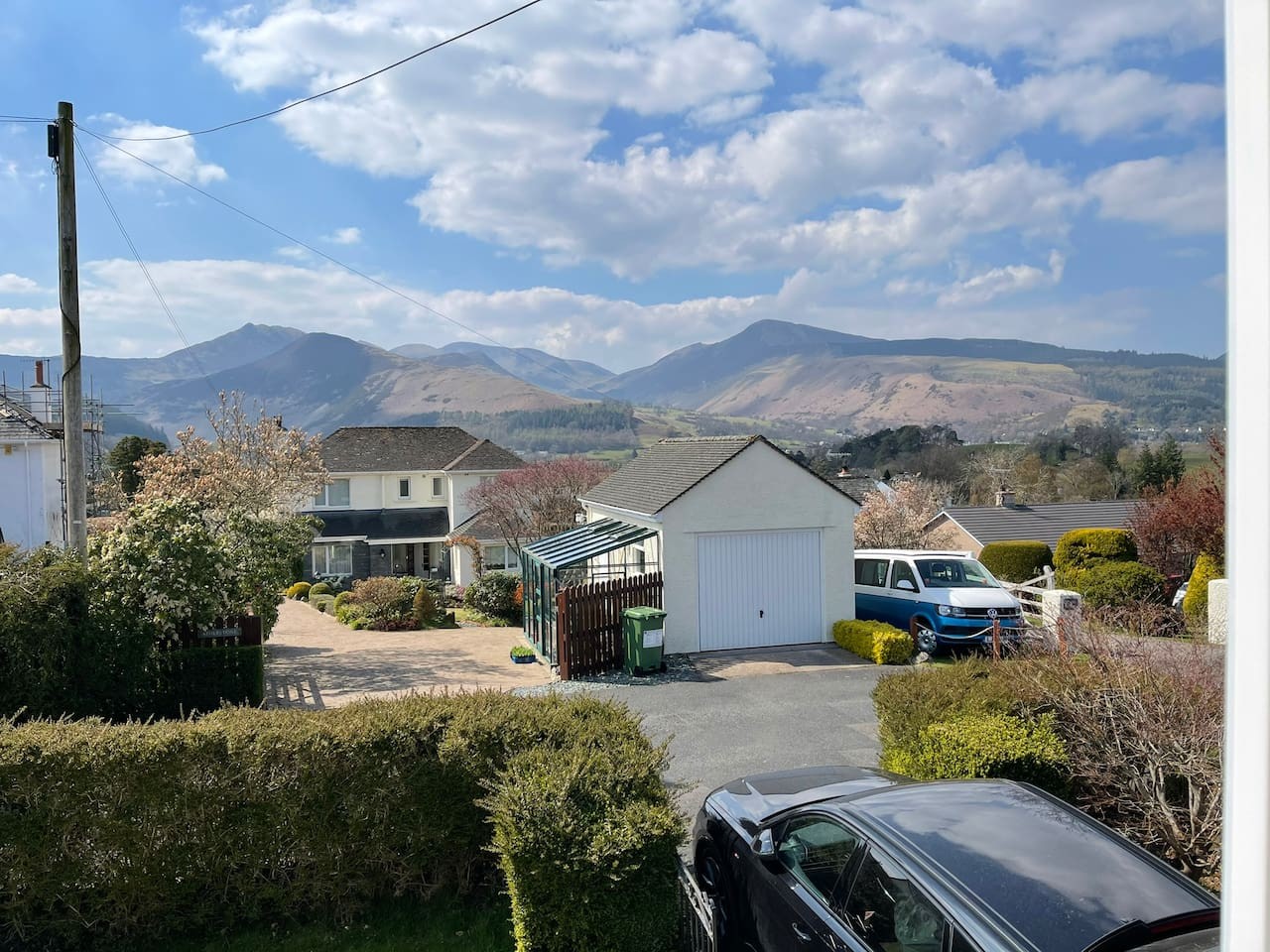
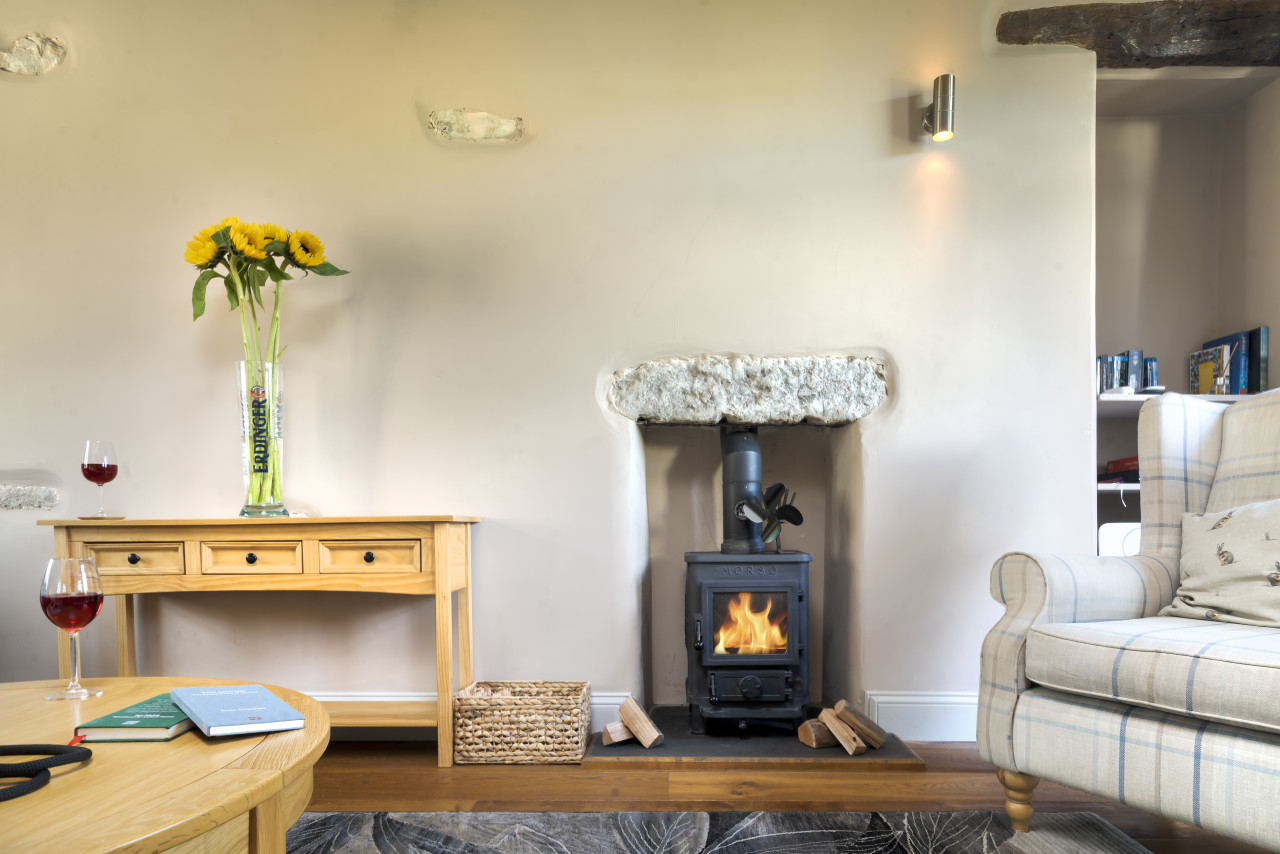
Travel Fox holiday homes around Lake District, linked directly to their property pages.
For homeowners
Own a holiday home near Lakeside?
We manage holiday lets across the Lake District from 12% commission, charged after cleaning costs, with no lock-in. A co-founder visits before you decide.
Holiday let management in the Lake District →
A guide with a point of view
Written from research. Edited for real journeys.
Use the Official site links for live practical details, then use this guide for context, ideas and room to explore.
Photography credits & licences
Third-party photographs are credited to their named creators and reused under the linked Creative Commons licence or public-domain dedication. Travel Fox stores an optimised local copy; the file-specific changes and any browser-applied display crop are disclosed below. Reused photographs link both to the Wikimedia Commons source record and to the declared source image; Travel Fox's own photographs carry no such record and are marked as ours. These image licences do not cover Travel Fox text, branding or page design.
- File:Stott Park Bobbin Mill - panoramio.jpg — photograph by flipflopnick; flipflopnick. Source record on Wikimedia Commons. Declared source image. Licence: CC BY-SA 3.0. File changes: Downloaded from Wikimedia Commons, resized to a maximum 1920px edge and encoded as an optimised JPEG. Display changes: Displayed with responsive CSS cropping.
Sources
Every place on this page is checked against a published source. Each entry links the record we used and names who publishes it.
- Windermere Lake Cruises at Lakeside Pier — windermere-lakecruises.co.uk operator, sector body or destination organisation
- Lakeside & Haverthwaite Railway — lakesiderailway.co.uk operator, sector body or destination organisation
- Lakes Aquarium — lakesaquarium.co.uk operator, sector body or destination organisation
- Lakeside Hotel bar and restaurant — lakesidehotel.co.uk operator, sector body or destination organisation
- Lakeside to Newby Bridge walk — lakedistrict.gov.uk statutory register or public authority
- Finsthwaite Heights woodland walk — ruslandhorizons.org other published source
- Stott Park Bobbin Mill — english-heritage.org.uk national body or asset manager