
Iron, limestone and bay views
Lindale
A small south Cumbrian village where industrial history sits near a limestone fell and Morecambe Bay.
- Best for
- Industrial history and limestone walking
- Give it
- Half a day between village, fell and bay
- Don't miss
- The panorama from Hampsfell Hospice
Photo: Lewis Clarke · CC BY-SA 2.0 · cropped
The Fox verdict
A compact village with an outsized iron story
Lindale works best as a village visit paired with a separate trip to Hampsfell and the Grange-over-Sands bay promenade.
The village's strongest experiences are a cast-iron monument and a George Webster church; Hampsfell's viewpoint and the bay promenade at Grange-over-Sands make separate nearby outings.
Where to go
Places in Lindale
Every place below is checked against a published source, listed with what it is and how long to give it.
Local signatures
3 placesHampsfell Hospice
A walk to the 727-foot limestone fell and its hospice building, dating from around 1846, with panoramic views over Morecambe Bay and the Lake District fells.
- Visit length
- Editorial estimate: Allow around 2 hours
- Locality
- Hampsfell above Grange-over-Sands, southwest of Lindale
Morecambe Bay at Grange Promenade
The promenade at Grange-over-Sands offers a level walk beside the sands and salt marsh of Morecambe Bay.
- Visit length
- Editorial estimate: Allow around 90 minutes
- Locality
- Grange-over-Sands promenade, southwest of Lindale
John Wilkinson Monument
A listed cast-iron obelisk commemorating John "Iron-Mad" Wilkinson, the ironmaster and inventor. Historic England records its present position on the B5277 near Dixon Wood Close.
- Visit length
- Editorial estimate: Allow around 15 minutes
- Locality
- Lindale village
Walks & outdoors
1 place
Grange-over-Sands
A bay-side town southwest of Lindale, with a promenade and a wider choice of amenities.
- Visit length
- Editorial estimate: Allow around 1 hour
- Locality
- Grange-over-Sands, southwest of Lindale
History & heritage
1 placeSt Paul's Church, Lindale
A Grade II listed church dating from 1828–29, designed by the Kendal architect George Webster.
- Visit length
- Editorial estimate: Allow around 20 minutes
- Locality
- Lindale village
No places match this filter. Choose All places to reset the list.
Three ways to explore Lindale
Signature outings
Continue to Grange-over-Sands
Visit Grange-over-Sands for its bay promenade and wider choice of amenities.
Find Webster in Lindale
Pause at St Paul's, the Grade II listed village church designed by Kendal architect George Webster.
Meet Iron-Mad Wilkinson
Use the cast-iron obelisk as the starting point for Lindale's connection with one of the Industrial Revolution's important figures.
The village story
Lindale: Iron Above Morecambe Bay
The untouched Travel Fox article moves from a self-commissioned iron monument to the fell, shore, church and practical route into the village.
An Iron Monument and a Bay Village
There is a cast-iron obelisk in the middle of Lindale, and the man it commemorates asked for it himself. John "Iron-Mad" Wilkinson wanted a monument in iron, and after a career spent proving what the material could do, he got one. He is said to have been buried in an iron coffin, which he also made.
Lindale is a small, mostly residential village near the north-eastern shore of Morecambe Bay, a mile off the A590 between Kendal and Barrow. It sits in limestone country, between Grange-over-Sands and Kendal, with Hampsfell rising behind it. Shops are limited, and for a wider choice of food and drink most people head about two miles to Grange-over-Sands, or further round to Newby Bridge.
Hampsfell and the Open Shore
A nearby reason to walk is Hampsfell, about 1.4 miles southwest of Lindale in a straight line; the walking route is longer. The fell reaches 727 feet in elevation, and at the top sits the Hampsfell Hospice, a building put up around 1846. From it you get one of the finest views in the southern Lake District — Morecambe Bay laid out on one side, the higher fells on the other. It is a lot of view for a modest amount of climbing, and the walk up is limestone underfoot most of the way.
At Grange-over-Sands, about two miles from Lindale, the bay opens out into sands and salt marsh. The town promenade offers a separate level walk beside the bay, with most of the nearby amenities there too.
Webster's Church and Wilkinson's Works
St Paul's Church dates from 1828–29 and is Grade II listed. It was designed by George Webster, the Kendal architect responsible for a good deal of south Cumbria, which means the village church shares an author with a scattering of grander buildings across the county.
Back to Wilkinson, because the village can't quite escape him. He lived from 1728 to 1808 and owned the Castle Head estate, now a field study centre. He produced the iron for the world's first iron bridge at Ironbridge in 1779, built the world's first iron boat in 1787, and turned out iron pipes, cylinders for James Watt's steam engines, and those coffins. He was one of the more important figures of the Industrial Revolution, and of everywhere he could have chosen to be remembered — Ironbridge, the works, the wider country his iron reached — his monument now stands beside the B5277 in Lindale, having been moved from his grave at Castle Head in 1863.
Arriving in Lindale
There is no station in Lindale; the nearest is Grange-over-Sands, about two miles away on the Barrow–Lancaster line, with buses running the A590 corridor. Most people arrive by car, turning the mile off the main road to reach it. The obelisk, meanwhile, stays where it is, doing the one thing iron does well, which is not rusting away in any hurry.
Stay around Lake District
Make a longer stay of it
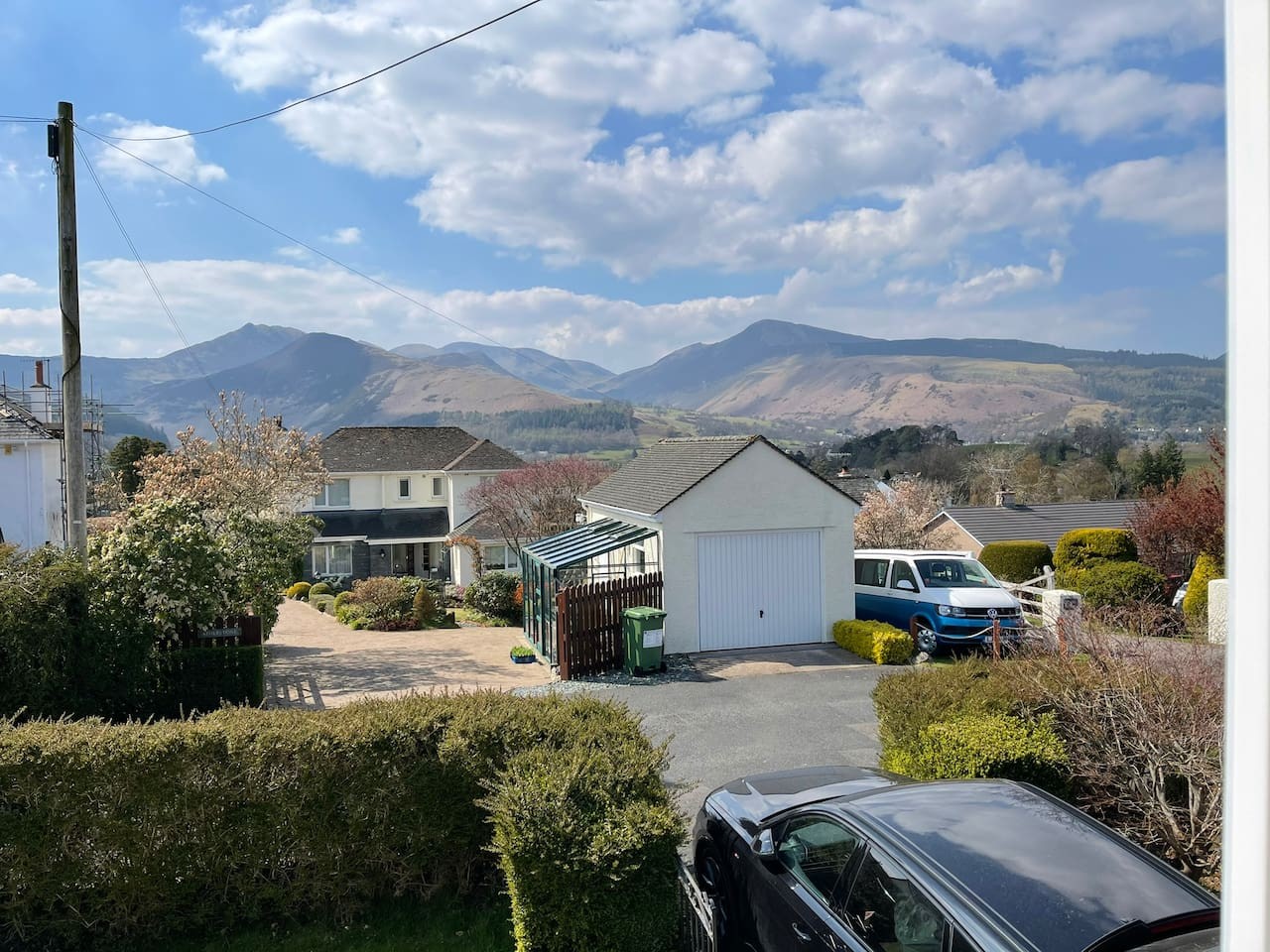
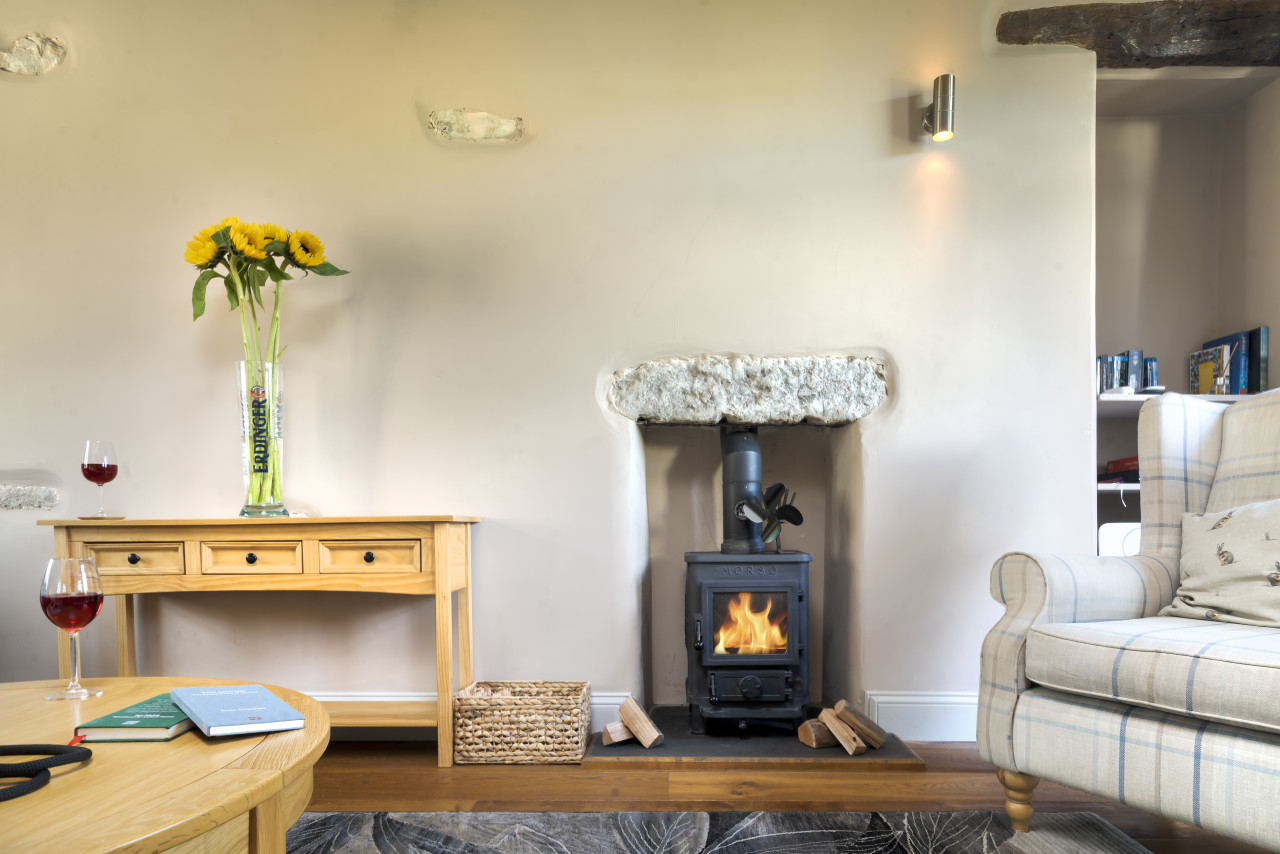
Travel Fox holiday homes around Lake District, linked directly to their property pages.
For homeowners
Own a holiday home near Lindale?
We manage holiday lets across the Lake District from 12% commission, charged after cleaning costs, with no lock-in. A co-founder visits before you decide.
Holiday let management in the Lake District →
A guide with a point of view
Written from research. Edited for real journeys.
Use the Official site links for live practical details, then use this guide for context, ideas and room to explore.
Photography credits & licences
Third-party photographs are credited to their named creators and reused under the linked Creative Commons licence or public-domain dedication. Travel Fox stores an optimised local copy; the file-specific changes and any browser-applied display crop are disclosed below. Reused photographs link both to the Wikimedia Commons source record and to the declared source image; Travel Fox's own photographs carry no such record and are marked as ours. These image licences do not cover Travel Fox text, branding or page design.
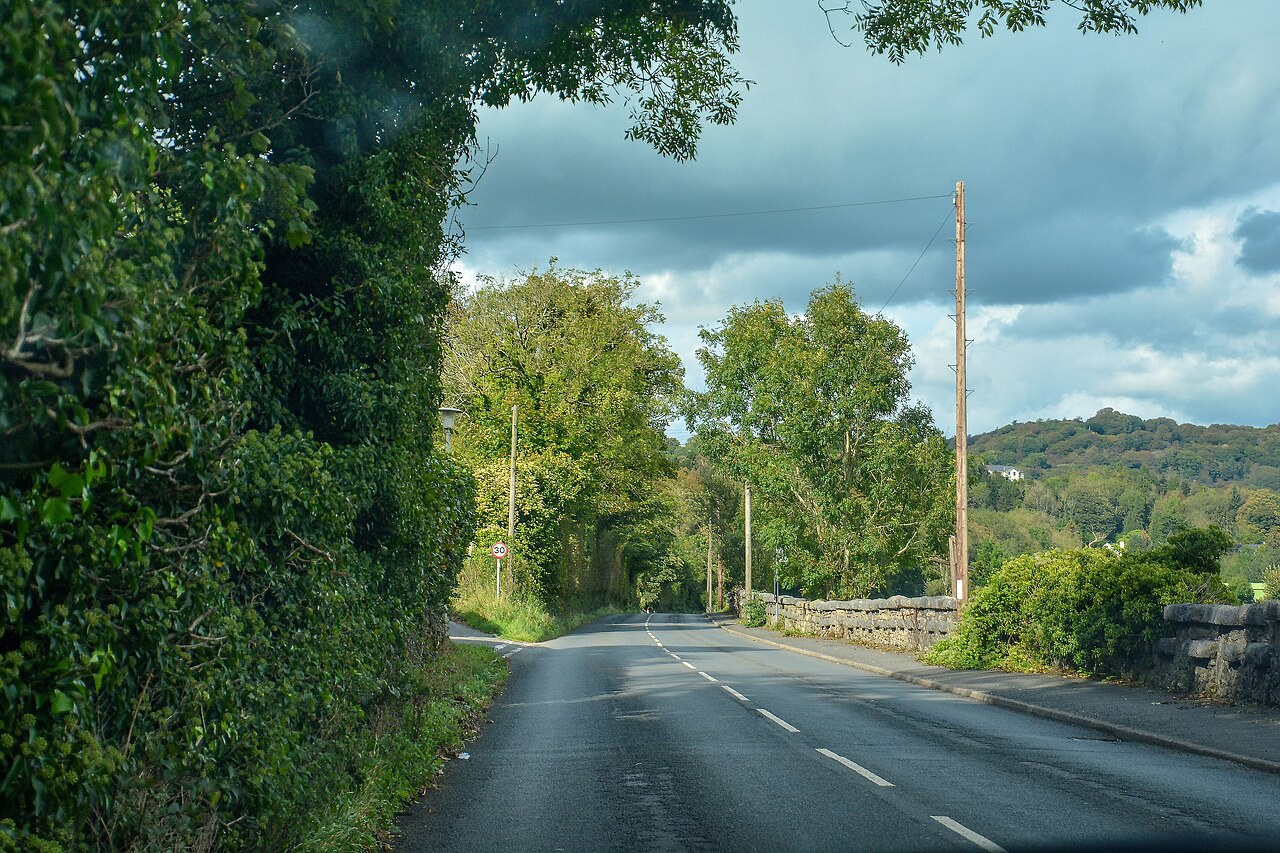
- File:Grange-Over-Sands , Lindale Road B5277 - geograph.org.uk - 6305616.jpg — photograph by Lewis Clarke; Grange-Over-Sands : Lindale Road B5277 by Lewis Clarke. Source record on Wikimedia Commons. Declared source image. Licence: CC BY-SA 2.0. File changes: Downloaded from Wikimedia Commons, resized to a maximum 1920px edge and encoded as an optimised JPEG. Display changes: Displayed with responsive CSS cropping.
Sources
Every place on this page is checked against a published source. Each entry links the record we used and names who publishes it.
- Hampsfell Hospice — historicengland.org.uk statutory register or public authority record not machine-readable; publisher restricts automated access
- Morecambe Bay at Grange Promenade — grangeoversandstowncouncil.gov.uk statutory register or public authority
- St Paul's Church, Lindale — historicengland.org.uk statutory register or public authority record not machine-readable; publisher restricts automated access
- John Wilkinson Monument — historicengland.org.uk statutory register or public authority record not machine-readable; publisher restricts automated access
- Grange-over-Sands — grangeoversandstowncouncil.gov.uk statutory register or public authority