
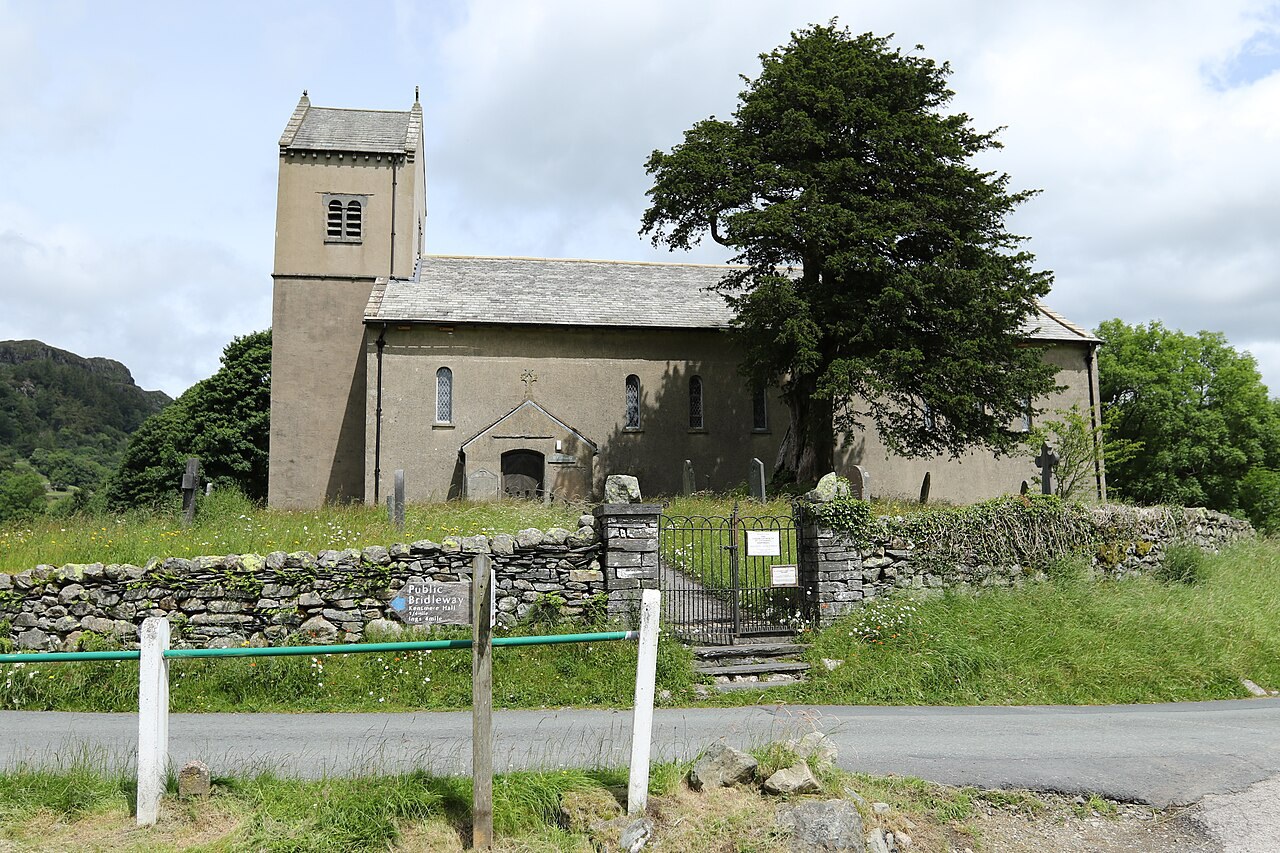
At the end of the road
Kentmere
A remote Lake District valley with no through road, ringed by a classic fell circuit and crossed by the River Kent.
- Best for
- Ridge walks and remote valley days
- Give it
- A full day for the 12-mile Horseshoe
- Don't miss
- St Cuthbert's and the Bernard Gilpin memorial
Photo: andrewrabbott · CC BY-SA 4.0 · cropped
The Fox verdict
A valley made for deliberate journeys
Kentmere rewards visitors who come for its ridge, reservoir and deep sense of remoteness.
Choose the roughly 12-mile Kentmere Horseshoe over Yoke, Ill Bell, Harter Fell and Kentmere Pike, or a 6.4-mile valley loop to the reservoir. Kentmere has a Post Office at Pumple Syke; bring walking provisions and find an inn in Staveley or Ings.
Where to go
Places in Kentmere
Every place below is checked against a published source, listed with what it is and how long to give it.
Local signatures
3 places
Start here
St Cuthbert's Church
A church largely rebuilt in 1866, with 16th-century roof beams and a memorial to Kentmere-born reformer Bernard Gilpin, the Apostle of the North.
- Visit length
- Editorial estimate: allow around 30 minutes.
- Locality
- Kentmere
The Eagle & Child Inn
A village inn in Staveley, about 4.0 miles from Kentmere in a straight line; the road journey is longer.
- Visit length
- Editorial estimate: allow around 60 minutes.
- Locality
- Staveley
The Watermill Inn
An inn in Ings with its own brewery, providing a food and drink stop outside Kentmere.
- Visit length
- Editorial estimate: allow around 60 minutes.
- Locality
- Ings
Walks & outdoors
2 placesKentmere Horseshoe
The classic 12-mile ridge circuit over Yoke, Ill Bell, Harter Fell and Kentmere Pike is one of the eastern Lake District's finest ridge walks.
- Visit length
- Editorial estimate: allow 6–8 hours for the full ridge circuit.
- Locality
- Kentmere valley and surrounding ridge
Kentmere Reservoir Circuit
A 6.4-mile loop follows the upper Kentmere valley to the reservoir and returns on the opposite side of the River Kent. Completed in 1848, the reservoir regulated water for mills downstream.
- Visit length
- Editorial estimate: allow around 3 hours for the 6.4-mile loop.
- Locality
- upper Kentmere valley
No places match this filter. Choose All places to reset the list.
Three ways to explore Kentmere
Signature outings
The Kentmere Horseshoe
Expect about 3,700 feet of ascent; Nan Bield Pass provides a way back into Kentmere.
Bernard Gilpin's memorial
The Gilpin memorial is a 1901 bronze made by the Keswick School of Industrial Arts.
Kentmere Reservoir
Carry supplies: facilities are limited on the upper-valley walk to the reservoir.
The village story
Kentmere: the valley at the road's end
A remote valley shaped by a defensive hall, high ridges, regulated water and the life of Bernard Gilpin.
The hall and the road's end
Kentmere Hall stands near the village church, its fourteenth-century tower house joined to a later farmhouse and barn. The Grade II* listed group retains slit openings in the tower. The stonework gives the valley's settled history a presence beside its fell paths.
The valley itself runs north from Staveley and then simply stops. There is no through road. The single-track lane climbs into the valley, and where the tarmac gives up, the open fell begins. This is the first thing to understand about staying here: you arrive on purpose. Nobody passes through Kentmere on the way to somewhere else, because there is no somewhere else to be on the way to.
The Horseshoe and the reservoir
What the valley has instead is a ridge. The Kentmere Horseshoe is a roughly twelve-mile circuit over Yoke, Ill Bell, Harter Fell and Kentmere Pike. Its substantial ascent makes this a full mountain day; Nan Bield Pass offers a descent back into Kentmere if needed. Plan your start and carry supplies for the full mountain day.
For a lower-level day, a 6.4-mile loop follows the valley to Kentmere Reservoir and returns along the other side of the River Kent, passing back through Kentmere. The reservoir was completed in 1848 to regulate water for mills downstream.
St Cuthbert's and Bernard Gilpin
St Cuthbert's Church stands by the start and finish of the reservoir walk. It was largely rebuilt in 1866, though some of the roof beams go back to the sixteenth century. Inside there's a memorial to Bernard Gilpin, who was born in Kentmere in 1517 and became known as the Apostle of the North.
Gilpin later became Archdeacon of Durham and served in Houghton-le-Spring. He declined the Bishopric of Carlisle. His Kentmere memorial, made in bronze by the Keswick School of Industrial Arts in 1901, brings that wider life back into the small church where visitors can see it.
Practical remoteness and valley quiet
Kentmere has a Post Office at Pumple Syke, but walkers should bring food and water into the valley. The Eagle & Child in Staveley and the Watermill Inn in Ings offer food and drink beyond the valley. Staveley has a railway station; no direct public transport reaches Kentmere.
In the evening the light comes off the fells and down the length of the valley, and there is nothing to hear but water and sheep.
Stay around Lake District
Make a longer stay of it
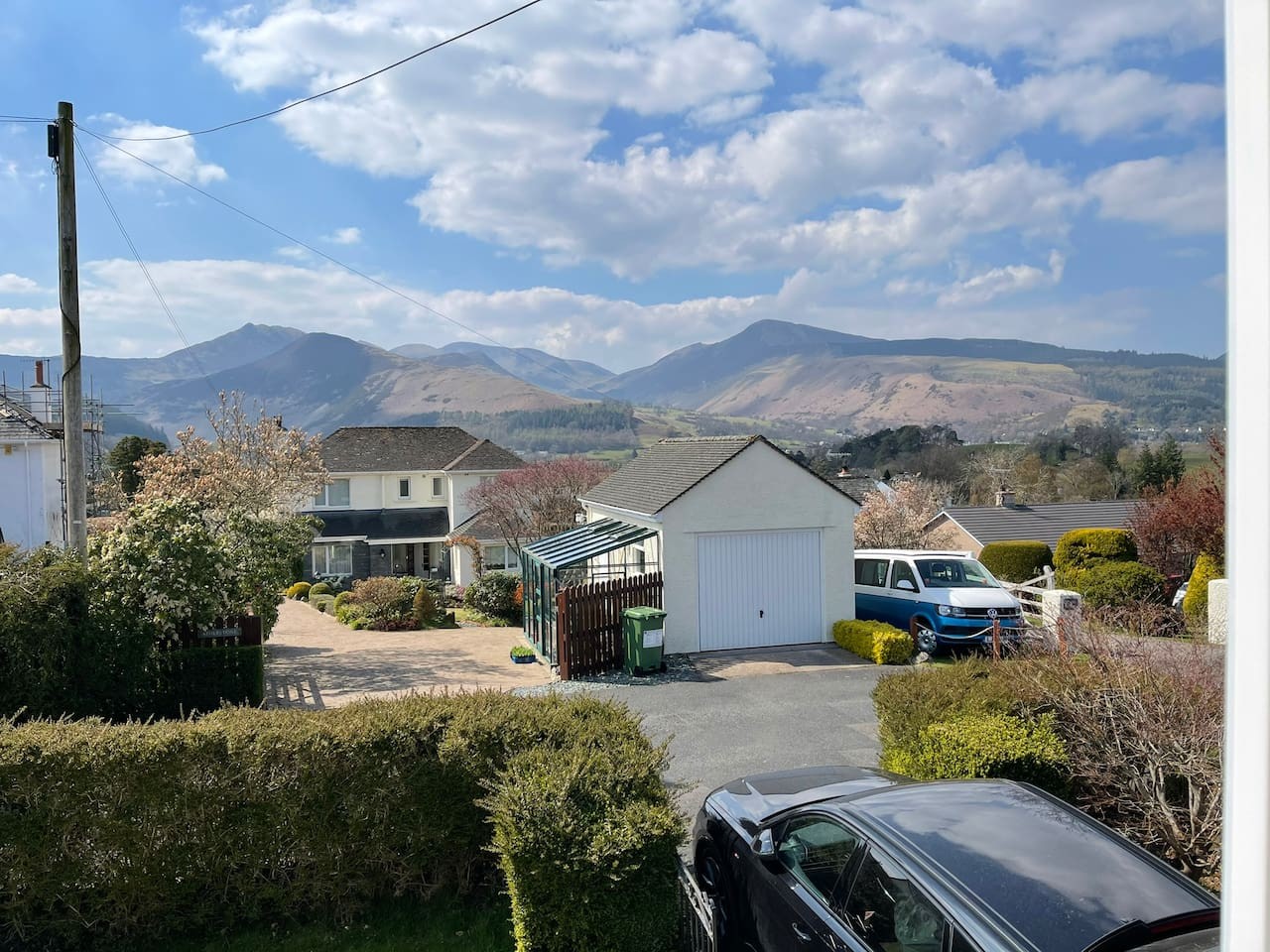
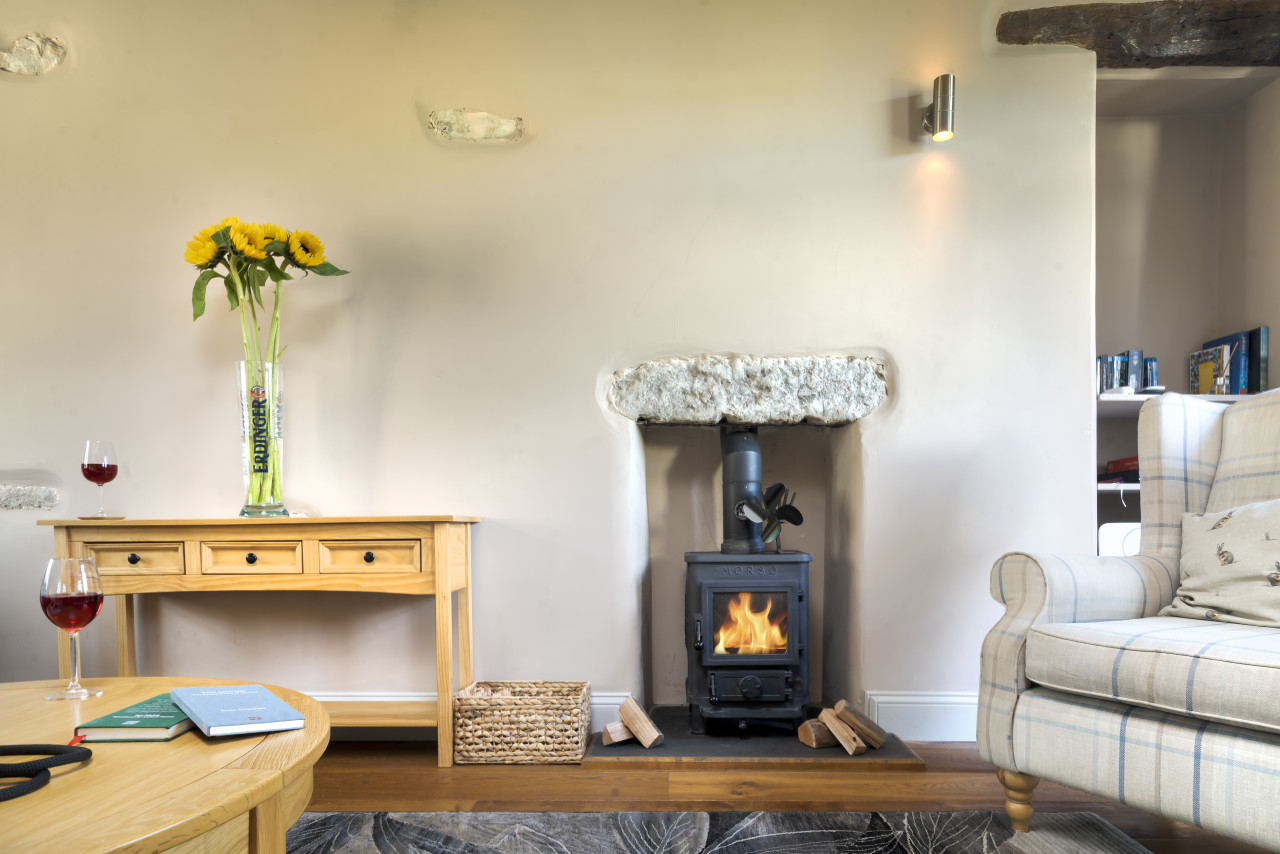
Travel Fox holiday homes around Lake District, linked directly to their property pages.
For homeowners
Own a holiday home near Kentmere?
We manage holiday lets across the Lake District from 12% commission, charged after cleaning costs, with no lock-in. A co-founder visits before you decide.
Holiday let management in the Lake District →
A guide with a point of view
Written from research. Edited for real journeys.
Use the Official site links for live practical details, then use this guide for context, ideas and room to explore.
Photography credits & licences
Third-party photographs are credited to their named creators and reused under the linked Creative Commons licence or public-domain dedication. Travel Fox stores an optimised local copy; the file-specific changes and any browser-applied display crop are disclosed below. Reused photographs link both to the Wikimedia Commons source record and to the declared source image; Travel Fox's own photographs carry no such record and are marked as ours. These image licences do not cover Travel Fox text, branding or page design.
- File:St Cuthbert's Church, Kentmere.jpg — photograph by andrewrabbott; Own work. Source record on Wikimedia Commons. Declared source image. Licence: CC BY-SA 4.0. File changes: Downloaded from Wikimedia Commons, resized to a maximum 1920px edge and encoded as an optimised JPEG. Display changes: Displayed with responsive CSS cropping.
Sources
Every place on this page is checked against a published source. Each entry links the record we used and names who publishes it.
- Kentmere Horseshoe — lakedistrictwalks.com other published source
- Kentmere Reservoir Circuit — wainwrightwalking.co.uk other published source
- St Cuthbert's Church — nationalchurchestrust.org operator, sector body or destination organisation
- The Eagle & Child Inn — eaglechildinn.co.uk operator, sector body or destination organisation
- The Watermill Inn — camra.org.uk operator, sector body or destination organisation