
Market town, mountain base
Keswick
Between Derwentwater and Bassenthwaite Lake, Keswick pairs a centuries-old market and pencil-making history with independent places to eat and fells rising around the town.
- Best for
- Market browsing, local history and fell walks
- Give it
- A full day, or longer for a major fell
- Don't miss
- The graphite story and Derwentwater views
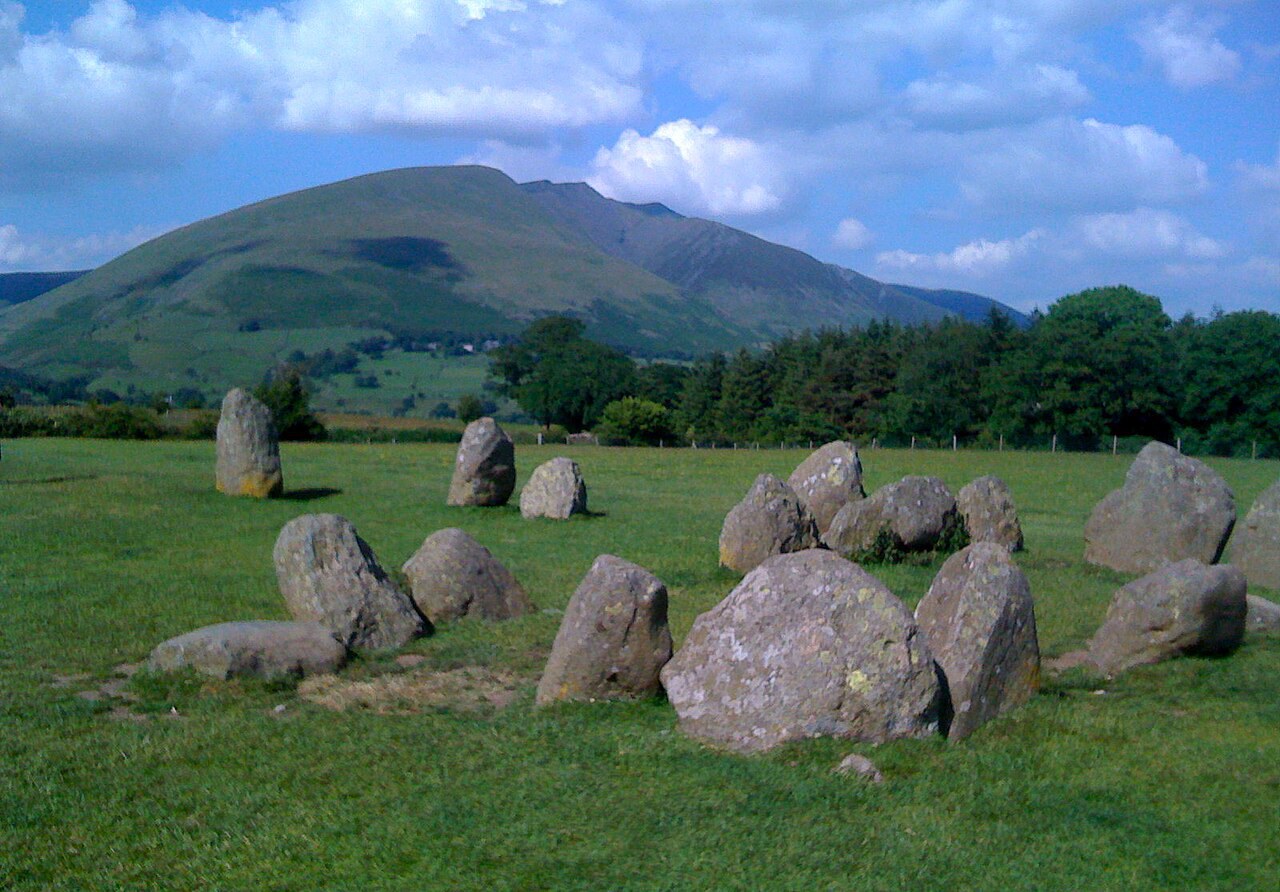
Photo: Agadant · CC BY-SA 3.0 · cropped
The Fox verdict
A Lake District base with a life of its own
Keswick is more than a launch point for the fells: its market, pencil heritage and independent food stops reward time in town.
The appeal is the range within one base. Browse the market, trace the Borrowdale graphite discovery behind Keswick's pencil industry, or settle into a pub before choosing a viewpoint walk or a Derwentwater crossing.
Where to go
Places in Keswick
Every place below is checked against a published source, listed with what it is and how long to give it.
Local signatures
3 placesKeswick Market
An outdoor market held twice a week on Market Square and Main Street, with about 65 to 70 stalls selling food, clothing and homeware.
- Visit length
- Editorial estimate: around 60 minutes
- Locality
- Market Square
The Square Orange
A relaxed, dog-friendly cafe-bar serving Roman-style stone-baked pizza, European-inspired tapas and a wide vegan selection.
- Visit length
- Editorial estimate: around 75 minutes
- Locality
- Keswick
Latrigg
A graded viewpoint walk north of Keswick, with views over Derwentwater and Borrowdale and a steep initial climb.
- Visit length
- Editorial estimate: around 120 minutes
- Locality
- directly north of Keswick
- Access
- The first 150 metres climb at a 1:7 gradient; self-propelled wheelchair users should avoid this viewpoint route.
Food & drink
2 placesThe Dog & Gun
A traditional Greene King pub known for Hungarian goulash, real ales and gins, with a dog-friendly welcome that is popular with walkers.
- Visit length
- Editorial estimate: around 75 minutes
- Locality
- edge of Keswick town centre
The Pack Horse Inn
A traditional pub in Pack Horse Court serving food and draught beer, with dining areas on three upstairs terraces.
- Visit length
- Editorial estimate: around 75 minutes
- Locality
- off the main high street
Walks & outdoors
2 placesWalla Crag
A moderate fell above Derwentwater's eastern shore, with views across the lake to Catbells.
- Visit length
- Editorial estimate: around 150 minutes
- Locality
- above Derwentwater's eastern shore
Catbells
A moderate fell walk reached from Hawes End Landing Stage, with a steep section, minor scrambling and views over Derwentwater.
- Visit length
- Editorial estimate: around 165 minutes
- Locality
- across Derwentwater from Keswick
History & heritage
2 placesSt Kentigern's Church, Crosthwaite
A largely medieval church on a site thought to date to AD 553, with Poet Laureate Robert Southey buried here.
- Visit length
- Editorial estimate: around 45 minutes
- Locality
- Crosthwaite, just outside Keswick
- Access
- A history leaflet is available at the church, which has an accessible entrance.
Castlerigg Stone Circle
A ring of 38 stones, probably built around 4,500 years ago in the late Neolithic, with Helvellyn behind it.
- Visit length
- Editorial estimate: around 60 minutes
- Locality
- outside Keswick
Things to do
1 placeDerwent Pencil Museum
Exhibits trace Borrowdale graphite and Keswick's pencil-making story, alongside one of the largest colour pencils in the world.
- Visit length
- Editorial estimate: around 90 minutes
- Locality
- old pencil factory site
No places match this filter. Choose All places to reset the list.
Three ways to explore Keswick
Signature outings
Keswick's pencil story
Follow the discovery of Borrowdale graphite into interactive exhibits on Keswick's claim to the world's first pencils.
A prehistoric skyline
Walk out from town to a ring of 38 stones set against the Helvellyn range.
Climb a Wainwright classic
Cross Derwentwater by launch to Hawes End for a moderate Catbells walk with wide lake and fell views.
The town story
Keswick: market town beneath the fells
Explore Keswick's market square, pencil-making history and routes from Derwentwater into the surrounding fells.
Market Square to Lake Road
The Moot Hall stands in the middle of Market Square with its unusual one-handed clock. The present building dates from 1813 and replaced structures on the site dating back to 1571. Over the centuries, the site has served as a courtroom, market hall and museum. Look up at the clock before heading into the square.
Keswick Market fills Market Square and Main Street twice a week. Its roughly 65 to 70 stalls sell food, clothing and homeware, making the town centre a good place to begin a visit.
Bryson's has baked in Keswick since 1947. Its Lakeland Plum Bread and Borrowdale Tea Bread are local specialities made to the bakery's own recipes. The shop on Main Street has an upstairs tea room serving snacks and meals.
Walk down Lake Road to Fellpack at number 34 for Fellpots, the restaurant's inventive dishes. Its short, seasonal and eclectic menu and mix of reservable and walk-in tables make it a useful stop after time on the fells.
Pubs, Pizza and Outdoor Kit
Back near the square, the Dog & Gun is a Greene King pub that welcomes dogs on leads in its indoor and outdoor seating areas. The Pack Horse, tucked into Pack Horse Court off the high street, serves draught beer and has dining areas on three upstairs terraces.
The Square Orange on St John's Street serves Roman-style pizza from a stone oven and European-inspired tapas. It welcomes well-behaved dogs and does not take bookings, so plan to find a table when you arrive.
On Brewery Lane, Keswick Brewing Company pours beer at the Fox Tap beside its brewery shop, which sells bottled and canned beers.
George Fisher began with a small shop at 17 Lake Road in 1957. In 1967 he took over the present Borrowdale Road premises, formerly the Abraham family's photographic business. The brothers George Dixon and Ashley Perry Abraham were mountain photographers and pioneer climbers; Fisher later led the Keswick Mountain Rescue Team and received an MBE in 1980.
Pencils and Copper in Keswick
Keswick's Pencil Museum traces the town's graphite and pencil-making history on the former pencil works site. Its displays include secret Second World War pencils containing hidden maps and one of the largest colour pencils in the world, measuring almost eight metres. The museum makes an everyday object into a way of exploring the town's industrial past.
An unusually pure deposit of graphite was discovered in Borrowdale in the sixteenth century. Local tradition says a fallen tree exposed the mineral and shepherds used it to mark sheep. Graphite was also used in cannonball moulds, and pencil-making became an important local industry.
Copper mining shaped Keswick too. In the sixteenth century, German miners were brought to the area for their expertise, and industrial sites grew beyond the town. Together with graphite and later pencil-making, the mines explain why this fellside market town has an industrial history as well as a walking one.
Keswick has no entry of its own in the Domesday record. Cumberland was part of the kingdom of Scotland until 1092. Several origins have been proposed for the town's name, including the Anglian 'cheese farm' and Scandinavian and Norwegian derivations.
Lake, Fells and Ancient Stones
From Market Square, walk towards the Derwentwater shore and continue to Friar's Crag for a view across the lake.
The Keswick Launch offers a roughly 50-minute circuit of Derwentwater, with hop-on, hop-off travel at eight jetties. Hawes End is the landing stage for the main Catbells walk, a moderate route with a short steep ascent and minor scrambling. Allow time for the walk as well as the crossing.
Latrigg offers views over Keswick, Derwentwater and Borrowdale. The graded viewpoint route from the head of the Gale Road car park is about two kilometres out and back. Its first 150 metres climb at a 1:7 gradient; self-propelled wheelchair users should avoid this route.
Castlerigg Stone Circle stands on a hill outside town, with Helvellyn and other fells behind its ring of 38 stones. It was probably built around 4,500 years ago in the late Neolithic, although its precise age is uncertain. The circle is about 1.7 miles east of Keswick in a straight line; allow more for the walking route.
Arriving, Rainy Evenings and Market-Morning Weather
Penrith is the nearest railway station for Keswick, with bus connections into town. The former Keswick railway line is now the Keswick to Threlkeld walking and cycling trail. The River Greta bridge near the Keswick end is closed during autumn 2026 replacement works; the trail east of it remains accessible towards Threlkeld.
For an evening indoors, Keswick has Theatre by the Lake near Derwentwater and the Alhambra Cinema on St John's Street. The cinema company was founded in 1913, but its first film was shown in January 1914 after a technical fault delayed the planned opening-night screening.
Back in the centre, the fells rise beyond the rooftops. The lakeshore paths, shops and fell routes offer different ways to carry on from the square.
Stay around Lake District
Make a longer stay of it
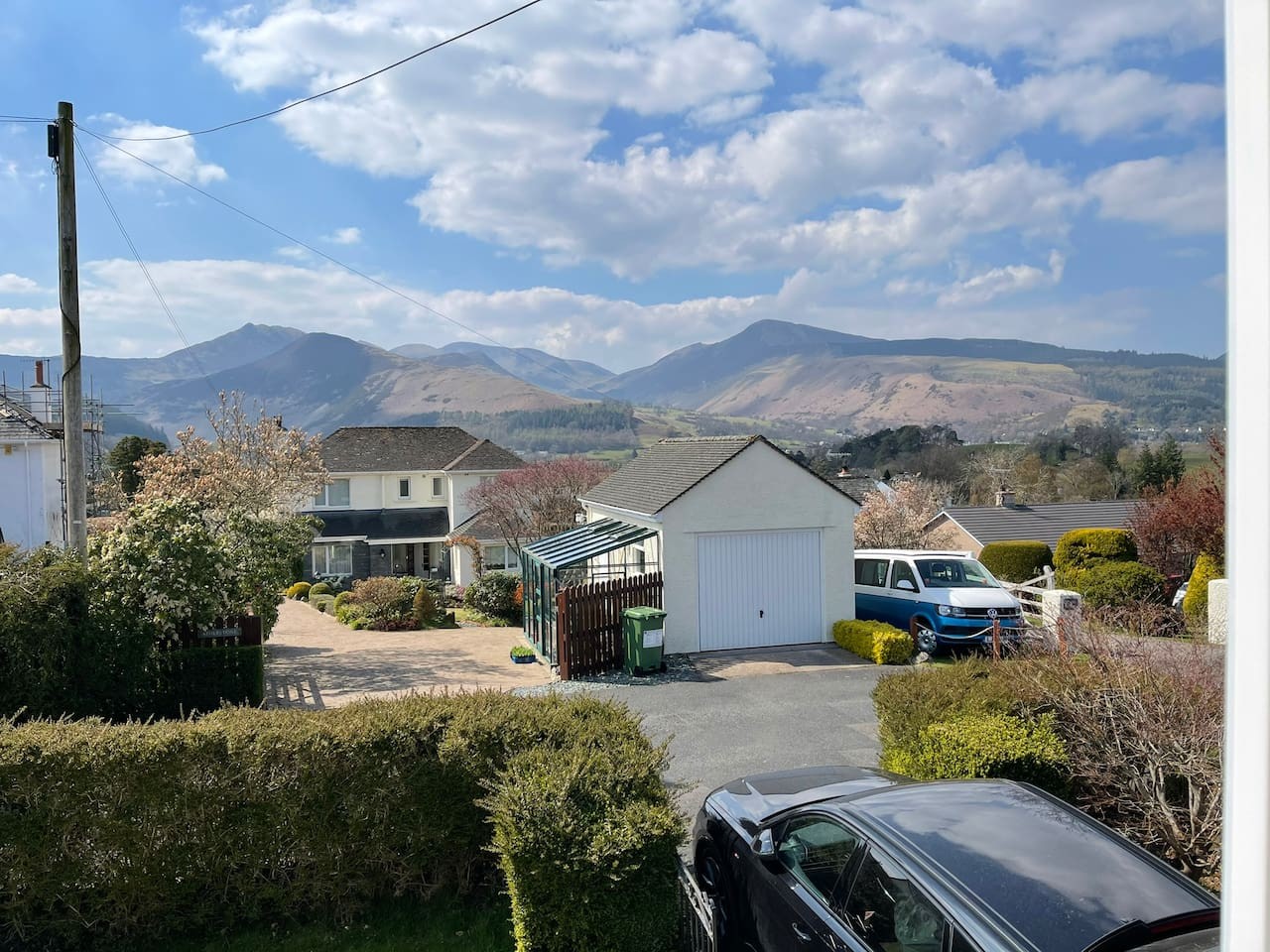
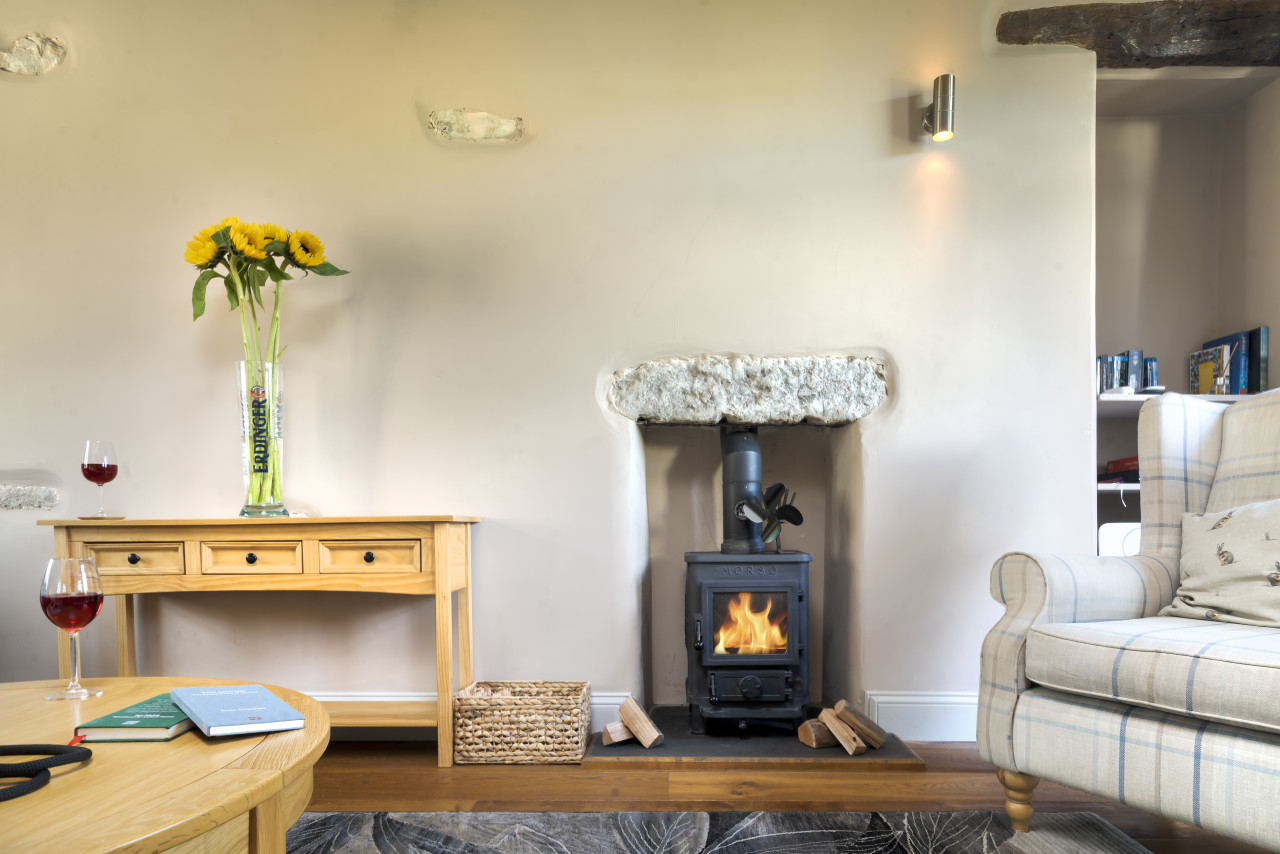
Travel Fox holiday homes around Lake District, linked directly to their property pages.
For homeowners
Own a holiday home near Keswick?
We manage holiday lets across the Lake District from 12% commission, charged after cleaning costs, with no lock-in. A co-founder visits before you decide.
Holiday let management in the Lake District →
A guide with a point of view
Written from research. Edited for real journeys.
Use the Official site links for live practical details, then use this guide for context, ideas and room to explore.
Photography credits & licences
Third-party photographs are credited to their named creators and reused under the linked Creative Commons licence or public-domain dedication. Travel Fox stores an optimised local copy; the file-specific changes and any browser-applied display crop are disclosed below. Reused photographs link both to the Wikimedia Commons source record and to the declared source image; Travel Fox's own photographs carry no such record and are marked as ours. These image licences do not cover Travel Fox text, branding or page design.
- File:Castlerigg stone circle, Keswick.jpg — photograph by Agadant; Own work. Source record on Wikimedia Commons. Declared source image. Licence: CC BY-SA 3.0. File changes: Downloaded from Wikimedia Commons, resized to a maximum 1920px edge and encoded as an optimised JPEG. Display changes: Displayed with responsive CSS cropping.
Sources
Every place on this page is checked against a published source. Each entry links the record we used and names who publishes it.
- Keswick Market — cumberland.gov.uk statutory register or public authority
- Derwent Pencil Museum — derwentart.com operator, sector body or destination organisation
- The Dog & Gun — greeneking.co.uk other published source
- The Pack Horse Inn — robinsonsbrewery.com other published source
- The Square Orange — thesquareorange.co.uk operator, sector body or destination organisation
- St Kentigern's Church, Crosthwaite — crosthwaitechurchkeswick.co.uk operator, sector body or destination organisation
- Latrigg — lakedistrict.gov.uk statutory register or public authority
- Walla Crag — nationaltrust.org.uk national body or asset manager
- Catbells — keswick.org other published source
- Castlerigg Stone Circle — english-heritage.org.uk national body or asset manager