
High Leicestershire walks
Billesdon
A former market centre with old pubs, an eight-century church and walking routes focused on a wooded landmark.
- Best for
- Walks through rolling East Leicestershire
- Give it
- A village visit and a country walk
- Don't miss
- The market cross and Billesdon Coplow
The Fox verdict
A village best paired with a country walk
Billesdon combines the remains of its market-centre past with old pubs, a medieval church and several routes into East Leicestershire's rolling uplands.
Begin with the market cross and St John the Baptist, choose one of the routes focused on Billesdon and its wooded Coplow, then return for one of the village pubs. The strongest visit links the historical details with the wider walking landscape.
Where to go
Places in Billesdon
Every place below is checked against a published source, listed with what it is and how long to give it.
Local signatures
3 placesQueens Head
A Grade II listed village pub serving home-cooked food, with a beer garden, play area and petanque pitch; it has sold drinks for more than 200 years.
- Visit length
- Editorial estimate: around 90 minutes
- Locality
- Billesdon
New Greyhound Inn
A village pub in a building whose gable-end date-stone records 1801; the earlier Greyhound on the opposite side of the Market Place lost its licence in 1916.
- Visit length
- Editorial estimate: around 75 minutes
- Locality
- Billesdon
Billesdon & Frisby Circular
A circular walking route using paths and bridleways through the countryside to the south and east of Billesdon.
- Visit length
- Editorial estimate: around 150 minutes
- Locality
- countryside south and east of Billesdon
Walks & outdoors
3 placesBillesdon Coplow
A wooded knoll at 625 feet and one of East Leicestershire's most conspicuous landmarks, sitting on ancient trackways that form a focus for walking routes.
- Visit length
- Editorial estimate: around 120 minutes
- Locality
- Billesdon Coplow, north of Billesdon
- Access
- The Coplow house itself is private — no public access.
Billesdon to Great Dalby Walk
An 11.5-mile linear walk through High Leicestershire, passing through Tilton on the Hill, Marefield and Burrough on the Hill on the way to Great Dalby.
- Visit length
- Editorial estimate: around 300 minutes
- Locality
- through High Leicestershire
Sludge Hall & Cold Newton Grange Circular
A circular route from Billesdon through the rolling East Leicestershire countryside by Sludge Hall and Cold Newton Grange.
- Visit length
- Editorial estimate: around 150 minutes
- Locality
- rolling East Leicestershire countryside
History & heritage
3 placesBillesdon Market Cross
The base and shaft of the former market cross remain where a weekly Friday market once ran under a charter granted in 1618.
- Visit length
- Editorial estimate: around 25 minutes
- Locality
- on the green where Front Street meets the main road
Church of St John the Baptist
A Grade II* church with origins before 1162, built in ironstone and limestone and recording centuries of rebuilding in its tower, aisles, chancel and spire.
- Visit length
- Editorial estimate: around 45 minutes
- Locality
- Billesdon
Billesdon Local Trail
A local trail produced by the Billesdon Local History Group and available as a download.
- Visit length
- Editorial estimate: around 60 minutes
- Locality
- Billesdon
No places match this filter. Choose All places to reset the list.
Three ways to explore Billesdon
Signature outings
The cross on the green
Start with the surviving base and shaft where Billesdon's chartered weekly Friday market once ran.
Ironstone, limestone and spire
Look across St John the Baptist's patchwork fabric, from its pre-1250 work to the tower rebuilt in 1862.
Thatch, garden and petanque
Stop at the Grade II listed Queens Head for home-cooked food, and look for the thatched rear and petanque pitch.
The village story
Billesdon Village Guide
A former market centre where an old cross, two pubs, a medieval church and a wooded hill give shape to a visit.
Market Cross and Village Scale
The base and shaft of a market cross stand on the green where Front Street meets the main road in Billesdon. The market itself hasn't been held since the late 18th century, but the cross is still there, marking the spot where a weekly Friday market once ran under a charter granted in 1618. Two fairs a year, a weekly market, and now a stone stump. These things happen to villages.
Billesdon sits nine miles east of Leicester, just off the A47, in the rolling uplands of East Leicestershire. The countryside here gets up to 700 feet in places, which is high for this part of the world. The village is larger than you might expect — it has a doctor's surgery, a fire station, a village shop, and the Coplow Centre, which serves as a community leisure facility. For a while, this was a proper market town. It still carries itself like one.
Two Billesdon Pubs
The Queens Head is the pub you want. It's Grade II listed, partly thatched at the rear, and has been selling drinks for over 200 years. Gill does most of the cooking, Mark serves behind the bar, and the food is home-cooked in the genuine sense — Sunday lunches, meals at fair prices, no nonsense. There's a beer garden with picnic tables at the side and rear, a play area, and a petanque pitch, which is not something you find at every village pub. Two regular beers and two changing ones on the taps.
The New Greyhound Inn is the other pub, housed in a building dated 1801 by a gable-end stone. Before that, the old Greyhound operated from a three-storey building on the opposite side of the Market Place until it lost its licence in 1916.
Walking and the Medieval Church
The walking here is the main draw. Billesdon Coplow is a wooded knoll at 625 feet, one of the most visible landmarks in East Leicestershire — you can see it from twenty miles to the south. The hill sits on ancient trackways and pulls walking routes towards it like a hub. The Coplow house is private, but the hill and its approaches are open. Beyond that, there's a circular route through Frisby, a longer linear walk of eleven and a half miles through High Leicestershire via Tilton on the Hill and Burrough on the Hill, and a loop past Sludge Hall and Cold Newton Grange. The Billesdon Local History Group has produced a trail guide, available for download.
St John the Baptist dates from before 1162, when it was given to Leicester Abbey. The tower base and north arcade went up before 1250. The limestone ashlar tower was rebuilt in 1862 with a broach spire above a corbel table, and the whole building is a patchwork of ironstone and limestone that records about eight centuries of people adding bits on.
Long Occupation and Population Change
The Domesday surveyors recorded 25 people, 12 carucates of land, and a value of 60 shillings. Worked flints and Roman coins have turned up here, along with an Anglo-Saxon gilded copper-alloy brooch from the mid-sixth century. People have been finding reasons to stop at this spot for a long time.
By 1851 the population had reached 1,085. It dropped to 543 by 1931, then climbed back to 901 by 2011. The market cross still stands on the green, counting none of them.
Stay around Leicestershire
Make a longer stay of it
Travel Fox holiday homes around Leicestershire, linked directly to their property pages.
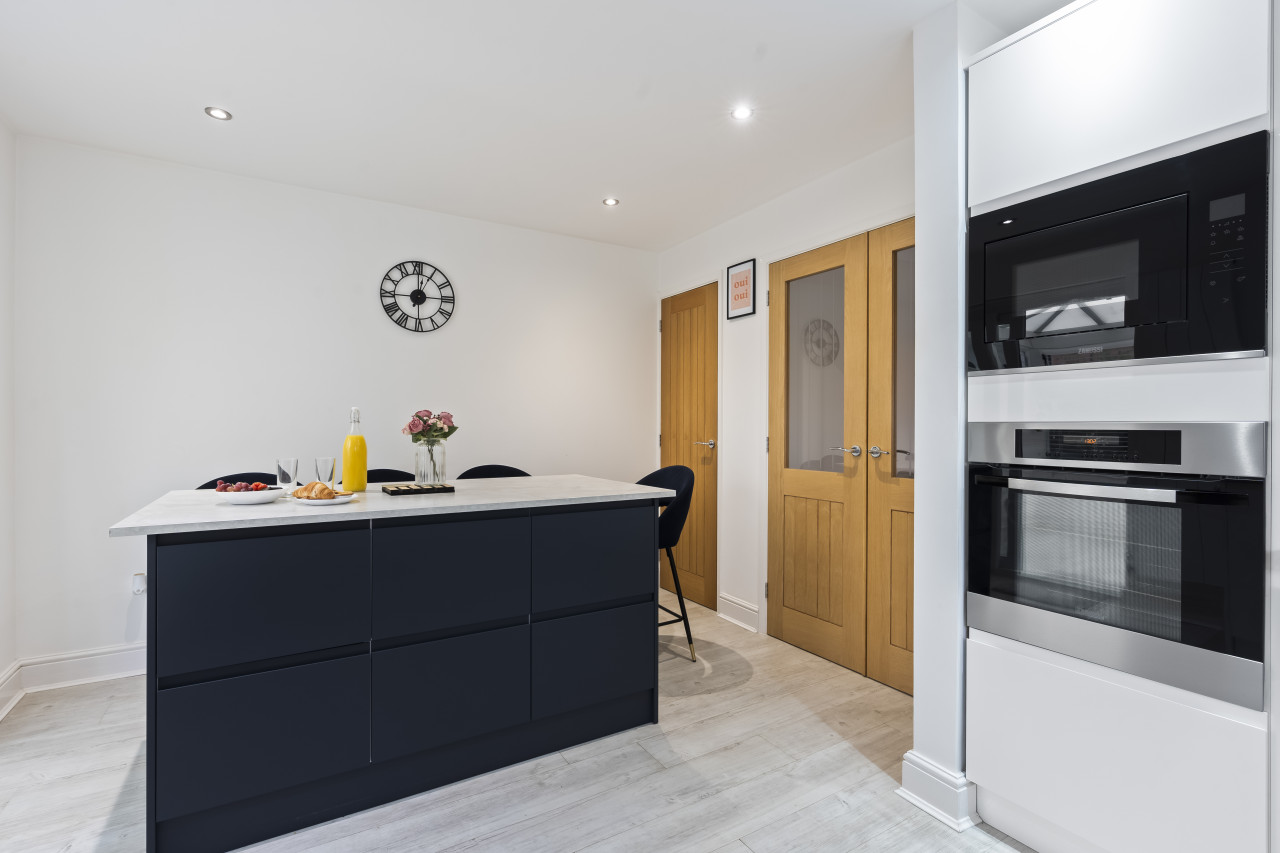
Syston
Tilly's Townhouse with Parking
- Sleeps 4
- 2 bedrooms
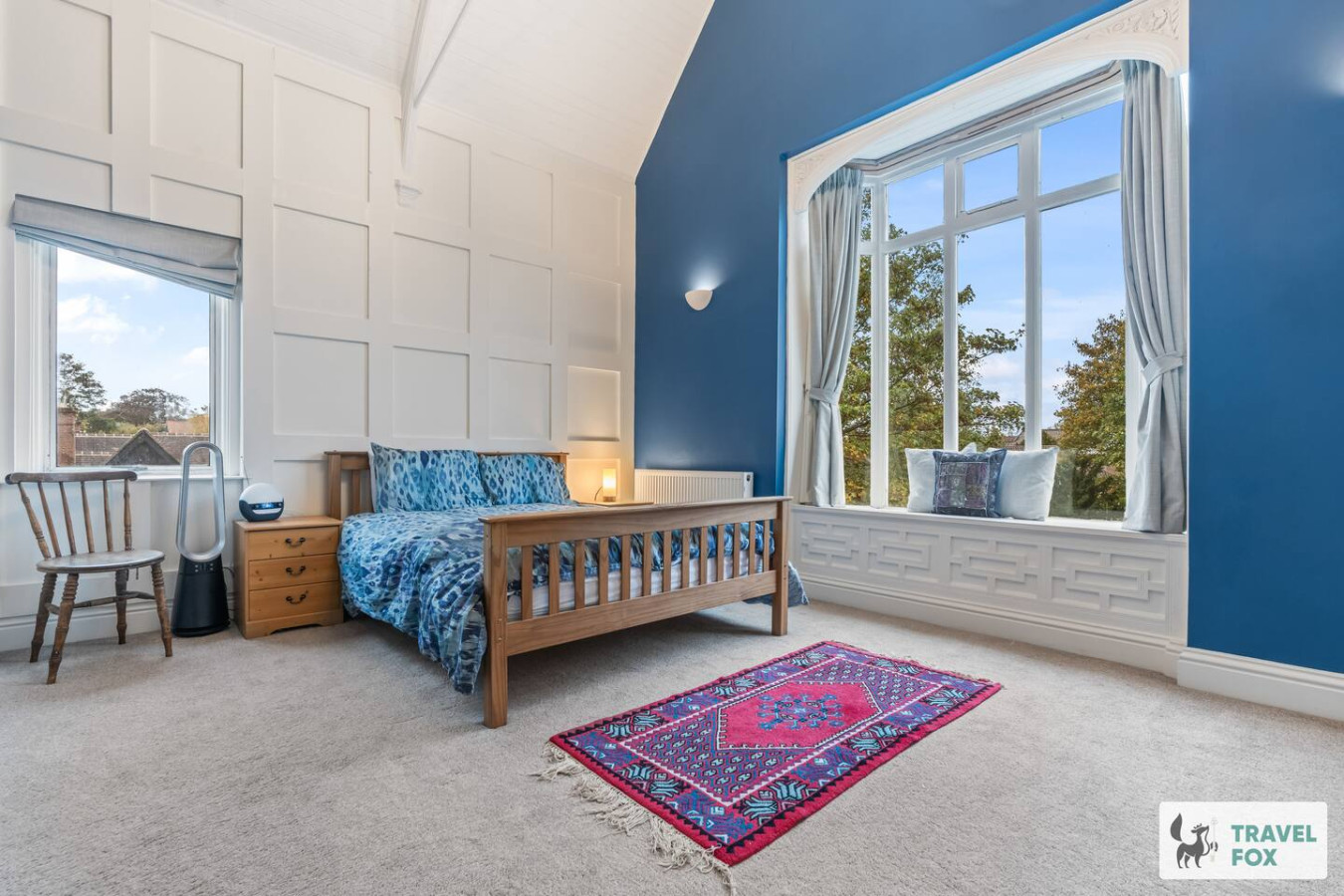
Leicester
Rachel's House with Parking!
- Sleeps 12
- 4 bedrooms
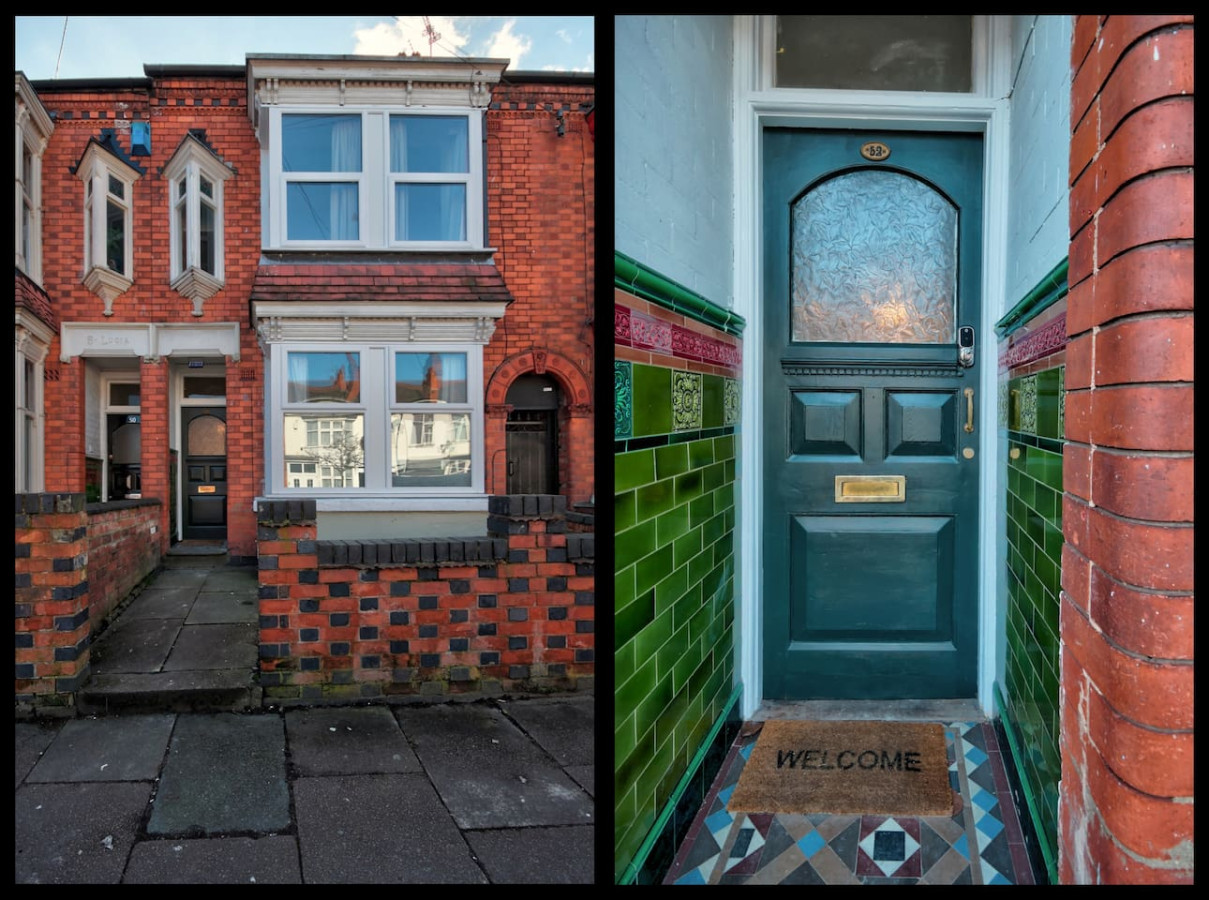
Leicester
Upperton House - Central 5 Bedroom
- Sleeps 9
- 5 bedrooms
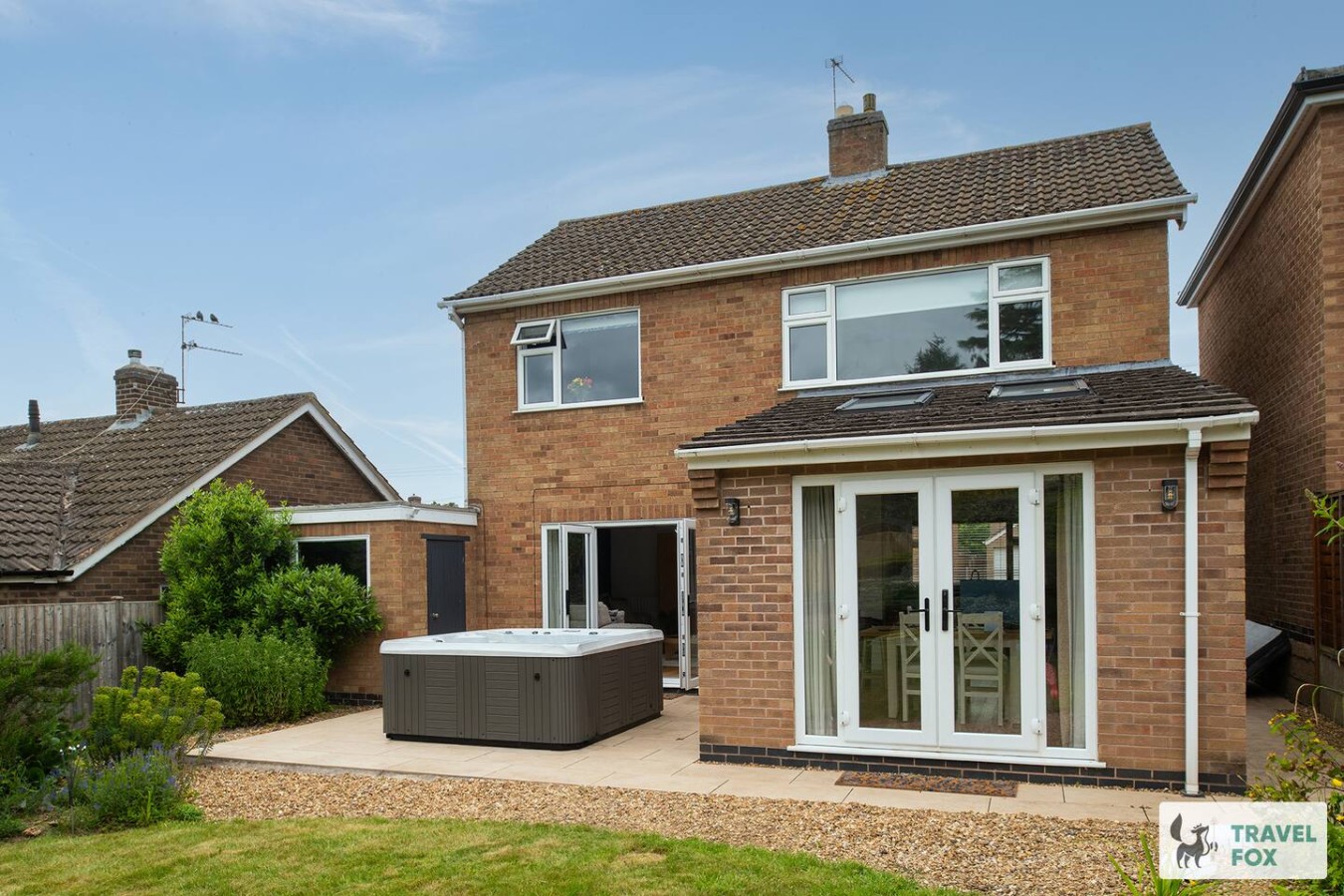
Rearsby
Vanessa's Haven - with hot tub and free parking for 3 cars!!
- Sleeps 5
- 3 bedrooms

Charnwood
UnPoplar House - Free in House Chris
- Sleeps 6
- 3 bedrooms
For homeowners
Own a holiday home near Billesdon?
We manage holiday lets across the UK from 12% commission, charged after cleaning costs, with no lock-in. A co-founder visits before you decide.
How our holiday let management works →
A guide with a point of view
Written from research. Edited for real journeys.
Use the Official site links for live practical details, then use this guide for context, ideas and room to explore.
Sources
Every place on this page is checked against a published source. Each entry links the record we used and names who publishes it.
- Billesdon Market Cross — historicengland.org.uk statutory register or public authority record not machine-readable; publisher restricts automated access
- Queens Head — queensheadbillesdon.co.uk operator, sector body or destination organisation
- New Greyhound Inn — newgreyhoundbillesdon.co.uk operator, sector body or destination organisation
- Church of St John the Baptist — historicengland.org.uk statutory register or public authority record not machine-readable; publisher restricts automated access
- Billesdon Coplow — historicengland.org.uk statutory register or public authority record not machine-readable; publisher restricts automated access
- Billesdon & Frisby Circular — leicestershire.gov.uk statutory register or public authority record not machine-readable; publisher restricts automated access
- Billesdon to Great Dalby Walk — leicestershire.gov.uk statutory register or public authority record not machine-readable; publisher restricts automated access
- Sludge Hall & Cold Newton Grange Circular — leicestershire.gov.uk statutory register or public authority record not machine-readable; publisher restricts automated access
- Billesdon Local Trail — visitharborough.com operator, sector body or destination organisation