
Two chapels, one tiny hamlet
Blaston
George Edmund Street's 1878 church, surviving chapel remains and old routes meet in rolling south Leicestershire countryside.
- Population
- 54 in the 2001 census
- Best for
- Church history and country walking
- Don't miss
- St Giles' two fonts and unusual stained glass
The Fox verdict
A tiny place with two church stories
Blaston rewards a quiet visit with Victorian architecture, chapel ruins and routes into the surrounding countryside.
St Giles' Church brings George Edmund Street's 1878 design together with a Decio Vilares painting, two fonts and stained glass linked to the old House of Lords. Five hundred yards away, the remains of St Michael's recall the two parishes that once shared this small hamlet.
Where to go
Places in Blaston
Every place below is checked against a published source, listed with what it is and how long to give it.
Local signatures
3 placesSt Giles' Church
George Edmund Street's Grade II church of 1878 contains two fonts, a Decio Vilares painting of St Jerome and stained glass linked to the old House of Lords.
- Visit length
- Editorial estimate: allow around 35 minutes
- Locality
- Blaston
The Blaston Track
A field road linking Medbourne and Blaston, suitable for dog walking and off-road cycling.
- Visit length
- Editorial estimate: allow around 60 minutes
- Locality
- Medbourne to Blaston
The Nevill Arms
A Medbourne pub with a bar and restaurant, set beside the brook on Waterfall Way.
- Visit length
- Editorial estimate: allow around 90 minutes
- Locality
- Waterfall Way, Medbourne
Walks & outdoors
1 placeCranoe, Medbourne & Blaston from Hallaton
An 11.5-mile circuit from Hallaton through Cranoe, Medbourne and Blaston, using sections of the Midshires Way and signed bridleways.
- Visit length
- Editorial estimate: allow around six hours
- Locality
- Hallaton, Cranoe, Medbourne and Blaston
History & heritage
2 placesSt Michael's Chapel Ruins
Only the lower walls and west doorway with a cinquefoiled head survive from a chapel that existed before 1389 and was largely demolished in 1967.
- Visit length
- Editorial estimate: allow around 20 minutes
- Locality
- Blaston
Roman Gartree Road
A Roman road that passed via Medbourne; Roman pottery has been recovered from fields along its recorded course.
- Visit length
- Editorial estimate: allow around 75 minutes
- Locality
- Parallel to the south of Medbourne
No places match this filter. Choose All places to reset the list.
Three ways to explore Blaston
Signature outings
Find St Michael's doorway
Look for the lower walls and cinquefoiled west doorway that survived the chapel's 1967 demolition.
The Gartree Road's archaeology
Walk the historically significant footpath and bridleway corridor where Roman pottery has been recovered from nearby fields.
Call at the Nevill Arms
Stop for a drink or meal in Medbourne after exploring Blaston's church history and lanes.
The village story
Blaston Village Guide
A small Leicestershire hamlet with two church sites, a Roman road corridor and long walks through the surrounding countryside.
A Village Small Enough to Count
Blaston had 54 residents in the 2001 census. Its 2011 census figures were grouped with Horninghold's because Blaston's population was below 100, but the two remain separate civil parishes. The figures give some measure of how small this south Leicestershire hamlet is.
The village is one street, really. Some of the houses are imposing in a way that suggests money arrived at some point and found nowhere else to go. Rolling south Leicestershire farmland surrounds it on all sides, and the nearest shop is in Medbourne, linked to Blaston by a field track that doubles as a dog walk.
The Publess Walk and Street's Church
Blaston has neither a pub nor shops. For a longer outing, an 11.5-mile circular from Hallaton crosses Cranoe, Medbourne and Blaston on paths and bridleways, including a stretch of the Midshires Way. Allow around six hours for the walk. The Nevill Arms in Medbourne is one of two pubs along the circuit.
St Giles' Church is the village's architectural surprise. George Edmund Street designed the 1878 building while working on the Royal Courts of Justice on the Strand. Inside are two fonts, a painting of St Jerome by Decio Vilares, and two stained-glass panels linked to the old House of Lords. Its bell-cote contains one bell.
Two Parishes and a Domesday Reversal
The surviving lower walls and cinquefoiled west doorway mark St Michael's Chapel, in use before 1389 and largely demolished in 1967. Blaston once had two separate parishes served by chapels less than 500 yards apart. St Michael's was annexed to Hallaton parish, where its parishioners were normally buried.
The Domesday surveyors recorded about 29 households here in 1086, which puts it in the largest 40 per cent of settlements at the time. It has gone the other way since.
Roman Roads and the Midshires Way
Walkers will find the Roman Gartree Road running to the south, connecting Colchester to Chester via Leicester. Pottery from the first to fifth centuries — wine and oil amphorae among it — has turned up in the fields along its route. The Midshires Way, all 225 miles of it from London to the Peak District, passes through the same corridor.
One Bell and the June Show
The Blaston and District Agricultural Show is an annual local event, traditionally held on the final Sunday of June. Back in Blaston, the one main street and surrounding farmland make a quieter scene.
Stay around Leicestershire
Make a longer stay of it
Travel Fox holiday homes around Leicestershire, linked directly to their property pages.
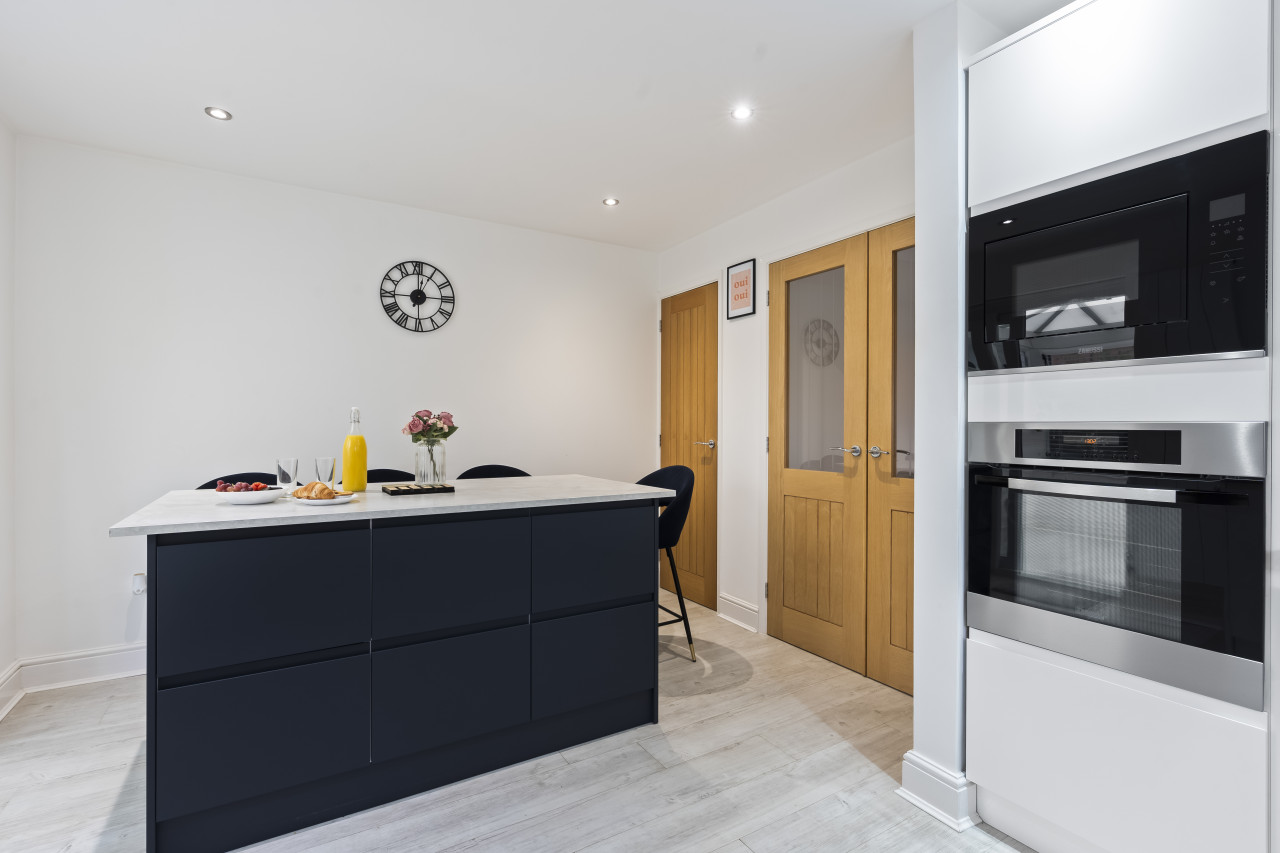
Syston
Tilly's Townhouse with Parking
- Sleeps 4
- 2 bedrooms
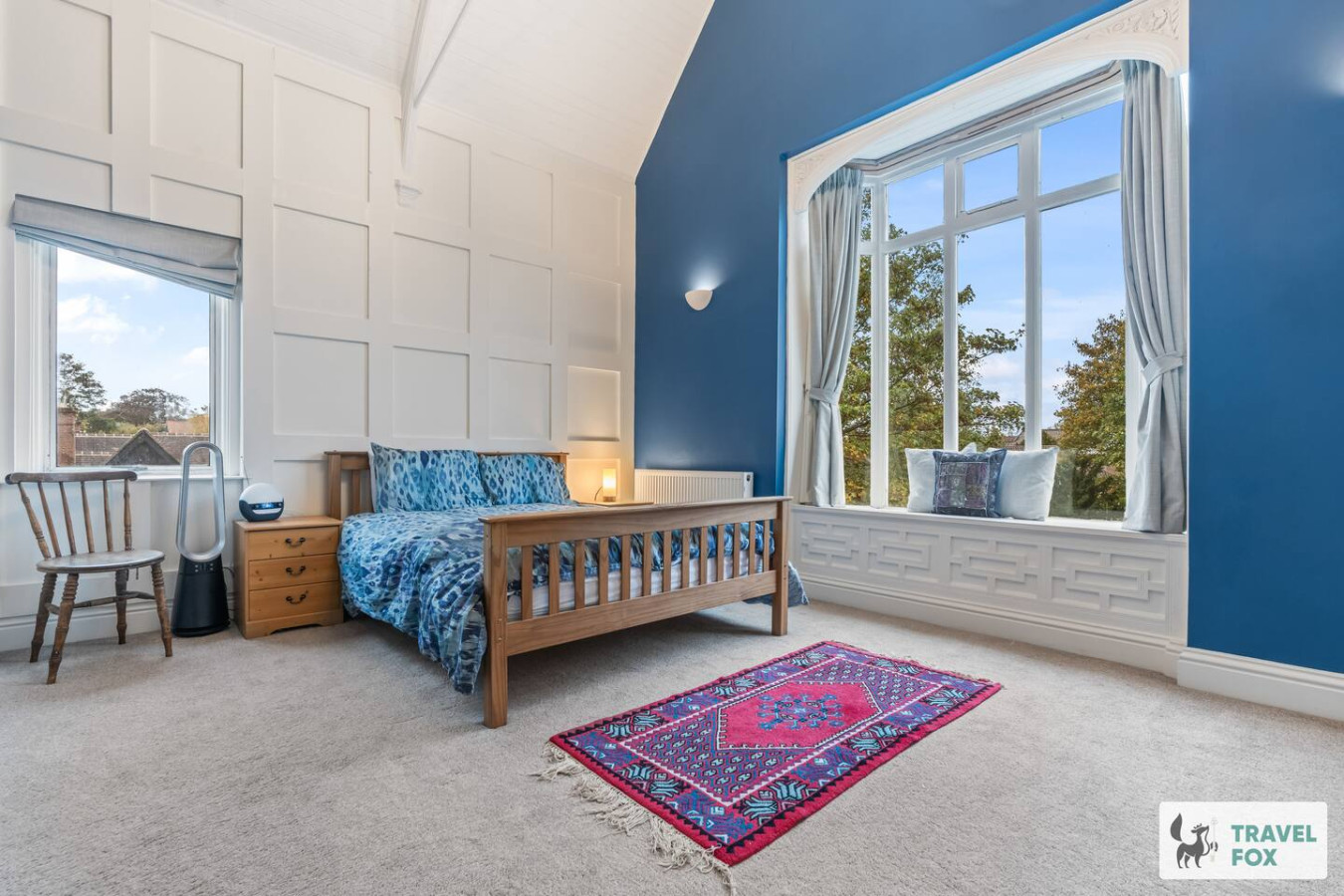
Leicester
Rachel's House with Parking!
- Sleeps 12
- 4 bedrooms
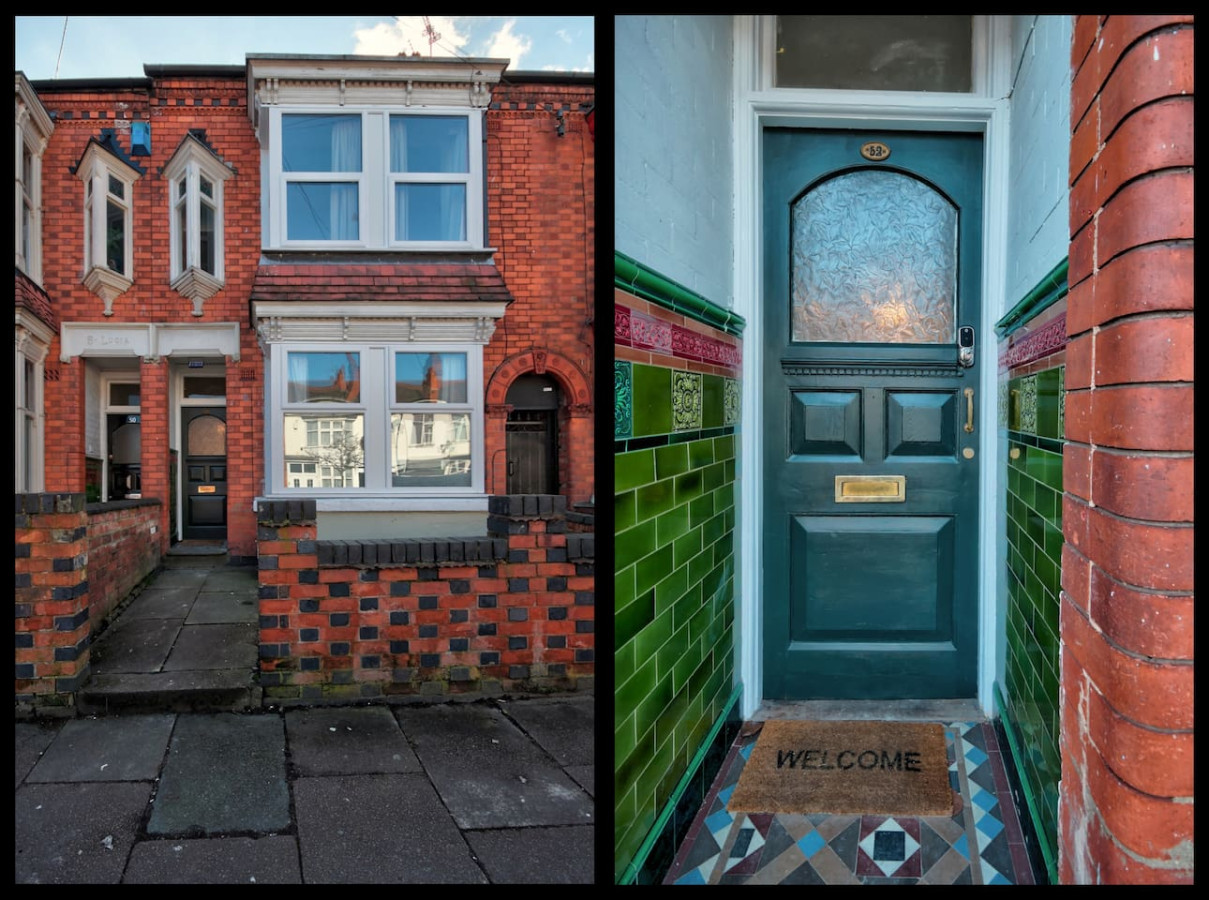
Leicester
Upperton House - Central 5 Bedroom
- Sleeps 9
- 5 bedrooms
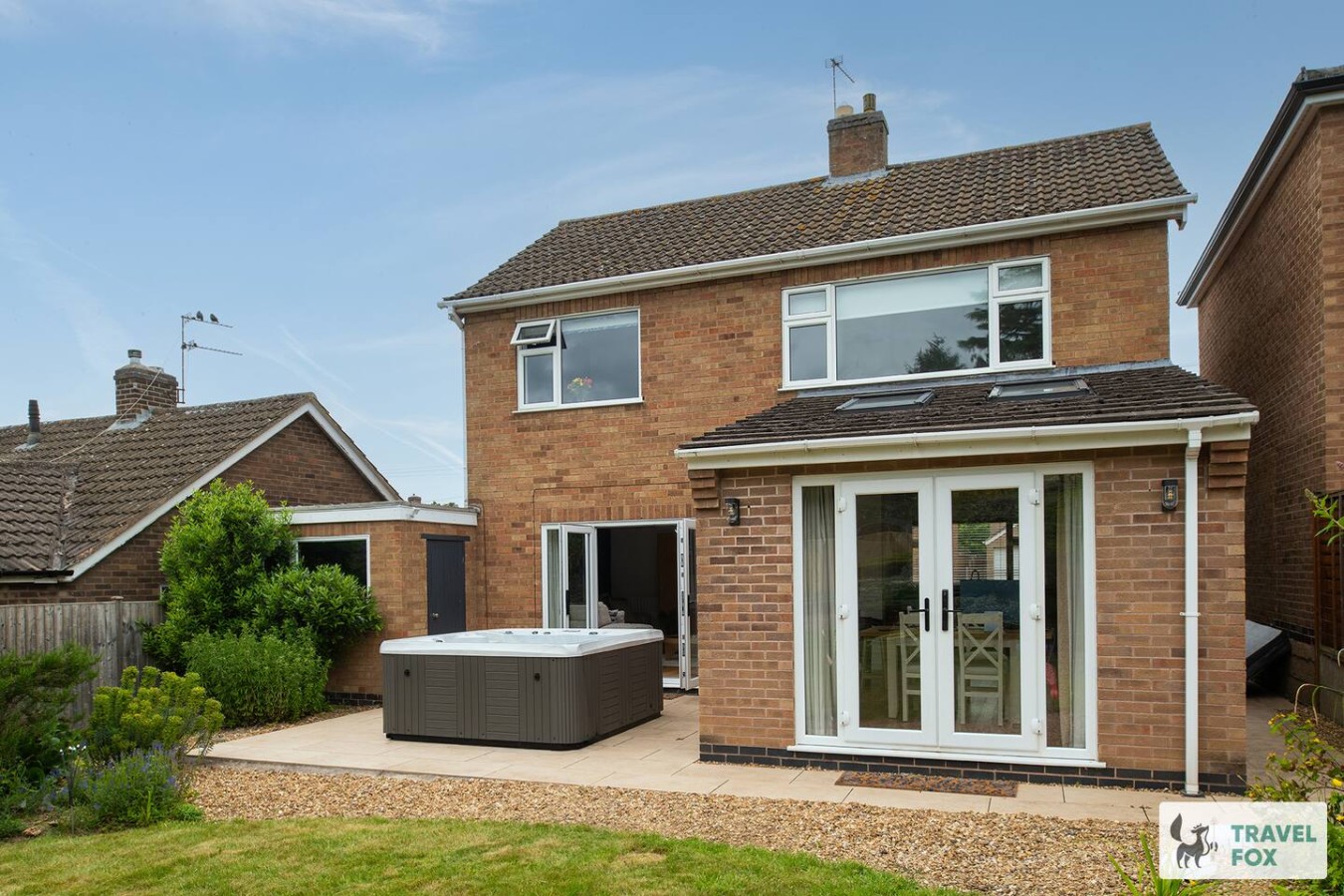
Rearsby
Vanessa's Haven - with hot tub and free parking for 3 cars!!
- Sleeps 5
- 3 bedrooms

Charnwood
UnPoplar House - Free in House Chris
- Sleeps 6
- 3 bedrooms
For homeowners
Own a holiday home near Blaston?
We manage holiday lets across the UK from 12% commission, charged after cleaning costs, with no lock-in. A co-founder visits before you decide.
How our holiday let management works →
A guide with a point of view
Written from research. Edited for real journeys.
Use the Official site links for live practical details, then use this guide for context, ideas and room to explore.
Sources
Every place on this page is checked against a published source. Each entry links the record we used and names who publishes it.
- St Giles' Church — historicengland.org.uk statutory register or public authority record not machine-readable; publisher restricts automated access
- St Michael's Chapel Ruins — historicengland.org.uk statutory register or public authority record not machine-readable; publisher restricts automated access
- Cranoe, Medbourne & Blaston from Hallaton — walkingbritain.co.uk other published source
- The Blaston Track — leicestershire.gov.uk statutory register or public authority record not machine-readable; publisher restricts automated access
- Roman Gartree Road — heritagegateway.org.uk other published source
- The Nevill Arms — nevillarms.co.uk operator, sector body or destination organisation