
Iron Age height, village table
Burrough on the Hill
A Leicestershire hillfort and broad Wreake Valley views, with a historic church and a destination dining pub back in the village.
- Best for
- Iron Age ramparts, a six-mile circular and seasonal local food
- Give it
- Two and a half to three and a half hours for the circular alone
- Don't miss
- The hillfort ramparts and views across the Wreake Valley
The Fox verdict
A small village with a commanding hill
Come for Burrough Hill's Iron Age earthworks and far-reaching landscape, then return to the village for church history and a locally focused meal.
Burrough on the Hill works best as a countryside day with distinct layers: the free country park and hillfort, a moderate six-mile circuit through Somerby and farmland, the medieval church, a garden recalling the village's wartime connection, and the Stag & Hounds as its social and dining focal point.
Where to go
Places in Burrough on the Hill
Every place below is checked against a published source, listed with what it is and how long to give it.
Local signatures
3 placesThe Stag & Hounds
A 16th-century gastropub with a weekly-changing menu built around seasonal Leicestershire produce, including vegetables grown in raised beds outside.
- Visit length
- Editorial estimate: allow around 90 minutes
- Locality
- Burrough on the Hill
- Access
- Dogs, walkers and cyclists are welcome; there is a beer garden.
Burrough Hill Country Park
An 86-acre country park containing Leicestershire's finest large univallate hillfort, with surviving ramparts and views across the Wreake Valley.
- Visit length
- Editorial estimate: allow around 75 minutes
- Locality
- Burrough Hill
- Access
- Free access.
Burrough Hill & Somerby Circular
A six-mile circular climbing to the hillfort, descending via the Leicestershire Round to Somerby and returning through farmland, with Wreake Valley views.
- Visit length
- Editorial estimate: Allow around 2.5–3.5 hours
- Locality
- Burrough Hill, Somerby and Burrough on the Hill
- Access
- The route is moderate and starts at the pay-and-display Burrough Hill Country Park car park.
History & heritage
2 placesSt Mary the Virgin
A 13th-century stone church with a western tower and spire, four historic bells and medieval effigies thought to represent William and Margaret Stockton.
- Visit length
- Editorial estimate: allow around 30 minutes
- Locality
- Burrough on the Hill
Memorial Garden
A memorial garden near Burrough Court commemorating the 10th Battalion, the Parachute Regiment, which was billeted at Burrough on the Hill before Operation Market Garden in September 1944.
- Visit length
- Editorial estimate: allow around 20 minutes
- Locality
- Near Burrough Court
No places match this filter. Choose All places to reset the list.
Three ways to explore Burrough on the Hill
Signature outings
A garden for the Tenth
Pause at the Memorial Garden near Burrough Court, which remembers the 10th Battalion, the Parachute Regiment, billeted in this area before Operation Market Garden in September 1944.
A knight in stone
Inside St Mary the Virgin, find the armoured effigy thought to be William Stockton, with his feet resting on a lion.
The Iron Age hillfort
Explore the surviving ramparts of the Iron Age hillfort at Burrough Hill and look out across the Wreake Valley.
The village story
Burrough on the Hill Village Guide
A village dining room, an Iron Age hill and a landscape threaded with stories from medieval effigies to Arnhem.
The Pub and the Village
The Stag & Hounds grows its own vegetables in raised beds outside the front door. The hogget on the menu was raised on Burrough Hill, which you can see from the beer garden. The game birds were shot locally. The menu changes weekly, and at lunchtime you can eat two courses for £20 or three for £23. Chef-owner Dom Clarke brought a Michelin Bib Gourmand with him from Lancashire — and then earned another one here, making the Stag & Hounds Leicestershire's only Bib Gourmand venue at the time of listing. It also made the Estrella Damm Top 50 Gastropubs in 2022 and 2023.
The pub is, effectively, Burrough on the Hill. There are no shops. The village is a small collection of houses on minor roads off the B6047, about seven miles from Melton Mowbray. The nearest train station is Melton; local bus services exist but shouldn't be relied upon for anything urgent.
A Historic Inn, Then the Hill
The building itself dates to the 16th century and has traded under various names. It was Grant's Free House for a while. Clarke reopened it in late 2019 as the Stag & Hounds, reviving the pub's original name, which nods to the area's hunting heritage. Dogs, walkers, and cyclists are all welcome.
But nobody comes to Burrough on the Hill just for the pub. They come for the hill.
Iron Age Heights and the Six-Mile Circuit
Burrough Hill sits at roughly 210 metres above sea level — the highest point in the area — and on top of it is a 12-acre Iron Age hillfort, the finest univallate example in Leicestershire. The ramparts still stand three metres above the interior. People have been up here since the Mesolithic period, but the busiest years were 100 BC to AD 50, when the settlement had cobbled roads, a stone guard-house, a complete roundhouse, and trade links wide enough to bring in a horned bronze shield. The University of Leicester ran a five-year dig from 2010 and turned up loom weights, an Iron Age razor, spearheads, and knives. The whole site is now an 86-acre country park. Free access. You just walk up.
The best circular walk starts at the Burrough Hill car park — pay and display — and covers six miles. You climb to the hillfort ramparts, descend via the Leicestershire Round to Somerby, and loop back through farmland. The views stretch across the Wreake Valley. The fields below still carry medieval ridge-and-furrow patterns. Brown hares and skylarks are common. Allow two and a half to three and a half hours.
Church Effigies and Wartime Memory
St Mary the Virgin is 13th-century, Grade II listed, with a western tower and spire holding four bells, the oldest cast in 1600. In the south aisle there's a stone effigy of a man in armour, his feet resting on a lion — thought to be William Stockton, who died in 1470. His wife Margaret's effigy is in the north aisle, though less of it survives.
The village has a quiet habit of brushing up against large events. The 10th Battalion, the Parachute Regiment, was billeted here before Operation Market Garden — the Arnhem operation — in September 1944. A memorial garden near Burrough Court, about 0.8 miles from the village in a straight line, marks the connection. The celebrated racehorse Burrough Hill Lad, who won the 1984 Cheltenham Gold Cup, was named after this place by his owner Stan Riley. And the 18th-century surgeon William Cheselden, one of the great anatomists of his age, was born here.
The Parish That Joined Somerby
The parish was absorbed into Somerby in 1936. The hill, naturally, stayed where it was.
Stay around Leicestershire
Make a longer stay of it
Travel Fox holiday homes around Leicestershire, linked directly to their property pages.
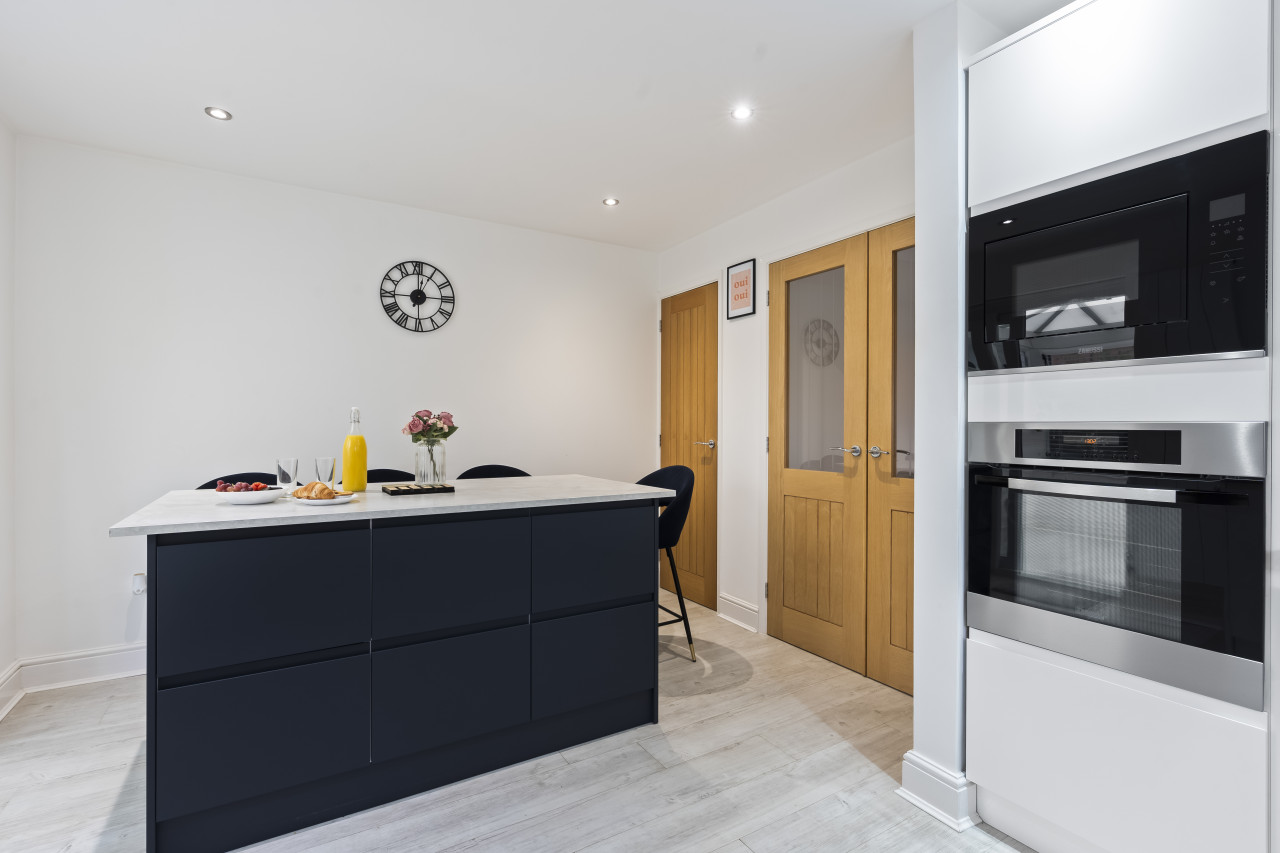
Syston
Tilly's Townhouse with Parking
- Sleeps 4
- 2 bedrooms
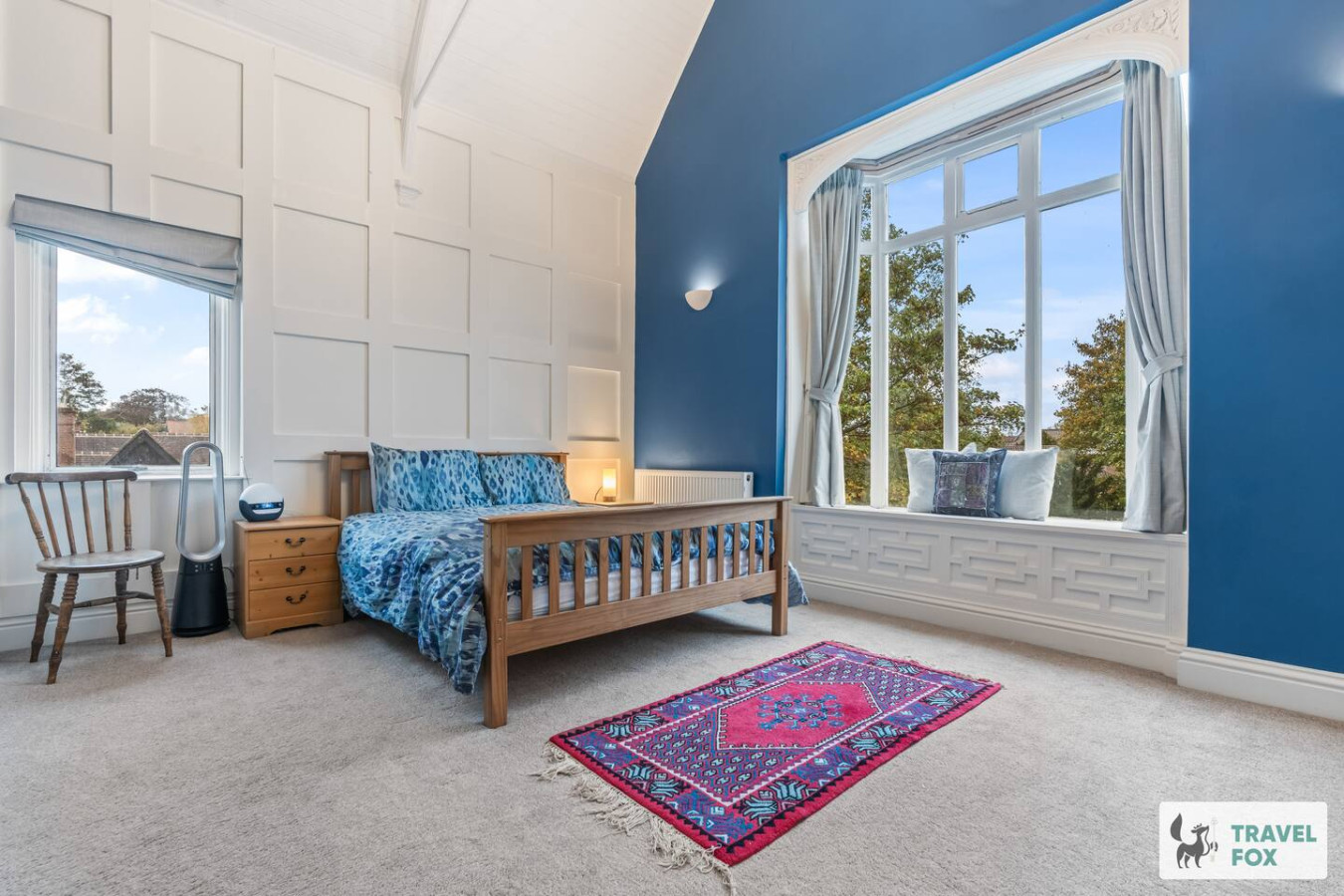
Leicester
Rachel's House with Parking!
- Sleeps 12
- 4 bedrooms
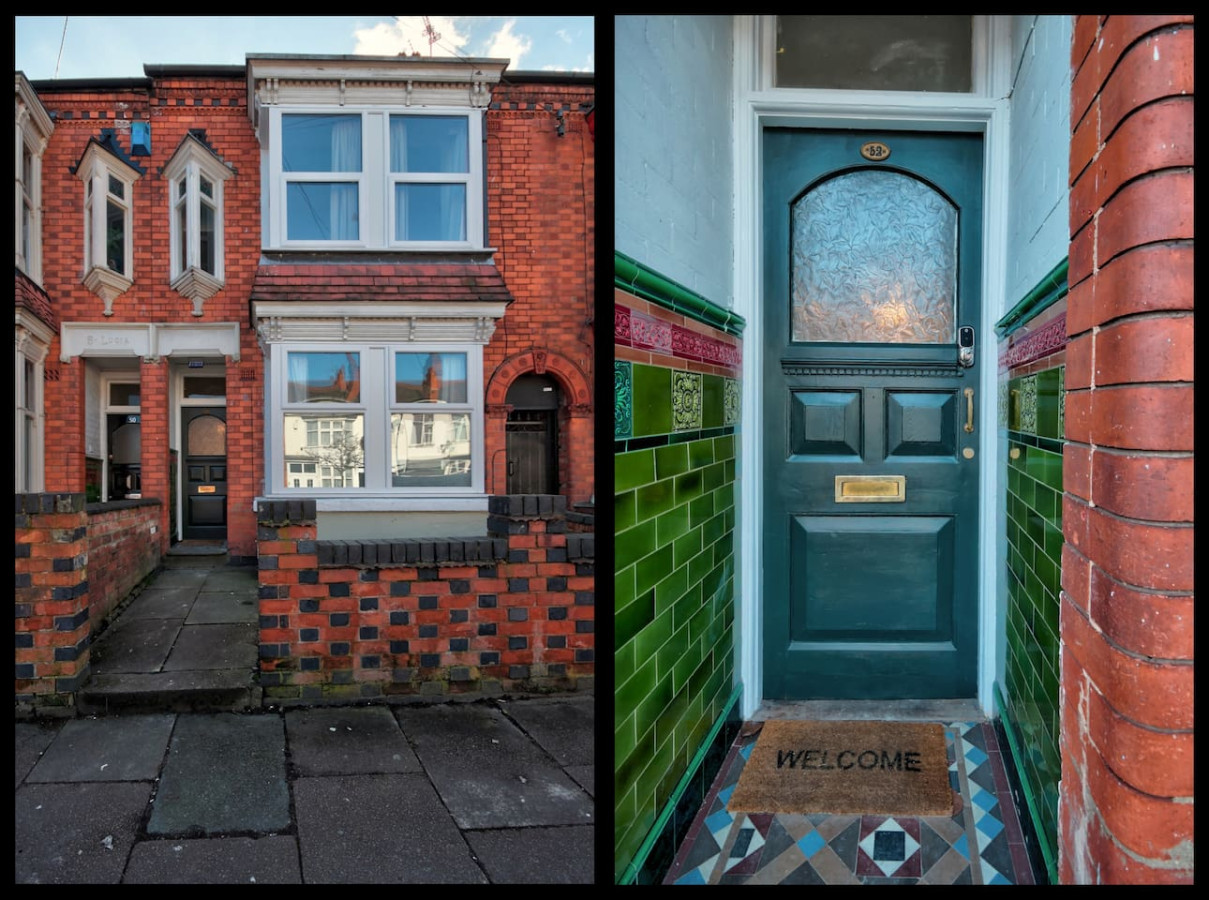
Leicester
Upperton House - Central 5 Bedroom
- Sleeps 9
- 5 bedrooms
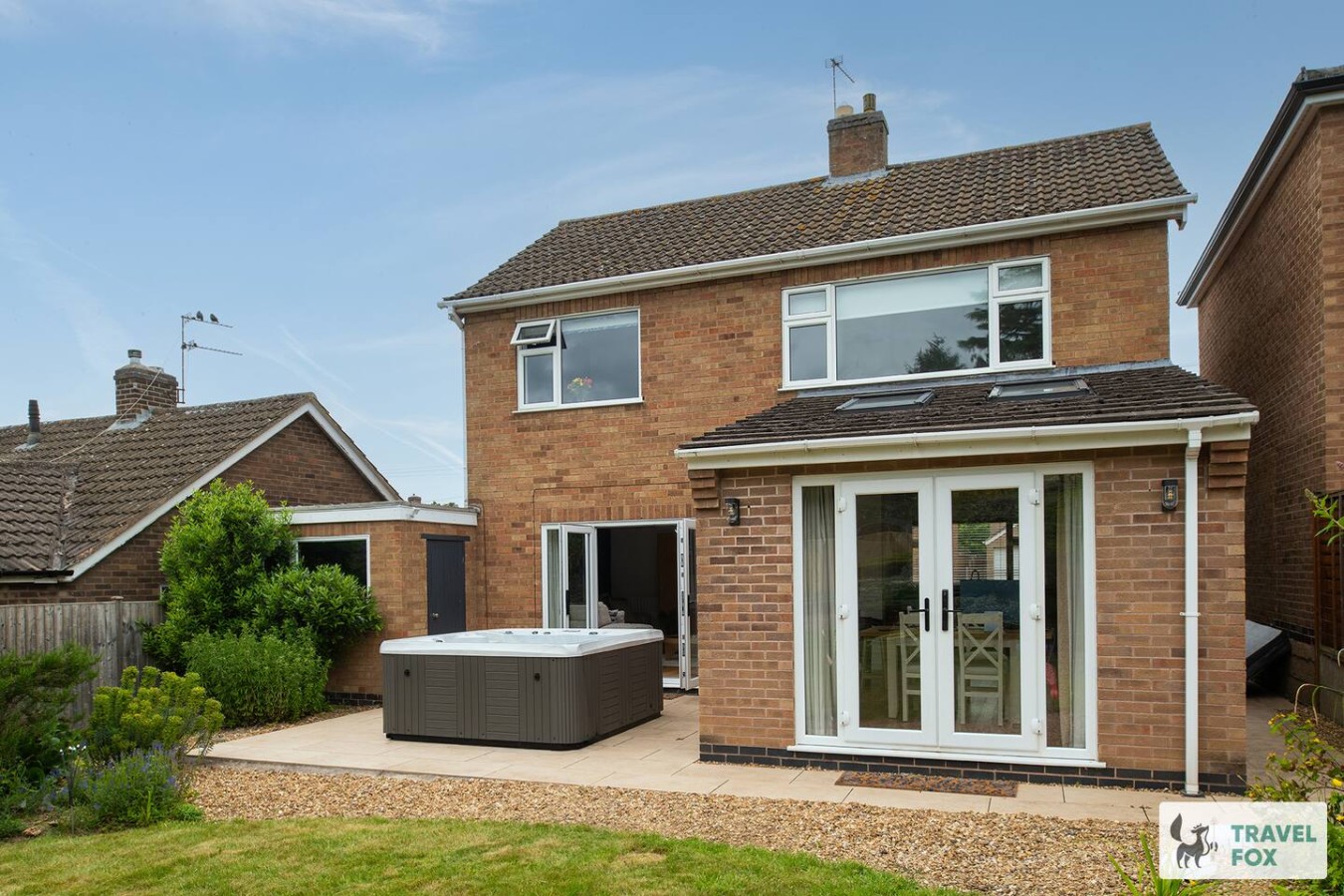
Rearsby
Vanessa's Haven - with hot tub and free parking for 3 cars!!
- Sleeps 5
- 3 bedrooms

Charnwood
UnPoplar House - Free in House Chris
- Sleeps 6
- 3 bedrooms
For homeowners
Own a holiday home near Burrough on the Hill?
We manage holiday lets across the UK from 12% commission, charged after cleaning costs, with no lock-in. A co-founder visits before you decide.
How our holiday let management works →
A guide with a point of view
Written from research. Edited for real journeys.
Use the Official site links for live practical details, then use this guide for context, ideas and room to explore.
Sources
Every place on this page is checked against a published source. Each entry links the record we used and names who publishes it.
- The Stag & Hounds — stagnhoundspub.co.uk operator, sector body or destination organisation
- St Mary the Virgin — historicengland.org.uk statutory register or public authority record not machine-readable; publisher restricts automated access
- Burrough Hill Country Park — leicscountryparks.org.uk operator, sector body or destination organisation
- Burrough Hill & Somerby Circular — historicengland.org.uk statutory register or public authority record not machine-readable; publisher restricts automated access
- Memorial Garden — friendsofthetenth.co.uk other published source