
Leicestershire · Village guide
Castle Donington
A high-ground village where medieval remains, old interiors and motor-racing history sit within reach of the Trent valley.
- Best for
- Village history and a local pub
- Give it
- A few unhurried hours
- Don't miss
- The medieval spire at St Edward
The Fox verdict
Come for the layers, not a single headline sight
Castle Donington rewards visitors who pair its church, museum and castle earthworks with a stop at a local pub.
The village's story runs from the castle built in the 1150s and the church dating from around 1200 to the lace workshops of the 1800s and Donington Park's motor-racing history.
Where to go
Places in Castle Donington
Every place below is checked against a published source, listed with what it is and how long to give it.
Local signatures
3 placesCastle Donington castle mound
The mid-12th-century enclosure castle retains substantial earthworks, including parts of its defensive ditches and bank.
- Visit length
- Editorial estimate: around 35 minutes
- Locality
- Castle Hill, The Moat and The Hollow
- Access
- View the earthworks from the surrounding streets; parts of the scheduled site lie beneath occupied properties.
Castle Donington Museum
A village museum providing heritage interpretation for Castle Donington.
- Visit length
- Editorial estimate: around 60 minutes
- Locality
- 4 Apiary Gate
- Access
- The Stone House has steps and uneven floors.
Donington Park
The motor-racing circuit hosted the 1993 European Grand Prix and is also home to the Download Festival.
- Visit length
- Editorial estimate: around 150 minutes
- Locality
- Donington Park, south-west of Castle Donington
Food & drink
1 placeThe Nags Head Inn
A local pub with cask ales, a beer garden and a dog-friendly bar area.
- Visit length
- Editorial estimate: around 90 minutes
- Locality
- Diseworth Road, Castle Donington
History & heritage
1 placeSt Edward King and Martyr
A Grade II* church with an early 13th-century core, a late-14th-century spire and a carved alabaster tomb chest in the north aisle.
- Visit length
- Editorial estimate: around 45 minutes
- Locality
- Castle Donington
No places match this filter. Choose All places to reset the list.
Three ways to explore Castle Donington
Signature outings
Cask ales on Diseworth Road
The Nags Head Inn has cask ales and a beer garden, and welcomes dogs in the bar area.
Medieval stone and alabaster
St Edward has an early 13th-century core and a carved alabaster tomb chest in the north aisle, with effigies of Robert Hazylrygg and his wife.
History under one roof
Castle Donington Museum presents exhibitions on village life and the area's long history.
The village story
Castle Donington, kept in layers
Pubs, earthworks, church fabric and motor-racing history reveal a village that has repeatedly adapted without losing sight of what came before.
Pubs with character
The Cross Keys on Bondgate has original etched glass windows and Minton tiling. The traditional local grew to include former living accommodation, creating a pub with several rooms. Its bar snacks include hand-raised pork pies.
On Diseworth Road, The Nags Head Inn has cask ales, a beer garden and a bar area that welcomes dogs.
Landscape and the lost castle
Castle Donington stands above the Trent valley. To the south-west, Donington Park hosted the 1993 European Grand Prix and remains the setting for the Download festival.
The enclosure castle was built in the mid-12th century by the Lords of Halton. Substantial defensive earthworks, including ditches and a bank, survive around The Moat and The Hollow. Castle Hill follows the medieval approach from Borough Street.
Church and village streets
St Edward King and Martyr has an early 13th-century core, aisles widened in the 14th century, a late-14th-century spire and a 15th-century clerestory. In the north aisle is an alabaster tomb chest with carved effigies of Robert Hazylrygg and his wife.
The village centre's conservation area brings late-medieval timber-framed cottages, Georgian and Regency houses, and Victorian shops into the same street scene.
Routes and arrivals
For longer walks, the Trent and Mersey Canal towpath at Shardlow is to the north, and Staunton Harold Reservoir lies to the southwest.
East Midlands Airport is near Castle Donington and has bus and coach connections. Rail visitors can continue their journey from East Midlands Parkway.
Industry, fairs and deep history
Donington Hall was built around 1790 for Francis Rawdon-Hastings. In the village, lace-making factories and workshops flourished during the 1800s, and some of their buildings still stand. Edward I granted the Wakes Fair charter in 1278; the fair continues each October.
Castle Donington appears in the 1086 Domesday Book as Dunintune or Dunitone. Its name comes from an Old English description of the settlement associated with Dunna's people.
Stay around Leicestershire
Make a longer stay of it
Travel Fox holiday homes around Leicestershire, linked directly to their property pages.
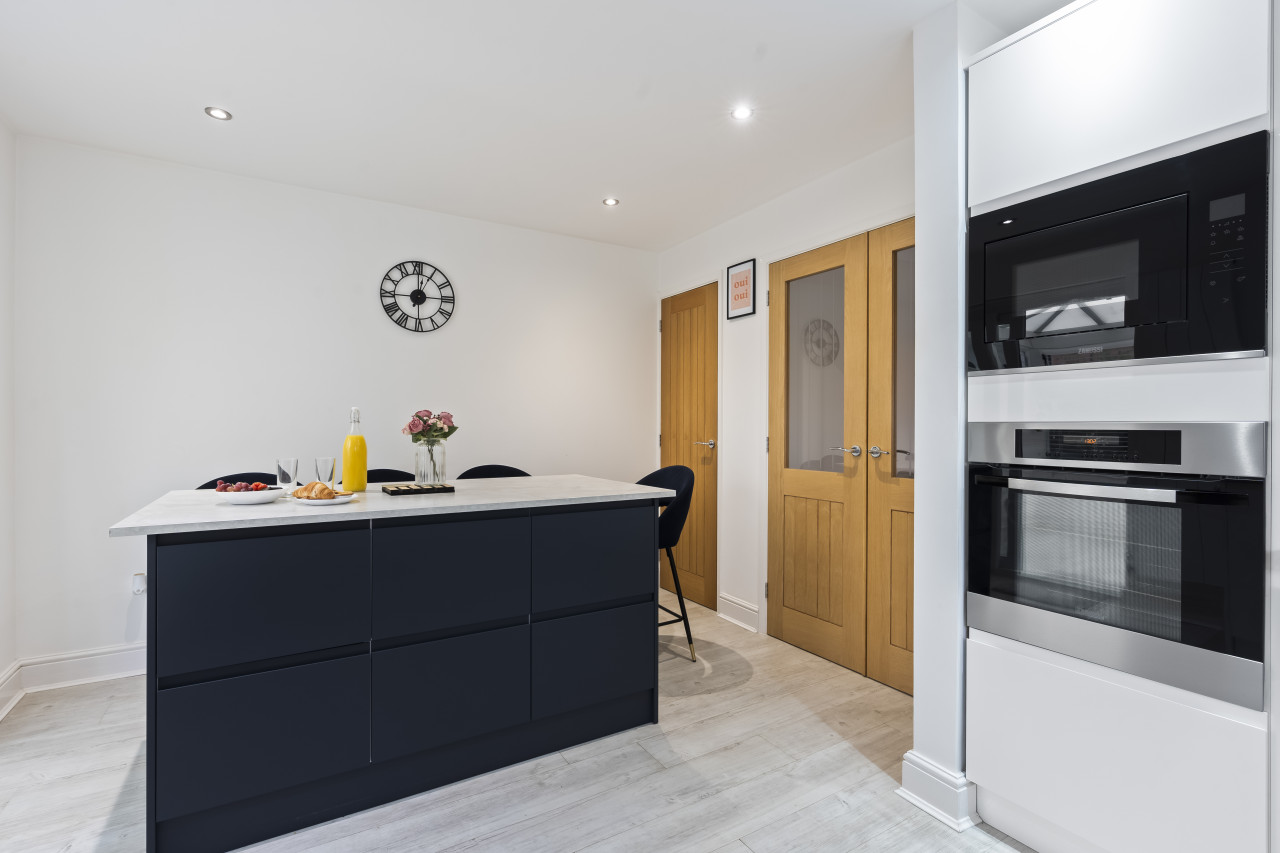
Syston
Tilly's Townhouse with Parking
- Sleeps 4
- 2 bedrooms
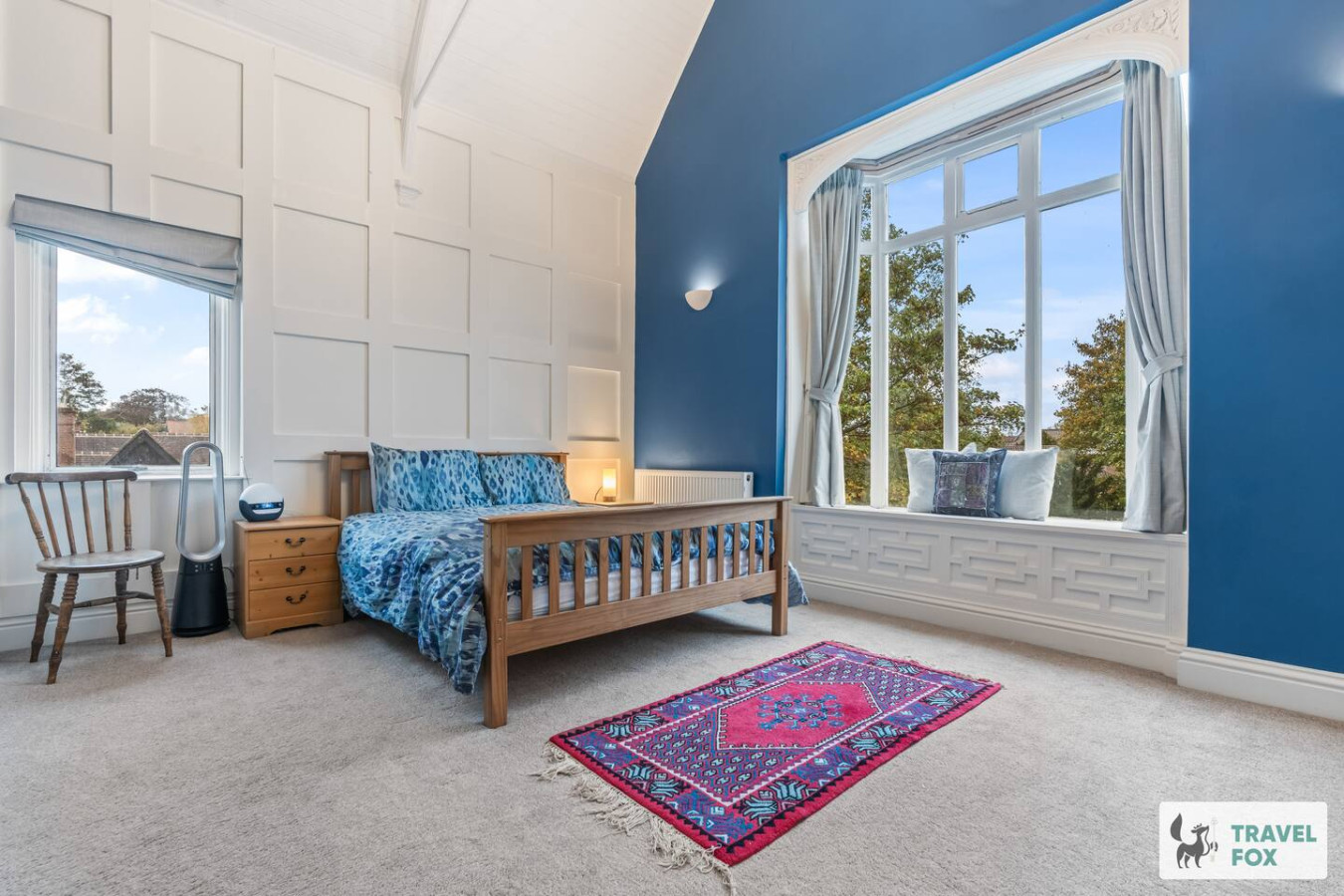
Leicester
Rachel's House with Parking!
- Sleeps 12
- 4 bedrooms
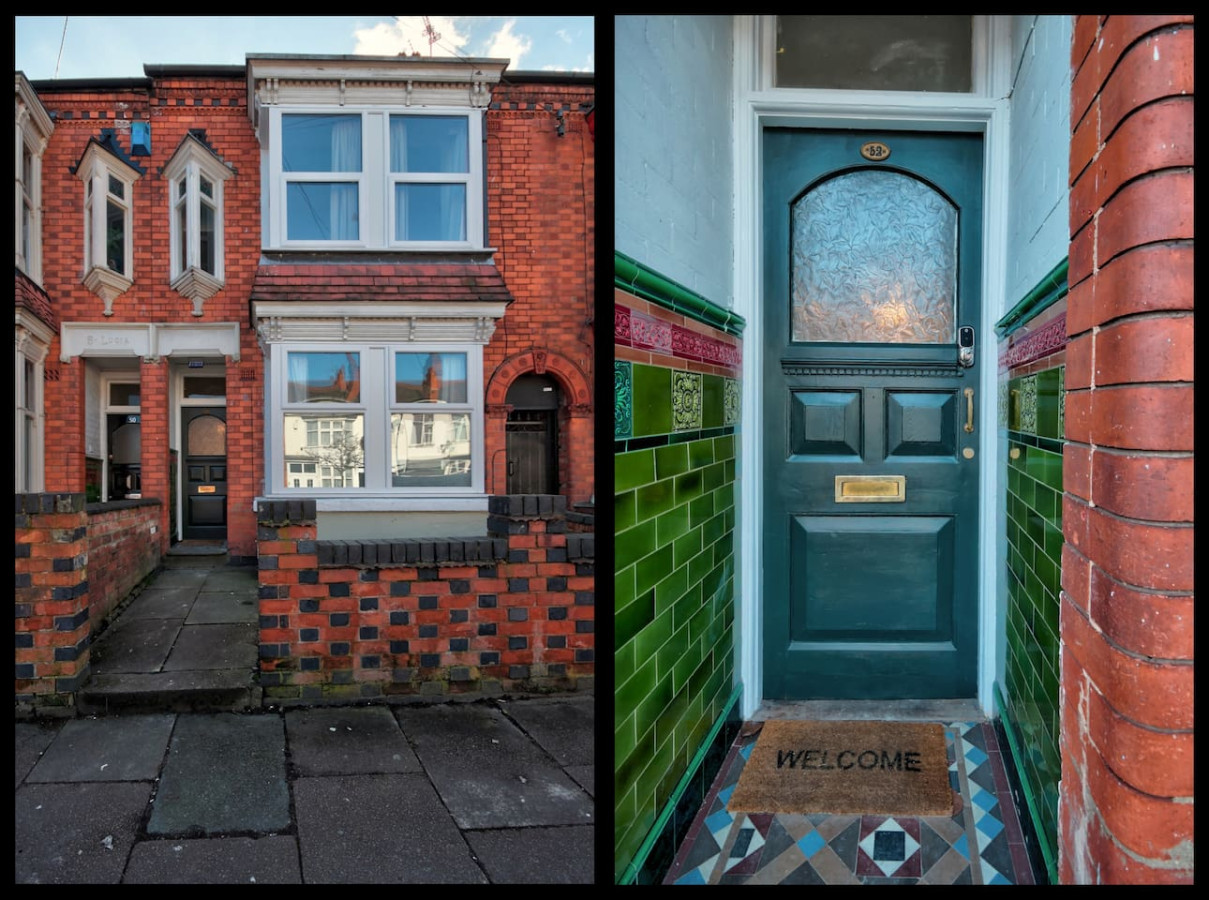
Leicester
Upperton House - Central 5 Bedroom
- Sleeps 9
- 5 bedrooms
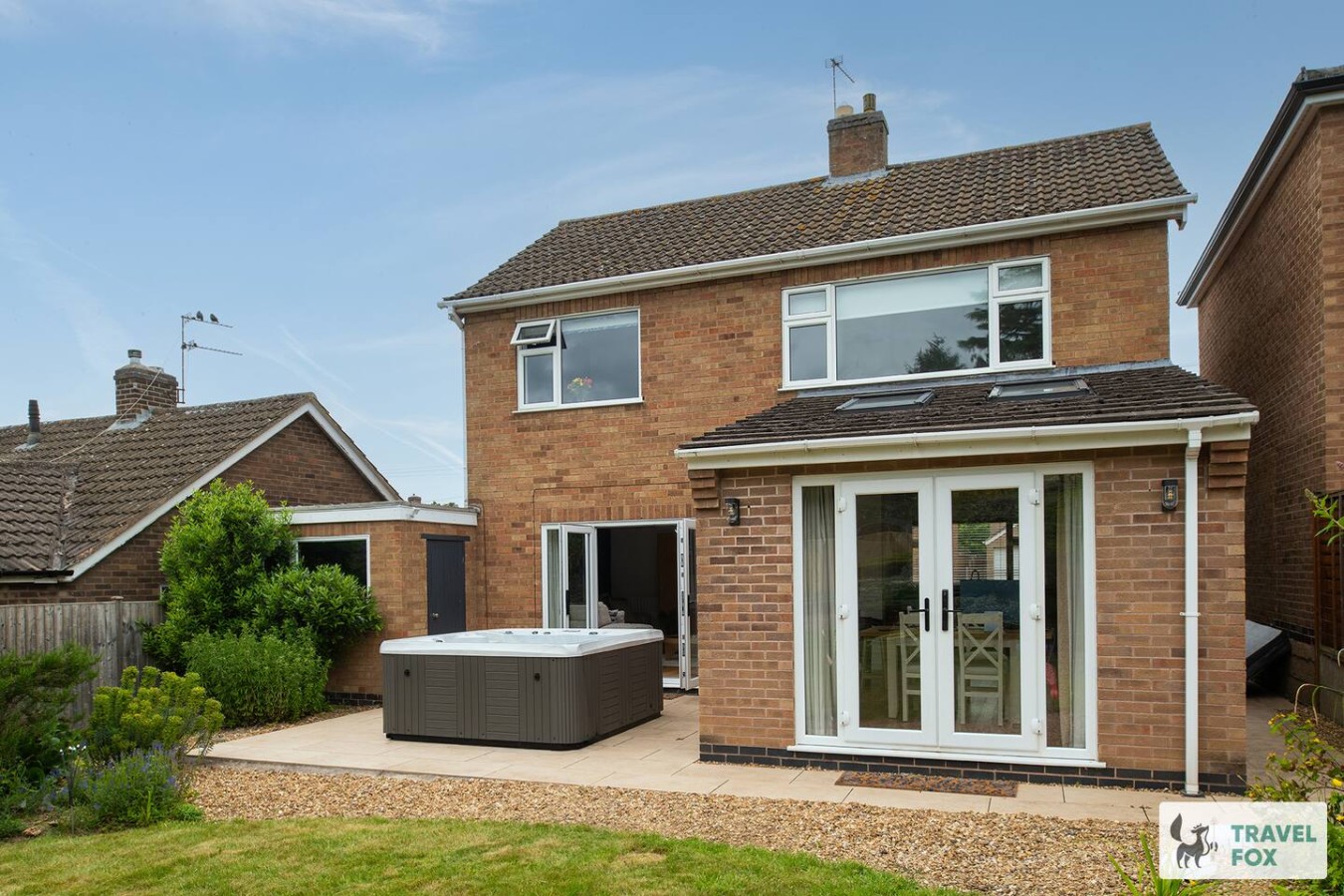
Rearsby
Vanessa's Haven - with hot tub and free parking for 3 cars!!
- Sleeps 5
- 3 bedrooms

Charnwood
UnPoplar House - Free in House Chris
- Sleeps 6
- 3 bedrooms
For homeowners
Own a holiday home near Castle Donington?
We manage holiday lets across the UK from 12% commission, charged after cleaning costs, with no lock-in. A co-founder visits before you decide.
How our holiday let management works →
A guide with a point of view
Written from research. Edited for real journeys.
Use the Official site links for live practical details, then use this guide for context, ideas and room to explore.
Sources
Every place on this page is checked against a published source. Each entry links the record we used and names who publishes it.
- The Nags Head Inn — nagsheadinncastledonington.co.uk operator, sector body or destination organisation
- St Edward King and Martyr — historicengland.org.uk statutory register or public authority record not machine-readable; publisher restricts automated access
- Castle Donington castle mound — historicengland.org.uk statutory register or public authority record not machine-readable; publisher restricts automated access
- Castle Donington Museum — castledoningtonmuseum.org operator, sector body or destination organisation
- Donington Park — donington-park.co.uk operator, sector body or destination organisation