
Roman roads and village ale
Claybrooke Magna
A quiet Leicestershire village with a pub brewery, a clay-bottomed brook and the meeting of Watling Street and the Fosse Way just over a mile to the west.
- Best for
- Roman-road history and a pub meal
- Give it
- An unhurried half day
- Don't miss
- The pub's cask-conditioned Pig Pub beers
The Fox verdict
A small village with long historical lines
Come for a pub with its own microbrewery, then follow the story out to a Roman-road crossing and into nearby Claybrooke Parva.
Claybrooke Magna's useful stops are few but distinctive: The Pig in Muck serves its own cask-conditioned beer, High Cross marks the meeting of Watling Street and the Fosse Way, and St Peter's Church brings Anglo-Saxon foundations, fourteenth-century fabric and vivid roof carvings into the visit.
Where to go
Places in Claybrooke Magna
Every place below is checked against a published source, listed with what it is and how long to give it.
Local signatures
3 placesThe Pig in Muck
A traditional village pub with its own microbrewery, serving cask-conditioned Pig Pub beers alongside classic pub meals and dishes using local and seasonal ingredients.
- Visit length
- Editorial estimate: Allow around 90 minutes
- Locality
- Claybrooke Magna
St Peter's Church
A Grade I church with Anglo-Saxon foundations, a notably grand chancel dating from about 1340 and nave-roof carvings including a green man, monsters and devils.
- Visit length
- Editorial estimate: Allow around 45 minutes
- Locality
- the smaller adjacent village of Claybrooke Parva
High Cross (Venonis)
The meeting point of Watling Street and the Fosse Way, on the site of the Roman station Venonis and in a flat, open landscape with considerable historic resonance.
- Visit length
- Editorial estimate: Allow around 30 minutes
- Locality
- High Cross, west of Claybrooke Magna
Walks & outdoors
1 placeThe Fosse Way
A surviving line of Roman road that is now partly a footpath and bridleway through open, flat ground near High Cross.
- Visit length
- Editorial estimate: Allow around 2 hours
- Locality
- the Fosse Way near High Cross, west of Claybrooke Magna
- Access
- The Roman road is now partly a footpath and bridleway.
History & heritage
1 placeClaybrooke Mill
A Grade II-listed watermill dating from 1763 and extended in 1840, whose commercial milling continued into the modern period.
- Visit length
- Editorial estimate: Allow around 15 minutes
- Locality
- Claybrooke Magna
- Access
- Claybrooke Mill is a Grade II-listed watermill.
No places match this filter. Choose All places to reset the list.
Three ways to explore Claybrooke Magna
Signature outings
A watermill from 1763
Claybrooke Mill is a Grade II-listed watermill dating from 1763 and extended in 1840; commercial milling continued into the modern period.
Green man, monsters and devils
Look up at St Peter's nave roof for wood carvings of a green man, monsters and devils.
Walk the Fosse Way
Follow the Fosse Way as a footpath and bridleway through the open, flat ground around High Cross.
The village story
Claybrooke Magna Village Guide
A village pub brewery, a clay-bottomed brook and Roman roads give this quiet corner of Leicestershire its character.
A Brewery Behind the Pub
The Pig in Muck has its own brewery. This is the sort of detail that tells you most of what you need to know about Claybrooke Magna — a village where things happen quietly but with a certain ambition. The pub was called the Bulls Head until 1997, when someone decided the village needed a different kind of name. The Pig Pub Brewery went in behind the building in 2013, and the cask-conditioned ales now serve here and at a sister pub in Leicester city centre.
The food is the main draw. Kev Featherstone runs the kitchen, and the carvery — served Sundays and Wednesdays — has built a reputation that extends well beyond the parish. Lamb, beef, gammon, turkey, Yorkshire puddings, cauliflower broccoli cheese, roast potatoes. People use the phrase "one of the best carveries in the area" without apparent irony. The rest of the menu covers steak and ale pie with what reviewers consistently single out for its gravy, a salt and pepper smash burger, gammon steak with two eggs and onion rings, and a Chicken Supreme. Wednesday is also Grill Night. There's a lunchtime two-for-twenty offer. Treacle pudding with custard or sticky toffee pudding to finish.
Real Ale and the Clay-Bottomed Brook
CAMRA lists it as a real ale destination.
The village itself sits in low, flat Leicestershire countryside between the rivers Soar and Avon, with a clay-bottomed brook running through it — the brook that gave Claybrooke its name. The village shop and post office have closed, which is the familiar story. But Claybrooke Mill, a Grade II listed watermill dating from 1763 and extended in 1840, is still standing. Seven buildings in the village carry Grade II listings, including Manor Farmhouse, Dairy Farmhouse, and the mill house.
Roman Roads and a Grand Chancel
High Cross, where Watling Street and the Fosse Way intersect, is about 1.1 miles west of Claybrooke Magna in a straight line; the walking route is longer. These were the two most important roads in Roman Britain, and the fort where they crossed — Venonis — has been described as the geographic centre of Roman Britain. The A5 still follows the line of Watling Street. The Fosse Way survives as a footpath and bridleway through open, flat ground. It is a walk with more historical weight per step than almost anything else in the Midlands.
The church isn't in Claybrooke Magna. St Peter's sits in the smaller adjacent village of Claybrooke Parva, serving both parishes plus Ullesthorpe and Wibtoft. It is Grade I listed, with Anglo-Saxon foundations and a first recorded incumbent from around 1220. The chancel dates from about 1340 and is unexpectedly grand — three large-light windows with flowing tracery, the kind of thing you'd expect in a much larger building. The nave roof has wood carvings of a green man, monsters, and devils. Pevsner gave it two pages.
Domesday Roots and Road Connections
The Domesday surveyors found the place in 1086, listed within the wapentake of Guthlaxton, managed by a lord named Fulco under Robert de Beaumont, 1st Earl of Leicester.
Road access is straightforward. The village sits between junctions 20 and 21 of the M1, with the A5 and A426 nearby. Lutterworth is the nearest town. There's no railway.
A Quiet Wednesday Evening
On a Wednesday evening, the pub fills up for Grill Night, the brewery out back is doing whatever breweries do in the quiet hours, and the brook that named this place is still finding its way through the clay.
Stay around Leicestershire
Make a longer stay of it
Travel Fox holiday homes around Leicestershire, linked directly to their property pages.
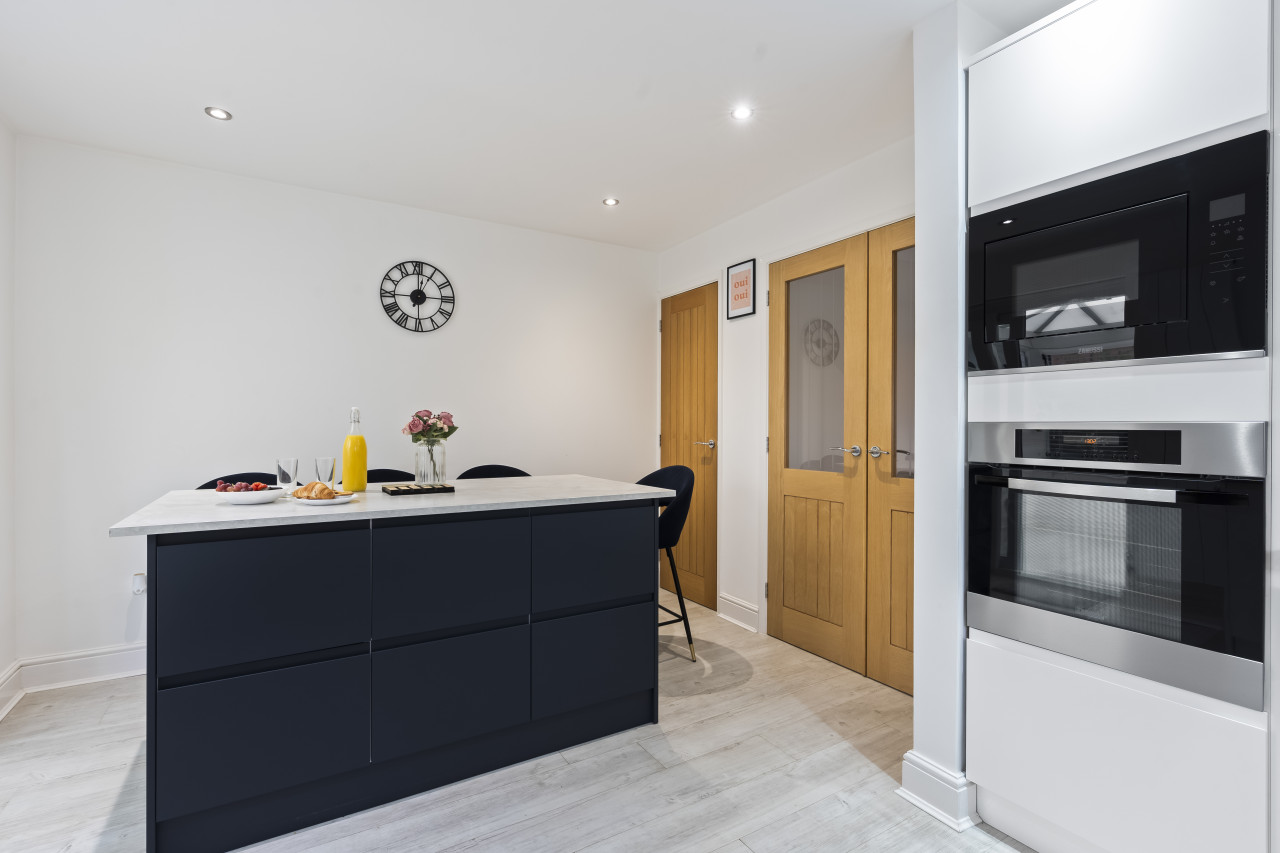
Syston
Tilly's Townhouse with Parking
- Sleeps 4
- 2 bedrooms
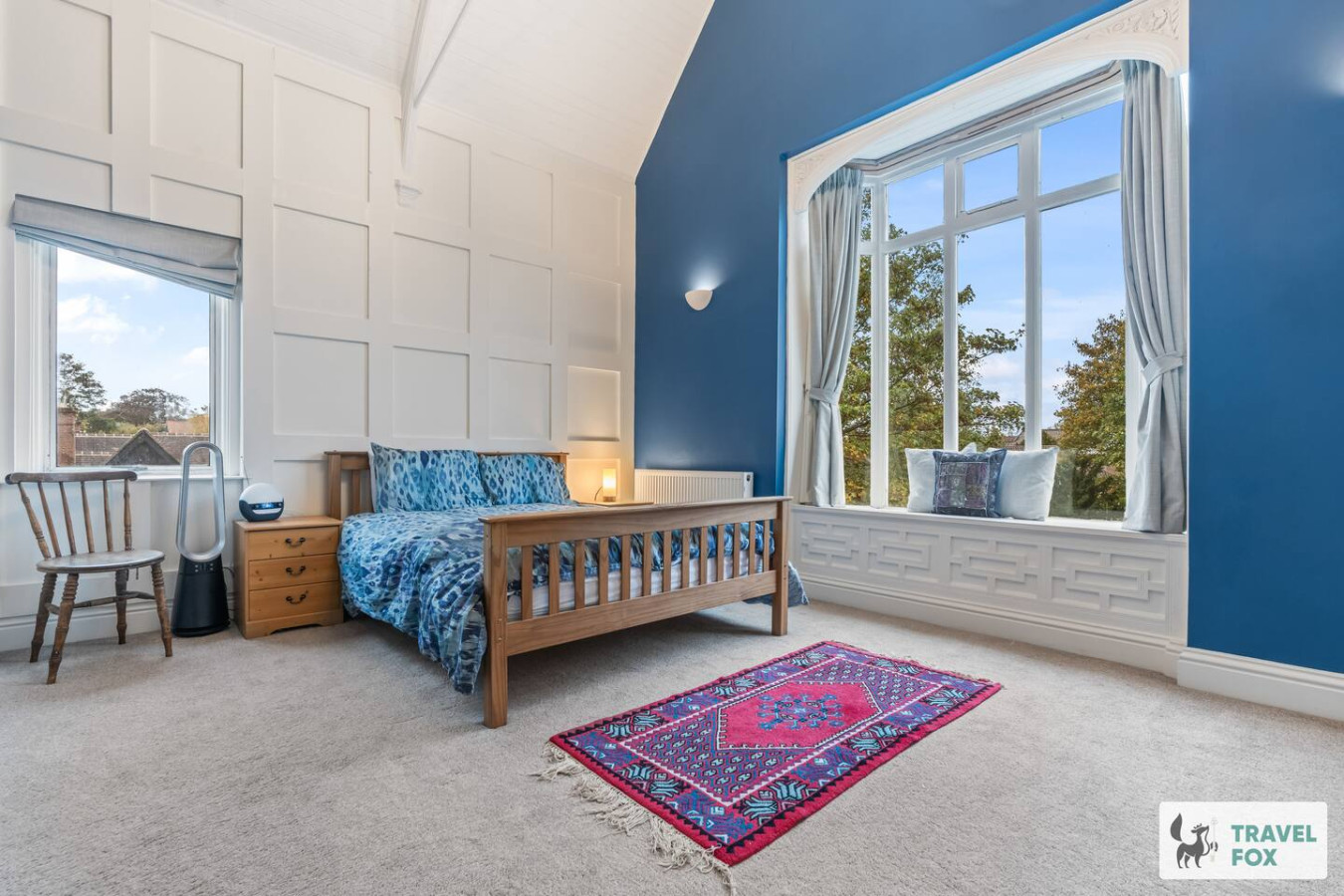
Leicester
Rachel's House with Parking!
- Sleeps 12
- 4 bedrooms
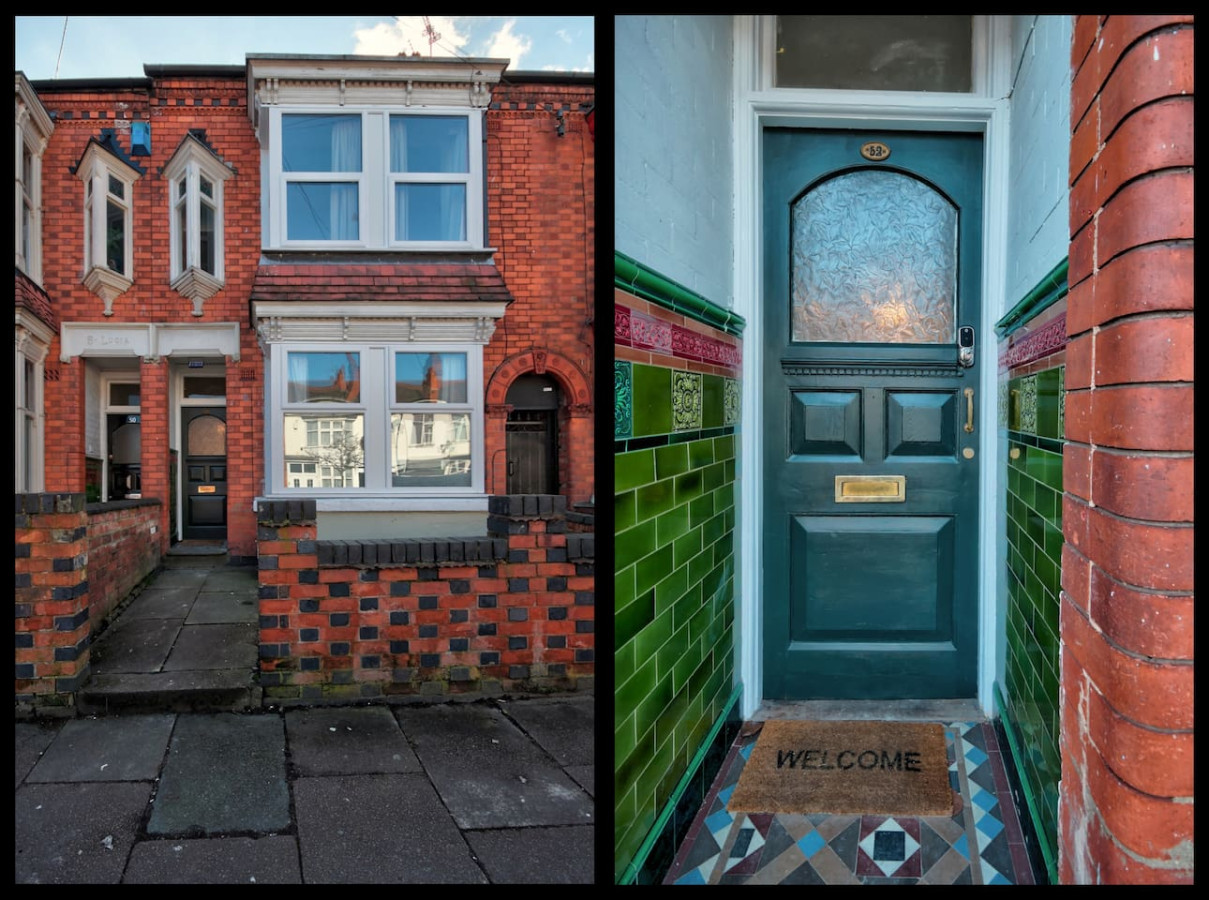
Leicester
Upperton House - Central 5 Bedroom
- Sleeps 9
- 5 bedrooms
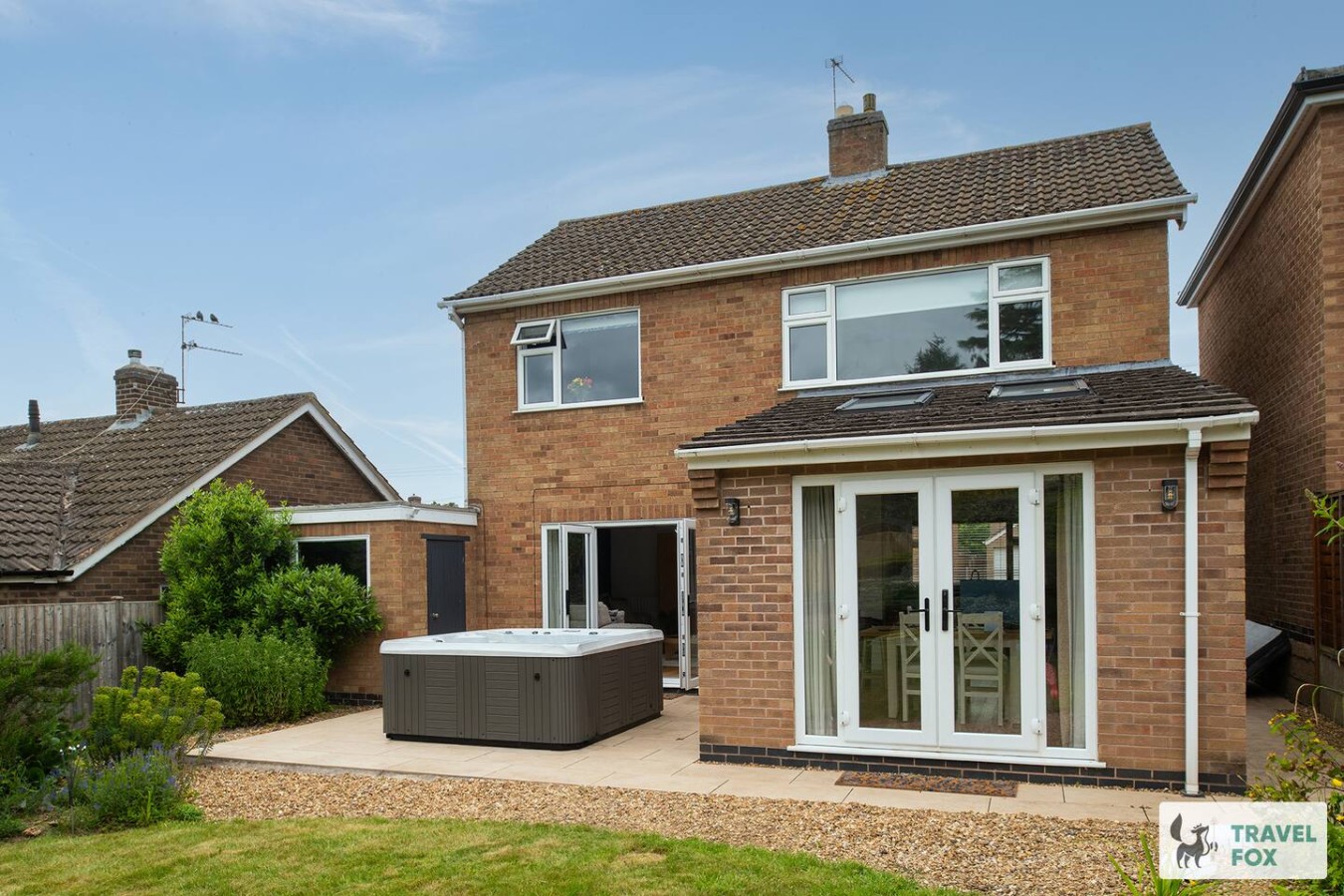
Rearsby
Vanessa's Haven - with hot tub and free parking for 3 cars!!
- Sleeps 5
- 3 bedrooms

Charnwood
UnPoplar House - Free in House Chris
- Sleeps 6
- 3 bedrooms
For homeowners
Own a holiday home near Claybrooke Magna?
We manage holiday lets across the UK from 12% commission, charged after cleaning costs, with no lock-in. A co-founder visits before you decide.
How our holiday let management works →
A guide with a point of view
Written from research. Edited for real journeys.
Use the Official site links for live practical details, then use this guide for context, ideas and room to explore.
Sources
Every place on this page is checked against a published source. Each entry links the record we used and names who publishes it.
- The Pig in Muck — piginmuckclaybrooke.co.uk operator, sector body or destination organisation
- St Peter's Church — historicengland.org.uk statutory register or public authority record not machine-readable; publisher restricts automated access
- High Cross (Venonis) — historicengland.org.uk statutory register or public authority record not machine-readable; publisher restricts automated access
- The Fosse Way — leicestershire.gov.uk statutory register or public authority record not machine-readable; publisher restricts automated access
- Claybrooke Mill — historicengland.org.uk statutory register or public authority record not machine-readable; publisher restricts automated access