
Coal, art and woodland
Coleorton
A Leicestershire village where mining history, the Beaumont circle and new woodland share the same landscape.
- Best for
- Mining-history walks and literary connections
- Give it
- A heritage walk and a pub meal
- Don't miss
- St Mary's stained glass brought from Rouen
The Fox verdict
Where coal country met the arts
Coleorton brings together centuries of mining, National Forest woodland and the artists and writers drawn to Sir George Beaumont's circle.
Choose between three heritage-rich walks, see fourteenth-century work and continental glass at St Mary's, then settle into the George Inn for locally sourced food and local ales.
Where to go
Places in Coleorton
Every place below is checked against a published source, listed with what it is and how long to give it.
Local signatures
3 placesThe George Inn
A traditional country pub serving home-cooked food made in-house from locally sourced ingredients, Draught Bass and changing local ales, with a dog-friendly beer garden and children's play area.
- Visit length
- Editorial estimate: allow around 60 minutes
- Locality
- Coleorton
Church of St Mary the Virgin
A Grade II* church with fourteenth- and fifteenth-century work, a recessed west tower and spire, and stained glass of about 1500 brought from Rouen by Sir George Beaumont.
- Visit length
- Editorial estimate: allow around 30 minutes
- Locality
- Coleorton
Coleorton Wood
A woodland planted in 1991–92 on the former Coleorton Colliery site, forming part of the National Forest along the Mill, Mines and Railways Walk.
- Visit length
- Editorial estimate: allow around 60 minutes
- Locality
- Coleorton
History & heritage
2 placesMining Heritage Trail
A nine-mile circular trail tracing the coal-mining history of North West Leicestershire between Coleorton, Swannington and Coalville.
- Visit length
- Editorial estimate: allow around four hours
- Locality
- Coleorton, Swannington and Coalville
Coleorton Heritage Trail
A self-guided parish trail; the Coleorton Heritage Group also organises guided history walks.
- Visit length
- Editorial estimate: allow around two hours
- Locality
- Around Coleorton parish
No places match this filter. Choose All places to reset the list.
Three ways to explore Coleorton
Signature outings
Trace the mining story
Follow the nine-mile circular trail through Coleorton and Swannington towards Coalville, tracing North West Leicestershire's coal-mining history.
Follow the Coleorton Heritage Trail
Take the self-guided route around Coleorton parish, tracing the village's mining and literary connections.
Explore Coleorton Wood
Walk among trees planted on the former Coleorton Colliery site, where woodland now carries the landscape's mining history.
The village story
Coal seams and creative circles
A pub table, mining trails, a medieval church and the Wordsworth circle reveal the people and industry that shaped Coleorton.
At the George
The George Inn is named after Sir George Beaumont, 7th Baronet, who co-founded the National Gallery and lived in Coleorton. Wordsworth drank here. So did Coleridge, Scott, Constable, Byron, and Shelley. The pub now serves Draught Bass and two rotating local ales, and dogs are welcome in the beer garden, which looks out over the Leicestershire countryside. The literary ghosts will have to share.
The food is home-cooked from local ingredients — Steak & Ale Cobbler, Wild Mushroom & Sweet Potato Falafel Burger, Sunday lunch. Reviews tend to use the word "honest," which in pub terms means generous portions and no foam on things that don't need foam. There's a children's play area in the garden and a lighter lunch menu if you've already walked nine miles, which in Coleorton is a real possibility.
Coal underfoot
The village sits on the A512 east of Ashby de la Zouch, in the National Forest. It is said to have more footpaths than any other parish in Leicestershire, which is either difficult to verify or easy to believe, depending on how long you spend here. The Mining Heritage Trail runs nine miles in a loop through Coleorton and Swannington towards Coalville, tracing the coal workings that gave the village its name. The "Cole" in Coleorton is Old English for coal. Mining was recorded here from the early thirteenth century.
There's also the Mill, Mines and Railways Walk, which passes through Coleorton Wood — planted in 1991–92 on the site of a former colliery known locally as the Bug and Wink. The last deep mine at New Lount closed in 1968. What was pit land is now young woodland, part of the National Forest's larger project of turning post-industrial Leicestershire green.
St Mary's and Sir George
The Church of St Mary the Virgin is Grade II* listed, with a recessed west tower and spire dating from the fourteenth century. The stained glass, around 1500, was brought from Rouen by Sir George Beaumont. Pevsner noted that Beaumont imported materials freely, though the last bay of the north aisle is entirely new work from 1854, after Beaumont's death.
Beaumont is the figure Coleorton keeps circling back to. His family held the manor from 1426 and exploited the coal deposits for centuries, but Sir George — the 7th Baronet — preferred art to industry. He convinced the government to establish the National Gallery in 1824 and donated his own collection to fill it.
The Wordsworth circle
William and Mary Wordsworth, along with Dorothy, stayed at Hall Farm from 1806 to 1808. Coleridge joined them. Wordsworth wrote poetry here, working partly through grief over his brother John's death at sea.
The Heritage Trail is a self-guided route around the parish. The Coleorton Heritage Group also organises guided history walks.
Practicalities and the long view
There are no shops to speak of. Ashby de la Zouch is to the west, about 3.0 miles from Coleorton in a straight line; the road journey is longer. Buses connect the village with Ashby and Coalville. There's no railway station.
The beer garden at the George has a view that rolls a long way into open country. On a clear evening, with a pint of something local, you can see roughly the same landscape Constable saw — minus the collieries, plus a few thousand new trees.
Stay around Leicestershire
Make a longer stay of it
Travel Fox holiday homes around Leicestershire, linked directly to their property pages.
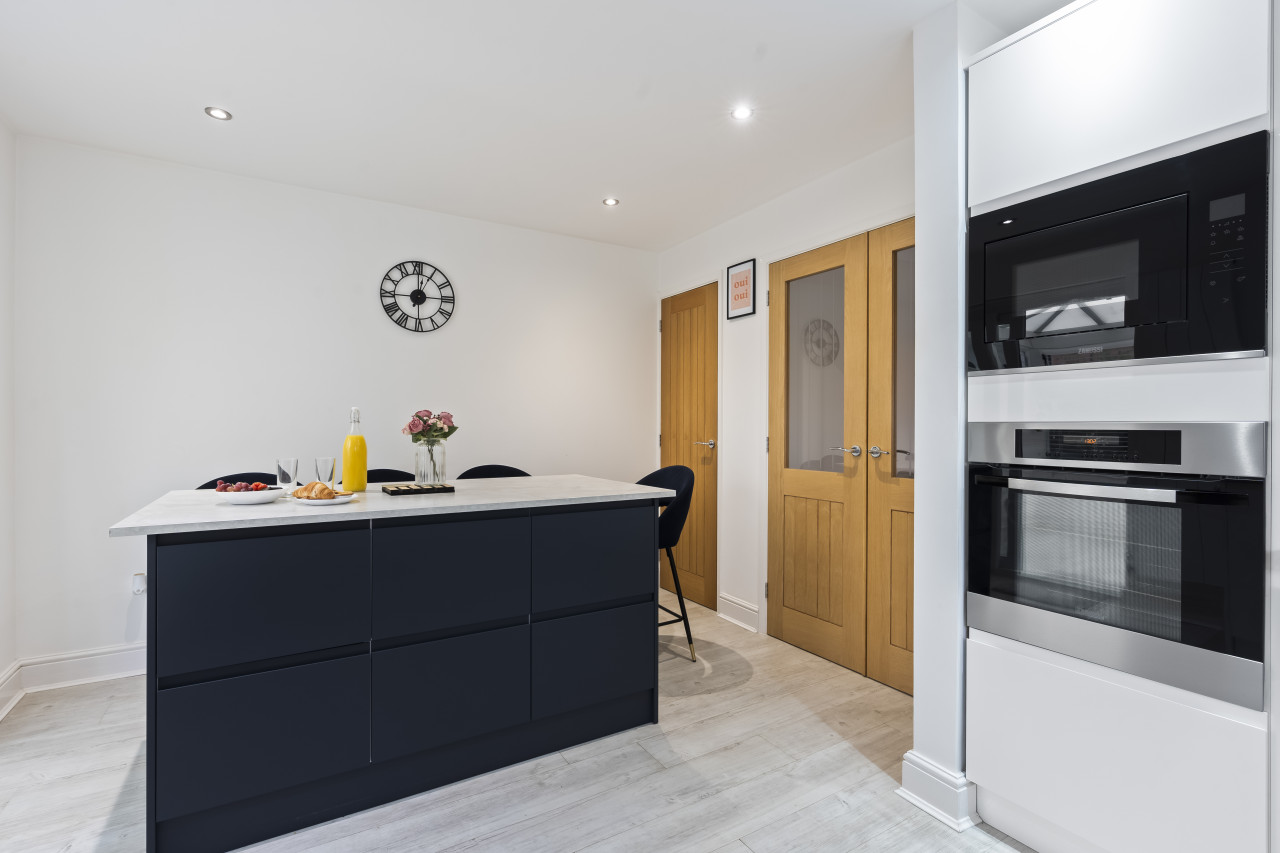
Syston
Tilly's Townhouse with Parking
- Sleeps 4
- 2 bedrooms
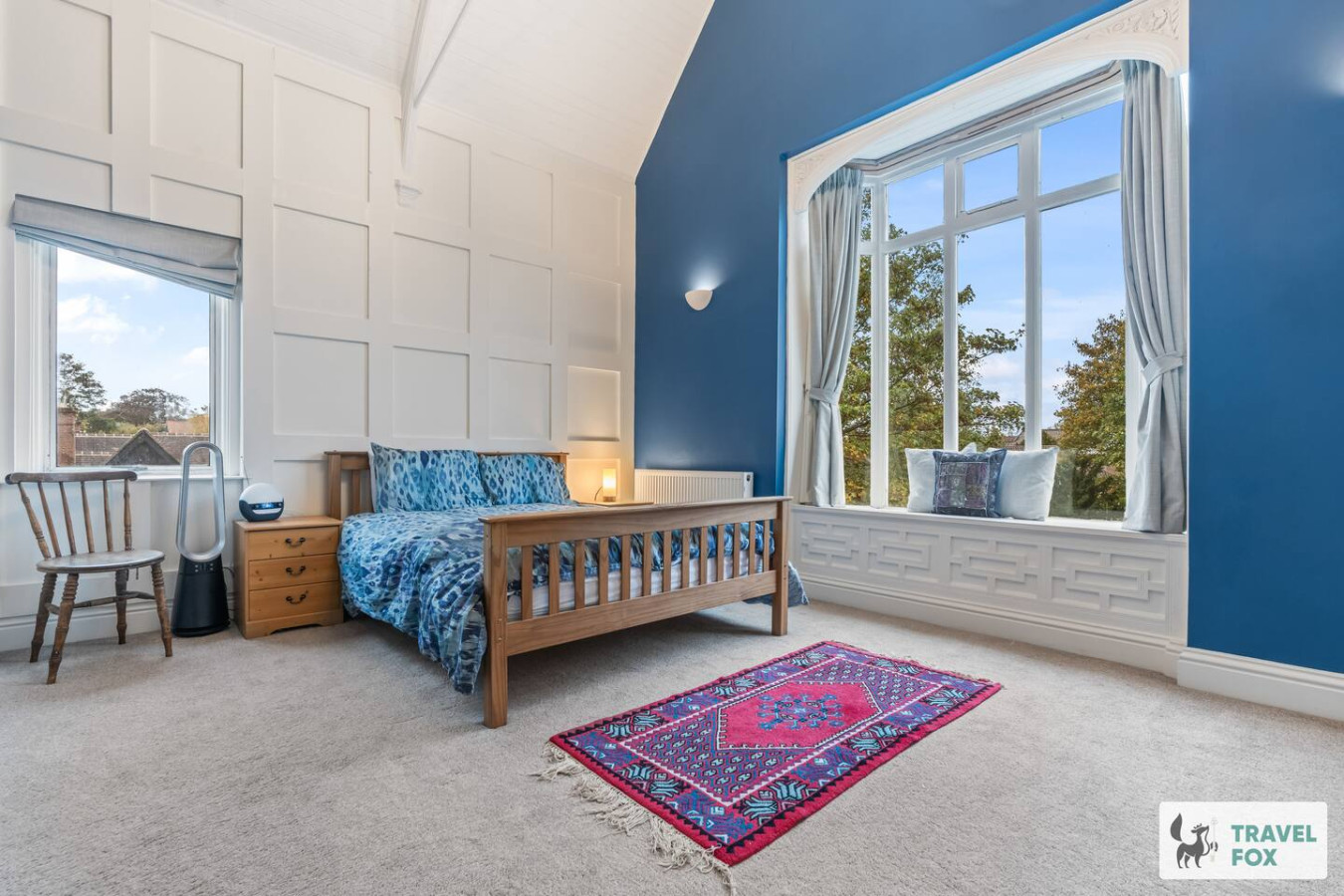
Leicester
Rachel's House with Parking!
- Sleeps 12
- 4 bedrooms
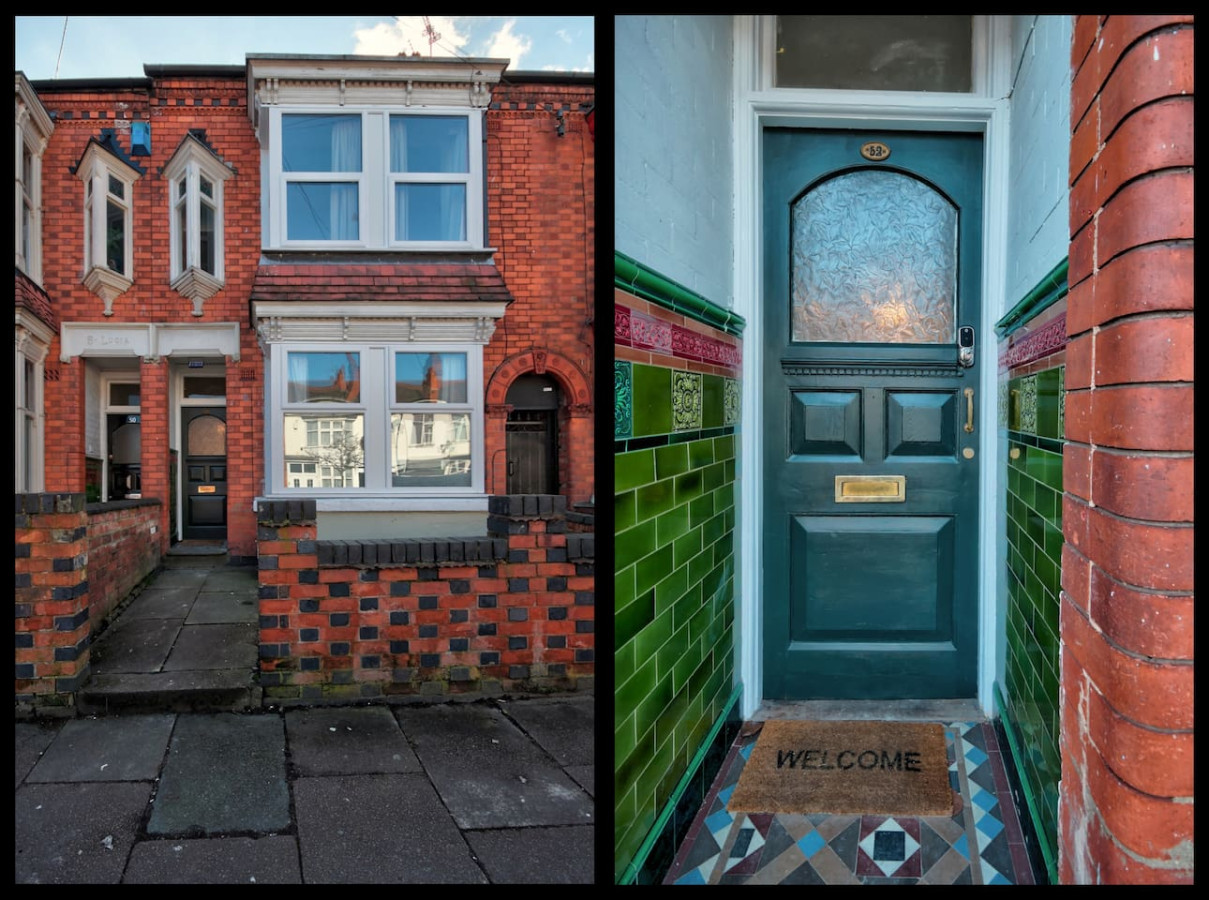
Leicester
Upperton House - Central 5 Bedroom
- Sleeps 9
- 5 bedrooms
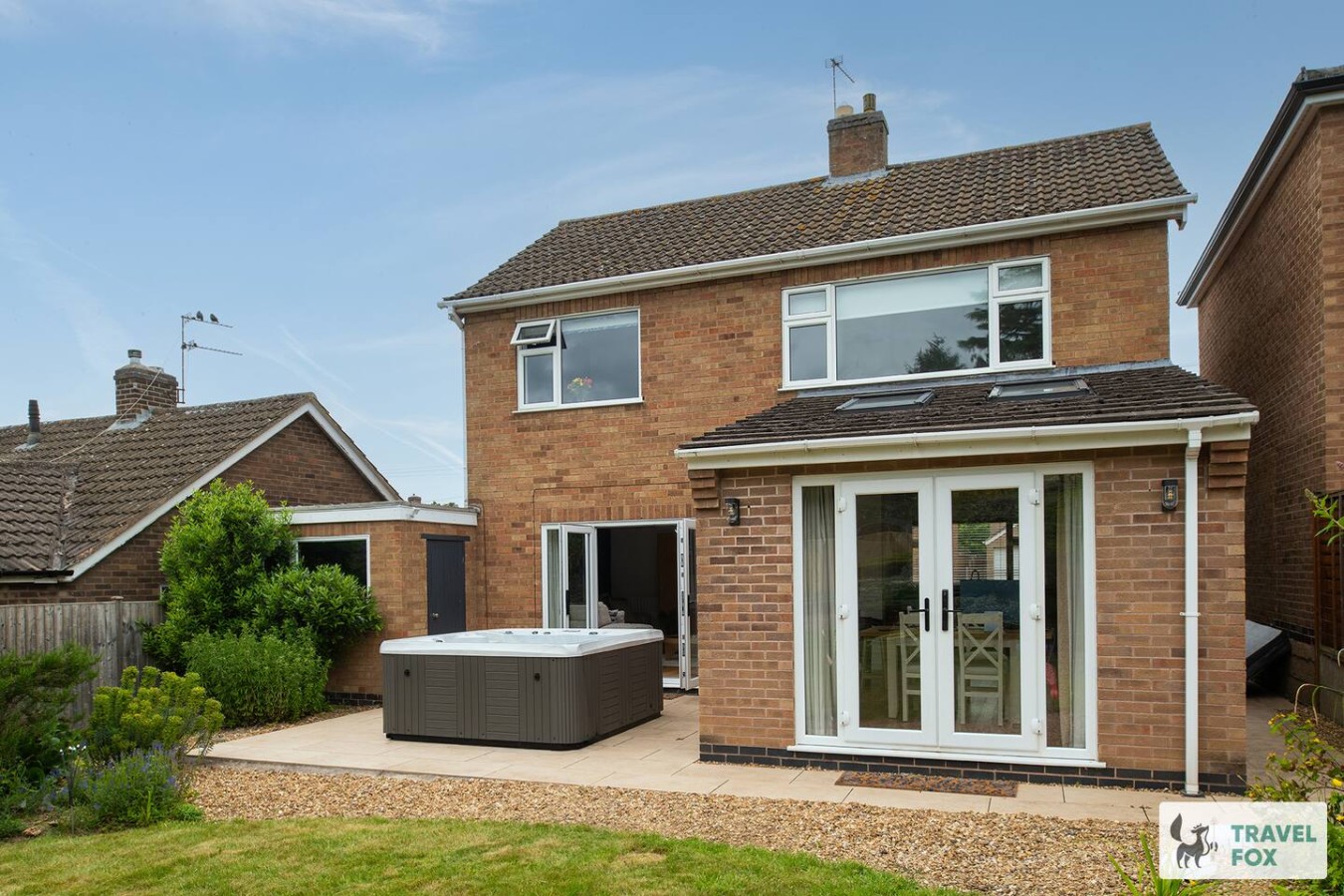
Rearsby
Vanessa's Haven - with hot tub and free parking for 3 cars!!
- Sleeps 5
- 3 bedrooms

Charnwood
UnPoplar House - Free in House Chris
- Sleeps 6
- 3 bedrooms
For homeowners
Own a holiday home near Coleorton?
We manage holiday lets across the UK from 12% commission, charged after cleaning costs, with no lock-in. A co-founder visits before you decide.
How our holiday let management works →
A guide with a point of view
Written from research. Edited for real journeys.
Use the Official site links for live practical details, then use this guide for context, ideas and room to explore.
Sources
Every place on this page is checked against a published source. Each entry links the record we used and names who publishes it.
- The George Inn — thegeorgecoleorton.com operator, sector body or destination organisation
- Church of St Mary the Virgin — historicengland.org.uk statutory register or public authority record not machine-readable; publisher restricts automated access
- Mining Heritage Trail — choosehowyoumove.co.uk other published source
- Coleorton Heritage Trail — coleortonheritage.org.uk operator, sector body or destination organisation
- Coleorton Wood — coleorton-pc.gov.uk statutory register or public authority