
Farms, footpaths and history
Diseworth
A rural conservation area with a 13th-century church, a historic village pub, working farms and farmland footpaths.
- Best for
- Village history, pub food and farmland walks
- Give it
- A half day
- Don't miss
- St Michael and All Angels at The Cross
The Fox verdict
A conservation village shaped by farms and history
Come for The Cross, the Heritage Centre and The Plough Inn, then follow footpaths through the conservation area and surrounding farmland.
Diseworth combines working farms and half-timbered buildings with a church whose present fabric dates mainly from the 13th century. The former Baptist chapel houses a local museum, while village footpaths and a self-guided heritage trail offer ways to explore.
Where to go
Places in Diseworth
Every place below is checked against a published source, listed with what it is and how long to give it.
Local signatures
3 placesSt Michael and All Angels
An ancient stone church at The Cross, where four principal streets meet; the present building dates mainly from the 13th century and has Early English Transition stonework.
- Visit length
- Editorial estimate: Allow around 30 minutes
- Locality
- at The Cross
Diseworth Village Footpaths
Village footpaths pass through Diseworth's conservation area and the surrounding farmland.
- Visit length
- Editorial estimate: Allow around 90 minutes
- Locality
- the conservation area and surrounding farmland
Diseworth Heritage Trail
A self-guided trail around historic Diseworth, illustrated with photographs and drawings by residents. The trail leaflet is available from Diseworth Heritage Centre; arrange a centre visit using its website contact details.
- Visit length
- Editorial estimate: Allow around 60 minutes
- Locality
- around historic Diseworth
Food & drink
1 placeThe Plough Inn
A traditional multi-roomed village pub with fabric dating to the 13th century, British dishes, real ales, a beer garden and a welcome for well-behaved dogs.
- Visit length
- Editorial estimate: Allow around 90 minutes
- Locality
- Diseworth village
History & heritage
1 placeDiseworth Heritage Centre
Diseworth Heritage Centre occupies the former Baptist chapel. Visits are by request; use the contact details on the centre's website to arrange one.
- Visit length
- Editorial estimate: Allow around 60 minutes
- Locality
- in Diseworth
No places match this filter. Choose All places to reset the list.
Three ways to explore Diseworth
Signature outings
Arrive with ease
The Plough Inn has parking at the front and rear, level rear access and a Skylink bus stop a short walk away.
See the church at The Cross
See the 13th-century stonework of St Michael and All Angels at The Cross, where Diseworth's four principal streets meet.
Explore Diseworth's local history
Explore the centre's accredited museum collection of village photographs and local historical material.
The village story
At The Cross: farms, footpaths and history in Diseworth
A village of 13th-century stone, working farms, local history and contested change.
The Plough Inn
The Plough Inn is a traditional, multi-roomed village pub with parts dating to the 13th century. Its regular cask beers include Castle Rock Harvest Pale, Draught Bass and Timothy Taylor Landlord. Well-behaved dogs are welcome, and the pub has a spacious beer garden.
The kitchen serves beer-battered fish and chips, homemade vegetarian lasagne and loaded nachos with chilli, guacamole and salsa.
Inside, low beams, exposed brickwork and a display of old photographs reflect the building's long history.
A Conservation Village at The Cross
Diseworth's conservation area was designated in 1974. Half-timbered buildings and several active farms remain in the village, even with East Midlands Airport nearby.
The village is arranged around a staggered crossroads called The Cross, where four streets meet: Grimes Gate, Hall Gate, Clements Gate, and Lady Gate. St Michael and All Angels stands at the junction, 13th-century stone in Early English Transition style, a church that's been here in one form or another since well before the present building went up.
Footpaths and Domesday Roots
Public footpaths lead from Diseworth's principal streets into the surrounding farmland. The self-guided Diseworth Heritage Trail offers another way to explore village history.
The Domesday Book recorded Diseworth in 1086 with twelve households and three plough teams: one belonging to the lord and two to the villagers. Margaret Beaufort, mother of Henry VII, later bought a substantial part of the village to endow what became Christ's College, Cambridge.
William Lilly and the Heritage Centre
William Lilly was born in Diseworth in 1602 and became a prominent astrologer. His 1651 book contained images later linked to the Great Fire of London. In October 1666, the Commons committee investigating the fire questioned him about them and released him after his explanation.
Flooding in 2000 ended worship at the former Baptist chapel. Diseworth Heritage Trust converted it into Diseworth Heritage Centre, which opened in 2009. The accredited museum holds local photographs and historical material, with visits by request through the centre's website.
Connections and a Contested Future
The M1, East Midlands Airport and Donington Park are in the area around Diseworth. The village has no railway station.
Protect Diseworth has lodged objections to the proposed East Midlands Gateway Phase 2 logistics development on agricultural land beside the village. The group has raised concerns about the effect on Diseworth's rural setting.
Stay around Leicestershire
Make a longer stay of it
Travel Fox holiday homes around Leicestershire, linked directly to their property pages.
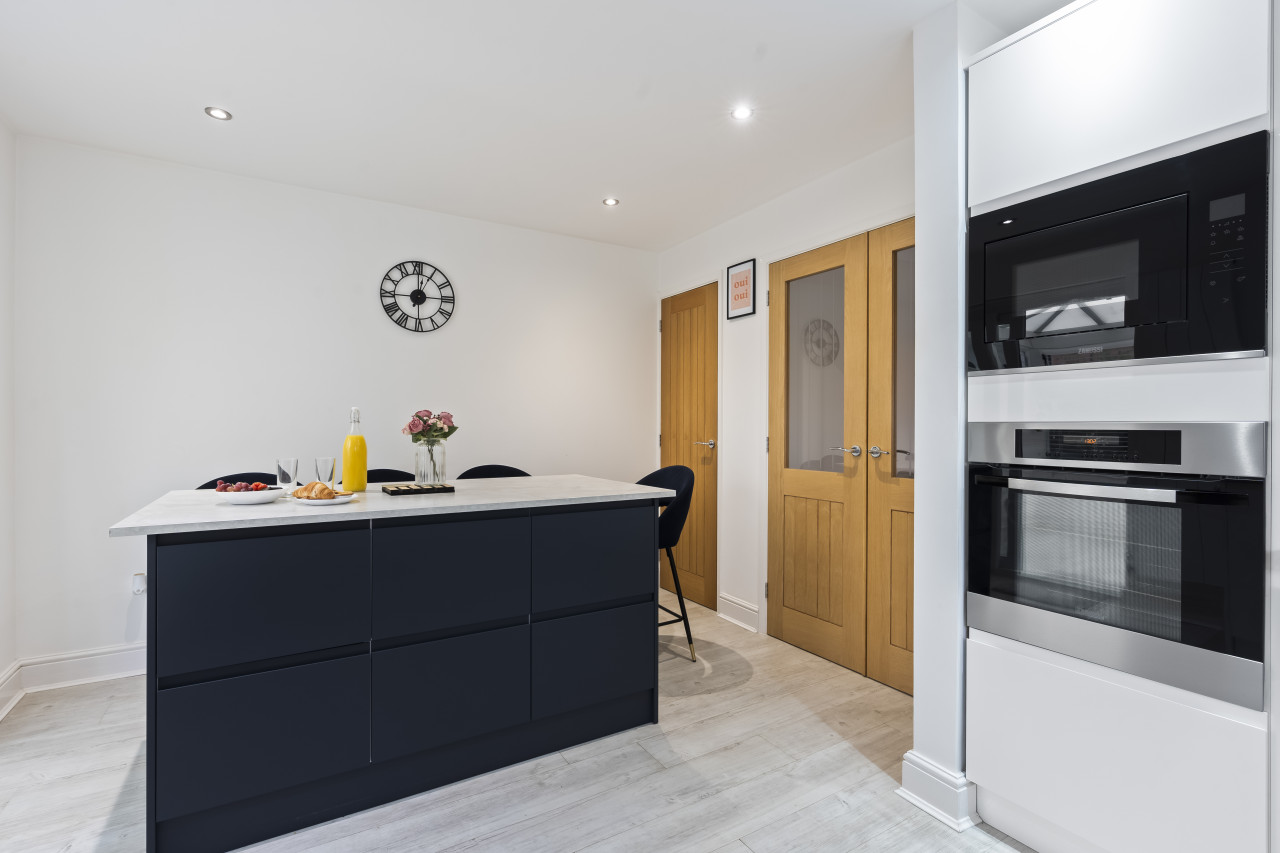
Syston
Tilly's Townhouse with Parking
- Sleeps 4
- 2 bedrooms
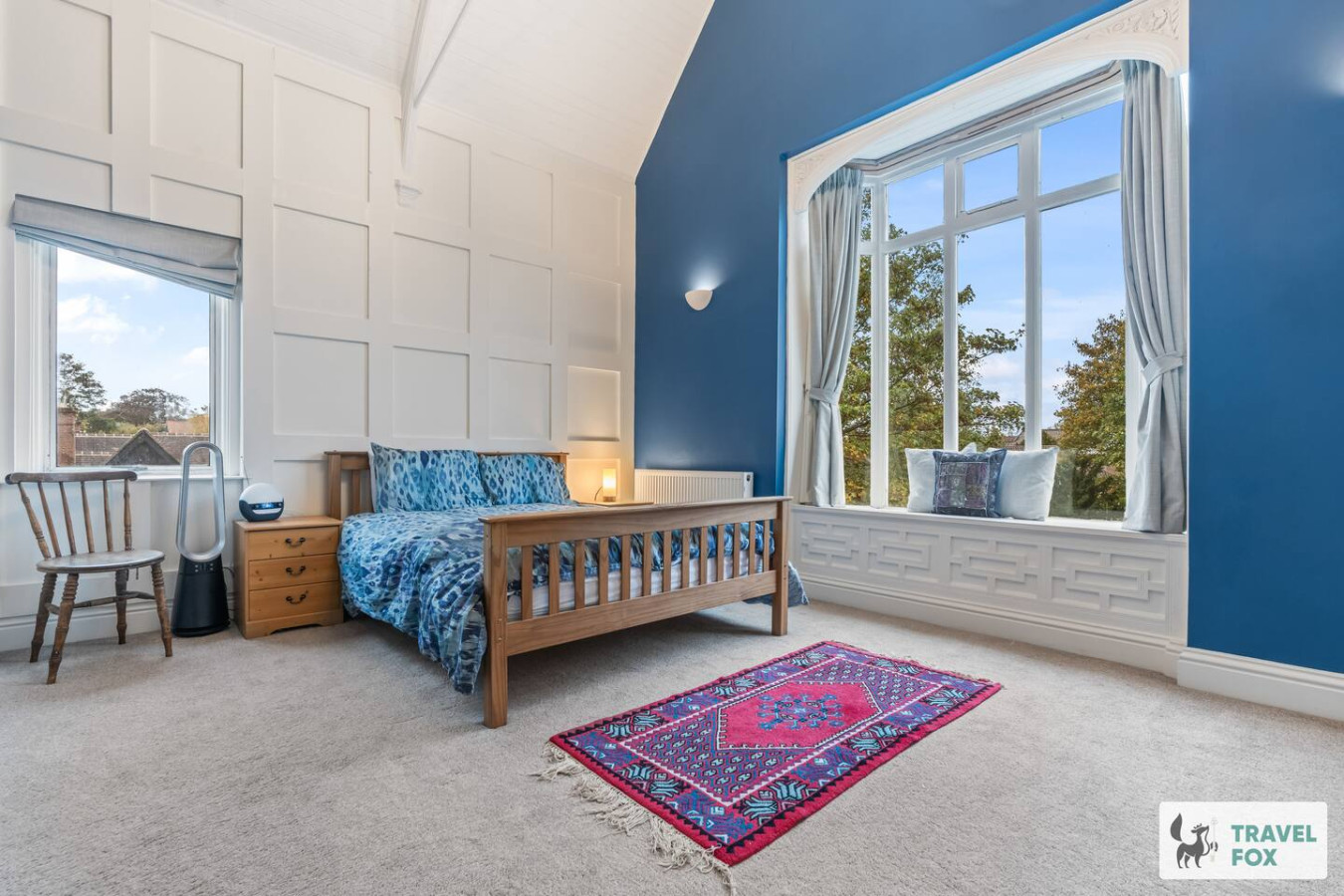
Leicester
Rachel's House with Parking!
- Sleeps 12
- 4 bedrooms
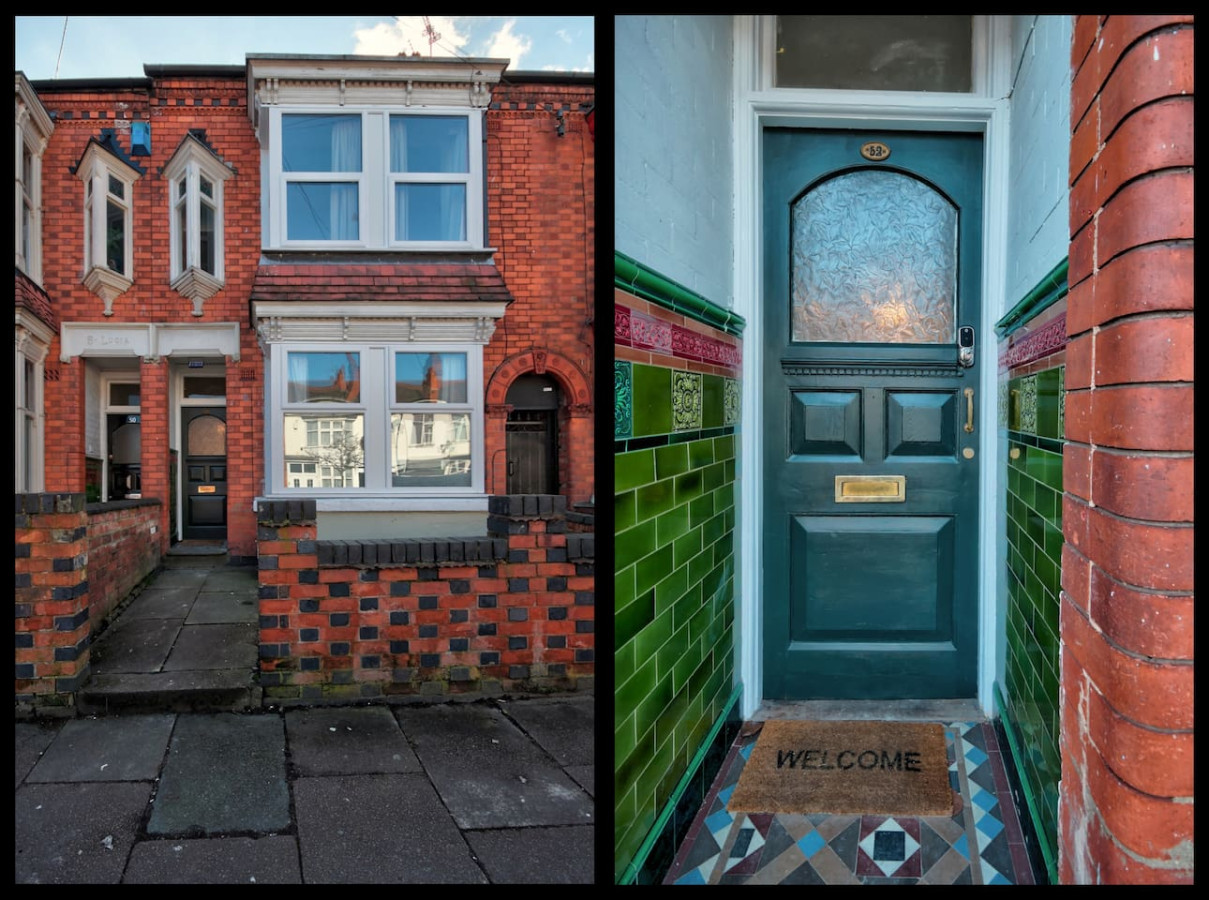
Leicester
Upperton House - Central 5 Bedroom
- Sleeps 9
- 5 bedrooms
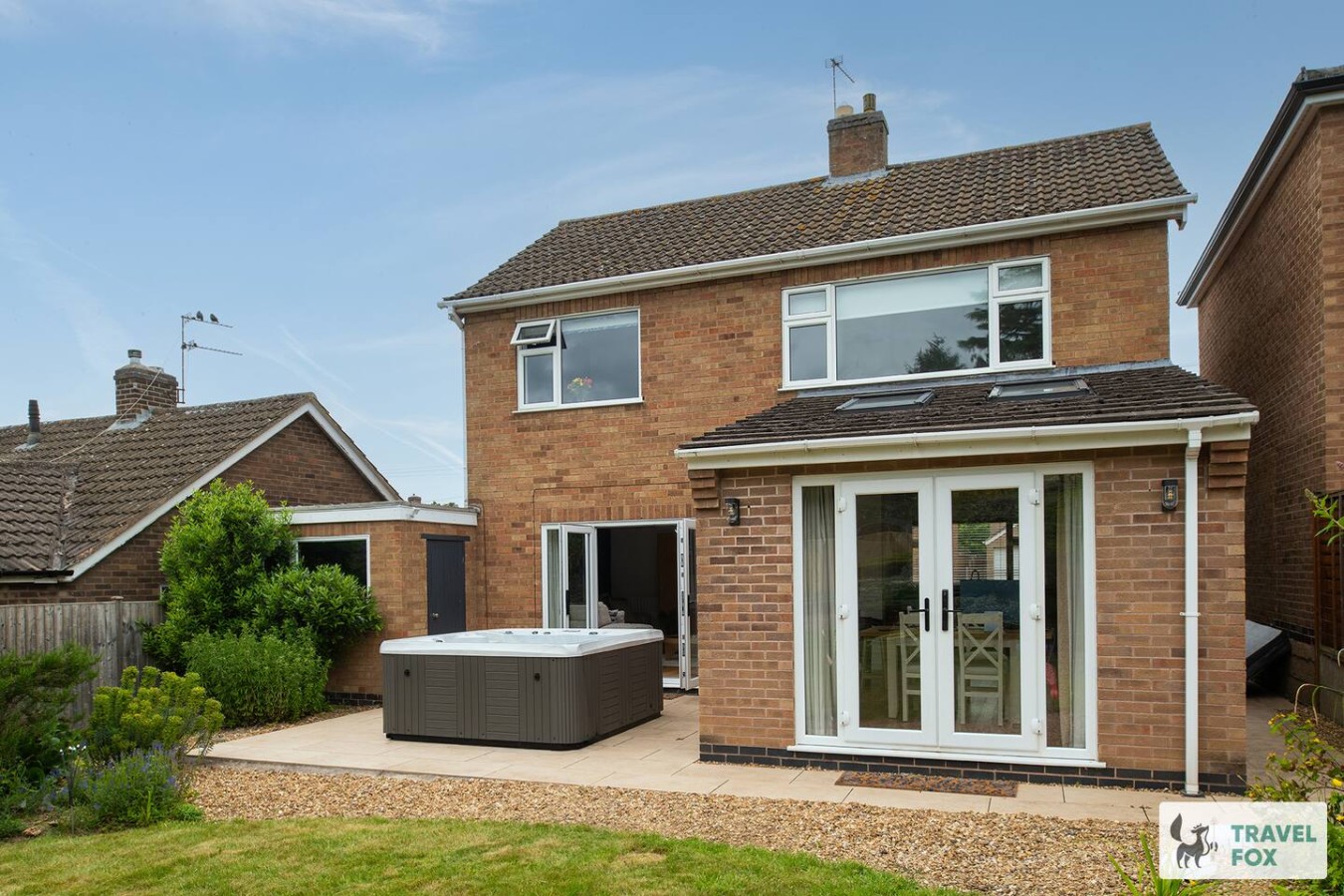
Rearsby
Vanessa's Haven - with hot tub and free parking for 3 cars!!
- Sleeps 5
- 3 bedrooms

Charnwood
UnPoplar House - Free in House Chris
- Sleeps 6
- 3 bedrooms
For homeowners
Own a holiday home near Diseworth?
We manage holiday lets across the UK from 12% commission, charged after cleaning costs, with no lock-in. A co-founder visits before you decide.
How our holiday let management works →
A guide with a point of view
Written from research. Edited for real journeys.
Use the Official site links for live practical details, then use this guide for context, ideas and room to explore.
Sources
Every place on this page is checked against a published source. Each entry links the record we used and names who publishes it.
- The Plough Inn — ploughdiseworth.co.uk operator, sector body or destination organisation
- St Michael and All Angels — achurchnearyou.com national body or asset manager
- Diseworth Heritage Centre — diseworthcentre.org operator, sector body or destination organisation
- Diseworth Village Footpaths — leicestershire.gov.uk statutory register or public authority record not machine-readable; publisher restricts automated access
- Diseworth Heritage Trail — diseworthcentre.org operator, sector body or destination organisation