
A small village with a long memory
Edmondthorpe
Come for a medieval church, an alabaster witch legend, the remains of a lost Hall and a landscape shaped by parkland and canal engineering.
- Best for
- Church history, estate remains and parkland
- Give it
- A slow half-day
- Don't miss
- Dame Anne Smith's alabaster effigy and its dark wrist mark
The Fox verdict
Edmondthorpe rewards attention to what survived
The church and its Smith monument carry the strongest detail, while the Hall outbuildings, mature village trees and former canal broaden the story.
Edmondthorpe brings together medieval church fabric, family memorials, surviving estate outbuildings and the former Oakham Canal.
Where to go
Places in Edmondthorpe
Every place below is checked against a published source, listed with what it is and how long to give it.
Local signatures
3 placesSt Michael and All Angels
A primarily 13th-century church rebuilt in the 14th and 15th centuries, with a battlemented tower whose lower and upper stages reflect those different periods.
- Visit length
- Editorial estimate: allow around 25 minutes.
- Locality
- In the centre of surrounding farms and cottages
Edmondthorpe Hall Site and Stable Range
Sir Roger Smith built the Hall in 1621, and it was later altered by the Pochin family before a fire destroyed it during the Second World War. The surviving eighteenth-century stable range and lodgings were remodelled by R. W. Johnson in 1868.
- Visit length
- Editorial estimate: allow around 20 minutes.
- Locality
- Near St Michael and All Angels
- Access
- The surviving outbuildings can be glimpsed through trees from Main Street.
Oakham Canal
Opened in 1802, the Oakham Canal ran from Melton Mowbray towards Edmondthorpe and Market Overton before continuing to Oakham. It closed in 1847.
- Visit length
- Editorial estimate: allow around 35 minutes.
- Locality
- West of the village
Walks & outdoors
1 placeEdmondthorpe Mature Trees
Mature trees frame the view along Main Street, while the area around the former Hall and cricket ground adds to Edmondthorpe's well-treed village setting.
- Visit length
- Editorial estimate: allow around 25 minutes.
- Locality
- Along Main Street and around the former Hall site
History & heritage
1 placeSir Roger Smith Alabaster Monument
The three-tiered alabaster monument depicts Sir Roger Smith with his two wives, Jane Heron and Anne Goodman.
- Visit length
- Editorial estimate: allow around 15 minutes.
- Locality
- Inside St Michael and All Angels
No places match this filter. Choose All places to reset the list.
Three ways to explore Edmondthorpe
Signature outings
Follow the witch legend in alabaster
Busts of Sir Roger's son and grandson flank the three reclining figures; both died during Sir Roger's lifetime.
Find what survived the Hall fire
The surviving stable range has Tudor Revival details, including dormers, carriage openings and a clock opening.
Look along Main Street
Low stone walls link Main Street's dispersed cottages, while mature trees frame the village streetscape.
The village story
Edmondthorpe: church, Hall and village stories
A medieval church, Smith family monument and surviving Hall outbuildings give Edmondthorpe a layered history, with mature trees and the former canal shaping its setting.
Village Centre
Stone cottages and low walls along Main Street give the small village a strong sense of its estate history.
The Berkeley Arms stands on Main Street in Wymondham. In Edmondthorpe, gaps between the buildings open views across the surrounding fields.
The cast-iron village pump bears WAP 1856 and has a dragon-headed spout. Mature trees frame Main Street and the former cricket ground.
St Michael's and the Smith Monument
St Michael and All Angels stands among Edmondthorpe's farms and cottages. It came into the care of the Churches Conservation Trust in 1999. Its battlemented tower dates from the thirteenth century, with a fifteenth-century upper part visible where the stone changes.
Inside is the three-tiered alabaster monument to Sir Roger Smith, who died in 1655. He is shown with his wives Jane Heron and Anne Goodman; busts of his son and grandson flank the reclining figures. Both younger men died during Sir Roger's lifetime.
The Witch Legend and Lost Hall
A dark red mark on Dame Anne Smith's alabaster wrist has become part of Edmondthorpe's witch legend. In the tale, she turns into a cat, is wounded on the paw by a butler and bears the mark when she returns to human form. The mark belongs to the stone and the story to local folklore.
Sir Roger Smith built Edmondthorpe Hall in 1621. The Pochin family later altered it, and a fire destroyed the house during the Second World War. Its eighteenth-century stable range and lodgings survive, remodelled by R. W. Johnson in 1868. From Main Street, the outbuildings can be glimpsed through the trees.
Canal Embankment and Edmersthorp
The Oakham Canal once passed west of Edmondthorpe on its way towards Market Overton. A historical survey records that the Edmondthorpe–Teigh road blocks the former canal line, with no trace of a bridge at that crossing. The canal opened in 1802 and closed in 1847.
The Domesday survey recorded 26 households at Edmondthorpe in 1086. Its entry sits among the settlements of the Framland hundred, alongside neighbours such as Wymondham and Stonesby.
Travel and Estate Legacies
Edmondthorpe lies east of Melton Mowbray and is part of Wymondham parish.
William Ann Pochin's initials appear on several village date stones.
Stay around Leicestershire
Make a longer stay of it
Travel Fox holiday homes around Leicestershire, linked directly to their property pages.
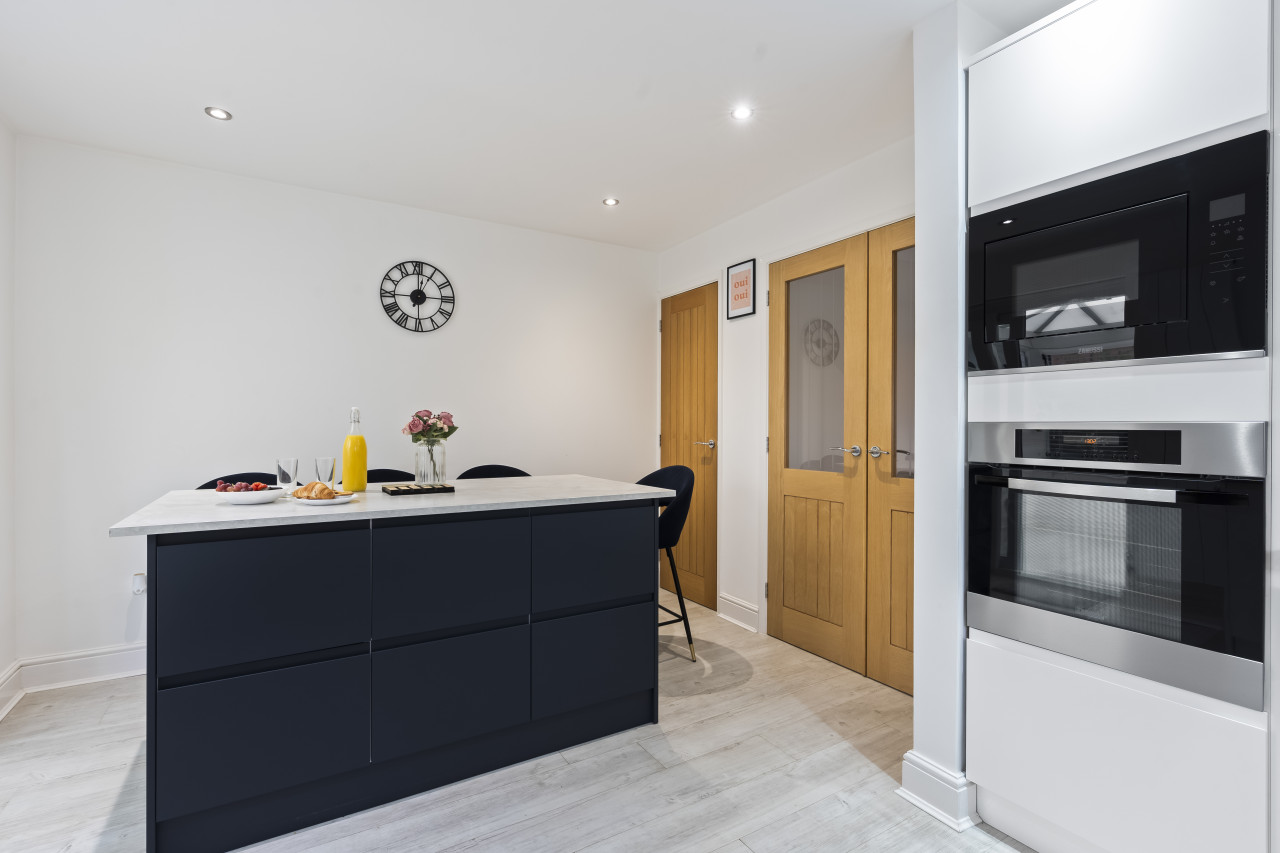
Syston
Tilly's Townhouse with Parking
- Sleeps 4
- 2 bedrooms
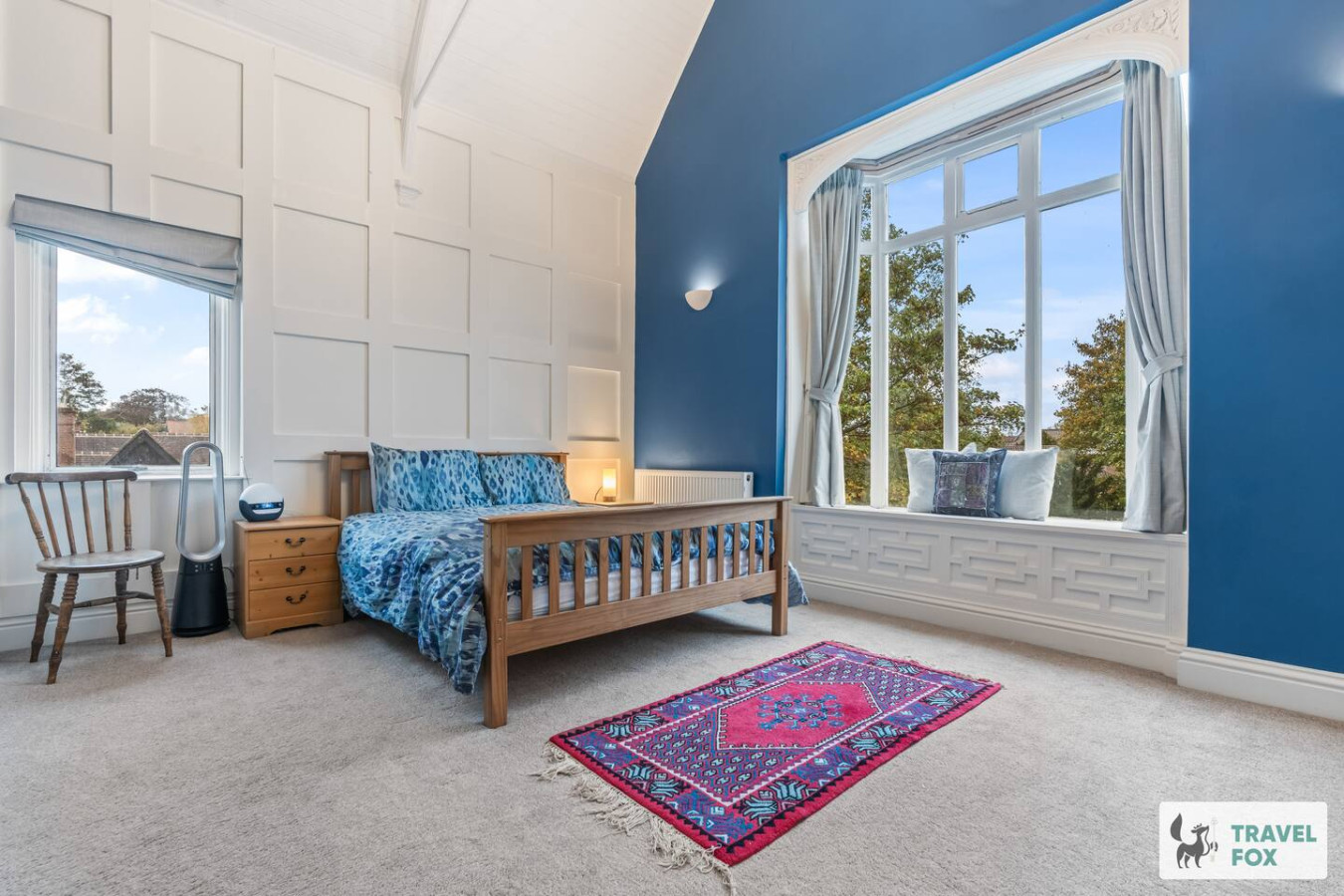
Leicester
Rachel's House with Parking!
- Sleeps 12
- 4 bedrooms
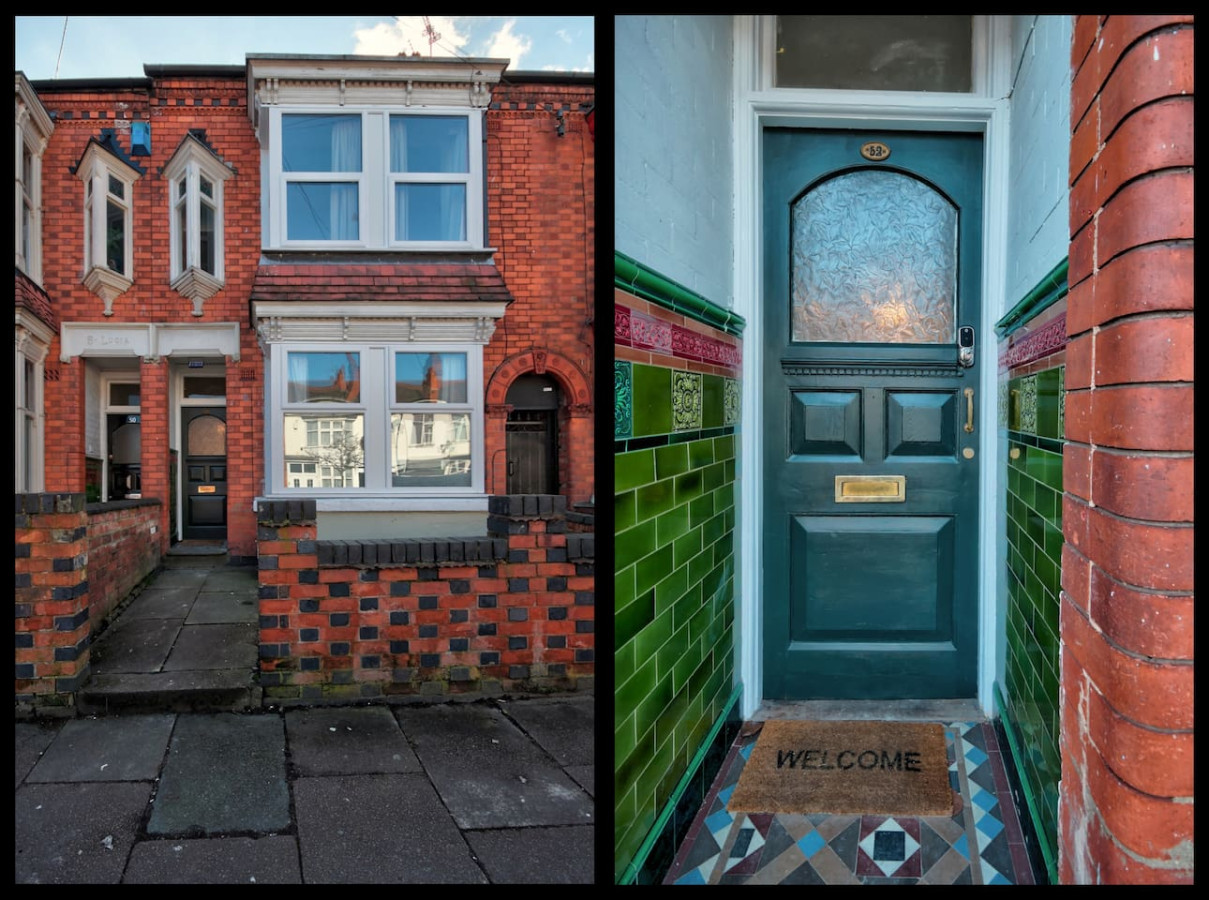
Leicester
Upperton House - Central 5 Bedroom
- Sleeps 9
- 5 bedrooms
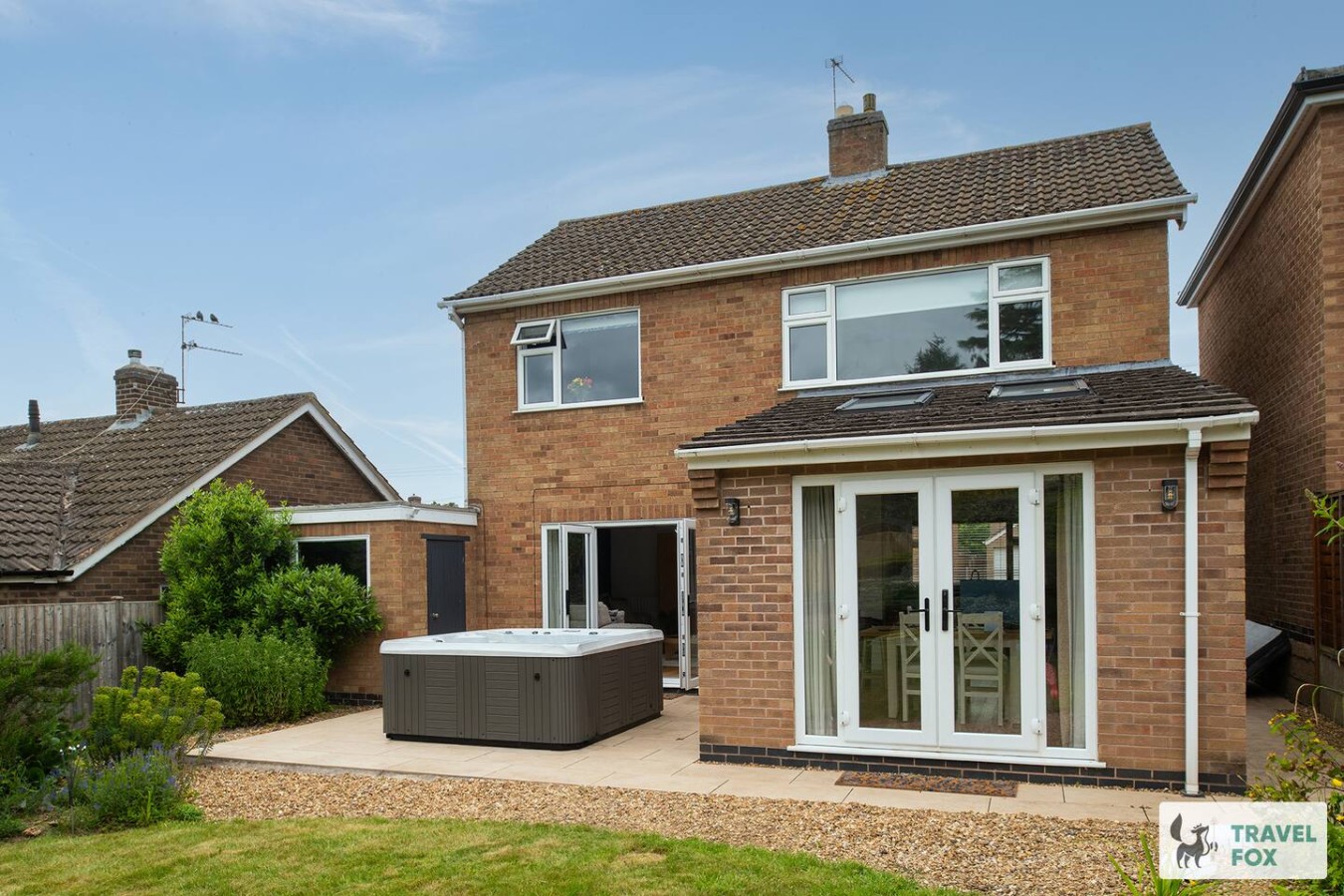
Rearsby
Vanessa's Haven - with hot tub and free parking for 3 cars!!
- Sleeps 5
- 3 bedrooms

Charnwood
UnPoplar House - Free in House Chris
- Sleeps 6
- 3 bedrooms
For homeowners
Own a holiday home near Edmondthorpe?
We manage holiday lets across the UK from 12% commission, charged after cleaning costs, with no lock-in. A co-founder visits before you decide.
How our holiday let management works →
A guide with a point of view
Written from research. Edited for real journeys.
Use the Official site links for live practical details, then use this guide for context, ideas and room to explore.
Sources
Every place on this page is checked against a published source. Each entry links the record we used and names who publishes it.
- St Michael and All Angels — visitchurches.org.uk operator, sector body or destination organisation
- Sir Roger Smith Alabaster Monument — visitchurches.org.uk operator, sector body or destination organisation
- Edmondthorpe Hall Site and Stable Range — historicengland.org.uk statutory register or public authority record not machine-readable; publisher restricts automated access
- Oakham Canal — oakhamcanal.org operator, sector body or destination organisation
- Edmondthorpe Mature Trees — melton.gov.uk statutory register or public authority