
Canal engineering in Leicestershire
Foxton
Ten staircase locks, the remains of a Victorian boat lift and an easy canal trail give Foxton a day out shaped by waterway history.
- Best for
- Canal engineering, waterside walking and pub stops
- Give it
- Forty-six minutes for the circular trail, longer for the museum and food
- Don't miss
- The ten locks arranged in two staircases of five
The Fox verdict
A village visit built around a remarkable canal climb
Foxton combines a working lock flight with visible inclined-plane remains, a canal museum, straightforward walking and four contrasting pubs.
The locks are the reason most people come: boats rise 75 feet through the largest staircase lock flight on the English canal system. The museum and the remains of the Inclined Plane add the story of the faster Victorian alternative, while St Andrew's and the Main Street inns give the village a distinct second chapter.
Where to go
Places in Foxton
Every place below is checked against a published source, listed with what it is and how long to give it.
Local signatures
3 placesFoxton Canal Museum
A museum in the Inclined Plane's reconstructed boilerhouse, explaining the story of the locks and the short-lived Victorian boat lift.
- Visit length
- Editorial estimate: around 45 minutes
- Locality
- the reconstructed boilerhouse of the Inclined Plane
Foxton Canal and Locks Trail
An easy 3.1 km circular on towpaths and footpaths around the locks, canal museum and Inclined Plane remains.
- Visit length
- Editorial estimate: Allow about 46 minutes
- Locality
- around the locks, museum and Inclined Plane remains
Foxton Locks Inn
A food-orientated canal-side pub with a Sunday carvery, covered terrace and large garden with waterway views.
- Visit length
- Editorial estimate: around 90 minutes for food
- Locality
- Bottom Lock, Gumley Road
Food & drink
4 placesTop Lock Cottage
A pre-loved bookshop and cafe at the top of the locks, with locally made ice cream.
- Visit length
- Editorial estimate: around 30 minutes
- Locality
- at the top of the locks
Bridge 61
The smaller, more traditional lock-side pub has a snug, serving hatch, open fire and canal artefacts, with simple meals and snacks served all day.
- Visit length
- Editorial estimate: around 60 minutes
- Locality
- Bottom Lock, Foxton
Shoulder of Mutton
A traditional inn with six ensuite rooms, a large lawned front garden and pictures of bygone Foxton alongside local brewery memorabilia.
- Visit length
- Editorial estimate: around 90 minutes for a meal
- Locality
- 60 Main Street, Foxton
The New Black Horse
A village pub rebuilt in 1900 and relaunched in 2025, with a large beer garden overlooking Foxton village and the countryside.
- Visit length
- Editorial estimate: around 60 minutes
- Locality
- Main Street, Foxton
History & heritage
3 placesFoxton Locks
Ten locks in two staircases of five lift boats 75 feet on the Leicester line of the Grand Union Canal; Benjamin Bevan designed the flight, which opened in 1813.
- Visit length
- Editorial estimate: Allow around 45 minutes for a lock-flight transit
- Locality
- Foxton Locks
Foxton Inclined Plane
Visible earthworks mark the boat lift that used two balanced water-holding caissons on rails and moved two boats up and two down in 12 minutes.
- Visit length
- Editorial estimate: around 30 minutes
- Locality
- next to Foxton Locks
St Andrew's Church
Foxton's oldest building dates from around 1200 and contains a fragment of Anglo-Saxon stonework and a clock with a wooden frame and iron cogs dating from about 1680.
- Visit length
- Editorial estimate: around 30 minutes
- Locality
- Foxton
No places match this filter. Choose All places to reset the list.
Three ways to explore Foxton
Signature outings
Ten Locks in Two Staircases
Follow a narrowboat's roughly 45-minute passage through two staircases of five locks and a rise of 75 feet.
The Inclined Plane Remains
Look across the surviving earthworks of the lift that once carried boats in balanced water-filled caissons.
St Andrew's Early Fabric
Find the fragment of Anglo-Saxon stonework in a church whose earliest fabric dates from around 1200.
The village story
Foxton Village Guide
Locks, lost engineering, old stonework and pubs beside the canal and along Main Street.
The Lock Flight and Bottom-Lock Pubs
There are ten locks at Foxton, climbing the hillside in two staircases of five, and on a summer afternoon you can stand at the bottom and watch narrowboats queue like traffic on a motorway slip road. It takes about forty-five minutes to get through. Most of the spectators have an ice cream from Top Lock Cottage. Some have a pint.
The two pubs at the bottom of the locks are different propositions. The Foxton Locks Inn, rebuilt in 2005 from the old canal company offices, is the food-orientated one — Sunday carvery, Leicestershire Tourism Award winner, a garden that holds hundreds. They keep Timothy Taylor Landlord and Caledonian Deuchars IPA, with two rotating guests and a Cask Marque accreditation. Dogs get free treats at the door.
Bridge 61, next door, is smaller and more traditional. There's a snug with a serving hatch, an open fire, and canal artefacts on the walls. The real ales lean local — Adnams Southwold Bitter as a regular, often something from Langton Brewery as a guest. They do a build-your-own breakfast from half nine, evening meals on Fridays only, and they're open every day of the year. In summer you can use the garden BBQ for free and watch boats pass.
The Main Street Inns
Up in the village itself, the Shoulder of Mutton on Main Street is an inn with rooms — six ensuite, mini fridge, full English. It started as a farmhouse, became an inn in 1770, closed for about five years, and reopened in December 2022 with pictures of bygone Foxton on the walls and Eady & Dulley brewery memorabilia. The rural lunch is good value: three courses for £16.95 on a Wednesday to Friday. Sunday roasts are highly rated. They rotate through Woodforde's Wherry, Greene King Abbot, Sharp's Doom Bar, and Timothy Taylor Landlord, with something from Langton Brewery often appearing as the changing ale.
The New Black Horse, also on Main Street, was rebuilt in 1900 and relaunched in 2025 after passing through Lichfield Brewery, Ind Coope, Marstons, and Greene King. The beer garden has commanding views over the village and countryside. Wednesday and Thursday are burger and pie nights, with pies from eight pounds.
Why the Canal Defines Foxton
Four pubs for a village three miles from Market Harborough. The canal helps.
That canal is the reason most people come. The lock flight — the largest staircase on the English canal system — lifts boats seventy-five feet through a valley in the rolling Leicestershire countryside. Benjamin Bevan designed them; they opened on the first of October 1813. Next to the locks, the earthworks of the Inclined Plane are still visible. Built in 1900, it used two balanced water-holding caissons on rails to carry narrowboats up in twelve minutes instead of an hour and a quarter. A twenty-five-horsepower steam engine did the work. It ran for ten years, was mothballed in 1911, dismantled in 1926, and sold for scrap in 1928 for two hundred and fifty pounds. The Foxton Canal Museum, in the reconstructed boilerhouse, tells the story properly.
Walking and St Andrew's
Walking is easy here. A three-kilometre circular takes you round the locks, museum, and Inclined Plane remains in under an hour. The towpath runs south to Market Harborough or north along the Leicester line. The Leicestershire Round passes through, linking to Saddington Reservoir.
St Andrew's, the parish church, is the oldest building here — built around 1200, with a fragment of Anglo-Saxon stonework in the south aisle and a clock from about 1680 with a wooden frame and iron cogs. The Domesday surveyors found eighteen villagers, five slaves, one female slave, a priest, and valued the whole place at four pounds.
Getting Here and Top Lock Cottage
Market Harborough station is just over three miles away in a straight line. East Midlands Railway will get you to London St Pancras in an hour or Leicester in sixteen minutes. The Centrebus LC10 runs through the village roughly every two hours. Parking at the locks costs three to five pounds, or nothing after half past five.
At Top Lock Cottage, at the top of the flight, there's a pre-loved bookshop and a cafe selling locally made ice cream. You can hire a day boat at the locks. Over four hundred thousand people visit a year, which is a lot of people watching water go downhill.
Stay around Leicestershire
Make a longer stay of it
Travel Fox holiday homes around Leicestershire, linked directly to their property pages.
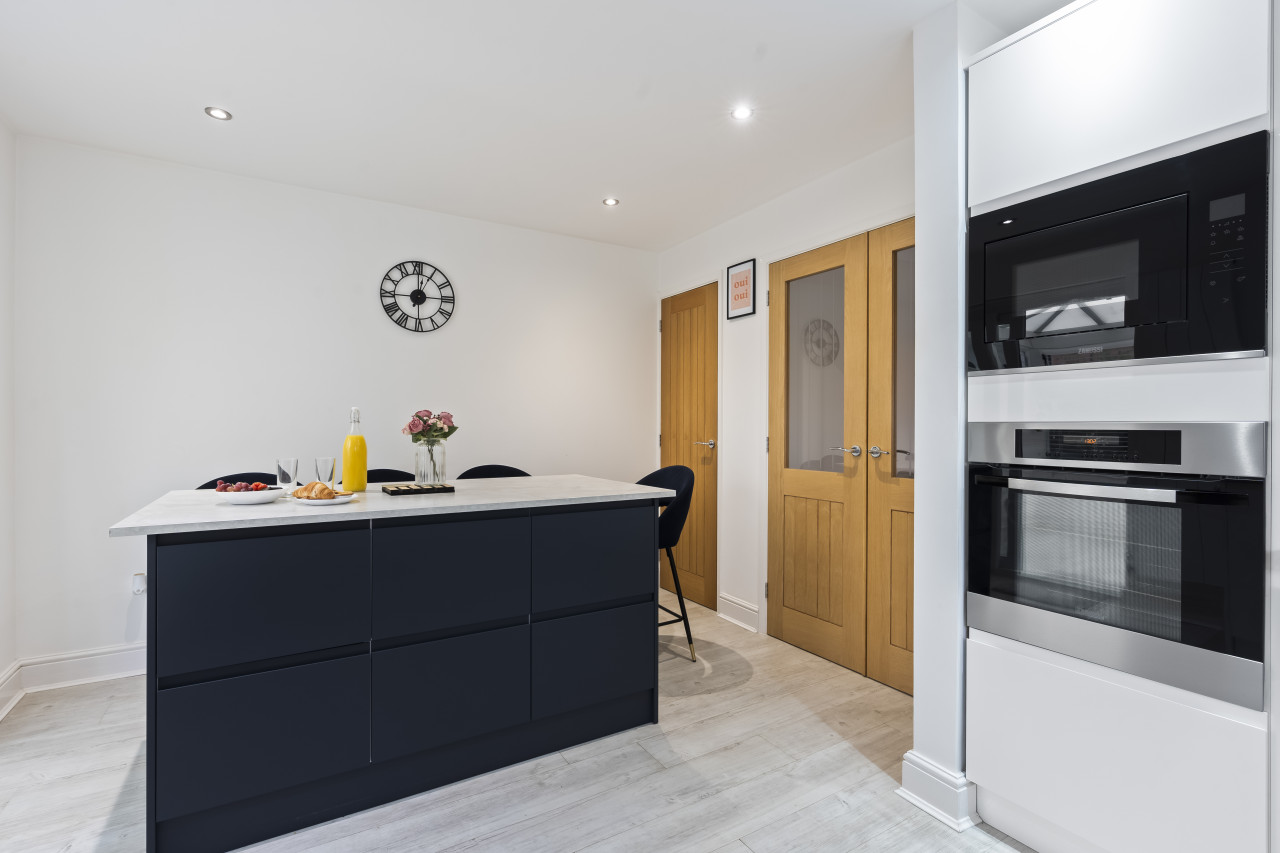
Syston
Tilly's Townhouse with Parking
- Sleeps 4
- 2 bedrooms
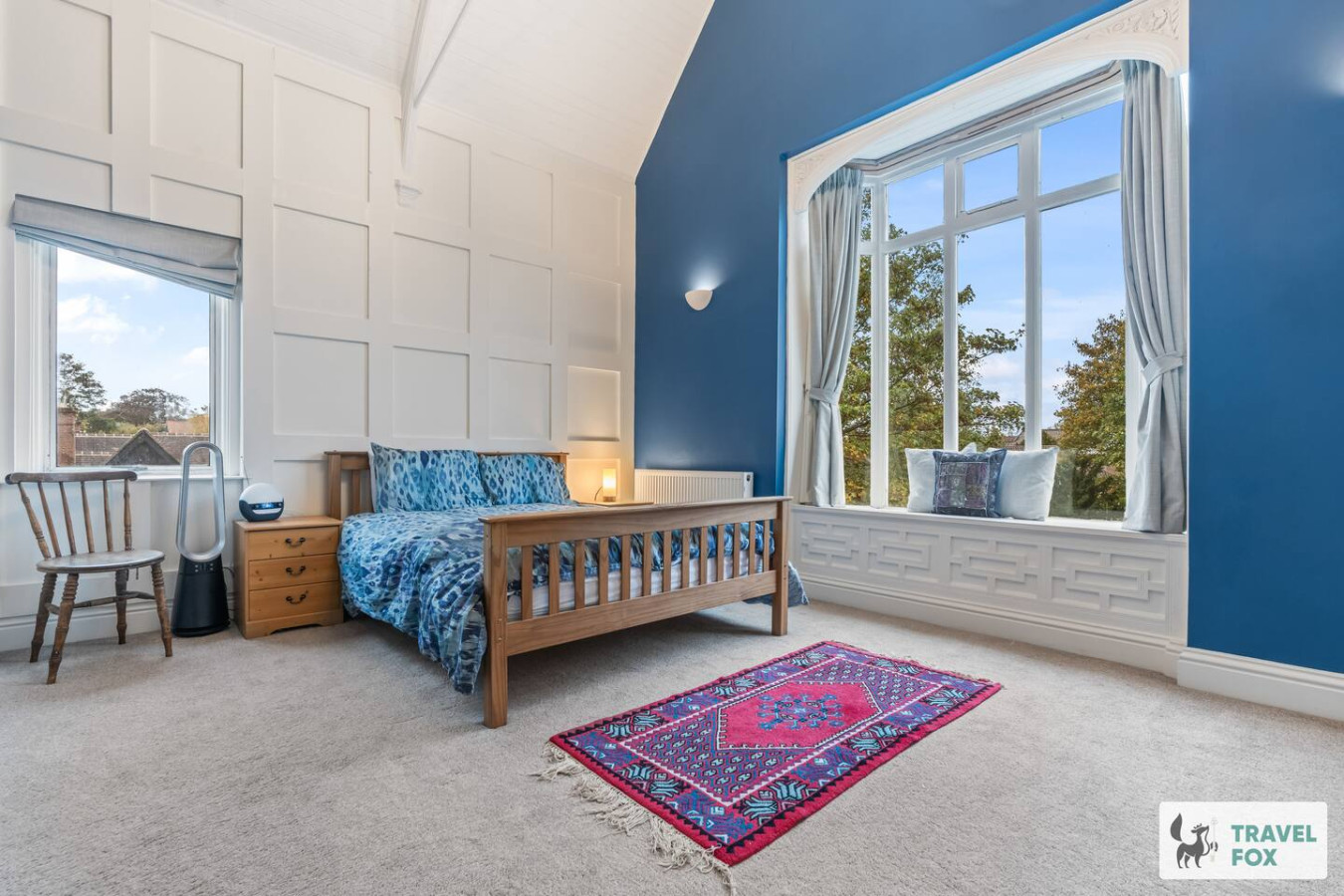
Leicester
Rachel's House with Parking!
- Sleeps 12
- 4 bedrooms
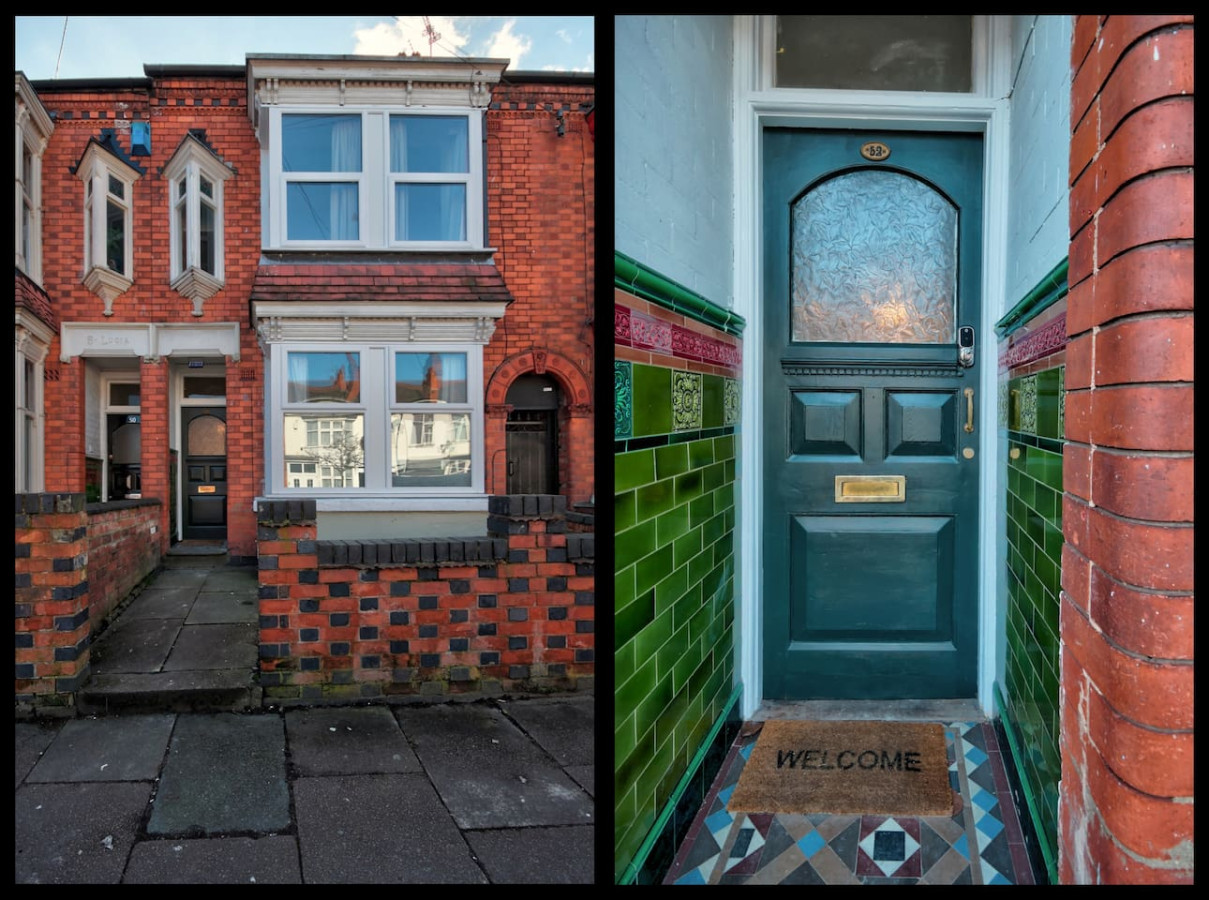
Leicester
Upperton House - Central 5 Bedroom
- Sleeps 9
- 5 bedrooms
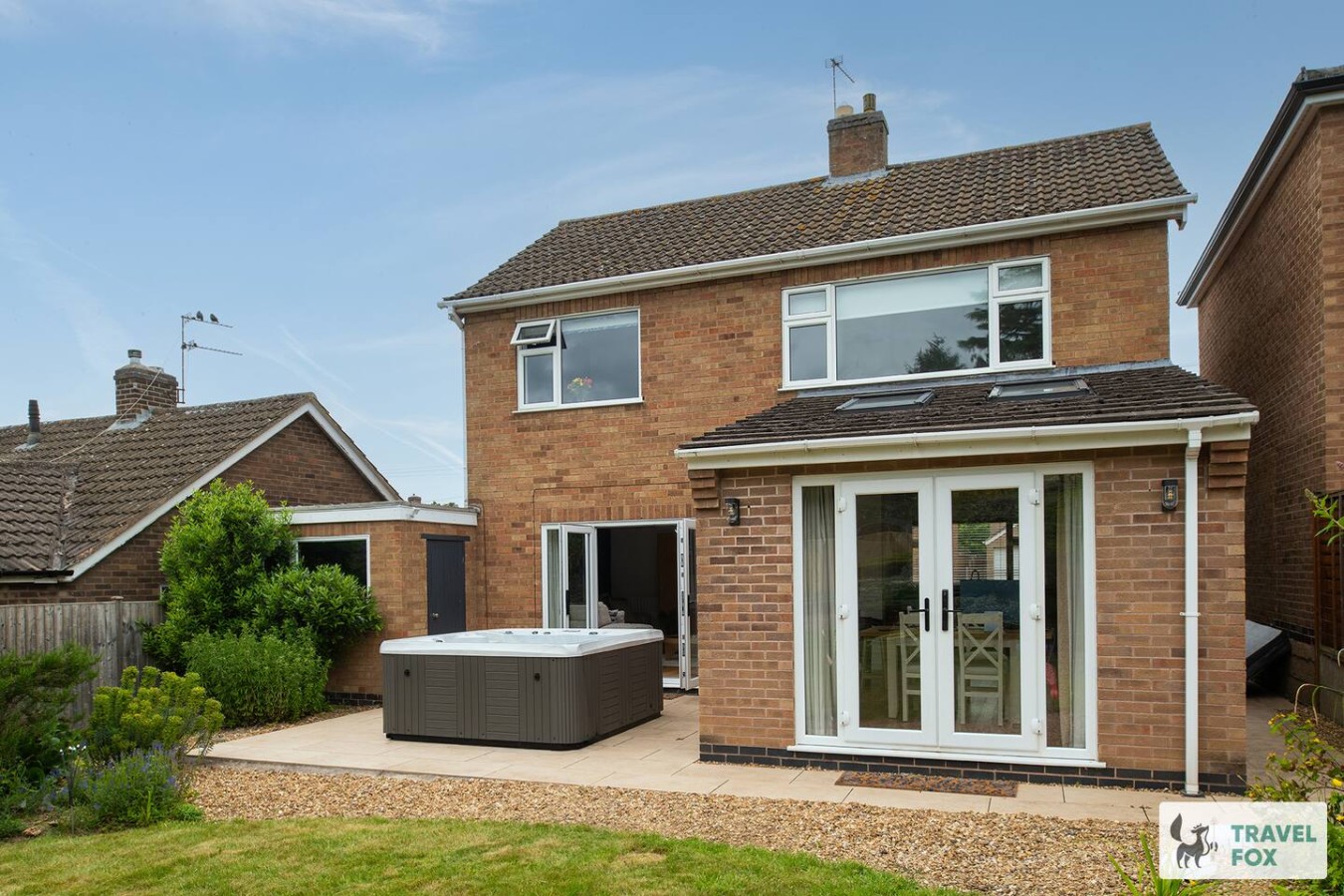
Rearsby
Vanessa's Haven - with hot tub and free parking for 3 cars!!
- Sleeps 5
- 3 bedrooms

Charnwood
UnPoplar House - Free in House Chris
- Sleeps 6
- 3 bedrooms
For homeowners
Own a holiday home near Foxton?
We manage holiday lets across the UK from 12% commission, charged after cleaning costs, with no lock-in. A co-founder visits before you decide.
How our holiday let management works →
A guide with a point of view
Written from research. Edited for real journeys.
Use the Official site links for live practical details, then use this guide for context, ideas and room to explore.
Sources
Every place on this page is checked against a published source. Each entry links the record we used and names who publishes it.
- Foxton Locks — canalrivertrust.org.uk national body or asset manager
- Foxton Inclined Plane — historicengland.org.uk statutory register or public authority record not machine-readable; publisher restricts automated access
- Foxton Canal Museum — foxtoncanalmuseum.org operator, sector body or destination organisation
- Foxton Canal and Locks Trail — canalrivertrust.org.uk national body or asset manager
- Top Lock Cottage — canalrivertrust.org.uk national body or asset manager
- St Andrew's Church — foxton-pc.gov.uk statutory register or public authority
- Foxton Locks Inn — restaurantfoxtonlocks.co.uk operator, sector body or destination organisation
- Bridge 61 — canalrivertrust.org.uk national body or asset manager
- Shoulder of Mutton — shoulderofmuttonfoxton.co.uk operator, sector body or destination organisation
- The New Black Horse — thenewblackhorsefoxton.co.uk operator, sector body or destination organisation record not machine-readable; publisher restricts automated access