
Ironstone, silence and long views
Goadby Marwood
A remote hillside village above the Vale of Belvoir, shaped by local ironstone, old paths and a remarkable Roman past.
- Best for
- Church detail, archaeology and wolds walking
- Give it
- A quiet half day
- Don't miss
- St Denys' gargoyles, carved faces and patterned font
The Fox verdict
Come for the silence; stay for the layers
Goadby Marwood pairs an unusually rare church dedication with extensive footpaths and a Romano-British story beneath the hillside.
Goadby Marwood has limited village facilities. Come for St Denys' Church, walks through the ironstone countryside and the Roman finds from the area displayed at Melton Carnegie Museum.
Where to go
Places in Goadby Marwood
Every place below is checked against a published source, listed with what it is and how long to give it.
Local signatures
3 placesSt Denys' Church
Built around 1280 from locally mined ironstone, the church has a 13th-century north aisle, four tower gargoyles, carved stone faces, a patterned 14th-century font and the tomb of antiquary Francis Peck.
- Visit length
- Editorial estimate: allow around 45 minutes
- Locality
- Goadby Marwood
Eaton, Scalford, Goadby Marwood and Melton via the Jubilee Way
The Jubilee Way passes through Goadby Marwood and onward to Scalford on this longer route.
- Visit length
- Editorial estimate: allow around 4 hours 30 minutes
- Locality
- Eaton, Scalford, Goadby Marwood and Melton Mowbray
The Salt Way
Walk the Jubilee Way section between Goadby Marwood and Eaton to reach the road east of White Lodge, part of the ancient Salt Way.
- Visit length
- Editorial estimate: allow around 45 minutes
- Locality
- close to Goadby Marwood
History & heritage
2 placesMelton Carnegie Museum
Roman finds from Goadby Marwood are displayed at Melton Carnegie Museum, including spoons and other objects recovered from the settlement and surrounding area.
- Visit length
- Editorial estimate: allow around 1 hour
- Locality
- Melton Mowbray
Church of St Egelwin the Martyr
Scalford's Church of St Egelwin the Martyr is one of Leicestershire's seven ironstone churches and is included on the longer route through Goadby Marwood.
- Visit length
- Editorial estimate: allow around 45 minutes
- Locality
- Scalford
No places match this filter. Choose All places to reset the list.
Three ways to explore Goadby Marwood
Signature outings
Look beyond the gargoyles
Inside St Denys', look for the 1709 timber poor box and fragments of medieval stained glass.
A second ironstone church
The longer route connects Goadby Marwood with Scalford's Church of St Egelwin the Martyr, one of Leicestershire's seven ironstone churches.
Look for everyday Roman objects
Look for the spoon inscribed TEGERNEMA among the Goadby Marwood objects displayed at Melton Carnegie Museum.
The village story
Ironstone paths and the Roman hillside
An ironstone village, waymarked countryside paths, an unusual church and Roman archaeology on the surrounding hills.
One road, one stone
One road leads into Goadby Marwood and out again. The village sits in the Leicestershire Wolds, where ironstone walls link properties along a street broken by open spaces and paddocks. Natural ironstone is the dominant building material, though the houses vary in age, style and materials.
Village facilities are limited, so plan any supplies before setting out. Walking routes pass through Goadby Marwood, and the on-demand Charnwood and Melton FoxConnect service includes the village in its served area.
Paths through the wolds
The Jubilee Way links Goadby Marwood with Scalford and Eaton. The approach from Scalford passes mainly over arable land, while the section towards Eaton crosses a mixture of arable and pasture.
Between Goadby Marwood and Eaton, two options are marked: one follows an ancient trackway and partly uses minor country roads; the other follows a field footpath between White Lodge and Eaton. The road running east from White Lodge forms part of the ancient Salt Way.
St Denys and Francis Peck
St Denys' Church is Grade I listed. Its north aisle dates from the 13th century, while the nave, tower and chancel largely date from the 14th; the church was restored in the 1880s. Four gargoyles adorn the tower, and carved stone faces and a patterned 14th-century font are inside. Goadby Marwood Hall stands behind the church.
Francis Peck, the antiquary, was rector here and is buried inside the church. His *Desiderata Curiosa*, published in the 1730s, is a significant collection of historical documents. He died in 1743, aged fifty-one.
The Roman hillside
Roman archaeology lies around Goadby Marwood. A small town was identified on the outskirts of the present village; separately, a villa stood on the hill to the south, overlooking the settlement. Excavations of the villa found walls, evidence of a hypocaust and part of a mosaic floor.
In February 1953, quarrying north of Goadby Marwood Hall revealed a jar containing 1,917 Roman coins. Later work around the former quarry produced hundreds more coins, brooches and other small finds. Roman objects from Goadby Marwood, including spoons, are displayed at Melton Carnegie Museum.
Names, distance and long views
Goadby Marwood appears in Domesday Book under holdings associated with Robert of Bucy and Geoffrey of la Guerche. Both entries also name other places, so their household totals and valuations cannot be assigned to this village alone. The later name recalls Gaufridus Maureward, who held the settlement in 1247.
Melton Mowbray lies to the south. Goadby Marwood is included in the Charnwood and Melton FoxConnect service area. The conservation area includes St Denys' Church, the Old Rectory and Goadby Marwood Hall, with open spaces and paddocks giving the village its rural feel.
Stay around Leicestershire
Make a longer stay of it
Travel Fox holiday homes around Leicestershire, linked directly to their property pages.
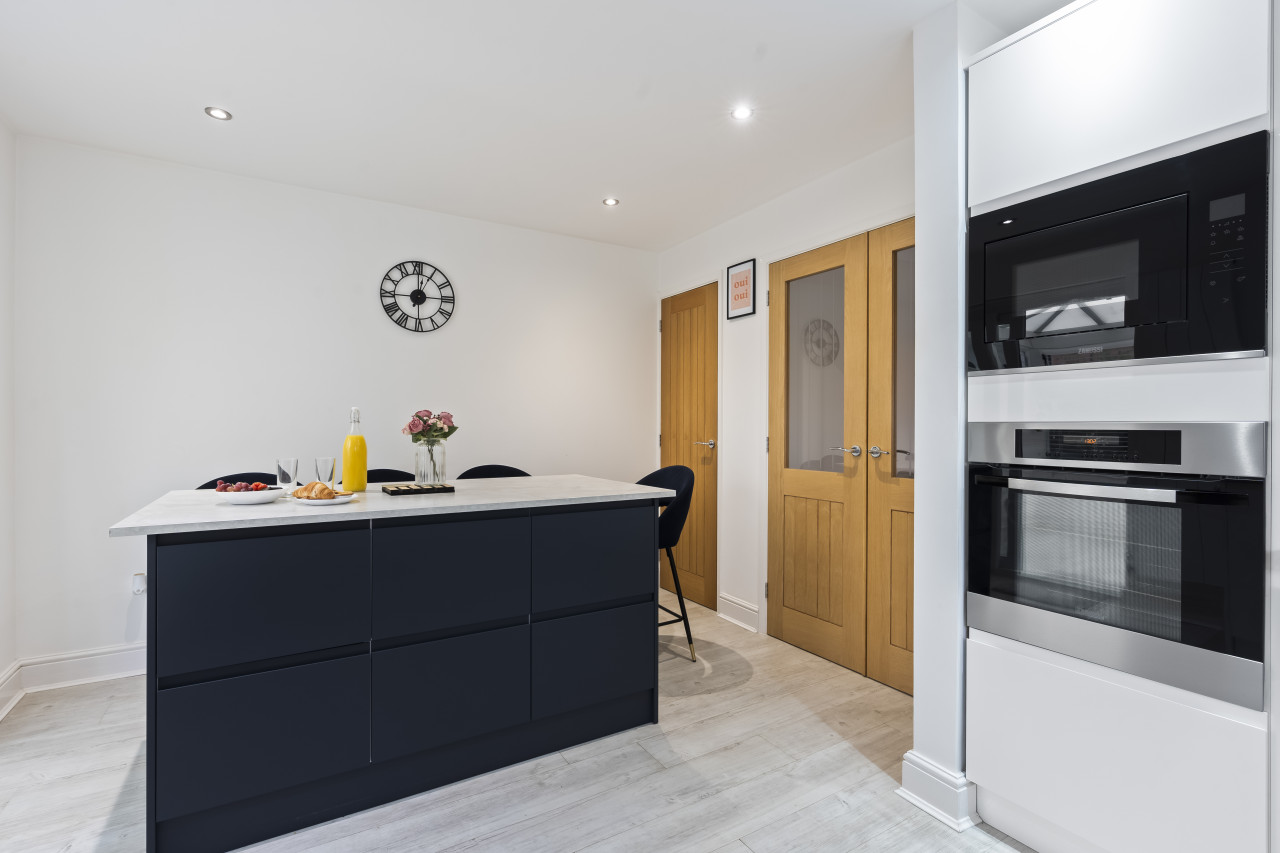
Syston
Tilly's Townhouse with Parking
- Sleeps 4
- 2 bedrooms
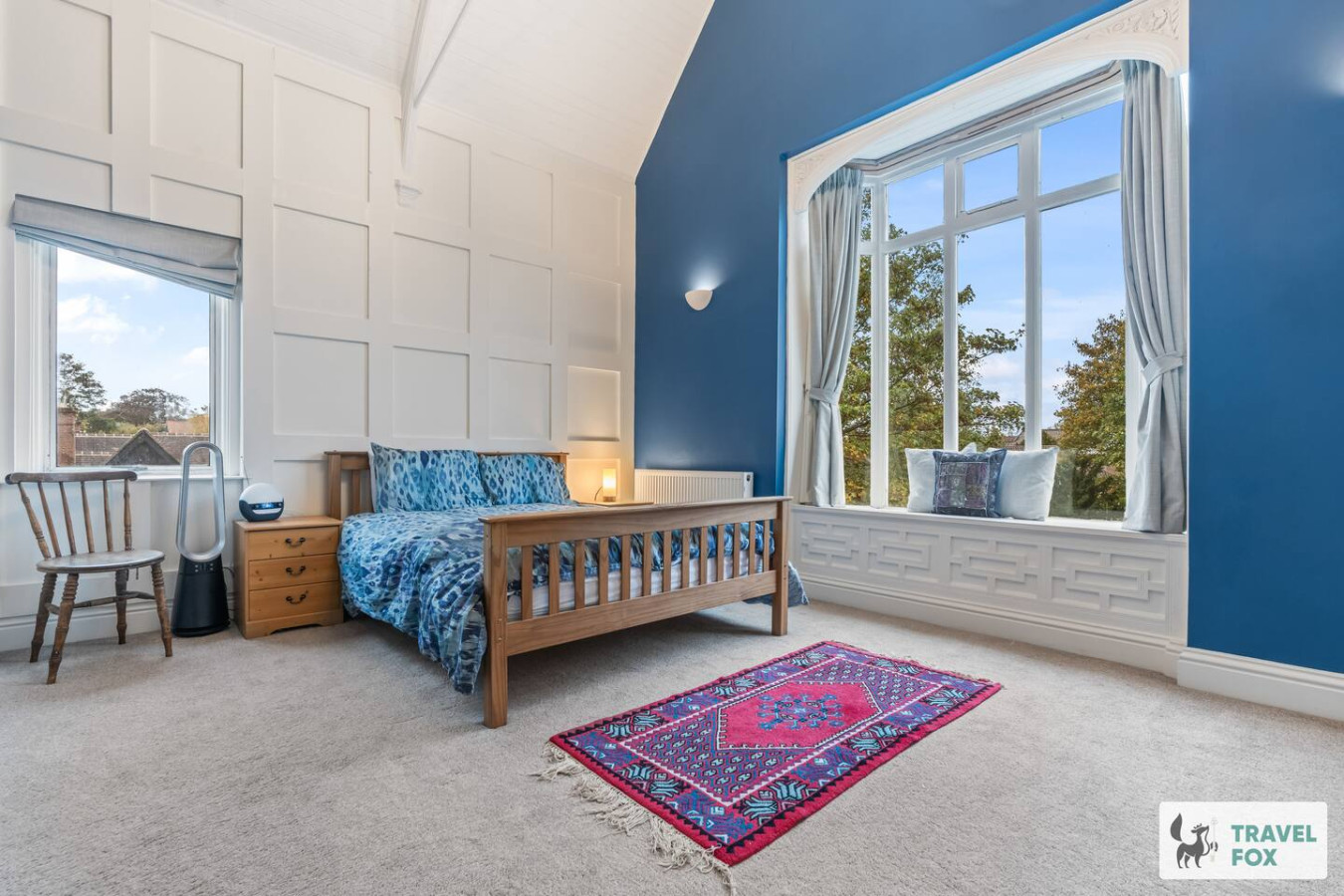
Leicester
Rachel's House with Parking!
- Sleeps 12
- 4 bedrooms
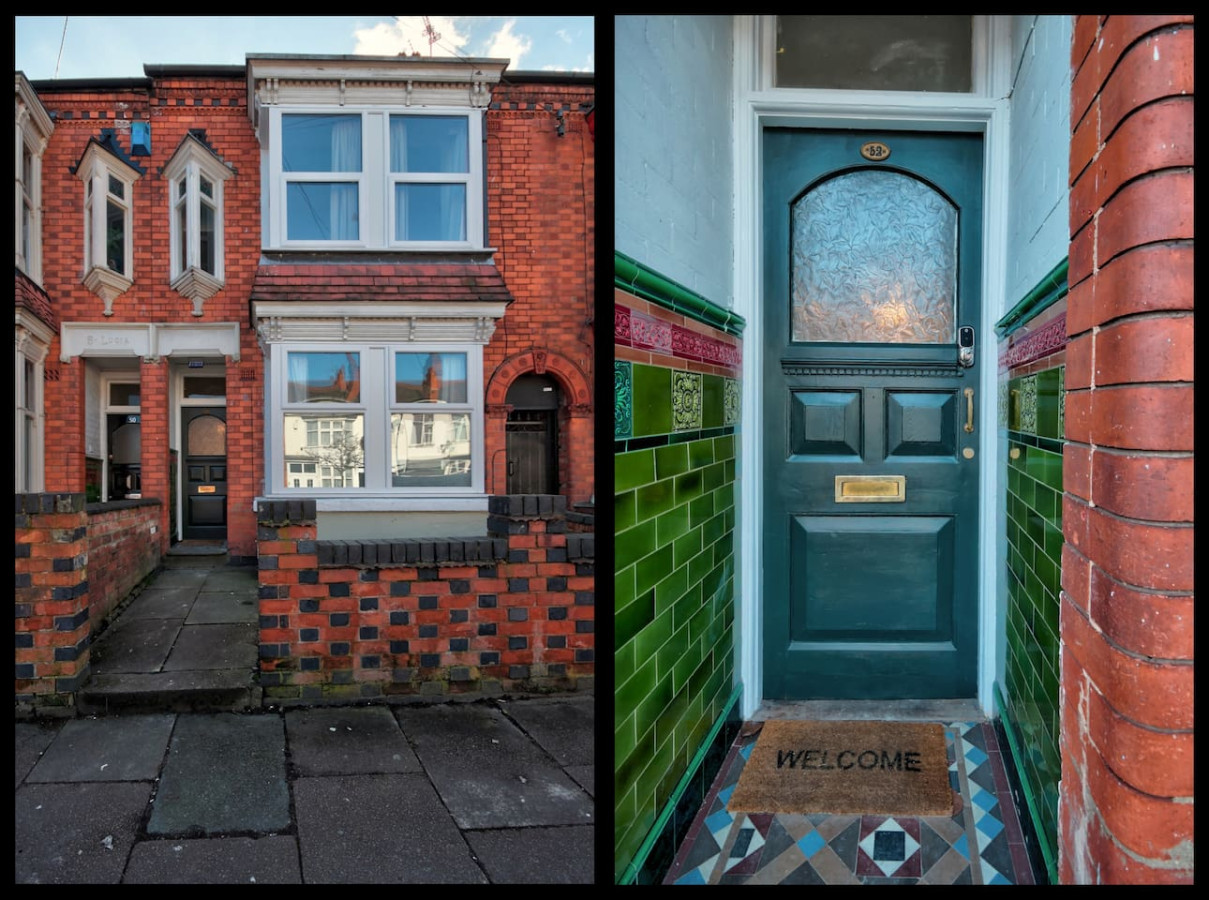
Leicester
Upperton House - Central 5 Bedroom
- Sleeps 9
- 5 bedrooms
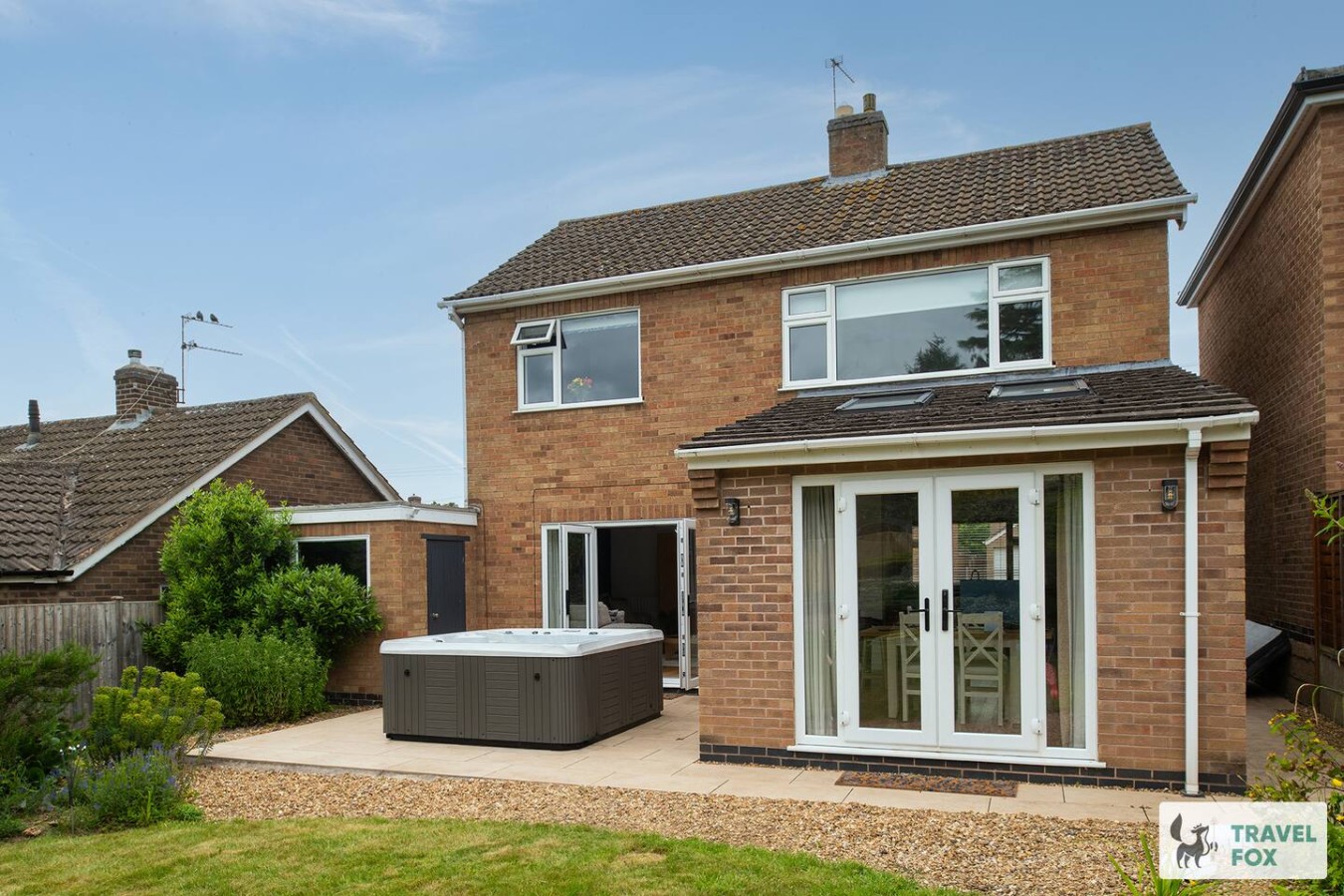
Rearsby
Vanessa's Haven - with hot tub and free parking for 3 cars!!
- Sleeps 5
- 3 bedrooms

Charnwood
UnPoplar House - Free in House Chris
- Sleeps 6
- 3 bedrooms
For homeowners
Own a holiday home near Goadby Marwood?
We manage holiday lets across the UK from 12% commission, charged after cleaning costs, with no lock-in. A co-founder visits before you decide.
How our holiday let management works →
A guide with a point of view
Written from research. Edited for real journeys.
Use the Official site links for live practical details, then use this guide for context, ideas and room to explore.
Sources
Every place on this page is checked against a published source. Each entry links the record we used and names who publishes it.
- St Denys' Church — achurchnearyou.com national body or asset manager
- Eaton, Scalford, Goadby Marwood and Melton via the Jubilee Way — choosehowyoumove.co.uk statutory register or public authority
- The Salt Way — choosehowyoumove.co.uk statutory register or public authority
- Melton Carnegie Museum — leicestershire.gov.uk statutory register or public authority
- Church of St Egelwin the Martyr — historicengland.org.uk statutory register or public authority