
On the edge of Charnwood Forest
Groby
A Leicestershire village where Tudor history, quarry stone, ancient woodland and a community pub meet.
- Best for
- Woodland walks and Tudor history
- Give it
- A day; longer for the Charnwood Peaks Walk
- Don't miss
- Groby Pool and the ruins of Bradgate House
The Fox verdict
Come for the walking; stay for the remarkable history
Groby pairs a 38-acre lake and ancient woodland with the story of the Grey family and two Queens of England.
Visit the publicly accessible roadside banks of Groby Pool, walk through Martinshaw Wood, see St Philip and St James, and explore Bradgate Park. The Stamford Arms serves pub meals and drinks.
Where to go
Places in Groby
Every place below is checked against a published source, listed with what it is and how long to give it.
Local signatures
3 placesSt Philip and St James
A Grade II listed church designed by William Railton and built in 1840, with a chancel added in 1912.
- Visit length
- Editorial estimate: Allow around 45 minutes
- Locality
- beside the Groby castle and Old Hall complex
Groby Pool
A 38-acre Site of Special Scientific Interest where visitors can watch birds from the publicly accessible roadside banks; access elsewhere is limited.
- Visit length
- Editorial estimate: Allow around 75 minutes
- Locality
- the southern edge of Charnwood Forest
Martinshaw Wood
Ancient woodland between Ratby and Groby, with a shaded pathway through notable trees.
- Visit length
- Editorial estimate: Allow around 90 minutes
- Locality
- between Ratby and Groby villages
Food & drink
1 placeThe Stamford Arms
A village pub and restaurant serving meals and drinks at 2 Leicester Road.
- Visit length
- Editorial estimate: Allow around 90 minutes
- Locality
- Groby
Walks & outdoors
1 placeCharnwood Peaks Walk
A mapped 15-mile walk across Charnwood's four peaks. Sections 10–11 are impassable; the road alternative carries fast traffic, and quarry work diverts sections 12–14.
- Visit length
- Editorial estimate: Allow up to 6 hours
- Locality
- the National Forest northwest of Leicester
History & heritage
1 placeBradgate Park
An 830-acre Charnwood Forest deer park containing the ruins of Bradgate House, Lady Jane Grey's childhood home.
- Visit length
- Editorial estimate: Allow around 2 hours 30 minutes
- Locality
- Newtown Linford car park
- Access
- Open to the public.
No places match this filter. Choose All places to reset the list.
Three ways to explore Groby
Signature outings
The Stamford Arms
Stop at the village pub on Leicester Road for a meal or drink.
Ancient Woodland Shade
Follow the woodland paths through Martinshaw Wood; check conditions before a longer walk.
The Nine-day Queen's Park
Explore Bradgate Park and the ruins of Bradgate House, where Lady Jane Grey was born in 1537.
The village story
Groby: Woodland, Water and the Greys
A village of quarry stone, royal history, wooded walks and a community pub.
The Village Pub
The Stamford Arms has served Groby since 1921. The pub stands at 2 Leicester Road in the village.
The pub serves meals and drinks, and its current website advertises live music, live sports and private functions.
The pub won Leicester CAMRA's Country Pub of the Year award in 2020.
At the Edge of Charnwood
Groby sits about five miles northwest of Leicester, on the southern edge of Charnwood Forest. The A50 connects it with the city, and bus routes 28 and 29 serve the village.
Groby Pool covers 38 acres on Charnwood Forest's southern edge and is a Site of Special Scientific Interest. Watch birds from the publicly accessible roadside banks; access elsewhere is limited. Martinshaw Wood offers paths through ancient woodland between Groby and Ratby. The 15-mile Charnwood Peaks Walk crosses four peaks, but sections 10–11 are impassable; the road alternative has fast traffic, and quarry work diverts sections 12–14.
Bradgate and the Nine-day Queen
Nearby Bradgate Park has 830 acres of publicly accessible deer park. A visitor entrance is at Newtown Linford.
The ruins of Bradgate House mark Lady Jane Grey's childhood home and birthplace in 1537. Proclaimed Queen of England in July 1553, she was deposed nine days later and beheaded at the Tower of London the following February, aged sixteen or seventeen.
The Greys and Groby Old Hall
Groby's Grey family connects the village with two queens. Sir John Grey of Groby married Elizabeth Woodville, who later married Edward IV and became queen. Their descendants included Lady Jane Grey.
St Philip and St James stands beside Groby Castle. Built in 1840 to William Railton's design, the Grade II listed church gained a chancel in 1912. Nearby Old Hall was the Grey family's home before 1446; the church occupies a newer site beside the older complex.
From Grobi to Granite
Groby appears in the Domesday record with 16 households and an annual value of three pounds in 1086. The village quarry supplied granite for Leicester via a rail link completed in 1832, with stone travelling onward by canal toward London.
The Groby quarries worked hard diorite, locally called granite, for roadstone. In the railway's first six months, 4,622 tonnes of stone and slate were carried from the quarries.
Stay around Leicestershire
Make a longer stay of it
Travel Fox holiday homes around Leicestershire, linked directly to their property pages.
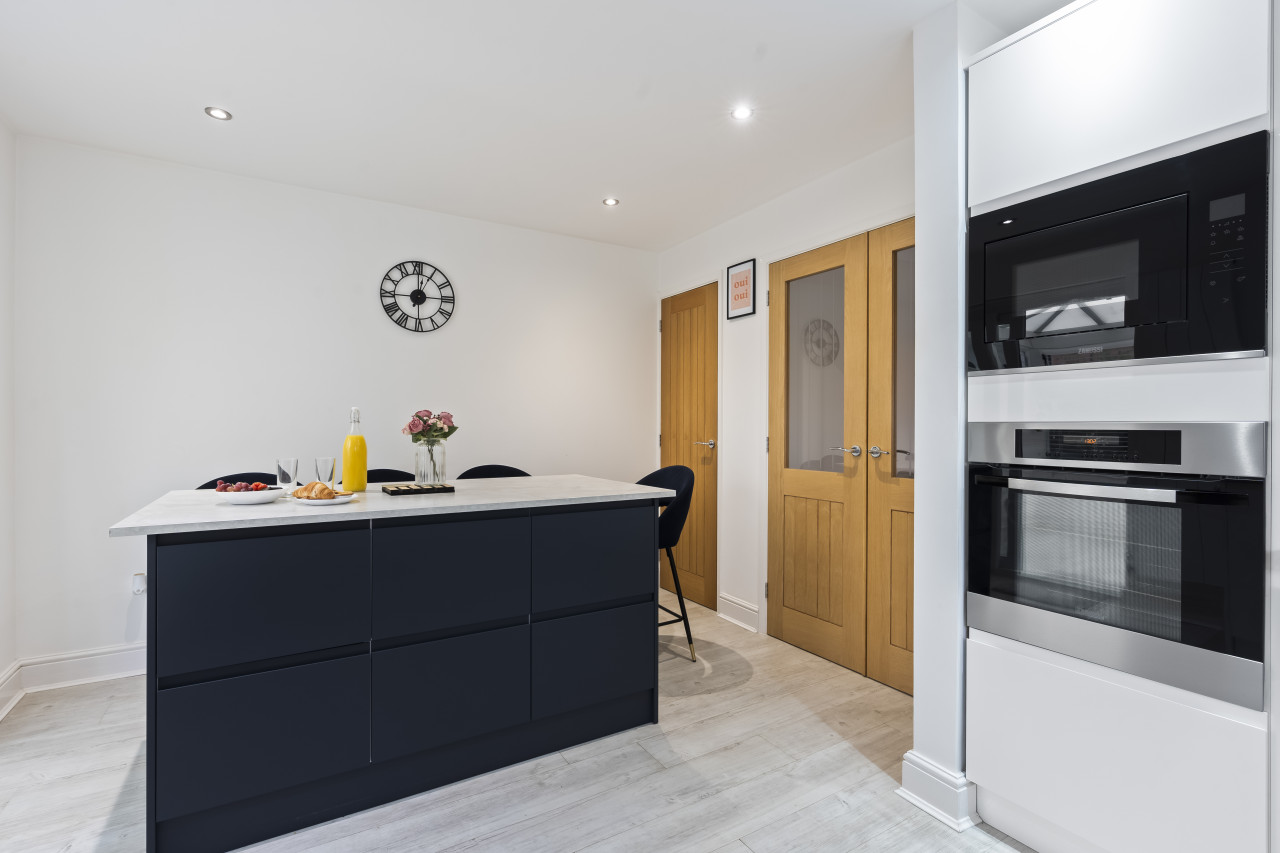
Syston
Tilly's Townhouse with Parking
- Sleeps 4
- 2 bedrooms
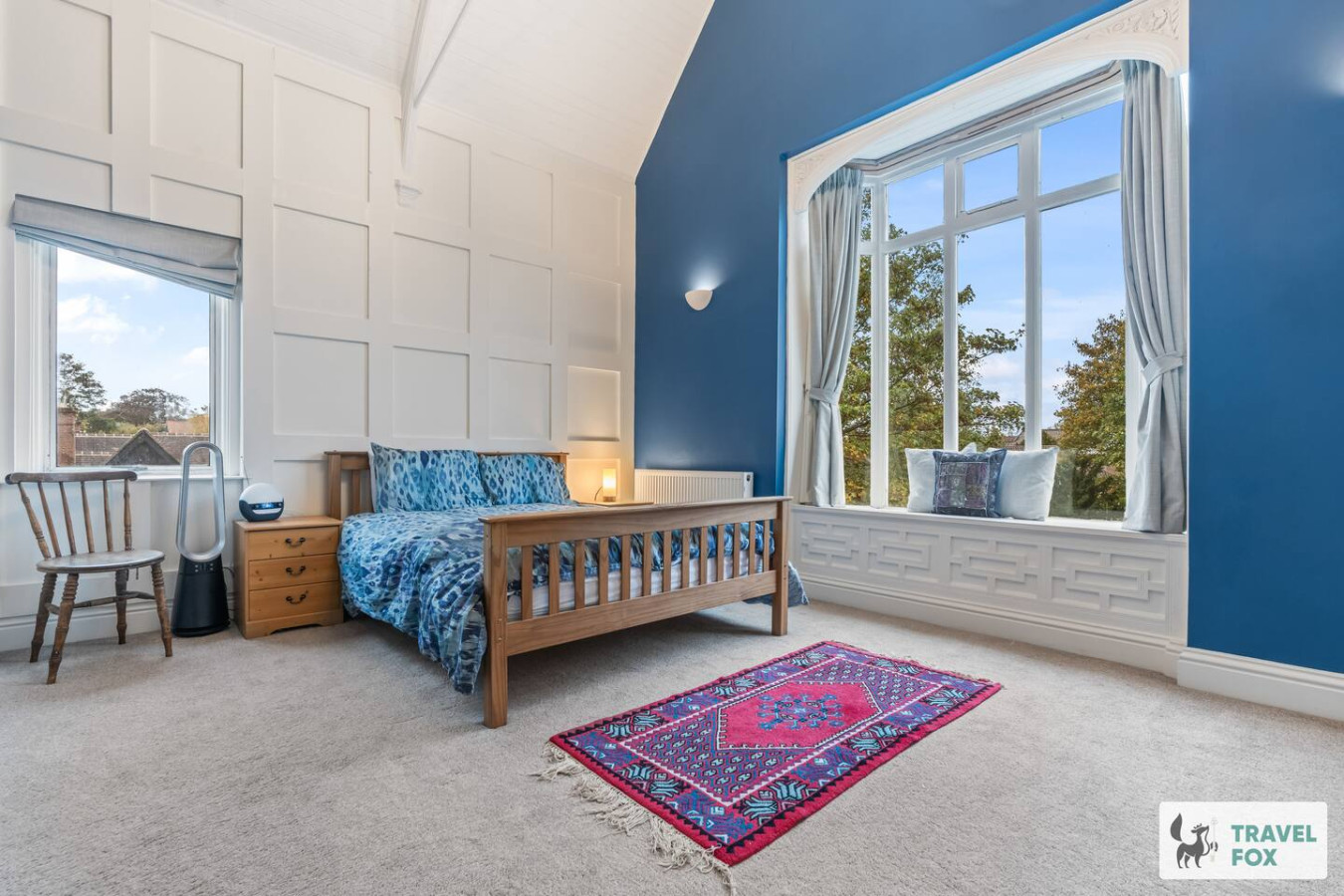
Leicester
Rachel's House with Parking!
- Sleeps 12
- 4 bedrooms
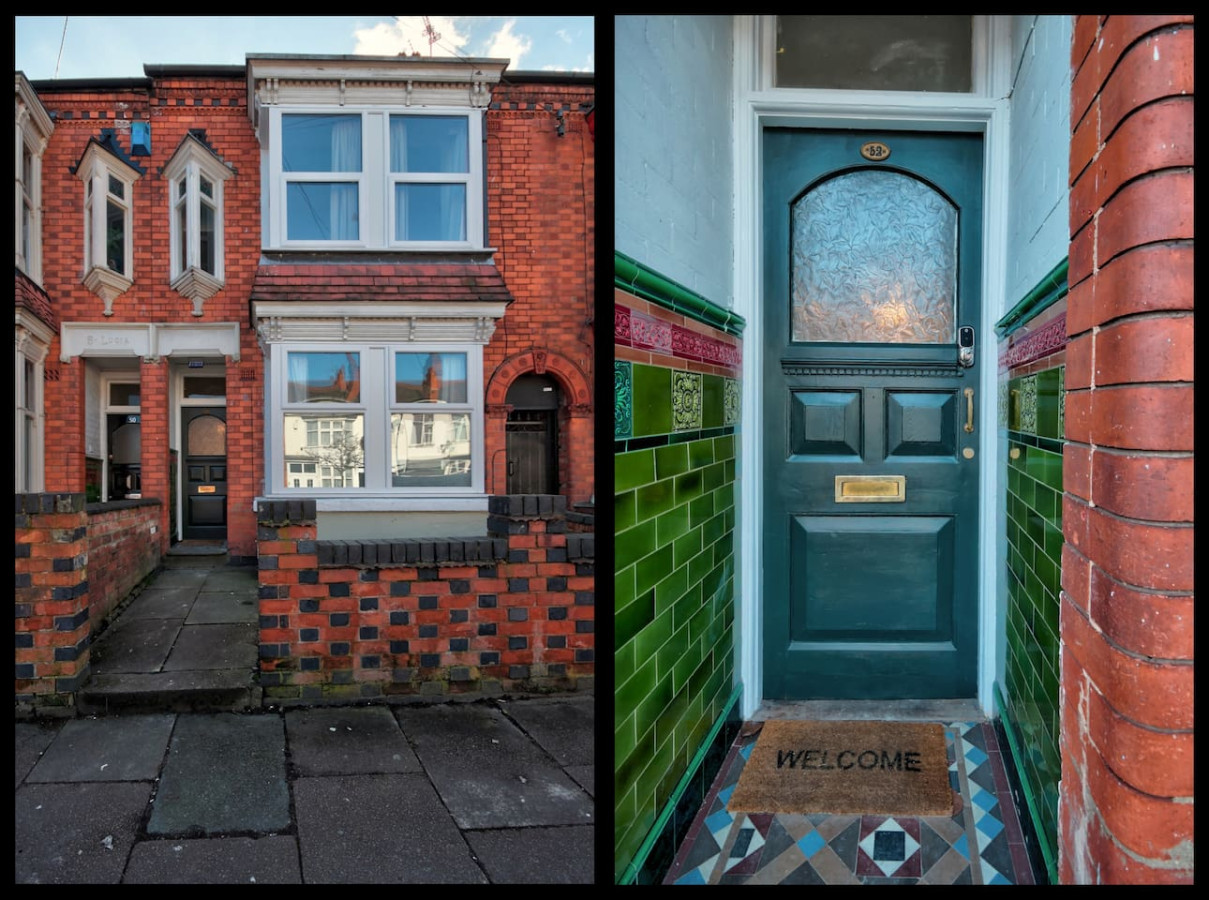
Leicester
Upperton House - Central 5 Bedroom
- Sleeps 9
- 5 bedrooms
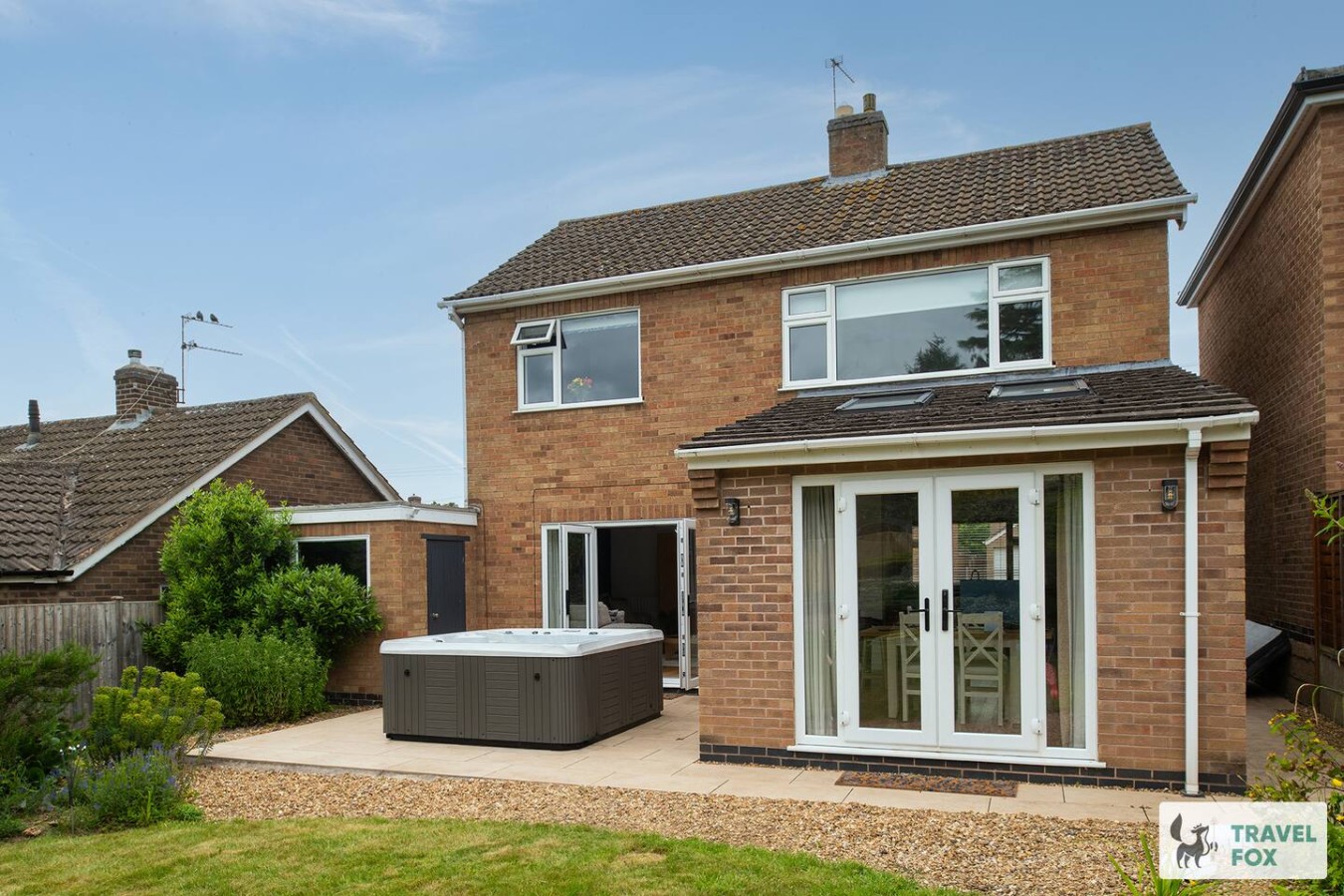
Rearsby
Vanessa's Haven - with hot tub and free parking for 3 cars!!
- Sleeps 5
- 3 bedrooms

Charnwood
UnPoplar House - Free in House Chris
- Sleeps 6
- 3 bedrooms
For homeowners
Own a holiday home near Groby?
We manage holiday lets across the UK from 12% commission, charged after cleaning costs, with no lock-in. A co-founder visits before you decide.
How our holiday let management works →
A guide with a point of view
Written from research. Edited for real journeys.
Use the Official site links for live practical details, then use this guide for context, ideas and room to explore.
Sources
Every place on this page is checked against a published source. Each entry links the record we used and names who publishes it.
- The Stamford Arms — stamfordarms.co.uk operator, sector body or destination organisation
- St Philip and St James — historicengland.org.uk statutory register or public authority record not machine-readable; publisher restricts automated access
- Groby Pool — designatedsites.naturalengland.org.uk statutory register or public authority
- Martinshaw Wood — woodlandtrust.org.uk national body or asset manager
- Charnwood Peaks Walk — nationalforest.org other published source
- Bradgate Park — bradgatepark.org operator, sector body or destination organisation