
Ironstone, earthworks and village traditions
Hallaton
A Welland Valley village of rolling pasture, historic landmarks, local archaeology and a long-recorded Easter contest.
- Best for
- Village history, parish walks and traditional pubs
- Give it
- A half day, or longer with a parish walk
- Don't miss
- The Butter Cross and St Michael's broach spire
The Fox verdict
A small village with an outsized story
Hallaton brings together Welland Valley walking, ironstone buildings, a Grade I church and the story of a major Iron Age coin discovery.
Come for the Butter Cross, church and museum, then choose a parish walk or one of the village pubs. The Hare Pie Scramble and Bottle Kicking, the Hallaton Treasure and the Norman castle give the village an unusually deep historical range.
Your picks, your pace
Explore Hallaton on foot
Choose a set of village stops, then allow time to walk between them. The parish routes are separate walks without a single mapped start.
Local signatures
3 placesButter Cross
An ironstone monument thought to date from the seventeenth century, formed from two circular steps, a stone cone and ball finial, and marking the location of Hallaton's medieval market.
- Visit length
- Editorial estimate: Allow around 20 minutes
- Locality
- Hallaton
Hallaton Museum
A small community museum with a replica Roman helmet and displays about the Hallaton Treasure and Bottle Kicking.
- Visit length
- Editorial estimate: Allow around 60 minutes
- Locality
- Behind the church
- Access
- Limited visiting days; groups can arrange a visit.
The Fox Inn
A traditional village pub with quarry-tile floors, exposed timber, ceiling beams, a real fire and front and rear gardens beside the duck pond.
- Visit length
- Editorial estimate: Allow around 90 minutes
- Locality
- 30 North End, LE16 8UJ
Food & drink
1 placeThe Bewicke Arms
A Grade II-listed, seventeenth-century thatched pub facing the Butter Cross, serving Indian food and offering a garden with picnic tables and a play area.
- Visit length
- Editorial estimate: Allow around 90 minutes
- Locality
- 1 East Gate, LE16 8UB
Walks & outdoors
1 placeHallaton Parish Walks
Three official parish walks offer routes of 6 km, 7.25 km and 8.5 km through the rolling countryside around Hallaton.
- Visit length
- Editorial estimate: Allow around 120 minutes for the shortest route
- Locality
- Hallaton
History & heritage
1 placeSt Michael and All Angels
A Grade I ironstone-and-limestone church with a heavy thirteenth-century broach spire, an early Norman tympanum and a fifteenth-century rib-vaulted crypt.
- Visit length
- Editorial estimate: Allow around 45 minutes
- Locality
- Hallaton
No places match this filter. Choose All places to reset the list.
On the map
Hallaton at a glance
Tap a marker to jump to its guide card.
Three ways to explore Hallaton
Signature outings
Norman detail and a broach spire
Look for the early Norman tympanum of St Michael slaying a dragon before taking in one of the county's finest broach spires.
Choose a parish circuit
Pick from Hallaton's three official parish walks, ranging from 6 km to 8.5 km through rolling countryside.
Meet Hallaton's curious cross
Study the Butter Cross's circular ironstone steps, conical stone body and ball finial at the location of the medieval market.
The village story
Hallaton Village Guide
Markets, ironstone, archaeology and ritual shape the story of this Welland Valley village.
Opening and the Butter Cross
Hallaton sits among the rolling fields of the Welland Valley, where ironstone buildings and a broach spire give a small village a remarkably long view into its past.
Begin at the former market place. This compact centre connects Hallaton's medieval trading history with an Easter Monday custom still shared with Medbourne.
The Butter Cross is a three-metre ironstone monument with two circular steps, a conical body and a ball finial. Thought to date from the seventeenth century, it stands in the former market place, where a weekly market was first granted in 1224.
Landscape and Village Pubs
Rolling pasture, thick hedgerows and ironstone buildings shape the village and its surroundings; red kites can be seen over the fields. A duck pond sits at the north end. Hallaton has two pubs but no independent shop, and Market Harborough provides the nearest railway station. No scheduled bus serves the village.
The Fox Inn at 30 North End overlooks the duck pond. Refurbished in 2011, it retains quarry-tile floors, exposed timber, ceiling beams and a real fire. Front and rear gardens offer places to sit outside, while the kitchen serves familiar pub dishes such as fish and chips, pies and burgers.
The Bewicke Arms faces the former market place on Eastgate. Its Grade II-listed building dates from the late sixteenth or early seventeenth century and has a thatched roof. The pub reopened in 2023 and specialises in Indian food. A rear garden has picnic tables and a play area, and a tearoom sits next door.
Museum, Church and Parish Walks
Hallaton Museum occupies the Tin Tab behind the church. Honoria Whigham founded it to record village life, and it has welcomed visitors since 1978. Displays cover Bottle Kicking and the Hallaton Treasure, including a replica of the Roman helmet. Its First World War exhibition won a Museums + Heritage Award in 2017. The original helmet is displayed at Harborough Museum in Market Harborough, about 6.8 miles from Hallaton in a straight line; the road journey is longer.
St Michael and All Angels stands on rising ground above the village. The Grade I church has a thirteenth-century tower and broach spire, with ironstone below and limestone above. A Romanesque tympanum in the north porch shows St Michael triumphing over a dragon. Inside, the north aisle incorporates masonry from an earlier church, and a rib-vaulted chamber lies beneath its eastern end.
Hallaton Parish Walks offers three circular routes of 6 km, 7.25 km and 8.5 km through undulating countryside. The published routes cross fields and tracks, with some stretches on minor roads. Longer walking options in the area include the Leicestershire Round, Midshires Way and Macmillan Way, with routes towards Cranoe and Medbourne.
Castle, Treasure and Domesday
West of the village, Castle Hill preserves a Norman motte and bailey. The scheduled earthworks can be seen from the published parish walk: the motte is about 50 metres across and rises 7.5 metres above its ditch. Historic England describes it as the finest example of its type in Leicestershire.
In 2000, Ken Wallace's metal-detecting discovery near Hallaton led to the excavation of more than 5,000 Iron Age coins, jewellery, ritual objects and a silver-gilt Roman cavalry helmet. The Hallaton Fieldwork Group and University of Leicester worked on the site. The finds reveal an open-air shrine used around the time of the Roman conquest; the conserved helmet and other key objects are displayed at Harborough Museum, about 6.8 miles from Hallaton in a straight line; the road journey is longer.
Domesday Book recorded 26 households at Hallaton in 1086, with Geoffrey Alselin holding the estate. A weekly market was granted in 1224. It later lapsed and was revived in 1767, leaving the former market place as a reminder of the village's trading past.
Tradition, a Campaigner and Arrival
On Easter Monday, Hallaton and Medbourne compete in the Hare Pie Scramble and Bottle Kicking. The vicar distributes hare pie and penny loaves before teams contest three small wooden barrels, known as bottles, across fields towards their boundary streams. Two barrels contain beer and the third is solid wood. The winning side celebrates back in the village by sharing beer from a barrel atop the market monument.
The Bewicke family of Hallaton Hall also connects the village to a wider story. Alicia Bewicke, born in 1845, became the writer Alicia Little after marrying Archibald Little. In China she campaigned against foot-binding and helped found the Natural Feet Society in 1895. Her 1899 book, *Intimate China*, combined travel writing with photographs and that campaign.
A walk back through the ironstone lanes brings the market, castle, shrine and Easter contest into one view of Hallaton. The village's small scale makes those layers of history easy to take in on foot.
Stay around Leicestershire
Make a longer stay of it
Travel Fox holiday homes around Leicestershire, linked directly to their property pages.
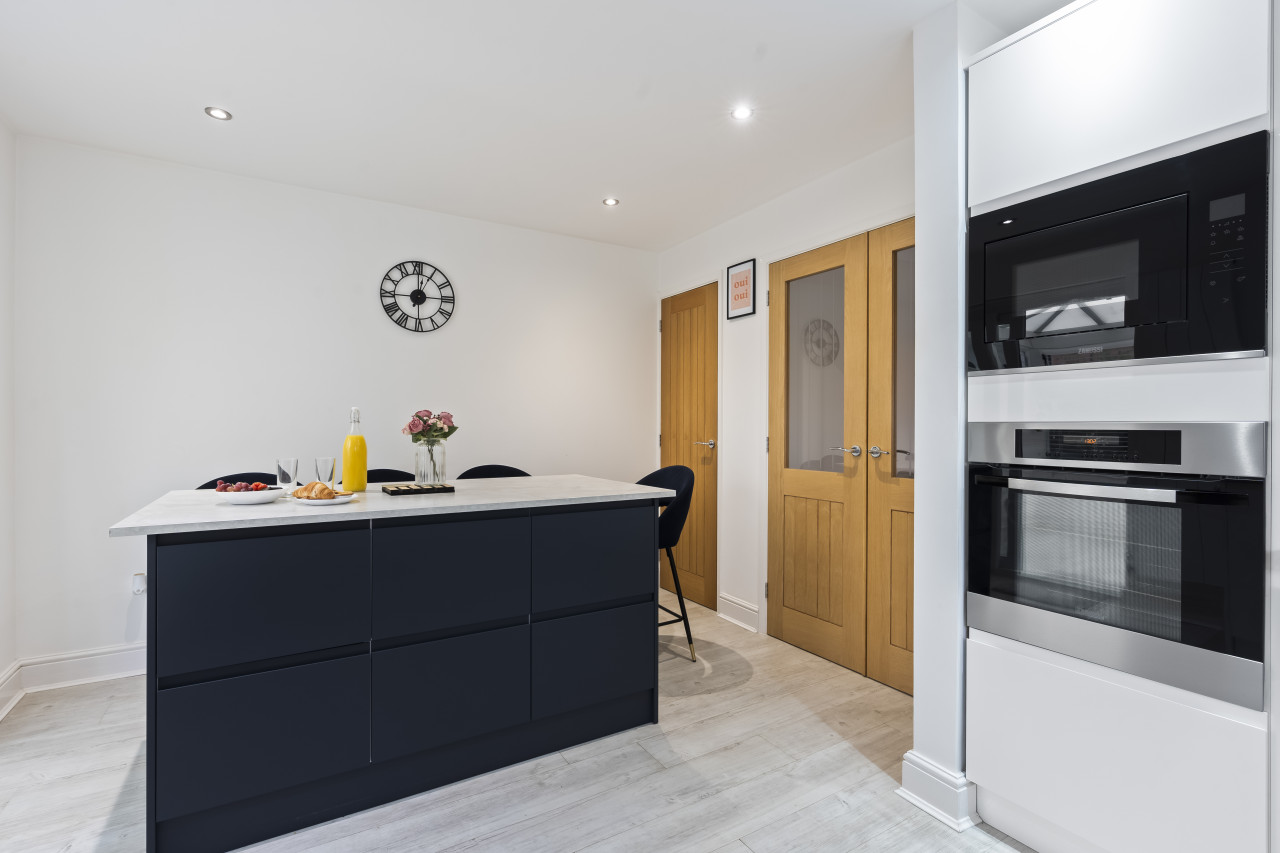
Syston
Tilly's Townhouse with Parking
- Sleeps 4
- 2 bedrooms
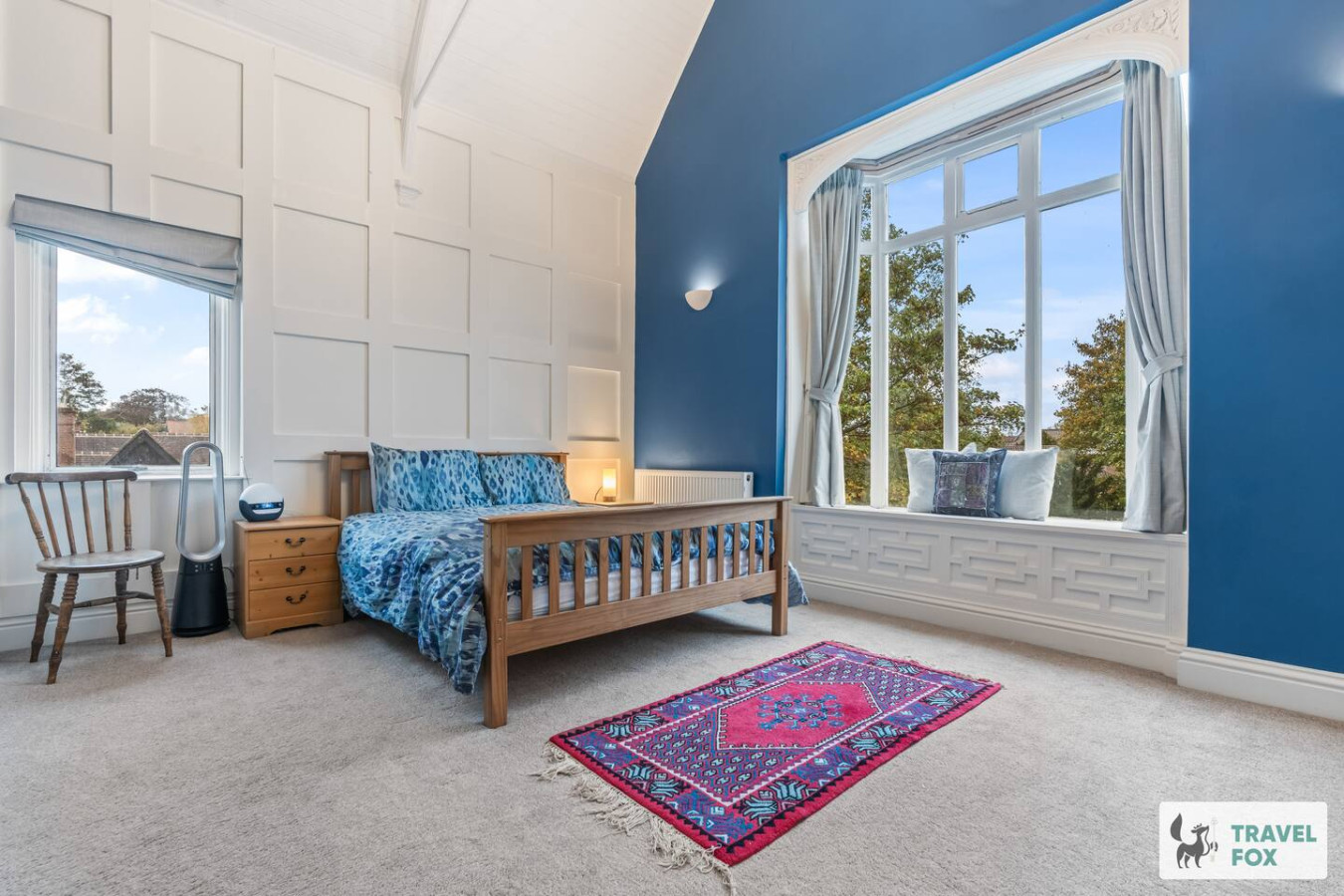
Leicester
Rachel's House with Parking!
- Sleeps 12
- 4 bedrooms
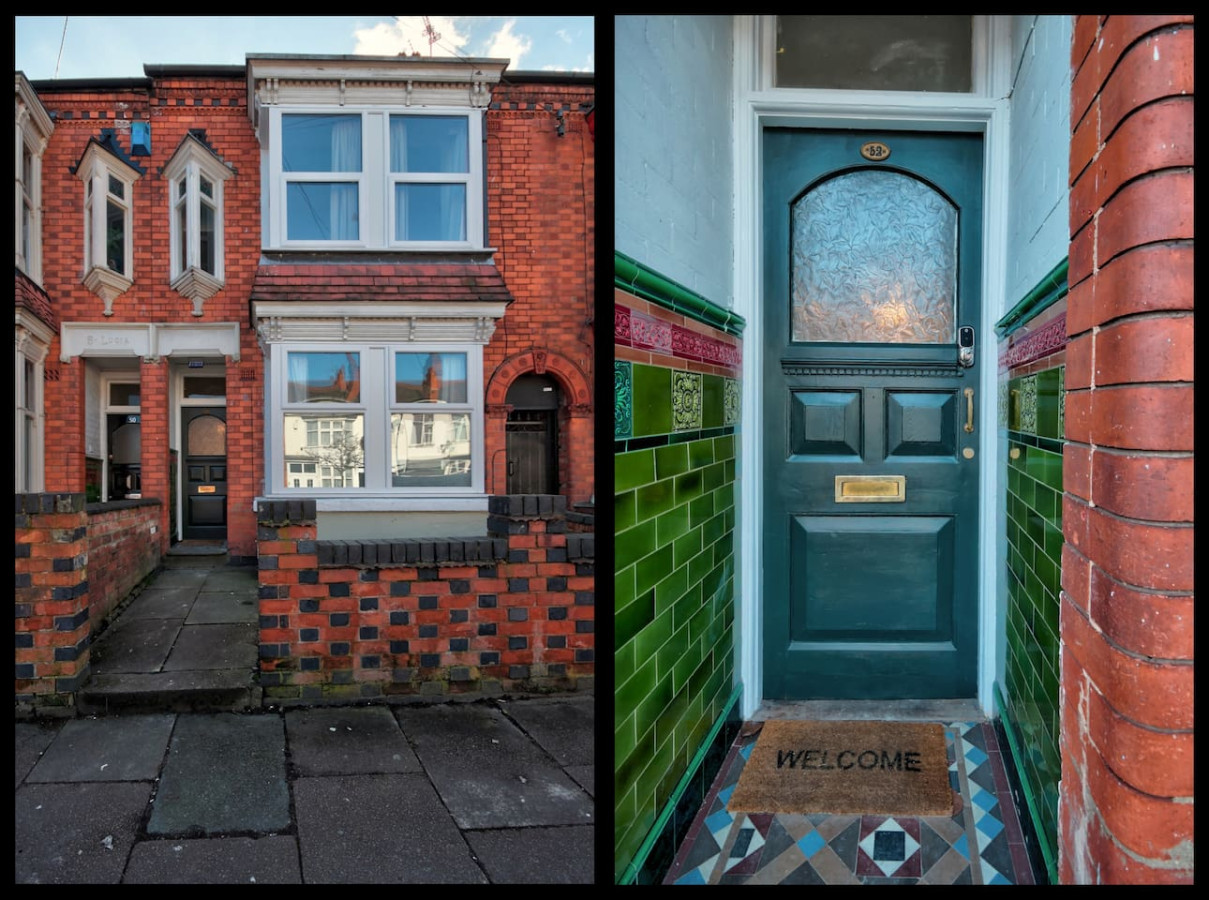
Leicester
Upperton House - Central 5 Bedroom
- Sleeps 9
- 5 bedrooms
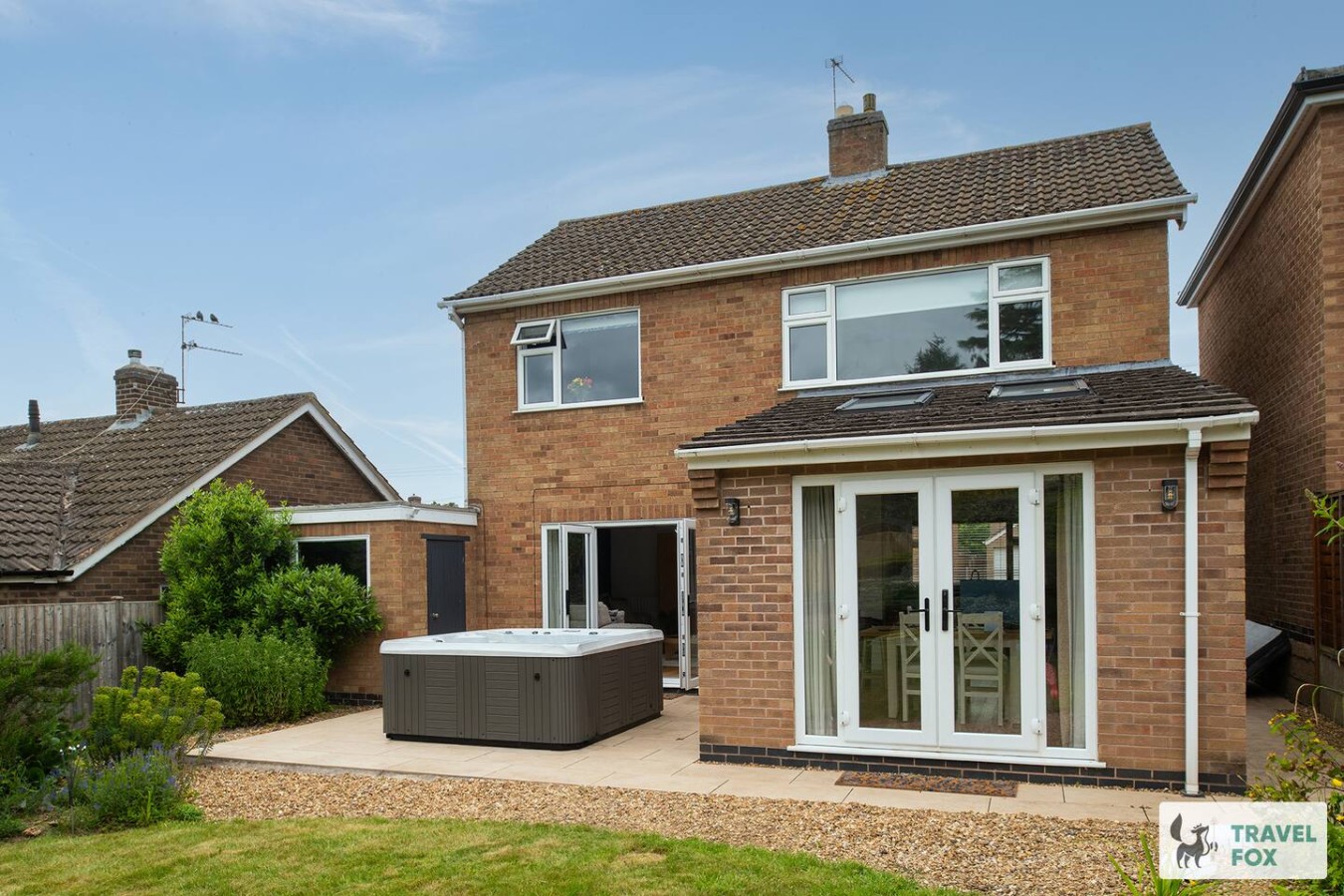
Rearsby
Vanessa's Haven - with hot tub and free parking for 3 cars!!
- Sleeps 5
- 3 bedrooms

Charnwood
UnPoplar House - Free in House Chris
- Sleeps 6
- 3 bedrooms
For homeowners
Own a holiday home near Hallaton?
We manage holiday lets across the UK from 12% commission, charged after cleaning costs, with no lock-in. A co-founder visits before you decide.
How our holiday let management works →
A guide with a point of view
Written from research. Edited for real journeys.
Use the Official site links for live practical details, then use this guide for context, ideas and room to explore.
Sources
Every place on this page is checked against a published source. Each entry links the record we used and names who publishes it.
- Butter Cross — historicengland.org.uk statutory register or public authority record not machine-readable; publisher restricts automated access
- St Michael and All Angels — historicengland.org.uk statutory register or public authority record not machine-readable; publisher restricts automated access
- Hallaton Museum — hallaton-museum.co.uk operator, sector body or destination organisation
- The Fox Inn — camra.org.uk operator, sector body or destination organisation
- The Bewicke Arms — historicengland.org.uk statutory register or public authority record not machine-readable; publisher restricts automated access
- Hallaton Parish Walks — choosehowyoumove.co.uk other published source