
A Leicestershire ridge village
Houghton on the Hill
Two very different pubs, open-farmland walks and layers of history on a hill six miles east of Leicester.
- Best for
- Pub meals, hilltop history and farmland walks
- Give it
- A half day, or longer with the walk to Ingarsby
- Don't miss
- The medieval carvings in St Catharine's Church
The Fox verdict
A ridge village with more range than its size suggests
Come for a choice of two genuinely different pub menus, then add the church or the footpath to deserted Ingarsby.
Houghton on the Hill combines an Everards country pub, an Indo-Chinese and Indian restaurant-pub, a church with mid-thirteenth-century fabric and a ridge setting that opens onto surrounding farmland. Its history also reaches from the Domesday entry for Hohtone to landscape painter John Glover, who was born here in 1767.
Where to go
Places in Houghton on the Hill
Every place below is checked against a published source, listed with what it is and how long to give it.
Local signatures
3 placesThe Old Black Horse Inn
A traditional Everards pub with winter log fires, a restaurant and a family-friendly beer garden with a pétanque piste and views over open fields.
- Visit length
- Editorial estimate: Allow around 60 minutes
- Locality
- Main Street, Houghton on the Hill
- Access
- Dogs are welcome in the main bar and snug area.
The Rose & Crown
A large village pub with an open-plan bar, a restaurant in a side conservatory and Indo-Chinese and Indian menus.
- Visit length
- Editorial estimate: Allow around 60 minutes
- Locality
- Uppingham Road, Houghton on the Hill
- Access
- The restaurant is run separately from the pub, so food and drinks are paid for separately.
St Catharine's Church
The parish church has thirteenth-century fabric, carved heads in the nave and a fourteenth-century tower.
- Visit length
- Editorial estimate: Allow around 30 minutes
- Locality
- Houghton on the Hill
History & heritage
2 placesIngarsby
A deserted medieval village reached by footpath from Houghton on the Hill, where well-preserved earthworks trace old lanes and house plots.
- Visit length
- Editorial estimate: Allow around 90 minutes
- Locality
- Nearby Ingarsby
- Access
- The destination is accessible by footpath.
Houghton-on-the-Hill Methodist Church
A Methodist church on Main Street, in the current chapel built by Wesleyan Methodists after they took over an earlier Baptist chapel in 1851.
- Visit length
- Editorial estimate: Allow around 20 minutes
- Locality
- Main Street, Houghton on the Hill
No places match this filter. Choose All places to reset the list.
Three ways to explore Houghton on the Hill
Signature outings
The Methodist chapel on Main Street
The chapel hosts concerts and lectures, and its warm interior is noted for excellent acoustics.
Medieval heads in the nave
The carved heads in St Catharine's nave are traditionally associated with Henry III and his queen.
Walk out to deserted Ingarsby
At Ingarsby, the earthworks still show side lanes and house platforms, giving walkers a sense of the medieval village's layout.
The village story
Houghton on the Hill Village Guide
Two distinct pubs, ridge walks, deep history and the birthplace of landscape painter John Glover.
Two Pubs, Two Different Menus
The Old Black Horse Inn on Main Street is an Everards pub with winter log fires and a family-friendly garden overlooking open fields. The garden has a pétanque piste. Sunday roasts offer at least three choices, including beef, lamb, free-range chicken, fish and vegetarian options; sandwiches, light bites and Potato Bill's jacket potatoes cover lighter meals. Dogs are welcome in the bar and snug.
Walk east along Uppingham Road to the Rose & Crown, a coaching inn recorded by 1810. Sports screens face the open-plan bar, while the restaurant occupies a side conservatory and serves Indo-Chinese and Indian food. The restaurant operates separately from the pub, with food and drinks paid for separately.
Village Practicalities
A meal and a ridge walk fit comfortably into a half-day visit.
Leicester, six miles west, and Market Harborough, about fifteen miles south, offer broader shopping. The LC7 bus connects the village with Leicester and Uppingham; Leicester is the nearest railway station.
Ridge Walks and Deep History
Houghton sits on a ridge, and the name says so — Old English *hoh* (a spur of land) plus *tun* (settlement). The elevation earns its keep. Views run across the Harborough district and east Leicestershire, and footpaths cross open farmland to Ingarsby, a deserted medieval village. A circuit from Houghton reaches the village earthworks and crosses the dismantled railway on its return. The former Ingarsby for Houghton on the Hill station closed to regular passenger traffic in 1953.
St Catharine's Church has fabric dating from the mid-thirteenth century and carved heads in the nave traditionally associated with Henry III and his queen. A now-lost stone at the south porch bore MXIV — 1014 — and hints at an earlier building on the site. Iron Age pottery has been found near the church, while worked flint from around 3000 BC turned up near the school. People have been drawn to this hilltop for millennia.
From Hohtone to John Glover
Houghton appeared in Domesday Book as Hohtone in 1086, with ten households recorded.
John Glover was born here in 1767. He became known as "the English Claude" for his landscape paintings, then emigrated to Tasmania at sixty-three and is now regarded as the father of Australian landscape painting. His work hangs in the National Gallery of Victoria and the Art Gallery of New South Wales. The village doesn't make much of this.
Late Utilities and Field Views
Mains water reached Houghton in 1904 and electricity in 1932, late for a village only six miles from Leicester.
The ridge still rewards a late walk, with open fields stretching towards east Leicestershire. In the evening, those views make the village feel further from Leicester than six miles.
Stay around Leicestershire
Make a longer stay of it
Travel Fox holiday homes around Leicestershire, linked directly to their property pages.
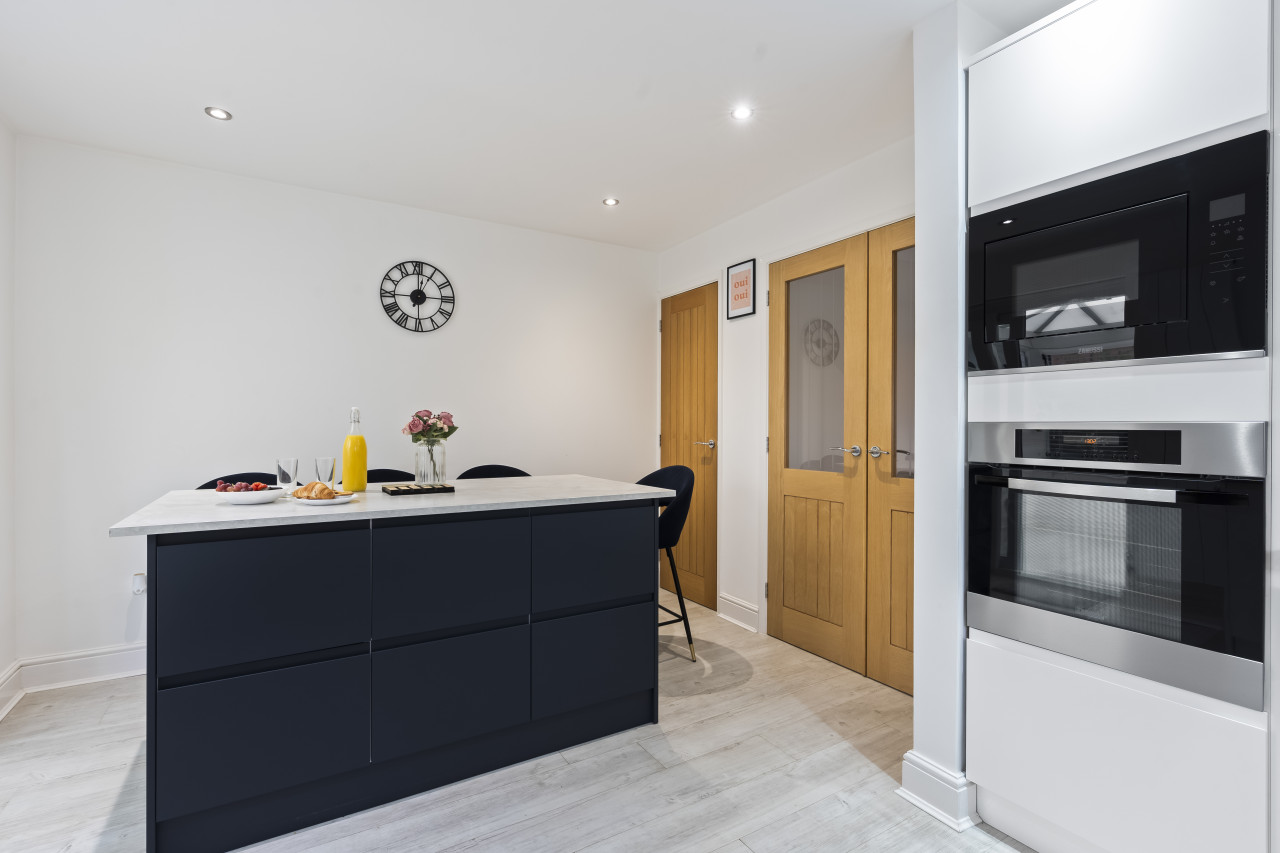
Syston
Tilly's Townhouse with Parking
- Sleeps 4
- 2 bedrooms
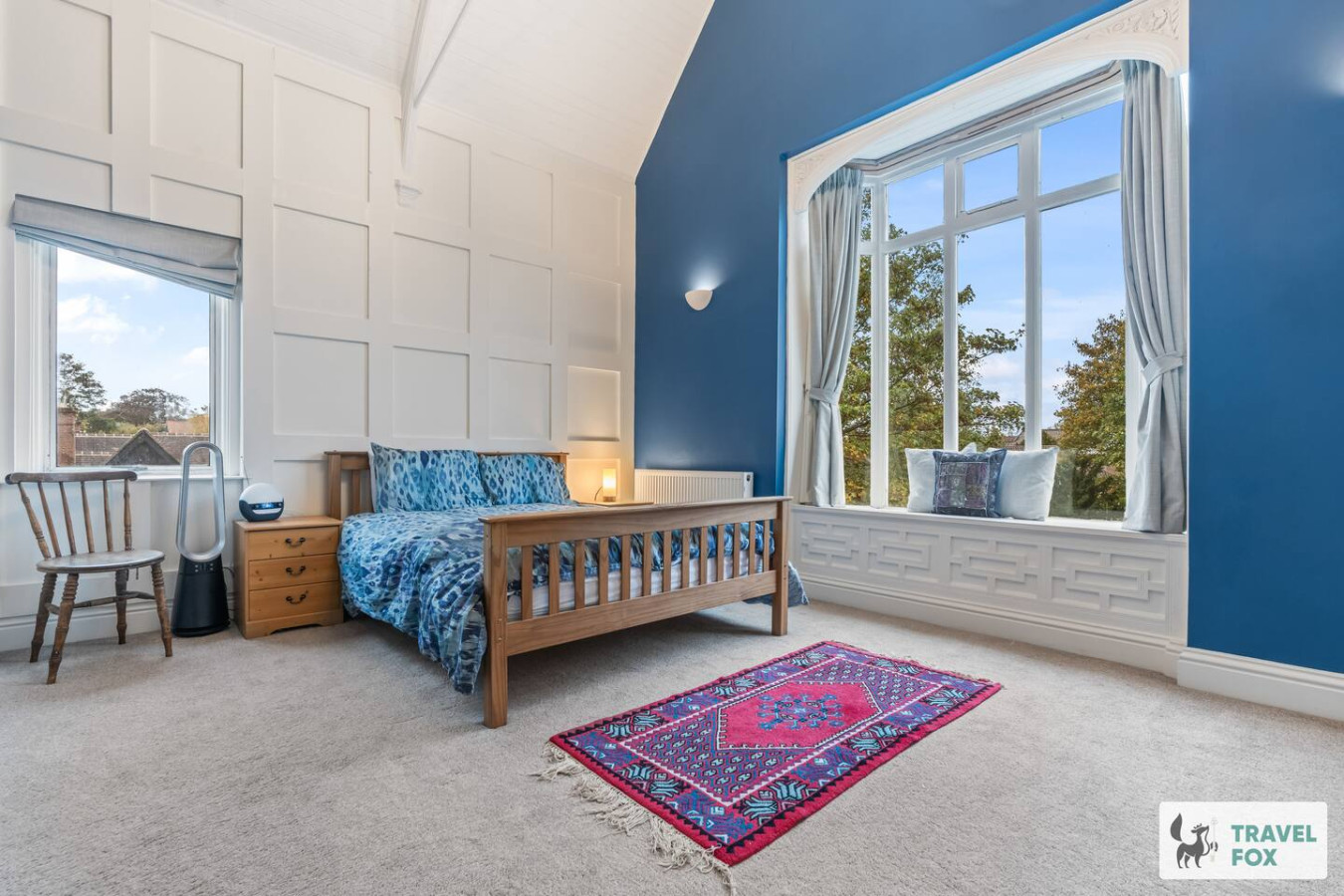
Leicester
Rachel's House with Parking!
- Sleeps 12
- 4 bedrooms
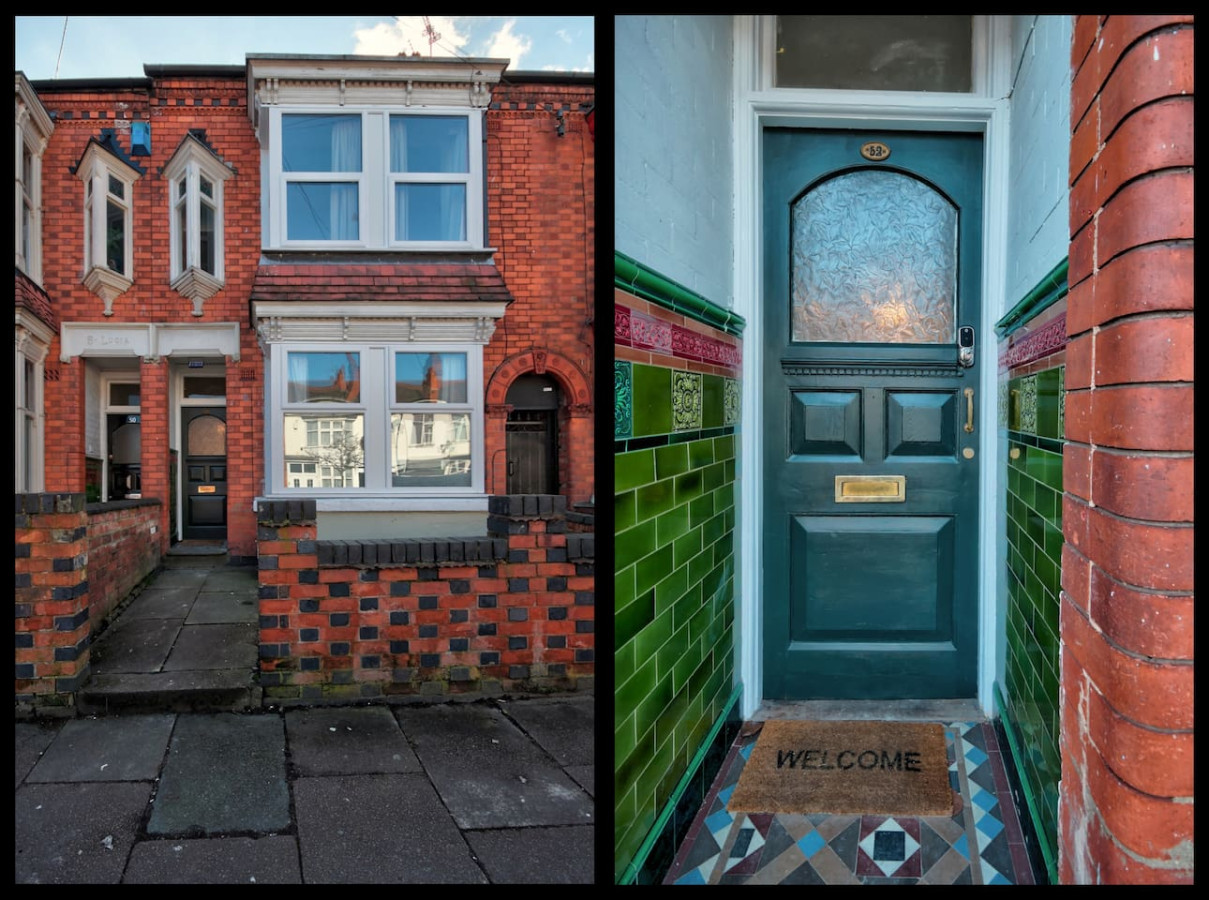
Leicester
Upperton House - Central 5 Bedroom
- Sleeps 9
- 5 bedrooms
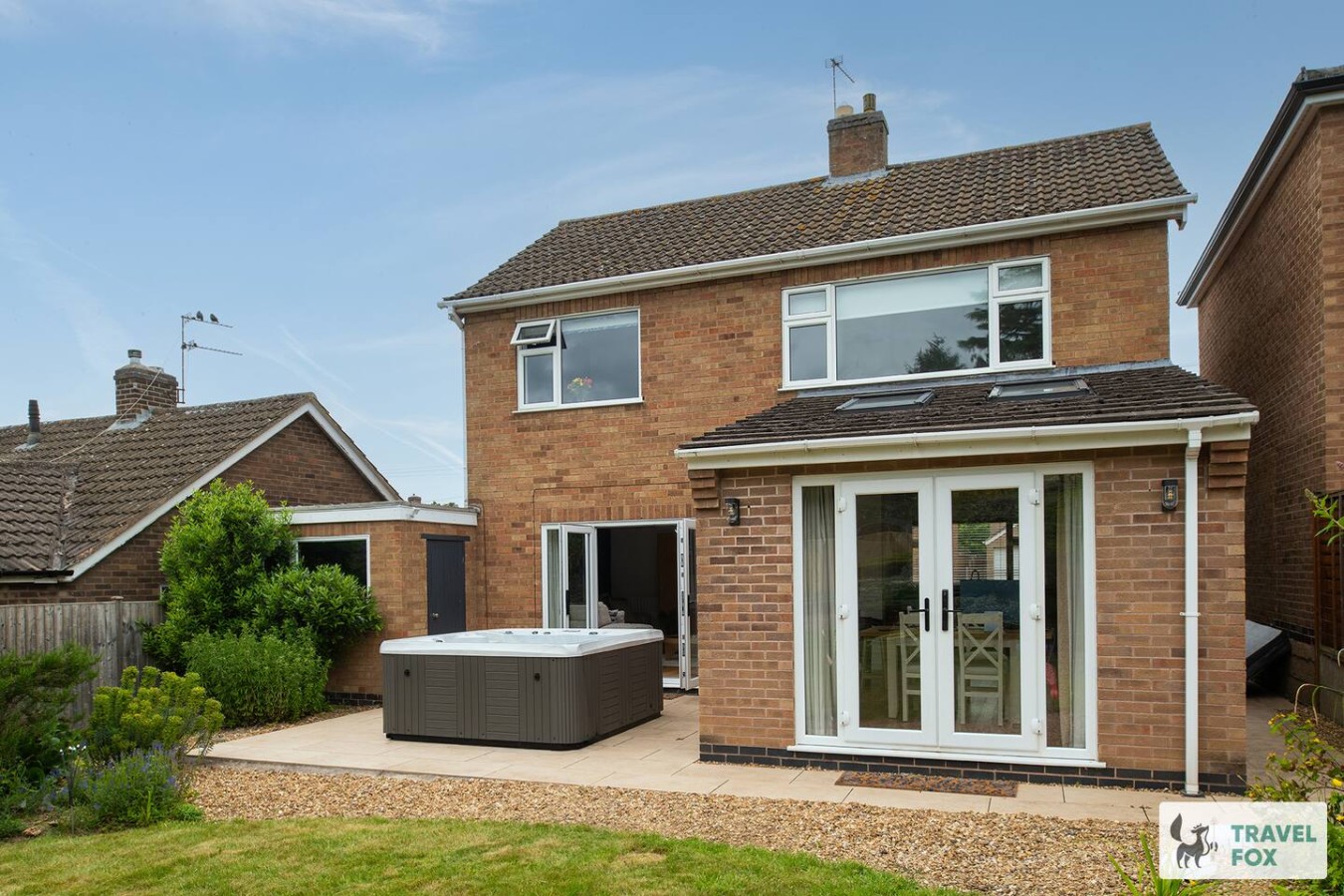
Rearsby
Vanessa's Haven - with hot tub and free parking for 3 cars!!
- Sleeps 5
- 3 bedrooms

Charnwood
UnPoplar House - Free in House Chris
- Sleeps 6
- 3 bedrooms
For homeowners
Own a holiday home near Houghton on the Hill?
We manage holiday lets across the UK from 12% commission, charged after cleaning costs, with no lock-in. A co-founder visits before you decide.
How our holiday let management works →
A guide with a point of view
Written from research. Edited for real journeys.
Use the Official site links for live practical details, then use this guide for context, ideas and room to explore.
Sources
Every place on this page is checked against a published source. Each entry links the record we used and names who publishes it.
- The Old Black Horse Inn — oldblackhorseinn.co.uk operator, sector body or destination organisation
- The Rose & Crown — camra.org.uk operator, sector body or destination organisation
- St Catharine's Church — stcatharineschurch.co.uk operator, sector body or destination organisation record not machine-readable; publisher restricts automated access
- Ingarsby — historicengland.org.uk statutory register or public authority record not machine-readable; publisher restricts automated access
- Houghton-on-the-Hill Methodist Church — leicestertrinitycircuit.org.uk other published source